New Ventures Innovation
-
DATABASE (738)
-
ARTICLES (746)
Established in 2015, Innohub Capital offers comprehensive services for early-stage startups, including incubation, entrepreneurial training, marketing, etc. It operates incubators and manages funds that focus on seed funding in China, New Zealand and Australia. Innohub Capital has created the world's first service platform for startups operating an O2O model. Founder and Chairman Xu Hongbo is an expert in mobile internet and an evangelist of blockchain in China. Innohub Capital has invested in more than 60 companies so far.

Established in 2015, Innohub Capital offers comprehensive services for early-stage startups, including incubation, entrepreneurial training, marketing, etc. It operates incubators and manages funds that focus on seed funding in China, New Zealand and Australia. Innohub Capital has created the world's first service platform for startups operating an O2O model. Founder and Chairman Xu Hongbo is an expert in mobile internet and an evangelist of blockchain in China. Innohub Capital has invested in more than 60 companies so far.
Based in Singapore, Clermont Group is a venture capital group that was founded by New Zealand-born billionaire Richard F. Chandler. The company styles itself as a "business house" with a philosophy that entrepreneurship and managing capital are noble callings. To this end, Clermont invests in businesses that are geared towards fulfilling customer needs and those that generate employment. As a group, Clermont owns shares in Vietnamese healthcare group Hoan My, Philippines based clinic network The Medical City and the Small Business FinCredit company in India.

Based in Singapore, Clermont Group is a venture capital group that was founded by New Zealand-born billionaire Richard F. Chandler. The company styles itself as a "business house" with a philosophy that entrepreneurship and managing capital are noble callings. To this end, Clermont invests in businesses that are geared towards fulfilling customer needs and those that generate employment. As a group, Clermont owns shares in Vietnamese healthcare group Hoan My, Philippines based clinic network The Medical City and the Small Business FinCredit company in India.
Founded in 1993, WI Harper Group is a venture capital firm investing in early to growth stage companies across the US, Greater China and Asia Pacific. The group has invested in more than 400 companies in the fields of healthcare, biotech, artificial intelligence, robotics, fintech, sustainability and new media. It manages seven venture capital funds with over 100 successful IPO and M&A exits. With three strategic offices in San Francisco, Beijing and Taipei, the group seeks investment opportunities both in the US and Asia.
Founded in 1993, WI Harper Group is a venture capital firm investing in early to growth stage companies across the US, Greater China and Asia Pacific. The group has invested in more than 400 companies in the fields of healthcare, biotech, artificial intelligence, robotics, fintech, sustainability and new media. It manages seven venture capital funds with over 100 successful IPO and M&A exits. With three strategic offices in San Francisco, Beijing and Taipei, the group seeks investment opportunities both in the US and Asia.
Headquartered in London, Apax Partners was founded in 1969. It is one of the biggest private equity funds in Europe. Apax Partners has offices in New York, Hong Kong, Mumbai, Tel Aviv, Munich and Shanghai. The Shanghai office opened in 2008. Apax Partners currently manages over US$50 billion in assets and invests mainly in the sectors of technology & telecommunications, healthcare and consumer products.

Headquartered in London, Apax Partners was founded in 1969. It is one of the biggest private equity funds in Europe. Apax Partners has offices in New York, Hong Kong, Mumbai, Tel Aviv, Munich and Shanghai. The Shanghai office opened in 2008. Apax Partners currently manages over US$50 billion in assets and invests mainly in the sectors of technology & telecommunications, healthcare and consumer products.
Nigerian investment bank and investor CardinalStone Partners was founded in 2008. It invests in enterprises with the potential to transform diverse sectors deemed to be strategic to the development of the economies in Nigeria, Ghana and other West African countries.The VC also reviews potential investments in relation to their ESG impact. CardinalStone currently has six companies in its portfolio including Nigerian gym chain i-Fitness and Nigerian fintech Appzone. In 2020, it raised $50m for a new private equity fund, CardinalStone Capital Advisers Growth Fund.

Nigerian investment bank and investor CardinalStone Partners was founded in 2008. It invests in enterprises with the potential to transform diverse sectors deemed to be strategic to the development of the economies in Nigeria, Ghana and other West African countries.The VC also reviews potential investments in relation to their ESG impact. CardinalStone currently has six companies in its portfolio including Nigerian gym chain i-Fitness and Nigerian fintech Appzone. In 2020, it raised $50m for a new private equity fund, CardinalStone Capital Advisers Growth Fund.
Established in New York in 1979, Women's World Banking is a not-for-profit dedicated to financing initiatives for low-income women in developing nations. Its Capital Partners Fund is a private equity limited partnership that makes direct equity investments in women-focused financial institutions.To date, the fund has invested in 12 organizations, mostly banks offering micro-credits, in 10 developing nations. Investments for the first quarter of 2021 included participation in Colombian fintech Aflore’s $6.5m investment round and Kenyan insurtech Pula’s $2m Series A round.

Established in New York in 1979, Women's World Banking is a not-for-profit dedicated to financing initiatives for low-income women in developing nations. Its Capital Partners Fund is a private equity limited partnership that makes direct equity investments in women-focused financial institutions.To date, the fund has invested in 12 organizations, mostly banks offering micro-credits, in 10 developing nations. Investments for the first quarter of 2021 included participation in Colombian fintech Aflore’s $6.5m investment round and Kenyan insurtech Pula’s $2m Series A round.
CEO and founder of Swan Daojia (formerly 58 Daojia)
Chen received a bachelor’s degree in material formation from Xiangtan University in 2004. While in college, he co-founded 0755.org.cn, one of the earliest online classifieds providers in China. He is also a co-founder of dunsh.org, a nonprofit search engine optimization website in China. After graduation, he served as senior project manager and chief editor at Xiamen Haowei Network Technology. From June–December 2007, Chen served as head of the product department at ganji.com, an online classified site, responsible for product management and customer experience. He then joined 58.com the same year, serving as senior VP of product management and website operation from December 2007 to August 2014.In November 2014, he founded 58 Daojia and has served as CEO since then. In August 2017, 58 Daojia announced a merger with 58 Su Yun and Gogovan, a logistics platform in Southeast Asia, and he became Chairman of the new company. The merger created Asia's largest city-to-city cargo delivery platform. In 2018, 58 Daojia was rebranded as Daojia Group. The group’s 58 Su Yun received $250m funding and was relaunched as Kuaigou Express.

Chen received a bachelor’s degree in material formation from Xiangtan University in 2004. While in college, he co-founded 0755.org.cn, one of the earliest online classifieds providers in China. He is also a co-founder of dunsh.org, a nonprofit search engine optimization website in China. After graduation, he served as senior project manager and chief editor at Xiamen Haowei Network Technology. From June–December 2007, Chen served as head of the product department at ganji.com, an online classified site, responsible for product management and customer experience. He then joined 58.com the same year, serving as senior VP of product management and website operation from December 2007 to August 2014.In November 2014, he founded 58 Daojia and has served as CEO since then. In August 2017, 58 Daojia announced a merger with 58 Su Yun and Gogovan, a logistics platform in Southeast Asia, and he became Chairman of the new company. The merger created Asia's largest city-to-city cargo delivery platform. In 2018, 58 Daojia was rebranded as Daojia Group. The group’s 58 Su Yun received $250m funding and was relaunched as Kuaigou Express.
Daniel Romy is the CEO of Investments at Media Digital Ventures, the first media fund dedicated to Media for Equity in Spain. With assets valued at €35 million, MDV supports startups through powerful marketing campaigns in return for equity. Romy is experienced in venture capital and crowdfunding, having worked as COO for three years at The Crowd Angel, a leading equity crowdfunding platform. He is also a member of the investment committee of Inveready First II SCR that manages assets worth €20 million.

Daniel Romy is the CEO of Investments at Media Digital Ventures, the first media fund dedicated to Media for Equity in Spain. With assets valued at €35 million, MDV supports startups through powerful marketing campaigns in return for equity. Romy is experienced in venture capital and crowdfunding, having worked as COO for three years at The Crowd Angel, a leading equity crowdfunding platform. He is also a member of the investment committee of Inveready First II SCR that manages assets worth €20 million.
Carlos Gallardo is an industrial engineer with an MBA from Stanford University. He spent most of his career at the pharmaceutical company Almirall and was promoted through the ranks rapidly holding multiple C-level roles. He became the MD for UK and Ireland for over five years and joined Almirall’s board of directors in 2014.In 2015, he founded CG Health Ventures, a VC firm investing in early-stage digital health companies worldwide. He’s also an active angel investor and advisor for startups developing frontier technologies in the healthcare sector.

Carlos Gallardo is an industrial engineer with an MBA from Stanford University. He spent most of his career at the pharmaceutical company Almirall and was promoted through the ranks rapidly holding multiple C-level roles. He became the MD for UK and Ireland for over five years and joined Almirall’s board of directors in 2014.In 2015, he founded CG Health Ventures, a VC firm investing in early-stage digital health companies worldwide. He’s also an active angel investor and advisor for startups developing frontier technologies in the healthcare sector.
Co-founder, CEO of Alias Robotics
David Mayoral Vilches is the CEO and co-founder of Alias Robotics that is based in the Basque Country, Spain. He is an entrepreneur with experience in robotics. He was previously the co-founder, CEO and president of Erle Robotics until its sale to Swiss medtech Acutronic Robotics that is now run by his brother, Victor. He studied Entrepreneurship and Innovation at IE Business School in Madrid, where he was named Young Entrepreneur Spain in 2016.

David Mayoral Vilches is the CEO and co-founder of Alias Robotics that is based in the Basque Country, Spain. He is an entrepreneur with experience in robotics. He was previously the co-founder, CEO and president of Erle Robotics until its sale to Swiss medtech Acutronic Robotics that is now run by his brother, Victor. He studied Entrepreneurship and Innovation at IE Business School in Madrid, where he was named Young Entrepreneur Spain in 2016.
Co-founder of Veniam
Winner of the 2016 EU Prize for Women Innovators, Portuguese national Susana Sargento has been a professor at the University of Aveiro for almost 16 years. She received her Ph.D. in Electrical Engineering from the same university. Her main research interests are self-organized networks, e.g., routing, mobility, delay-tolerant mechanisms and content distribution networks, in ad-hoc and vehicular mechanisms and protocols. In 2012, she co-founded Veniam, a tech startup for connected and autonomous vehicles, where she also worked in engineering and corporate research from 2012 until 2014. She advises the European Commission in her areas of expertise.

Winner of the 2016 EU Prize for Women Innovators, Portuguese national Susana Sargento has been a professor at the University of Aveiro for almost 16 years. She received her Ph.D. in Electrical Engineering from the same university. Her main research interests are self-organized networks, e.g., routing, mobility, delay-tolerant mechanisms and content distribution networks, in ad-hoc and vehicular mechanisms and protocols. In 2012, she co-founded Veniam, a tech startup for connected and autonomous vehicles, where she also worked in engineering and corporate research from 2012 until 2014. She advises the European Commission in her areas of expertise.
Rodolfo Lomascolo is a serial entrepreneur with a strong technical foundation in the software, e-commerce and energy sector. He has more than 25 years of experience in C-level positions and is one of the pioneers who fostered the early growth of the tech ecosystem in Spain. For over 14 years, Lomascolo was CEO of the Internet Publishing Services Certification Authority (ipsCA) that was eventually acquired by the STS Group, of which he was subsequently vice-president of International Business Development, growing the company's revenue from zero to €30m in three years. In 2015, he became co-founder and CEO of Pervasive Technologies, a company that deploys big data, machine learning and IoT for digital innovation.

Rodolfo Lomascolo is a serial entrepreneur with a strong technical foundation in the software, e-commerce and energy sector. He has more than 25 years of experience in C-level positions and is one of the pioneers who fostered the early growth of the tech ecosystem in Spain. For over 14 years, Lomascolo was CEO of the Internet Publishing Services Certification Authority (ipsCA) that was eventually acquired by the STS Group, of which he was subsequently vice-president of International Business Development, growing the company's revenue from zero to €30m in three years. In 2015, he became co-founder and CEO of Pervasive Technologies, a company that deploys big data, machine learning and IoT for digital innovation.
Armed with Asian and European experience, Miguel Amaro co-founded Uniplaces in 2011. He earned his bachelor’s degree in Finance from the University of Nottingham, and took a course in Chinese Studies at East China Normal University. He obtained his master’s in Management, with a concentration in Global Entrepreneurship, from Babson Graduate School. Amaro also spent two months as an analyst at Grameen Bank in Dhaka, Bangladesh. While developing Uniplaces, he was an entrepreneur-in-residence at Picvic Labs (France), Zhejiang University Innovation Institute (China) and Osram (United States). Amaro is currently part of the World Economic Forum’s Global Shapers. As an investor, to date, he has only invested in Portuguese healthy food service EatTasty and part funding the company's angel, pre-seed and seed rounds, with undisclosed investments.

Armed with Asian and European experience, Miguel Amaro co-founded Uniplaces in 2011. He earned his bachelor’s degree in Finance from the University of Nottingham, and took a course in Chinese Studies at East China Normal University. He obtained his master’s in Management, with a concentration in Global Entrepreneurship, from Babson Graduate School. Amaro also spent two months as an analyst at Grameen Bank in Dhaka, Bangladesh. While developing Uniplaces, he was an entrepreneur-in-residence at Picvic Labs (France), Zhejiang University Innovation Institute (China) and Osram (United States). Amaro is currently part of the World Economic Forum’s Global Shapers. As an investor, to date, he has only invested in Portuguese healthy food service EatTasty and part funding the company's angel, pre-seed and seed rounds, with undisclosed investments.
Cane Investments is a private investment firm based in Irvington, New York, that specializes in early-stage investments in the media and communications sectors. It has nine companies in its portfolio. The firm most recently invested in autonomous and connected vehicle communication technology Veniam's US$22m Series B round in 2016. Other portfolio companies include wireless power startup uBeam and HR software company GetHired.com.

Cane Investments is a private investment firm based in Irvington, New York, that specializes in early-stage investments in the media and communications sectors. It has nine companies in its portfolio. The firm most recently invested in autonomous and connected vehicle communication technology Veniam's US$22m Series B round in 2016. Other portfolio companies include wireless power startup uBeam and HR software company GetHired.com.
Established in July 2009, GP Capital was co-funded by Shanghai International Group, Jiangsu Shagang Group, Huatai Securities and Hengdian Group. It specializes in establishing and managing industrial investment funds and private equity funds. GP Capital manages the RMB 20 billion Shanghai Financial Development Investment Fund. The Fund was sponsored by the Shanghai Municipal People’s Government with approval from the State Council and National Development and Reform Commission. Half of GP Capital's investment has gone to financial firms. It also invests in sectors such as consumer products, healthcare, new energy, culture, etc.

Established in July 2009, GP Capital was co-funded by Shanghai International Group, Jiangsu Shagang Group, Huatai Securities and Hengdian Group. It specializes in establishing and managing industrial investment funds and private equity funds. GP Capital manages the RMB 20 billion Shanghai Financial Development Investment Fund. The Fund was sponsored by the Shanghai Municipal People’s Government with approval from the State Council and National Development and Reform Commission. Half of GP Capital's investment has gone to financial firms. It also invests in sectors such as consumer products, healthcare, new energy, culture, etc.
New Ventures Innovation: Prasetiya Mulya University takes on student entrepreneurship
To prepare a new generation of startup founders, Prasetiya Mulya University combines theoretical education with real-life exposure to the startup world
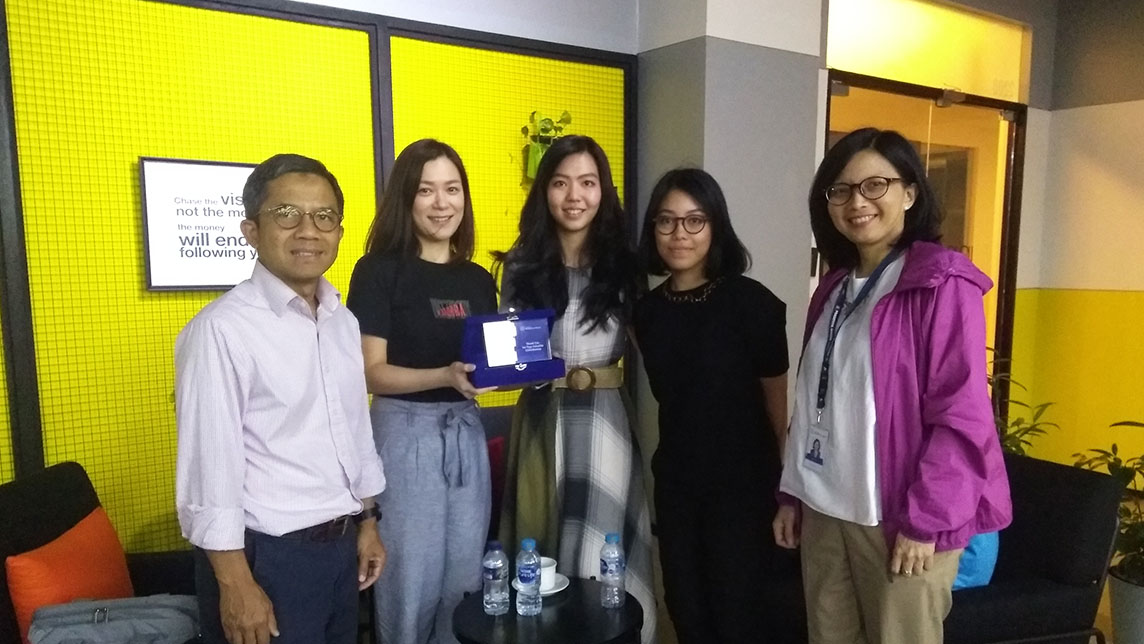
Big Idea Ventures Founder Andrew D Ive: Asia will lead cell-based meat innovation
In a wide-ranging interview, the managing general partner of the US- and Singapore-based foodtech investor also expounds on his goal to extend sustainability to the rest of the food sector, combining good returns with doing good

Carlos Melo Brito: Driving force behind Porto's innovation boom
The professor has overseen the creation and growth of the University of Porto-based UPTEC incubator, birthplace of many of Portugal's most successful startups

Harnessing its innovative startups, Portugal builds a better cleantech ecosystem
With help from government and private-sector initiatives, Portuguese cleantech startups are playing an ever-increasing role in helping the country meet its energy challenges while cutting harmful greenhouse gases

Portugal pumps up to €60m into new initiatives to avert backslide in startup ecosystem
Government funding to ensure the strategically important and social impact startups don't fail, post-Covid

Portugal's health & medtech startups: Taking innovation and disruption to heart
Backed by local and foreign money, Portugal’s healthcare and medical technology startups are hungry to go global

Animal AgTech Innovation Summit 2021: Experts discuss post-pandemic priorities
The pandemic not only put digital tech in everyone’s hands, it also forced thinking about collecting meaningful data and moving it on-demand to both producers and decision makers

Animal AgTech Innovation Summit 2021: Future of aquaculture in the US
With the US Importing over 85% of its seafood, industry experts examine how and why the country should develop a sustainable aquaculture industry

Beatriz González: Seaya Ventures head and Spanish tech VC trailblazer
From Cabify to Glovo, the only woman to head a Spanish VC firm has backed some of the country’s most successful startups to date

Taronga Ventures takes RealTechX to Singapore; plans Japan, US growth
The Australian proptech investor to focus on ESG in its acceleration program, including women under-representation and site safety

New Food Invest: Opportunities in the European alt-protein space
With a record €2.4bn investment in 2019, Europe’s foodtech sector appears poised for continued growth, but startups, corporations, governments and even universities can do more, experts say

eShop Ventures: A costly spending spree to create the Spanish Amazon
Behind the downfall of one of Spain's most promising startups

Intudo Ventures: Grooming returning overseas talent for an Indonesia-only bet
Combining the experience and networks of foreign-educated Indonesians with local distribution channels, Intudo’s hyperlocal strategy has attracted $200m in managed assets
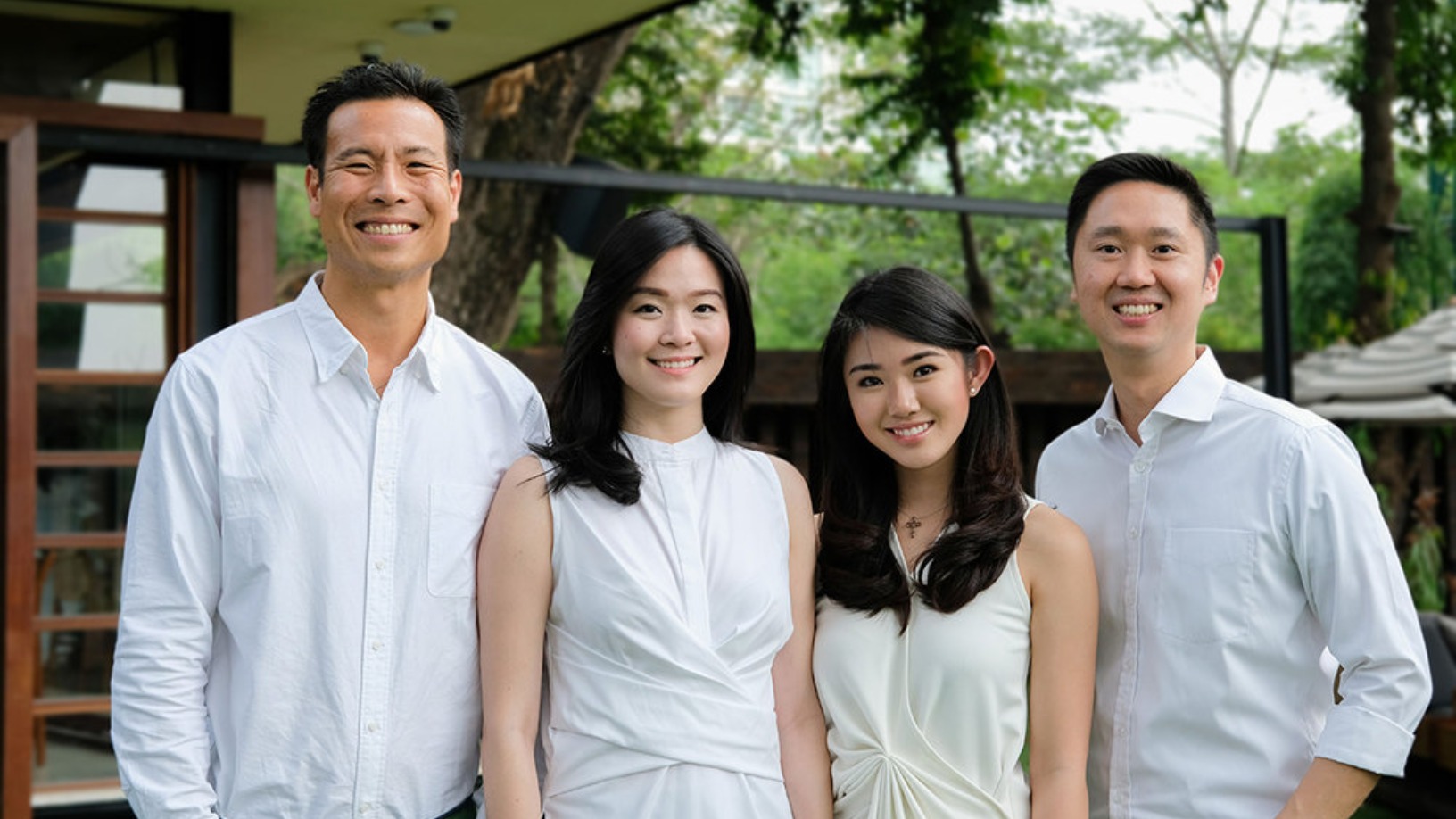
Early Charm Ventures: Taking research from the labs to the real world
Instead of investing money, the venture studio gets hands-on, co-running companies with top scientists and their cutting-edge research
Plant-based eggs (Part II): The foodtech startups to watch
Here’s a shortlist of the foodtech startups to watch in the global vegan egg market

Sorry, we couldn’t find any matches for “New Ventures Innovation”.
POPULAR DATABASE