11870.com
-
DATABASE (1881)
-
ARTICLES (66)
Beta-i was established in 2010 as a Portuguese accelerator, incubator and event organizer to boost the Portuguese tech ecosystem. Beta-i is well-known for organizing some of Portugal's most successful accelerators and the annual tech startup event Lisbon Investment Summit. In 2019, it made its first investment in a startup Didimo by joining the seed round for the 3D digital twin designer platform.The company's best known acceleration program Lisbon Challenge is a twice yearly event open to all tech sectors, attracting around 10 participants based in Portugal and overseas. Its two-month programs have accelerated more than 200 startups, with about 75% coming from abroad. Beta-i also organizes the international energy accelerator Free Electrons, with EDP as one of its sponsors. Free Electrons has already accelerated 27 startups and is now running its third edition with 15 startups, five of which are Portugal-based. All the selected participants will have the chance to work for one year with at least one of the 10 global energy utilities that form the Free Electrons consortium. Another Beta-i event is The Journey, the first accelerator in Portugal dedicated to tourism tech startups from all over the world. Launched in partnership with the government's Portugal Tourism in 2017, the Lisbon-based program is part of the national Tourism 4.0 plan. The five-month program is now in its third edition and gives successful applicants the opportunity to develop pilot projects with Portuguese companies like the Vila Galé hotel chain, Barraqueiro transport company and Parques de Sintra, a UNESCO World Heritage site.


Beta-i was established in 2010 as a Portuguese accelerator, incubator and event organizer to boost the Portuguese tech ecosystem. Beta-i is well-known for organizing some of Portugal's most successful accelerators and the annual tech startup event Lisbon Investment Summit. In 2019, it made its first investment in a startup Didimo by joining the seed round for the 3D digital twin designer platform.The company's best known acceleration program Lisbon Challenge is a twice yearly event open to all tech sectors, attracting around 10 participants based in Portugal and overseas. Its two-month programs have accelerated more than 200 startups, with about 75% coming from abroad. Beta-i also organizes the international energy accelerator Free Electrons, with EDP as one of its sponsors. Free Electrons has already accelerated 27 startups and is now running its third edition with 15 startups, five of which are Portugal-based. All the selected participants will have the chance to work for one year with at least one of the 10 global energy utilities that form the Free Electrons consortium. Another Beta-i event is The Journey, the first accelerator in Portugal dedicated to tourism tech startups from all over the world. Launched in partnership with the government's Portugal Tourism in 2017, the Lisbon-based program is part of the national Tourism 4.0 plan. The five-month program is now in its third edition and gives successful applicants the opportunity to develop pilot projects with Portuguese companies like the Vila Galé hotel chain, Barraqueiro transport company and Parques de Sintra, a UNESCO World Heritage site.
Eurovending is a family-run, Italian business in the automatic vending sector based in Trento. To date, it has only invested in one tech startup, the Spanish vending machine hardware and interactive payment app Orain, leading its €1m seed investment round in 2017. The company is a producer of plastic cups and also rents and services automatic vending machines across Italy and Spain.

Eurovending is a family-run, Italian business in the automatic vending sector based in Trento. To date, it has only invested in one tech startup, the Spanish vending machine hardware and interactive payment app Orain, leading its €1m seed investment round in 2017. The company is a producer of plastic cups and also rents and services automatic vending machines across Italy and Spain.
Established in 1995 by Sean O'Sullivan, SOSV is a venture capital firm with six attached accelerator programs. Upon receiving investment from SOSV, portfolio companies join one of the accelerator programs that best suits their products. The accelerators are: Chinaccelerator, focused on the Chinese market; Indie Bio, supporting biotechnology and life sciences companies; Food-X, for food-tech and agriculture-focused companies; dlab, which supports startups exploring blockchain and decentralized tech; HAX, for IoT, robotics and other hardware-focused startups; and MOX, an accelerator specializing in mobile platforms and technologies. SOSV, along with the O'Sullivan Foundation, has also provided support for education initiatives such as Khan Academy and CoderDojo (which teaches coding skills to youth).

Established in 1995 by Sean O'Sullivan, SOSV is a venture capital firm with six attached accelerator programs. Upon receiving investment from SOSV, portfolio companies join one of the accelerator programs that best suits their products. The accelerators are: Chinaccelerator, focused on the Chinese market; Indie Bio, supporting biotechnology and life sciences companies; Food-X, for food-tech and agriculture-focused companies; dlab, which supports startups exploring blockchain and decentralized tech; HAX, for IoT, robotics and other hardware-focused startups; and MOX, an accelerator specializing in mobile platforms and technologies. SOSV, along with the O'Sullivan Foundation, has also provided support for education initiatives such as Khan Academy and CoderDojo (which teaches coding skills to youth).
Toyota Motor Corporation (Toyota) started as a division of the Toyoda Automatic Loom Works in 1933, and established as an independent in 1937. As of December 2019, it ranked tenth largest company in the world by revenue. An established multinational automotive manufacturer, Toyota has invested in startups working on everything from online marketing to cybersecurity, placing an focus on new-generation mobility services. In 2019, it invested $600m in Chinese ride-hailing giant Didi Chuxing, and founded a joint venture to offer car maintenance, insurance and finance services to ride-hailing drivers. Also that year, Toyota invested $500m in Uber for self-driving cars. In early 2020, the auto giant invested $400 in the self-driving startup Pony.ai. Before the investment, the two had already partnered to test self-driving cars on public roads in China.

Toyota Motor Corporation (Toyota) started as a division of the Toyoda Automatic Loom Works in 1933, and established as an independent in 1937. As of December 2019, it ranked tenth largest company in the world by revenue. An established multinational automotive manufacturer, Toyota has invested in startups working on everything from online marketing to cybersecurity, placing an focus on new-generation mobility services. In 2019, it invested $600m in Chinese ride-hailing giant Didi Chuxing, and founded a joint venture to offer car maintenance, insurance and finance services to ride-hailing drivers. Also that year, Toyota invested $500m in Uber for self-driving cars. In early 2020, the auto giant invested $400 in the self-driving startup Pony.ai. Before the investment, the two had already partnered to test self-driving cars on public roads in China.
Bright Pixel is a Portuguese company of angel investors, established in 2016, owned by the investment division of one of Portugal's largest companies, retailer Sonae Group.To date, it has invested in six companies at the early-stage. Its most recent investments include in the €2m seed round of US security tech Fyde and in the €550,000 seed round of Portuguese online security tech Probely.

Bright Pixel is a Portuguese company of angel investors, established in 2016, owned by the investment division of one of Portugal's largest companies, retailer Sonae Group.To date, it has invested in six companies at the early-stage. Its most recent investments include in the €2m seed round of US security tech Fyde and in the €550,000 seed round of Portuguese online security tech Probely.
Ibersol is a Portuguese restaurant sector investor established in 1994. It holds the franchises of several of Spain and Portugal's top-selling fast-food chains including Burger King in both nations, Pans & Company in Spain and KFC in Portugal and Angola.To date, it has invested in one startup, the Portuguese healthy food service EatTasty, with undisclosed investment in the company's seed stage, phase one, that raised €1.1m. It also acquired one food sector entity, the Spanish restaurant group, Eat Out Group, for an undisclosed sum in 2016.
Ibersol is a Portuguese restaurant sector investor established in 1994. It holds the franchises of several of Spain and Portugal's top-selling fast-food chains including Burger King in both nations, Pans & Company in Spain and KFC in Portugal and Angola.To date, it has invested in one startup, the Portuguese healthy food service EatTasty, with undisclosed investment in the company's seed stage, phase one, that raised €1.1m. It also acquired one food sector entity, the Spanish restaurant group, Eat Out Group, for an undisclosed sum in 2016.
General Atlantic was founded in 1980 as the investment arm of Atlantic Philanthropies, and claims to be the pioneer in growth equity. The US-based company has presence all over the world, including in Indonesia, UK, China, Mexico, and Singapore. As of August 2019, it manages US$35b in assets from global investors. Some major companies that were part of GA's portfolio includes Facebook, Alibaba, Meituan, Saxo Bank, and SEA. Edtech startup Ruangguru is GA's second investment in Indonesia; the first is MAP Boga Adiperkasa, a major F&B and lifestyle conglomerate.

General Atlantic was founded in 1980 as the investment arm of Atlantic Philanthropies, and claims to be the pioneer in growth equity. The US-based company has presence all over the world, including in Indonesia, UK, China, Mexico, and Singapore. As of August 2019, it manages US$35b in assets from global investors. Some major companies that were part of GA's portfolio includes Facebook, Alibaba, Meituan, Saxo Bank, and SEA. Edtech startup Ruangguru is GA's second investment in Indonesia; the first is MAP Boga Adiperkasa, a major F&B and lifestyle conglomerate.
Kinesys Group is an Indonesian VC founded in 2019 by startup ecosystem builder Yansen Kamto. The company made their debut investment in new retail F&B startup Wahyoo. They have also backed sweet-drinks chain Goola and online learning center Zenius. While the company has made at least five investments in Indonesian companies, they have not closed their first fund, for which they targeted to reach $20m. Kinesys targets seed rounds, contributing ticket sizes averaging around $500,000 per startup.

Kinesys Group is an Indonesian VC founded in 2019 by startup ecosystem builder Yansen Kamto. The company made their debut investment in new retail F&B startup Wahyoo. They have also backed sweet-drinks chain Goola and online learning center Zenius. While the company has made at least five investments in Indonesian companies, they have not closed their first fund, for which they targeted to reach $20m. Kinesys targets seed rounds, contributing ticket sizes averaging around $500,000 per startup.
Rentracks is an adtech company from Japan, listed in the “Mothers” (Market of the High-Growth and Emerging Stocks) board of the Tokyo Stock Exchange. The company provides consultancy services for web development (for SEO, SEM, and other ad purposes) and Internet-based ads. Rentracks also has a network of affiliate companies in various Asian countries, including China, India, Indonesia, and the Philippines.

Rentracks is an adtech company from Japan, listed in the “Mothers” (Market of the High-Growth and Emerging Stocks) board of the Tokyo Stock Exchange. The company provides consultancy services for web development (for SEO, SEM, and other ad purposes) and Internet-based ads. Rentracks also has a network of affiliate companies in various Asian countries, including China, India, Indonesia, and the Philippines.
Spanish-born Felipe Navio has previously worked as a business analyst at McKinsey & Company. Since 2009, he has worked as the co-CEO and co-founder of UK-based employment site Jobandtalent.Navio and co-CEO Juan Urdiales are also angel investors, participating in the €1.15m seed round of fintech StudentFinance in 2019.

Spanish-born Felipe Navio has previously worked as a business analyst at McKinsey & Company. Since 2009, he has worked as the co-CEO and co-founder of UK-based employment site Jobandtalent.Navio and co-CEO Juan Urdiales are also angel investors, participating in the €1.15m seed round of fintech StudentFinance in 2019.
Portuguese serial entrepreneur and angel investor, Carlos Oliveira is formerly the Secretary of State for Entrepreneurship, Competitiveness and Innovation in Portugal. He is also one of the 15 members of the European Commission's high-level group of innovators tasked with the creation of the European Innovation Council.In 2000, Oliveira founded a mobile services startup MobiComp and worked as its CEO until 2008 when he sold the company to Microsoft. He has also founded and invested in several startups, including StudentFinance fintech's €1.15m seed round. He is currently the executive president of the José Neves Foundation, set up by Farfetch founder José Neves to invest and transform Portugal into a knowledge economy.

Portuguese serial entrepreneur and angel investor, Carlos Oliveira is formerly the Secretary of State for Entrepreneurship, Competitiveness and Innovation in Portugal. He is also one of the 15 members of the European Commission's high-level group of innovators tasked with the creation of the European Innovation Council.In 2000, Oliveira founded a mobile services startup MobiComp and worked as its CEO until 2008 when he sold the company to Microsoft. He has also founded and invested in several startups, including StudentFinance fintech's €1.15m seed round. He is currently the executive president of the José Neves Foundation, set up by Farfetch founder José Neves to invest and transform Portugal into a knowledge economy.
Headquartered in Shenzhen, Ren Capital was founded in March 2015 by a group of young entrepreneurs. The VC invests mainly in tech startups and manages assets worth RMB 500m. It offers management expertise to portfolio companies including support for tax planning and IPO preparation.

Headquartered in Shenzhen, Ren Capital was founded in March 2015 by a group of young entrepreneurs. The VC invests mainly in tech startups and manages assets worth RMB 500m. It offers management expertise to portfolio companies including support for tax planning and IPO preparation.
Founded in 2007 in Shanghai, CTC Capital currently has branches in Beijing, Suzhou and Taipei. The company invests in both US dollars and RMB and has three funds under its management. It mainly targets the TMT, clean energy and consumer product sectors. Half of its management team have many years experience working in Taiwan’s semiconductor industry. In 2019, CTC Capital set up the Guodiao Guoxin Zhixin Fund to invest in the semiconductor integrated circuit sector.

Founded in 2007 in Shanghai, CTC Capital currently has branches in Beijing, Suzhou and Taipei. The company invests in both US dollars and RMB and has three funds under its management. It mainly targets the TMT, clean energy and consumer product sectors. Half of its management team have many years experience working in Taiwan’s semiconductor industry. In 2019, CTC Capital set up the Guodiao Guoxin Zhixin Fund to invest in the semiconductor integrated circuit sector.
Founded in 2012, BAIC Capital is the investment arm of China's state-owned carmaker, BAIC Group. Headquartered in Beijing, it has branches in six cities across China and has two subsidiaries in Frankfurt and Silicon Valley. It currently manages over 40 funds, worth RMB 30bn. With a focus on connected cars and mobility services, it has invested in more than 100 companies including EV manufacturer BAIC BJEV, battery manufacturer and technology company CATL and ride-hailing giant Didi Chuxing.
Founded in 2012, BAIC Capital is the investment arm of China's state-owned carmaker, BAIC Group. Headquartered in Beijing, it has branches in six cities across China and has two subsidiaries in Frankfurt and Silicon Valley. It currently manages over 40 funds, worth RMB 30bn. With a focus on connected cars and mobility services, it has invested in more than 100 companies including EV manufacturer BAIC BJEV, battery manufacturer and technology company CATL and ride-hailing giant Didi Chuxing.
Tenaya Capital was originally founded in 1995 as Lehman Brothers Venture Partners. In 2009, following Lehman's bankruptcy, Tenaya was spun off into an independent company, with HarbourVest Partners acquired their existing investments. Since then, Tenaya has invested in some major tech companies, including event ticketing company Eventbrite, early fashion e-commerce firm Zappos, and Uber competitor Lyft. They have so far made two investments into Indonesian companies: agritech e-commerce platform TaniHub, and “Uber-for-logistics” company Kargo Technologies. Tenaya typically invests in Series B and Series C rounds, although they have gone into Series A and later rounds as well.

Tenaya Capital was originally founded in 1995 as Lehman Brothers Venture Partners. In 2009, following Lehman's bankruptcy, Tenaya was spun off into an independent company, with HarbourVest Partners acquired their existing investments. Since then, Tenaya has invested in some major tech companies, including event ticketing company Eventbrite, early fashion e-commerce firm Zappos, and Uber competitor Lyft. They have so far made two investments into Indonesian companies: agritech e-commerce platform TaniHub, and “Uber-for-logistics” company Kargo Technologies. Tenaya typically invests in Series B and Series C rounds, although they have gone into Series A and later rounds as well.
Jesús Encinar: The Man Behind Idealista and 11870.com
Entrepreneur, angel investor and down-to-earth idealist

Bernardo Hernández: Celebrity investor and Google's former marketing whiz
The angel investor behind some of the most successful Spanish internet startups also has an unusual honor for techies – GQ’s Man of the Year

Haishen Tech: Scan image and find your product in one second
Haishen Tech's AI vending machines will revive unmanned retail economy and tap into growing on-demand consumerism worldwide

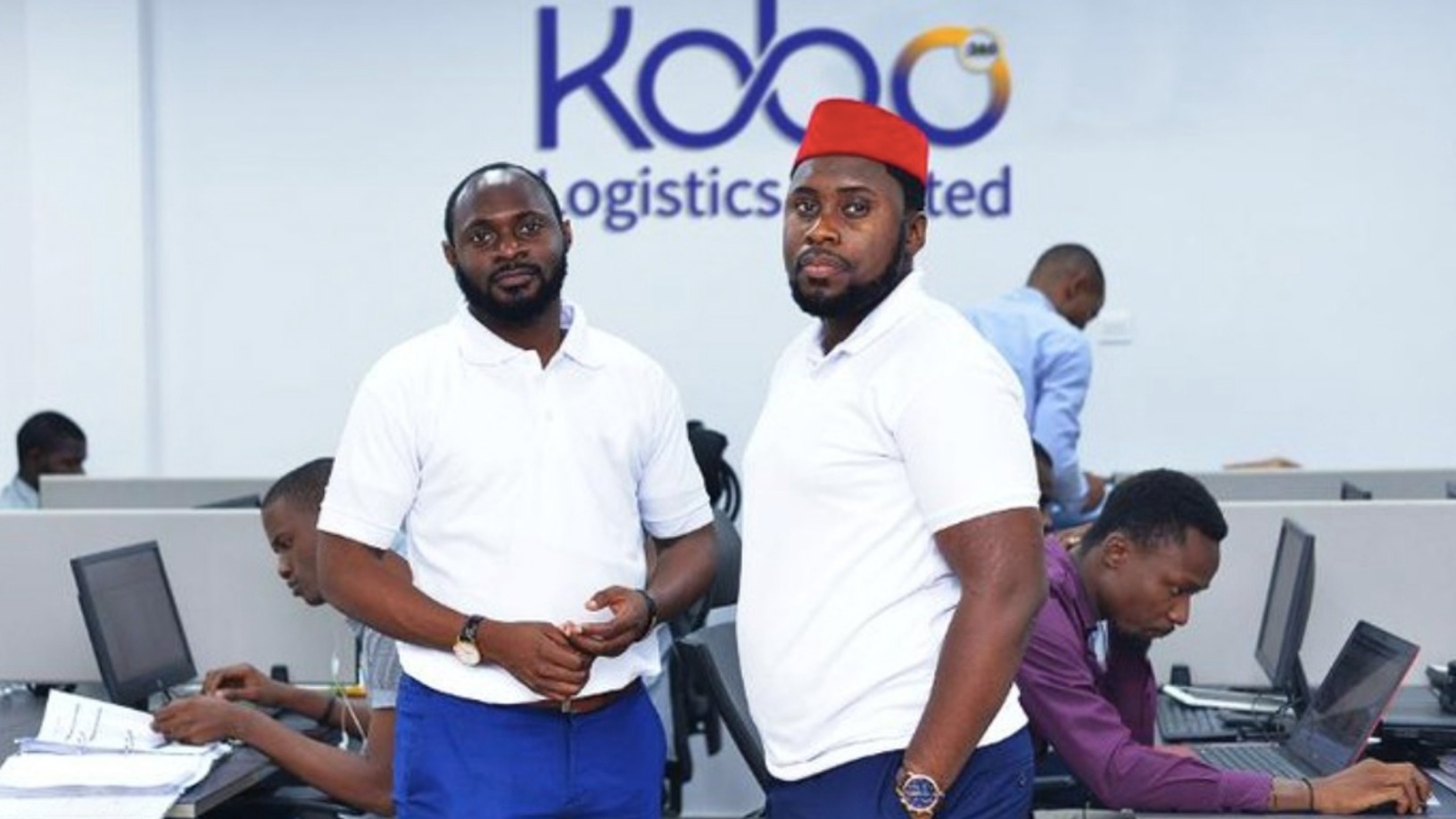
Kobo360: Nigeria's Uber-style logistics startup turns pan-African dream into reality
Riding on Africa’s new free trade deal, Kobo360 aims to be the continent’s next unicorn by digitalizing logistics ops to transport goods quickly, reliably and more cheaply
Genuine or fake? Sneakers resale platform Poizon tackles counterfeit issues
Gearing up for IPO in 2019 with just pre-A funding raised so far, fast-growing sneakers trading portal Poizon rides craze for branded sneakers and sneakerheads' willingness to pay

Verkor: Accelerating low‑carbon battery production in France
French startup Verkor aims to raise up to €1.3bn by the end of next year to finance its first Gigafactory producing sustainable lithium-ion batteries for the European market

Gojek and Tokopedia merge to form GoTo
The new entity, now Indonesia’s largest tech group, plans to go public in Indonesia and the US, targeting a $40bn valuation

CoolFarm: Why did Microsoft Portugal's Startup of the Year go bust?
The indoor-gardening tech startup went from winning awards to closing down with debts of close to €1m four years after its founding

Fumi Technology: Getting ahead of human wealth managers with its Webull robo-advisors
Fumi's AI-based fintech platform offers real-time quotes and free trading to over 10m punters in 100 countries

Carlos Guerrero: The legal guardian of tech startups
The lawyer and investor dives deep in the Spanish startup ecosystem, supporting young tech companies with both financial and specialized legal support

Kathy Xu stays ahead of the curve in China's VC scene
Dubbed “Queen of VC” in China, Xu has spotted great companies that others were not quite interested in, like Chinese online retail giant JD.com

In Portugal tourism tech gets disrupted, in time for post-Covid-19 era
As Portugal reopens to tourists early next month, the sector is banking on a new generation of tourism tech startups to enable safety and reassure visitors

Dai Wei and his Ofo: Fighting till the last act?
How the college student who founded a global bike-sharing sensation also led it to the verge of bankruptcy through a string of mistakes

Marta Esteve: Talent, intuition and resolve – a winning formula for entrepreneurship
She founded her first two internet startups during the dot-com era. Today, Marta Esteve is considered one of the most influential and successful women entrepreneurs in the Spanish startup ecosystem

This startup aims to be the DocuSign of China
Having captured a third of a largely untapped domestic e-contracting market, Shangshangqian looks to gain a greater foothold at home and abroad

Sorry, we couldn’t find any matches for “11870.com”.
POPULAR DATABASE