Entrepreneurs Roundtable Accelerator
-
DATABASE (166)
-
ARTICLES (248)
GROW is a Singapore-based food and agriculture technology accelerator for global impact-focused startups. It is financially backed by AgFunder, an agrifood tech venture investment through the AgFunder GROW Impact Fund. Grow is also supported by the Singapore Government and is an accredited mentor partner of Startup SG.

GROW is a Singapore-based food and agriculture technology accelerator for global impact-focused startups. It is financially backed by AgFunder, an agrifood tech venture investment through the AgFunder GROW Impact Fund. Grow is also supported by the Singapore Government and is an accredited mentor partner of Startup SG.
Entrepreneur First is a global entrepreneur incubator program and early-startup investor. The incubator is an intensive six-month program for founders and aspiring entrepreneurs to help them develop ideas that can go into building their own companies. The program is held in six cities around the world: Bangalore; Berlin, London, Paris, Singapore and Toronto (Canada).Participants do not need to have a startup or a specific business idea to participate, and those who have established their own companies can seek partners or co-founders at the program. Roughly 40-50% of the cohort reach the “Launch” phase, where the participants have established their own companies and received investments from Entrepreneur First and potentially other VCs. Entrepreneur First can invest in a startup built by program participants in exchange for 10% equity. The exact amount invested varies: £80,000 for the European programs; S$75,000 for the Singapore and Bangalore programs; and C$100,000 for the Canada program.

Entrepreneur First is a global entrepreneur incubator program and early-startup investor. The incubator is an intensive six-month program for founders and aspiring entrepreneurs to help them develop ideas that can go into building their own companies. The program is held in six cities around the world: Bangalore; Berlin, London, Paris, Singapore and Toronto (Canada).Participants do not need to have a startup or a specific business idea to participate, and those who have established their own companies can seek partners or co-founders at the program. Roughly 40-50% of the cohort reach the “Launch” phase, where the participants have established their own companies and received investments from Entrepreneur First and potentially other VCs. Entrepreneur First can invest in a startup built by program participants in exchange for 10% equity. The exact amount invested varies: £80,000 for the European programs; S$75,000 for the Singapore and Bangalore programs; and C$100,000 for the Canada program.
InnoSpace is a startup service platform focusing on the early stage incubation of internet/mobile internet companies, with RMB angel funds and two 3-month startup accelerator programs each year. InnoSpace has helped its projects raise about RMB 600 million in total and is one of the four incubator partners of Intel in China.

InnoSpace is a startup service platform focusing on the early stage incubation of internet/mobile internet companies, with RMB angel funds and two 3-month startup accelerator programs each year. InnoSpace has helped its projects raise about RMB 600 million in total and is one of the four incubator partners of Intel in China.
Start-Up Chile is a public accelerator program set up by the Chilean government and looks to invest in startups across the world with Chile as their foundation. It has a diverse portfolio, having invested in startups from Europe, North America and Asia. Start-Up Chile primarily gives seed and grant funding, typically investing between $15,000 and $90,000.

Start-Up Chile is a public accelerator program set up by the Chilean government and looks to invest in startups across the world with Chile as their foundation. It has a diverse portfolio, having invested in startups from Europe, North America and Asia. Start-Up Chile primarily gives seed and grant funding, typically investing between $15,000 and $90,000.
Healthbox is a Chicago-based medtech accelerator that was established in 2010 with a global focus. To date, it has invested in more than 90 startups, mostly in seed rounds of up to $100,000 per startup. The firm has seen three exits so far. Since 2014, Healthbox has also been offering consultancy services.

Healthbox is a Chicago-based medtech accelerator that was established in 2010 with a global focus. To date, it has invested in more than 90 startups, mostly in seed rounds of up to $100,000 per startup. The firm has seen three exits so far. Since 2014, Healthbox has also been offering consultancy services.
Founded by tech entrepreneur and investor Teruhide ("Teru") Sato, Tokyo-headquartered Beenos is a seed accelerator and investor in startups from fast-growing countries such as India, Indonesia and Turkey, as well as Japan and the United States. Beenos typically invests between US$100,000 and US$3 million.
Founded by tech entrepreneur and investor Teruhide ("Teru") Sato, Tokyo-headquartered Beenos is a seed accelerator and investor in startups from fast-growing countries such as India, Indonesia and Turkey, as well as Japan and the United States. Beenos typically invests between US$100,000 and US$3 million.
Co-CEO, co-founder of Psquared
Argentinian native Nicolas Araujo Müller is co-CEO and co-founder at Psquared, Spain’s first flexible workplace management and design company for hybrid workspaces. He has worked there since its foundation in April 2018, originally as part of startup hub CoBuilder, and is now its CFO. He is also a part-time advisor and investor at startup development agency We Are Grit, since its launch in 2020.Earlier, Araujo was CFO and co-founder at digital talent agency Bandit, for two years, until 2017. Before that, he held the same roles at his previous Barcelona-based startup, Nubelo, another tech recruitment agency for freelancers, between 2012 and 2016, when it was acquired by Freelancer.com. In 2016, Araujo was a visiting professor at the Autonomous University of Barcelona on digital economy.His first startup was Work At Home in Argentina, where he was a co-founder for two years from 2011–13, for which he won local innovation prizes. Prior to this, Araujo held various management consultancy roles, working in business analysis and research at Ernst & Young, Standard & Poor’s and Accenture, from 2008–2012, and completed a stint at the US embassy in Buenos Aires. He is also a founding member of Argentina’s entrepreneur organization, ASEA, established in 2013. Araujo holds a degree in economics from CEMA University, Buenos Aires and a qualification from Harvard University in negotiation. In 2017 and 2013, Araujo was named in Forbes Argentina’s 30 Promesas list of young entrepreneurs.

Argentinian native Nicolas Araujo Müller is co-CEO and co-founder at Psquared, Spain’s first flexible workplace management and design company for hybrid workspaces. He has worked there since its foundation in April 2018, originally as part of startup hub CoBuilder, and is now its CFO. He is also a part-time advisor and investor at startup development agency We Are Grit, since its launch in 2020.Earlier, Araujo was CFO and co-founder at digital talent agency Bandit, for two years, until 2017. Before that, he held the same roles at his previous Barcelona-based startup, Nubelo, another tech recruitment agency for freelancers, between 2012 and 2016, when it was acquired by Freelancer.com. In 2016, Araujo was a visiting professor at the Autonomous University of Barcelona on digital economy.His first startup was Work At Home in Argentina, where he was a co-founder for two years from 2011–13, for which he won local innovation prizes. Prior to this, Araujo held various management consultancy roles, working in business analysis and research at Ernst & Young, Standard & Poor’s and Accenture, from 2008–2012, and completed a stint at the US embassy in Buenos Aires. He is also a founding member of Argentina’s entrepreneur organization, ASEA, established in 2013. Araujo holds a degree in economics from CEMA University, Buenos Aires and a qualification from Harvard University in negotiation. In 2017 and 2013, Araujo was named in Forbes Argentina’s 30 Promesas list of young entrepreneurs.
AngelPad is a New York and San Francisco-based accelerator program for seed-stage companies. Established in 2010, AngelPad has been ranked by MIT and others as the number one acceleration program in the US. It has invested in more than 150 companies, with recent investments in HypeLabs from Portugal and the US$4.5m seed round of local autonomous logistics vehicle maker Gatik.

AngelPad is a New York and San Francisco-based accelerator program for seed-stage companies. Established in 2010, AngelPad has been ranked by MIT and others as the number one acceleration program in the US. It has invested in more than 150 companies, with recent investments in HypeLabs from Portugal and the US$4.5m seed round of local autonomous logistics vehicle maker Gatik.
CEO and co-founder of Capaball
Sixto Arias is a veteran entrepreneur based in Madrid. He graduated with a BA Communications degree from Complutense University in 1992.In 2001, he started his first venture as co-founder of Movilisto that was sold to London-based mobile value-added services group Itouch Plc in 2004. In 2007, he founded media planner Mobext that was sold to Havas Media six years later.He is an angel investor focusing on projects relating to AI, education, IoT and mobile. He was the managing partner of Conector Startup Accelerator in Madrid for over two years. He is also the founder of the Mobile Marketing Association in Spain.Arias currently runs two startups: digital innovation agency Made in Mobile that he founded in 2014 and edtech Capaball co-founded in 2018. As a digital marketing specialist and experienced lecturer, he also works as a professor at ESCP Europe in Madrid and University of Sergio Arboleda in Colombia.

Sixto Arias is a veteran entrepreneur based in Madrid. He graduated with a BA Communications degree from Complutense University in 1992.In 2001, he started his first venture as co-founder of Movilisto that was sold to London-based mobile value-added services group Itouch Plc in 2004. In 2007, he founded media planner Mobext that was sold to Havas Media six years later.He is an angel investor focusing on projects relating to AI, education, IoT and mobile. He was the managing partner of Conector Startup Accelerator in Madrid for over two years. He is also the founder of the Mobile Marketing Association in Spain.Arias currently runs two startups: digital innovation agency Made in Mobile that he founded in 2014 and edtech Capaball co-founded in 2018. As a digital marketing specialist and experienced lecturer, he also works as a professor at ESCP Europe in Madrid and University of Sergio Arboleda in Colombia.
CTO and co-founder of Carbo Culture
US native Christopher Carstens graduated in mechanical engineering in 2002 at the University of California, Berkeley. He started his career as a technology analyst at The Spark Group in San Francisco.In 2004, the engineer co-founded Solid Gas Technologies to build a methane hydrate production system. Carstens also founded Homeland Fuels to construct a bioreactor using ethanol. He exited both companies in 2006 and went to work at World Waste Technologies in California as project manager and engineer. In 2012, he started working at Graphene Technologies as R&D engineer.In 2013, he joined an innovation accelerator program at Singularity University where he met Finnish participant Henrietta Moon. They co-founded Finnish startup Carbo Culture in 2016 with Carstens as CTO based at the California plant.The serial entrepreneur and inventor also founded Hydrate Dynamics as CTO in 2015 to develop gas storage and transportation facilities using clathrate hydrates technology. In 2018, he was appointed by the US Department of Energy to be a member of the Methane Hydrate Advisory Committee until January 2020.

US native Christopher Carstens graduated in mechanical engineering in 2002 at the University of California, Berkeley. He started his career as a technology analyst at The Spark Group in San Francisco.In 2004, the engineer co-founded Solid Gas Technologies to build a methane hydrate production system. Carstens also founded Homeland Fuels to construct a bioreactor using ethanol. He exited both companies in 2006 and went to work at World Waste Technologies in California as project manager and engineer. In 2012, he started working at Graphene Technologies as R&D engineer.In 2013, he joined an innovation accelerator program at Singularity University where he met Finnish participant Henrietta Moon. They co-founded Finnish startup Carbo Culture in 2016 with Carstens as CTO based at the California plant.The serial entrepreneur and inventor also founded Hydrate Dynamics as CTO in 2015 to develop gas storage and transportation facilities using clathrate hydrates technology. In 2018, he was appointed by the US Department of Energy to be a member of the Methane Hydrate Advisory Committee until January 2020.
Plug and Play Spain is part of Silicon Valley’s Plug and Play Tech Center that runs 12 worldwide vertical acceleration programs. The Spanish accelerator program was launched in 2012 in Valencia. Plug and Play Spain has invested over €25 million in 45 companies with successful exits including Touristeye (Lonely Planet), Ducksboard (New Relic), Stream Hatchet (Millennial Esports) and Otogami (8Kdata).

Plug and Play Spain is part of Silicon Valley’s Plug and Play Tech Center that runs 12 worldwide vertical acceleration programs. The Spanish accelerator program was launched in 2012 in Valencia. Plug and Play Spain has invested over €25 million in 45 companies with successful exits including Touristeye (Lonely Planet), Ducksboard (New Relic), Stream Hatchet (Millennial Esports) and Otogami (8Kdata).
Founded in 2011 by Cyril Ebersweiler, partner of the venture capital firm SOSV, HAX has grown into the world’s first and largest hardware accelerator. It currently operates in Shenzhen and San Francisco. Funded by SOSV, HAX selects teams with hardware prototypes and turns them into functional, sustainable companies. In this way, HAX has brought 65 products to the market in the last three years.
Founded in 2011 by Cyril Ebersweiler, partner of the venture capital firm SOSV, HAX has grown into the world’s first and largest hardware accelerator. It currently operates in Shenzhen and San Francisco. Funded by SOSV, HAX selects teams with hardware prototypes and turns them into functional, sustainable companies. In this way, HAX has brought 65 products to the market in the last three years.
KDDI Open Innovation Fund is a joint corporate VC operated by Japanese telecommunications firm KDDI and investment firm Global Brain. It forms one part of KDDI's venture programs, the other being a Japan-only accelerator program, KDDI Infinity Labo. With the support of other companies in the group, such as au Financial Holdings and Soracom, KDDI is able to provide extensive and relevant support to its portfolio companies.

KDDI Open Innovation Fund is a joint corporate VC operated by Japanese telecommunications firm KDDI and investment firm Global Brain. It forms one part of KDDI's venture programs, the other being a Japan-only accelerator program, KDDI Infinity Labo. With the support of other companies in the group, such as au Financial Holdings and Soracom, KDDI is able to provide extensive and relevant support to its portfolio companies.
Ship2B is an accelerator and investor for social impact startups and spin-offs. It acts principally in three sectors: health tech, social tech for vulnerable groups and climate technology. It also fosters networking alliances between startups and large companies, and has a network of high-level mentors available to assist startups.To date, Ship2B has invested €40m in 146 startups and spin-offs.

Ship2B is an accelerator and investor for social impact startups and spin-offs. It acts principally in three sectors: health tech, social tech for vulnerable groups and climate technology. It also fosters networking alliances between startups and large companies, and has a network of high-level mentors available to assist startups.To date, Ship2B has invested €40m in 146 startups and spin-offs.
Beta-i was established in 2010 as a Portuguese accelerator, incubator and event organizer to boost the Portuguese tech ecosystem. Beta-i is well-known for organizing some of Portugal's most successful accelerators and the annual tech startup event Lisbon Investment Summit. In 2019, it made its first investment in a startup Didimo by joining the seed round for the 3D digital twin designer platform.The company's best known acceleration program Lisbon Challenge is a twice yearly event open to all tech sectors, attracting around 10 participants based in Portugal and overseas. Its two-month programs have accelerated more than 200 startups, with about 75% coming from abroad. Beta-i also organizes the international energy accelerator Free Electrons, with EDP as one of its sponsors. Free Electrons has already accelerated 27 startups and is now running its third edition with 15 startups, five of which are Portugal-based. All the selected participants will have the chance to work for one year with at least one of the 10 global energy utilities that form the Free Electrons consortium. Another Beta-i event is The Journey, the first accelerator in Portugal dedicated to tourism tech startups from all over the world. Launched in partnership with the government's Portugal Tourism in 2017, the Lisbon-based program is part of the national Tourism 4.0 plan. The five-month program is now in its third edition and gives successful applicants the opportunity to develop pilot projects with Portuguese companies like the Vila Galé hotel chain, Barraqueiro transport company and Parques de Sintra, a UNESCO World Heritage site.

Beta-i was established in 2010 as a Portuguese accelerator, incubator and event organizer to boost the Portuguese tech ecosystem. Beta-i is well-known for organizing some of Portugal's most successful accelerators and the annual tech startup event Lisbon Investment Summit. In 2019, it made its first investment in a startup Didimo by joining the seed round for the 3D digital twin designer platform.The company's best known acceleration program Lisbon Challenge is a twice yearly event open to all tech sectors, attracting around 10 participants based in Portugal and overseas. Its two-month programs have accelerated more than 200 startups, with about 75% coming from abroad. Beta-i also organizes the international energy accelerator Free Electrons, with EDP as one of its sponsors. Free Electrons has already accelerated 27 startups and is now running its third edition with 15 startups, five of which are Portugal-based. All the selected participants will have the chance to work for one year with at least one of the 10 global energy utilities that form the Free Electrons consortium. Another Beta-i event is The Journey, the first accelerator in Portugal dedicated to tourism tech startups from all over the world. Launched in partnership with the government's Portugal Tourism in 2017, the Lisbon-based program is part of the national Tourism 4.0 plan. The five-month program is now in its third edition and gives successful applicants the opportunity to develop pilot projects with Portuguese companies like the Vila Galé hotel chain, Barraqueiro transport company and Parques de Sintra, a UNESCO World Heritage site.
Virtuleap's VR games provide a mental workout, boosting brain health
Used by the AARP and Veteran's Health Administration in the US, Virtuleap’s games with AI-enabled assessment work to improve cognition and to counter degenerative diseases such as Alzheimer's

“Good thing about my style. Some like it, some hate it but everybody recognizes it.” @sofíabenjumea
Outspoken with a hands-on management style, Sofía Benjumea is a force to reckon with at Google’s Campus Madrid

FIWARE Accelerator: More open source ecosystem than accelerator
The European open source initiative to boost smart infrastructures and solutions is calling for new participants to join its unique acceleration ecosystem
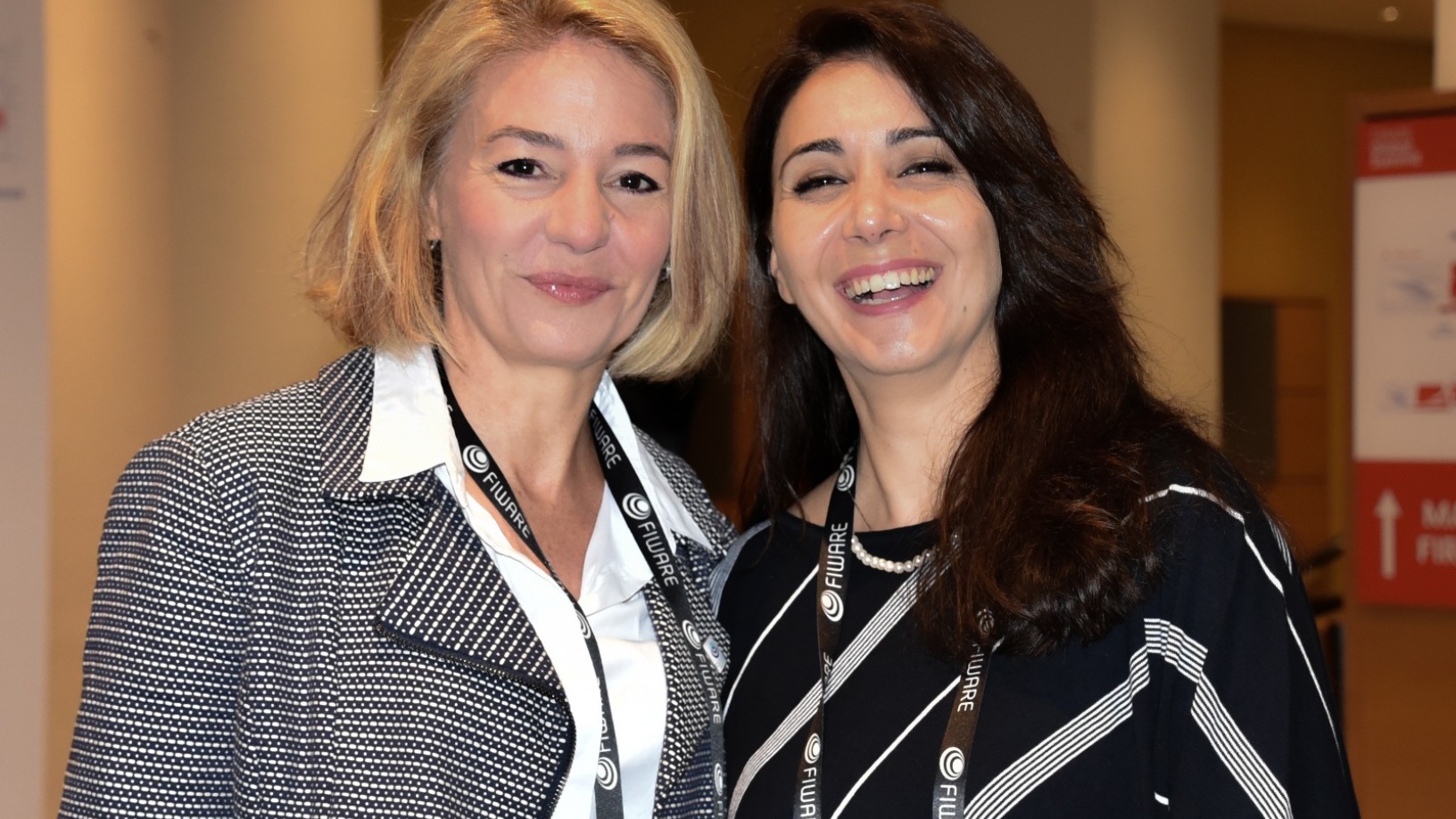
Women entrepreneurs get ahead faster in Portugal
Still a long way to go for equality, but female founders in Portugal have made significant headstarts as tech innovators

Future Food Asia: Covid-19 sparked dramatic shifts in agriculture in China and India
Key Chinese players from e-commerce giant Pinduoduo and and agritech VC Omnivore share their insights at last week’s agrifood conference by ID Capital

US non-profit investor New Energy Nexus seeks to kickstart Indonesia’s clean energy sectors
With a “patient capital” approach to investments and a variety of programs, New Energy Nexus hopes to show that startups can lead the way in renewables and smart energy

Big Idea Ventures Founder Andrew D Ive: Asia will lead cell-based meat innovation
In a wide-ranging interview, the managing general partner of the US- and Singapore-based foodtech investor also expounds on his goal to extend sustainability to the rest of the food sector, combining good returns with doing good

Xu Jinghong: Champion of young entrepreneurs and high-tech startups
Under Xu Jinghong’s leadership, Tsinghua Holdings grew its assets sevenfold and incubated over 10,000 businesses. In his new role as VC investor, Xu wants to nurture startups into future global leaders

TheVentures founders launch Singapore VC to drive deals in Southeast Asia
The Korean Viki co-founders return to Singapore as venture builders and investors, offering South Korean partnerships and “CTO-as-a-service” in Southeast Asia

BJTech: Chatbots to help young entrepreneurs and SMEs run businesses online
As more businesses go online during Covid-19, BJTech is using chatbots to help them manage customer service, inventory tracking and more

Accelerating Asia bets on unicorn wave from MSME digitalization, logistics
The investor-accelerator’s sixth batch will start accepting applications in December, with greater ESG focus and a pledge to donate 1% of profit on investments to charity
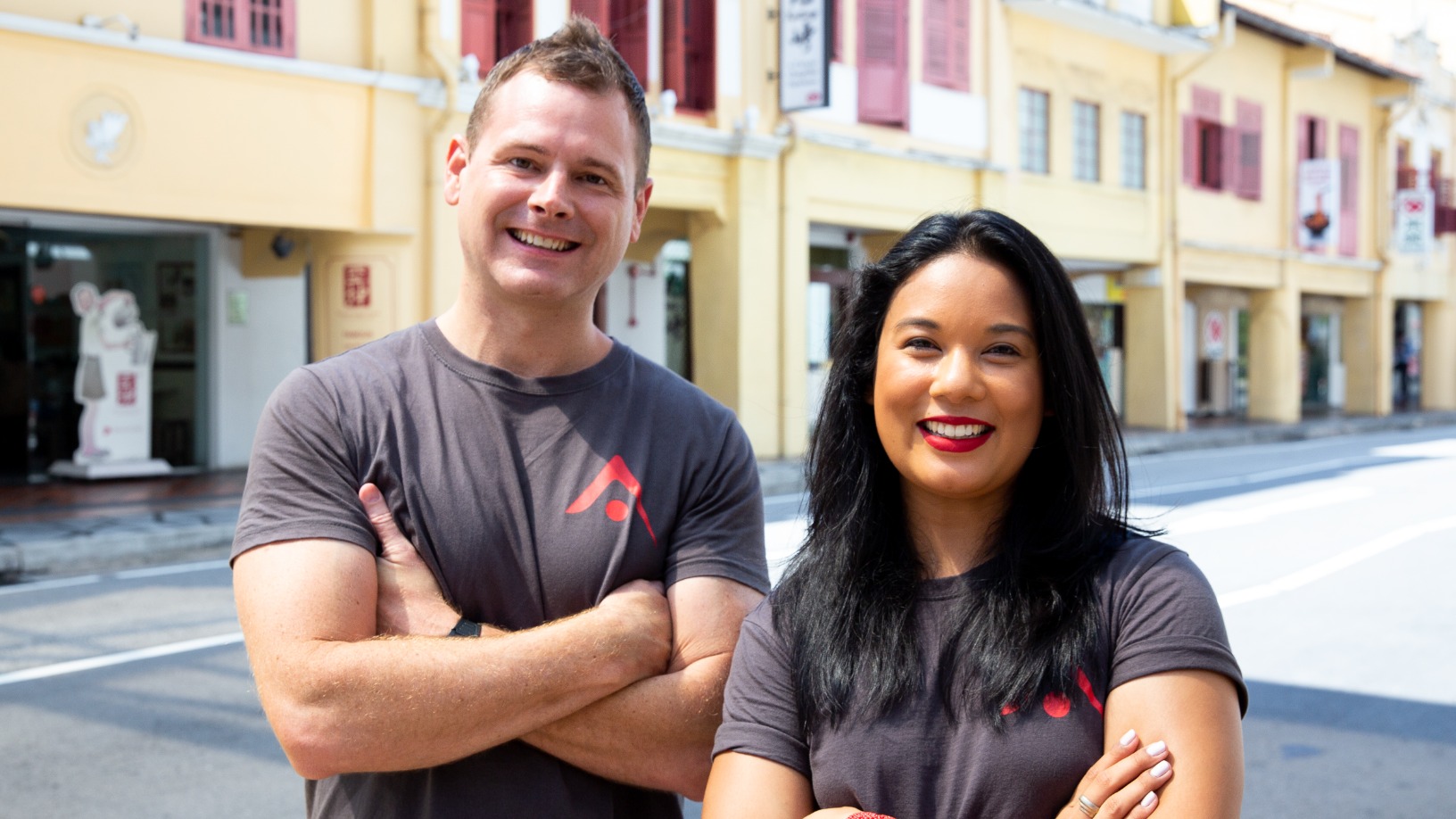
Patamar Capital’s impact investing: On preferred business model, backing women, Mapan
The pioneer in impact investing in Asia gives us the lowdown on its investment criteria, its new focus on women entrepreneurs and related sectors, how it helps its portfolio companies and more
Portugal oceantech II: Single-minded efforts to build an ecosystem of international reference
With dedicated accelerators and investment programs, supported by the EU’s vote of confidence, Portugal appears on track to lead in oceantech

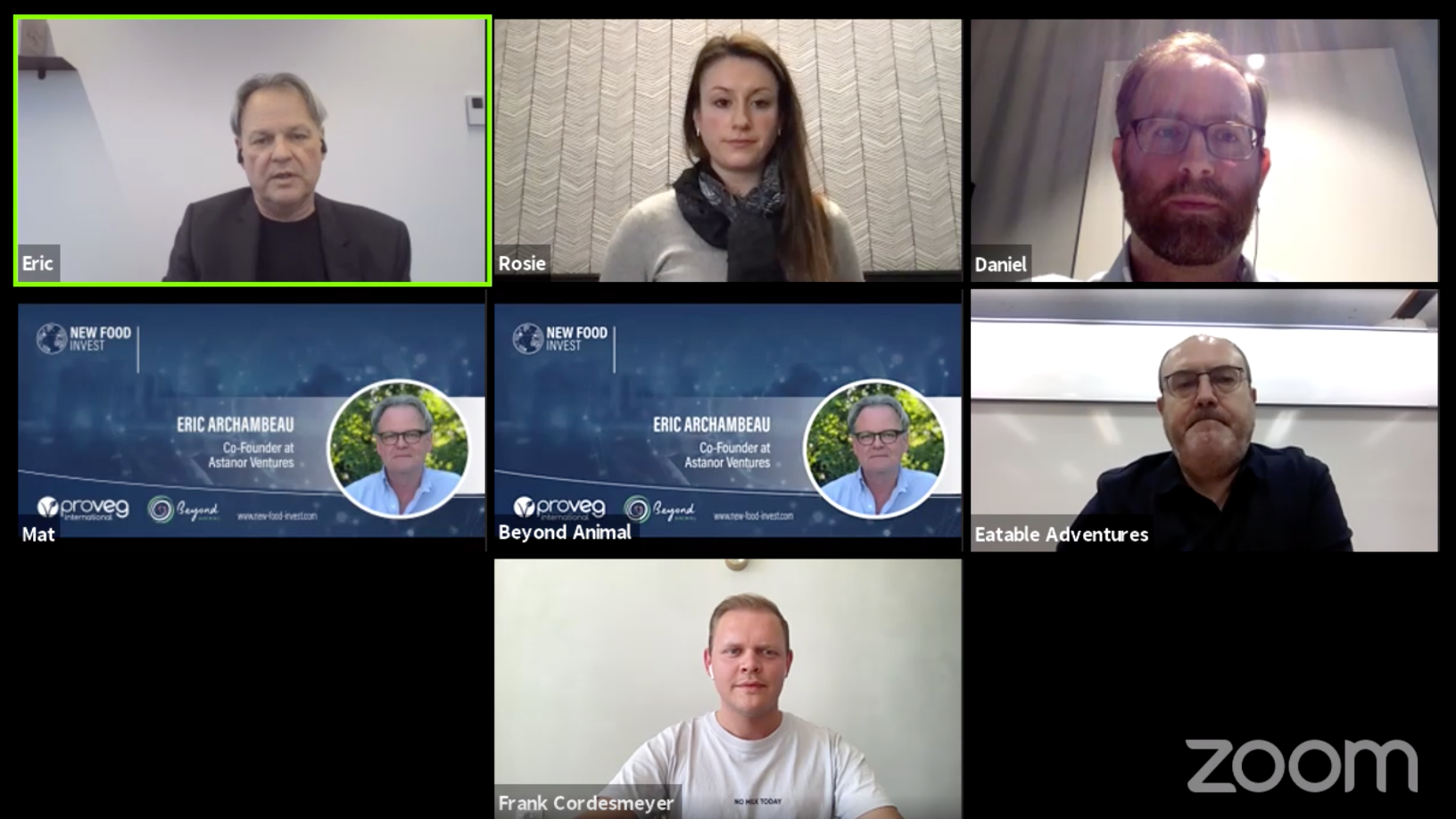
New Food Invest: Opportunities in the European alt-protein space
With a record €2.4bn investment in 2019, Europe’s foodtech sector appears poised for continued growth, but startups, corporations, governments and even universities can do more, experts say
Jesús Encinar: The Man Behind Idealista and 11870.com
Entrepreneur, angel investor and down-to-earth idealist

Sorry, we couldn’t find any matches for “Entrepreneurs Roundtable Accelerator”.
POPULAR DATABASE