H
-
DATABASE (2655)
-
ARTICLES (14)
CEO, co-founder of Psquared
Argentinian native Nicolas Manrique is CEO and co-founder at Psquared, Spain’s first flexible workplace management and design company for hybrid workspaces, where he has worked since 2019. He is also a part-time advisor and investor at startup development agency We Are Grit, since its foundation in 2020. Since 2014, he has also been the owner of a marketing agency for SMEs in his native Buenos Aires, called Estudio Cuervo. In 2018, Manrique founded the Barcelona chapter of Argentinian startup co-working agency La Maquinita. Manrique holds a bachelor’s in business administration from Buenos Aires’ Pontifical Catholic University.

Argentinian native Nicolas Manrique is CEO and co-founder at Psquared, Spain’s first flexible workplace management and design company for hybrid workspaces, where he has worked since 2019. He is also a part-time advisor and investor at startup development agency We Are Grit, since its foundation in 2020. Since 2014, he has also been the owner of a marketing agency for SMEs in his native Buenos Aires, called Estudio Cuervo. In 2018, Manrique founded the Barcelona chapter of Argentinian startup co-working agency La Maquinita. Manrique holds a bachelor’s in business administration from Buenos Aires’ Pontifical Catholic University.
Co-founder of Psquared
Argentinian native Jorge Araujo Müller is co-founder and investor at Psquared, Spain’s first flexible workplace management and design company, Psquared, for hybrid workspaces, where he has worked since its foundation in April 2019. Psquared is a spin-off of startup innovation hub CoBuilder, founded one year earlier and which Araujo co-founded. He has several other roles. Since 2020, he is a co-founder at startup development agency We Are Grit and advisor of a talent agency for Latin Americans in Spain, Base España. He is also an investor and advisor at e-commerce recruitment agency RSV Outsourcing. Araujo also holds part-time educational roles, speaking on innovation at Barcelona’s ESADE institution to MBA students and as a mentor at Mexico’s chapter of the MassChallenge accelerator. Earlier, Araujo worked as a business advisor to the digital agency JustDigital, and was co-founder and sales director at the digital talent agency Bandit, for a year. Before that, from 2012–2016, he was CSO and co-founder of Barcelona-based startup Nubelo – a tech recruitment agency for freelancers – until it was acquired by Freelancer.com. Prior to this, Araujo worked for two years as a business researcher at JP Morgan Chase and for almost two years at West Side Consultants, both in Argentina. Araujo holds a business administration qualification from CEMA University, Buenos Aires.In 2013, Araujo and his brother were named in Forbes Argentina’s 30 Promesas list of young entrepreneurs.

Argentinian native Jorge Araujo Müller is co-founder and investor at Psquared, Spain’s first flexible workplace management and design company, Psquared, for hybrid workspaces, where he has worked since its foundation in April 2019. Psquared is a spin-off of startup innovation hub CoBuilder, founded one year earlier and which Araujo co-founded. He has several other roles. Since 2020, he is a co-founder at startup development agency We Are Grit and advisor of a talent agency for Latin Americans in Spain, Base España. He is also an investor and advisor at e-commerce recruitment agency RSV Outsourcing. Araujo also holds part-time educational roles, speaking on innovation at Barcelona’s ESADE institution to MBA students and as a mentor at Mexico’s chapter of the MassChallenge accelerator. Earlier, Araujo worked as a business advisor to the digital agency JustDigital, and was co-founder and sales director at the digital talent agency Bandit, for a year. Before that, from 2012–2016, he was CSO and co-founder of Barcelona-based startup Nubelo – a tech recruitment agency for freelancers – until it was acquired by Freelancer.com. Prior to this, Araujo worked for two years as a business researcher at JP Morgan Chase and for almost two years at West Side Consultants, both in Argentina. Araujo holds a business administration qualification from CEMA University, Buenos Aires.In 2013, Araujo and his brother were named in Forbes Argentina’s 30 Promesas list of young entrepreneurs.
Founder of NYSE-listed Chinese online classifieds/marketplace giant 58.com, Yao Jinbo graduated from China Ocean University in 1999 with degrees in computer science and chemistry. He founded 58.com in 2005. He has experience in network marketing, network channel development and domain name strategy. Yao also co-founded the Xueda Education Group.

Founder of NYSE-listed Chinese online classifieds/marketplace giant 58.com, Yao Jinbo graduated from China Ocean University in 1999 with degrees in computer science and chemistry. He founded 58.com in 2005. He has experience in network marketing, network channel development and domain name strategy. Yao also co-founded the Xueda Education Group.
CEO and founder of Swan Daojia (formerly 58 Daojia)
Chen received a bachelor’s degree in material formation from Xiangtan University in 2004. While in college, he co-founded 0755.org.cn, one of the earliest online classifieds providers in China. He is also a co-founder of dunsh.org, a nonprofit search engine optimization website in China. After graduation, he served as senior project manager and chief editor at Xiamen Haowei Network Technology. From June–December 2007, Chen served as head of the product department at ganji.com, an online classified site, responsible for product management and customer experience. He then joined 58.com the same year, serving as senior VP of product management and website operation from December 2007 to August 2014.In November 2014, he founded 58 Daojia and has served as CEO since then. In August 2017, 58 Daojia announced a merger with 58 Su Yun and Gogovan, a logistics platform in Southeast Asia, and he became Chairman of the new company. The merger created Asia's largest city-to-city cargo delivery platform. In 2018, 58 Daojia was rebranded as Daojia Group. The group’s 58 Su Yun received $250m funding and was relaunched as Kuaigou Express.

Chen received a bachelor’s degree in material formation from Xiangtan University in 2004. While in college, he co-founded 0755.org.cn, one of the earliest online classifieds providers in China. He is also a co-founder of dunsh.org, a nonprofit search engine optimization website in China. After graduation, he served as senior project manager and chief editor at Xiamen Haowei Network Technology. From June–December 2007, Chen served as head of the product department at ganji.com, an online classified site, responsible for product management and customer experience. He then joined 58.com the same year, serving as senior VP of product management and website operation from December 2007 to August 2014.In November 2014, he founded 58 Daojia and has served as CEO since then. In August 2017, 58 Daojia announced a merger with 58 Su Yun and Gogovan, a logistics platform in Southeast Asia, and he became Chairman of the new company. The merger created Asia's largest city-to-city cargo delivery platform. In 2018, 58 Daojia was rebranded as Daojia Group. The group’s 58 Su Yun received $250m funding and was relaunched as Kuaigou Express.
CTO, co-founder of Teliman
Abdoulaye Maiga is CTO and co-founder at Teliman, Mali’s first on-demand mobility startup and one of francophone Africa’s first, where he has worked since its launch in 2018. Before that, he was CTO and co-founder at French real estate startup Wemblee where he still works part-time from Mali, initially simultaneously working as a salesforce administrator and developer in chemical company SEPPIC.Maiga previously worked at Rakuten in Tokyo for one year as a research and development VR scientist and also completed a stint at Accenture in Paris as an information system consultant. He also completed short stints in engineering at BCS Group in New Zealand and in business development at EATOPS in the Netherlands. The Malian national obtained two master’s degrees in innovation economics from Universite Paris-Saclay (2017) and in computer science from Keio University in Tokyo (2015), after winning scholarships to study overseas.
Abdoulaye Maiga is CTO and co-founder at Teliman, Mali’s first on-demand mobility startup and one of francophone Africa’s first, where he has worked since its launch in 2018. Before that, he was CTO and co-founder at French real estate startup Wemblee where he still works part-time from Mali, initially simultaneously working as a salesforce administrator and developer in chemical company SEPPIC.Maiga previously worked at Rakuten in Tokyo for one year as a research and development VR scientist and also completed a stint at Accenture in Paris as an information system consultant. He also completed short stints in engineering at BCS Group in New Zealand and in business development at EATOPS in the Netherlands. The Malian national obtained two master’s degrees in innovation economics from Universite Paris-Saclay (2017) and in computer science from Keio University in Tokyo (2015), after winning scholarships to study overseas.
CTO and co-founder of Bygen
Ben Morton is an Australian entrepreneur and a chemical engineer by training. While serving in the Royal Australian Infantry, he attended Flinders University, pursuing a double honours degree in physics and organic chemistry. After graduating in 2013, Morton briefly worked as a chemist at fertilizer company SprayGro. In 2016, he enrolled at the University of Adelaide to pursue a PhD in Chemical Engineering. There, he joined Philip Kwong’s research group and met fellow PhD student Lewis Dunnigan. Using technology they developed at the research group, in 2017 Morton, and Dunnigan established Bygen, a startup offering a low-cost, novel way process of making activated carbon using various forms of agricultural waste, with Kwong as a technical adviser and fellow co-founder. Morton is now CTO of Bygen.

Ben Morton is an Australian entrepreneur and a chemical engineer by training. While serving in the Royal Australian Infantry, he attended Flinders University, pursuing a double honours degree in physics and organic chemistry. After graduating in 2013, Morton briefly worked as a chemist at fertilizer company SprayGro. In 2016, he enrolled at the University of Adelaide to pursue a PhD in Chemical Engineering. There, he joined Philip Kwong’s research group and met fellow PhD student Lewis Dunnigan. Using technology they developed at the research group, in 2017 Morton, and Dunnigan established Bygen, a startup offering a low-cost, novel way process of making activated carbon using various forms of agricultural waste, with Kwong as a technical adviser and fellow co-founder. Morton is now CTO of Bygen.
CEO and co-founder of Bygen
Lewis Dunnigan is a researcher turned entrepreneur based in Australia. After earning a master’s degree in Chemical Engineering and working as a researcher at the University of Edinburgh in the UK, Dunnigan returned to Australia. He had a brief stint as a visiting researcher and earned his PhD in Chemical Engineering at the University of Adelaide.During his PhD, Dunnigan was a part of Philip Kwong’s research laboratory. His PhD project involved developing a system to generate activated charcoal and renewable energy from biomass. In 2017, Dunnigan, Kwong, and fellow PhD student Ben Morton decided to commercialize this technology and established a spin-off company called Bygen, which developed a low-cost, novel way to make activated carbon more sustainably using various forms of agricultural waste. Dunnigan is now the CEO of Bygen.

Lewis Dunnigan is a researcher turned entrepreneur based in Australia. After earning a master’s degree in Chemical Engineering and working as a researcher at the University of Edinburgh in the UK, Dunnigan returned to Australia. He had a brief stint as a visiting researcher and earned his PhD in Chemical Engineering at the University of Adelaide.During his PhD, Dunnigan was a part of Philip Kwong’s research laboratory. His PhD project involved developing a system to generate activated charcoal and renewable energy from biomass. In 2017, Dunnigan, Kwong, and fellow PhD student Ben Morton decided to commercialize this technology and established a spin-off company called Bygen, which developed a low-cost, novel way to make activated carbon more sustainably using various forms of agricultural waste. Dunnigan is now the CEO of Bygen.
Technical advisor and co-founder of Bygen
Philip Kwong is a lecturer and researcher at the University of Adelaide’s School of Chemical Engineering and Advanced Materials. He joined the university in 2009 and focuses on developing low-cost technologies that can facilitate a transition from fossil fuels to renewable energy. One of his ongoing research projects primarily deals with the conversion of agricultural waste into biochar, a form of charcoal that can act as a feedstock for making activated carbon and for sequestering carbon.In 2017, Kwong and two PhD students in his research group, Ben Morton and Lewis Dunnigan, began commercialization of the waste-to-activated carbon technology they had developed. A spin-off company called Bygen was established, with Dunnigan and Morton leading the startup. Kwong is a co-founder and technical advisor of the company.

Philip Kwong is a lecturer and researcher at the University of Adelaide’s School of Chemical Engineering and Advanced Materials. He joined the university in 2009 and focuses on developing low-cost technologies that can facilitate a transition from fossil fuels to renewable energy. One of his ongoing research projects primarily deals with the conversion of agricultural waste into biochar, a form of charcoal that can act as a feedstock for making activated carbon and for sequestering carbon.In 2017, Kwong and two PhD students in his research group, Ben Morton and Lewis Dunnigan, began commercialization of the waste-to-activated carbon technology they had developed. A spin-off company called Bygen was established, with Dunnigan and Morton leading the startup. Kwong is a co-founder and technical advisor of the company.
CEO and co-founder of The Not Company (NotCo)
Matías Muchnick graduated among the top 10% in business administration from the University of Chile in 2011 and went on to complete a master’s in Finance in 2012. He gained some work experience in Santiago as an analyst at LarrainVial in 2010 and spent the summer working at JP Morgan in Hong Kong after his graduation in 2011.In 2012, he became an entrepreneur and founded the wellness app Chooz, a project sponsored by the Chilean government. In 2013, he co-founded Eggless, the first food company in Chile to offer vegan mayonnaise in Chilean supermarkets like Walmart and Jumbo. He exited the business in 2015 and, in the same year, joined an entrepreneurship bootcamp at the University of California, Berkley, where he approached the biochemistry department to learn more about data and science. He also completed executive programs at Harvard Business School in 2015 and at the Stanford University in 2018.In November 2015, he co-founded the Chilean foodtech Not Company (NotCo) with astrophysicist Karim Pichara, who he met in Harvard, and Pablo Zamora. Based in New York, Muchnick is the CEO of NotCo, which combines AI with food science to create plant-based products that mimic animal-based food like milk and burgers.

Matías Muchnick graduated among the top 10% in business administration from the University of Chile in 2011 and went on to complete a master’s in Finance in 2012. He gained some work experience in Santiago as an analyst at LarrainVial in 2010 and spent the summer working at JP Morgan in Hong Kong after his graduation in 2011.In 2012, he became an entrepreneur and founded the wellness app Chooz, a project sponsored by the Chilean government. In 2013, he co-founded Eggless, the first food company in Chile to offer vegan mayonnaise in Chilean supermarkets like Walmart and Jumbo. He exited the business in 2015 and, in the same year, joined an entrepreneurship bootcamp at the University of California, Berkley, where he approached the biochemistry department to learn more about data and science. He also completed executive programs at Harvard Business School in 2015 and at the Stanford University in 2018.In November 2015, he co-founded the Chilean foodtech Not Company (NotCo) with astrophysicist Karim Pichara, who he met in Harvard, and Pablo Zamora. Based in New York, Muchnick is the CEO of NotCo, which combines AI with food science to create plant-based products that mimic animal-based food like milk and burgers.
CTO and co-founder of The Not Company (NotCo)
Karim Pichara has a PhD in Computer Science from the Catholic University of Chile where he has been working for over 10 years since 2010. From 2011, Karim Pichara has also been working as a research associate at the Institute of Applied Computer Science, Harvard University, specializing in data mining and machine learning for astronomy. In November 2015, while at Harvard, Pichara and Matías Muchnick co-founded a plant-based foodtech, The Not Company (NotCo). Pichara became the CTO and headed the development of NotCo’s algorithm called “Giuseppe” that can analyze molecular structures of animal-based food to create similar plant-based food that cater to the human perception of taste and texture.

Karim Pichara has a PhD in Computer Science from the Catholic University of Chile where he has been working for over 10 years since 2010. From 2011, Karim Pichara has also been working as a research associate at the Institute of Applied Computer Science, Harvard University, specializing in data mining and machine learning for astronomy. In November 2015, while at Harvard, Pichara and Matías Muchnick co-founded a plant-based foodtech, The Not Company (NotCo). Pichara became the CTO and headed the development of NotCo’s algorithm called “Giuseppe” that can analyze molecular structures of animal-based food to create similar plant-based food that cater to the human perception of taste and texture.
Senior Scientific Advisor and co-founder of The Not Company (NotCo)
Pablo Zamora is a biotechnologist from the University of Santiago, where he worked as a professor and research scientist until 2008. In 2009, he started his postdoctoral research on Mexico’s maize genetics at UC Davis Life Science Innovation Center. He worked there as a senior scientist and associate until 2014. In 2015, he was appointed the center’s Chief Science Officer based in Chile, a position he was in till January 2018.From 2013–2015, he also worked on various plant and microbe genomics projects as a senior scientist in Mars Advanced Research Institute. He was also an editor from 2012–2017 at the Journal of Technology Management & Innovation and worked at the non-profit PIPRA from 2010–2018 as international alliance manager in Sacramento, University of California.In 2015, he co-founded The Not Company (NotCo) based in Santiago. He was appointed CSO in February 2018, a role he led until March 2020, when he left the company to focus on a new project, AptaBuilder, a $60m program that promotes R&D for Chilean technology-based ventures. Zamora still consults as NotCo’s senior scientific advisor.
Pablo Zamora is a biotechnologist from the University of Santiago, where he worked as a professor and research scientist until 2008. In 2009, he started his postdoctoral research on Mexico’s maize genetics at UC Davis Life Science Innovation Center. He worked there as a senior scientist and associate until 2014. In 2015, he was appointed the center’s Chief Science Officer based in Chile, a position he was in till January 2018.From 2013–2015, he also worked on various plant and microbe genomics projects as a senior scientist in Mars Advanced Research Institute. He was also an editor from 2012–2017 at the Journal of Technology Management & Innovation and worked at the non-profit PIPRA from 2010–2018 as international alliance manager in Sacramento, University of California.In 2015, he co-founded The Not Company (NotCo) based in Santiago. He was appointed CSO in February 2018, a role he led until March 2020, when he left the company to focus on a new project, AptaBuilder, a $60m program that promotes R&D for Chilean technology-based ventures. Zamora still consults as NotCo’s senior scientific advisor.
Co-Founder of Bipi
Fernando Jamie-Fernández is the co-founder of Bipi, a Spanish on-demand car rental app startup. He previously co-founded Colombia Acuanto, which offers alternative loans to small and medium enterprises (SMEs) and individuals. Jamie-Fernández is currently on Bipi’s Board of Directors and is a Managing Partner at Avianta Capital in Monterrey, Mexico.

Fernando Jamie-Fernández is the co-founder of Bipi, a Spanish on-demand car rental app startup. He previously co-founded Colombia Acuanto, which offers alternative loans to small and medium enterprises (SMEs) and individuals. Jamie-Fernández is currently on Bipi’s Board of Directors and is a Managing Partner at Avianta Capital in Monterrey, Mexico.
CTO and Co-founder of Cobee
Daniel Olea Martín is a software engineer with significant experience in the startup ecosystem where he worked as a senior backend engineer for several years.He is currently CTO and co-founder of Cobee, a fast growing fintech app that helps companies manage employee benefits. Prior to this, he was CTO of another Spanish fintech company, FINN VENTURES.Olea Martín defines his management style as a balance between leadership and hands-on involvement as a way to “empower and motivate engineers and foresee potential troubles that could compromise productivity”.

Daniel Olea Martín is a software engineer with significant experience in the startup ecosystem where he worked as a senior backend engineer for several years.He is currently CTO and co-founder of Cobee, a fast growing fintech app that helps companies manage employee benefits. Prior to this, he was CTO of another Spanish fintech company, FINN VENTURES.Olea Martín defines his management style as a balance between leadership and hands-on involvement as a way to “empower and motivate engineers and foresee potential troubles that could compromise productivity”.
CEO and founder of Petit Pli
Ryan Mario Yasin is an engineer, designer and sustainable fashion entrepreneur based in London. Originally from Reykjavik, Iceland, Yasin graduated in aeronautical engineering at Imperial College London and has a master’s in global innovation design from the Royal College of Art. As a 23-year-old design student, Yasin founded materials technology startup Petit Pli, and developed the design for the company’s first product, a pleated garment that could expand up to seven sizes to last children through their first few years of life. Petit Pli now makes expandable pleated clothes for children and adults, using a fabric derived from recycled plastic and a structure inspired by origami, architecture and space satellites. Petit Pli products have won a number of prestigious awards, such as the UK James Dyson Award, Time Magazine’s best invention of 2020 and the Red Dot Product Design Award.Yasin has a strong interest in photography and in the interplay between art and engineering. In 2020, Yasin was included by Forbes in its 30 Under 30 list for Europe.

Ryan Mario Yasin is an engineer, designer and sustainable fashion entrepreneur based in London. Originally from Reykjavik, Iceland, Yasin graduated in aeronautical engineering at Imperial College London and has a master’s in global innovation design from the Royal College of Art. As a 23-year-old design student, Yasin founded materials technology startup Petit Pli, and developed the design for the company’s first product, a pleated garment that could expand up to seven sizes to last children through their first few years of life. Petit Pli now makes expandable pleated clothes for children and adults, using a fabric derived from recycled plastic and a structure inspired by origami, architecture and space satellites. Petit Pli products have won a number of prestigious awards, such as the UK James Dyson Award, Time Magazine’s best invention of 2020 and the Red Dot Product Design Award.Yasin has a strong interest in photography and in the interplay between art and engineering. In 2020, Yasin was included by Forbes in its 30 Under 30 list for Europe.
Co-CEO and Co-founder of Notpla (formerly Skipping Rocks Lab)
Currently based in London, French national Pierre Yves Paslier completed a master’s in materials science and engineering from INSA in Lyon in 2010. In 2012, he went on to complete a master’s in industrial and product design at the Royal College of Art in London. He also studied innovation design engineering at Imperial College.After graduating in 2014, Paslier and university alumnus Rodrigo García González co-founded Skipping Rocks Lab that was pivoted as Notpla in 2019. Both are co-CEOs of the UK-based startup that develops compostable and edible packaging material made of seaweed and other plants.Before becoming an entrepreneur, Paslier worked as a packaging engineer for L’Oréal from 2010 to 2012. He has been invited to speak at TEDx conferences in Athens and Warwick to share his experience and innovative projects in packaging and product design. In 2020, he became an industrial advisory board member at Imperial College London Dyson School of Design Engineering. In 2019, he also became a fellow of the Royal Academy of Engineering Enterprise Hub.

Currently based in London, French national Pierre Yves Paslier completed a master’s in materials science and engineering from INSA in Lyon in 2010. In 2012, he went on to complete a master’s in industrial and product design at the Royal College of Art in London. He also studied innovation design engineering at Imperial College.After graduating in 2014, Paslier and university alumnus Rodrigo García González co-founded Skipping Rocks Lab that was pivoted as Notpla in 2019. Both are co-CEOs of the UK-based startup that develops compostable and edible packaging material made of seaweed and other plants.Before becoming an entrepreneur, Paslier worked as a packaging engineer for L’Oréal from 2010 to 2012. He has been invited to speak at TEDx conferences in Athens and Warwick to share his experience and innovative projects in packaging and product design. In 2020, he became an industrial advisory board member at Imperial College London Dyson School of Design Engineering. In 2019, he also became a fellow of the Royal Academy of Engineering Enterprise Hub.
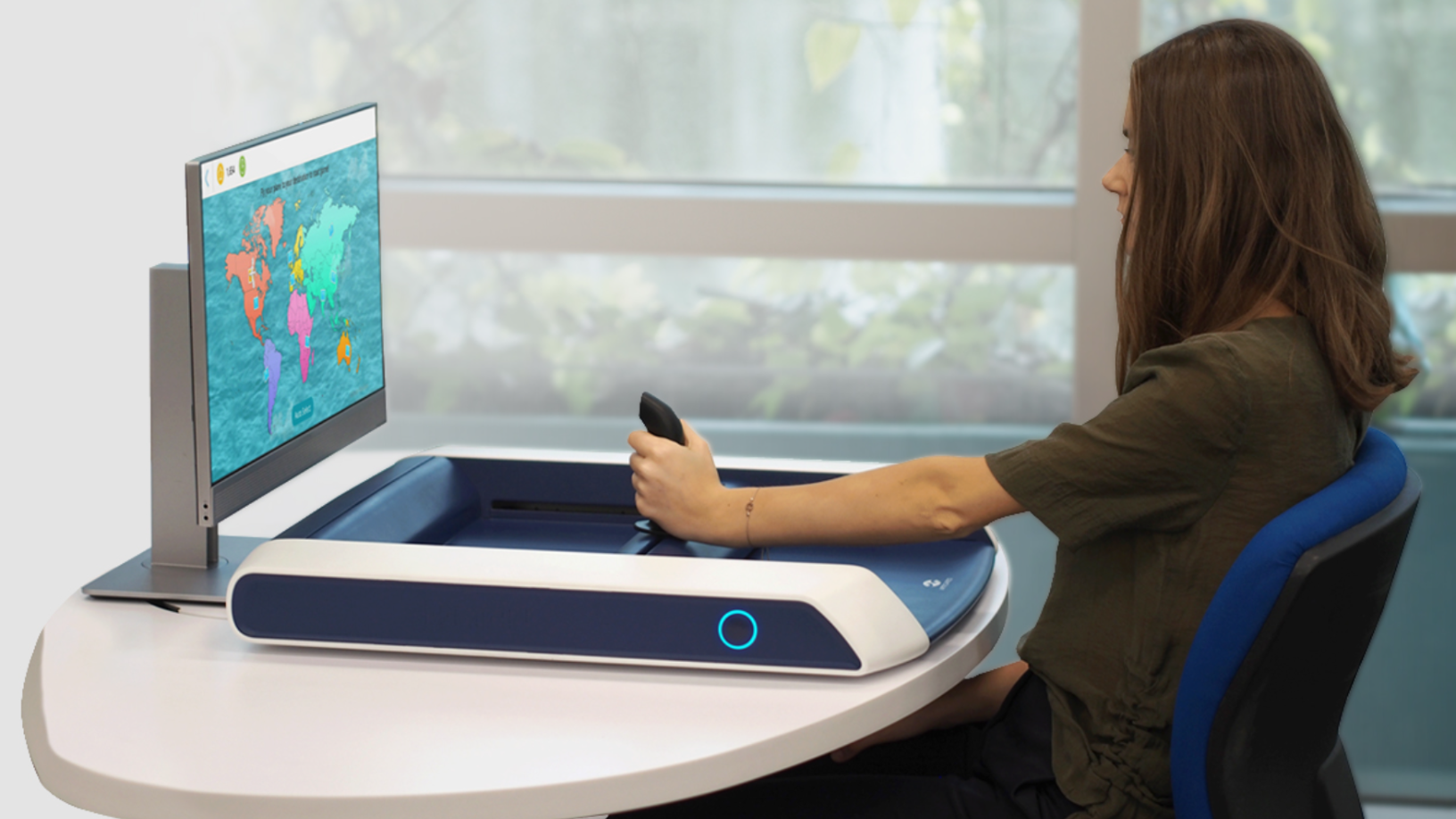
ARTICARES: Personalized, more affordable arm rehab therapy at home
Using adaptive AI, its H-Man robot works like an occupational therapist, assessing patient’s performance and adjusting the complexity of training tasks in real time
Infinited Fiber: Producing biofibers for fashion to move toward circular economy
Supported by H&M, Adidas and textile manufacturers, Infinited Fiber is helping the world’s second most polluting industry go greener by turning industrial waste into regenerated biomaterials

Alias Robotics: Award-winning cyber security pioneer reduces “clear and present danger” of robots
As machines become integral parts of daily life, Alias Robotics offers humans a way to solve the ever-increasing potential risks of robots

Zymvol Biomodeling: In the footsteps of Chemistry Nobel Prize winner Frances H. Arnold
Startup founded by scientists helps industries discover and develop enzymes cheaply through computer-driven innovation
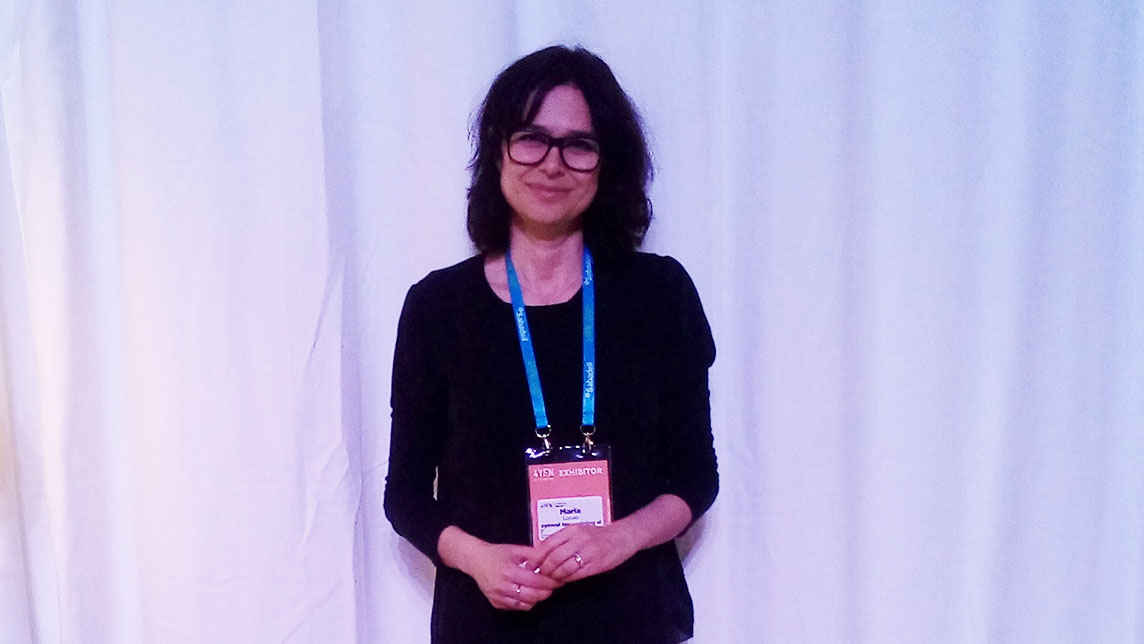

Autodrive Solutions: Making driverless vehicles safer with high-precision positioning tech
A Spanish university's research on sophisticated weapons detection technology is being used to prevent accidents in the mobility and transport sectors

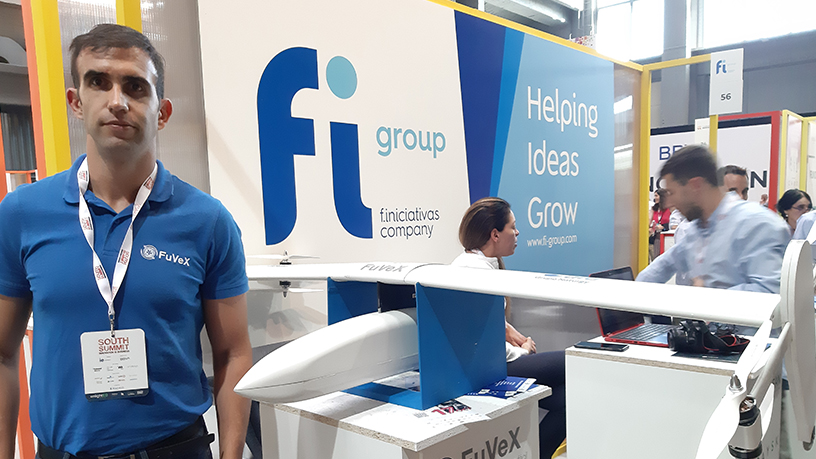
FuVeX: Long-range hybrid-technology drones for multiple business uses
With its innovative hybrid helicopter and airplane technology, FuVeX is poised to take full advantage of the business opportunities afforded by new European regulations governing long-range drones
Next-generation social media app YouClap targets engagement over reach
Already valued at €5m one year after launching, the YouClap platform for online challenges will seek Series A investment before the end of 2019
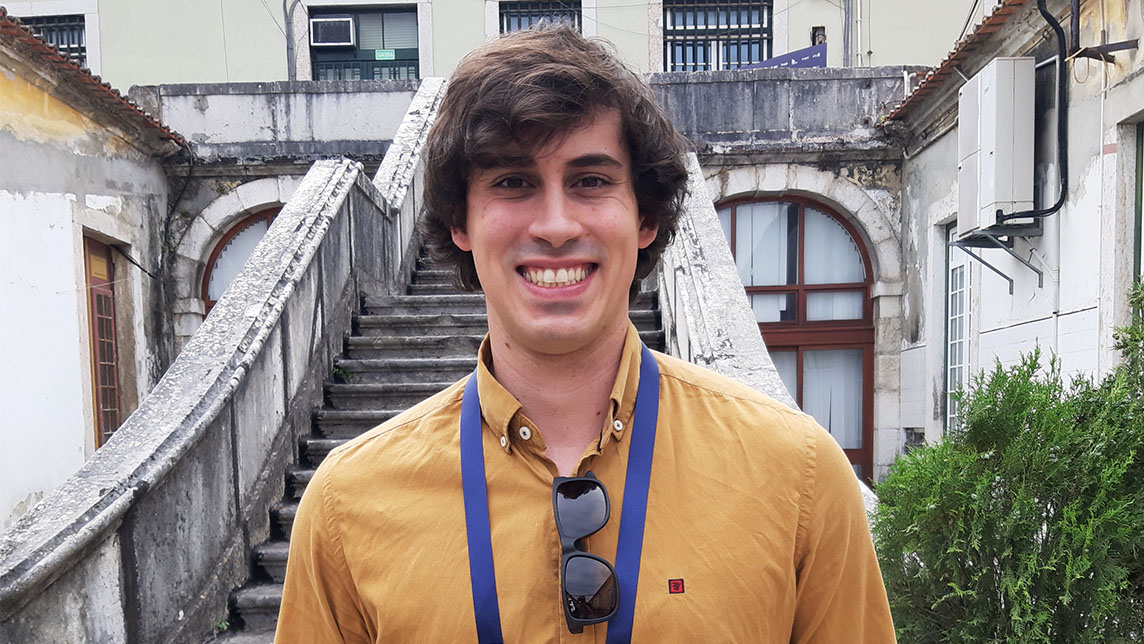
Revoolt: “Covid-19 accelerated our expansion plans and made us more ambitious”
Revoolt’s emission-free last-mile delivery model proved viable during the lockdown in Spain – growth that’s now its launchpad for international expansion and new funding

Plug-it and Drive-it with Wallbox’s EV quick chargers
Created by an ex-Tesla engineer, these generic chargers are fast and easy to use – just like recharging mobile phones

Petit Pli: Origami-inspired clothes that still fit, even after the body has grown
Founded by a young aeronautical engineer, Petit Pli produces stylish, sustainable pleated garments made from recycled plastic that expand up to seven sizes

Xu Jinghong: Champion of young entrepreneurs and high-tech startups
Under Xu Jinghong’s leadership, Tsinghua Holdings grew its assets sevenfold and incubated over 10,000 businesses. In his new role as VC investor, Xu wants to nurture startups into future global leaders

Citibeats, a social trends monitoring tool for governments and businesses, wins €1.4m funding
Citibeats tracks and analyzes what the public is saying online in any language; wants to boost its presence in LatAm and Asia

Faromatics' ChickenBoy robot brings smart analytics to poultry farming
The makers of the AI-based robot for managing large-scale poultry farming are seeking up to €4m in a second round funding as they launch their invention in Europe

Ontruck CTO: How to build, scale technology in the road freight sector
Iterate fast and understand your clients, explains Samuel Fuentes, co-founder and CTO of Ontruck, because "for us, innovation is business as usual”

Sorry, we couldn’t find any matches for “H”.