New Energy Nexus
-
DATABASE (490)
-
ARTICLES (715)
co-founder and CEO of YITU Healthcare
Leo Zhu received his PhD in Statistics from the University of California, Los Angeles, where he specialized in statistical modeling of computer vision and artificial intelligence (AI), He was a student of Professor Alan Yuille whose PhD in theoretical physics was supervised by Dr Stephen Hawking. Prior to co-founding and becoming the CEO of China’s leading AI technology startup YITU Healthcare, he was a postdoctoral fellow at Massachusetts Institute of Technology’s AI laboratory and a research fellow at the Courant Institute of Mathematical Sciences, New York University.
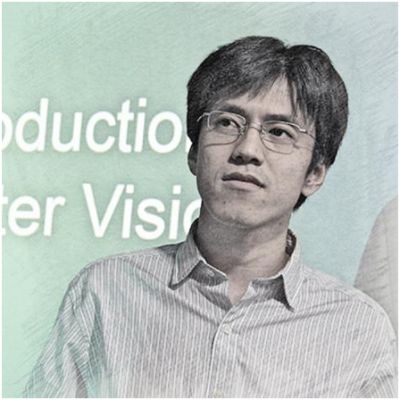
Leo Zhu received his PhD in Statistics from the University of California, Los Angeles, where he specialized in statistical modeling of computer vision and artificial intelligence (AI), He was a student of Professor Alan Yuille whose PhD in theoretical physics was supervised by Dr Stephen Hawking. Prior to co-founding and becoming the CEO of China’s leading AI technology startup YITU Healthcare, he was a postdoctoral fellow at Massachusetts Institute of Technology’s AI laboratory and a research fellow at the Courant Institute of Mathematical Sciences, New York University.
Founded in Shenzhen in 2013, HNF focuses on industries such as mobile internet, entertainment, healthcare and education. It was named one of China’s New Investment Organization’s Top 20 companies for 2017.

Founded in Shenzhen in 2013, HNF focuses on industries such as mobile internet, entertainment, healthcare and education. It was named one of China’s New Investment Organization’s Top 20 companies for 2017.
Royal Golden Eagle (RGE) is an industrial group owned by Indonesian tycoon Sukanto Tanoto. It employs 60,000 people worldwide with assets worth over $20bn. Tanoto started his business empire in 1967 as a supplier of spare parts to oil and construction companies in Indonesia. He went on to invest in oil palm plantations in 1979. Since 1985, his group companies have been managing 30,000 acres of oil palm trees each year across a total land area of 160,000 hectares.Headquartered in Singapore, RGE has interests in diverse sectors like paper palm oil, viscose, asset management, real estate, construction and energy. RGE owns the world’s largest viscose producer Sateri, Asia Pacific Rayon and energy firm Pacific Oil & Gas. It is also the owner of the Asia Pacific Resources International Holdings Limited (APRIL), one of the world’s largest pulp and paper mills. The Rainforest Action Network and other NGOs like Greenpeace and the WWF have put considerable pressure on the RGE group’s unsustainable operations such as the destruction of rainforests by APRIL. In 2019, RGE announced plans to invest $200m in cellulosic textile fiber research and development over a period of 10 years. Projects will include the scaling up of proven clean technology in fiber manufacturing, bringing pilot-scale production to commercial scale and R&D in emerging frontier solutions.
Royal Golden Eagle (RGE) is an industrial group owned by Indonesian tycoon Sukanto Tanoto. It employs 60,000 people worldwide with assets worth over $20bn. Tanoto started his business empire in 1967 as a supplier of spare parts to oil and construction companies in Indonesia. He went on to invest in oil palm plantations in 1979. Since 1985, his group companies have been managing 30,000 acres of oil palm trees each year across a total land area of 160,000 hectares.Headquartered in Singapore, RGE has interests in diverse sectors like paper palm oil, viscose, asset management, real estate, construction and energy. RGE owns the world’s largest viscose producer Sateri, Asia Pacific Rayon and energy firm Pacific Oil & Gas. It is also the owner of the Asia Pacific Resources International Holdings Limited (APRIL), one of the world’s largest pulp and paper mills. The Rainforest Action Network and other NGOs like Greenpeace and the WWF have put considerable pressure on the RGE group’s unsustainable operations such as the destruction of rainforests by APRIL. In 2019, RGE announced plans to invest $200m in cellulosic textile fiber research and development over a period of 10 years. Projects will include the scaling up of proven clean technology in fiber manufacturing, bringing pilot-scale production to commercial scale and R&D in emerging frontier solutions.
Founded in 2014, Stellar Kapital is a VC and investment firm that seeks to empower new entrepreneurs and launch new tech events including a cultural and music Stellar Fest in 2018. Its first fund of US$10 million was mainly invested in real-sector companies. Armed with a second investment fund of US$25 million, Stellar Kapital is looking to invest in startups with funding ranging from US$200,000 to US$1 million. The VC also invests directly in offline companies like co-working business Freeware Spaces, Stellar Parking and Divestekno, an oil and gas company.

Founded in 2014, Stellar Kapital is a VC and investment firm that seeks to empower new entrepreneurs and launch new tech events including a cultural and music Stellar Fest in 2018. Its first fund of US$10 million was mainly invested in real-sector companies. Armed with a second investment fund of US$25 million, Stellar Kapital is looking to invest in startups with funding ranging from US$200,000 to US$1 million. The VC also invests directly in offline companies like co-working business Freeware Spaces, Stellar Parking and Divestekno, an oil and gas company.
The Alexa Fund provides up to $200 million in venture capital funding to fuel voice technology innovation. It is focused on how voice technology can improve customers’ lives, from early-stage pre-revenue companies to established brands. Areas of particular interest include: hardware products that would benefit from the Alexa Voice Service; skills that deliver new abilities to Alexa-enabled devices through the Alexa Skills Kit; and new contributions to the science behind voice technology, including text to speech, natural language understanding, automatic speech recognition, artificial intelligence and hardware component design.

The Alexa Fund provides up to $200 million in venture capital funding to fuel voice technology innovation. It is focused on how voice technology can improve customers’ lives, from early-stage pre-revenue companies to established brands. Areas of particular interest include: hardware products that would benefit from the Alexa Voice Service; skills that deliver new abilities to Alexa-enabled devices through the Alexa Skills Kit; and new contributions to the science behind voice technology, including text to speech, natural language understanding, automatic speech recognition, artificial intelligence and hardware component design.
Formerly known as Tribeca Angels, the New York-based Tribeca Early Stage Partners was established in 2014 by John McEvoy. The firm's network of 50 entrepreneurs and business leaders specialize in institutional finance and enterprise technology. Tribeca focuses on early-stage investments in fintechs and ERPs, especially those based in the New York area. Initial investment per startup ranges from US$500,000 to US$1 million. It has invested in 15 startups and managed two exits, Cola and James.

Formerly known as Tribeca Angels, the New York-based Tribeca Early Stage Partners was established in 2014 by John McEvoy. The firm's network of 50 entrepreneurs and business leaders specialize in institutional finance and enterprise technology. Tribeca focuses on early-stage investments in fintechs and ERPs, especially those based in the New York area. Initial investment per startup ranges from US$500,000 to US$1 million. It has invested in 15 startups and managed two exits, Cola and James.
BDMI is a New York-based VC company that is part of the global media group, Bertelsmann, which backs mainly companies in the new digital media ecosystem. The company usually invests through Series A and Series B rounds ranging from US$500,000 to US$5 million with reserves for follow-ons.Companies backed by BDMI get access to a vast network of media companies in the Bertelsmann group and benefit from their extensive media expertise with a global perspective.The firm’s portfolio includes startups from North America, Europe and Israel.

BDMI is a New York-based VC company that is part of the global media group, Bertelsmann, which backs mainly companies in the new digital media ecosystem. The company usually invests through Series A and Series B rounds ranging from US$500,000 to US$5 million with reserves for follow-ons.Companies backed by BDMI get access to a vast network of media companies in the Bertelsmann group and benefit from their extensive media expertise with a global perspective.The firm’s portfolio includes startups from North America, Europe and Israel.
Chairman of the Board, co-founder, co-inventor of NovoNutrients
Russell J. Howard has been co-founder and chairman of the board at NovoNutrients, a San Francisco biotech manufacturer of alt-protein produced using fermentation and CO2, and the research company Oakbio, since the latter’s foundation in 2009. During this period, for a year, Howard also worked as head of commercial strategy at Genome.One, a genetics startup. Howard is also on the board of executives of two Australian pharma companies, Immutep and NeuClone. Previously, between 1997 and 2009, he was CEO at California-based Maxygen, dedicated to the commercialization of molecular breeding and gene shuffling in protein. The year before that, Howard was president and scientific director at global pharma giant GSK in Santa Clara, and between 1994 and 1996, he held the same position at AFFYMAX Research Institute, working on new drugs research. Howard also held long-term research positions, heading up the laboratory at Palo Alto’s DNAX Research Institute of Molecular & Cellular Biology for six years, and earlier spent nine years at Bethesda’s National Institute of Allergy and Infectious Diseases (NIAID) working on identifying new malarial pathogens. The doctor of biochemistry from the University of Melbourne has over 140 peer-reviewed publications. Following his studies, Howard spent three years undertaking postdoctoral research at Australia’s WEHI (formerly the Walter and Eliza Hall Institute of Medical Research).

Russell J. Howard has been co-founder and chairman of the board at NovoNutrients, a San Francisco biotech manufacturer of alt-protein produced using fermentation and CO2, and the research company Oakbio, since the latter’s foundation in 2009. During this period, for a year, Howard also worked as head of commercial strategy at Genome.One, a genetics startup. Howard is also on the board of executives of two Australian pharma companies, Immutep and NeuClone. Previously, between 1997 and 2009, he was CEO at California-based Maxygen, dedicated to the commercialization of molecular breeding and gene shuffling in protein. The year before that, Howard was president and scientific director at global pharma giant GSK in Santa Clara, and between 1994 and 1996, he held the same position at AFFYMAX Research Institute, working on new drugs research. Howard also held long-term research positions, heading up the laboratory at Palo Alto’s DNAX Research Institute of Molecular & Cellular Biology for six years, and earlier spent nine years at Bethesda’s National Institute of Allergy and Infectious Diseases (NIAID) working on identifying new malarial pathogens. The doctor of biochemistry from the University of Melbourne has over 140 peer-reviewed publications. Following his studies, Howard spent three years undertaking postdoctoral research at Australia’s WEHI (formerly the Walter and Eliza Hall Institute of Medical Research).
Eempat Kapital (EK) was established in 2011 by Pramadita (Riel) Tasmaya, who is also a co-founder of Muslimarket. The investment firm is also managed by team member Emilia Emil Abbas, the daughter of Dr Emil Abbas who also owns PT Ranji Karya Sakti, part of the Easco Holding conglomerate. Another team member is Aldi Harris, who was the general manager of the private family-owned Easco Holding.EK’s portfolio includes energy and oil companies, e-commerce Muslimarket, concert information website Sindhen and food chains, Chicken Run and Arasseo. EK also raises finance for startups and provides management services as needed.
Eempat Kapital (EK) was established in 2011 by Pramadita (Riel) Tasmaya, who is also a co-founder of Muslimarket. The investment firm is also managed by team member Emilia Emil Abbas, the daughter of Dr Emil Abbas who also owns PT Ranji Karya Sakti, part of the Easco Holding conglomerate. Another team member is Aldi Harris, who was the general manager of the private family-owned Easco Holding.EK’s portfolio includes energy and oil companies, e-commerce Muslimarket, concert information website Sindhen and food chains, Chicken Run and Arasseo. EK also raises finance for startups and provides management services as needed.
Francesc Mora Sagués was the president of MoraBanc based in Andorra for 15 years. He was also the CEO of Morsa Group and adviser at property group Inmobiliaria Colonial. Since 2017, he has been a business angel, partner and founder of Kensington Capital SL, an investment firm headquartered in Andorra and focuses on emerging deep technology startups. In June 2016, Andorra had the second largest number of electric vehicles in the Iberian peninsula. Andorra’s 6% market share of electric and hybrid vehicles was mainly due to the Principality’s strong public policy for renewable energy and eco-friendly transportation.

Francesc Mora Sagués was the president of MoraBanc based in Andorra for 15 years. He was also the CEO of Morsa Group and adviser at property group Inmobiliaria Colonial. Since 2017, he has been a business angel, partner and founder of Kensington Capital SL, an investment firm headquartered in Andorra and focuses on emerging deep technology startups. In June 2016, Andorra had the second largest number of electric vehicles in the Iberian peninsula. Andorra’s 6% market share of electric and hybrid vehicles was mainly due to the Principality’s strong public policy for renewable energy and eco-friendly transportation.
IGF is a crowdfunding platform for impact investing in Asia. It aims to partner with innovative, high-impact enterprises in need of capital to scale their businesses and, as a result, be of value to society and the environment. The fund seeks to mobilize its US$50m in investment capital to deliver affordable healthcare, cut CO2 emissions, help more than 2m people gain access to clean energy and empower women. IGF's investments range in size from US$250,000 to US$5m, and primarily take the form of equity or quasi-equity. All its investments include pre-agreed social or environmental impact targets.
IGF is a crowdfunding platform for impact investing in Asia. It aims to partner with innovative, high-impact enterprises in need of capital to scale their businesses and, as a result, be of value to society and the environment. The fund seeks to mobilize its US$50m in investment capital to deliver affordable healthcare, cut CO2 emissions, help more than 2m people gain access to clean energy and empower women. IGF's investments range in size from US$250,000 to US$5m, and primarily take the form of equity or quasi-equity. All its investments include pre-agreed social or environmental impact targets.
Shell Foundation is the not-for-profit investment arm of the global energy giant Shell. Based in London, the foundation was set up in 2000 to invest in social and environmental impact companies, including startups with the potential to reach out to over 10m low-income consumers and achieve financial viability within 10 years. The foundation mainly invests at the pre-seed and seed funding stage and currently has 77 startups in its portfolio. In January 2021, it joined the $790,000 seed round of African agritech social enterprise AgroCenta and also gave a $350,000 grant to sustainable mobility platform Easy Matatu in Uganda.

Shell Foundation is the not-for-profit investment arm of the global energy giant Shell. Based in London, the foundation was set up in 2000 to invest in social and environmental impact companies, including startups with the potential to reach out to over 10m low-income consumers and achieve financial viability within 10 years. The foundation mainly invests at the pre-seed and seed funding stage and currently has 77 startups in its portfolio. In January 2021, it joined the $790,000 seed round of African agritech social enterprise AgroCenta and also gave a $350,000 grant to sustainable mobility platform Easy Matatu in Uganda.
CEO and Co-founder of 17zuoye
Former senior teacher and executive at New Oriental Education & Technology Group Inc., the largest provider of private educational services in China. He singlehandedly founded its office in Changchun. Described by Xiaomi CEO and founder Lei Jun as “a founder without flaws”.

Former senior teacher and executive at New Oriental Education & Technology Group Inc., the largest provider of private educational services in China. He singlehandedly founded its office in Changchun. Described by Xiaomi CEO and founder Lei Jun as “a founder without flaws”.
Co-founder and CEO of Astronaut Technologies
After six years of building innovative products and new businesses in Singapore and India, Nigel Hembrow has made Indonesia his home and headquarters for Astronaut Technologies, his latest venture in HR tech. Hailing from Australia, Queensland civil engineer Nigel started out in project management and engineering design for construction company Mace. After an MBA from the University of Melbourne in 2009, he worked at The Great Little Water Company and Amida Recruitment. Nigel is also currently a director at Rayjon Group, a family-owned property investment and development conglomerate that was co-founded by managing director John Hembrow in 1976.

After six years of building innovative products and new businesses in Singapore and India, Nigel Hembrow has made Indonesia his home and headquarters for Astronaut Technologies, his latest venture in HR tech. Hailing from Australia, Queensland civil engineer Nigel started out in project management and engineering design for construction company Mace. After an MBA from the University of Melbourne in 2009, he worked at The Great Little Water Company and Amida Recruitment. Nigel is also currently a director at Rayjon Group, a family-owned property investment and development conglomerate that was co-founded by managing director John Hembrow in 1976.
Co-founder and co-CEO of Shotl
Osvald Martret is the chairman of Drivania Chauffeurs co-founded by the Martret brothers in 2001, now transformed into Drivania International with operations in Europe and the US. In 2001, the Martrets also established mobility venture builder Camina Lab in New York.Martret graduated in Nautical Science at Barcelona Polytechnic University and has a master's in International Transport from Pontificia de Comillas University in Madrid. He worked as a transport manager at MAXAM that transports dangerous substances and was operations manager at shipping agency Transcoma. In 2016, he became co-CEO of Shotl, another Martret transportation startup in Barcelona.
Osvald Martret is the chairman of Drivania Chauffeurs co-founded by the Martret brothers in 2001, now transformed into Drivania International with operations in Europe and the US. In 2001, the Martrets also established mobility venture builder Camina Lab in New York.Martret graduated in Nautical Science at Barcelona Polytechnic University and has a master's in International Transport from Pontificia de Comillas University in Madrid. He worked as a transport manager at MAXAM that transports dangerous substances and was operations manager at shipping agency Transcoma. In 2016, he became co-CEO of Shotl, another Martret transportation startup in Barcelona.
US non-profit investor New Energy Nexus seeks to kickstart Indonesia’s clean energy sectors
With a “patient capital” approach to investments and a variety of programs, New Energy Nexus hopes to show that startups can lead the way in renewables and smart energy

HighPitch 2020: Hydroponics, EV startups PanenBali and Manouv represent Denpasar chapter
Renewable energy and sustainability focuses impress investors, who also caution startups about competitors from outside their region

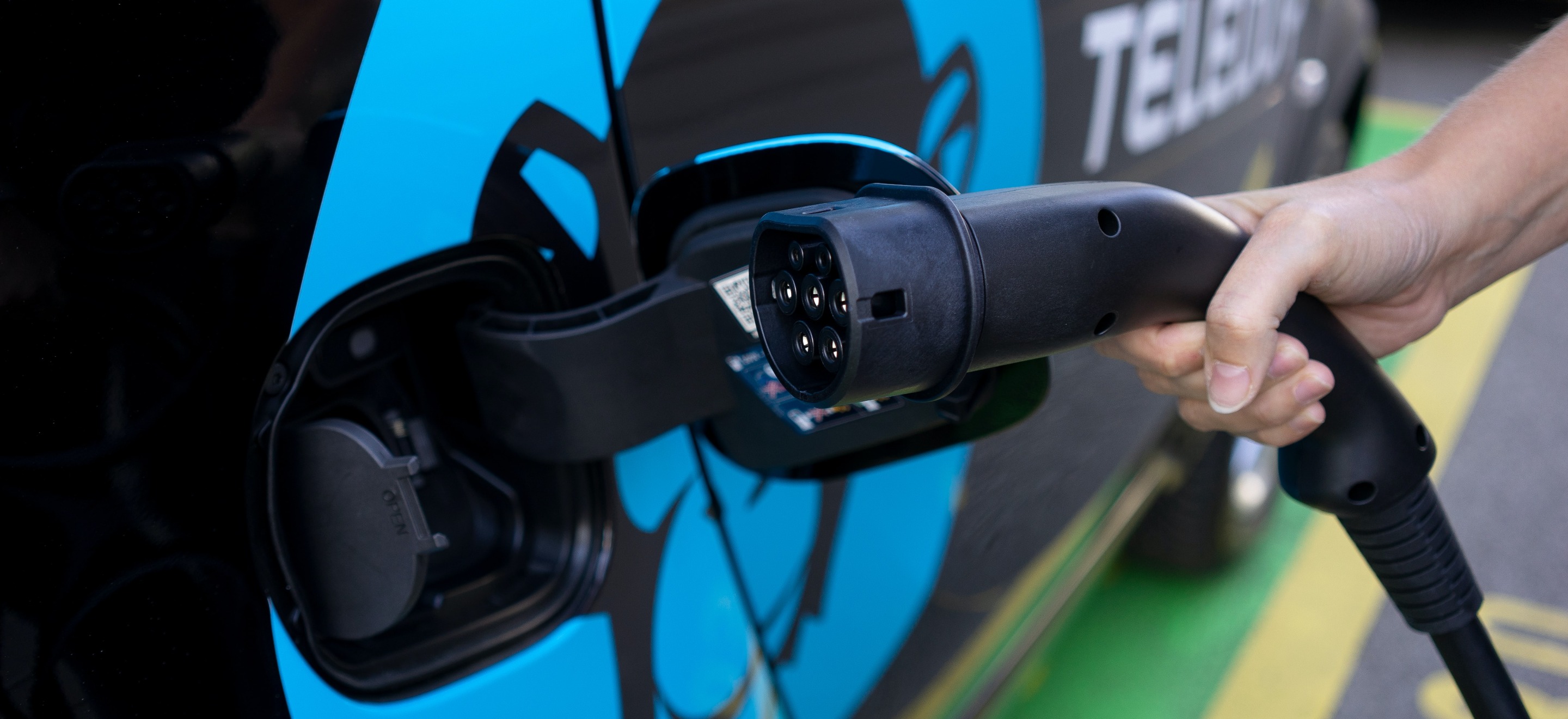
Behind Indonesia's recent EV push
EV prices in Indonesia are still high and there are concerns about infrastructure, but serious policymaking and private sector support can boost consumer adoption
Chinapex: Maximizing the marketing value of customer data
The startup’s also creating a transparent and efficient industry environment for digital marketing in China

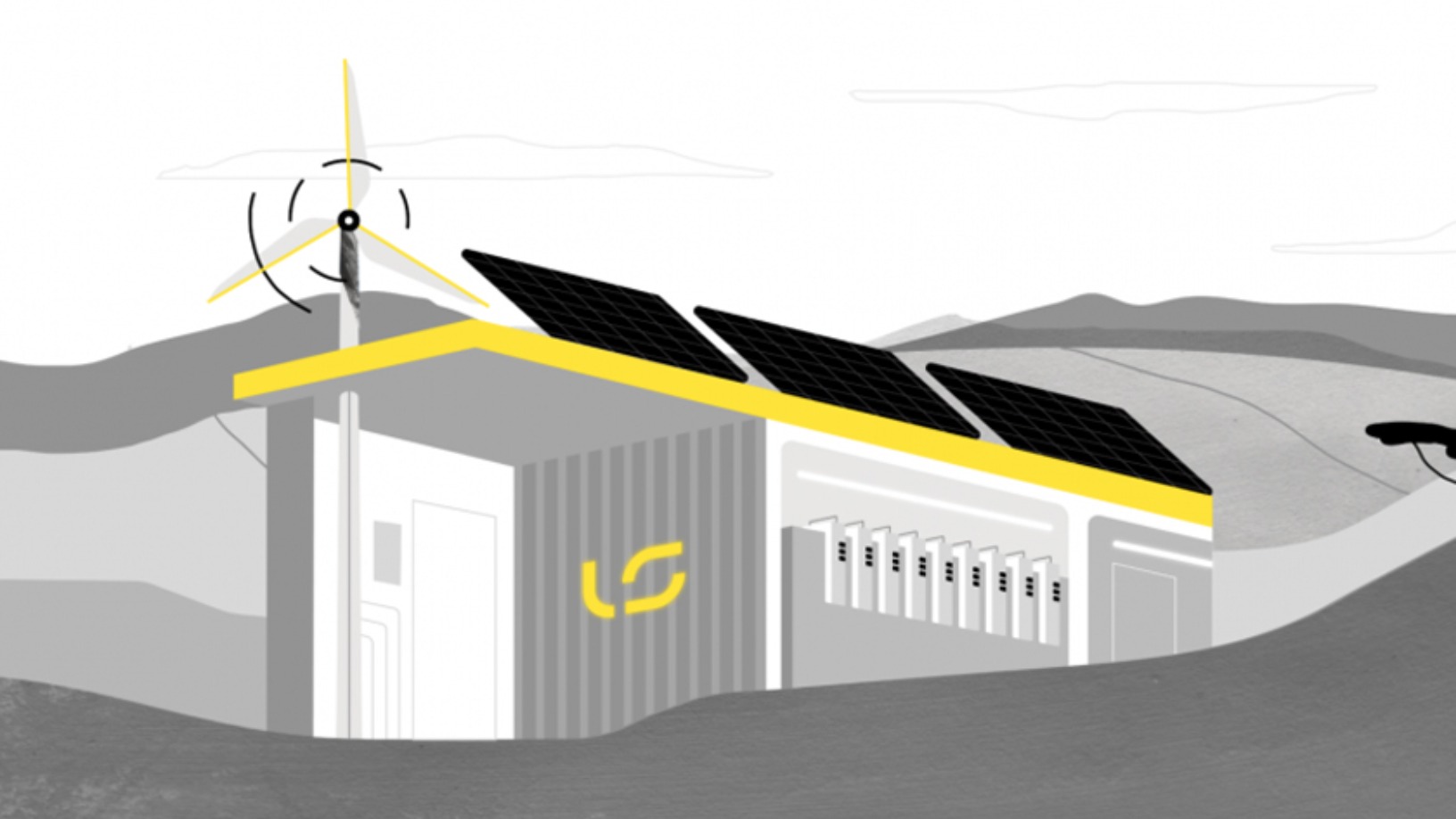
Liquidstar: Bringing decentralized renewable energy to off-grid communities
Using a blockchain-based platform, Liquidstar wants to use smart, modular batteries to power remote, off-grid communities as well as homes, offices and EVs in cities
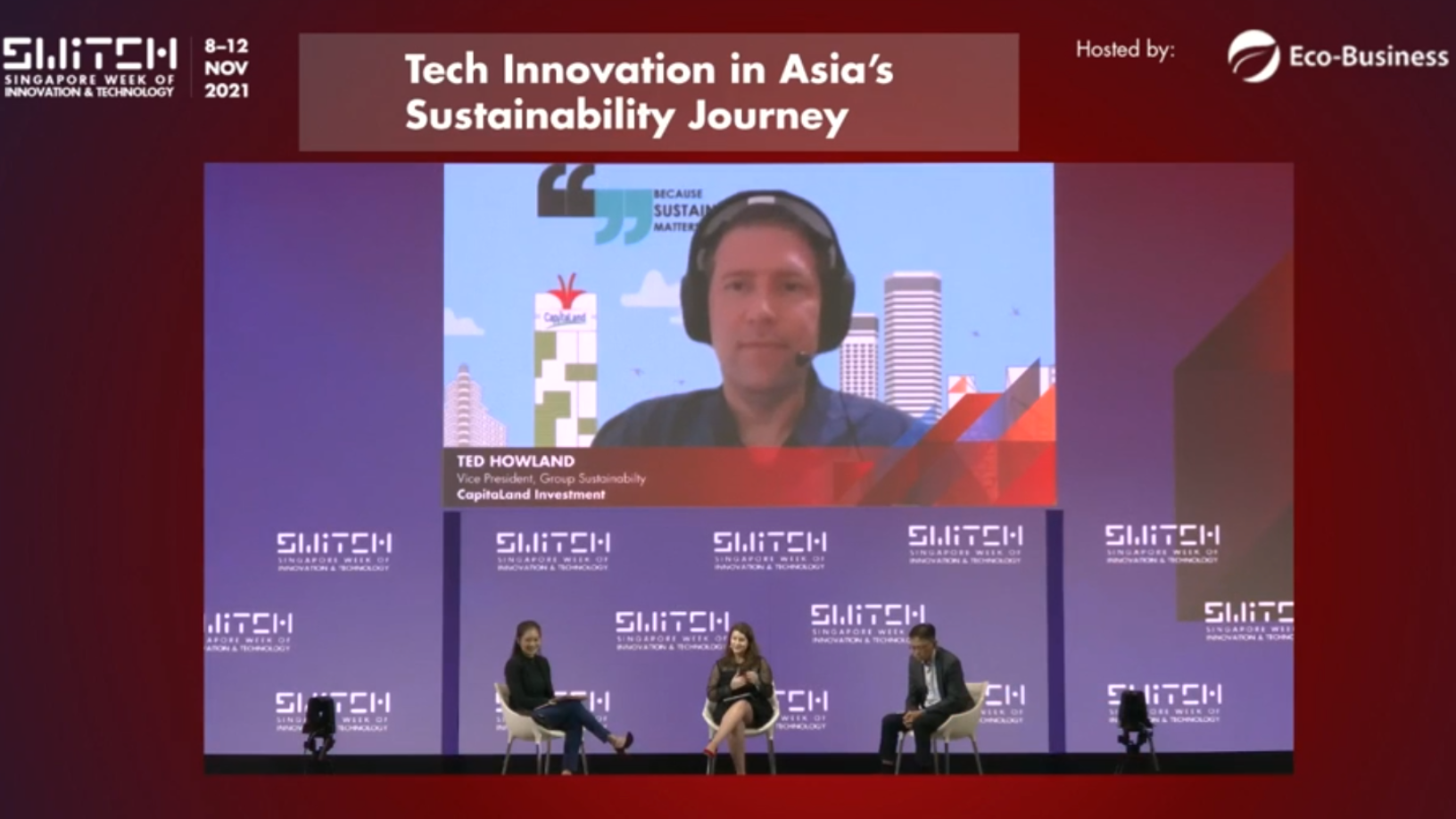
SWITCH Singapore 2021: Tapping the $1tn sustainability market in Southeast Asia
Falling costs and simplified deployment of sustainability solutions will help boost adoption, especially in underprivileged communities
Tipped for unicorn status, BeON Energy is making solar power accessible to the masses
BeON Energy plans to raise the energy sector's largest Series A investment round in 2020

Renewable energy crowdfunding platform Fundeen eyes 2019 profit amid sector boom
The young Spanish startup is eyeing projects worth €220 million by 2023, while cutting CO2 emissions equivalent to 1.3 million Madrid-New York flights

Spain’s 100% renewable energy goal: How its startup ecosystem is rising to the challenge
Energy majors and public entities are backing renewable energy startups in the country's bet on the Green Economy

Dipole Tech: Using blockchain to democratize access to renewable energy in Asia
Having established key markets in the Philippines and Thailand, China’s Dipole Tech is next gaining ground at home for its energy trading app

Harnessing its innovative startups, Portugal builds a better cleantech ecosystem
With help from government and private-sector initiatives, Portuguese cleantech startups are playing an ever-increasing role in helping the country meet its energy challenges while cutting harmful greenhouse gases

Omniflow gets €2 million boost for its solar-, wind-powered IoT street lights
Thanks to Portugal's Omniflow, renewable energy street lamps doubling up as Wi-Fi hotspots, e-chargers and traffic monitors may soon be ubiquitous street furniture in tomorrow's smart cities

Powerbrain: Saving energy and cutting emissions for SMEs, with none of the fuss
Already profitable within a year of running, Powerbrain is raising funds to protect its IPs and enter new verticals in Indonesia’s energy management business

Viezo: Vibration energy harvesting to power sensors and IoT devices
Disrupting the battery market, Viezo’s proprietary technology, PolyFilm, can also boost operational efficiency and slash maintenance costs of sensors and IoT devices

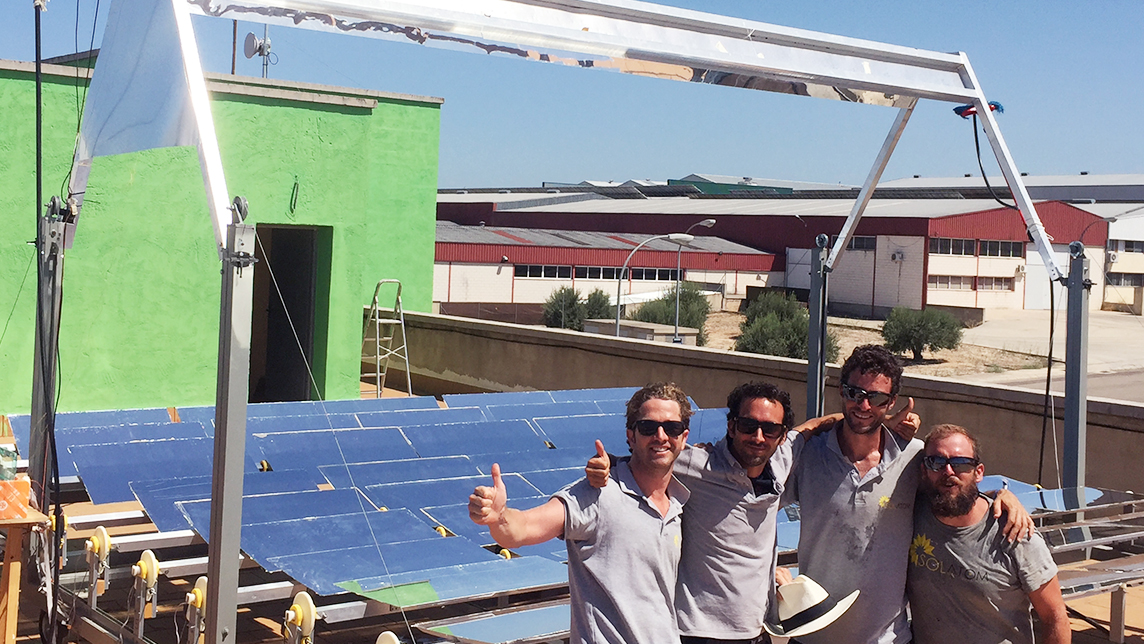
Solatom: Cost-effective flatpack mobile solar energy units for SMEs
Solatom's turnkey solar thermal solutions can cut energy costs by 37%. Its real-time data analytics can also be used to ensure that the industrial processing units are operating at optimal conditions
Sorry, we couldn’t find any matches for “New Energy Nexus”.
POPULAR DATABASE