SEK Lab
-
DATABASE (115)
-
ARTICLES (91)
CEO and co-founder of IXON Food Technology
Felix Cheung graduated in physics from Adelaide’s Flinders University in 1999 and obtained a PhD in physics from the University of Sydney in 2005. He obtained a master’s in food analysis and food safety management from Hong Kong Baptist University in 2015. Cheung met Elton Ho during the master’s program at university and they teamed up to co-develop the advanced sous-vide aseptic packaging (ASAP) technology. In January 2017, they established IXON Food Technology to further develop and commercialize ASAP for the food industry.Cheung previously worked as a website designer and administrator at the Complex Plasma Laboratory, University of Sydney, from 2002–2006. He was also an editor at Macmillan Science Communication for one year before joining the Springer Nature publishing group to work as editor at Nature China from 2007–2014.

Felix Cheung graduated in physics from Adelaide’s Flinders University in 1999 and obtained a PhD in physics from the University of Sydney in 2005. He obtained a master’s in food analysis and food safety management from Hong Kong Baptist University in 2015. Cheung met Elton Ho during the master’s program at university and they teamed up to co-develop the advanced sous-vide aseptic packaging (ASAP) technology. In January 2017, they established IXON Food Technology to further develop and commercialize ASAP for the food industry.Cheung previously worked as a website designer and administrator at the Complex Plasma Laboratory, University of Sydney, from 2002–2006. He was also an editor at Macmillan Science Communication for one year before joining the Springer Nature publishing group to work as editor at Nature China from 2007–2014.
Chief Project Manager and co-founder of IXON Food Technology
Elton Ho completed a master’s in food analysis and food safety management at Hong Kong Baptist University in 2015. Ho met Felix Cheung during the master’s program and they continued to develop the advanced sous-vide aseptic packaging (ASAP) technology after their graduation. They went on to co-found IXON Food Technology in January 2017, with funding from an angel investor.Ho had previously worked as a laboratory supervisor for nine years at the Vegetable Marketing Organization (VMO), monitoring the levels of pesticide chemical residues and heavy metals in domestic and imported fruits and vegetables. The VMO is a self-financing, non-profit organization established in 1946 to support local vegetable wholesalers and customers in Hong Kong. It also ensures food safety standards compliance and supports the sustainable development of local agriculture.
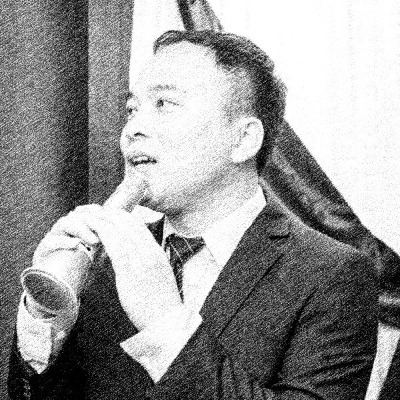
Elton Ho completed a master’s in food analysis and food safety management at Hong Kong Baptist University in 2015. Ho met Felix Cheung during the master’s program and they continued to develop the advanced sous-vide aseptic packaging (ASAP) technology after their graduation. They went on to co-found IXON Food Technology in January 2017, with funding from an angel investor.Ho had previously worked as a laboratory supervisor for nine years at the Vegetable Marketing Organization (VMO), monitoring the levels of pesticide chemical residues and heavy metals in domestic and imported fruits and vegetables. The VMO is a self-financing, non-profit organization established in 1946 to support local vegetable wholesalers and customers in Hong Kong. It also ensures food safety standards compliance and supports the sustainable development of local agriculture.
Co-founder and Director of Technology of Xurya
Edwin Widjonarko spent almost 6 years working as a research assistant at the USA’s National Renewable Energy Laboratory and at University of Colorado Boulder. In some of the projects he worked on, Widjonarko contributed to the development of new generation solar panels. In 2015, he left the research sphere to join Intel Corporation as a technology development process engineer. He stayed on until 2018, when he left Intel and returned to Indonesia to establish Xurya, a solar power company. Working with longtime friend Gusmantara Himawan and former East Ventures associate Philip Effendy, Widjonarko now works as Xurya’s director of technology.
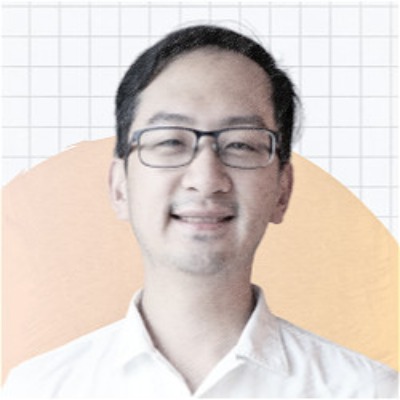
Edwin Widjonarko spent almost 6 years working as a research assistant at the USA’s National Renewable Energy Laboratory and at University of Colorado Boulder. In some of the projects he worked on, Widjonarko contributed to the development of new generation solar panels. In 2015, he left the research sphere to join Intel Corporation as a technology development process engineer. He stayed on until 2018, when he left Intel and returned to Indonesia to establish Xurya, a solar power company. Working with longtime friend Gusmantara Himawan and former East Ventures associate Philip Effendy, Widjonarko now works as Xurya’s director of technology.
CEO and co-founder of Bygen
Lewis Dunnigan is a researcher turned entrepreneur based in Australia. After earning a master’s degree in Chemical Engineering and working as a researcher at the University of Edinburgh in the UK, Dunnigan returned to Australia. He had a brief stint as a visiting researcher and earned his PhD in Chemical Engineering at the University of Adelaide.During his PhD, Dunnigan was a part of Philip Kwong’s research laboratory. His PhD project involved developing a system to generate activated charcoal and renewable energy from biomass. In 2017, Dunnigan, Kwong, and fellow PhD student Ben Morton decided to commercialize this technology and established a spin-off company called Bygen, which developed a low-cost, novel way to make activated carbon more sustainably using various forms of agricultural waste. Dunnigan is now the CEO of Bygen.
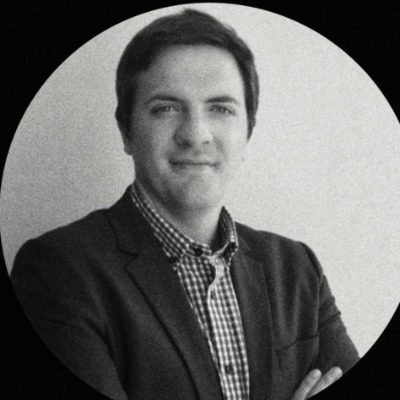
Lewis Dunnigan is a researcher turned entrepreneur based in Australia. After earning a master’s degree in Chemical Engineering and working as a researcher at the University of Edinburgh in the UK, Dunnigan returned to Australia. He had a brief stint as a visiting researcher and earned his PhD in Chemical Engineering at the University of Adelaide.During his PhD, Dunnigan was a part of Philip Kwong’s research laboratory. His PhD project involved developing a system to generate activated charcoal and renewable energy from biomass. In 2017, Dunnigan, Kwong, and fellow PhD student Ben Morton decided to commercialize this technology and established a spin-off company called Bygen, which developed a low-cost, novel way to make activated carbon more sustainably using various forms of agricultural waste. Dunnigan is now the CEO of Bygen.
CFO and co-founder of Scoobic Urban Mobility
José Enrique Díaz Buzón graduated in law at the University of Seville in 1999. He has a qualification in EU law, and a master’s in business consultancy. In 2005, he also studied labor relations at IE Business School in Madrid.In 1999, Díaz began practicing as a lawyer, specializing in commercial and corporate law and business consultancy. In 2016, he became the CFO, business development manager and co-founder of Scoobic Urban Mobility. The Spanish mobility startup and the co-founding team’s Passion Motorbike Factory aim to provide three-wheeled EVs and sustainable last-mile delivery solutions.
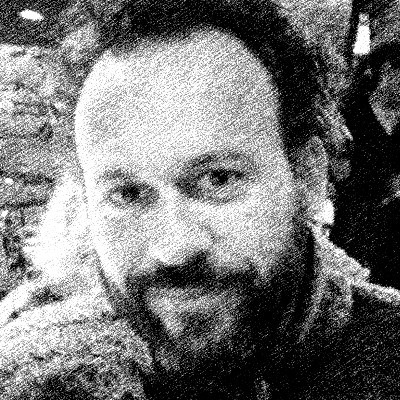
José Enrique Díaz Buzón graduated in law at the University of Seville in 1999. He has a qualification in EU law, and a master’s in business consultancy. In 2005, he also studied labor relations at IE Business School in Madrid.In 1999, Díaz began practicing as a lawyer, specializing in commercial and corporate law and business consultancy. In 2016, he became the CFO, business development manager and co-founder of Scoobic Urban Mobility. The Spanish mobility startup and the co-founding team’s Passion Motorbike Factory aim to provide three-wheeled EVs and sustainable last-mile delivery solutions.
Chairman of the Board, co-founder, co-inventor of NovoNutrients
Russell J. Howard has been co-founder and chairman of the board at NovoNutrients, a San Francisco biotech manufacturer of alt-protein produced using fermentation and CO2, and the research company Oakbio, since the latter’s foundation in 2009. During this period, for a year, Howard also worked as head of commercial strategy at Genome.One, a genetics startup. Howard is also on the board of executives of two Australian pharma companies, Immutep and NeuClone. Previously, between 1997 and 2009, he was CEO at California-based Maxygen, dedicated to the commercialization of molecular breeding and gene shuffling in protein. The year before that, Howard was president and scientific director at global pharma giant GSK in Santa Clara, and between 1994 and 1996, he held the same position at AFFYMAX Research Institute, working on new drugs research. Howard also held long-term research positions, heading up the laboratory at Palo Alto’s DNAX Research Institute of Molecular & Cellular Biology for six years, and earlier spent nine years at Bethesda’s National Institute of Allergy and Infectious Diseases (NIAID) working on identifying new malarial pathogens. The doctor of biochemistry from the University of Melbourne has over 140 peer-reviewed publications. Following his studies, Howard spent three years undertaking postdoctoral research at Australia’s WEHI (formerly the Walter and Eliza Hall Institute of Medical Research).
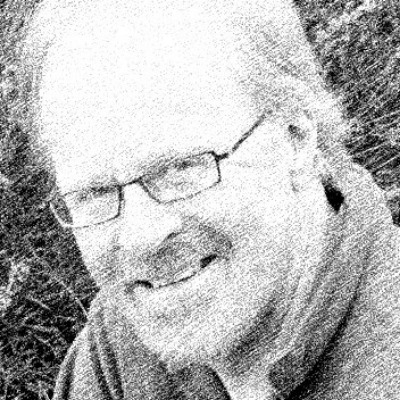
Russell J. Howard has been co-founder and chairman of the board at NovoNutrients, a San Francisco biotech manufacturer of alt-protein produced using fermentation and CO2, and the research company Oakbio, since the latter’s foundation in 2009. During this period, for a year, Howard also worked as head of commercial strategy at Genome.One, a genetics startup. Howard is also on the board of executives of two Australian pharma companies, Immutep and NeuClone. Previously, between 1997 and 2009, he was CEO at California-based Maxygen, dedicated to the commercialization of molecular breeding and gene shuffling in protein. The year before that, Howard was president and scientific director at global pharma giant GSK in Santa Clara, and between 1994 and 1996, he held the same position at AFFYMAX Research Institute, working on new drugs research. Howard also held long-term research positions, heading up the laboratory at Palo Alto’s DNAX Research Institute of Molecular & Cellular Biology for six years, and earlier spent nine years at Bethesda’s National Institute of Allergy and Infectious Diseases (NIAID) working on identifying new malarial pathogens. The doctor of biochemistry from the University of Melbourne has over 140 peer-reviewed publications. Following his studies, Howard spent three years undertaking postdoctoral research at Australia’s WEHI (formerly the Walter and Eliza Hall Institute of Medical Research).
co-founder and CEO of YITU Healthcare
Leo Zhu received his PhD in Statistics from the University of California, Los Angeles, where he specialized in statistical modeling of computer vision and artificial intelligence (AI), He was a student of Professor Alan Yuille whose PhD in theoretical physics was supervised by Dr Stephen Hawking. Prior to co-founding and becoming the CEO of China’s leading AI technology startup YITU Healthcare, he was a postdoctoral fellow at Massachusetts Institute of Technology’s AI laboratory and a research fellow at the Courant Institute of Mathematical Sciences, New York University.
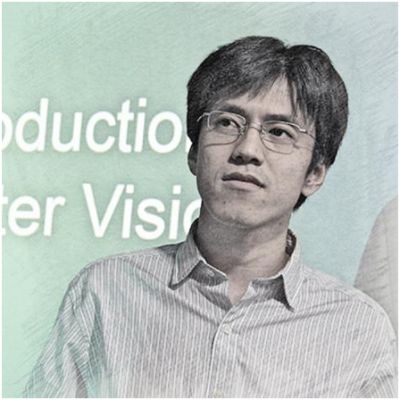
Leo Zhu received his PhD in Statistics from the University of California, Los Angeles, where he specialized in statistical modeling of computer vision and artificial intelligence (AI), He was a student of Professor Alan Yuille whose PhD in theoretical physics was supervised by Dr Stephen Hawking. Prior to co-founding and becoming the CEO of China’s leading AI technology startup YITU Healthcare, he was a postdoctoral fellow at Massachusetts Institute of Technology’s AI laboratory and a research fellow at the Courant Institute of Mathematical Sciences, New York University.
CEO and co-founder of TurtleTree Labs
Cheese connoisseur, Lin Fengru, was unable to find milk that allowed her to make high-quality cheese. During her search around dairy farms in Asia, she realized that the poor quality of the milk was due to animal hygiene issues and the use of antibiotics and hormones on cows. The lack of quality dairy milk options inspired her to co-found TurtleTree Labs in January 2019 to create milk using stem cells.Lin graduated in information systems management and marketing in 2011 at Singapore Management University (SMU). In 2011, she joined Collis Asia as an account manager and left in 2014 to work at Salesforce in sales and business development. She joined Google Singapore in 2018 and worked as a territory account manager for Google Cloud Platform until June 2019. In 2020, she completed an MIT course in the science and business of biotechnology.
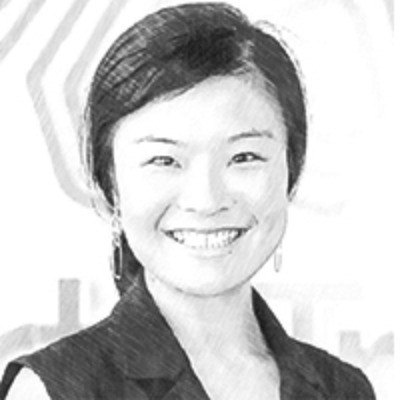
Cheese connoisseur, Lin Fengru, was unable to find milk that allowed her to make high-quality cheese. During her search around dairy farms in Asia, she realized that the poor quality of the milk was due to animal hygiene issues and the use of antibiotics and hormones on cows. The lack of quality dairy milk options inspired her to co-found TurtleTree Labs in January 2019 to create milk using stem cells.Lin graduated in information systems management and marketing in 2011 at Singapore Management University (SMU). In 2011, she joined Collis Asia as an account manager and left in 2014 to work at Salesforce in sales and business development. She joined Google Singapore in 2018 and worked as a territory account manager for Google Cloud Platform until June 2019. In 2020, she completed an MIT course in the science and business of biotechnology.
Chief Strategist, CTO and co-founder of TurtleTree Labs
Max Rye graduated in computer science at the University of California, Davis, in 2001. Currently based in Berkeley, Rye has worked in the IT industry for over 15 years. He was the CEO of Royal IT from 2003 to 2018 in California. He was also a senior information technology specialist at Mahler Enterprises from 2011 to 2018.In 2019, he set up TurtleTree Labs in Singapore with Lin Fengru whom he had previously met at a Google conference. He became the CTO of TurtleTree Labs with Lin as CEO. In January 2020, he was appointed chief strategist based at the company’s office in San Francisco. In December 2020, he and Lin also co-founded TurtleTree Scientific in Singapore.
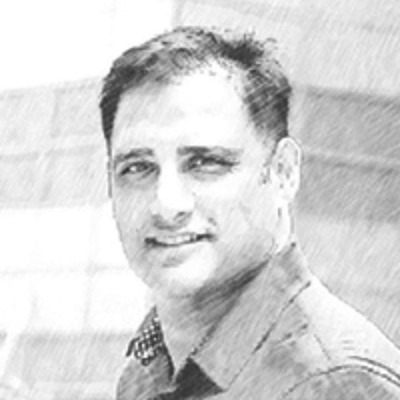
Max Rye graduated in computer science at the University of California, Davis, in 2001. Currently based in Berkeley, Rye has worked in the IT industry for over 15 years. He was the CEO of Royal IT from 2003 to 2018 in California. He was also a senior information technology specialist at Mahler Enterprises from 2011 to 2018.In 2019, he set up TurtleTree Labs in Singapore with Lin Fengru whom he had previously met at a Google conference. He became the CTO of TurtleTree Labs with Lin as CEO. In January 2020, he was appointed chief strategist based at the company’s office in San Francisco. In December 2020, he and Lin also co-founded TurtleTree Scientific in Singapore.
Velos Partners brands itself as a Consumer Growth Capital Fund investing in companies at the intersection of consumer and technology. Based in Los Angeles, USA, its global portfolio includes women focused e-commerce site Orami, wearable tech firm Doppler Labs and property listing site 99.co.


Velos Partners brands itself as a Consumer Growth Capital Fund investing in companies at the intersection of consumer and technology. Based in Los Angeles, USA, its global portfolio includes women focused e-commerce site Orami, wearable tech firm Doppler Labs and property listing site 99.co.
Armed with Asian and European experience, Miguel Amaro co-founded Uniplaces in 2011. He earned his bachelor’s degree in Finance from the University of Nottingham, and took a course in Chinese Studies at East China Normal University. He obtained his master’s in Management, with a concentration in Global Entrepreneurship, from Babson Graduate School. Amaro also spent two months as an analyst at Grameen Bank in Dhaka, Bangladesh. While developing Uniplaces, he was an entrepreneur-in-residence at Picvic Labs (France), Zhejiang University Innovation Institute (China) and Osram (United States). Amaro is currently part of the World Economic Forum’s Global Shapers. As an investor, to date, he has only invested in Portuguese healthy food service EatTasty and part funding the company's angel, pre-seed and seed rounds, with undisclosed investments.
Armed with Asian and European experience, Miguel Amaro co-founded Uniplaces in 2011. He earned his bachelor’s degree in Finance from the University of Nottingham, and took a course in Chinese Studies at East China Normal University. He obtained his master’s in Management, with a concentration in Global Entrepreneurship, from Babson Graduate School. Amaro also spent two months as an analyst at Grameen Bank in Dhaka, Bangladesh. While developing Uniplaces, he was an entrepreneur-in-residence at Picvic Labs (France), Zhejiang University Innovation Institute (China) and Osram (United States). Amaro is currently part of the World Economic Forum’s Global Shapers. As an investor, to date, he has only invested in Portuguese healthy food service EatTasty and part funding the company's angel, pre-seed and seed rounds, with undisclosed investments.
Yamaha Motor Ventures & Laboratory Silicon Valley
The investment arm of Yamaha Motor Group (Japan) was founded in 2015 and is headquartered in Palo Alto, California. It focuses on industrial automation and transportation technology, and on smart and automated solutions in particular. Recent investments include automated strawberry picker Advanced Farm Technologies' US$7.5m Series A round and drone and robotics startup Exyn Technology's US$16m Series A round.

The investment arm of Yamaha Motor Group (Japan) was founded in 2015 and is headquartered in Palo Alto, California. It focuses on industrial automation and transportation technology, and on smart and automated solutions in particular. Recent investments include automated strawberry picker Advanced Farm Technologies' US$7.5m Series A round and drone and robotics startup Exyn Technology's US$16m Series A round.
New York-based VC firm Union Square Ventures (USV) was established in 2004 and has invested in more than 100 companies to date. It manages US$1.7bn in assets across nine funds. The most recent, totaling US$450m in commitments, was launched in 2019. USV invests across multiple sectors and all stages of investment. Its specific interest, however, is in businesses derived from academic theses. USV is a prolific investor: recent investments include blockchain-based gaming company Dapper Labs' US$11m Series A round and B2B loan marketplace C2FO's US$200m Series G round.

New York-based VC firm Union Square Ventures (USV) was established in 2004 and has invested in more than 100 companies to date. It manages US$1.7bn in assets across nine funds. The most recent, totaling US$450m in commitments, was launched in 2019. USV invests across multiple sectors and all stages of investment. Its specific interest, however, is in businesses derived from academic theses. USV is a prolific investor: recent investments include blockchain-based gaming company Dapper Labs' US$11m Series A round and B2B loan marketplace C2FO's US$200m Series G round.
Labeled "world’s most powerful startup incubator" by Fast Company, Y Combinator was established in 2005 as a seed accelerator. Since then, Y Combinator has funded over 1,850 startups with a combined valuation of over US$100 billion. Twice a year, Y Combinator invests US$150,000 per company across a large number of startups in exchange for a 7% stake. The startups then move to Silicon Valley for three months. Each cycle ends with a Demo Day, where the startups pitch to an invite-only audience of high-profile investors. Its most valuable startups to date are Airbnb, Stripe, Cruise, Dropbox and Coinbase.

Labeled "world’s most powerful startup incubator" by Fast Company, Y Combinator was established in 2005 as a seed accelerator. Since then, Y Combinator has funded over 1,850 startups with a combined valuation of over US$100 billion. Twice a year, Y Combinator invests US$150,000 per company across a large number of startups in exchange for a 7% stake. The startups then move to Silicon Valley for three months. Each cycle ends with a Demo Day, where the startups pitch to an invite-only audience of high-profile investors. Its most valuable startups to date are Airbnb, Stripe, Cruise, Dropbox and Coinbase.
M12 is the venture capital arm of Microsoft, formerly known as Microsoft Ventures, founded in 2016 to invest in Series A rounds and beyond. M12 has invested in more than 70 startups to date and has managed four exits, all of them acquisitions: Comfy, Figure Eight, Bonsai and Frame. M12 is especially interested in enterprise software and its biggest investment to date was US$114 in Outreach's Series D round. It has also invested recently in Nautilus Labs' Series A and Onfido's Series C.The VC also awards a US$4 million Female Founders prize to boost the participation of women in tech.

M12 is the venture capital arm of Microsoft, formerly known as Microsoft Ventures, founded in 2016 to invest in Series A rounds and beyond. M12 has invested in more than 70 startups to date and has managed four exits, all of them acquisitions: Comfy, Figure Eight, Bonsai and Frame. M12 is especially interested in enterprise software and its biggest investment to date was US$114 in Outreach's Series D round. It has also invested recently in Nautilus Labs' Series A and Onfido's Series C.The VC also awards a US$4 million Female Founders prize to boost the participation of women in tech.
Stockeld Dreamery: Vegan cheese created together with chefs
Backed by €16.5m in new funding, Stockeld Dreamery sets to expand into Europe and North America, and double its team to 50 a year on

Covid-19 symptoms checker and contact-tracing apps, virtual classrooms and 3D video-conferencing platforms are among the array of solutions for homebound adults and kids

MenteLista: Empowering small children to learn English with 10 minutes daily practice
Designed for infants and children, ranging in age from just 6 months to 7 years old, this platform could revolutionize language study during the critical learning period

Beemine Lab: Nurturing the fast-growing CBD cosmetics market
The first biotech company in Spain to produce CBD-rich cosmetics, The Beemine Lab is in a market poised to reach nearly $1bn by 2024, or 10% of the total skincare market

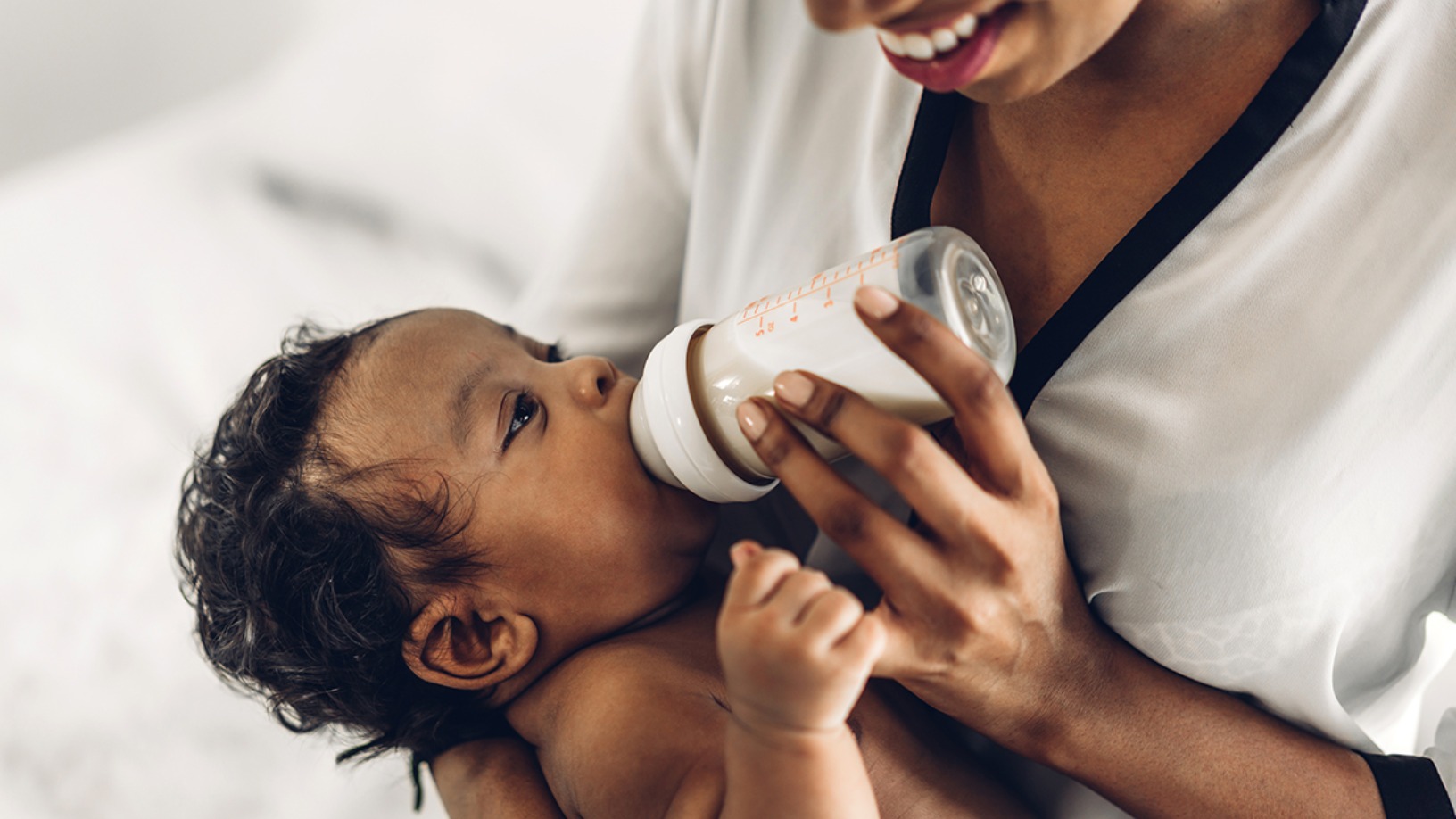
Biomilq: Creating cell-based mothers’ milk in a lab
With the aim of helping women struggling to breastfeed, Bill Gates-backed Biomilq is disrupting the $45bn baby formula industry developing lab-grown breast milk from mammary epithelial cells
Qorium: Lab-grown premium leather for the future of luxury
The Dutch biotech startup co-founded by cell-based meat pioneer Mark Post is targeting the luxury goods market with its “clean leather” sheets made from cultivating bovine skin cells, and plans to raise up to €100m
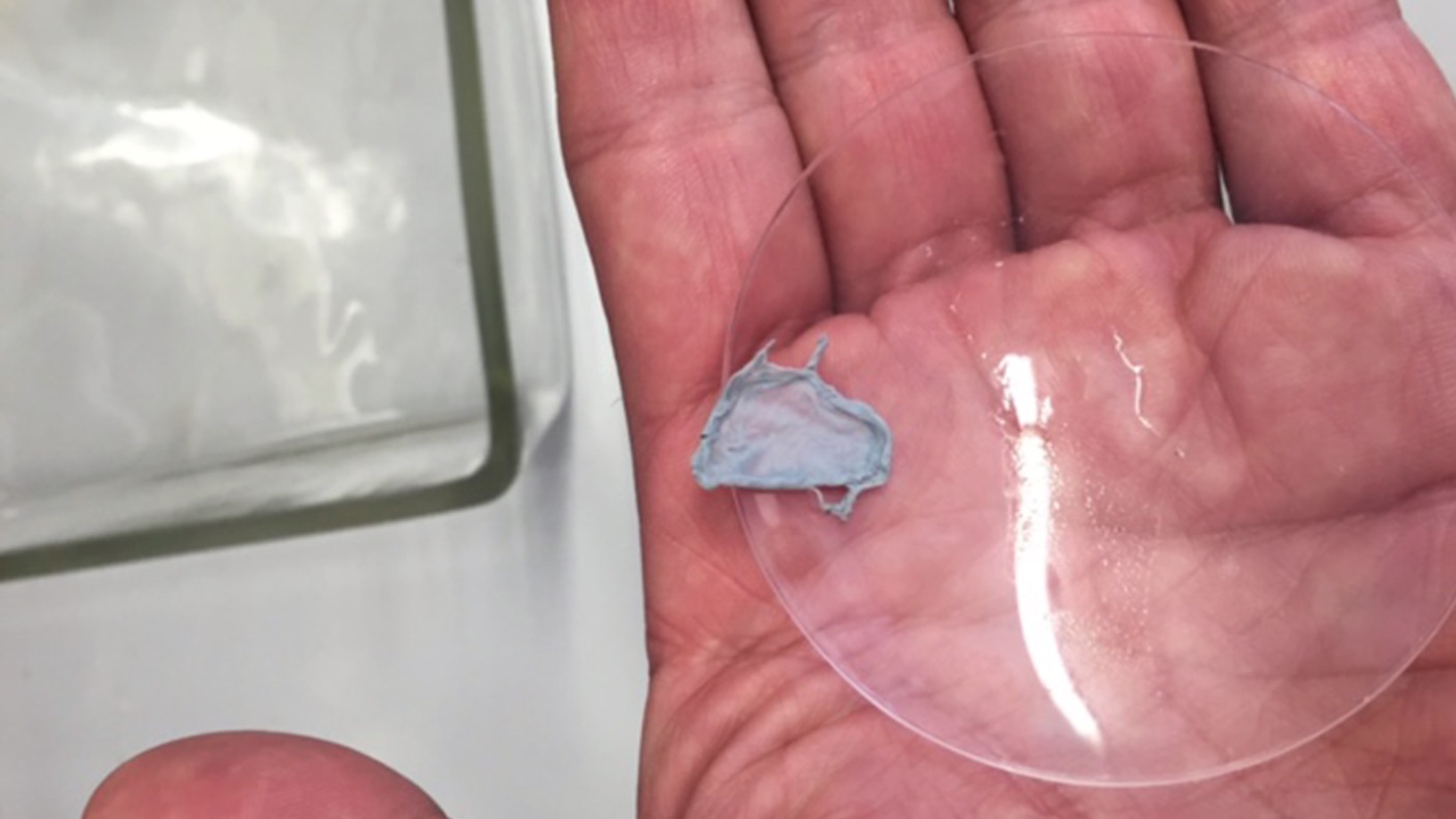
Diamond Foundry: Growing conflict-free, eco-friendly diamonds in a lab
The world’s first lab-grown diamond producer certified carbon-neutral, Diamond Foundry became a unicorn recently with a $200m investment from Fidelity, adding to earlier funding from tech billionaires

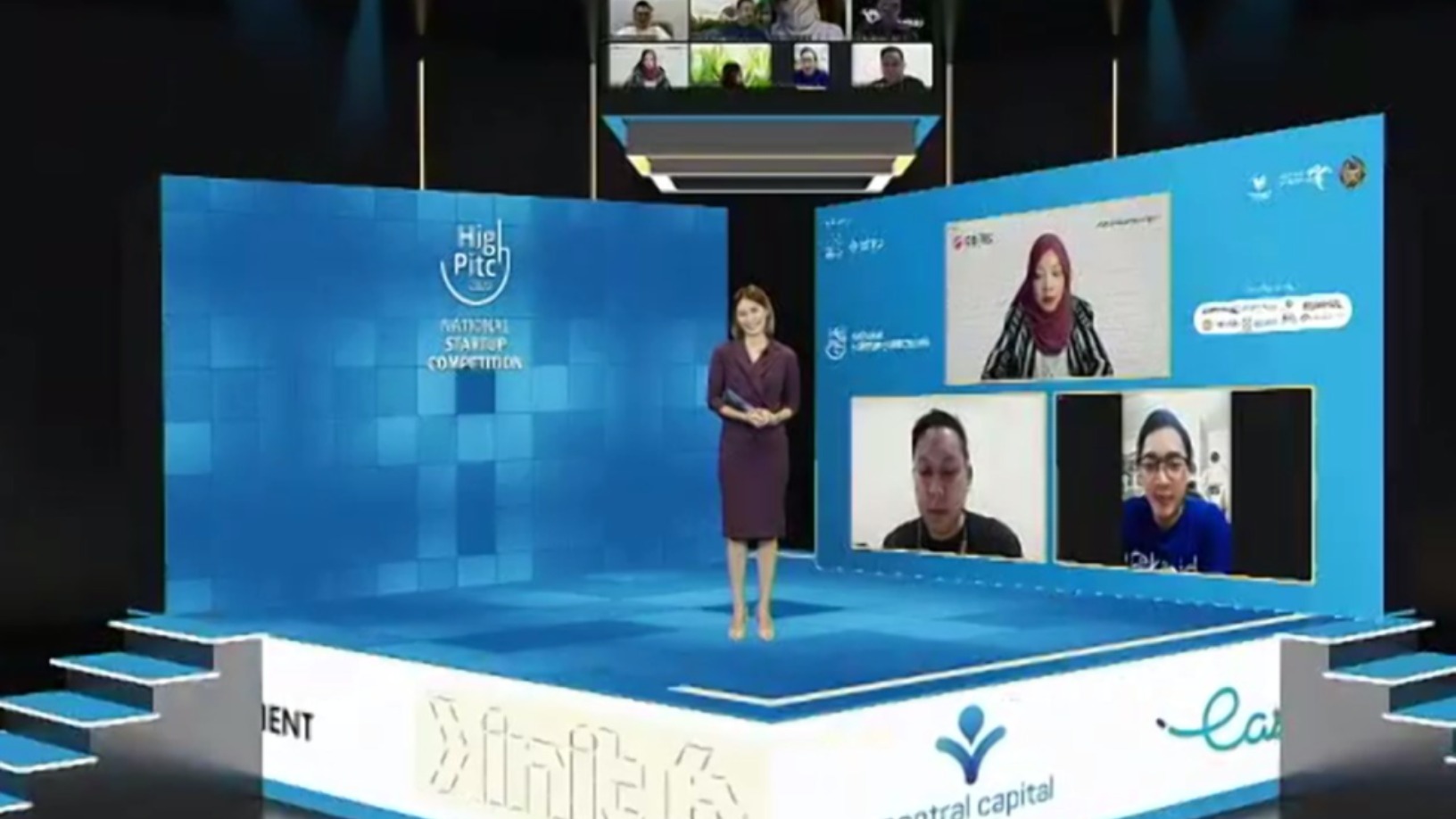
HighPitch 2020: Yogyakarta chapter won by on-demand lab testing and solar cell startups
Judges lauded the variety of ideas, but said startups could improve their presentations and clearly state the problems they are solving
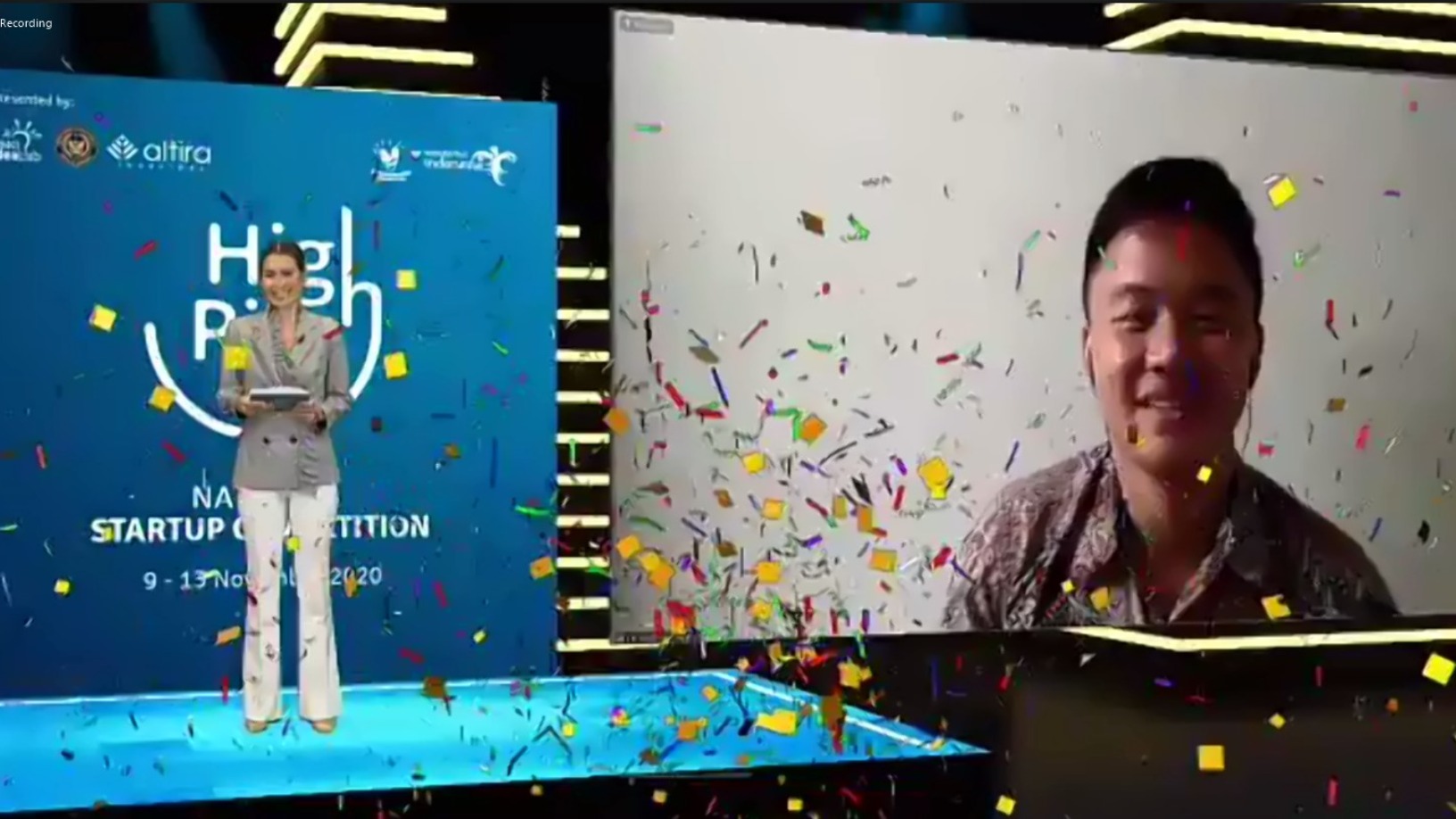
HighPitch 2020: Goers wins Indonesia's national startup competition
Event ticketing startup Goers gains new revenue streams with pivot to helping leisure spots go online; hotel SaaS Izy and on-demand medical testing service CekLab also in top three
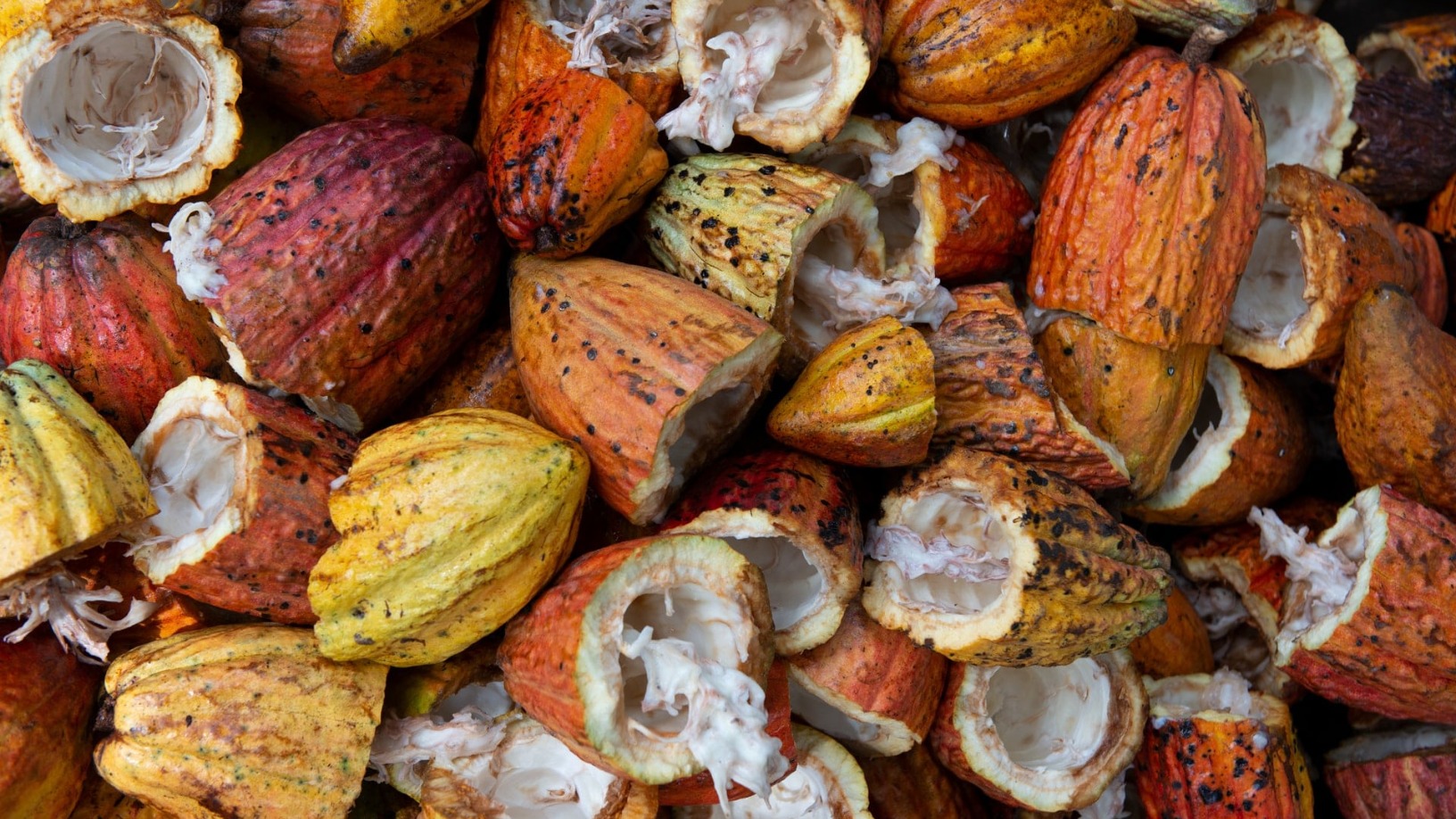
QOA: Gourmet guilt-free chocolate, without the cocoa
Munich-based QOA transforms industrial food waste into vegan chocolate, enabling consumers to avoid the sustainability and ethical issues of cocoa production
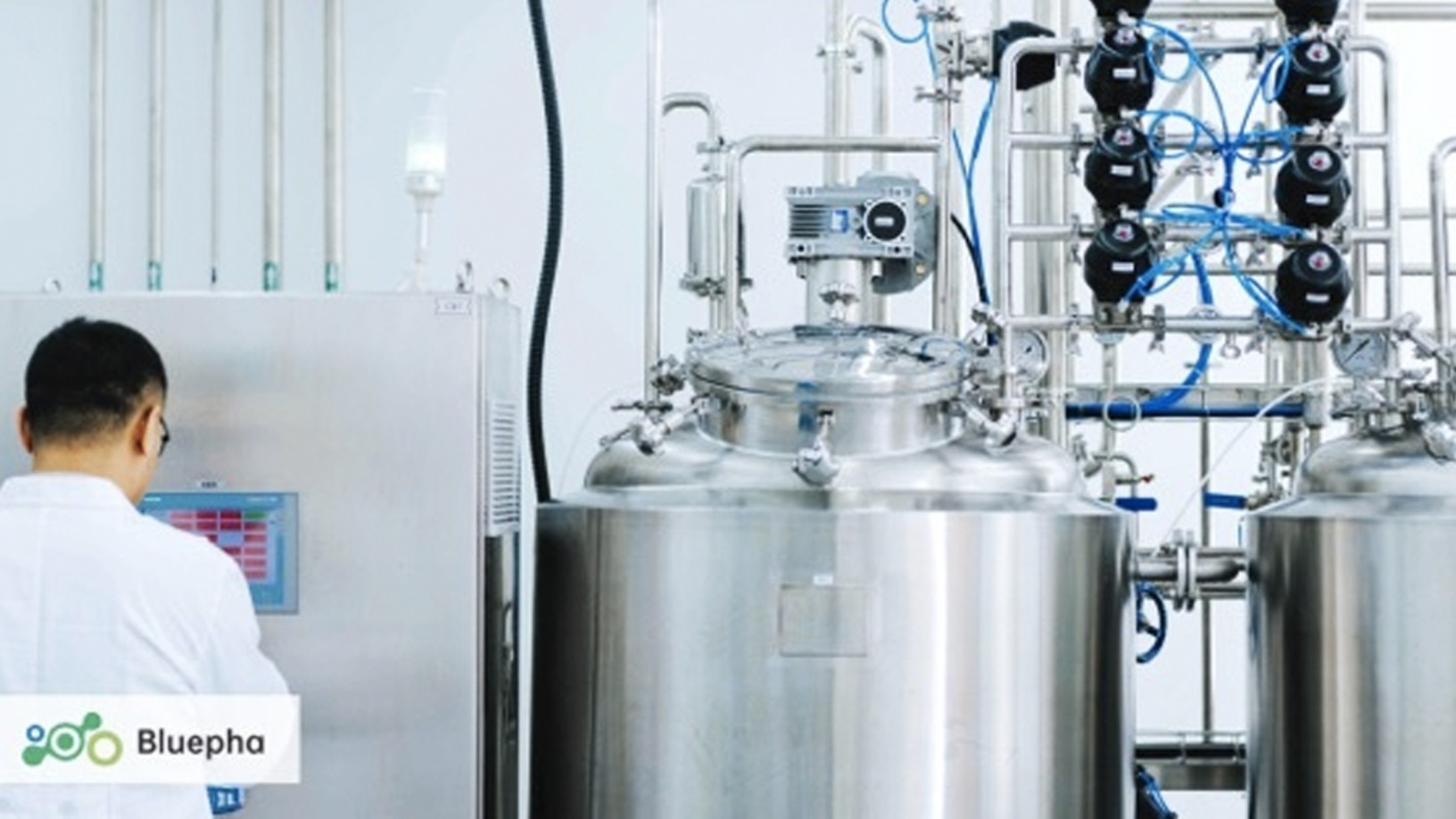
Bluepha to boost PHA bioplastics production with $30m fresh funding
The Beijing-based startup aims to produce 10,000 tons of PHA bioplastic a year and build a SynBio community through its STEM education spinoff, Bluepha Lab
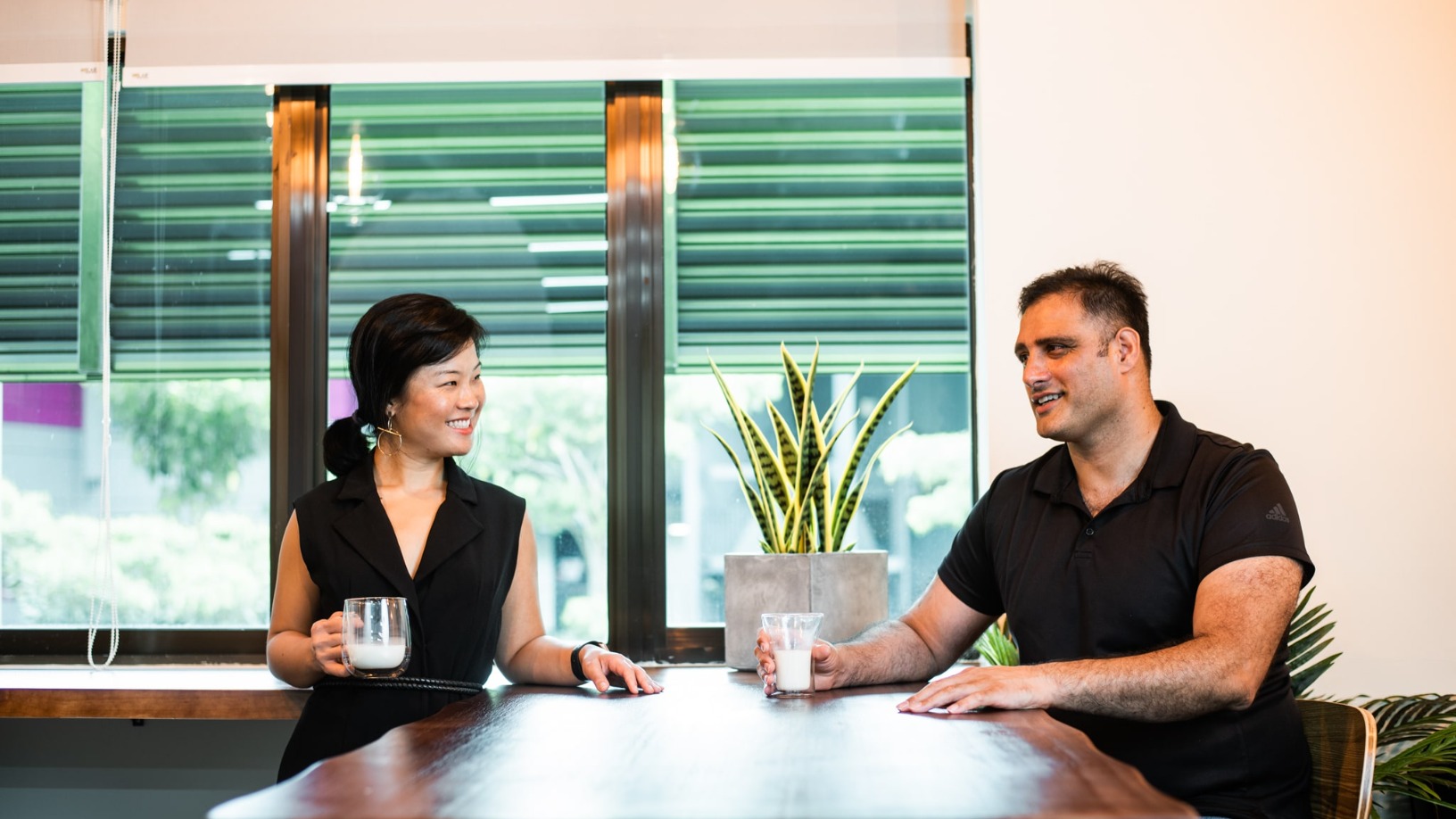
TurtleTree Labs: Creating sustainable mammalian milk alternatives from stem cells
Founder’s search for high-quality dairy milk led to the creation in a lab of naturally occurring ingredients found in human milk for supply to dairy milk and infant formula businesses
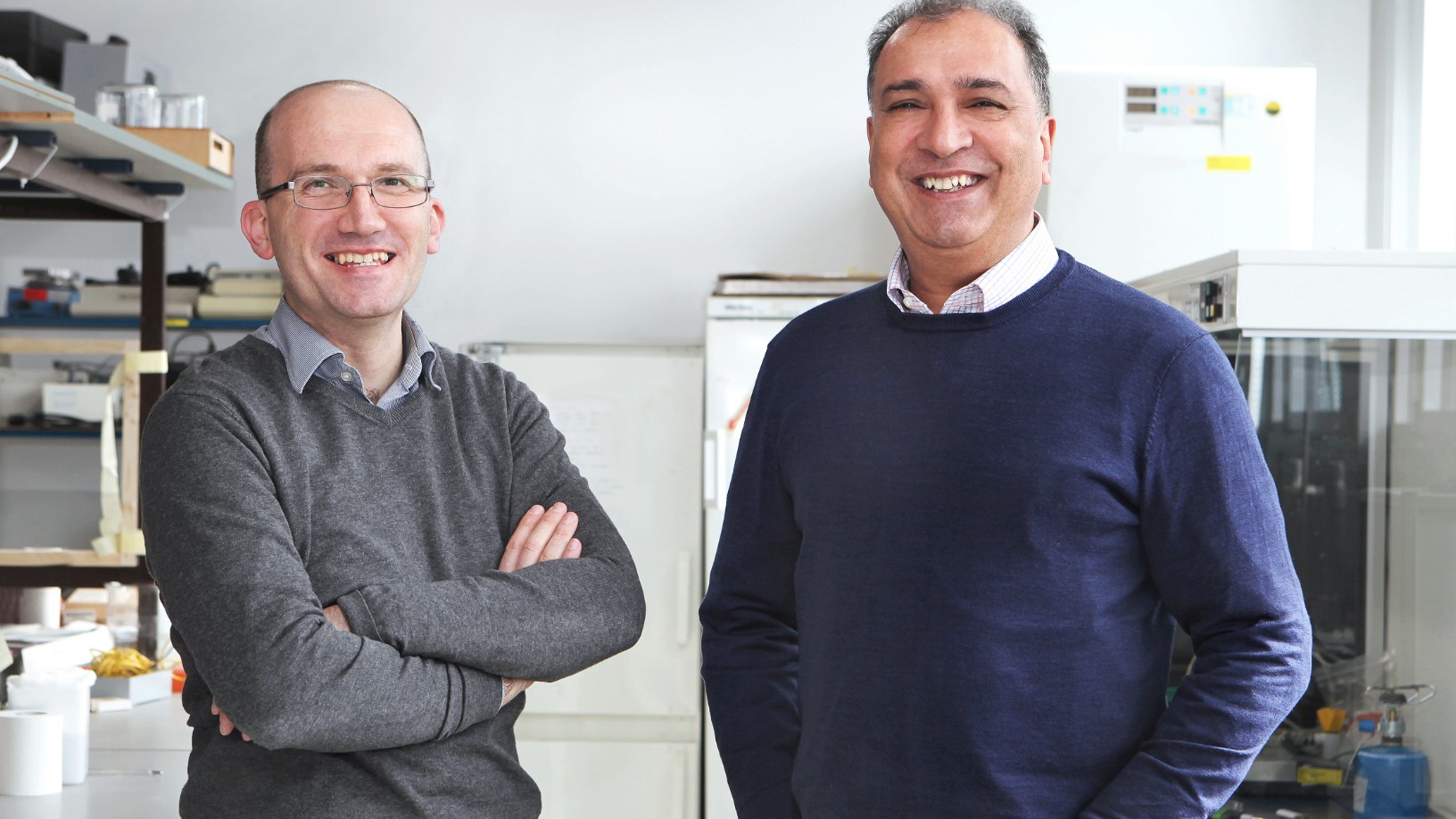
SwissDeCode: Portable DNA test kits detect food contamination within minutes
DNAFoil, the startup’s rapid and accurate on-site food safety testing kit, can be deployed by non-expert staff after a few hours of training, with no need for lab equipment
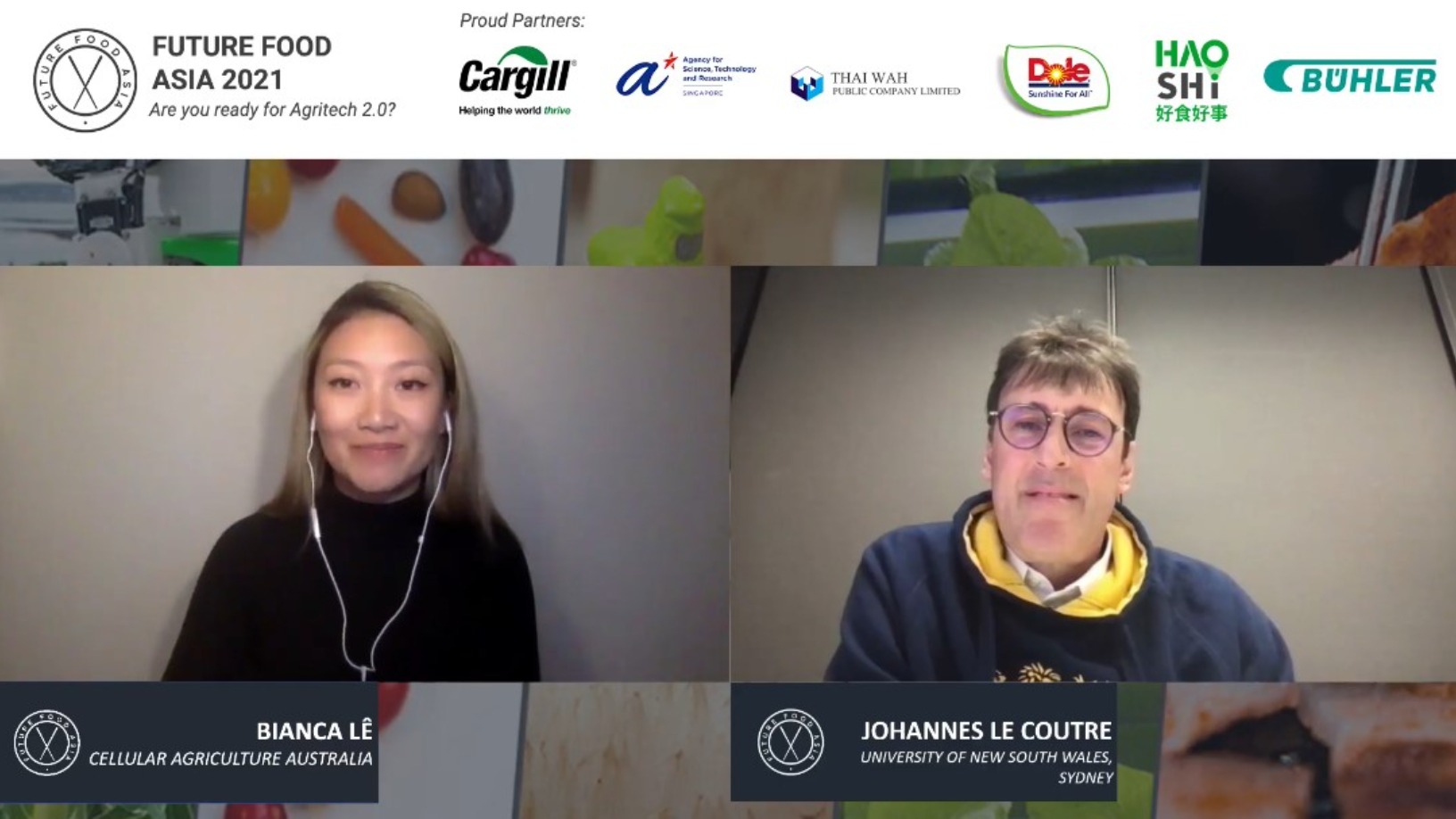
Future Food Asia 2021: Long road ahead for the clean meat industry
Crucial basic research is still needed to ensure the safety, quality, and production efficiency of lab-grown meat. Concerted public and private sector efforts will accelerate progress
Rainier: Decade-long dedication to VR research bears fruit in edtech market
Beijing-based Rainier is using VR technology to improve safety in lab experiments at universities and high schools, even primary schools

Sorry, we couldn’t find any matches for “SEK Lab”.