founder
-
DATABASE (858)
-
ARTICLES (537)
Co-founder, COO of Bodyswaps
Julien Denoël is the Belgian co-founder and COO of UK-based VR edtech for soft-skills training Bodyswaps, where he has worked since its founding in 2019. Prior to this, he was CEO and managing director at VR marketing agency Somewhere Else from 2016, before the agency pivoted to training and skills development and became the basis of Bodyswaps’ product offer. The agency had clients such as Adidas, for which Somewhere Else produced an interactive VR in-store promotional tool that was deployed in over 100 locations in China, Europe and the US and was nominated for a VR Award and an Immersive Perspective award. Denoël has also been a guest lecturer in VR and AR at INSEEC business school in London and Geneva since 2017. Prior to this, Denoël also co-founded another VR agency, Exheb, in 2014, where he worked for almost three years as VR Producer. He also worked in digital marketing for Quotient Technology, formerly Coupons.com for two years, and in business development and marketing at the WorldOne agency for the same amount of time. Denoël holds both a master’s and a bachelor’s degree from HEC Management School in Liege, Belgium, the former in Marketing and Organization, the latter in Management.

Julien Denoël is the Belgian co-founder and COO of UK-based VR edtech for soft-skills training Bodyswaps, where he has worked since its founding in 2019. Prior to this, he was CEO and managing director at VR marketing agency Somewhere Else from 2016, before the agency pivoted to training and skills development and became the basis of Bodyswaps’ product offer. The agency had clients such as Adidas, for which Somewhere Else produced an interactive VR in-store promotional tool that was deployed in over 100 locations in China, Europe and the US and was nominated for a VR Award and an Immersive Perspective award. Denoël has also been a guest lecturer in VR and AR at INSEEC business school in London and Geneva since 2017. Prior to this, Denoël also co-founded another VR agency, Exheb, in 2014, where he worked for almost three years as VR Producer. He also worked in digital marketing for Quotient Technology, formerly Coupons.com for two years, and in business development and marketing at the WorldOne agency for the same amount of time. Denoël holds both a master’s and a bachelor’s degree from HEC Management School in Liege, Belgium, the former in Marketing and Organization, the latter in Management.
Co-founder of Refurbed
Peter Windischhofer graduated with a management degree in 2012 at Vienna University of Economics and Business, including a stint at the University of Hong Kong. Student internships included various roles at McKinsey & Company, Perella Weinberg Partners, Realtreuhand and Raiffeisen Bank.In 2012, he joined CUDOS Group and worked for over a year as a business analyst in Vienna. In 2013, he met Refurbed co-founder Kilian Kaminski during a master’s program run by Hult International Business School. Both men worked in China while studying international business. Windischhofer spent six months running an online “TripAdvisor” review platform for Chinese language schools in Shanghai.In October 2014, Windischhofer joined McKinsey & Company as a management consultant working on digital marketing and product development projects for marketplaces and e-commerce companies in Europe.In 2017, he left McKinsey to co-found Refurbed with Kaminski to build an Amazon-style marketplace for refurbished electronic goods. The idea was inspired by a personal experience when Windischhofer bought a used smartphone after seeing a classified ad. The phone stopped working after two weeks. The incident prompted him to create an e-commerce platform specializing in selling quality refurbished e-products with carbon-neutral credentials like planting a tree for every sales transaction.
Peter Windischhofer graduated with a management degree in 2012 at Vienna University of Economics and Business, including a stint at the University of Hong Kong. Student internships included various roles at McKinsey & Company, Perella Weinberg Partners, Realtreuhand and Raiffeisen Bank.In 2012, he joined CUDOS Group and worked for over a year as a business analyst in Vienna. In 2013, he met Refurbed co-founder Kilian Kaminski during a master’s program run by Hult International Business School. Both men worked in China while studying international business. Windischhofer spent six months running an online “TripAdvisor” review platform for Chinese language schools in Shanghai.In October 2014, Windischhofer joined McKinsey & Company as a management consultant working on digital marketing and product development projects for marketplaces and e-commerce companies in Europe.In 2017, he left McKinsey to co-found Refurbed with Kaminski to build an Amazon-style marketplace for refurbished electronic goods. The idea was inspired by a personal experience when Windischhofer bought a used smartphone after seeing a classified ad. The phone stopped working after two weeks. The incident prompted him to create an e-commerce platform specializing in selling quality refurbished e-products with carbon-neutral credentials like planting a tree for every sales transaction.
CEO, founder of TherapyChat
Alessandro De Sario is CEO and founder of mental health startup TherapyChat, Spain’s number one online psychotherapy platform founded in 2016. He also works for TherapyChat’s investor, the Spanish VC and startup developer Next Chance Group, on other startups in their portfolio, such as the discount aggregator app Billionhands.Prior to starting TherapyChat, De Sario spent just over three years working in different food delivery entities associated with German VC and startup incubator Rocket Internet. He oversaw the development and launch of Rocket Internet’s food delivery operations in Latin America before these entities were sold to JustEat and Delivery Hero. He was also Head of Logistics at La Nevera Roja in Spain, which was later acquired by Delivery Hero. Before these roles, De Sario spent two years in investment banking and mergers and acquisitions at HSBC in London.De Sario holds three master’s degrees: one in management from ESCP Business School; one in science from City University, London; and one in business administration from the University of Turin, Italy. He lectures part-time on International Food and Beverage Management at ESCP Business School in Turin, Italy.
Alessandro De Sario is CEO and founder of mental health startup TherapyChat, Spain’s number one online psychotherapy platform founded in 2016. He also works for TherapyChat’s investor, the Spanish VC and startup developer Next Chance Group, on other startups in their portfolio, such as the discount aggregator app Billionhands.Prior to starting TherapyChat, De Sario spent just over three years working in different food delivery entities associated with German VC and startup incubator Rocket Internet. He oversaw the development and launch of Rocket Internet’s food delivery operations in Latin America before these entities were sold to JustEat and Delivery Hero. He was also Head of Logistics at La Nevera Roja in Spain, which was later acquired by Delivery Hero. Before these roles, De Sario spent two years in investment banking and mergers and acquisitions at HSBC in London.De Sario holds three master’s degrees: one in management from ESCP Business School; one in science from City University, London; and one in business administration from the University of Turin, Italy. He lectures part-time on International Food and Beverage Management at ESCP Business School in Turin, Italy.
COO and co-founder of iLoF
Mehak Mumtaz grew up in Pakistan and decided to study biochemistry when she saw her brother suffering from an unknown learning disability. Her parents, both medical doctors, could not get an accurate diagnosis for their son. In her search to understand the molecular mechanisms behind diseases, she applied to study at the University of Oxford. In 2008, she was granted the Reach Oxford Scholarship and graduated with a master’s in biochemistry in 2012. In 2015, the St Hilda’s alumna worked as an undergraduate tutor at Oxford while completing a PhD in pathology, specializing in oncology and cancer biology.In 2018, she worked on a rare cancer project as EIT Health Business Innovation fellow for a year. She left academia and joined a three-month bioentrepreneur bootcamp in Munich and a one-month Lev8 Woman Program at her alma mater’s Oxford Foundry. She joined EY-Parthenon in London as a strategy consultant in April 2019.In 2019, Mumtaz also met the iLoF co-founding team at the EIT Health Wild Card venture-building program. iLoF is a medtech startup that focuses on personalized medicine through the use of AI and photonics to create optical fingerprints in a cloud-based library to gather and manages disease biomarkers and biological profiles.She joined iLoF as COO and co-founder in December 2019 and left her full-time consultancy role at EY in March 2020.
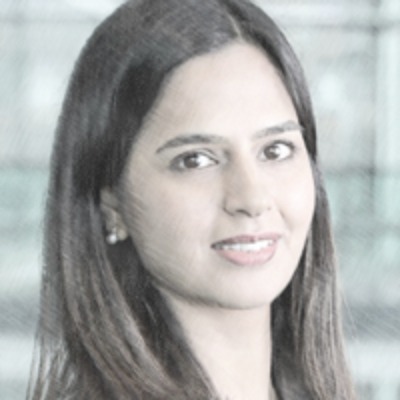
Mehak Mumtaz grew up in Pakistan and decided to study biochemistry when she saw her brother suffering from an unknown learning disability. Her parents, both medical doctors, could not get an accurate diagnosis for their son. In her search to understand the molecular mechanisms behind diseases, she applied to study at the University of Oxford. In 2008, she was granted the Reach Oxford Scholarship and graduated with a master’s in biochemistry in 2012. In 2015, the St Hilda’s alumna worked as an undergraduate tutor at Oxford while completing a PhD in pathology, specializing in oncology and cancer biology.In 2018, she worked on a rare cancer project as EIT Health Business Innovation fellow for a year. She left academia and joined a three-month bioentrepreneur bootcamp in Munich and a one-month Lev8 Woman Program at her alma mater’s Oxford Foundry. She joined EY-Parthenon in London as a strategy consultant in April 2019.In 2019, Mumtaz also met the iLoF co-founding team at the EIT Health Wild Card venture-building program. iLoF is a medtech startup that focuses on personalized medicine through the use of AI and photonics to create optical fingerprints in a cloud-based library to gather and manages disease biomarkers and biological profiles.She joined iLoF as COO and co-founder in December 2019 and left her full-time consultancy role at EY in March 2020.
Advisor, board member, co-founder of NovoNutrients
Brian Sefton has been co-founder, a board member and a part-time advisor at NovoNutrients, a San Francisco-based biotech manufacturer of alt-protein produced from fermentation and CO2 since it was founded in 2017. In 2009, he co-founded research entity Oakbio, from which NovoNutrients evolved, and was its President and CTO. Sefton was CTO and President at NovoNutrients and also co-CEO and Chief Scientist at Oakbio until 2021 when he became the CEO at San Francisco-based fermentation commercialization startup Sincarne. Between 2005 and 2011, Sefton was also CEO at pharma research company Pharmadyn, working on drugs development for Alzheimer's Disease, and, for three of those years, was also Managing Partner of Stratsyn, a consultancy specializing in creation, development, management and fund raising for not-for-profit organizations. Sefton’s earlier posts include: directing nanotechnology commercialization and investment company Nanosig for three years, CEO of Silicon Valley’s Fastlane, a high-profile pioneer in real-time network traffic and security analysis for six years; and, simultaneously, being CEO at Bluebox Communications, developing high-end network security applications and appliances for Fortune 500 companies and the US government.Sefton holds an MBA from Santa Clara University in California and a bachelor’s degree in biochemistry from the University of California, Berkeley

Brian Sefton has been co-founder, a board member and a part-time advisor at NovoNutrients, a San Francisco-based biotech manufacturer of alt-protein produced from fermentation and CO2 since it was founded in 2017. In 2009, he co-founded research entity Oakbio, from which NovoNutrients evolved, and was its President and CTO. Sefton was CTO and President at NovoNutrients and also co-CEO and Chief Scientist at Oakbio until 2021 when he became the CEO at San Francisco-based fermentation commercialization startup Sincarne. Between 2005 and 2011, Sefton was also CEO at pharma research company Pharmadyn, working on drugs development for Alzheimer's Disease, and, for three of those years, was also Managing Partner of Stratsyn, a consultancy specializing in creation, development, management and fund raising for not-for-profit organizations. Sefton’s earlier posts include: directing nanotechnology commercialization and investment company Nanosig for three years, CEO of Silicon Valley’s Fastlane, a high-profile pioneer in real-time network traffic and security analysis for six years; and, simultaneously, being CEO at Bluebox Communications, developing high-end network security applications and appliances for Fortune 500 companies and the US government.Sefton holds an MBA from Santa Clara University in California and a bachelor’s degree in biochemistry from the University of California, Berkeley
Chairman of the Board, co-founder, co-inventor of NovoNutrients
Russell J. Howard has been co-founder and chairman of the board at NovoNutrients, a San Francisco biotech manufacturer of alt-protein produced using fermentation and CO2, and the research company Oakbio, since the latter’s foundation in 2009. During this period, for a year, Howard also worked as head of commercial strategy at Genome.One, a genetics startup. Howard is also on the board of executives of two Australian pharma companies, Immutep and NeuClone. Previously, between 1997 and 2009, he was CEO at California-based Maxygen, dedicated to the commercialization of molecular breeding and gene shuffling in protein. The year before that, Howard was president and scientific director at global pharma giant GSK in Santa Clara, and between 1994 and 1996, he held the same position at AFFYMAX Research Institute, working on new drugs research. Howard also held long-term research positions, heading up the laboratory at Palo Alto’s DNAX Research Institute of Molecular & Cellular Biology for six years, and earlier spent nine years at Bethesda’s National Institute of Allergy and Infectious Diseases (NIAID) working on identifying new malarial pathogens. The doctor of biochemistry from the University of Melbourne has over 140 peer-reviewed publications. Following his studies, Howard spent three years undertaking postdoctoral research at Australia’s WEHI (formerly the Walter and Eliza Hall Institute of Medical Research).
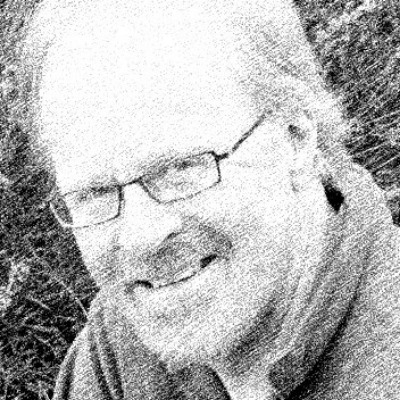
Russell J. Howard has been co-founder and chairman of the board at NovoNutrients, a San Francisco biotech manufacturer of alt-protein produced using fermentation and CO2, and the research company Oakbio, since the latter’s foundation in 2009. During this period, for a year, Howard also worked as head of commercial strategy at Genome.One, a genetics startup. Howard is also on the board of executives of two Australian pharma companies, Immutep and NeuClone. Previously, between 1997 and 2009, he was CEO at California-based Maxygen, dedicated to the commercialization of molecular breeding and gene shuffling in protein. The year before that, Howard was president and scientific director at global pharma giant GSK in Santa Clara, and between 1994 and 1996, he held the same position at AFFYMAX Research Institute, working on new drugs research. Howard also held long-term research positions, heading up the laboratory at Palo Alto’s DNAX Research Institute of Molecular & Cellular Biology for six years, and earlier spent nine years at Bethesda’s National Institute of Allergy and Infectious Diseases (NIAID) working on identifying new malarial pathogens. The doctor of biochemistry from the University of Melbourne has over 140 peer-reviewed publications. Following his studies, Howard spent three years undertaking postdoctoral research at Australia’s WEHI (formerly the Walter and Eliza Hall Institute of Medical Research).
Co-CEO and co-founder of Pula
Dutch-born Rosa Goslinga has spent most of her career working in Africa and speaks five languages, including Swahili. She graduated in business, economics and international development at the University of Amsterdam in 2004. She also completed a master’s in political economy of development at the School for Oriental and African Studies (SOAS) in London in 2005.In 2006, she worked as an economist at the Ministry of Agriculture and Animal Resources in Rwanda where she realized there was an urgent need for small-scale farming insurance to protect the local farmers’ livelihoods against natural hazards.In 2008, she joined Syngenta Foundation for Sustainable Agriculture (SFSA) in Kenya, where she initiated a pilot Kilimo Salama in Nairobi as program director. The program was a success, starting with 185 farmers taking up index insurance and growing to be the largest in Africa with over 185,000 participants. Goslinga also met and started working with Thomas Njeru, the lead actuary for UAP Insurance for the Kilimo project.In 2013, with investors backing her project, she developed and patented a system and method for providing a site-related weather insurance contract. She left SFSA in 2014 and went on to set up Kenya’s pioneering insurtech Pula with Njeru as co-founder in 2015.Both are now co-CEOs of the Nairobi-based startup, education and helping over 4m small-scale farmers to protect their livelihoods from environmental hazards with tailor-made micro-finance and insurance products.
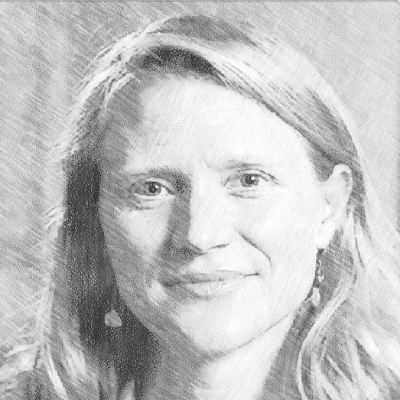
Dutch-born Rosa Goslinga has spent most of her career working in Africa and speaks five languages, including Swahili. She graduated in business, economics and international development at the University of Amsterdam in 2004. She also completed a master’s in political economy of development at the School for Oriental and African Studies (SOAS) in London in 2005.In 2006, she worked as an economist at the Ministry of Agriculture and Animal Resources in Rwanda where she realized there was an urgent need for small-scale farming insurance to protect the local farmers’ livelihoods against natural hazards.In 2008, she joined Syngenta Foundation for Sustainable Agriculture (SFSA) in Kenya, where she initiated a pilot Kilimo Salama in Nairobi as program director. The program was a success, starting with 185 farmers taking up index insurance and growing to be the largest in Africa with over 185,000 participants. Goslinga also met and started working with Thomas Njeru, the lead actuary for UAP Insurance for the Kilimo project.In 2013, with investors backing her project, she developed and patented a system and method for providing a site-related weather insurance contract. She left SFSA in 2014 and went on to set up Kenya’s pioneering insurtech Pula with Njeru as co-founder in 2015.Both are now co-CEOs of the Nairobi-based startup, education and helping over 4m small-scale farmers to protect their livelihoods from environmental hazards with tailor-made micro-finance and insurance products.
CEO and co-founder of Everimpact
Mathieu Carlier is CEO and co-founder of Everimpact, a GHG monitoring company that uses satellites, ground sensors, AI and machine learning to deliver more accurate and immediate carbon emissions data to public bodies, municipalities, and businesses. He has over 20 years of experience as an advisor to governments, public institutions at the likes of the UN, the European Commission and EU Agencies, the Bill & Melinda Gates Foundation and large corporations in international development. Prior to Everimpact, much of Carlier’s career was spent in complex data systems projects for government elections or for health ministries in war-torn or post-conflict developing countries. This included delivering multimillion-dollar biometric and big data projects in the run-up to 50 presidential elections in countries like Afghanistan, Iraq, Pakistan, Libya, the Congo and Benin. Carlier is based in Copenhagen, Denmark and holds an MSc in Business Administration from the Burgundy School of Business.

Mathieu Carlier is CEO and co-founder of Everimpact, a GHG monitoring company that uses satellites, ground sensors, AI and machine learning to deliver more accurate and immediate carbon emissions data to public bodies, municipalities, and businesses. He has over 20 years of experience as an advisor to governments, public institutions at the likes of the UN, the European Commission and EU Agencies, the Bill & Melinda Gates Foundation and large corporations in international development. Prior to Everimpact, much of Carlier’s career was spent in complex data systems projects for government elections or for health ministries in war-torn or post-conflict developing countries. This included delivering multimillion-dollar biometric and big data projects in the run-up to 50 presidential elections in countries like Afghanistan, Iraq, Pakistan, Libya, the Congo and Benin. Carlier is based in Copenhagen, Denmark and holds an MSc in Business Administration from the Burgundy School of Business.
R&D and business lead and co-founder of Graviky Labs
Anirudh Sharma is one of three co-founders of Graviky Labs, which makes ink out of carbon that is captured from pollution and purified using proprietary technology. This concept was born from Sharma’s experiments making ink from candle soot while doing his master’s at MIT Materials Lab. He currently leads R&D and business at the firm. Sharma’s interests include augmented reality, wearable computing and environmental projects. Over the years, he has developed and patented various technology products with social and environmental impact. He was formerly CTO and co-founder of India’s first wearable technology company, Ducere Technologies, which was later sold. This company makes Lechal, the world’s first smart haptic device for shoes, initially designed by Sharma as a navigation aid for the visually impaired. Sharma also previously worked for Imagin Group at Hewlett Packard Labs, on a multimodal speech and touch-based computer-aided design interface for large displays.Sharma holds a master's from Massachusetts Institute of Technology and co-led the activities of MIT Media Lab India from 2013–2015. He is a TED and TEDx speaker and has been included in Forbes’ 30 Under 30 for Asia, MIT Technology Review’s 35 Innovators Under 35, and Foreign Policy magazine’s 100 Global Thinkers of 2016.
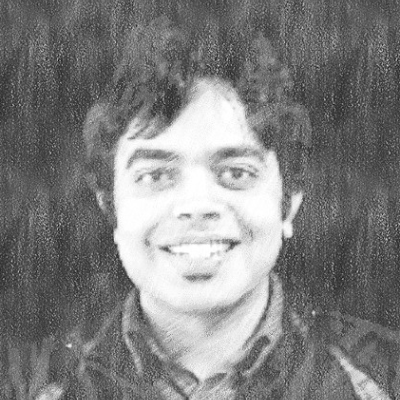
Anirudh Sharma is one of three co-founders of Graviky Labs, which makes ink out of carbon that is captured from pollution and purified using proprietary technology. This concept was born from Sharma’s experiments making ink from candle soot while doing his master’s at MIT Materials Lab. He currently leads R&D and business at the firm. Sharma’s interests include augmented reality, wearable computing and environmental projects. Over the years, he has developed and patented various technology products with social and environmental impact. He was formerly CTO and co-founder of India’s first wearable technology company, Ducere Technologies, which was later sold. This company makes Lechal, the world’s first smart haptic device for shoes, initially designed by Sharma as a navigation aid for the visually impaired. Sharma also previously worked for Imagin Group at Hewlett Packard Labs, on a multimodal speech and touch-based computer-aided design interface for large displays.Sharma holds a master's from Massachusetts Institute of Technology and co-led the activities of MIT Media Lab India from 2013–2015. He is a TED and TEDx speaker and has been included in Forbes’ 30 Under 30 for Asia, MIT Technology Review’s 35 Innovators Under 35, and Foreign Policy magazine’s 100 Global Thinkers of 2016.
CTO and co-founder of Everimpact
Alain Retière is CTO and co-founder of Everimpact, a GHG monitoring company that uses satellites, ground sensors, AI and machine learning to deliver more accurate carbon emissions data to public bodies, municipalities, and businesses.Retière has rich experience in sustainable development, climate change, as well as satellite technology. He was previously an agro-economist and senior scientific advisor at sustainable development organizations, public bodies, and international organisations, with three decades of field experience across 120 countries. In the course of his career, Retière spent a total of 13 years as director of two satellite-related agencies under the UN. This included three years managing CLIMSAT, a specialized center under the UNDP helping local government bodies assess the impact of climate change by using satellite and geo-spatial data, as well as 10 years at the helm of UNOSAT, the UN emergency satellite service. For his service at UNOSAT, he received the UN21 Award from UN Secretary-General Kofi Annan in 2005.Retière graduated from Groupe Ecole supérieure d'Agriculture d'Angers and holds a postgraduate degree from Université Pierre et Marie Curie, which is now part of Sorbonne University.
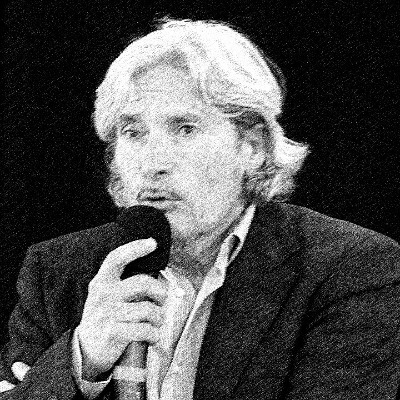
Alain Retière is CTO and co-founder of Everimpact, a GHG monitoring company that uses satellites, ground sensors, AI and machine learning to deliver more accurate carbon emissions data to public bodies, municipalities, and businesses.Retière has rich experience in sustainable development, climate change, as well as satellite technology. He was previously an agro-economist and senior scientific advisor at sustainable development organizations, public bodies, and international organisations, with three decades of field experience across 120 countries. In the course of his career, Retière spent a total of 13 years as director of two satellite-related agencies under the UN. This included three years managing CLIMSAT, a specialized center under the UNDP helping local government bodies assess the impact of climate change by using satellite and geo-spatial data, as well as 10 years at the helm of UNOSAT, the UN emergency satellite service. For his service at UNOSAT, he received the UN21 Award from UN Secretary-General Kofi Annan in 2005.Retière graduated from Groupe Ecole supérieure d'Agriculture d'Angers and holds a postgraduate degree from Université Pierre et Marie Curie, which is now part of Sorbonne University.
CEO and co-founder of OLIO
Tessa Clarke is the British CEO and co-founder of food-sharing app OLIO that was inspired by her experience of having to throw away perfectly good unused food when she was packing up to move from Switzerland back to the UK in 2014.After graduating with a first-class degree in social and political sciences at the University of Cambridge in UK in 1997, she worked for three years at the Boston Consulting Group as a junior associate. She joined an MBA program at Stanford University Graduate School of Business in 2002 and met Saasha Celestial-One, who was also studying for an MBA at Stanford. In 2015, Clarke and Celestial-One decided to use their savings to create a food-sharing app OLIO after successfully testing the idea as a private WhatsApp group in North London.Before becoming an entrepreneur in 2015, Clarke has held various senior management roles since completing her MBA in 2004. She worked for global business publisher EMAP from 2005 until 2009, when she joined Dyson Inc as e-commerce managing director (MD). In 2013, she left Dyson to become MD of fintech PayLater based in Switzerland run by the Wonga payday loan company. Known then as Tessa Cook, she later became Wonga’s MD for eight months when she was tasked with “cleaning up” the tarnished reputation of the high interest loan company. From 2013 to 2021, she was also chair of the management board of St George’s Palace, a boutique apart-hotel and spa complex in Bansko, Bulgaria.In 2018, she became a fellow at Unreasonable, an organization that supports social and environmental entrepreneurship. For two years until 2021, Clarke was ambassador for the Meaningful Business 100 global event that advocates the achievement of the UN’s Sustainable Development Goals. She was also a board member for six years at Contentive, a global B2B media and information company. In 2021, her busy schedule now includes becoming a business mentor for not-for-profit Virgin Startup.
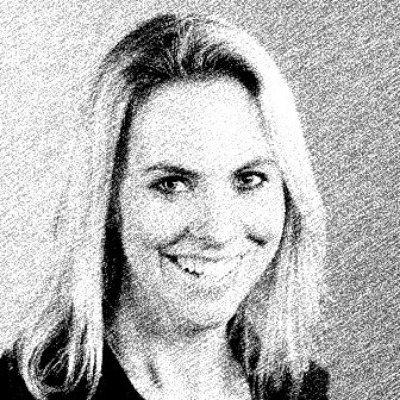
Tessa Clarke is the British CEO and co-founder of food-sharing app OLIO that was inspired by her experience of having to throw away perfectly good unused food when she was packing up to move from Switzerland back to the UK in 2014.After graduating with a first-class degree in social and political sciences at the University of Cambridge in UK in 1997, she worked for three years at the Boston Consulting Group as a junior associate. She joined an MBA program at Stanford University Graduate School of Business in 2002 and met Saasha Celestial-One, who was also studying for an MBA at Stanford. In 2015, Clarke and Celestial-One decided to use their savings to create a food-sharing app OLIO after successfully testing the idea as a private WhatsApp group in North London.Before becoming an entrepreneur in 2015, Clarke has held various senior management roles since completing her MBA in 2004. She worked for global business publisher EMAP from 2005 until 2009, when she joined Dyson Inc as e-commerce managing director (MD). In 2013, she left Dyson to become MD of fintech PayLater based in Switzerland run by the Wonga payday loan company. Known then as Tessa Cook, she later became Wonga’s MD for eight months when she was tasked with “cleaning up” the tarnished reputation of the high interest loan company. From 2013 to 2021, she was also chair of the management board of St George’s Palace, a boutique apart-hotel and spa complex in Bansko, Bulgaria.In 2018, she became a fellow at Unreasonable, an organization that supports social and environmental entrepreneurship. For two years until 2021, Clarke was ambassador for the Meaningful Business 100 global event that advocates the achievement of the UN’s Sustainable Development Goals. She was also a board member for six years at Contentive, a global B2B media and information company. In 2021, her busy schedule now includes becoming a business mentor for not-for-profit Virgin Startup.
Co-founder of Arsitag
Armed with a master’s from Stanford University in 2012, Edward Harjanto worked briefly as an analyst at Morgan Stanley before joining the Boston Consulting Group (BCG) as a senior associate in March 2013. He left BCG in September 2015 to co-found Arsitag, an Indonesian architect directory startup. He met Arsitag’s two co-founders while studying in California and graduated in 2010 with a bachelor’s degree in Industrial Engineering and Operations Research.

Armed with a master’s from Stanford University in 2012, Edward Harjanto worked briefly as an analyst at Morgan Stanley before joining the Boston Consulting Group (BCG) as a senior associate in March 2013. He left BCG in September 2015 to co-found Arsitag, an Indonesian architect directory startup. He met Arsitag’s two co-founders while studying in California and graduated in 2010 with a bachelor’s degree in Industrial Engineering and Operations Research.
Co-founder of Arsitag
University of California Los Angeles graduate, Steven Gomedi, has a bachelor’s degree in Psychology. After graduation in 2010, he worked at PT Nikivalasarta Jaya and PT Bangun Usaha Energi Perkasa, as operational manager and business development executive, respectively. He met the other Arsitag co-founders while studying in California. He joined Arsitag in November 2015.

University of California Los Angeles graduate, Steven Gomedi, has a bachelor’s degree in Psychology. After graduation in 2010, he worked at PT Nikivalasarta Jaya and PT Bangun Usaha Energi Perkasa, as operational manager and business development executive, respectively. He met the other Arsitag co-founders while studying in California. He joined Arsitag in November 2015.
Co-founder of Arsitag
Ex-Apple engineer, Michael Gani graduated from the University of California Berkeley in 2010 with a bachelor’s in Electrical Engineering and Computer Science. Before leaving Apple in June 2014 , he had worked on various projects including the iPhone 4S, iPad 3rd Generation, iPhone 5, iPod Touch 5th Gen, iPod Nano 7th Generation, iPhone 6, iPhone6 Plus and the AppleWatch. He met the other two Arsitag co-founders while studying in California. He also started working as Arsitag’s design and software engineer in September 2015.

Ex-Apple engineer, Michael Gani graduated from the University of California Berkeley in 2010 with a bachelor’s in Electrical Engineering and Computer Science. Before leaving Apple in June 2014 , he had worked on various projects including the iPhone 4S, iPad 3rd Generation, iPhone 5, iPod Touch 5th Gen, iPod Nano 7th Generation, iPhone 6, iPhone6 Plus and the AppleWatch. He met the other two Arsitag co-founders while studying in California. He also started working as Arsitag’s design and software engineer in September 2015.
Co-founder of Berrybenka
Claudia Widjaja co-founded Berrybenka with her friend, Yenti Elizabeth. She is married to Berrybenka’s current CEO, Jason Lamuda who is also one of the three co-founders.

Claudia Widjaja co-founded Berrybenka with her friend, Yenti Elizabeth. She is married to Berrybenka’s current CEO, Jason Lamuda who is also one of the three co-founders.
Jorge Dobón of Demium Startups: Precocious founder who prizes risk and failure
Thanks to its unique pre-incubation model, Jorge Dobón’s Demium Startups has supported hundreds of startups in less than six years, with a portfolio worth €130 million

Mobike founder Hu Weiwei: A crazy idea that touched millions of lives
In just three years, Hu Weiwei has changed the way over 150 million people travel in the city with her company’s dockless bikes

How Xiaomi founder Lei Jun became a billionaire by pursuing passion, not fortune
From young man deconstructing and rebuilding smartphones at Kingsoft to top of the smartphone world as founder and chair of Xiaomi, Lei has always let his interests lead the way
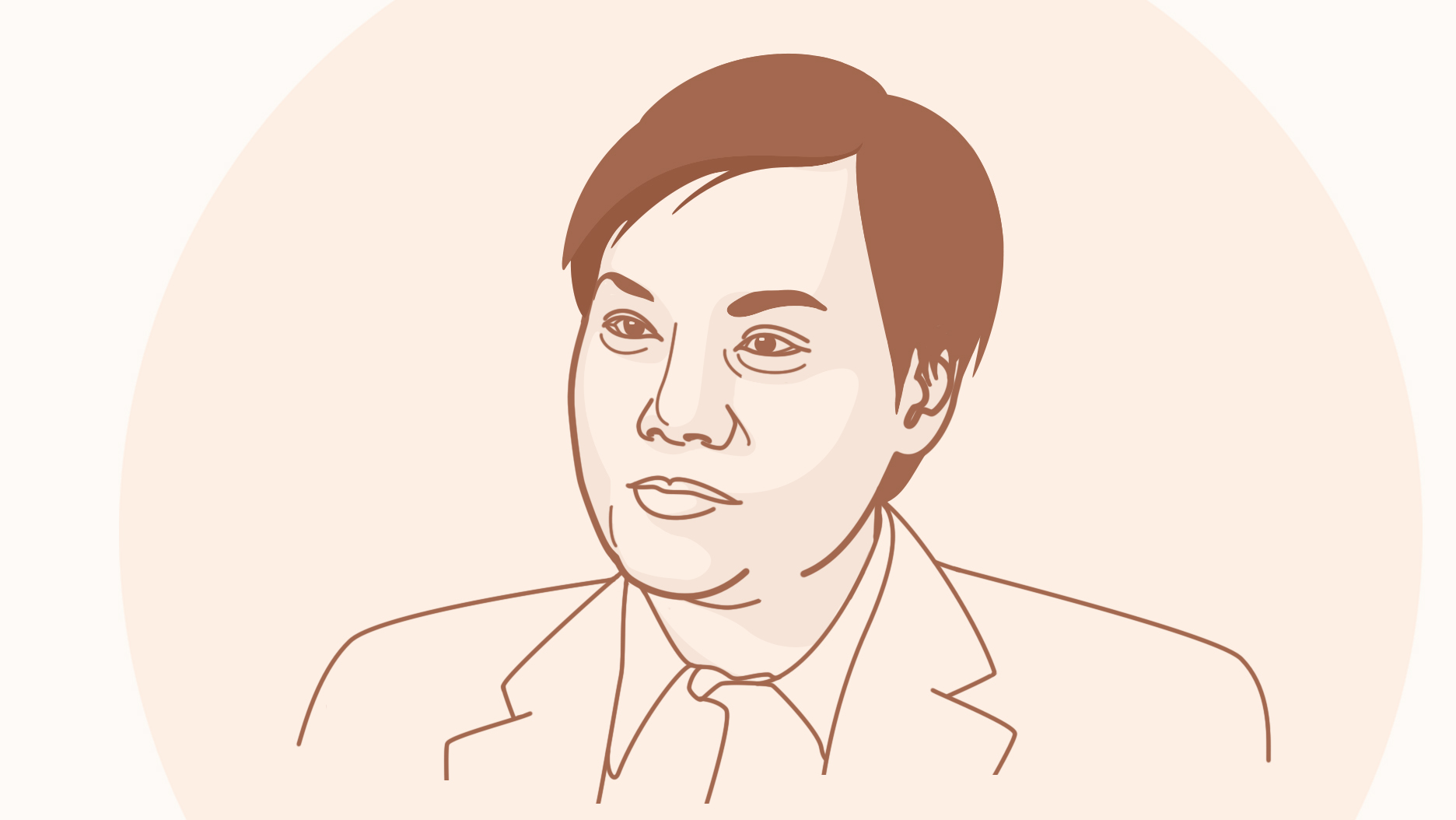

Luo Yonghao: Maverick founder who gave Smartisan its allure, but couldn't build a winner
The Smartisan founder and internet celebrity is making a comeback with live commerce, after failing to sell enough smartphones at his own company

ID Capital CEO & founder Isabelle Decitre, an early mover investing in Asian agrifood startups
An early backer of Ynsect, one of the best-funded insect protein startups to date, Decitre sees growing interest in agrifood tech startups, but notes they still need to offer exit opportunities
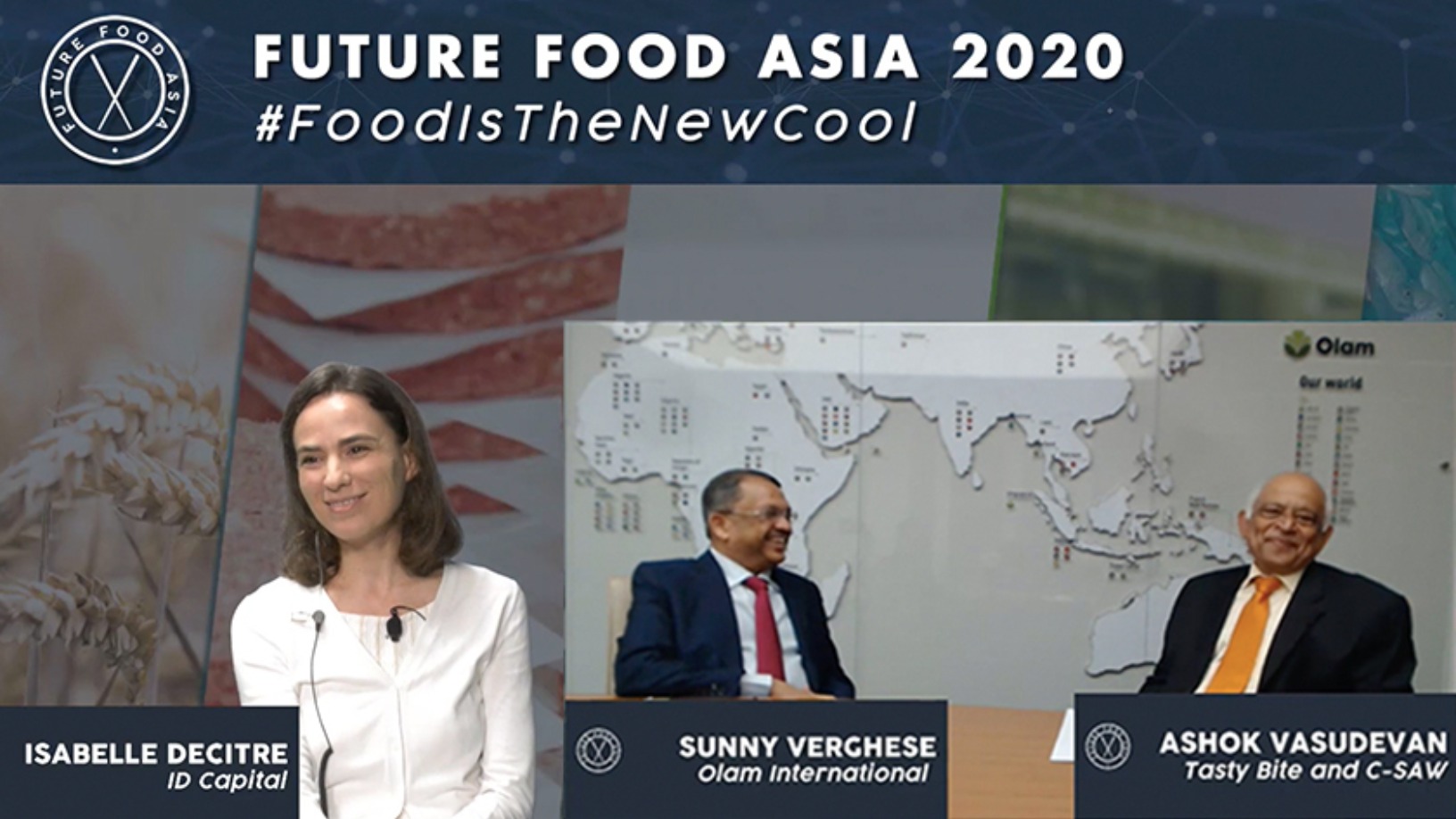
Big Idea Ventures Founder Andrew D Ive: Asia will lead cell-based meat innovation
In a wide-ranging interview, the managing general partner of the US- and Singapore-based foodtech investor also expounds on his goal to extend sustainability to the rest of the food sector, combining good returns with doing good

Despite a lack of infrastructure and threats from middlemen, Aruna continues to help Indonesian fishing communities find buyers for their catch and manage their money better.
Amartha CEO and founder apologizes for Covid-19 letter that mixed government work with his business
Andi Taufan retracted the letter, saying haste to support Covid-19 prevention program led to administrative errors, after public uproar and allegations of conflict of interest
A Q&A with the Veniam founder and CEO
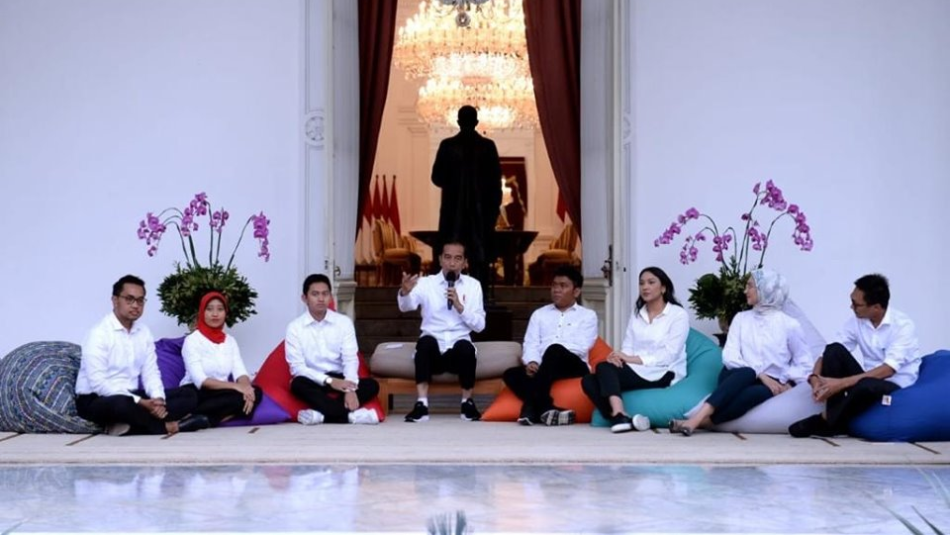
Ruangguru, Amartha founders made aides to Indonesian President
Seven young leaders appointed to assist President Joko Widodo in non-ministerial tasks, with an emphasis on innovation
Gojek CEO resigns to join Indonesia's new cabinet; named education minister
Nadiem Makarim was confirmed as Indonesia's education and culture minister and will become "a passive shareholder" in Gojek
Aurora Tech AI: Helping new parents sleep at night, and not on the job
When employees become new parents, the challenges they face can lead to sleep deprivation and a loss of productivity at work. Aurora Tech AI says it has a solution
AgroCenta: Providing market access and credit to African smallholder farmers
AgroCenta’s platforms empower Ghanaian subsistence farmers, especially women, boosting productivity and sales with e-payments, micro-credits and insurance, and direct connections to buyers, cutting out the intermediaries
The death of Wazypark: A tale of too much money, and no business model
It was an investors’ and media darling. But the story of Wazypark got bitter in 2017, when management disputes and ballooning losses culminated in the startup’s final days

Neil Shen: The super unicorn hunter
His bet on ByteDance, the startup that gave the world TikTok, helped Neil Shen top this year's Forbes Midas List. But for Shen, even in that deal he once made the wrong call

Sorry, we couldn’t find any matches for “founder”.
POPULAR DATABASE