General
This function is exclusive for Premium subscribers
-
DATABASE (660)
-
ARTICLES (87)
Former EVP of Tencent and former CEO of Tencent e-commerce, Wu Xiaoguang graduated with a degree in Synoptic Meteorology from Nanjing University in 1996, and joined Tencent in 1999 as its founding team member. In June 2015, Wu resigned as CEO of Tencent e-commerce and remained as its senior management consultant. Wu is now an angel investor and founded Welight VC in 2015.


Former EVP of Tencent and former CEO of Tencent e-commerce, Wu Xiaoguang graduated with a degree in Synoptic Meteorology from Nanjing University in 1996, and joined Tencent in 1999 as its founding team member. In June 2015, Wu resigned as CEO of Tencent e-commerce and remained as its senior management consultant. Wu is now an angel investor and founded Welight VC in 2015.
Zheng Weihe (Alex Zheng) and his wife Li Huang started Cowin Capital, one of China's earliest private equity funds, in 2000 with RMB 80 million of their own money, investing in six companies within a year. Today, it has more than RMB 10 billion in assets under management, across six PE funds. It has invested in over 150 companies to date, with 57 successful exits, including 27 IPOs – earning Zheng the moniker "The Marksman".

Zheng Weihe (Alex Zheng) and his wife Li Huang started Cowin Capital, one of China's earliest private equity funds, in 2000 with RMB 80 million of their own money, investing in six companies within a year. Today, it has more than RMB 10 billion in assets under management, across six PE funds. It has invested in over 150 companies to date, with 57 successful exits, including 27 IPOs – earning Zheng the moniker "The Marksman".
Founded in 2014 by internet/high-tech veteran and serial entrepreneur Huang Mingming, FutureCap focuses on early-stage investment of internet and high-tech startups. Differing from other early-stage investors, FutureCap conducts a more conservative investment strategy. With less than 20 investments a year, which are mostly from automotive, corporate services and hardware industries, FutureCap tries to avoid fintech and online-to-offline startups, citing the lack of business model in some and cash burning involved.

Founded in 2014 by internet/high-tech veteran and serial entrepreneur Huang Mingming, FutureCap focuses on early-stage investment of internet and high-tech startups. Differing from other early-stage investors, FutureCap conducts a more conservative investment strategy. With less than 20 investments a year, which are mostly from automotive, corporate services and hardware industries, FutureCap tries to avoid fintech and online-to-offline startups, citing the lack of business model in some and cash burning involved.
InnoSpace is a startup service platform focusing on the early stage incubation of internet/mobile internet companies, with RMB angel funds and two 3-month startup accelerator programs each year. InnoSpace has helped its projects raise about RMB 600 million in total and is one of the four incubator partners of Intel in China.
InnoSpace is a startup service platform focusing on the early stage incubation of internet/mobile internet companies, with RMB angel funds and two 3-month startup accelerator programs each year. InnoSpace has helped its projects raise about RMB 600 million in total and is one of the four incubator partners of Intel in China.
Co-founder and former CTO of Elong, one of China’s leading mobile and online travel agencies, Chen Renzhong co-founded Shouke.com, a luxury clothing website, after leaving Elong. Shouke.com was acquired by Net-a-Porter in 2011 and Chen became the president of its Chinese operations.

Co-founder and former CTO of Elong, one of China’s leading mobile and online travel agencies, Chen Renzhong co-founded Shouke.com, a luxury clothing website, after leaving Elong. Shouke.com was acquired by Net-a-Porter in 2011 and Chen became the president of its Chinese operations.
Famous techpreneur Li Yinan (b. 1970) is the former CTO of Baidu and former CEO of Wuxian Xunqi, a China Mobile subsidiary. After Li graduated from Huazhong University of Science & Technology with a master’s degree in Optics Engineering, he joined Huawei and was promoted to vice-president of its Central Research Department in just six months; in 1997 Li because the youngest vice-president at Huawei. In 2001, Li quit Huawei and started his own data communication company, Harbour Networks, which followed the same structure of Huawei and soon became its main competitor. In 2005, Harbour Networks lost in its intense battle with Huawei and was acquired by the larger player. Even though Li rejoined Huawei after the acquisition, he was never able to re-enter the core management team because of his damaged relationship with Ren Zhengfei, the founder and president of Huawei. In April 2015, Li founded his smart e-scooter company, NIU Smart Scooters. Li began investing in 2010 and joined GSR Ventures in 2011. Up to June 2015, Li had invested in more than 10 companies from the TMT sector. Li stood trial for insider trading in March 2016, according to news reports.

Famous techpreneur Li Yinan (b. 1970) is the former CTO of Baidu and former CEO of Wuxian Xunqi, a China Mobile subsidiary. After Li graduated from Huazhong University of Science & Technology with a master’s degree in Optics Engineering, he joined Huawei and was promoted to vice-president of its Central Research Department in just six months; in 1997 Li because the youngest vice-president at Huawei. In 2001, Li quit Huawei and started his own data communication company, Harbour Networks, which followed the same structure of Huawei and soon became its main competitor. In 2005, Harbour Networks lost in its intense battle with Huawei and was acquired by the larger player. Even though Li rejoined Huawei after the acquisition, he was never able to re-enter the core management team because of his damaged relationship with Ren Zhengfei, the founder and president of Huawei. In April 2015, Li founded his smart e-scooter company, NIU Smart Scooters. Li began investing in 2010 and joined GSR Ventures in 2011. Up to June 2015, Li had invested in more than 10 companies from the TMT sector. Li stood trial for insider trading in March 2016, according to news reports.
Wu Shichun (b. 1977) founded Plum Ventures in 2014, an internet-focused angel fund managing three RMB funds. Wu began investing in 2008 after he quit Kuxun, the leading online travel media he founded in 2006. Plum Ventures is listed among the top 10 angel investment firms in China, with each investment of RMB 2 million to 5 million.

Wu Shichun (b. 1977) founded Plum Ventures in 2014, an internet-focused angel fund managing three RMB funds. Wu began investing in 2008 after he quit Kuxun, the leading online travel media he founded in 2006. Plum Ventures is listed among the top 10 angel investment firms in China, with each investment of RMB 2 million to 5 million.
NewMargin Ventures is a venture capital management firm in China focused on the IT, sustainable growth technology, biomedicine and high margin manufacturing sectors. Its Chinese investors include China Foundation of Science & Technology for Development (a joint venture between the National Development and Reform Commission, the Ministry of Commerce and Chinese Academy of Sciences) and Shanghai Alliance Investment Co. (an investment firm founded by Jiang Mianheng, son of the former Chinese President Jiang Zemin); and its foreign investors include GIC, Kerry Group, K.Wah Group, SUNeVision, JAFCO, Motorola and Alcatel. NewMargin Ventures has invested more than US$1.7 billion in 160 companies, including 40 IPOs.

NewMargin Ventures is a venture capital management firm in China focused on the IT, sustainable growth technology, biomedicine and high margin manufacturing sectors. Its Chinese investors include China Foundation of Science & Technology for Development (a joint venture between the National Development and Reform Commission, the Ministry of Commerce and Chinese Academy of Sciences) and Shanghai Alliance Investment Co. (an investment firm founded by Jiang Mianheng, son of the former Chinese President Jiang Zemin); and its foreign investors include GIC, Kerry Group, K.Wah Group, SUNeVision, JAFCO, Motorola and Alcatel. NewMargin Ventures has invested more than US$1.7 billion in 160 companies, including 40 IPOs.
Cathay Innovation invests in small to medium-sized companies with the potential to rapidly grow internationally. By 2016, Cathay Innovation had conducted 59 investments, with a total investment of €514 million. It has offices in France, China, the US and Germany, with €1.2 billion under management.

Cathay Innovation invests in small to medium-sized companies with the potential to rapidly grow internationally. By 2016, Cathay Innovation had conducted 59 investments, with a total investment of €514 million. It has offices in France, China, the US and Germany, with €1.2 billion under management.
Lightspeed China Partners is a venture capital firm focusing on early-stage investments in China internet firms. In the past 20 years, Lightspeed China has invested in more than 60 companies in China; more than 70% of the investments were in seed or Series A rounds, where Lightspeed China was the lead investor in over 90% of the financings. In 2016, Lightspeed China launched its first RMB fund of 500 million.
Lightspeed China Partners is a venture capital firm focusing on early-stage investments in China internet firms. In the past 20 years, Lightspeed China has invested in more than 60 companies in China; more than 70% of the investments were in seed or Series A rounds, where Lightspeed China was the lead investor in over 90% of the financings. In 2016, Lightspeed China launched its first RMB fund of 500 million.
BlueRun Ventures China was founded in 2005, focusing on early-stage investment of companies. The investments are usually from US$100,000 to US$10 million.
BlueRun Ventures China was founded in 2005, focusing on early-stage investment of companies. The investments are usually from US$100,000 to US$10 million.
SIG’s China venture capital and private equity activities are operated through SIG Asia Investments. SIG invests in companies at various stages of development, from early stage to later stage companies, with focus on consumer, service, healthcare and digital media/internet sectors.
SIG’s China venture capital and private equity activities are operated through SIG Asia Investments. SIG invests in companies at various stages of development, from early stage to later stage companies, with focus on consumer, service, healthcare and digital media/internet sectors.
Founded in 1998, Asiaec Partnership is one of the earliest venture capital firms in China, with about 20 funds under management. It has invested in 100+ companies, of which about one-third have gone public, with an IRR of over 35%.

Founded in 1998, Asiaec Partnership is one of the earliest venture capital firms in China, with about 20 funds under management. It has invested in 100+ companies, of which about one-third have gone public, with an IRR of over 35%.
HGI Finaves China is initiated by HGI Capital, a Hong Kong-based investment fund, and CEIBS, a business school established under an agreement between China’s trade ministry and the European Commission. It makes seed/angel round as well as Series A investments in the TMT, culture and creative, and consumer-related sectors in China.
HGI Finaves China is initiated by HGI Capital, a Hong Kong-based investment fund, and CEIBS, a business school established under an agreement between China’s trade ministry and the European Commission. It makes seed/angel round as well as Series A investments in the TMT, culture and creative, and consumer-related sectors in China.
Co-Stone is one of the earliest venture capital firms in China, with about RMB 30 billion in assets under management today. It operates growth-stage investments and pre-IPO financings, focusing on TMT, biotechnology, consumer and services sectors in China. It has invested in more than 80 companies, where Co-Stone was the lead investor in over 60% of the financings.
Co-Stone is one of the earliest venture capital firms in China, with about RMB 30 billion in assets under management today. It operates growth-stage investments and pre-IPO financings, focusing on TMT, biotechnology, consumer and services sectors in China. It has invested in more than 80 companies, where Co-Stone was the lead investor in over 60% of the financings.
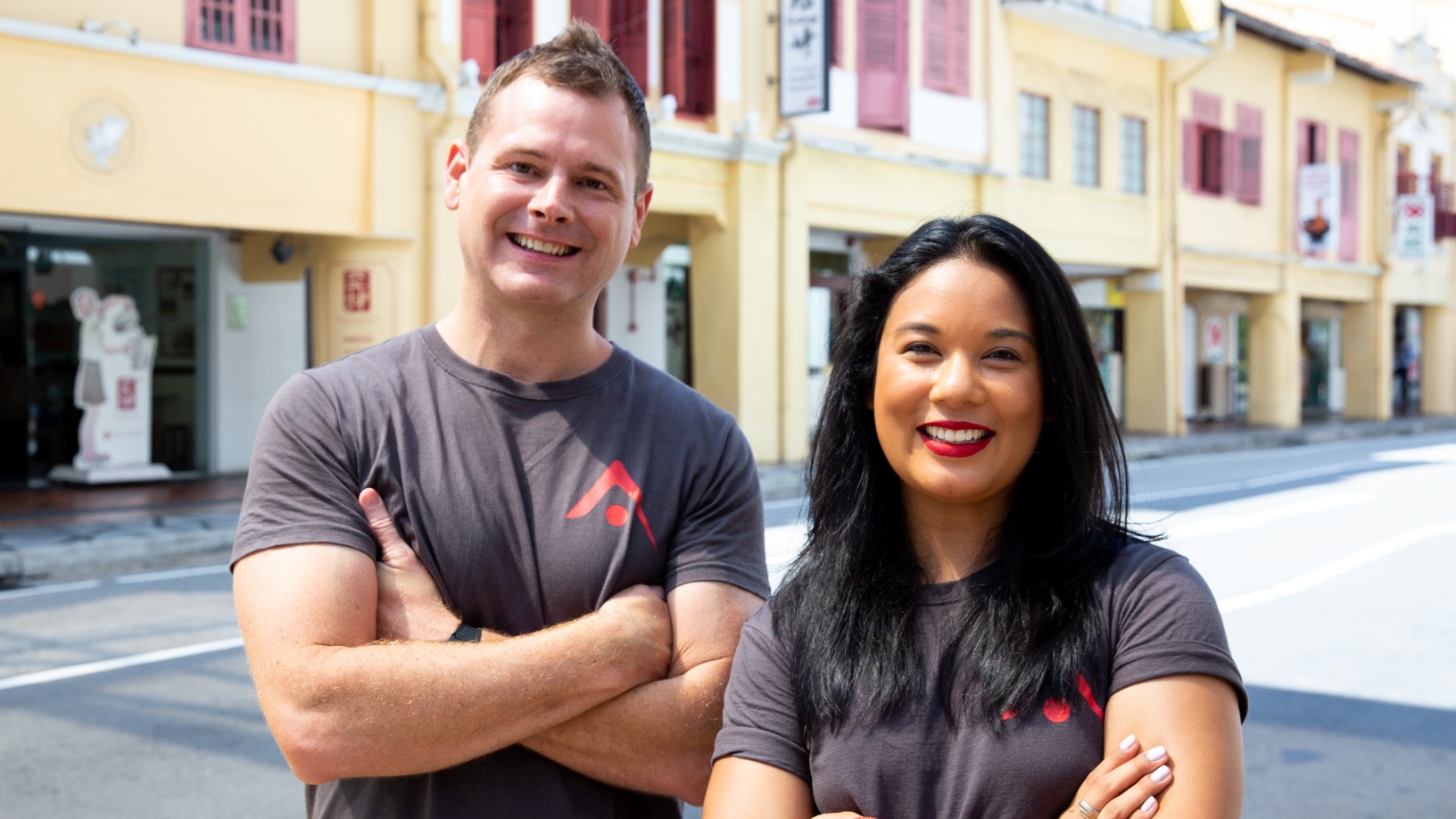
TheVentures founders launch Singapore VC to drive deals in Southeast Asia
The Korean Viki co-founders return to Singapore as venture builders and investors, offering South Korean partnerships and “CTO-as-a-service” in Southeast Asia

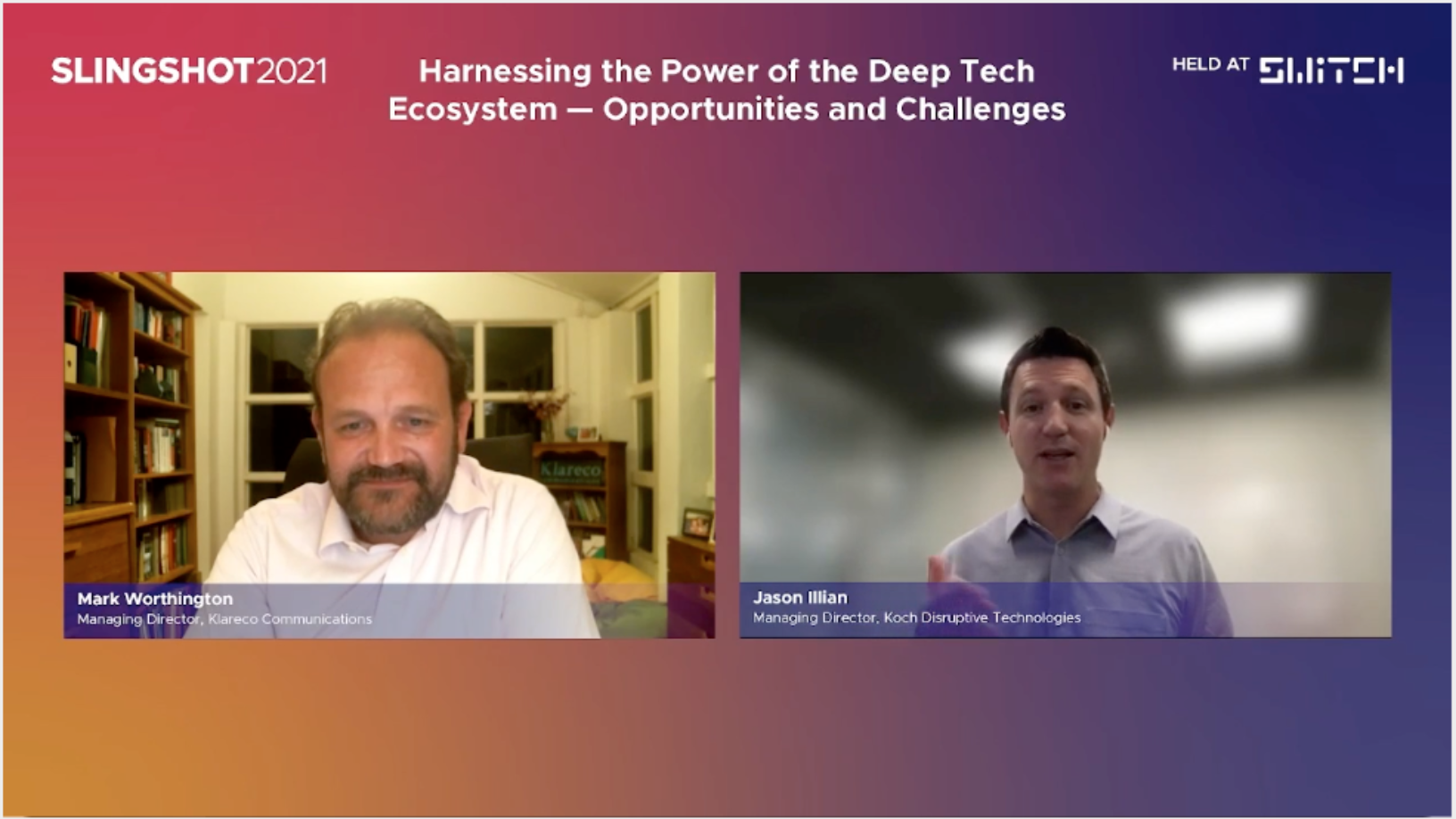
SWITCH Singapore 2021: How to harness the power of the deep tech ecosystem
Investor Jason Illian of Koch Disruptive Technologies talks talent, scaling for deep tech startups, and why longer gestation periods and mid-course pivots don’t have to be deal breakers
Southeast Asian startups to keep riding digitalization, IPO boom, investors say
O2O business models and growing interest in ESG are also key themes, as regional startups gain $4.4bn of funding in first half of 2021

South Summit 2021: Key insights on going from startup to scaleup in Spain
Company culture, talent acquisition and ecosystem support are top-of-mind for Voicemod’s Jaime Bosch and Jobandtalent’s Juan Urdiales in scaling startups up from zero to hero

South Summit 2021: Lessons in expanding to Asia from experts on the ground
Cast aside your Eurocentric mindsets, China-based SOSV’s Oscar Ramos and Brinc’s Heriberto Saldivar tell startups, why they should expand to the region, and how best to do it

South Summit wants to go global, as it launches Brazilian chapter
CEO Marta del Castillo on South Summit’s LatAm, Asia expansion plans; its net-zero pledge; her new role as co-head to further drive growth and more

Intudo Ventures: Grooming returning overseas talent for an Indonesia-only bet
Combining the experience and networks of foreign-educated Indonesians with local distribution channels, Intudo’s hyperlocal strategy has attracted $200m in managed assets
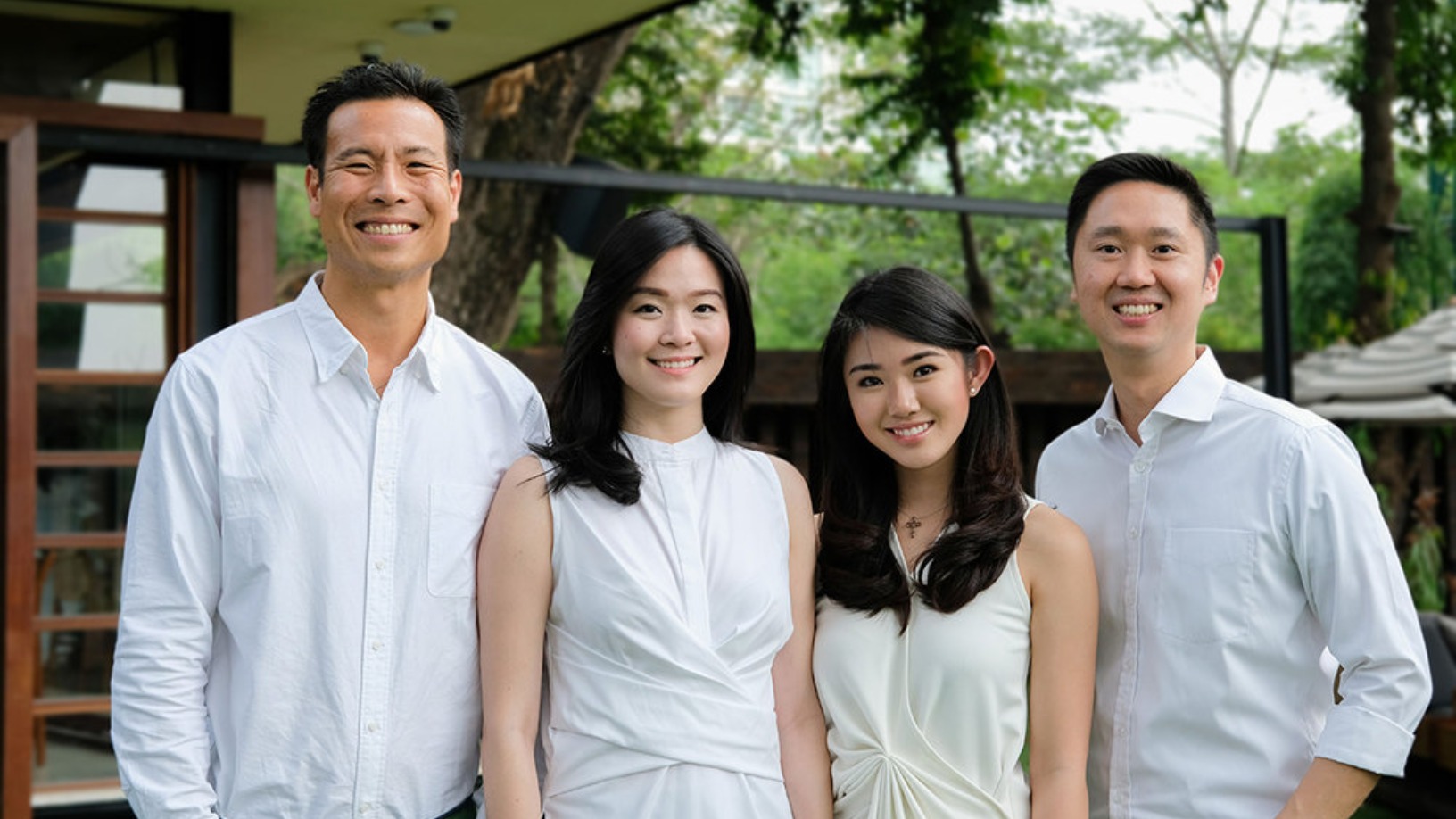
Accelerating Asia bets on unicorn wave from MSME digitalization, logistics
The investor-accelerator’s sixth batch will start accepting applications in December, with greater ESG focus and a pledge to donate 1% of profit on investments to charity
New sectors, strategies come into play as investors respond to China's Big Tech curbs
Amid the crackdown on China’s tech giants, some investors are sussing out less risky sectors, while heavyweights like BlackRock and Fidelity stay in for the long haul

Indogen Capital eyes new growth fund of $100m as foreign tech investors stay keen on Indonesia
With its Japanese investment partner Striders, Indogen plans to boost growth-stage funding in Indonesia and open doors for portfolio companies to new markets in East Asia
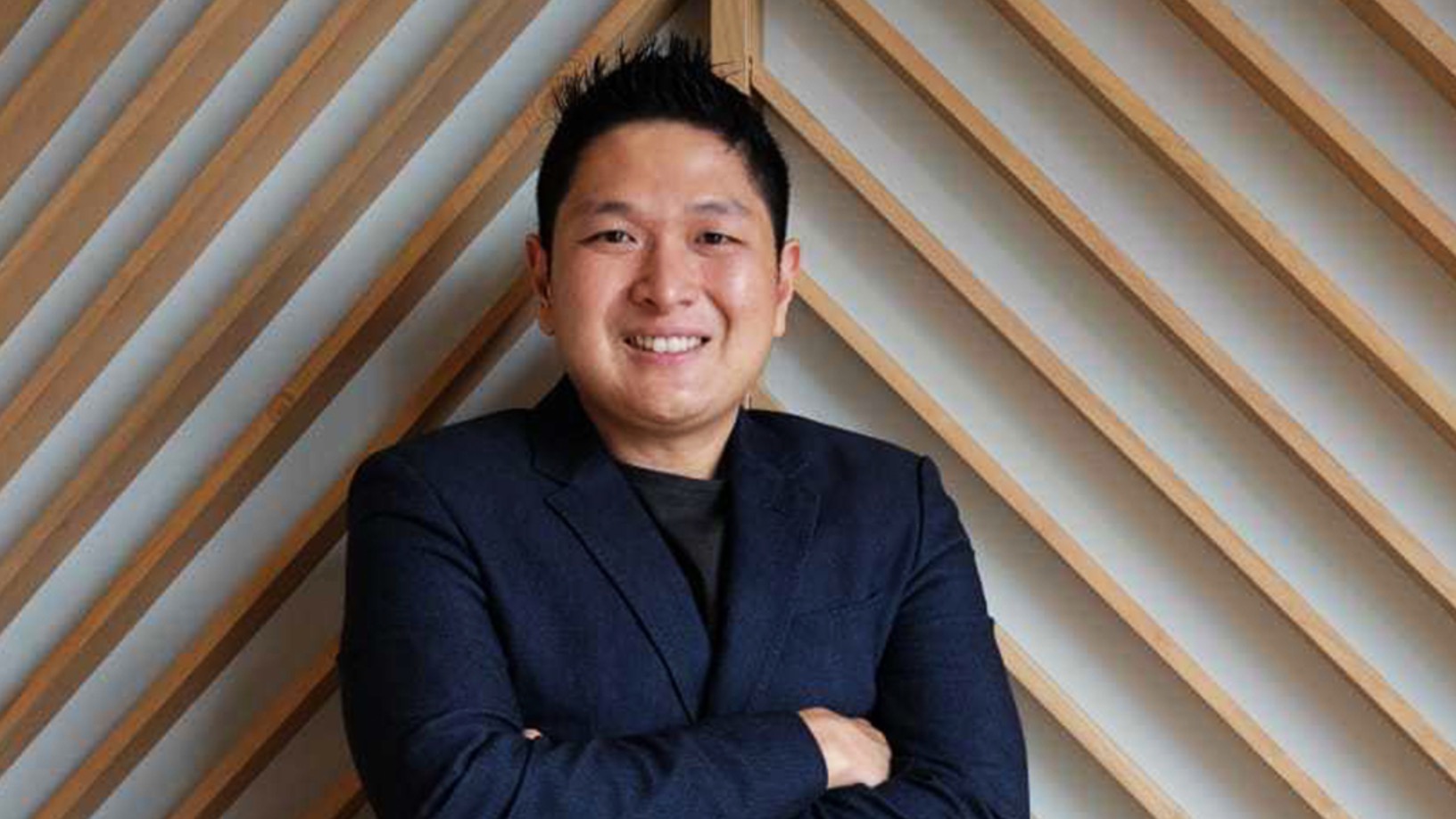
SWITCH Singapore: Sustainability startups see growing demand from corporates
Sophie’s BioNutrients, Ubiik and Intello Labs also note new trends in technology and supply chain arising from the Covid-19 pandemic, across the food, manufacturing and e-commerce sectors
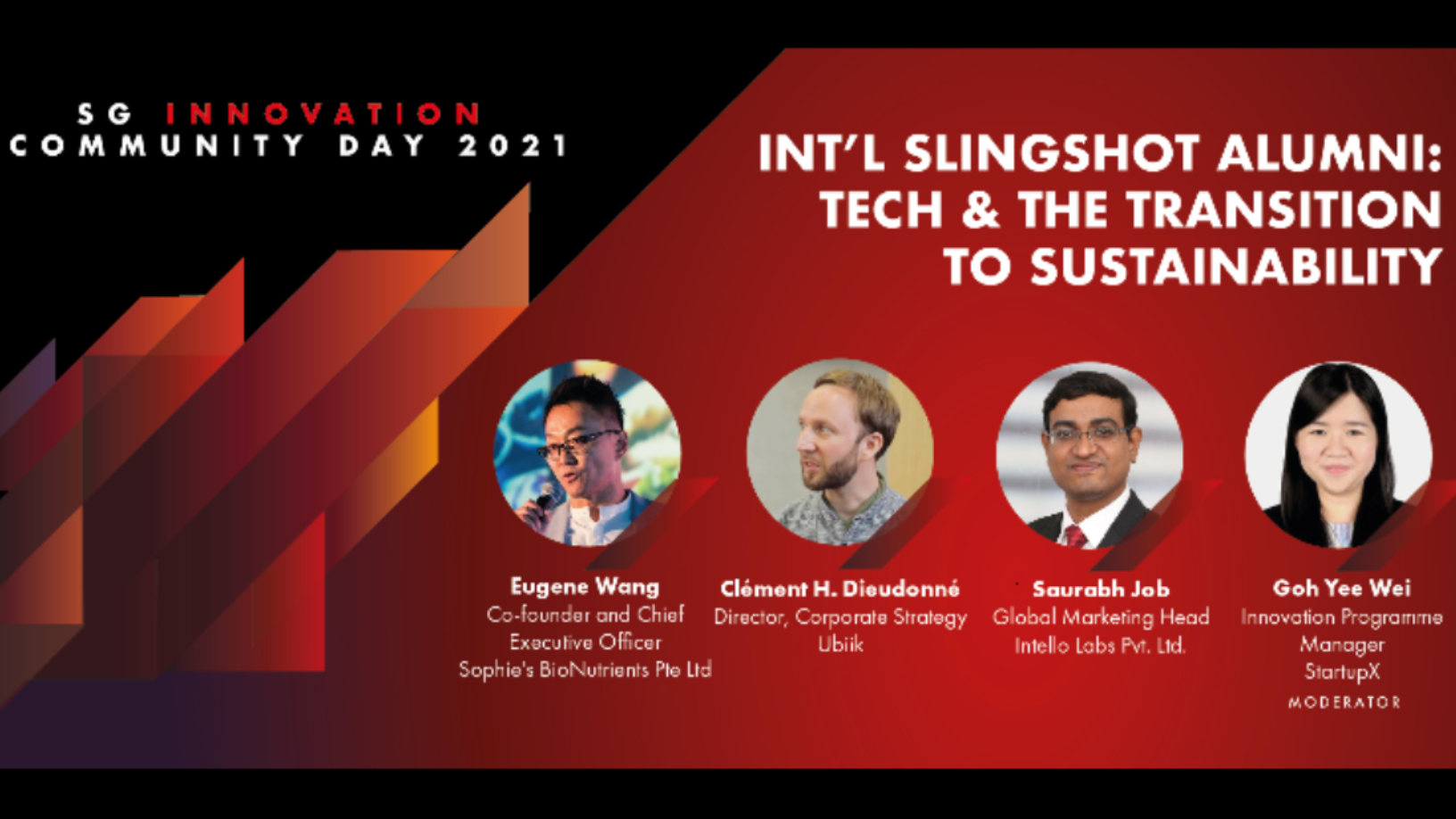
Future Food Asia 2021: Impact assessments – getting the metrics right
Common impact measures are useful but each situation requires specific, sometimes subjective considerations. The priority is to gauge if the impact has led to positive changes

Accelerating Asia's Amra Naidoo: We’re at an inflection point in Southeast Asia
Accelerating Asia’s co-founder Amra Naidoo reveals how the program adapts its curriculum to meet startups’ needs and the challenges accelerator programs face during the pandemic
Can Indonesia plug its tech talent gap to keep its digital economy growing?
Local institutions are stepping up to boost tech skills among students and jobseekers, as the government opens the way for more foreign talent joining startups

Indonesia 2021 outlook: VCs "cautiously optimistic" on Southeast Asia's largest country
Investors expect Indonesian startups to regain their growth opportunities when the economy reopens with the Covid-19 vaccine rollout, even as some online living and working habits have stuck