A.I.R-e
-
DATABASE (2662)
-
ARTICLES (286)
C4 Ventures was founded by Pascal Cagni, former VP and GM of Apple EMEIA. With offices in Paris and London, the firm invests in early-stage startups across market segments in Europe. The VC also supports later-stage companies interested in expanding into Europe. It currently has 33 startups in its portfolio with principal interests in sectors like hardware, digital media and the future of commerce and work.Recent investments in 2021 include the $54m Series B round of Austrian refurbished electronics goods marketplace Refurbed in August and the $5m seed round in June of Norbert Health, the French producers of the first ambient scanner that can measure vital signs.


C4 Ventures was founded by Pascal Cagni, former VP and GM of Apple EMEIA. With offices in Paris and London, the firm invests in early-stage startups across market segments in Europe. The VC also supports later-stage companies interested in expanding into Europe. It currently has 33 startups in its portfolio with principal interests in sectors like hardware, digital media and the future of commerce and work.Recent investments in 2021 include the $54m Series B round of Austrian refurbished electronics goods marketplace Refurbed in August and the $5m seed round in June of Norbert Health, the French producers of the first ambient scanner that can measure vital signs.
Yangtze Delta Region Institute of Tsinghua University, Zhejiang
Yangtze Delta Region Research Institute of Tsinghua University, Zhejiang was co-founded by the provincial government of Zhejiang and Tsinghua University in 2003 for tech transfer. It has set up over 50 R&D platforms in the areas of life sciences, digital creativity, information technology and ecological environment and 11 offshore incubators in the US, UK, Germany and Australia. The institute manages over RMB 7.5bn of assets and also makes investments through its sub-funds with a total size of more than RMB 10bn. So far, it has incubated and invested in over 2,500 companies, 35 of whom have gone public or been acquired by listed companies.
Yangtze Delta Region Research Institute of Tsinghua University, Zhejiang was co-founded by the provincial government of Zhejiang and Tsinghua University in 2003 for tech transfer. It has set up over 50 R&D platforms in the areas of life sciences, digital creativity, information technology and ecological environment and 11 offshore incubators in the US, UK, Germany and Australia. The institute manages over RMB 7.5bn of assets and also makes investments through its sub-funds with a total size of more than RMB 10bn. So far, it has incubated and invested in over 2,500 companies, 35 of whom have gone public or been acquired by listed companies.
One Store is a Korean Android app store launched in 2016 as a collaboration between Korea’s three mobile carriers, namely SK Telecom, KT Corp. and LG Uplus Corp., and portal operator Naver, aiming to break into the local applications market, dominated by Google and Apple. It has beaten Apple Store to become the second-biggest app store in South Korea. One Store has also joined hands with Microsoft to expand into overseas markets by 2022.
One Store is a Korean Android app store launched in 2016 as a collaboration between Korea’s three mobile carriers, namely SK Telecom, KT Corp. and LG Uplus Corp., and portal operator Naver, aiming to break into the local applications market, dominated by Google and Apple. It has beaten Apple Store to become the second-biggest app store in South Korea. One Store has also joined hands with Microsoft to expand into overseas markets by 2022.
Based in Beijing, Xianghe Capital was founded in 2016. It runs a USD fund and an RMB fund. The founders of Xianghe Capital formerly led Baidu’s investment department. Xianghe Capital invests in the following areas: artificial intelligence, internet and traditional industries (e.g., online education, logistics, finance, medical care), B2B, culture, entertainment and enterprise services.

Based in Beijing, Xianghe Capital was founded in 2016. It runs a USD fund and an RMB fund. The founders of Xianghe Capital formerly led Baidu’s investment department. Xianghe Capital invests in the following areas: artificial intelligence, internet and traditional industries (e.g., online education, logistics, finance, medical care), B2B, culture, entertainment and enterprise services.
Toutiao is a mobile news aggregation platform. It has invested in over 30 startups for financial and strategic reasons. Because Toutiao requires a lot of content, it has invested heavily in content-based startups such as AI Era, Kuaikan, etc. It also invests in social media platforms and similar content providers, e.g., Dailyhunt.in, Flipagram and Musical.ly.

Toutiao is a mobile news aggregation platform. It has invested in over 30 startups for financial and strategic reasons. Because Toutiao requires a lot of content, it has invested heavily in content-based startups such as AI Era, Kuaikan, etc. It also invests in social media platforms and similar content providers, e.g., Dailyhunt.in, Flipagram and Musical.ly.
Monarch Capital was founded in 2016 in Hangzhou. With RMB 360m worth of assets under management, it mainly invests in early-stage startups in sectors of supply chain and retailing. Monarch Capital has invested in 18 companies so far.
Monarch Capital was founded in 2016 in Hangzhou. With RMB 360m worth of assets under management, it mainly invests in early-stage startups in sectors of supply chain and retailing. Monarch Capital has invested in 18 companies so far.
Founded in 2018, Tilia Impact Ventures is the first social impact fund in the Czech Republic. Co-founding partner Silke Horáková has worked in private equity and is also a co-owner of Albatross Media. Co-founding partner Petr Vítek has worked for nine years as a Deloitte consultant. He is also co-founder of Impact Hub in Prague, Brno and Ostrava. Both have experience working in the social enterprise sector. About 23 investors have contributed to the impact fund. Tilia plans to have 10 local social impact companies in its portfolio, each with an expected investment life of five to seven years. The VC has invested in four companies to date: smart vending SaaS platform MIWA Technologies, data-mining startup Datlab, ready-made spectacles supplier DOT glasses and waste-to-resource marketplace Cyrkl.
Founded in 2018, Tilia Impact Ventures is the first social impact fund in the Czech Republic. Co-founding partner Silke Horáková has worked in private equity and is also a co-owner of Albatross Media. Co-founding partner Petr Vítek has worked for nine years as a Deloitte consultant. He is also co-founder of Impact Hub in Prague, Brno and Ostrava. Both have experience working in the social enterprise sector. About 23 investors have contributed to the impact fund. Tilia plans to have 10 local social impact companies in its portfolio, each with an expected investment life of five to seven years. The VC has invested in four companies to date: smart vending SaaS platform MIWA Technologies, data-mining startup Datlab, ready-made spectacles supplier DOT glasses and waste-to-resource marketplace Cyrkl.
Founded in 2017 in Hong Kong, Happiness Capital invests in seed to growth stage companies in the US, Europe, Israel, and China, with a focus on issues affecting global happiness within the areas of citizen trust, food, health, climate change, and reduced inequalities. It hosts its own annual contest, the Super Happiness Challenge , a global open innovation contest to fund individuals and startups with ideas and new products or services that tapped into unmet needs to achieve happiness, with a possible $1m in total investment on offer. The VC currently has 37 startups in its portfolio, around half of which are in foodtech and agtech. Its most recent investments include leading the $4.7m July 2021 seed funding round of NovoNutrients, the US-based biotech producer of alt-protein from fermentation using CO2 and other emissions, and co-leading the $29m February 2021 Series A round of Israeli 3D printed alt-meat startup Redefine Meat.

Founded in 2017 in Hong Kong, Happiness Capital invests in seed to growth stage companies in the US, Europe, Israel, and China, with a focus on issues affecting global happiness within the areas of citizen trust, food, health, climate change, and reduced inequalities. It hosts its own annual contest, the Super Happiness Challenge , a global open innovation contest to fund individuals and startups with ideas and new products or services that tapped into unmet needs to achieve happiness, with a possible $1m in total investment on offer. The VC currently has 37 startups in its portfolio, around half of which are in foodtech and agtech. Its most recent investments include leading the $4.7m July 2021 seed funding round of NovoNutrients, the US-based biotech producer of alt-protein from fermentation using CO2 and other emissions, and co-leading the $29m February 2021 Series A round of Israeli 3D printed alt-meat startup Redefine Meat.
Marinya Capital is the family office ofJohn B Fairfax from the Australian Fairfax family, who originally established Fairfax Media, a large media company. Marinya largely invests in property and agricultural businesses but has also made at least two investments in tech startups and in an Australian VC. Its most recent disclosed investments were in the $4.7m July 2021 seed funding round of NovoNutrients, the US-based biotech producer of alt-protein using fermentation and CO2 and other emissions, and in the $55m Series B round of Australia’s premier plant-based brand v2food in 2020.

Marinya Capital is the family office ofJohn B Fairfax from the Australian Fairfax family, who originally established Fairfax Media, a large media company. Marinya largely invests in property and agricultural businesses but has also made at least two investments in tech startups and in an Australian VC. Its most recent disclosed investments were in the $4.7m July 2021 seed funding round of NovoNutrients, the US-based biotech producer of alt-protein using fermentation and CO2 and other emissions, and in the $55m Series B round of Australia’s premier plant-based brand v2food in 2020.
Stanford Graduate School of Business
Launched in 2015, the Stanford GSB Impact Fund invests globally in innovators and tech startups whether connected with the university or not and within the area of social impact in seven market segments: education, energy and the environment, fintech, food and agriculture, justice, healthcare, and urban development. The university-owned fund invests from the pre-seed to Series A rounds and makes investments mostly from January to April. It currently has 11 startups in its portfolio.
Launched in 2015, the Stanford GSB Impact Fund invests globally in innovators and tech startups whether connected with the university or not and within the area of social impact in seven market segments: education, energy and the environment, fintech, food and agriculture, justice, healthcare, and urban development. The university-owned fund invests from the pre-seed to Series A rounds and makes investments mostly from January to April. It currently has 11 startups in its portfolio.
Founded in 2012 in San Francisco, Joyance invests in the “vectors of happiness” that it classifies as areas of science, including genetics and bioscience, the microbiome, neuroscience, virtual and augmented reality, and foodtech. It also invests in the area of social networking. Its investments are made through its management company, Ataraxia, and many have a European focus. It currently has 115 companies in its portfolio, with recent investments including in the August 2021 $3.6m seed round of Polish bionic limb manufacturer and in the July 2021 $8m Series A round of Israeli sports injury AI platform Zone7.
Founded in 2012 in San Francisco, Joyance invests in the “vectors of happiness” that it classifies as areas of science, including genetics and bioscience, the microbiome, neuroscience, virtual and augmented reality, and foodtech. It also invests in the area of social networking. Its investments are made through its management company, Ataraxia, and many have a European focus. It currently has 115 companies in its portfolio, with recent investments including in the August 2021 $3.6m seed round of Polish bionic limb manufacturer and in the July 2021 $8m Series A round of Israeli sports injury AI platform Zone7.
Mitchell Presser is a New York-based lawyer. He is currently co-chair of global law service Morrison & Foerster’s Global Corporate Department and a partner in the firm’s M&A and Private Equity group, advising on agriculture, amongst other areas. He previously was a founding partner of Paine Schwartz, a US-based $1.2 bn private equity firm specializing in sustainable food chain investing from 2006 to 2014. His sole disclosed angel investment to date was an undisclosed sum in the pre-seed funding of NovoNutrients, the US-based biotech producer of alt-protein from fermentation using CO2 and other emissions,

Mitchell Presser is a New York-based lawyer. He is currently co-chair of global law service Morrison & Foerster’s Global Corporate Department and a partner in the firm’s M&A and Private Equity group, advising on agriculture, amongst other areas. He previously was a founding partner of Paine Schwartz, a US-based $1.2 bn private equity firm specializing in sustainable food chain investing from 2006 to 2014. His sole disclosed angel investment to date was an undisclosed sum in the pre-seed funding of NovoNutrients, the US-based biotech producer of alt-protein from fermentation using CO2 and other emissions,
Security Trading Oy is a Finnish investment company located in Helsinki generating a turnover of $125m in sales. The firm recently invested in the biotech material startup Infinited Fiber, along with Adidas and Invest FWD A/S, which is BESTSELLER’s investment arm for sustainable fashion. Security Trading Oy was part of the Kone Corporation group that was re-organized by the Herlin family, with Antti Herlin as the controlling shareholder in 2005.
Security Trading Oy is a Finnish investment company located in Helsinki generating a turnover of $125m in sales. The firm recently invested in the biotech material startup Infinited Fiber, along with Adidas and Invest FWD A/S, which is BESTSELLER’s investment arm for sustainable fashion. Security Trading Oy was part of the Kone Corporation group that was re-organized by the Herlin family, with Antti Herlin as the controlling shareholder in 2005.
Royal Golden Eagle (RGE) is an industrial group owned by Indonesian tycoon Sukanto Tanoto. It employs 60,000 people worldwide with assets worth over $20bn. Tanoto started his business empire in 1967 as a supplier of spare parts to oil and construction companies in Indonesia. He went on to invest in oil palm plantations in 1979. Since 1985, his group companies have been managing 30,000 acres of oil palm trees each year across a total land area of 160,000 hectares.Headquartered in Singapore, RGE has interests in diverse sectors like paper palm oil, viscose, asset management, real estate, construction and energy. RGE owns the world’s largest viscose producer Sateri, Asia Pacific Rayon and energy firm Pacific Oil & Gas. It is also the owner of the Asia Pacific Resources International Holdings Limited (APRIL), one of the world’s largest pulp and paper mills. The Rainforest Action Network and other NGOs like Greenpeace and the WWF have put considerable pressure on the RGE group’s unsustainable operations such as the destruction of rainforests by APRIL. In 2019, RGE announced plans to invest $200m in cellulosic textile fiber research and development over a period of 10 years. Projects will include the scaling up of proven clean technology in fiber manufacturing, bringing pilot-scale production to commercial scale and R&D in emerging frontier solutions.
Royal Golden Eagle (RGE) is an industrial group owned by Indonesian tycoon Sukanto Tanoto. It employs 60,000 people worldwide with assets worth over $20bn. Tanoto started his business empire in 1967 as a supplier of spare parts to oil and construction companies in Indonesia. He went on to invest in oil palm plantations in 1979. Since 1985, his group companies have been managing 30,000 acres of oil palm trees each year across a total land area of 160,000 hectares.Headquartered in Singapore, RGE has interests in diverse sectors like paper palm oil, viscose, asset management, real estate, construction and energy. RGE owns the world’s largest viscose producer Sateri, Asia Pacific Rayon and energy firm Pacific Oil & Gas. It is also the owner of the Asia Pacific Resources International Holdings Limited (APRIL), one of the world’s largest pulp and paper mills. The Rainforest Action Network and other NGOs like Greenpeace and the WWF have put considerable pressure on the RGE group’s unsustainable operations such as the destruction of rainforests by APRIL. In 2019, RGE announced plans to invest $200m in cellulosic textile fiber research and development over a period of 10 years. Projects will include the scaling up of proven clean technology in fiber manufacturing, bringing pilot-scale production to commercial scale and R&D in emerging frontier solutions.
Part of the Finnish Virala Group, Nidoco AB was established in Stockholm in 1965. The Swedish investment company is run by well-known Nordic family investors Alexander and Albert Ehrnrooth. The former is the CEO of Virala Oy AB. The latter was appointed as chairman of the Virala board in 2015. Nidoco and its four subsidiaries have stakes in more than 300 companies worldwide, including major shareholdings in three listed companies like Enersense International in Finland. Nidoco’s equity portfolio was worth nearly €360m in 2020.
Part of the Finnish Virala Group, Nidoco AB was established in Stockholm in 1965. The Swedish investment company is run by well-known Nordic family investors Alexander and Albert Ehrnrooth. The former is the CEO of Virala Oy AB. The latter was appointed as chairman of the Virala board in 2015. Nidoco and its four subsidiaries have stakes in more than 300 companies worldwide, including major shareholdings in three listed companies like Enersense International in Finland. Nidoco’s equity portfolio was worth nearly €360m in 2020.
Circular economy: Discarded goods get a new lease of life in Spain
From e-chargers inside phone booths, recycling chatbots to refurbished stadium seats from Atlético Madrid, the offbeat magic of the circular economy is fast becoming a lucrative business in Spain

Yimutian: China agriculture e-commerce's comeback kid
As the world’s most populous country faces potential food supply shortages, Yimutian, China’s No. 1 agro trading marketplace, is seeing more opportunities

Indonesia finance ministry cans e-commerce tax compliance law
The ministry says the law was misunderstood, but industry players had long questioned the need for such regulation
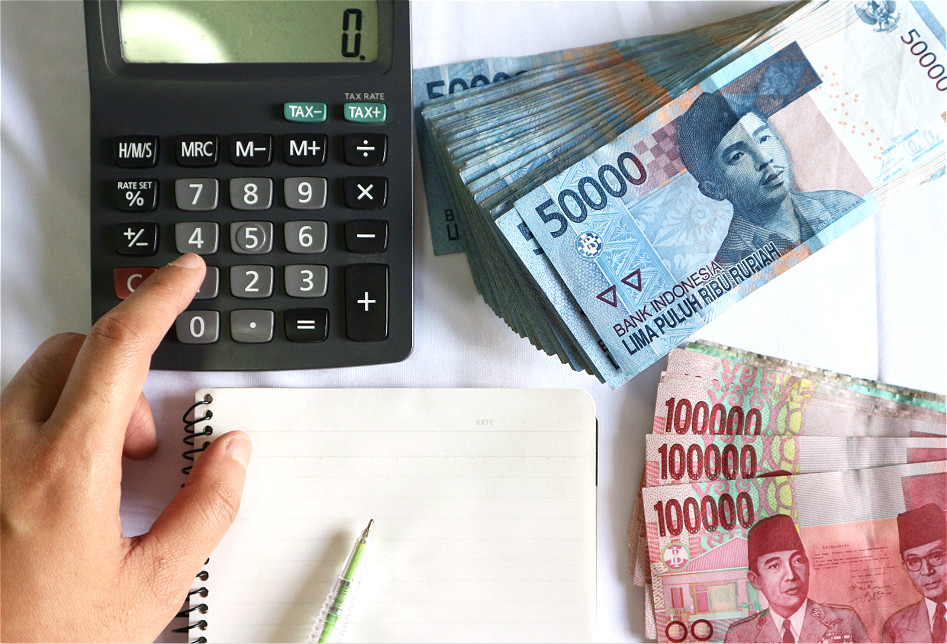
With universal QR code, Indonesia achieves e-payment harmony
The move to standardize Indonesia's QR code is expected to unify the country's cashless payments system and lift tens of thousands of small merchants into the payments mainstream

Indonesian B2B e-procurement platforms: Disrupting long-standing practices
Indonesia’s B2B e-commerce players are winning over corporate clients with education and government support, growing a market forecast to be worth $13.4bn by 2023

Loones' cooperative e-marketplace connects farmers directly with agrifood businesses
Loones, Spain's first cooperative-based e-marketplace for bulk produce, helps traditional agricultural producers go digital
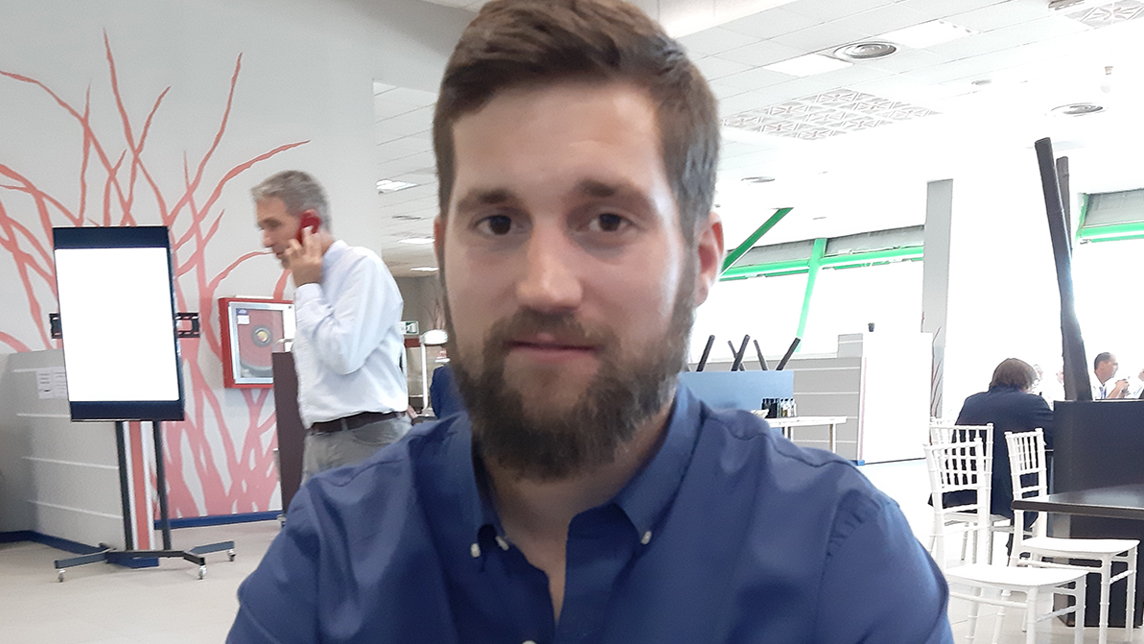
MBiz: Working toward the "tipping point" of e-procurement mainstreaming
Trusted by multinationals and conglomerates, Mbiz wants to take e-procurement mainstream by also working with municipal governments

BukaPengadaan: The B2B procurement service from e-commerce giant Bukalapak
Bukalapak’s e-procurement arm taps a growing market while helping vendors get online and access a broader range of clients

Billin offers unlimited free e-invoicing services to SMEs and freelancers
Offering automated online invoice generating, sharing, tracking and payments, the Spanish fintech wants to become the billing Dropbox for businesses worldwide

300 million users in 3 years: Cracking e-commerce the Pinduoduo way
The dark horse of online retail is our key to understanding China's new consumer growth story

In China, e-commerce platforms and brands bet big on live commerce
Retailers embrace shopping via livestreaming, where social media influencers hawk products and get rapid sales

QRIS: Will the new QR code standard rewrite Indonesia’s e-payments scene?
Enabling interoperability, the QRIS seeks to level the playing field until now dominated by GoPay and OVO – disruption that could go beyond the e-wallets scene

Enoc Armengol: The design and e-commerce 3.0 star inspired by Inspector Gadget
Also a serial entrepreneur, the Spaniard has created a trail of celebrated design products and startups from Singapore to Barcelona
Indonesian state enterprises launch e-wallet LinkAja, competing with Go-Pay and OVO
Even with a wider range of services and extensive state backing, LinkAja faces a tough battle

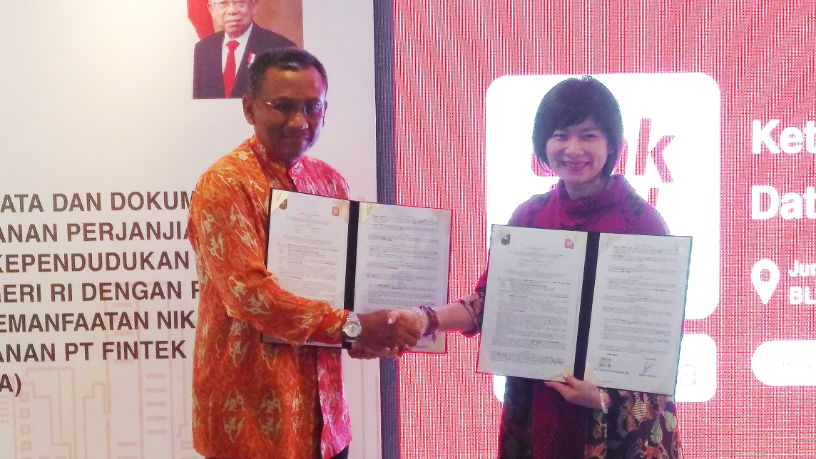
E-wallet LinkAja gets access to Indonesia's Civil Registry for user data checks
Move allows more than 2,000 public and private entities to verify user data against government records, but the public has raised privacy and security concerns
Sorry, we couldn’t find any matches for “A.I.R-e”.