Asia
-
DATABASE (197)
-
ARTICLES (202)
Clime Capital is a clean energy-focused investment firm based in Singapore with a focus on early-stage companies. In June 2020, the VC launched the Southeast Asia Clean Energy Facility (SEACEF), a fund backed by philanthropic donors to support early-stage companies in commercializing clean energy solutions. The initial fund is valued at $10m. SEACEF’s first investment is in Xurya, an Indonesian startup providing solar power system leasing to commercial customers.


Clime Capital is a clean energy-focused investment firm based in Singapore with a focus on early-stage companies. In June 2020, the VC launched the Southeast Asia Clean Energy Facility (SEACEF), a fund backed by philanthropic donors to support early-stage companies in commercializing clean energy solutions. The initial fund is valued at $10m. SEACEF’s first investment is in Xurya, an Indonesian startup providing solar power system leasing to commercial customers.
BASF Venture Capital is the investment arm of the BASF Group. Founded in 2001, the VC also has offices in Ludwigshafen, San Francisco, Boston, Austin, Shanghai, Sao Paulo, Mumbai and Tel Aviv.Global investments include stakes in young, fast-growing companies involved in agritech, chemistry, new materials, sustainability, digitalization and disruptive business models. The firm also holds shares in technology funds that target enterprises in Asia, North America and South America.
BASF Venture Capital is the investment arm of the BASF Group. Founded in 2001, the VC also has offices in Ludwigshafen, San Francisco, Boston, Austin, Shanghai, Sao Paulo, Mumbai and Tel Aviv.Global investments include stakes in young, fast-growing companies involved in agritech, chemistry, new materials, sustainability, digitalization and disruptive business models. The firm also holds shares in technology funds that target enterprises in Asia, North America and South America.
As one of the original enterprises of the Japanese Mitsubishi Group, Mitsubishi Motors started its automotive business in the pre-World War era. Mitsubishi Heavy Industries produced and imported cars for local use. The automotive company became part of the Renault-Nissan-Mitsubishi alliance in 2016 after Nissan acquired a controlling stake in Mitsubishi Motors. Indonesia's Gojek is its latest investment to expand into the ride-hailing tech sector in Southeast-Asia.

As one of the original enterprises of the Japanese Mitsubishi Group, Mitsubishi Motors started its automotive business in the pre-World War era. Mitsubishi Heavy Industries produced and imported cars for local use. The automotive company became part of the Renault-Nissan-Mitsubishi alliance in 2016 after Nissan acquired a controlling stake in Mitsubishi Motors. Indonesia's Gojek is its latest investment to expand into the ride-hailing tech sector in Southeast-Asia.
Taihecap (formerly TH Capital)
Taihecap is an investment bank established in 2012. As a financial advisor, it has served over 200 startups, including 40 unicorns, to raise more than $25bn in the primary market. Taihecap's long-term clients include the social commerce platform Pinduoduo, China’s largest used-car transaction platform Guazi.com, and the online K12 education platform Zuoyebang. Since 2019, Taihecap has started its overseas expansion into markets such as Southeast Asia and India.
Taihecap is an investment bank established in 2012. As a financial advisor, it has served over 200 startups, including 40 unicorns, to raise more than $25bn in the primary market. Taihecap's long-term clients include the social commerce platform Pinduoduo, China’s largest used-car transaction platform Guazi.com, and the online K12 education platform Zuoyebang. Since 2019, Taihecap has started its overseas expansion into markets such as Southeast Asia and India.
Spiral Ventures (IMJ Investment Partners)
Founded in 2012 in Japan, IMJ Investment Partners was a Singapore-based venture capital firm focusing on startups based in Southeast Asia and Japan. It had raised US$52 million in funding as a company under IMJ Corporation, one of the biggest digital agencies in Japan. A new VC company Spiral Ventures Pte Ltd was established to takeover IMJ-IP after a successful management buyout led by IMJ-IP Managing Partner Yuji Horiguchi in 2017.
Founded in 2012 in Japan, IMJ Investment Partners was a Singapore-based venture capital firm focusing on startups based in Southeast Asia and Japan. It had raised US$52 million in funding as a company under IMJ Corporation, one of the biggest digital agencies in Japan. A new VC company Spiral Ventures Pte Ltd was established to takeover IMJ-IP after a successful management buyout led by IMJ-IP Managing Partner Yuji Horiguchi in 2017.
Grand China Capital is a Beijing-based venture capital firm. It invests mainly in media, entertainment, sports, tourism, and smart manufacturing sectors. It provides businesses with services such as financial investment, strategic consulting and data-based marketing. Grand China Capital co-launched a RMB 2 billion fund with Japan's SBI Group (previously known as Softbank Investment Co., Ltd) in September 2018 to drive tech development in the Asia Pacific region.
Grand China Capital is a Beijing-based venture capital firm. It invests mainly in media, entertainment, sports, tourism, and smart manufacturing sectors. It provides businesses with services such as financial investment, strategic consulting and data-based marketing. Grand China Capital co-launched a RMB 2 billion fund with Japan's SBI Group (previously known as Softbank Investment Co., Ltd) in September 2018 to drive tech development in the Asia Pacific region.
CEO of Krakakoa
Sabrina Mustopo is the founder and CEO of Krakakoa Chocolate, a "farmer-to-bar" social enterprise that works directly with smallholder cocoa farmers to produce chocolate. She is also an independent consultant with experience in strategy, project management, agriculture and sustainable development. Mustopo previously worked in Singapore as an associate and research analyst for international consultancy McKinsey & Co., where she focused on climate change and agricultural topics and served public sector clients in the Asia-Pacific region and East Africa. She graduated magna cum laude from Cornell University in Ithaca, New York, with a Bachelor of Science degree in International Agriculture and Rural Development.

Sabrina Mustopo is the founder and CEO of Krakakoa Chocolate, a "farmer-to-bar" social enterprise that works directly with smallholder cocoa farmers to produce chocolate. She is also an independent consultant with experience in strategy, project management, agriculture and sustainable development. Mustopo previously worked in Singapore as an associate and research analyst for international consultancy McKinsey & Co., where she focused on climate change and agricultural topics and served public sector clients in the Asia-Pacific region and East Africa. She graduated magna cum laude from Cornell University in Ithaca, New York, with a Bachelor of Science degree in International Agriculture and Rural Development.
Since 2003, US-based Wavemaker Partners have invested in more than 150 technology startups. The firm usually start with a US$100,000–$750,000 check and can follow on until US$1 million to US$1.25 million. Its investment portfolio in Asia-Pacific includes Luxola and TradeGecko. In 2016, it acquired Ardent Capital’s VC portfolio, which includes Sale Stock and Happyfresh.

Since 2003, US-based Wavemaker Partners have invested in more than 150 technology startups. The firm usually start with a US$100,000–$750,000 check and can follow on until US$1 million to US$1.25 million. Its investment portfolio in Asia-Pacific includes Luxola and TradeGecko. In 2016, it acquired Ardent Capital’s VC portfolio, which includes Sale Stock and Happyfresh.
American private equity firm Warburg Pincus was established in 1966 and has since invested more than $55bn in more than 750 companies in more than 40 countries around the world. So far, the company has raised 19 private equity funds with over $90bn in assets under management. Its investment portfolio can be divided geographically into Asia, Europe, and the Americas. Its Asian portfolio includes tech companies, real estate, healthcare and more verticals, with many Chinese companies featured on the list.

American private equity firm Warburg Pincus was established in 1966 and has since invested more than $55bn in more than 750 companies in more than 40 countries around the world. So far, the company has raised 19 private equity funds with over $90bn in assets under management. Its investment portfolio can be divided geographically into Asia, Europe, and the Americas. Its Asian portfolio includes tech companies, real estate, healthcare and more verticals, with many Chinese companies featured on the list.
Hong Kong-based Unicorn Capital Partners was founded in 2015 by Tommy Yip, former partner of Emerald Hill Capital Partners.Unicorn is a leading FoF platform that focuses on venture capital fund and direct investment opportunities in China and Asia. It mainly invests in technology, media, telecommunications and healthcare. By December 2019, Unicorn had $800m in assets under management. It also raised over $350m for its fourth fund.

Hong Kong-based Unicorn Capital Partners was founded in 2015 by Tommy Yip, former partner of Emerald Hill Capital Partners.Unicorn is a leading FoF platform that focuses on venture capital fund and direct investment opportunities in China and Asia. It mainly invests in technology, media, telecommunications and healthcare. By December 2019, Unicorn had $800m in assets under management. It also raised over $350m for its fourth fund.
One of the earliest backers of Chinese internet firms, most famously Tencent and JD.com, Hillhouse Capital is a US$20 billion fund today. Founded in 2005 by Zhang Lei, a Yale School of Management graduate (the initial US$20 million used to start Hillhouse came from the Yale Endowment), the long-term fundamental equity investor is focused on China and Asia, particularly the consumer, TMT, industrials and healthcare sectors. It manages capital for institutional clients, e.g., university endowments, foundations, sovereign wealth funds and pension funds, and invests across all equity stages.

One of the earliest backers of Chinese internet firms, most famously Tencent and JD.com, Hillhouse Capital is a US$20 billion fund today. Founded in 2005 by Zhang Lei, a Yale School of Management graduate (the initial US$20 million used to start Hillhouse came from the Yale Endowment), the long-term fundamental equity investor is focused on China and Asia, particularly the consumer, TMT, industrials and healthcare sectors. It manages capital for institutional clients, e.g., university endowments, foundations, sovereign wealth funds and pension funds, and invests across all equity stages.
SVB Financial Group has been involved in Asian markets since the early 1990s and in the Chinese market since 1999. For more than a decade, SVB has been building relationships with technology companies, entrepreneurs and venture capitalists to help clients work with businesses in Asia and sell to a variety of foreign markets. SVB established its first China subsidiary, SVB Business Partners Shanghai, in 2005 and its second, SVB Business Partners Beijing, in 2010. They provide local technology companies and venture capital investors with in-market client service support and advisory services.

SVB Financial Group has been involved in Asian markets since the early 1990s and in the Chinese market since 1999. For more than a decade, SVB has been building relationships with technology companies, entrepreneurs and venture capitalists to help clients work with businesses in Asia and sell to a variety of foreign markets. SVB established its first China subsidiary, SVB Business Partners Shanghai, in 2005 and its second, SVB Business Partners Beijing, in 2010. They provide local technology companies and venture capital investors with in-market client service support and advisory services.
Hong Kong-based Jeneration Capital was founded in 2015 by Jimmy Chang, a former banker at Morgan Stanley. It now manages approximately US$2bn in capital, utilizing a multi-strategy investment approach with an emphasis on direct investment and dynamic asset allocation across private equity, public equity and diversified fund investments. In terms of direct investment, Jeneration Capital mainly invests in growth-stage technology-enabled companies in the Asia-Pacific region, with a focus on Greater China.

Hong Kong-based Jeneration Capital was founded in 2015 by Jimmy Chang, a former banker at Morgan Stanley. It now manages approximately US$2bn in capital, utilizing a multi-strategy investment approach with an emphasis on direct investment and dynamic asset allocation across private equity, public equity and diversified fund investments. In terms of direct investment, Jeneration Capital mainly invests in growth-stage technology-enabled companies in the Asia-Pacific region, with a focus on Greater China.
Genesia Ventures is a Japanese VC firm founded and led by former CyberAgent Ventures executive Soichi Tajima. The company's name is a portmanteau word combining "genesis" and "Asia" and the fund focuses on seed and pre-Series A rounds. It has backed startups in new media and those implementing new technology to traditional sectors. Its portfolio includes Japanese companies Sukedachi and Linc Corporation as well as Southeast Asian startups Homedy and Bobobox.

Genesia Ventures is a Japanese VC firm founded and led by former CyberAgent Ventures executive Soichi Tajima. The company's name is a portmanteau word combining "genesis" and "Asia" and the fund focuses on seed and pre-Series A rounds. It has backed startups in new media and those implementing new technology to traditional sectors. Its portfolio includes Japanese companies Sukedachi and Linc Corporation as well as Southeast Asian startups Homedy and Bobobox.
Singapore-based VC Jungle Ventures set up its SeedPlus fund in 2016. The SGD 25m fund is backed by a diverse range of investors including Eight Roads, Infocomm Investments, Accel Partners, RNT Associates, SGInnovate and Cisco. A fund run by Jungle Ventures partner and Indian tycoon Ratan Tata has also contributed to SeedPlus.Early-stage investments of SGD 0.5–1m are available for startups in Southeast Asia. The fund also provides hands-on expertise and support services, including resources from partners like Google SEA and PwC Singapore.

Singapore-based VC Jungle Ventures set up its SeedPlus fund in 2016. The SGD 25m fund is backed by a diverse range of investors including Eight Roads, Infocomm Investments, Accel Partners, RNT Associates, SGInnovate and Cisco. A fund run by Jungle Ventures partner and Indian tycoon Ratan Tata has also contributed to SeedPlus.Early-stage investments of SGD 0.5–1m are available for startups in Southeast Asia. The fund also provides hands-on expertise and support services, including resources from partners like Google SEA and PwC Singapore.
Future Food Asia 2021: Regenerative agriculture in Asia
The unique challenges facing regenerative agriculture in Asia require solutions different from those in the West, presenting opportunities for microfinancing and impact investment

From Porto to Phnom Penh: Last2Ticket expands to Asia
Their first stop is Cambodia, where tourism-related ticketing is big business yet underserved by technology. Emilía Simões, founder and CEO of the Portuguese e-ticketing startup, tells us more

Future Food Asia 2021 announces finalists for $100,000 prize
Ten startups from agrifood tech and cleantech sectors will pitch during the five-day conference, are also eligible for two more prizes from sponsors Cargill and Thai Wah

Future Food Asia 2021: Consumers crucial for agrifood growth
President of AppHarvest David Lee thinks consumers must be told the truth about the need for technology for change in food because capitalism and consumerism are powerful forces

New Food Invest: Growing an alternative protein business in Asia
With more than 4bn people, Asia presents unique opportunities and challenges to alternative protein startups. Four leading entrepreneurs shared their experiences at the recent New Food Invest conference

Future Food Asia 2021: Agrifood tech at an inflection point
Agrifood tech startups urged to harness consumer, investor and government feedback to create plentiful, nutritious food through sustainable means, but exercise caution when considering IPOs

Future Food Asia 2021: Impact assessments – getting the metrics right
Common impact measures are useful but each situation requires specific, sometimes subjective considerations. The priority is to gauge if the impact has led to positive changes

Future Food Asia 2021: Two winners take home $100,000 each
Agrifood startups, corporations and investors urged to collaborate and take action, tackling challenges in nutrition and climate change
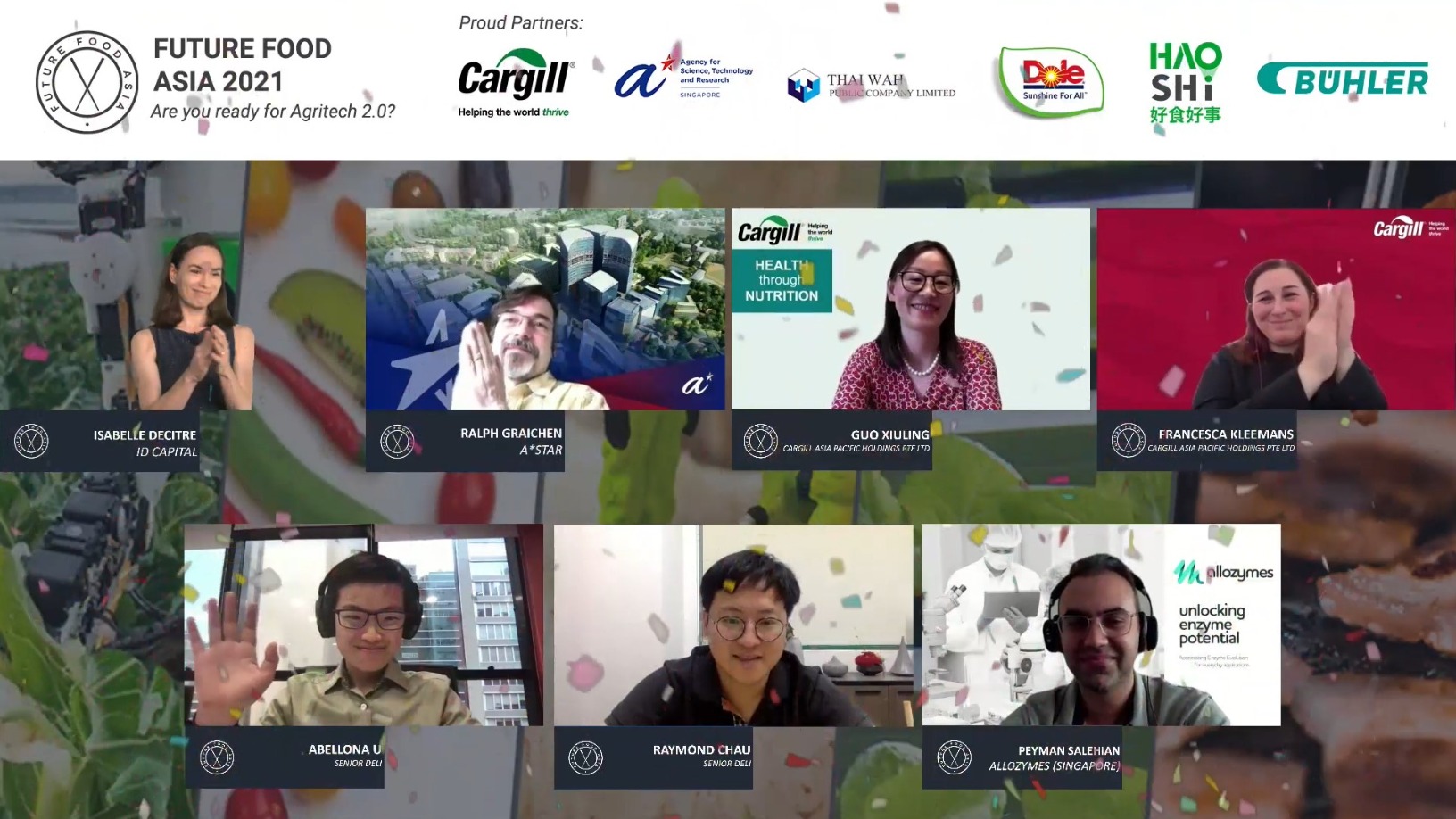
Accelerating Asia bets on unicorn wave from MSME digitalization, logistics
The investor-accelerator’s sixth batch will start accepting applications in December, with greater ESG focus and a pledge to donate 1% of profit on investments to charity
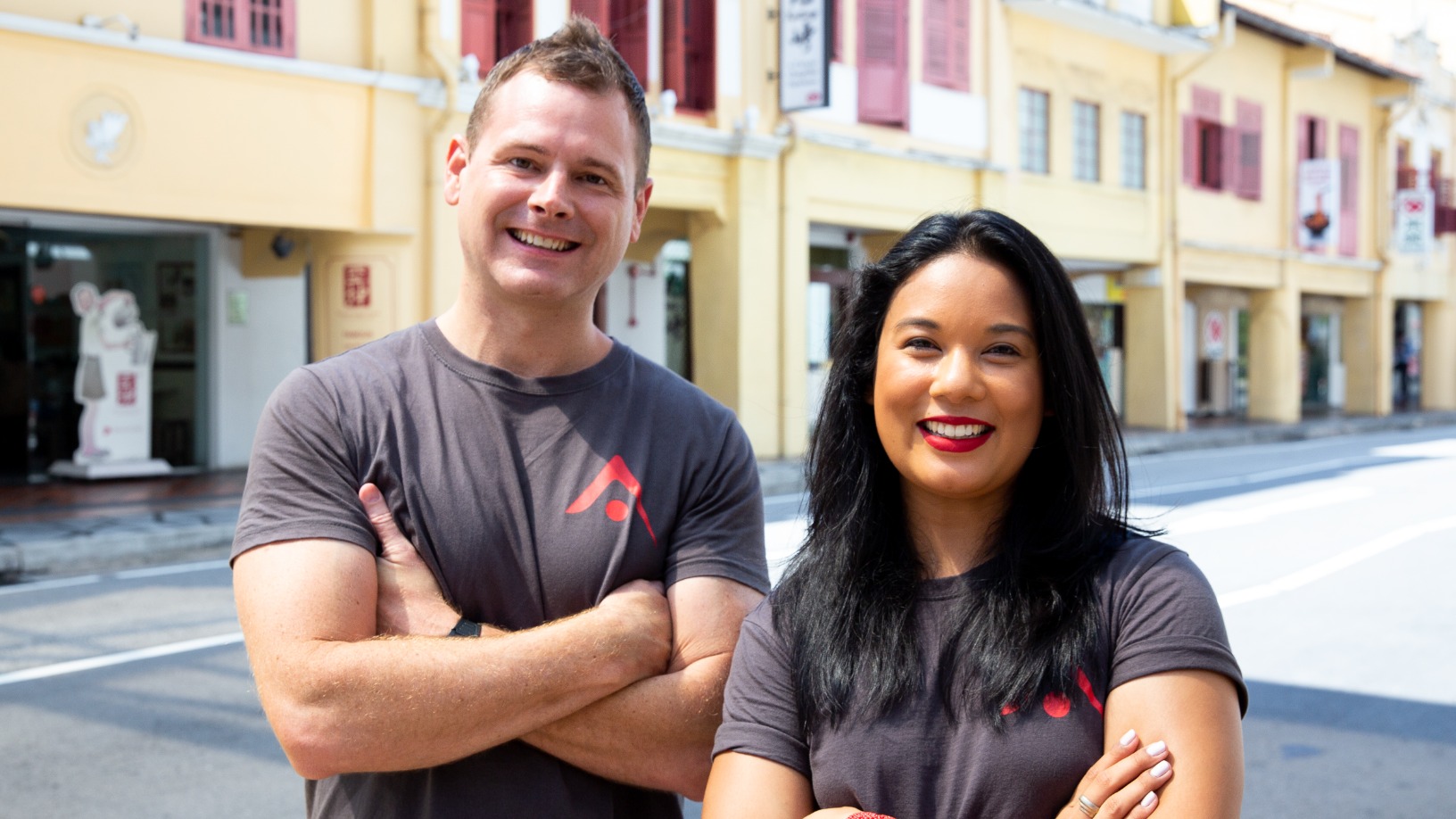
Future Food Asia 2021: Fireside chat with Green Monday's David Yeung
For Chinese startup Green Monday, it’s important to resonate with different local audiences by adapting to local culture and dietary habits and continuously fine-tuning existing products

SWITCH Singapore 2021: Tapping the $1tn sustainability market in Southeast Asia
Falling costs and simplified deployment of sustainability solutions will help boost adoption, especially in underprivileged communities
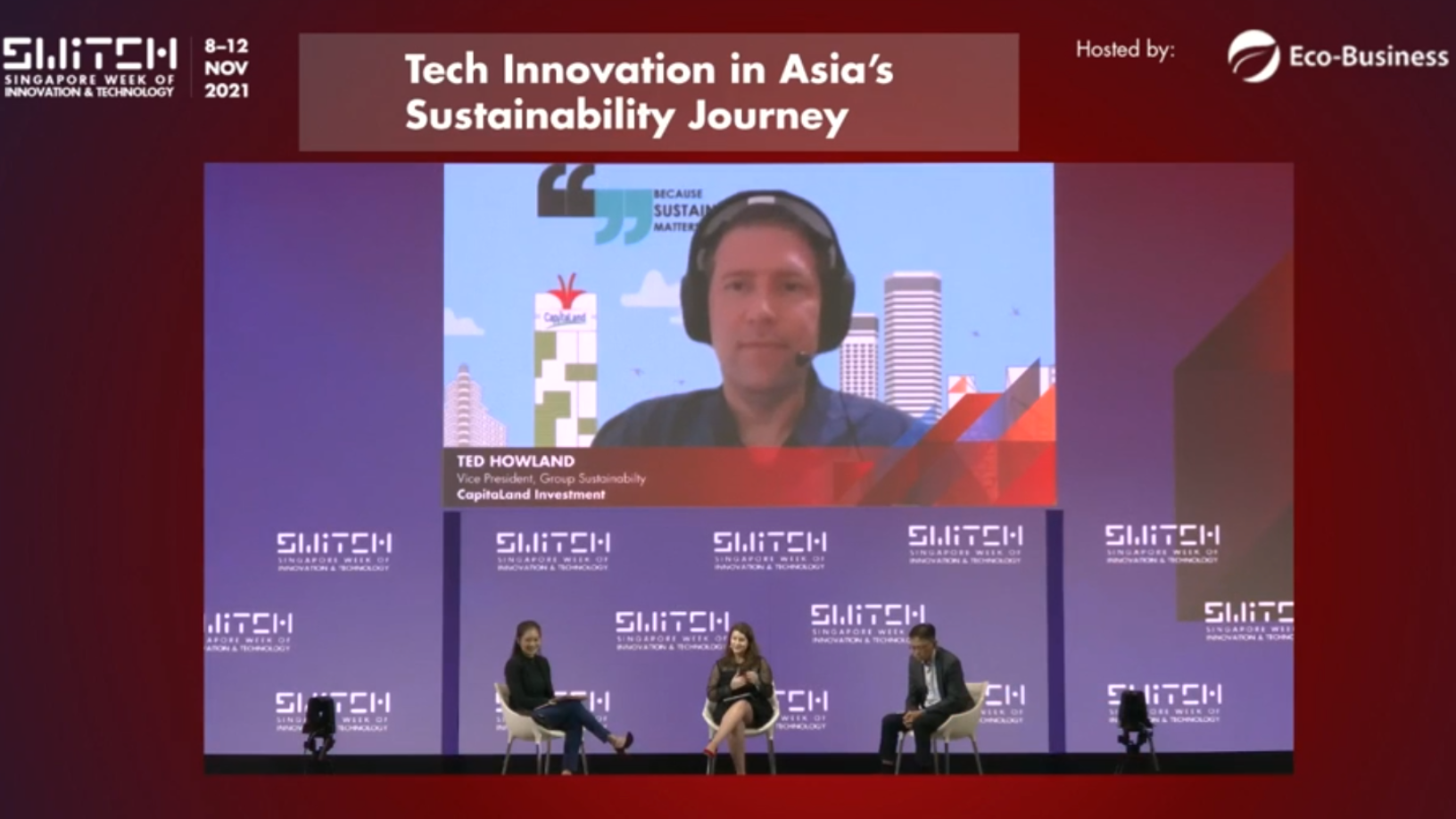
TheVentures founders launch Singapore VC to drive deals in Southeast Asia
The Korean Viki co-founders return to Singapore as venture builders and investors, offering South Korean partnerships and “CTO-as-a-service” in Southeast Asia

Dipole Tech: Using blockchain to democratize access to renewable energy in Asia
Having established key markets in the Philippines and Thailand, China’s Dipole Tech is next gaining ground at home for its energy trading app

Accelerating Asia's Amra Naidoo: We’re at an inflection point in Southeast Asia
Accelerating Asia’s co-founder Amra Naidoo reveals how the program adapts its curriculum to meet startups’ needs and the challenges accelerator programs face during the pandemic
Future Food Asia 2021: Long road ahead for the clean meat industry
Crucial basic research is still needed to ensure the safety, quality, and production efficiency of lab-grown meat. Concerted public and private sector efforts will accelerate progress

Sorry, we couldn’t find any matches for “Asia”.
POPULAR DATABASE