EIT
-
DATABASE (13)
-
ARTICLES (25)
Launched in 2015 in Brussels, EIT Food was established by the not-for-profit European Institute of Innovation & Technology (EIT) and funded by the European Union as an investor and accelerator. Its aim is to support mainly European startups in foodtech areas ranging from traceability to alternative proteins, with sustainability a key deciding factor in the startups it backs from pre-seed to Series-B level. The organization currently has 55 startups in its portfolio, which raised more than €91m in investments in 2020. Its most recent investments include 700,000 Swiss francs (€637,000) in the seed round in January 2021 of Swiss biotech SwissDeCode, a company that applies DNA testing to food traceability. Another investment was the December 2020 €900,000 seed round of Spanish compostable-packaging tech Food Sourcing Specialists.

Launched in 2015 in Brussels, EIT Food was established by the not-for-profit European Institute of Innovation & Technology (EIT) and funded by the European Union as an investor and accelerator. Its aim is to support mainly European startups in foodtech areas ranging from traceability to alternative proteins, with sustainability a key deciding factor in the startups it backs from pre-seed to Series-B level. The organization currently has 55 startups in its portfolio, which raised more than €91m in investments in 2020. Its most recent investments include 700,000 Swiss francs (€637,000) in the seed round in January 2021 of Swiss biotech SwissDeCode, a company that applies DNA testing to food traceability. Another investment was the December 2020 €900,000 seed round of Spanish compostable-packaging tech Food Sourcing Specialists.
EIT InnoEnergy, an initiative of the European Institute of Innovation and Technology (EI), offers startup entrepreneurs support in growing and scaling their businesses. It focuses on innovative clean-tech projects, offering mentorships and industry expertise through seed funding and an accelerator program. The network consists of 15 European clean-tech venture capitalists and 15 research institutes. To date, it has supported over 200 European startups working on initiatives aimed at boosting the prevalence of sustainable energy in the market.
EIT InnoEnergy, an initiative of the European Institute of Innovation and Technology (EI), offers startup entrepreneurs support in growing and scaling their businesses. It focuses on innovative clean-tech projects, offering mentorships and industry expertise through seed funding and an accelerator program. The network consists of 15 European clean-tech venture capitalists and 15 research institutes. To date, it has supported over 200 European startups working on initiatives aimed at boosting the prevalence of sustainable energy in the market.
Climate-KIC is an initiative supported by the European Institute of Innovation and Technology (EIT), whose focus is to create and support a community of entrepreneurs and mentors that jointly develop and produce innovative ideas facilitating the transition to a zero-carbon economy. Climate-KIC has launched various initiatives and acceleration programs across Europe targeted at growing startups that are tackling climate change, providing them with structure, assistance, mentoring and seed funding to develop low-carbon products and services.
Climate-KIC is an initiative supported by the European Institute of Innovation and Technology (EIT), whose focus is to create and support a community of entrepreneurs and mentors that jointly develop and produce innovative ideas facilitating the transition to a zero-carbon economy. Climate-KIC has launched various initiatives and acceleration programs across Europe targeted at growing startups that are tackling climate change, providing them with structure, assistance, mentoring and seed funding to develop low-carbon products and services.
CEO and Co-founder of Codemao (Bianchengmao)
Li studied Human Computer Interaction as an undergrad at Shandong University and later as a graduate student at Université Paris Sud, EIT ICT LABS Master School and Technische Universität Berlin. His first startup taught children English using one-on-one teaching methods and his second helped international students studying in France settle in. Before finishing his graduate studies, Li recognized the potential of a startup that teaches children coding. In 2014, he left his graduate program, giving up three master's degrees, to start Codemao with his classmate and business partner Sun Yue.

Li studied Human Computer Interaction as an undergrad at Shandong University and later as a graduate student at Université Paris Sud, EIT ICT LABS Master School and Technische Universität Berlin. His first startup taught children English using one-on-one teaching methods and his second helped international students studying in France settle in. Before finishing his graduate studies, Li recognized the potential of a startup that teaches children coding. In 2014, he left his graduate program, giving up three master's degrees, to start Codemao with his classmate and business partner Sun Yue.
COO and co-founder of iLoF
Mehak Mumtaz grew up in Pakistan and decided to study biochemistry when she saw her brother suffering from an unknown learning disability. Her parents, both medical doctors, could not get an accurate diagnosis for their son. In her search to understand the molecular mechanisms behind diseases, she applied to study at the University of Oxford. In 2008, she was granted the Reach Oxford Scholarship and graduated with a master’s in biochemistry in 2012. In 2015, the St Hilda’s alumna worked as an undergraduate tutor at Oxford while completing a PhD in pathology, specializing in oncology and cancer biology.In 2018, she worked on a rare cancer project as EIT Health Business Innovation fellow for a year. She left academia and joined a three-month bioentrepreneur bootcamp in Munich and a one-month Lev8 Woman Program at her alma mater’s Oxford Foundry. She joined EY-Parthenon in London as a strategy consultant in April 2019.In 2019, Mumtaz also met the iLoF co-founding team at the EIT Health Wild Card venture-building program. iLoF is a medtech startup that focuses on personalized medicine through the use of AI and photonics to create optical fingerprints in a cloud-based library to gather and manages disease biomarkers and biological profiles.She joined iLoF as COO and co-founder in December 2019 and left her full-time consultancy role at EY in March 2020.

Mehak Mumtaz grew up in Pakistan and decided to study biochemistry when she saw her brother suffering from an unknown learning disability. Her parents, both medical doctors, could not get an accurate diagnosis for their son. In her search to understand the molecular mechanisms behind diseases, she applied to study at the University of Oxford. In 2008, she was granted the Reach Oxford Scholarship and graduated with a master’s in biochemistry in 2012. In 2015, the St Hilda’s alumna worked as an undergraduate tutor at Oxford while completing a PhD in pathology, specializing in oncology and cancer biology.In 2018, she worked on a rare cancer project as EIT Health Business Innovation fellow for a year. She left academia and joined a three-month bioentrepreneur bootcamp in Munich and a one-month Lev8 Woman Program at her alma mater’s Oxford Foundry. She joined EY-Parthenon in London as a strategy consultant in April 2019.In 2019, Mumtaz also met the iLoF co-founding team at the EIT Health Wild Card venture-building program. iLoF is a medtech startup that focuses on personalized medicine through the use of AI and photonics to create optical fingerprints in a cloud-based library to gather and manages disease biomarkers and biological profiles.She joined iLoF as COO and co-founder in December 2019 and left her full-time consultancy role at EY in March 2020.
CEO and co-founder of HumanITcare
Núria Pastor is the CEO and co-founder of HumanITcare, a telemedicine platform for remote patient monitoring using real-world data and AI to treat patients affected by chronic diseases and also to accelerate drug development and clinical trials. Under the helm of Pastor the startup has doubled its user base and is poised to become a leading player in digital health. Pastor holds a bachelor’s in psychology from the University of Barcelona and a Masters in Research in neuroscience from the Autonomous University of Barcelona. Prior to HumanITcare, she worked as a researcher at the Hospital del Mar Research Institute and the University of Barcelona. She has also worked as Business Analyst in EIT Health and has mentored at the European Commission.

Núria Pastor is the CEO and co-founder of HumanITcare, a telemedicine platform for remote patient monitoring using real-world data and AI to treat patients affected by chronic diseases and also to accelerate drug development and clinical trials. Under the helm of Pastor the startup has doubled its user base and is poised to become a leading player in digital health. Pastor holds a bachelor’s in psychology from the University of Barcelona and a Masters in Research in neuroscience from the Autonomous University of Barcelona. Prior to HumanITcare, she worked as a researcher at the Hospital del Mar Research Institute and the University of Barcelona. She has also worked as Business Analyst in EIT Health and has mentored at the European Commission.
CTO and co-founder of iLoF
Joana Paiva graduated in 2014 with a master’s in biomedical engineering at the University of Coimbra in Portugal. She went on to complete a PhD in physics at the University of Porto in 2019.In 2014, she also worked at INESC Technology and Science for almost five years while completing her PhD thesis: Intelligent Lab on Fiber tools for sensing single-cells and extracellular nano-vesicles. It was her research that led to the founding of medtech startup iLoF.In August 2019, she co-founded iLoF as CTO. The Oxford-Oporto-based startup enables personalized medicine through the use of AI and photonics to create optical fingerprints in a cloud-based library to collate disease biomarkers and biological profiles.Based in Porto, she is also a co-inventor with three patents and 29 scientific publications. She is one of Forbes 30 Under 30 for science and healthcare and was nominated for the EIT Woman Award 2020.

Joana Paiva graduated in 2014 with a master’s in biomedical engineering at the University of Coimbra in Portugal. She went on to complete a PhD in physics at the University of Porto in 2019.In 2014, she also worked at INESC Technology and Science for almost five years while completing her PhD thesis: Intelligent Lab on Fiber tools for sensing single-cells and extracellular nano-vesicles. It was her research that led to the founding of medtech startup iLoF.In August 2019, she co-founded iLoF as CTO. The Oxford-Oporto-based startup enables personalized medicine through the use of AI and photonics to create optical fingerprints in a cloud-based library to collate disease biomarkers and biological profiles.Based in Porto, she is also a co-inventor with three patents and 29 scientific publications. She is one of Forbes 30 Under 30 for science and healthcare and was nominated for the EIT Woman Award 2020.
Co-founder, CTO of Meatable
Daan Luining is the Dutch co-founder and CTO at cell-based meat startup Meatable, the first to claim a highly scalable culture technology, where he has worked since 2018. He is also a research director at the Cellular Agriculture Society in Leiden, a joint initiative for cell-based startups to share knowledge and to collaborate on projects to further scale the sector. Luining is also on the board of directors at the not-for-profit Cultured Meat Foundation that promotes sector innovation. His past posts have all been in the area of research, either as a researcher or a technician, and at the same time as completing studies. His last job was as a research strategist at New York-based New Harvest, a callular food rsearch funding body, where he worked for a year and met Dr. Kotter, the inventor of Meatable’s cellular technology. His research positions from 2009–15 were in the area of cell culture, mass spectrometry and DNA sequencing at the Maastricht University, University Medical Center Amsterdam, Utrecht University and Leiden University. Luining holds a master’s in biological sciences from Leiden University in the Netherlands.

Daan Luining is the Dutch co-founder and CTO at cell-based meat startup Meatable, the first to claim a highly scalable culture technology, where he has worked since 2018. He is also a research director at the Cellular Agriculture Society in Leiden, a joint initiative for cell-based startups to share knowledge and to collaborate on projects to further scale the sector. Luining is also on the board of directors at the not-for-profit Cultured Meat Foundation that promotes sector innovation. His past posts have all been in the area of research, either as a researcher or a technician, and at the same time as completing studies. His last job was as a research strategist at New York-based New Harvest, a callular food rsearch funding body, where he worked for a year and met Dr. Kotter, the inventor of Meatable’s cellular technology. His research positions from 2009–15 were in the area of cell culture, mass spectrometry and DNA sequencing at the Maastricht University, University Medical Center Amsterdam, Utrecht University and Leiden University. Luining holds a master’s in biological sciences from Leiden University in the Netherlands.
Led by co-founder and Managing Partner Alexandre Barbosa, Faber Ventures is a pan-European venture capital firm with offices in Lisbon and London. It was founded in 2012 with VCs Caixa Capital and Shilling Capital Partners investors in Faber Ventures.The firm works alongside founders from idea to market, either as co-founders or angel investors, and typically continues to support the startup as seed co-investors. Faber Ventures also supports startups at the seed stage with financial investment and hands-on mentorship. The company has invested in 19 startups to date in varied sectors and managed two exits, Glitter and Gleam.
Led by co-founder and Managing Partner Alexandre Barbosa, Faber Ventures is a pan-European venture capital firm with offices in Lisbon and London. It was founded in 2012 with VCs Caixa Capital and Shilling Capital Partners investors in Faber Ventures.The firm works alongside founders from idea to market, either as co-founders or angel investors, and typically continues to support the startup as seed co-investors. Faber Ventures also supports startups at the seed stage with financial investment and hands-on mentorship. The company has invested in 19 startups to date in varied sectors and managed two exits, Glitter and Gleam.
HATCH is an aquaculture-tech-focused accelerator program initiated by the aquaculture-focused seed VC investor Alimentos Ventures to help related startups reach commercialization and access further funding. Its inaugural program was held in Bergen, Norway, followed by a second batch in Cork, Ireland. Successful applicants get €50,000 cash and possible subsequent funding, plus free office space for up to 12 months in either of HATCH's offices in Bergen and Singapore. Its international partners include food corporates, state entities and aquaculture groups.

HATCH is an aquaculture-tech-focused accelerator program initiated by the aquaculture-focused seed VC investor Alimentos Ventures to help related startups reach commercialization and access further funding. Its inaugural program was held in Bergen, Norway, followed by a second batch in Cork, Ireland. Successful applicants get €50,000 cash and possible subsequent funding, plus free office space for up to 12 months in either of HATCH's offices in Bergen and Singapore. Its international partners include food corporates, state entities and aquaculture groups.
Portuguese venture capital firm Best Horizon was established in 2014. Since then, its portfolio has grown to about 50 companies based in Portugal, Spain, the Netherlands, Brazil and the US. The firm has €3m in two investment vehicles for pre-seed and seed investments in tech companies that either have their headquarters or a subsidiary in the North, Centre, Alentejo and Azores regions of Portugal.

Portuguese venture capital firm Best Horizon was established in 2014. Since then, its portfolio has grown to about 50 companies based in Portugal, Spain, the Netherlands, Brazil and the US. The firm has €3m in two investment vehicles for pre-seed and seed investments in tech companies that either have their headquarters or a subsidiary in the North, Centre, Alentejo and Azores regions of Portugal.
Easo Ventures is a Spanish early-stage VC established in 2018 in the Basque city of San Sebastian, offering selected companies either €50,000 or €100,000 according to their development stage. It currently has 29 companies in its portfolio across verticals and technologies, but all must be based in Spain. Its most recent investments include the €2m seed round of medtech IOMED Medical Solutions, which converts medical text into extractable data, and the €1.2m post-seed round of drone company Alerion.

Easo Ventures is a Spanish early-stage VC established in 2018 in the Basque city of San Sebastian, offering selected companies either €50,000 or €100,000 according to their development stage. It currently has 29 companies in its portfolio across verticals and technologies, but all must be based in Spain. Its most recent investments include the €2m seed round of medtech IOMED Medical Solutions, which converts medical text into extractable data, and the €1.2m post-seed round of drone company Alerion.
Roger Federer, the Swiss 20-times Grand Slam tennis champion, has turned into an angel investor while planning his professional life beyond and after his tennis sports career.In 2019, he invested in On, the Swiss running shoe manufacturer for an undisclosed funding amount. Federer currently has no formal role in the company but he’s actively involved in its R&D and product development. “I feel like I can give input on any of the lines, the shoes, anything moving forward. I can give my opinion on anything and On can either take it or leave it. I feel like [with] a major brand like Nike, that's literally impossible. It just wouldn't work,” he has said.More recently, Federer participated in a Series D funding round backing the first Chilean unicorn NotCo, which sells plant-based food and beverage products across Latin America and the US.

Roger Federer, the Swiss 20-times Grand Slam tennis champion, has turned into an angel investor while planning his professional life beyond and after his tennis sports career.In 2019, he invested in On, the Swiss running shoe manufacturer for an undisclosed funding amount. Federer currently has no formal role in the company but he’s actively involved in its R&D and product development. “I feel like I can give input on any of the lines, the shoes, anything moving forward. I can give my opinion on anything and On can either take it or leave it. I feel like [with] a major brand like Nike, that's literally impossible. It just wouldn't work,” he has said.More recently, Federer participated in a Series D funding round backing the first Chilean unicorn NotCo, which sells plant-based food and beverage products across Latin America and the US.
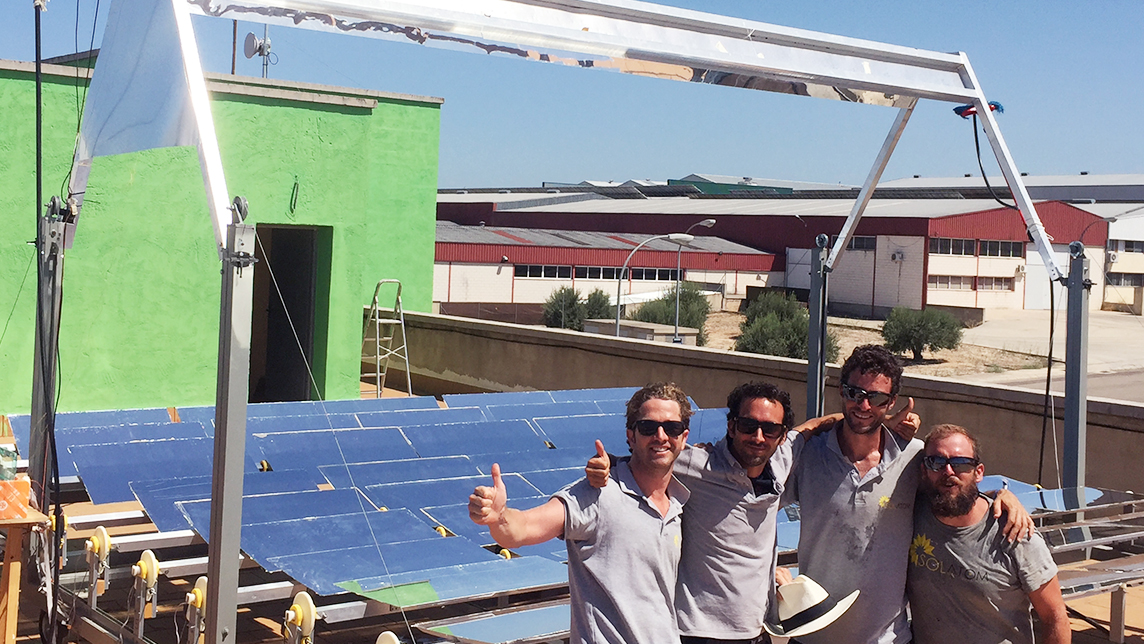
Solatom: Cost-effective flatpack mobile solar energy units for SMEs
Solatom's turnkey solar thermal solutions can cut energy costs by 37%. Its real-time data analytics can also be used to ensure that the industrial processing units are operating at optimal conditions
Feedect provides nutritional insect protein to feed the future
Feedect farms insects to produce high-quality protein alternatives for animal and human food

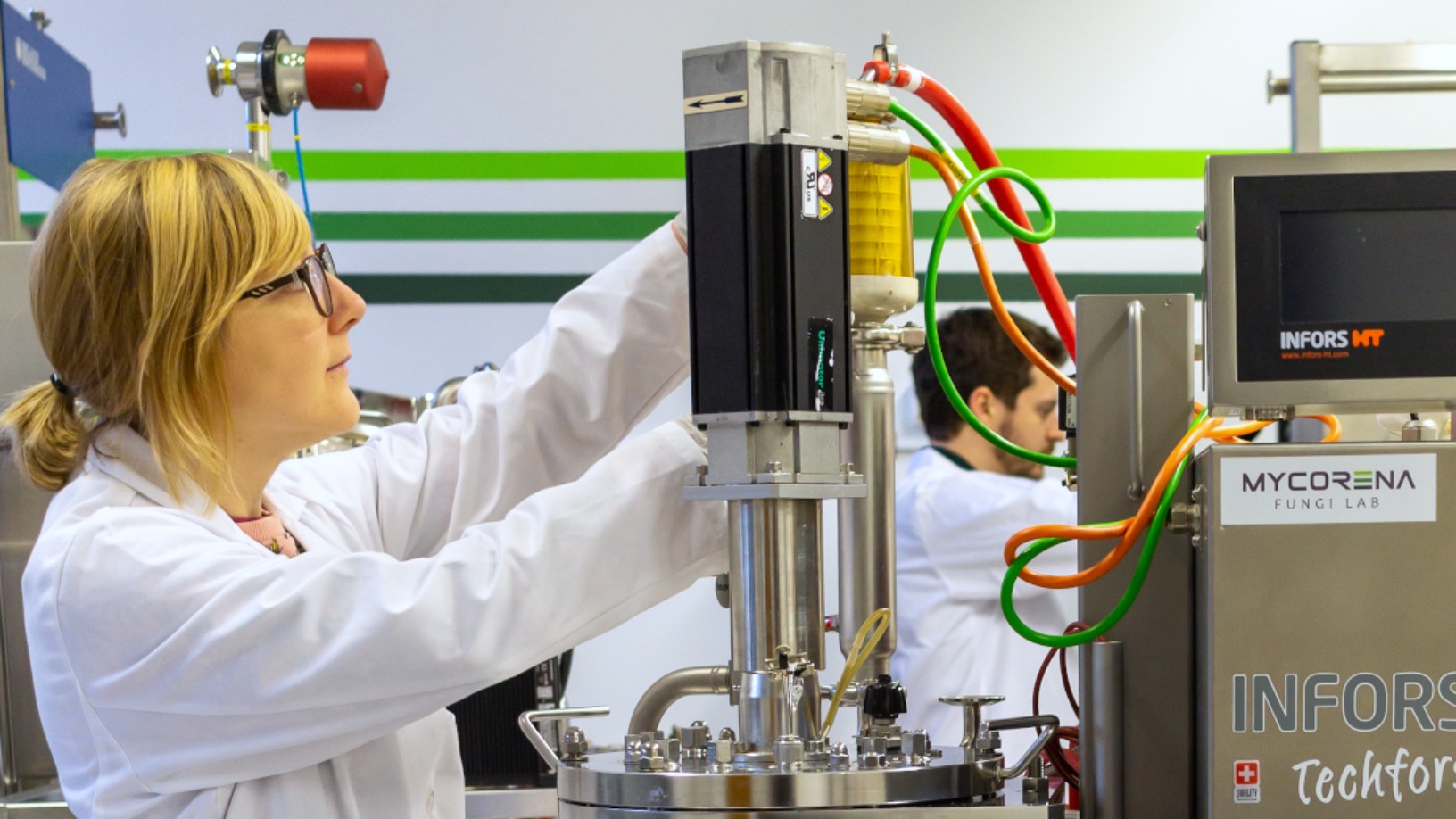
Mycorena: Fungi-based vegan protein challenging traditional plant-based ingredients
Award-winning Swedish biotech startup is scaling production of mycoprotein to become a key player in the emerging market for functional proteins
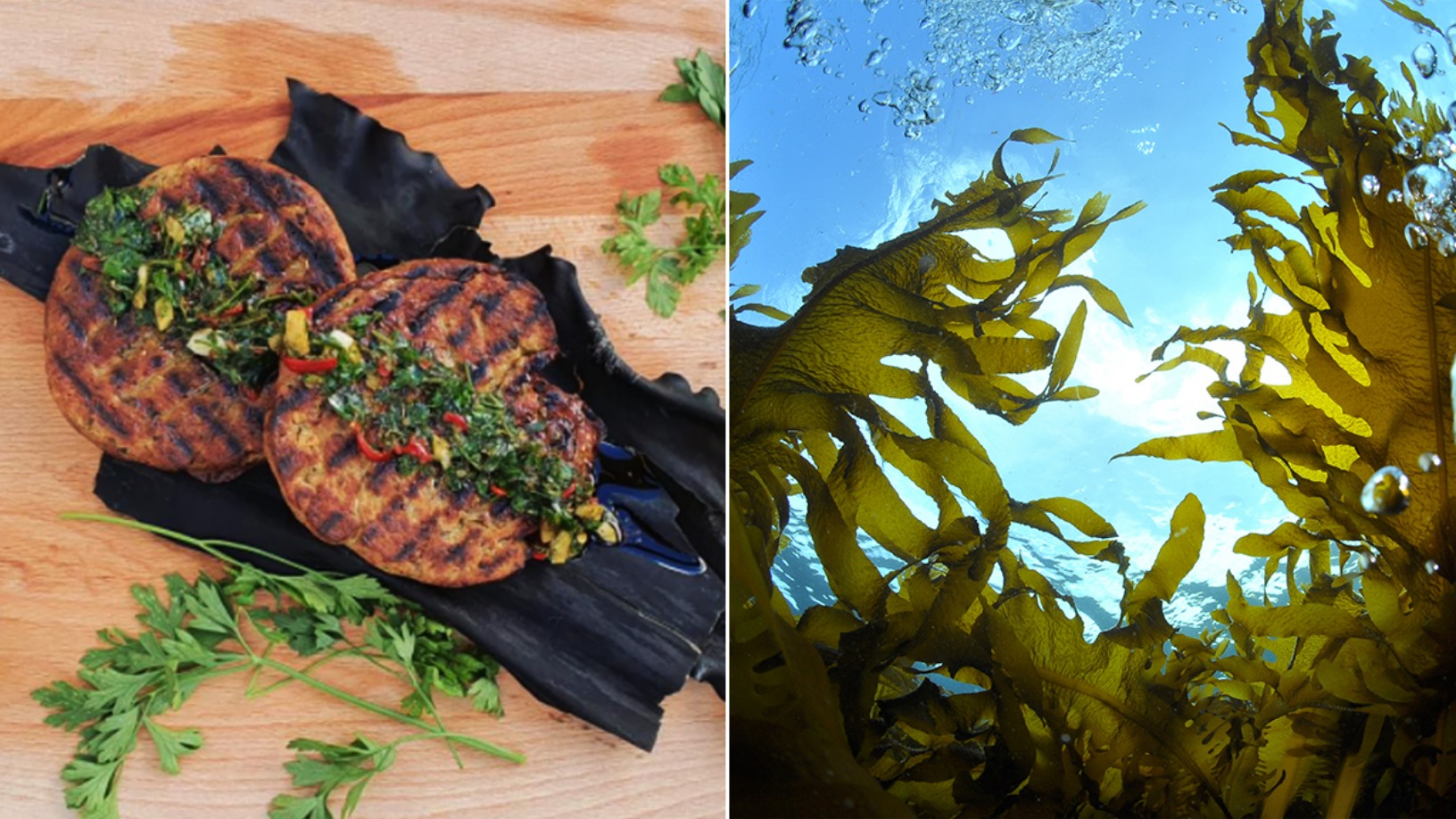
Plantruption: Transforming Irish seaweed into sustainable alt-protein seafood
Using abundant local seaweed as highly nutritious, eco-friendly alternatives to fish, the Dublin-based startup is gearing up to tap into new markets in Europe and the US
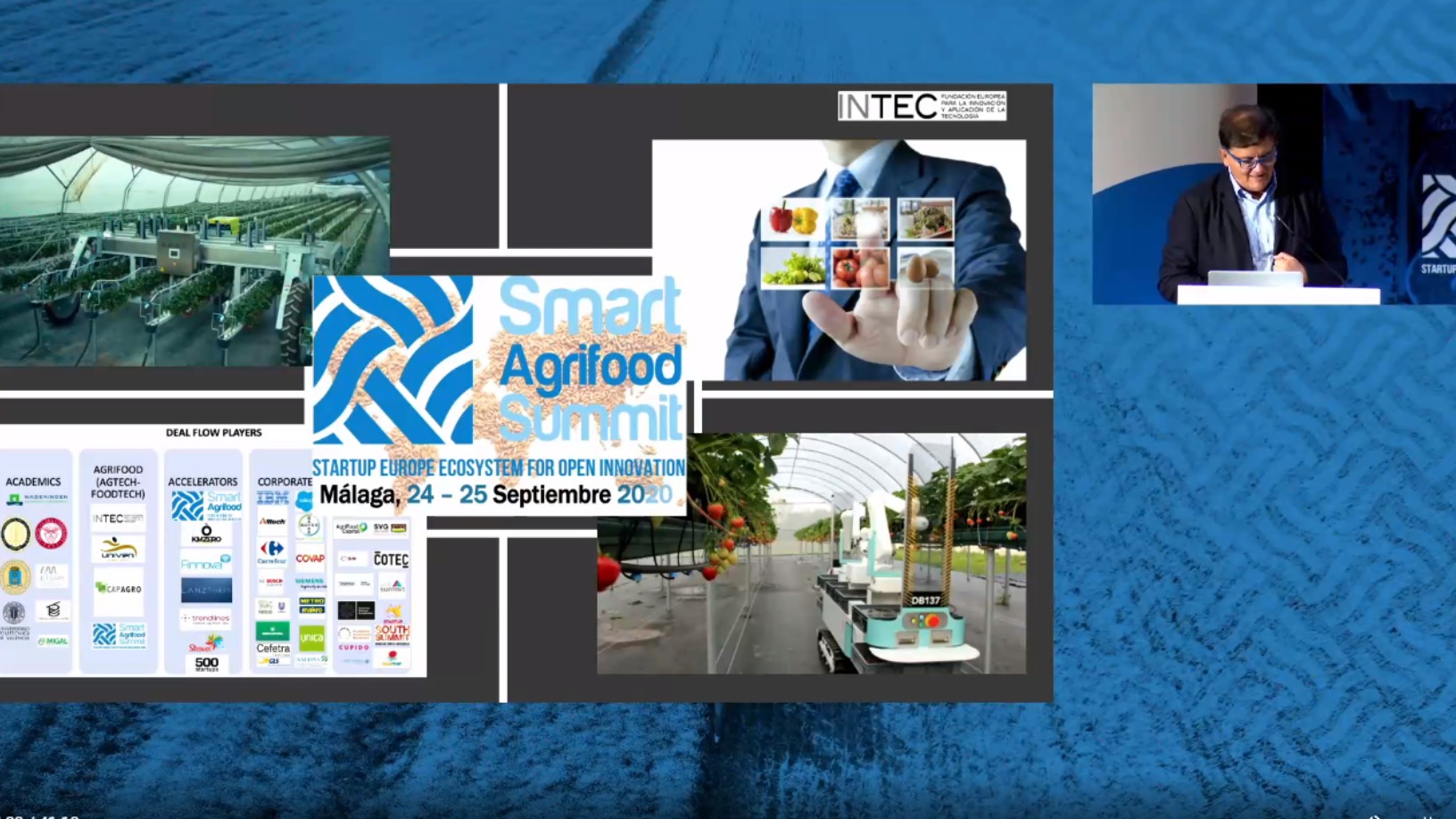
European agritech is the new global focus, as startup investments nearly doubled in 2019
Last year, European agritech surpassed China for the first time in investments received, with openings in multiple subsectors from big data to blockchain
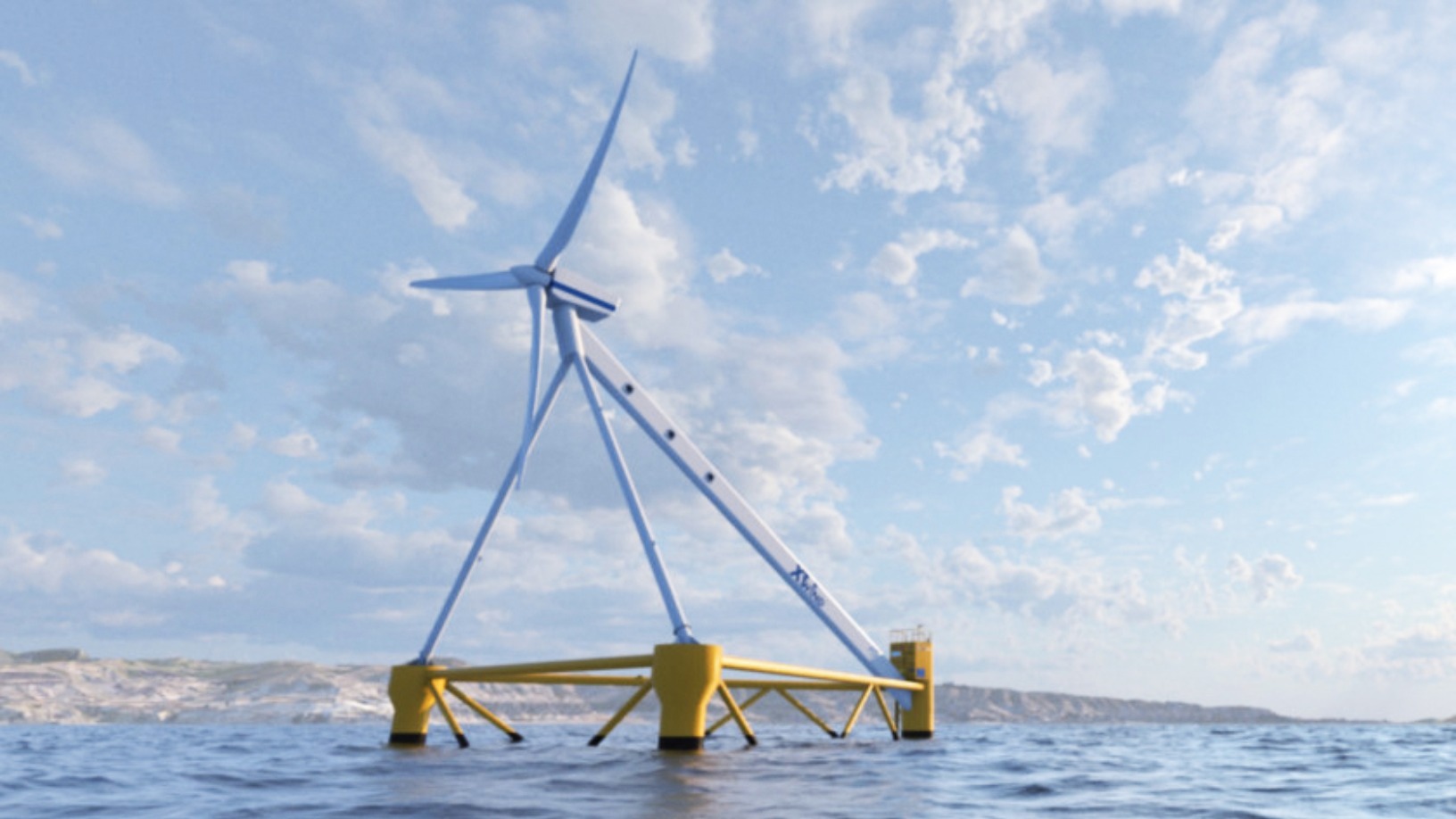
X1 Wind's PivotBuoy: Innovative floating platform to help scale offshore wind energy
With a downwind turbine on its patented single point mooring system, Spanish startup X1 Wind aims to disrupt the market with light, cheaper and easy to install offshore platforms
Heura by Foods for Tomorrow: Another new kid on the multibillion-dollar alternative protein market
Already selling in nine countries, Heura’s recent entry into the UK, Europe's largest market for meat substitutes, could prove its biggest test to date

Bound4Blue’s aeronautical tech propels first sustainable shipping vessel in the Pacific
Winning €5m fresh funding, Bound4Blue also scores with its EC-backed pilot, the first of its kind, offering new possibilities to cargo vessels seeking sustainable transportation

Catalonia: Spain's fast-rising robotics hub and next opportunity
With the robotics sector on the rise in Catalonia, expect to see more growth ahead, driving opportunities in related segments, especially services

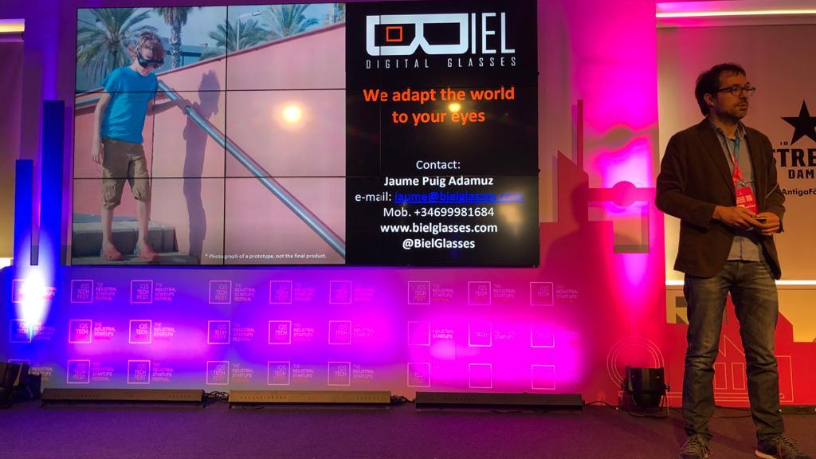
Biel Glasses: A pioneering solution for low vision sufferers
Biel Glasses offers a life-changing technology for people with low vision, a condition that is seven times more common than blindness
- 1
- 2
Sorry, we couldn’t find any matches for “EIT”.
POPULAR DATABASE