Innovation Nest
-
DATABASE (144)
-
ARTICLES (255)
H&M Foundation is a non-profit foundation established in 2013. It is privately funded by the Stefan Persson family, the founders and major shareholders of the H&M Group, who have donated SEK 1.5 billion to it to date. The foundation aims to help accelerate progress towards the UN Sustainable Development Goals 2030, by developing, funding and sharing solutions to address the world’s most urgent issues. It has a particular focus on promoting a planet-positive fashion industry and on building inclusive societies.Tackling mostly challenges associated with the fast fashion industry and its supply chain, H&M Foundation advocates for more sustainable practices across the fashion value chain and more inclusive business practices. The foundation is also actively involved in providing emergency relief for natural disasters or pandemics. It also aims to encourage innovation that promotes social change and sustainability. To this end, it provides startups support in accelerating and scale new technologies. It also runs the Global Change Award. Dubbed the Nobel Prize of fashion, this aims to recognise disruptive innovations that have the potential to make fashion more sustainable, and transform the way garments are designed, produced, shipped, bought, used and recycled.

H&M Foundation is a non-profit foundation established in 2013. It is privately funded by the Stefan Persson family, the founders and major shareholders of the H&M Group, who have donated SEK 1.5 billion to it to date. The foundation aims to help accelerate progress towards the UN Sustainable Development Goals 2030, by developing, funding and sharing solutions to address the world’s most urgent issues. It has a particular focus on promoting a planet-positive fashion industry and on building inclusive societies.Tackling mostly challenges associated with the fast fashion industry and its supply chain, H&M Foundation advocates for more sustainable practices across the fashion value chain and more inclusive business practices. The foundation is also actively involved in providing emergency relief for natural disasters or pandemics. It also aims to encourage innovation that promotes social change and sustainability. To this end, it provides startups support in accelerating and scale new technologies. It also runs the Global Change Award. Dubbed the Nobel Prize of fashion, this aims to recognise disruptive innovations that have the potential to make fashion more sustainable, and transform the way garments are designed, produced, shipped, bought, used and recycled.
Former technical development lead and co-founder of Graviky Labs
Nitesh Kadyan (also known as Nitesh Kumar) is a computer scientist, robotics engineer, inventor, maker and hacker. He was one of the three co-founders of Graviky Labs, a startup producing ink from captured carbon emissions. He worked at Graviky Labs from 2016–2018, during which he led its hardware development and prototyping. Currently, he works as a senior creative technologist at Lowe's Innovation Labs India.Kadyan holds a degree in computer science from the International Institute of Information Technology, Bangalore and did a research stint on AI and robotics at Freie University, Berlin. His background includes expertise in machine learning and embedded systems. Kadyan’s past projects include self-driving model cars, autonomous smart wheelchairs, an augmented reality interface for laser cutting, as well as machines that sketch and draw. He also founded a startup that does 3D printing in nearly any material, from plastic and metallic clay to chocolate, playdoh and fabric, and which was incubated at MIT Global Startup Labs 2014.Kadyan was named one of Foreign Policy magazine’s Top 100 Global Thinkers in 2016. He is a recipient of the Campus Diaries 25 Under 25 award, and is a two-time speaker at TEDx.

Nitesh Kadyan (also known as Nitesh Kumar) is a computer scientist, robotics engineer, inventor, maker and hacker. He was one of the three co-founders of Graviky Labs, a startup producing ink from captured carbon emissions. He worked at Graviky Labs from 2016–2018, during which he led its hardware development and prototyping. Currently, he works as a senior creative technologist at Lowe's Innovation Labs India.Kadyan holds a degree in computer science from the International Institute of Information Technology, Bangalore and did a research stint on AI and robotics at Freie University, Berlin. His background includes expertise in machine learning and embedded systems. Kadyan’s past projects include self-driving model cars, autonomous smart wheelchairs, an augmented reality interface for laser cutting, as well as machines that sketch and draw. He also founded a startup that does 3D printing in nearly any material, from plastic and metallic clay to chocolate, playdoh and fabric, and which was incubated at MIT Global Startup Labs 2014.Kadyan was named one of Foreign Policy magazine’s Top 100 Global Thinkers in 2016. He is a recipient of the Campus Diaries 25 Under 25 award, and is a two-time speaker at TEDx.
Co-CEO, co-founder of Psquared
Argentinian native Nicolas Araujo Müller is co-CEO and co-founder at Psquared, Spain’s first flexible workplace management and design company for hybrid workspaces. He has worked there since its foundation in April 2018, originally as part of startup hub CoBuilder, and is now its CFO. He is also a part-time advisor and investor at startup development agency We Are Grit, since its launch in 2020.Earlier, Araujo was CFO and co-founder at digital talent agency Bandit, for two years, until 2017. Before that, he held the same roles at his previous Barcelona-based startup, Nubelo, another tech recruitment agency for freelancers, between 2012 and 2016, when it was acquired by Freelancer.com. In 2016, Araujo was a visiting professor at the Autonomous University of Barcelona on digital economy.His first startup was Work At Home in Argentina, where he was a co-founder for two years from 2011–13, for which he won local innovation prizes. Prior to this, Araujo held various management consultancy roles, working in business analysis and research at Ernst & Young, Standard & Poor’s and Accenture, from 2008–2012, and completed a stint at the US embassy in Buenos Aires. He is also a founding member of Argentina’s entrepreneur organization, ASEA, established in 2013. Araujo holds a degree in economics from CEMA University, Buenos Aires and a qualification from Harvard University in negotiation. In 2017 and 2013, Araujo was named in Forbes Argentina’s 30 Promesas list of young entrepreneurs.

Argentinian native Nicolas Araujo Müller is co-CEO and co-founder at Psquared, Spain’s first flexible workplace management and design company for hybrid workspaces. He has worked there since its foundation in April 2018, originally as part of startup hub CoBuilder, and is now its CFO. He is also a part-time advisor and investor at startup development agency We Are Grit, since its launch in 2020.Earlier, Araujo was CFO and co-founder at digital talent agency Bandit, for two years, until 2017. Before that, he held the same roles at his previous Barcelona-based startup, Nubelo, another tech recruitment agency for freelancers, between 2012 and 2016, when it was acquired by Freelancer.com. In 2016, Araujo was a visiting professor at the Autonomous University of Barcelona on digital economy.His first startup was Work At Home in Argentina, where he was a co-founder for two years from 2011–13, for which he won local innovation prizes. Prior to this, Araujo held various management consultancy roles, working in business analysis and research at Ernst & Young, Standard & Poor’s and Accenture, from 2008–2012, and completed a stint at the US embassy in Buenos Aires. He is also a founding member of Argentina’s entrepreneur organization, ASEA, established in 2013. Araujo holds a degree in economics from CEMA University, Buenos Aires and a qualification from Harvard University in negotiation. In 2017 and 2013, Araujo was named in Forbes Argentina’s 30 Promesas list of young entrepreneurs.
Co-CEO and Co-founder of Notpla (formerly Skipping Rocks Lab)
Rodrigo García González graduated in Architecture at the Technical University of Madrid (ETSAM) in 2009 and also completed various PhD courses in advanced architecture at his alma mater.In 2006, the architect student joined an EU Asia-Link sustainable humane habitat program that included stints at the Centre for Environmental Planning and Technology (CEPT) University in India. He also won a SMILE scholarship to study industrial design at Pontificia Universidad Católica in Chile for one year. In 2011, he obtained a scholarship to study industrial design and business at Umeå Institute of Design in Sweden. In 2014, he completed two master’s programs in innovation design engineering run by London’s Imperial College and Royal College of Art.In July 2014, he co-founded Skipping Rocks Lab, that was later pivoted into Notpla, a UK-based startup that develops compostable and edible packaging materials made of seaweed and other plants.Since 2007, he has worked with various institutions in Europe, Latin America and the US including Cornell University, CEPT, Imperial College and Royal College of Art. In 2016, he became a senior lecturer for a degree program in product and furniture design at Kingston University.He has two patents for his work on structural and deployable systems. His designs have also been featured in prestigious art centers like the Cite de l'Architecture of Paris and the Venice Biennale of Architecture.Other projects include the Hop! suitcase that can follow the user by tracking the signal of the user’s mobile phone and Aer, an artificial cloud that can evaporate “drinkable” water from the sea. He also developed Zipizip, an architectural system that enables the construction of several floors of a building in a few hours.

Rodrigo García González graduated in Architecture at the Technical University of Madrid (ETSAM) in 2009 and also completed various PhD courses in advanced architecture at his alma mater.In 2006, the architect student joined an EU Asia-Link sustainable humane habitat program that included stints at the Centre for Environmental Planning and Technology (CEPT) University in India. He also won a SMILE scholarship to study industrial design at Pontificia Universidad Católica in Chile for one year. In 2011, he obtained a scholarship to study industrial design and business at Umeå Institute of Design in Sweden. In 2014, he completed two master’s programs in innovation design engineering run by London’s Imperial College and Royal College of Art.In July 2014, he co-founded Skipping Rocks Lab, that was later pivoted into Notpla, a UK-based startup that develops compostable and edible packaging materials made of seaweed and other plants.Since 2007, he has worked with various institutions in Europe, Latin America and the US including Cornell University, CEPT, Imperial College and Royal College of Art. In 2016, he became a senior lecturer for a degree program in product and furniture design at Kingston University.He has two patents for his work on structural and deployable systems. His designs have also been featured in prestigious art centers like the Cite de l'Architecture of Paris and the Venice Biennale of Architecture.Other projects include the Hop! suitcase that can follow the user by tracking the signal of the user’s mobile phone and Aer, an artificial cloud that can evaporate “drinkable” water from the sea. He also developed Zipizip, an architectural system that enables the construction of several floors of a building in a few hours.
Co-founder and CMO of Pakde
Maria Octavyani Manao graduated from Universitas Indonesia with a bachelor's degree in Psychology in 2012. She had interned at Unilever's human resources and upon graduation, joined one of its companies, Nestle. Maria left Nestle in 2014, working at other companies before establishing logistics service startup Pakde in 2017.

Maria Octavyani Manao graduated from Universitas Indonesia with a bachelor's degree in Psychology in 2012. She had interned at Unilever's human resources and upon graduation, joined one of its companies, Nestle. Maria left Nestle in 2014, working at other companies before establishing logistics service startup Pakde in 2017.
CEO and Co-founder of Nusantics
Self-styled “bio-based economy enabler”, Sharlini Eriza Putri has held various industrial engineering roles since graduating in 2009 with a bachelor's in Chemical Engineering from Institut Teknologi Bandung. She joined Nestle as a management trainee and later became a process engineer until 2013. She left Nestle to read a master's in Sustainable Energy (Mechanical Engineering) at Imperial College London. In 2015, she started an independent consultancy for sustainable energy in Jakarta.In 2016, she became the head of center of excellence for the sugar industry conglomerate Samora Group. In 2019, she set up Nusantics to sell skincare products with natural ingredients. In 2020, Putri left Samora to work full-time at Nusantics as CEO.

Self-styled “bio-based economy enabler”, Sharlini Eriza Putri has held various industrial engineering roles since graduating in 2009 with a bachelor's in Chemical Engineering from Institut Teknologi Bandung. She joined Nestle as a management trainee and later became a process engineer until 2013. She left Nestle to read a master's in Sustainable Energy (Mechanical Engineering) at Imperial College London. In 2015, she started an independent consultancy for sustainable energy in Jakarta.In 2016, she became the head of center of excellence for the sugar industry conglomerate Samora Group. In 2019, she set up Nusantics to sell skincare products with natural ingredients. In 2020, Putri left Samora to work full-time at Nusantics as CEO.
KapanLagi Network (KLN) is a media company that was co-founded in 2003 by Steve Christian and Eka Wiharto. Originally launched as KapanLagi.com, it was later expanded with the additions of specialist platforms such as the news portal Merdeka.com and football website Bola.net. KLN later merged with the Fimela Network of lifestyle websites in 2014, transforming the group into one of Indonesia’s major online content and media services player. KLN is 52% owned by Singapore’s MediaCorp, with well-known clients like Bank Mandiri, Telkomsel, Allianz and Nestle.

KapanLagi Network (KLN) is a media company that was co-founded in 2003 by Steve Christian and Eka Wiharto. Originally launched as KapanLagi.com, it was later expanded with the additions of specialist platforms such as the news portal Merdeka.com and football website Bola.net. KLN later merged with the Fimela Network of lifestyle websites in 2014, transforming the group into one of Indonesia’s major online content and media services player. KLN is 52% owned by Singapore’s MediaCorp, with well-known clients like Bank Mandiri, Telkomsel, Allianz and Nestle.
Headquartered in Madrid with satellite offices in Barcelona, London, Seattle and New York, Alma Mundi is a venture fund that aims to connect Spanish and Latin American entrepreneurs. Alma Mundi’s investments range between €500,000 and €5 million.Alma Mundi offers its investee companies direct access to a global network of investors and industry experts in leading technology ecosystems. Called the Mundi Club, the group comprises over 700 members from 41 cities worldwide. The group’s board members include advisers and executives from Merck, Havas, PepsiCo, Carrefour, Nestlé and HP.

Headquartered in Madrid with satellite offices in Barcelona, London, Seattle and New York, Alma Mundi is a venture fund that aims to connect Spanish and Latin American entrepreneurs. Alma Mundi’s investments range between €500,000 and €5 million.Alma Mundi offers its investee companies direct access to a global network of investors and industry experts in leading technology ecosystems. Called the Mundi Club, the group comprises over 700 members from 41 cities worldwide. The group’s board members include advisers and executives from Merck, Havas, PepsiCo, Carrefour, Nestlé and HP.
Founded in Chicago in 2011, Hyde Park invests in Midwestern US and occasionally Canadian startups from early-stage usually through two investment rounds across tech sectors. It currently has 62 startups in its portfolio and has managed 12 exits to date. Its most recent investments in January 2021 include Canadian e-commerce site BlackCart’s $8.8m Series A round and US podcast database Podchaser’s $5.7m Series A round. In November 2020, it invested in real estate productivity software NestEgg’s $7m Series A round.

Founded in Chicago in 2011, Hyde Park invests in Midwestern US and occasionally Canadian startups from early-stage usually through two investment rounds across tech sectors. It currently has 62 startups in its portfolio and has managed 12 exits to date. Its most recent investments in January 2021 include Canadian e-commerce site BlackCart’s $8.8m Series A round and US podcast database Podchaser’s $5.7m Series A round. In November 2020, it invested in real estate productivity software NestEgg’s $7m Series A round.
In Portugal tourism tech gets disrupted, in time for post-Covid-19 era
As Portugal reopens to tourists early next month, the sector is banking on a new generation of tourism tech startups to enable safety and reassure visitors

In-store robots and online doctors serve customers 24/7 at Dingdang Medicine Express
Dingdang also offers cheaper medicines and 28-minute home delivery, thanks to its innovative logistics and partnership models

Portugal's Prodsmart takes AI, IoT-based manufacturing to US factories
Smart factories can cut wastage by 80% and improve inventory, production and supply chains, tackling US$200 billion worth of losses
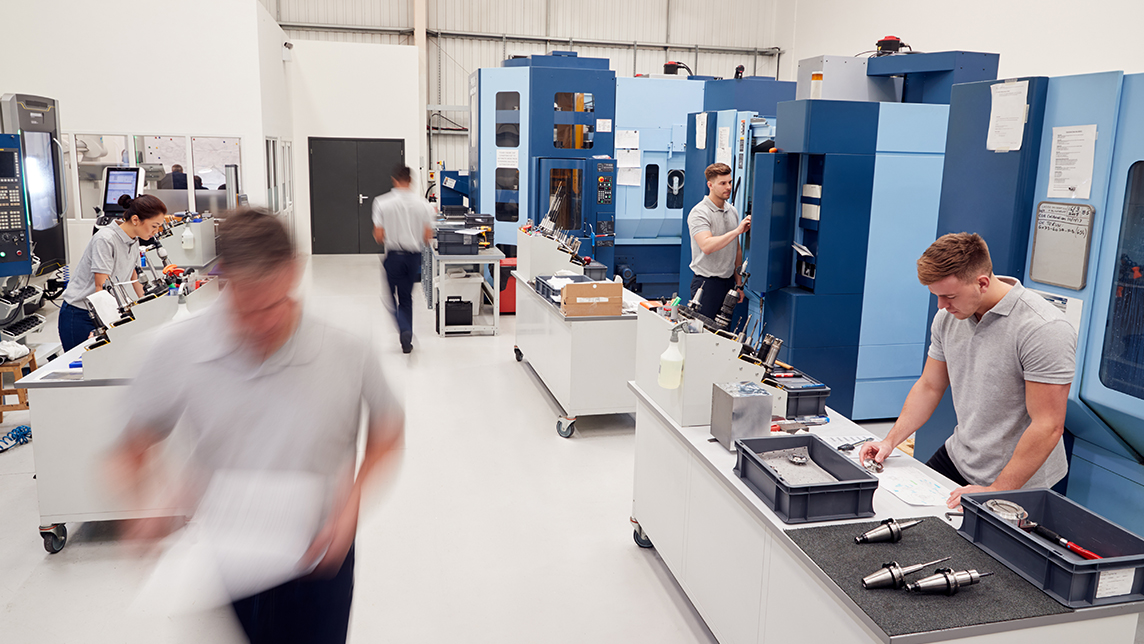
IXON: Preserving food without canning or freezing
Chinese foodtech IXON aims to disrupt global cold chain logistics with its novel food preparation and packaging solution that keeps food fresh at room temperature for years

This app lets you show off your cat on social media
Is Meowcard the next big thing or a flash in the pan?

Cobee: On-demand staff payroll and benefits in an app and card
Backed by Speedinvest, Target Global and Encomenda, Cobee's employee-focused HR SaaS is redefining staff benefits management and beyond

Carlos Melo Brito: Driving force behind Porto's innovation boom
The professor has overseen the creation and growth of the University of Porto-based UPTEC incubator, birthplace of many of Portugal's most successful startups

Portugal's health & medtech startups: Taking innovation and disruption to heart
Backed by local and foreign money, Portugal’s healthcare and medical technology startups are hungry to go global

New Ventures Innovation: Prasetiya Mulya University takes on student entrepreneurship
To prepare a new generation of startup founders, Prasetiya Mulya University combines theoretical education with real-life exposure to the startup world
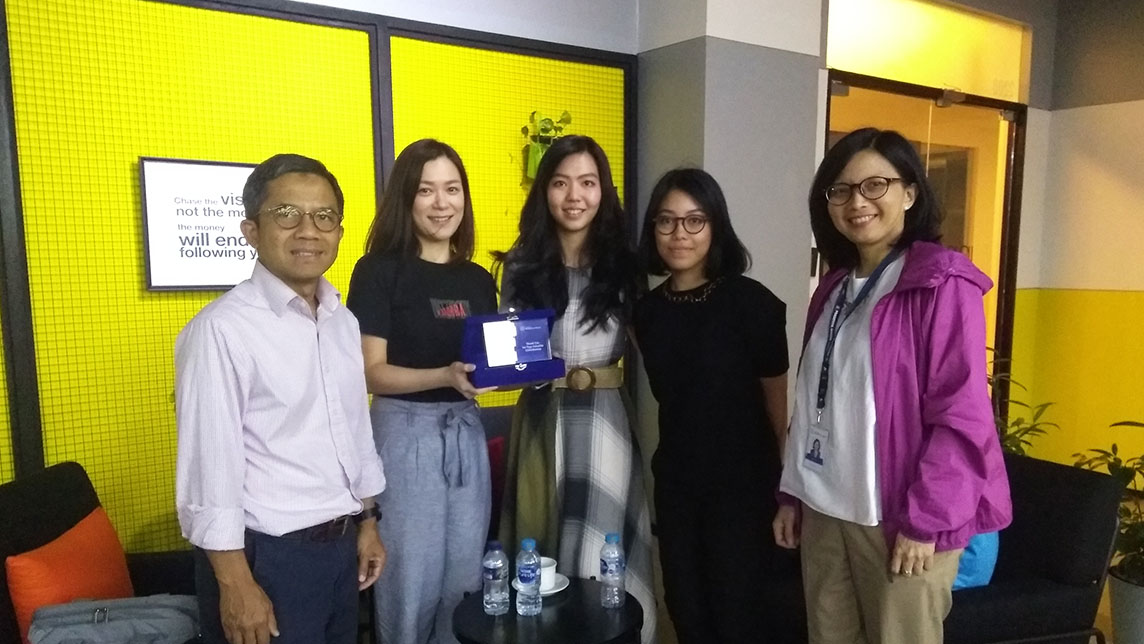
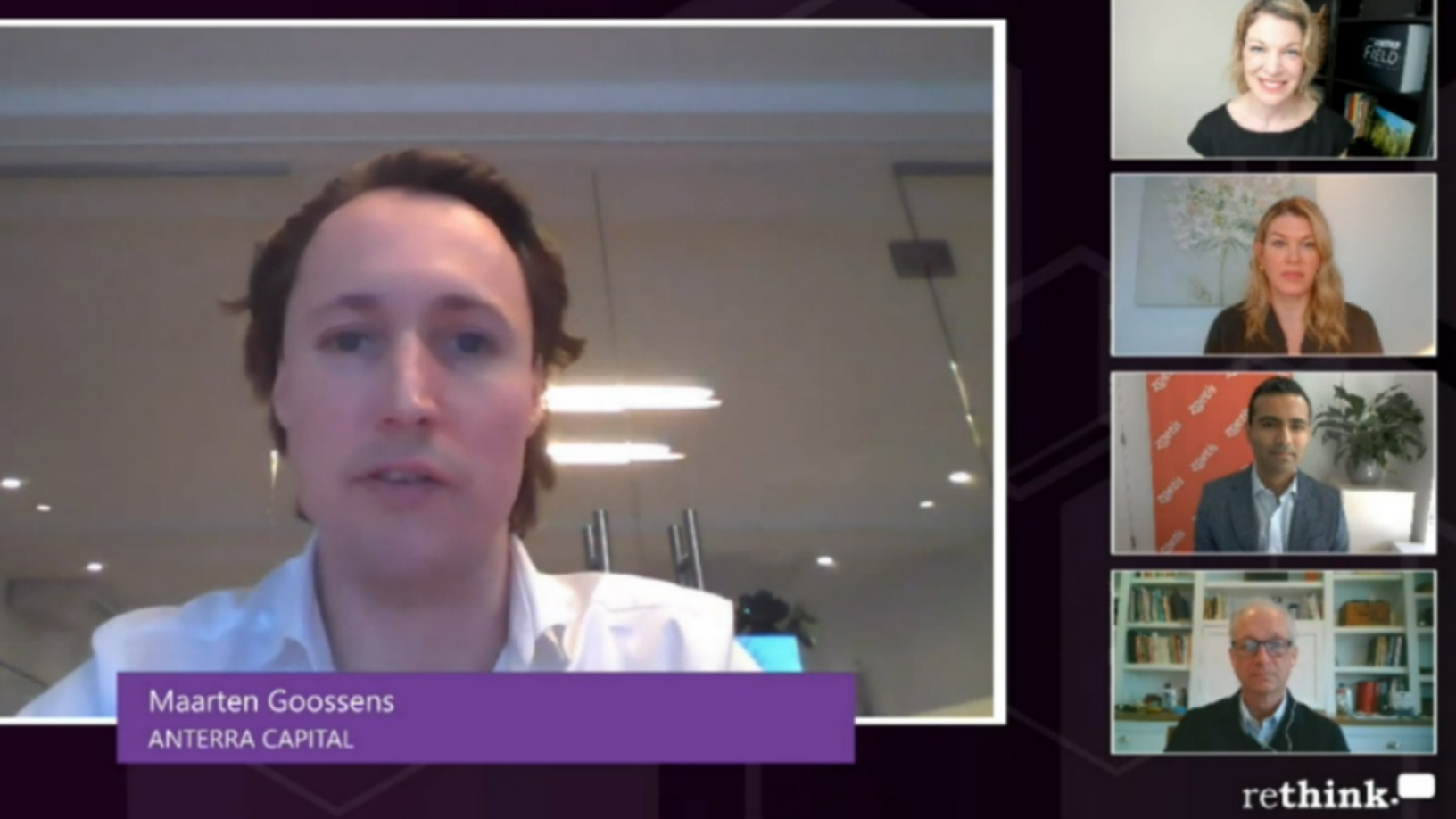
Animal AgTech Innovation Summit 2021: Experts discuss post-pandemic priorities
The pandemic not only put digital tech in everyone’s hands, it also forced thinking about collecting meaningful data and moving it on-demand to both producers and decision makers
Jungle.ai: Tapping data and AI to prevent outages and breakdowns
Forewarned is forearmed. Performance predictions by Jungle.ai can help save billions of dollars and hours of frustration caused by sudden power failures

Animal AgTech Innovation Summit 2021: Future of aquaculture in the US
With the US Importing over 85% of its seafood, industry experts examine how and why the country should develop a sustainable aquaculture industry

Big Idea Ventures Founder Andrew D Ive: Asia will lead cell-based meat innovation
In a wide-ranging interview, the managing general partner of the US- and Singapore-based foodtech investor also expounds on his goal to extend sustainability to the rest of the food sector, combining good returns with doing good

SWITCH Singapore: Alternative protein sure to take off in Asia, with Singapore as innovation hotbed
In an in-depth discussion, food industry experts say products made with alternative protein in hybrid forms could offer the fastest route to commercialization

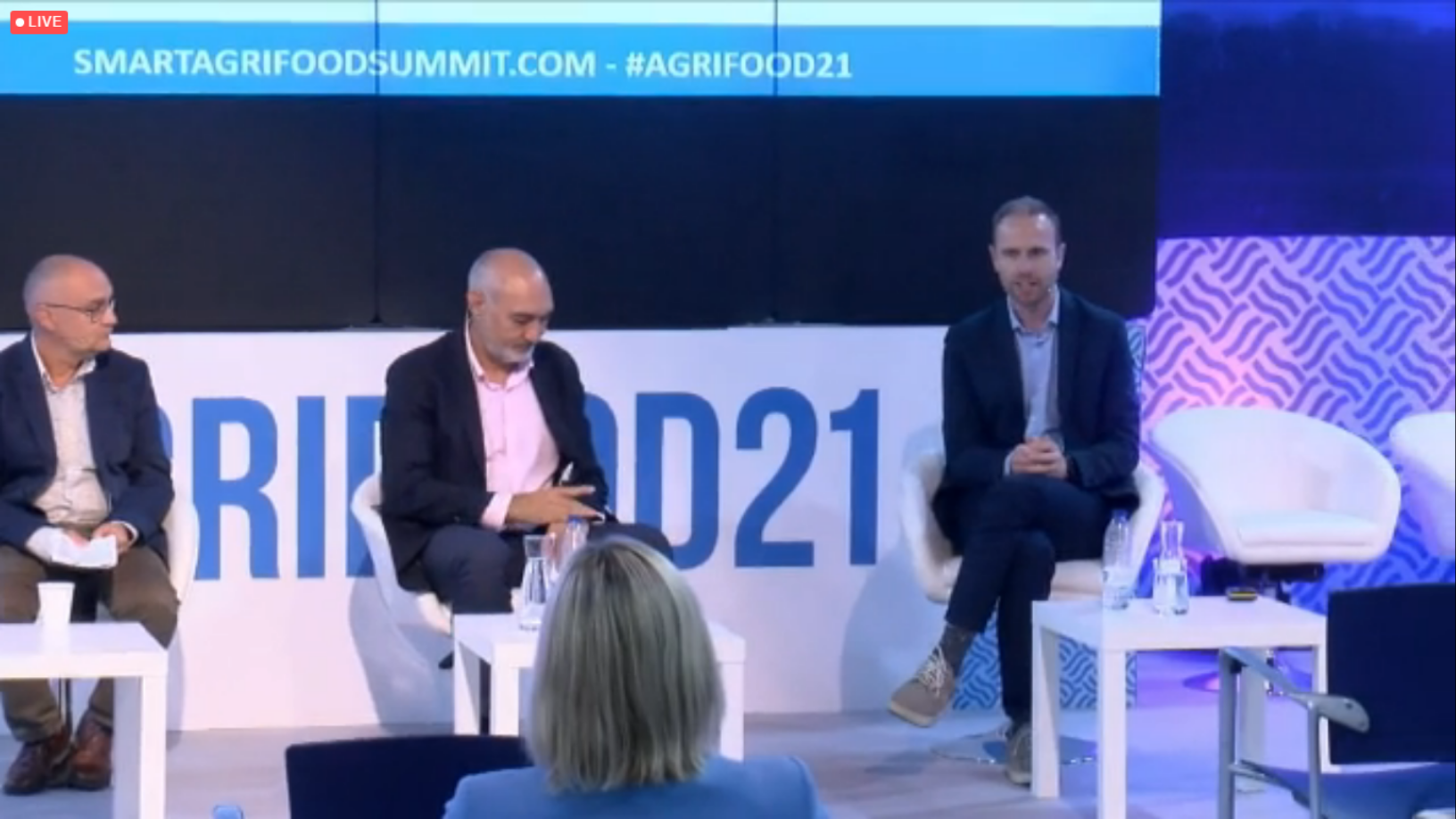
Smart Agrifood Summit 2021: A global innovation ecosystem is needed to catch up with other sectors
Investors from SVG Ventures/THRIVE, Pinduoduo and others agree that players must join forces to boost agrifood tech investment, internationally and across the value chain
Sorry, we couldn’t find any matches for “Innovation Nest”.
POPULAR DATABASE