US
-
DATABASE (731)
-
ARTICLES (605)
Indonesia’s first unicorn, Gojek started out providing on-demand app-powered motorcycle taxi services. The company quickly grew as it added more services, making use of its large fleet of riders and eventually branching out into logistics and payments. It has recently made investments in other companies, including Bangladeshi bike-taxi service Pathao, insurtech startup PasarPolis and has acquired payment tech companies Midtrans, Kartuku and Mapan.


Indonesia’s first unicorn, Gojek started out providing on-demand app-powered motorcycle taxi services. The company quickly grew as it added more services, making use of its large fleet of riders and eventually branching out into logistics and payments. It has recently made investments in other companies, including Bangladeshi bike-taxi service Pathao, insurtech startup PasarPolis and has acquired payment tech companies Midtrans, Kartuku and Mapan.
A major competitor of Douyin (Chinese version of TikTok), the short-video platform Kuaishou was launched in March 2011. The company currently has 262.4m daily active users for its app. Over 2.6m pieces of short videos are uploaded everyday by its users. Kuaishou went public in Hong Kong in February 2021.

A major competitor of Douyin (Chinese version of TikTok), the short-video platform Kuaishou was launched in March 2011. The company currently has 262.4m daily active users for its app. Over 2.6m pieces of short videos are uploaded everyday by its users. Kuaishou went public in Hong Kong in February 2021.
Founded by Hillhouse Capital in February 2020, GL Ventures mainly invests in early-stage startups from diverse sectors like pharmaceutical, SaaS, internet-based consumption/technology and emerging consumer goods/services.The RMB/USD dual currency VC-arm of Hillhouse currently manages total funds worth RMB 10bn from limited partners including university endowments, sovereign wealth funds, pension funds, FOF and family offices. The VC has made nearly 200 investments in its first year of operations.
Founded by Hillhouse Capital in February 2020, GL Ventures mainly invests in early-stage startups from diverse sectors like pharmaceutical, SaaS, internet-based consumption/technology and emerging consumer goods/services.The RMB/USD dual currency VC-arm of Hillhouse currently manages total funds worth RMB 10bn from limited partners including university endowments, sovereign wealth funds, pension funds, FOF and family offices. The VC has made nearly 200 investments in its first year of operations.
P101, which stands for Programma 101, the first PC ever made in history, is an Italian VC focused on early-stage investments founded and headed by Managing Partner Andrea Di Camillo. As of January 2021, the firm has between €70m and €100m available for investments. The fund is backed by The European Investment Fund, the Italian Investment Fund SGR, and Azimut, an Italian asset manager operating since 1989 and parent company of Azimut Holding, listed on the Milan Stock Exchange (AZM.IM).Headquartered in Milan, P101 has invested in international startups through its two funds, P101 and P102. It usually co-invests maintaining a lead investor role. According to Di Camillo, the P102 fund has a higher investment ticket, ranging between €2m–5m, with the possibility of increasing to up to €10m in a single company. The firm also manages Ita500, a €40m fund established in partnership with Azimut in January 2020. With a 10-year term, Ita500 will co-invest with P101’s first and second funds in startups with revenues of up to €5m and SMEs with a turnover range of €5m–50m.

P101, which stands for Programma 101, the first PC ever made in history, is an Italian VC focused on early-stage investments founded and headed by Managing Partner Andrea Di Camillo. As of January 2021, the firm has between €70m and €100m available for investments. The fund is backed by The European Investment Fund, the Italian Investment Fund SGR, and Azimut, an Italian asset manager operating since 1989 and parent company of Azimut Holding, listed on the Milan Stock Exchange (AZM.IM).Headquartered in Milan, P101 has invested in international startups through its two funds, P101 and P102. It usually co-invests maintaining a lead investor role. According to Di Camillo, the P102 fund has a higher investment ticket, ranging between €2m–5m, with the possibility of increasing to up to €10m in a single company. The firm also manages Ita500, a €40m fund established in partnership with Azimut in January 2020. With a 10-year term, Ita500 will co-invest with P101’s first and second funds in startups with revenues of up to €5m and SMEs with a turnover range of €5m–50m.
Bånt AB is the investment vehicle of Karl Sverker Forsén based in Luleå, a coastal city in Swedish Lapland. In May 2020, the Swedish family office invested in a Gothenburg startup Mycorena, a biotech that produces mycoproteins through fermentation. The fungi-based protein can be used as an alt-protein ingredient instead of traditional plant-based food components.

Bånt AB is the investment vehicle of Karl Sverker Forsén based in Luleå, a coastal city in Swedish Lapland. In May 2020, the Swedish family office invested in a Gothenburg startup Mycorena, a biotech that produces mycoproteins through fermentation. The fungi-based protein can be used as an alt-protein ingredient instead of traditional plant-based food components.
The Plantbase Foundation is a non-profit institution run by entrepreneur and impact investor Willem Blom based in The Netherlands. Most of the Plantbase activities are backed by donors. At least 80% of the donations are used to support enterprises that facilitate the shift from animal agriculture to a vegan lifestyle. The foundation has invested in foodtechs involved in the meat, fish and dairy industries; as well as food delivery and apps. Its portfolio includes fast-growing startups like Heura, Meatable, Livekindly and Mission Barns. It also works with investment partners like Kale United, Mile High Vegan Network, Vegan Entrepreneurs Network and GlassWall Syndicate.

The Plantbase Foundation is a non-profit institution run by entrepreneur and impact investor Willem Blom based in The Netherlands. Most of the Plantbase activities are backed by donors. At least 80% of the donations are used to support enterprises that facilitate the shift from animal agriculture to a vegan lifestyle. The foundation has invested in foodtechs involved in the meat, fish and dairy industries; as well as food delivery and apps. Its portfolio includes fast-growing startups like Heura, Meatable, Livekindly and Mission Barns. It also works with investment partners like Kale United, Mile High Vegan Network, Vegan Entrepreneurs Network and GlassWall Syndicate.
Bamboo Capital Partners is an impact investment company that focuses on supporting energy access, finance and healthcare-related ventures in developing countries. The company manages 10 investment funds across Asia, Africa, and Latin America, with companies in Indonesia, India, Kyrgyz Republic, and Brazil having received investments from this company. Bamboo Capital Partners states that their portfolio healthcare companies have served 3.4m patients, and 9.68m metric tons of CO2 emissions have been avoided through the use of solar panels and green energy championed by their startups.Bamboo Capital Partners have worked with governments and major investment groups to support the fulfillment of SDG goals through startup investing. In 2020, Bamboo Capital Partners was appointed by the government of Madagascar and the World Bank as the fund manager for the $40m Off-Grid Market Development Fund. Bamboo is also a partner of the Palladium Group, which owns a minority stake in the VC.

Bamboo Capital Partners is an impact investment company that focuses on supporting energy access, finance and healthcare-related ventures in developing countries. The company manages 10 investment funds across Asia, Africa, and Latin America, with companies in Indonesia, India, Kyrgyz Republic, and Brazil having received investments from this company. Bamboo Capital Partners states that their portfolio healthcare companies have served 3.4m patients, and 9.68m metric tons of CO2 emissions have been avoided through the use of solar panels and green energy championed by their startups.Bamboo Capital Partners have worked with governments and major investment groups to support the fulfillment of SDG goals through startup investing. In 2020, Bamboo Capital Partners was appointed by the government of Madagascar and the World Bank as the fund manager for the $40m Off-Grid Market Development Fund. Bamboo is also a partner of the Palladium Group, which owns a minority stake in the VC.
The owner of WeChat, Tencent is China's biggest online entertainment and social network company. While the company is best known for QQ and WeChat (with 846m active users, and counting), online gaming is actually its biggest money-spinner. Within China, Tencent is the distributor of various international online game titles, such as League of Legends and Call of Duty Online. The company also publishes Honor of Kings, known as Arena of Valor outside China, which regularly tops the list of highest-grossing mobile games globally.Tencent has invested in various gaming-related companies, including Epic Games (creator of Fortnite and the Unreal Engine creation framework), PlatinumGames (Japanese game developer), and Riot Games (creator of League of Legends). Outside of video games, it has developed and invested in products related to video streaming, such as bilibili and Kuaishou, music (JOOX), and even healthcare.
The owner of WeChat, Tencent is China's biggest online entertainment and social network company. While the company is best known for QQ and WeChat (with 846m active users, and counting), online gaming is actually its biggest money-spinner. Within China, Tencent is the distributor of various international online game titles, such as League of Legends and Call of Duty Online. The company also publishes Honor of Kings, known as Arena of Valor outside China, which regularly tops the list of highest-grossing mobile games globally.Tencent has invested in various gaming-related companies, including Epic Games (creator of Fortnite and the Unreal Engine creation framework), PlatinumGames (Japanese game developer), and Riot Games (creator of League of Legends). Outside of video games, it has developed and invested in products related to video streaming, such as bilibili and Kuaishou, music (JOOX), and even healthcare.
Founded in 1976, KKR is an American private equity firm headquartered in New York City, USA. The company currently oversees investment opportunities in various industries in America, Europe and Asia, ranging from venture capital to hedge funds. As of March 2021, it has $367bn assets under management, with more than 100 companies in their investment portfolio.Its investment portfolio in Asia-Pacific includes major corporations like Panasonic, COFCO Meat and GenesisCare, as well as startups like Gojek. Elsewhere, it has invested in companies like ride-hailing startup Lyft (which has gone for an IPO), historic guitar maker Gibson, and combat sport broadcasting company UFC (Ultimate Fighting Championship).

Founded in 1976, KKR is an American private equity firm headquartered in New York City, USA. The company currently oversees investment opportunities in various industries in America, Europe and Asia, ranging from venture capital to hedge funds. As of March 2021, it has $367bn assets under management, with more than 100 companies in their investment portfolio.Its investment portfolio in Asia-Pacific includes major corporations like Panasonic, COFCO Meat and GenesisCare, as well as startups like Gojek. Elsewhere, it has invested in companies like ride-hailing startup Lyft (which has gone for an IPO), historic guitar maker Gibson, and combat sport broadcasting company UFC (Ultimate Fighting Championship).
Ximalaya FM is China’s largest audio sharing and service platform with 450m subscribed users. It has invested in several startups in the culture and entertainment sectors.

Ximalaya FM is China’s largest audio sharing and service platform with 450m subscribed users. It has invested in several startups in the culture and entertainment sectors.
Founded in 2004 by Liu Qiangdong (Richard Liu) with about 30 staff, JD.com (JD stands for Jingdong) has grown to become Alibaba's biggest rival and is backed by Tencent. Similar to Amazon, the NASDAQ-listed JD.com builds and controls its own distribution/logistics network, giving it an advantage in a country used to poor package delivery services. It is an investor in Indonesian ride-hailing company Gojek, and also operates an Indonesian version of its e-commerce platform, JD.id.

Founded in 2004 by Liu Qiangdong (Richard Liu) with about 30 staff, JD.com (JD stands for Jingdong) has grown to become Alibaba's biggest rival and is backed by Tencent. Similar to Amazon, the NASDAQ-listed JD.com builds and controls its own distribution/logistics network, giving it an advantage in a country used to poor package delivery services. It is an investor in Indonesian ride-hailing company Gojek, and also operates an Indonesian version of its e-commerce platform, JD.id.
Openspace Ventures (formerly NSI Ventures)
Originally formed in 2014 as NSI Ventures, Openspace Ventures makes investments in technology companies based in Southeast Asia. Led by Shane Chesson and Hian Goh, Openspace Ventures used to be a part of Northstar Group, a private equity firm primarily invested in the financial services, retail, energy and telecom sectors. In 2018, Chesson and Goh took NSI Ventures independent and rebranded it as Openspace Ventures. They still maintain links with Northstar, with Northstar managing partner Patrick Goh becoming senior advisor to Openspace.

Originally formed in 2014 as NSI Ventures, Openspace Ventures makes investments in technology companies based in Southeast Asia. Led by Shane Chesson and Hian Goh, Openspace Ventures used to be a part of Northstar Group, a private equity firm primarily invested in the financial services, retail, energy and telecom sectors. In 2018, Chesson and Goh took NSI Ventures independent and rebranded it as Openspace Ventures. They still maintain links with Northstar, with Northstar managing partner Patrick Goh becoming senior advisor to Openspace.
As one of the original enterprises of the Japanese Mitsubishi Group, Mitsubishi Motors started its automotive business in the pre-World War era. Mitsubishi Heavy Industries produced and imported cars for local use. The automotive company became part of the Renault-Nissan-Mitsubishi alliance in 2016 after Nissan acquired a controlling stake in Mitsubishi Motors. Indonesia's Gojek is its latest investment to expand into the ride-hailing tech sector in Southeast-Asia.
As one of the original enterprises of the Japanese Mitsubishi Group, Mitsubishi Motors started its automotive business in the pre-World War era. Mitsubishi Heavy Industries produced and imported cars for local use. The automotive company became part of the Renault-Nissan-Mitsubishi alliance in 2016 after Nissan acquired a controlling stake in Mitsubishi Motors. Indonesia's Gojek is its latest investment to expand into the ride-hailing tech sector in Southeast-Asia.
Schneider Electric is a Europe-based company primarily providing energy management and automation solutions for homes, commercial and industrial-scale properties. The company was originally named Schneider & Cie, founded in 1836 as a metal and weaponry, but between 1975 and 1999 began to refocus towards the electrical industry. The company was renamed Schneider Electric in 1999.Schneider’s technologies focus on managing energy use and conserving energy through a combination of hardware and software. Consequently, Schneider’s investments into startups revolve around the energy sector, with companies like solar power management service Xurya, battery manufacturer Verkor, and building management SaaS Clockworks Analytics as part of their portfolio.

Schneider Electric is a Europe-based company primarily providing energy management and automation solutions for homes, commercial and industrial-scale properties. The company was originally named Schneider & Cie, founded in 1836 as a metal and weaponry, but between 1975 and 1999 began to refocus towards the electrical industry. The company was renamed Schneider Electric in 1999.Schneider’s technologies focus on managing energy use and conserving energy through a combination of hardware and software. Consequently, Schneider’s investments into startups revolve around the energy sector, with companies like solar power management service Xurya, battery manufacturer Verkor, and building management SaaS Clockworks Analytics as part of their portfolio.
Startmate is an accelerator program for tech-enabled Australian and New Zealand start-ups. It also operates a seed fund backed by venture capitalists and established entrepreneurs. The organisation was established in 2011 by Niki Scevak, founder of Blackbird Ventures, and a team that included the founders of Australian enterprise software company Atlassian. Since its inception in 2011, Startmate has invested in more than 150 startups with a combined valuation of more than A$1 billion. Startmate runs two accelerator cohorts a year, usually from January–April and July–October. This accelerator program is open to a wide range of entrepreneurs, from idea-stage groups and pre-Series A startups, to solo founders and complete teams. Companies participating in Startmate’s accelerator program each receive A$75,000 from Startmate’s community of mentors, in exchange for 7.5% equity. In 2019 Startmate launched a dedicated Climate Cohort, which runs parallel with the standard program and focuses on startups in cleantech and climate-tech. Startmate also runs a First Believers program twice a year, which trains future or aspiring angel investors from Australia and New Zealand by building their confidence and networks and refining their investment strategies. In addition, the organization runs a coaching and mentorship program and holds other networking programs, like a Founders’ Fellowship, Women Fellowship, and Student Fellowship, at various dates throughout the year.
Startmate is an accelerator program for tech-enabled Australian and New Zealand start-ups. It also operates a seed fund backed by venture capitalists and established entrepreneurs. The organisation was established in 2011 by Niki Scevak, founder of Blackbird Ventures, and a team that included the founders of Australian enterprise software company Atlassian. Since its inception in 2011, Startmate has invested in more than 150 startups with a combined valuation of more than A$1 billion. Startmate runs two accelerator cohorts a year, usually from January–April and July–October. This accelerator program is open to a wide range of entrepreneurs, from idea-stage groups and pre-Series A startups, to solo founders and complete teams. Companies participating in Startmate’s accelerator program each receive A$75,000 from Startmate’s community of mentors, in exchange for 7.5% equity. In 2019 Startmate launched a dedicated Climate Cohort, which runs parallel with the standard program and focuses on startups in cleantech and climate-tech. Startmate also runs a First Believers program twice a year, which trains future or aspiring angel investors from Australia and New Zealand by building their confidence and networks and refining their investment strategies. In addition, the organization runs a coaching and mentorship program and holds other networking programs, like a Founders’ Fellowship, Women Fellowship, and Student Fellowship, at various dates throughout the year.
Red Points: US$38 million Series C to power US conquest
The Barcelona-based startup is ramping up US sales and deep-tech capabilities for its online brand protection platform

TuSimple: Banking on autonomous trucking in the US
TuSimple aims to scale its Waymo-style driverless trucking network to disrupt the $4tn global truck freight market starting with the US, with mass production by 2024

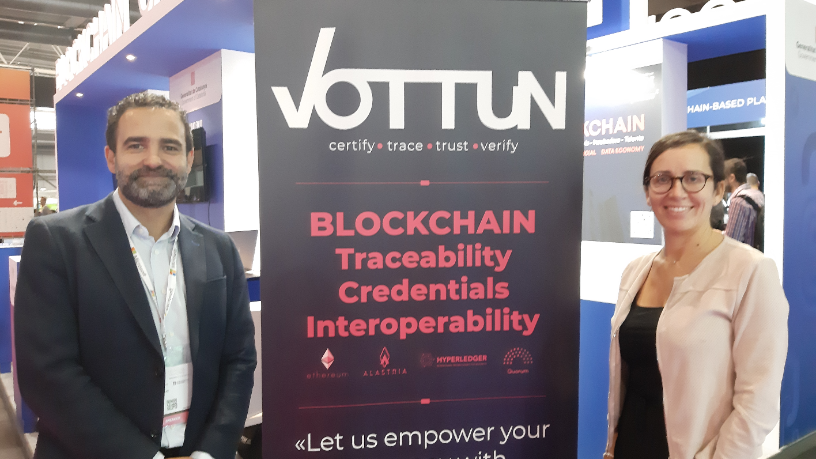
Vottun: The "WordPress for blockchain" seeks US expansion, investors
Seeking Series A funding this year, the agnostic SaaS opens blockchain's wealth of possibilities to businesses unfamiliar with the technology
Indonesian unicorn Traveloka aims for US listing via SPAC
The online travel aggregator reported revenue drops and layoffs in 2020 but became profitable late last year, led by recoveries in Vietnam and Thailand

Portugal's Prodsmart takes AI, IoT-based manufacturing to US factories
Smart factories can cut wastage by 80% and improve inventory, production and supply chains, tackling US$200 billion worth of losses

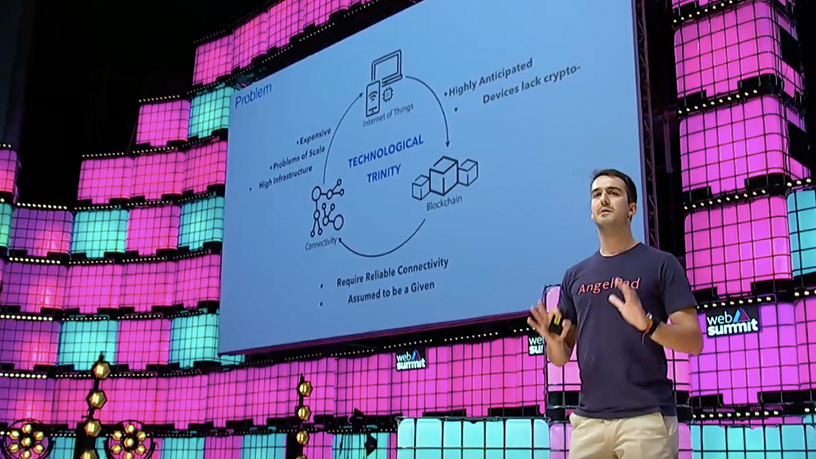
HypeLabs wins bumper US$3m seed funding to democratize connectivity
HypeLab's P2P mesh networking technology enables everyone to communicate within their own networks without needing internet, in cities, remote villages and even in disaster zones
Taronga Ventures takes RealTechX to Singapore; plans Japan, US growth
The Australian proptech investor to focus on ESG in its acceleration program, including women under-representation and site safety

Indonesian rental and asset management platform Travelio bags US$18m funding
The four-year-old proptech startup recently raised Series B funding as it gains ground in Indonesia’s growing real estate investment market

Animal AgTech Innovation Summit 2021: Future of aquaculture in the US
With the US Importing over 85% of its seafood, industry experts examine how and why the country should develop a sustainable aquaculture industry

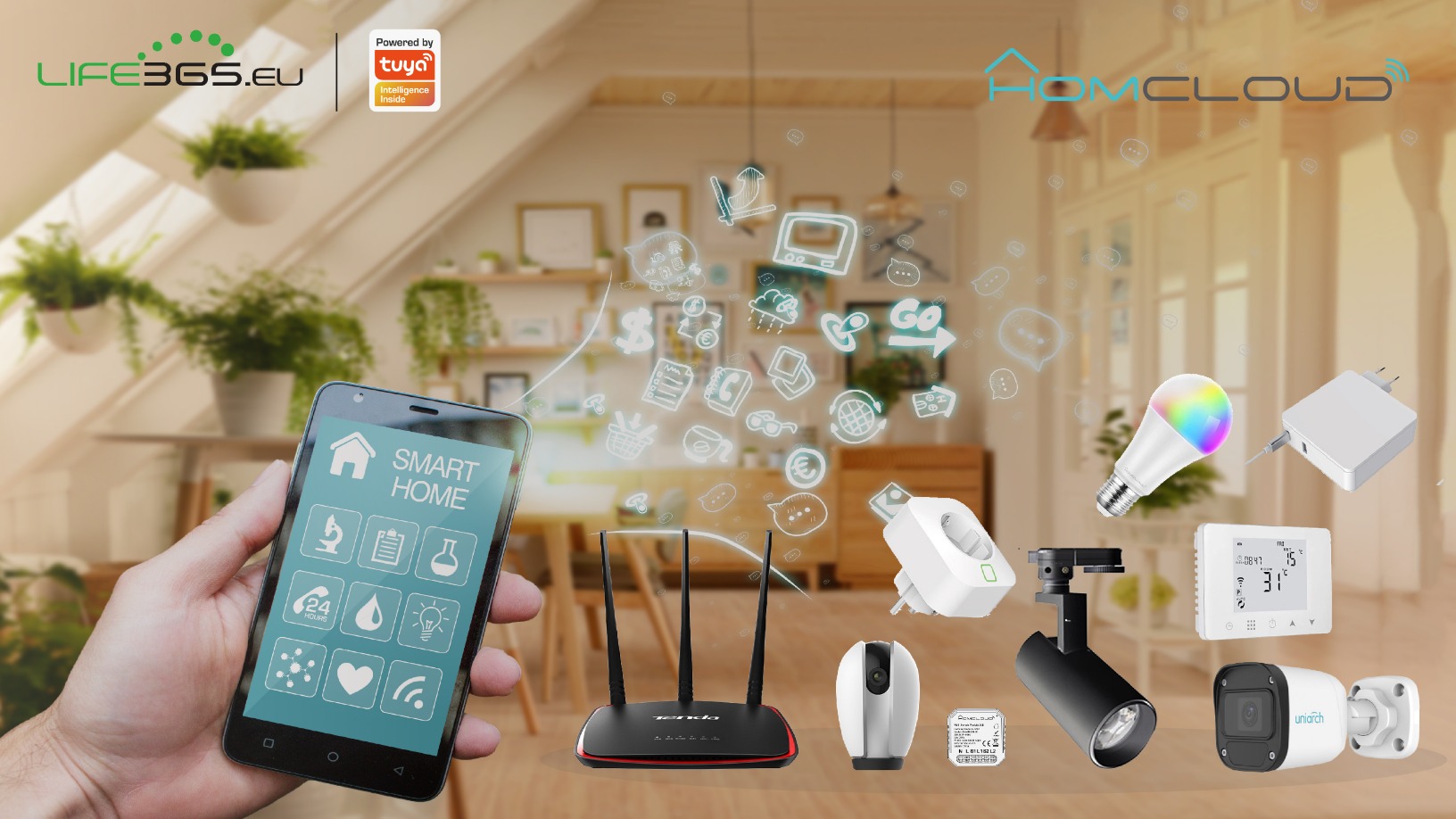
Tuya Smart announces more partnerships, files for IPO in the US
Tuya Smart’s platform enables the creation of smart devices with little or no code writing needed, shortening R&D from months to a matter of days
New Food Invest: Building a plant-based business in the US
With plant-based startups experiencing exponential growth but facing increasingly intense competition, experts consider the opportunities and barriers in the sector

China's new unicorn: Secondhand electronics platform Aihuishou now worth US$1.5 billion
Aihuishou's latest funding round is the largest yet for a secondhand electronics platform

SoccerDream: World's first VR soccer training platform to launch in China, US
SoccerDream uses virtual reality to boost trainee players' performance on the field by 36% compared to their peers

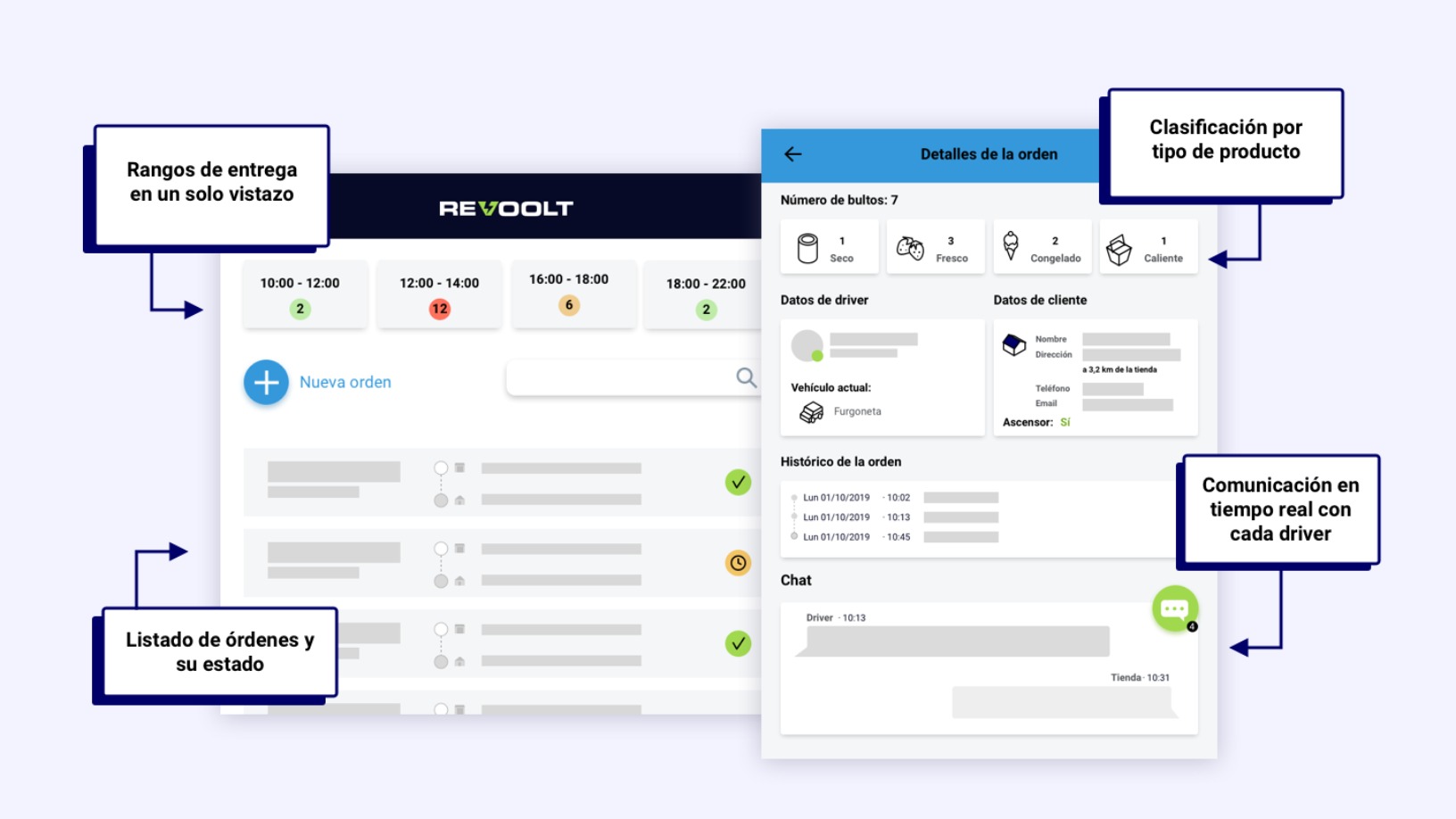
Revoolt: “Covid-19 accelerated our expansion plans and made us more ambitious”
Revoolt’s emission-free last-mile delivery model proved viable during the lockdown in Spain – growth that’s now its launchpad for international expansion and new funding
China’s startups have much to gain from the US-China trade war
The prolonged trade conflict may be exactly what Chinese startups need to strengthen their technological capabilities

Sorry, we couldn’t find any matches for “US”.
POPULAR DATABASE