environment
-
DATABASE (81)
-
ARTICLES (139)
Founder and Chairperson of Huidu Environmental
Chai Aina is a veteran marketing management professional. She was also a third-party logistics service supplier for Alibaba's B2C online e-tailer Tmall.com. She co-founded Huidu Environmental in August 2017.

Chai Aina is a veteran marketing management professional. She was also a third-party logistics service supplier for Alibaba's B2C online e-tailer Tmall.com. She co-founded Huidu Environmental in August 2017.
Co-founder of Huidu Environmental
He Guanghui has specialized in product and supply chain management for over ten years before co-founding Huidu Environmental in August 2017.

He Guanghui has specialized in product and supply chain management for over ten years before co-founding Huidu Environmental in August 2017.
Co-founder of Huidu Environmental
Huang Xianfeng is an experienced public relations professional. Huang joined Huidu Environmental as co-founder in 2017.
Huang Xianfeng is an experienced public relations professional. Huang joined Huidu Environmental as co-founder in 2017.
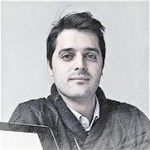
Co-founder and CEO of Magalarva
After graduating in Mechanical Engineering at Universitas Indonesia, Rendria Labde worked for oil and gas firm JGC Indonesia for two years. He left in 2015 to establish PT Magale Sayana Indonesia, a property development company with a unique focus on environmental sustainability. The company completed an eco-living residential complex Sandar Andara and started a new project Magalarva to use insect larvae to process food waste into agricultural products. Rendria became the CEO of Magalarva.

After graduating in Mechanical Engineering at Universitas Indonesia, Rendria Labde worked for oil and gas firm JGC Indonesia for two years. He left in 2015 to establish PT Magale Sayana Indonesia, a property development company with a unique focus on environmental sustainability. The company completed an eco-living residential complex Sandar Andara and started a new project Magalarva to use insect larvae to process food waste into agricultural products. Rendria became the CEO of Magalarva.
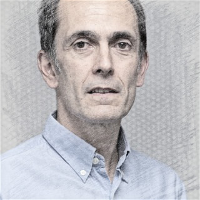
CEO and founder of Koiki
Aitor Ojanguren is an industrial engineer and serial entrepreneur from Bilbao, Spain. He holds an MBA from Bauer University in Boston. He also specialized at the IESE Business School in social entrepreneurship and is an active investor in social impact tech startups.Ojanguren has over 15 years experience in the logistics sector. He founded Celeritas, a leading logistic e-commerce service company. He is CEO of Koiki, an environmentally sustainable last-mile delivery social enterprise that employs vulnerable people in Spain, which he founded in 2015.
Aitor Ojanguren is an industrial engineer and serial entrepreneur from Bilbao, Spain. He holds an MBA from Bauer University in Boston. He also specialized at the IESE Business School in social entrepreneurship and is an active investor in social impact tech startups.Ojanguren has over 15 years experience in the logistics sector. He founded Celeritas, a leading logistic e-commerce service company. He is CEO of Koiki, an environmentally sustainable last-mile delivery social enterprise that employs vulnerable people in Spain, which he founded in 2015.
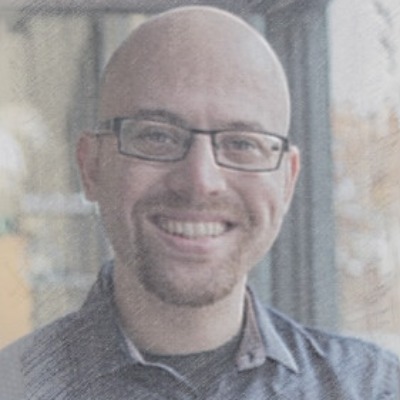
Co-founder, CEO of Foods for Tomorrow / Heura Foods
Marc Coloma is the co-founder and CEO of Spanish plant-based meat startup, Foods for Tomorrow, where he has worked since 2017. Earlier, he spent two years at the local government business promotion organization Barcelona Activa's Entrepreneur's With Ideas training program, where Food for Tomorrow’s business and Heura foods product ideas were conceived. Coloma's background includes stints at a Catalonian animal charity and Doctors Without Borders (MSF) in project work and fundraising respectively, and as COO of a catering company. A committed vegan and environmentalist, Coloma was named on Forbes list of 100 Most Creative People in Business in July 2019.
Marc Coloma is the co-founder and CEO of Spanish plant-based meat startup, Foods for Tomorrow, where he has worked since 2017. Earlier, he spent two years at the local government business promotion organization Barcelona Activa's Entrepreneur's With Ideas training program, where Food for Tomorrow’s business and Heura foods product ideas were conceived. Coloma's background includes stints at a Catalonian animal charity and Doctors Without Borders (MSF) in project work and fundraising respectively, and as COO of a catering company. A committed vegan and environmentalist, Coloma was named on Forbes list of 100 Most Creative People in Business in July 2019.
Co-founder, Chief Social Movement Officer of Foods for Tomorrow / Heura Foods
Bernat Añaños Martínez is co-founder and Chief Social Movement Officer of Spanish plant-based meat startup, Foods for Tomorrow, where he has worked since 2017. He was previously CMO and Chief Growth Officer. A committed vegan and environmentalist, Añaños, worked briefly in China's EventBank, the first smart event management cloud platform, and in the European Parliament's press office in Brussels. Añaños has a first degree in Advertising and Public Relations from the University of Barcelona, a master’s in Corporate Communication and Public Relations from the UK’s Leeds University and a postgraduate qualification in Digital Marketing from the Autonomous University of Barcelona.He has volunteered at various NGOs for about 13 years.

Bernat Añaños Martínez is co-founder and Chief Social Movement Officer of Spanish plant-based meat startup, Foods for Tomorrow, where he has worked since 2017. He was previously CMO and Chief Growth Officer. A committed vegan and environmentalist, Añaños, worked briefly in China's EventBank, the first smart event management cloud platform, and in the European Parliament's press office in Brussels. Añaños has a first degree in Advertising and Public Relations from the University of Barcelona, a master’s in Corporate Communication and Public Relations from the UK’s Leeds University and a postgraduate qualification in Digital Marketing from the Autonomous University of Barcelona.He has volunteered at various NGOs for about 13 years.
Managing Director and co-founder of String Bio
Vinod Kumar originally founded Samrat Wears clothing company in India in 1993 and went on to graduate in mechanical engineering in 1997 at BMS College of Engineering in India.In 2000, he completed a master’s in supply chain management, industrial and manufacturing systems engineering at Ohio University in the US. He started his career at Bell Labs as a product engineer. In 2000, he worked at telco Alcatel-Lucent that later became part of Nokia. In 2008, he held various senior roles and became senior director at tech company Juniper Networks in Silicon Valley. In 2013, he joined his wife Ezhil Subbian to set up String Bio in India. He became a full-time managing director of the company in 2015. In 2019, he became a fellow member at Unreasonable, an investment fund and organization for supporting innovative entrepreneurs to solve social and environmental issues worldwide.

Vinod Kumar originally founded Samrat Wears clothing company in India in 1993 and went on to graduate in mechanical engineering in 1997 at BMS College of Engineering in India.In 2000, he completed a master’s in supply chain management, industrial and manufacturing systems engineering at Ohio University in the US. He started his career at Bell Labs as a product engineer. In 2000, he worked at telco Alcatel-Lucent that later became part of Nokia. In 2008, he held various senior roles and became senior director at tech company Juniper Networks in Silicon Valley. In 2013, he joined his wife Ezhil Subbian to set up String Bio in India. He became a full-time managing director of the company in 2015. In 2019, he became a fellow member at Unreasonable, an investment fund and organization for supporting innovative entrepreneurs to solve social and environmental issues worldwide.
Founder, CEO of Satelligence
Niels Wielaard is the Dutch CEO, founder and co-owner of Satelligence, a SaaS platform using satellite data and AI to help corporates improve their supply chain sustainability and track environmental risks. Before founding Satelligence in 2016, he spent 14 years at earth-monitoring company SarVision, which is a spin-off of Wageningen University in Utrecht, where he was a senior project manager and, previously, a remote sensing and geo-information specialist. Wielaard holds a master’s in Forestry from Wageningen University and has always been passionate about forest sustainability. His other work experience includes one year as a GIS research analyst at another Utrecht-based initiative, the Copernicus Institute of Sustainable Development, as part of a post-master’s research project developing a new mapping methodology for the design of biological corridors. He also completed stints during his studies working on pilot forestry-based carbon offset projects at an NGO and in forest certification research for the Dutch space agency, Space Netherlands.

Niels Wielaard is the Dutch CEO, founder and co-owner of Satelligence, a SaaS platform using satellite data and AI to help corporates improve their supply chain sustainability and track environmental risks. Before founding Satelligence in 2016, he spent 14 years at earth-monitoring company SarVision, which is a spin-off of Wageningen University in Utrecht, where he was a senior project manager and, previously, a remote sensing and geo-information specialist. Wielaard holds a master’s in Forestry from Wageningen University and has always been passionate about forest sustainability. His other work experience includes one year as a GIS research analyst at another Utrecht-based initiative, the Copernicus Institute of Sustainable Development, as part of a post-master’s research project developing a new mapping methodology for the design of biological corridors. He also completed stints during his studies working on pilot forestry-based carbon offset projects at an NGO and in forest certification research for the Dutch space agency, Space Netherlands.
COO and co-founder of Modulous Tech
Christopher Mortensen is co-founder and Chief Operating Officer at UK-based Modulous, the first end-to-end generative design and delivery solution for affordable, sustainable and modulized housing, where he has worked since 2018. Before that, he worked for two years as technical director at engineering, sustainability and energy consultancy Hydrock. Previously, he was at Atelier Ten for ten years working as a senior engineer, an environmental design consultant, a building services engineer and a lighting designer. Mortensen’s previous posts were all in his native US: as a mechanical project engineer at Oregon-based Interface Engineering 2004-8, as a mechanical designer at Philadelphia-based Associated Engineering Consultants, and as an assistant hut master at the Appalachian Mountain Club. He holds an Executive MBA from Cass Business School in London and also studied Blockchain in 2018 at the University of Oxford’s Said Business School Mortensen is a keen public speaker and, in 2017, gave a TedX talk on ’Beyond Sustainable Design.’

Christopher Mortensen is co-founder and Chief Operating Officer at UK-based Modulous, the first end-to-end generative design and delivery solution for affordable, sustainable and modulized housing, where he has worked since 2018. Before that, he worked for two years as technical director at engineering, sustainability and energy consultancy Hydrock. Previously, he was at Atelier Ten for ten years working as a senior engineer, an environmental design consultant, a building services engineer and a lighting designer. Mortensen’s previous posts were all in his native US: as a mechanical project engineer at Oregon-based Interface Engineering 2004-8, as a mechanical designer at Philadelphia-based Associated Engineering Consultants, and as an assistant hut master at the Appalachian Mountain Club. He holds an Executive MBA from Cass Business School in London and also studied Blockchain in 2018 at the University of Oxford’s Said Business School Mortensen is a keen public speaker and, in 2017, gave a TedX talk on ’Beyond Sustainable Design.’
Co-founder, CTO of VEnvirotech
Patricia Aymà Maldonado is the Spanish CTO and co-founder of 100% biodegradable plastic tech VEnvirotech, where she has worked since 2017. Before this, she had completed a year’s stint working in circular-economy R&D projects at LEILAT Technological Center and in 2016 she completed her master’s research at the University of Barcelona. This was in the field of environmental biotechnology, namely polyhydroxyalkanoates (PHA). Aymà has considerable training in biotechnology with a master’s in environmental engineering in 2016 from the University of Barcelona and a first degree in the subject from the Autonomous University of Barcelona. In 2017, she also gained entry to the youth entrepreneurship acceleration program Yuzz Santander, a Santander Bank initiative.

Patricia Aymà Maldonado is the Spanish CTO and co-founder of 100% biodegradable plastic tech VEnvirotech, where she has worked since 2017. Before this, she had completed a year’s stint working in circular-economy R&D projects at LEILAT Technological Center and in 2016 she completed her master’s research at the University of Barcelona. This was in the field of environmental biotechnology, namely polyhydroxyalkanoates (PHA). Aymà has considerable training in biotechnology with a master’s in environmental engineering in 2016 from the University of Barcelona and a first degree in the subject from the Autonomous University of Barcelona. In 2017, she also gained entry to the youth entrepreneurship acceleration program Yuzz Santander, a Santander Bank initiative.
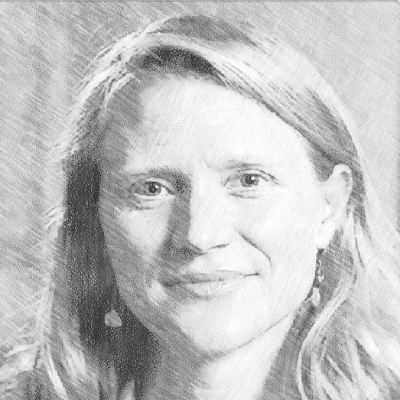
Co-CEO and co-founder of Pula
Dutch-born Rosa Goslinga has spent most of her career working in Africa and speaks five languages, including Swahili. She graduated in business, economics and international development at the University of Amsterdam in 2004. She also completed a master’s in political economy of development at the School for Oriental and African Studies (SOAS) in London in 2005.In 2006, she worked as an economist at the Ministry of Agriculture and Animal Resources in Rwanda where she realized there was an urgent need for small-scale farming insurance to protect the local farmers’ livelihoods against natural hazards.In 2008, she joined Syngenta Foundation for Sustainable Agriculture (SFSA) in Kenya, where she initiated a pilot Kilimo Salama in Nairobi as program director. The program was a success, starting with 185 farmers taking up index insurance and growing to be the largest in Africa with over 185,000 participants. Goslinga also met and started working with Thomas Njeru, the lead actuary for UAP Insurance for the Kilimo project.In 2013, with investors backing her project, she developed and patented a system and method for providing a site-related weather insurance contract. She left SFSA in 2014 and went on to set up Kenya’s pioneering insurtech Pula with Njeru as co-founder in 2015.Both are now co-CEOs of the Nairobi-based startup, education and helping over 4m small-scale farmers to protect their livelihoods from environmental hazards with tailor-made micro-finance and insurance products.
Dutch-born Rosa Goslinga has spent most of her career working in Africa and speaks five languages, including Swahili. She graduated in business, economics and international development at the University of Amsterdam in 2004. She also completed a master’s in political economy of development at the School for Oriental and African Studies (SOAS) in London in 2005.In 2006, she worked as an economist at the Ministry of Agriculture and Animal Resources in Rwanda where she realized there was an urgent need for small-scale farming insurance to protect the local farmers’ livelihoods against natural hazards.In 2008, she joined Syngenta Foundation for Sustainable Agriculture (SFSA) in Kenya, where she initiated a pilot Kilimo Salama in Nairobi as program director. The program was a success, starting with 185 farmers taking up index insurance and growing to be the largest in Africa with over 185,000 participants. Goslinga also met and started working with Thomas Njeru, the lead actuary for UAP Insurance for the Kilimo project.In 2013, with investors backing her project, she developed and patented a system and method for providing a site-related weather insurance contract. She left SFSA in 2014 and went on to set up Kenya’s pioneering insurtech Pula with Njeru as co-founder in 2015.Both are now co-CEOs of the Nairobi-based startup, education and helping over 4m small-scale farmers to protect their livelihoods from environmental hazards with tailor-made micro-finance and insurance products.
CEO and founder of Les Noveaux Affineurs
Nour Akbaraly completed a master’s in engineering at Centrale Lille and also a master’s in applied mathematics at Lille University in 2010. In 2011, Akbaraly joined industrial manufacturing consultancy firm Avencore as a consultant in Paris.The avid photographer and F&B enthusiast also went to various tea-tasting classes at a tea specialist college until 2015. Passionate about gastronomy, he began exploring alt-protein alternatives to address the environmental and ethical challenges of food supply chains.In 2016, he went on an engineering training course for agronomy and agri-food at AgroSup Dijon, the National Institute of Agronomic, Food and Environmental Sciences.A year later, he founded Les Noveaux Affineurs, a startup specializing in plant-based alternatives to cheese. His ambition is to create a new range of French gastronomic vegan cheese products for consumers in France and overseas.Since 2010, Akbaraly is also a volunteer at the Action Contre la Faim, a Paris-based international NGO founded in 1979. The “Action Against Hunger” projects include running awareness campaigns on food security issues in colleges and schools in France and other countries like India and Sudan.

Nour Akbaraly completed a master’s in engineering at Centrale Lille and also a master’s in applied mathematics at Lille University in 2010. In 2011, Akbaraly joined industrial manufacturing consultancy firm Avencore as a consultant in Paris.The avid photographer and F&B enthusiast also went to various tea-tasting classes at a tea specialist college until 2015. Passionate about gastronomy, he began exploring alt-protein alternatives to address the environmental and ethical challenges of food supply chains.In 2016, he went on an engineering training course for agronomy and agri-food at AgroSup Dijon, the National Institute of Agronomic, Food and Environmental Sciences.A year later, he founded Les Noveaux Affineurs, a startup specializing in plant-based alternatives to cheese. His ambition is to create a new range of French gastronomic vegan cheese products for consumers in France and overseas.Since 2010, Akbaraly is also a volunteer at the Action Contre la Faim, a Paris-based international NGO founded in 1979. The “Action Against Hunger” projects include running awareness campaigns on food security issues in colleges and schools in France and other countries like India and Sudan.
R&D and business lead and co-founder of Graviky Labs
Anirudh Sharma is one of three co-founders of Graviky Labs, which makes ink out of carbon that is captured from pollution and purified using proprietary technology. This concept was born from Sharma’s experiments making ink from candle soot while doing his master’s at MIT Materials Lab. He currently leads R&D and business at the firm. Sharma’s interests include augmented reality, wearable computing and environmental projects. Over the years, he has developed and patented various technology products with social and environmental impact. He was formerly CTO and co-founder of India’s first wearable technology company, Ducere Technologies, which was later sold. This company makes Lechal, the world’s first smart haptic device for shoes, initially designed by Sharma as a navigation aid for the visually impaired. Sharma also previously worked for Imagin Group at Hewlett Packard Labs, on a multimodal speech and touch-based computer-aided design interface for large displays.Sharma holds a master's from Massachusetts Institute of Technology and co-led the activities of MIT Media Lab India from 2013–2015. He is a TED and TEDx speaker and has been included in Forbes’ 30 Under 30 for Asia, MIT Technology Review’s 35 Innovators Under 35, and Foreign Policy magazine’s 100 Global Thinkers of 2016.

Anirudh Sharma is one of three co-founders of Graviky Labs, which makes ink out of carbon that is captured from pollution and purified using proprietary technology. This concept was born from Sharma’s experiments making ink from candle soot while doing his master’s at MIT Materials Lab. He currently leads R&D and business at the firm. Sharma’s interests include augmented reality, wearable computing and environmental projects. Over the years, he has developed and patented various technology products with social and environmental impact. He was formerly CTO and co-founder of India’s first wearable technology company, Ducere Technologies, which was later sold. This company makes Lechal, the world’s first smart haptic device for shoes, initially designed by Sharma as a navigation aid for the visually impaired. Sharma also previously worked for Imagin Group at Hewlett Packard Labs, on a multimodal speech and touch-based computer-aided design interface for large displays.Sharma holds a master's from Massachusetts Institute of Technology and co-led the activities of MIT Media Lab India from 2013–2015. He is a TED and TEDx speaker and has been included in Forbes’ 30 Under 30 for Asia, MIT Technology Review’s 35 Innovators Under 35, and Foreign Policy magazine’s 100 Global Thinkers of 2016.
Co-CEO and Co-founder of Notpla (formerly Skipping Rocks Lab)
Rodrigo García González graduated in Architecture at the Technical University of Madrid (ETSAM) in 2009 and also completed various PhD courses in advanced architecture at his alma mater.In 2006, the architect student joined an EU Asia-Link sustainable humane habitat program that included stints at the Centre for Environmental Planning and Technology (CEPT) University in India. He also won a SMILE scholarship to study industrial design at Pontificia Universidad Católica in Chile for one year. In 2011, he obtained a scholarship to study industrial design and business at Umeå Institute of Design in Sweden. In 2014, he completed two master’s programs in innovation design engineering run by London’s Imperial College and Royal College of Art.In July 2014, he co-founded Skipping Rocks Lab, that was later pivoted into Notpla, a UK-based startup that develops compostable and edible packaging materials made of seaweed and other plants.Since 2007, he has worked with various institutions in Europe, Latin America and the US including Cornell University, CEPT, Imperial College and Royal College of Art. In 2016, he became a senior lecturer for a degree program in product and furniture design at Kingston University.He has two patents for his work on structural and deployable systems. His designs have also been featured in prestigious art centers like the Cite de l'Architecture of Paris and the Venice Biennale of Architecture.Other projects include the Hop! suitcase that can follow the user by tracking the signal of the user’s mobile phone and Aer, an artificial cloud that can evaporate “drinkable” water from the sea. He also developed Zipizip, an architectural system that enables the construction of several floors of a building in a few hours.
Rodrigo García González graduated in Architecture at the Technical University of Madrid (ETSAM) in 2009 and also completed various PhD courses in advanced architecture at his alma mater.In 2006, the architect student joined an EU Asia-Link sustainable humane habitat program that included stints at the Centre for Environmental Planning and Technology (CEPT) University in India. He also won a SMILE scholarship to study industrial design at Pontificia Universidad Católica in Chile for one year. In 2011, he obtained a scholarship to study industrial design and business at Umeå Institute of Design in Sweden. In 2014, he completed two master’s programs in innovation design engineering run by London’s Imperial College and Royal College of Art.In July 2014, he co-founded Skipping Rocks Lab, that was later pivoted into Notpla, a UK-based startup that develops compostable and edible packaging materials made of seaweed and other plants.Since 2007, he has worked with various institutions in Europe, Latin America and the US including Cornell University, CEPT, Imperial College and Royal College of Art. In 2016, he became a senior lecturer for a degree program in product and furniture design at Kingston University.He has two patents for his work on structural and deployable systems. His designs have also been featured in prestigious art centers like the Cite de l'Architecture of Paris and the Venice Biennale of Architecture.Other projects include the Hop! suitcase that can follow the user by tracking the signal of the user’s mobile phone and Aer, an artificial cloud that can evaporate “drinkable” water from the sea. He also developed Zipizip, an architectural system that enables the construction of several floors of a building in a few hours.
China a “positive environment” for uptake of cultured meat, researcher tells Future Food Asia
But for interested cultured meat companies, China-based Chloe Dempsey suggests it would be better to wait, observe and learn more about the market before trying to tap its massive potential
Chinapex: Maximizing the marketing value of customer data
The startup’s also creating a transparent and efficient industry environment for digital marketing in China

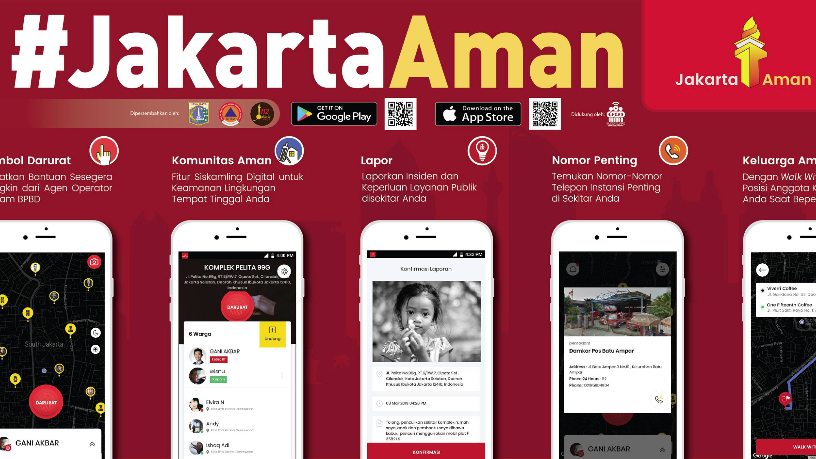
Jakarta Aman uses social networking to improve neighborhood security
Backed by Jakarta's provincial government and MDI Ventures, neighborhood security app Jakarta Aman seeks to reignite the “gotong royong” spirit to keep communities safe
Taronga Ventures takes RealTechX to Singapore; plans Japan, US growth
The Australian proptech investor to focus on ESG in its acceleration program, including women under-representation and site safety


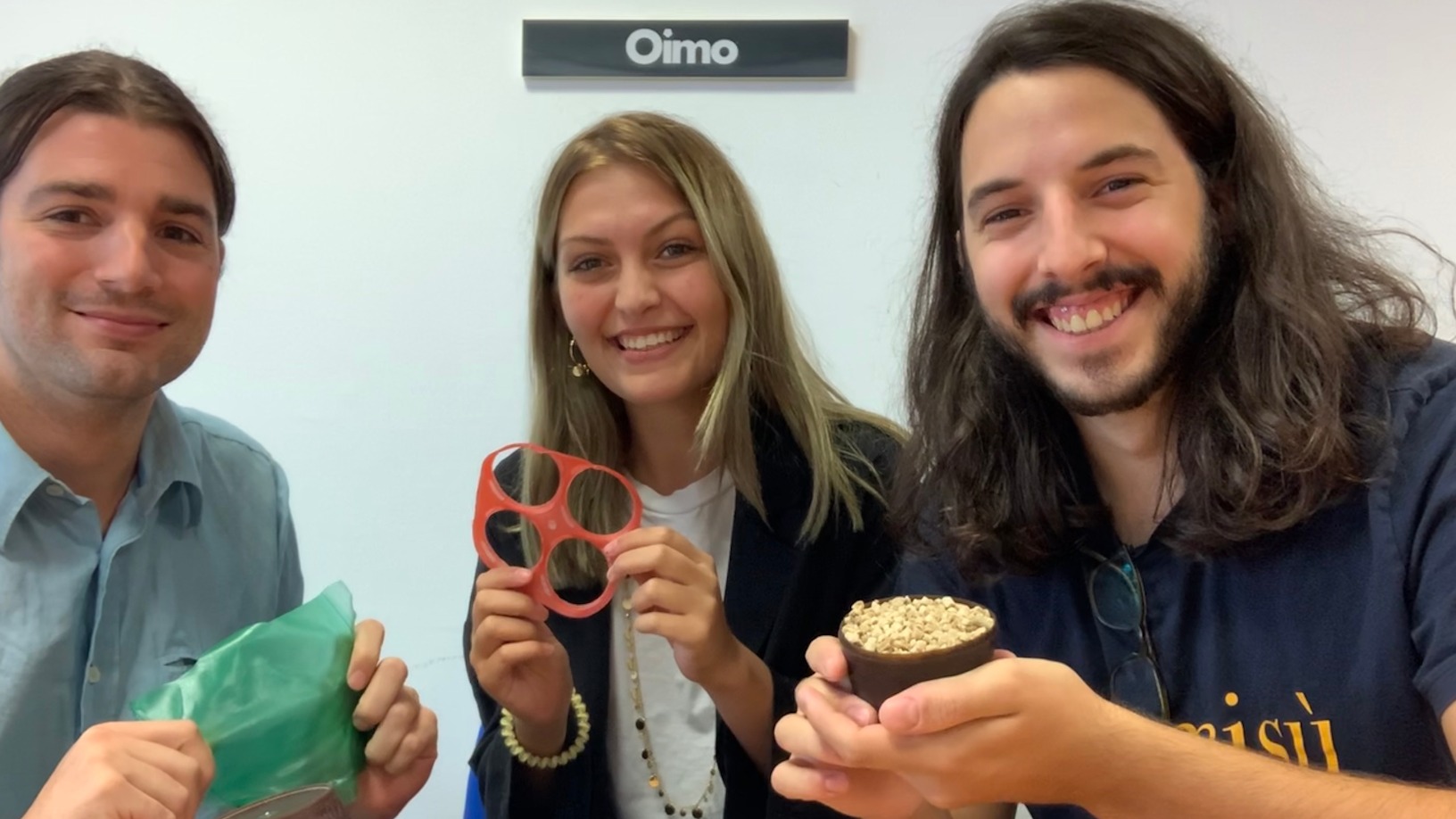
Oimo: Biodegradable marine-based bioplastics for environmentally friendly food packaging
Its pellets already work well in current factory machinery, so Oimo wants to scale when the EU’s ban on single-use plastics kicks in next year
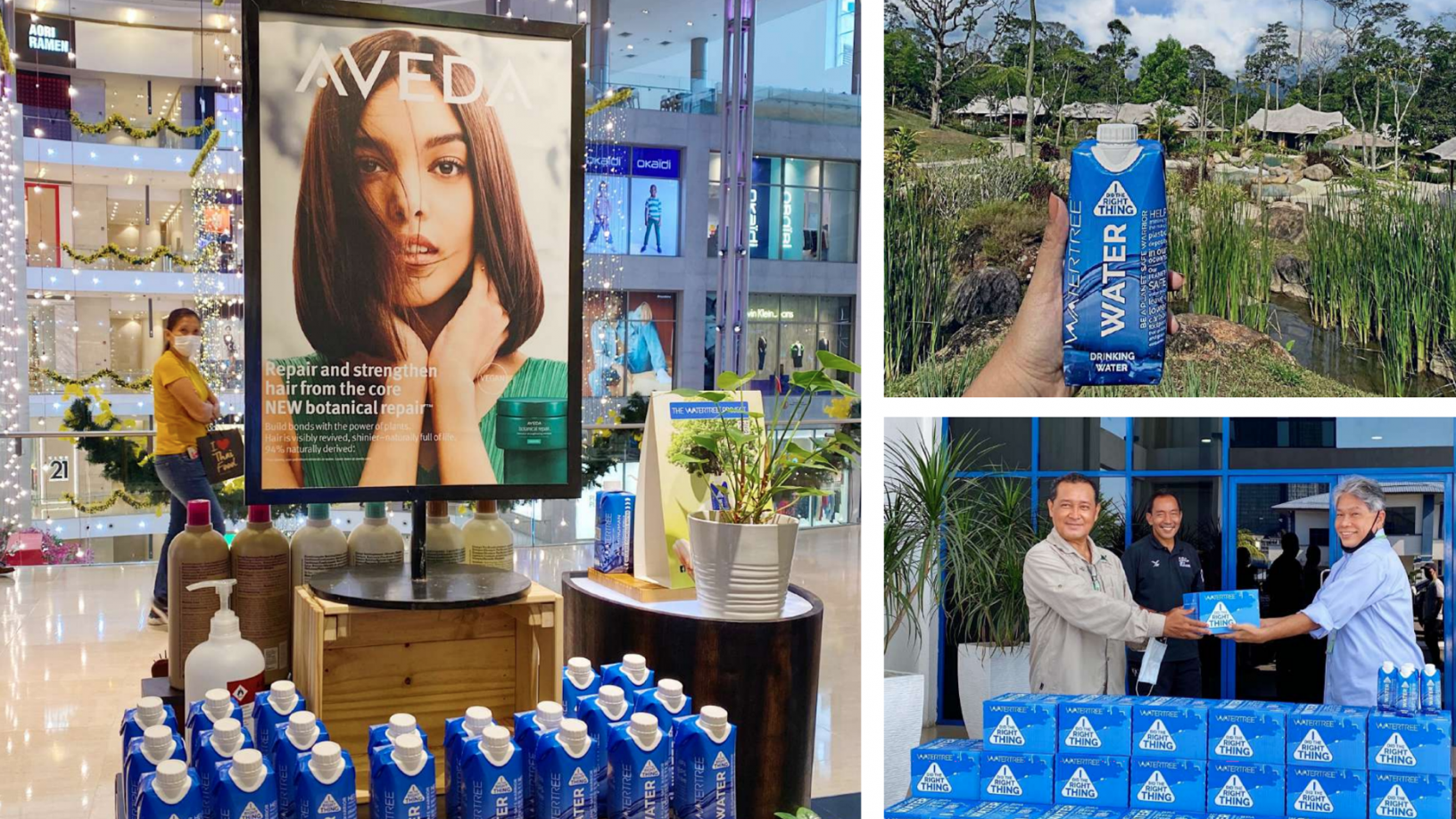
The Watertree Project: Eliminating single-use plastic water bottles in Malaysia
With high-profile Malaysian corporate clients under its belt, the startup is in no hurry to raise funds, preferring to focus on raising public awareness and winning mindshare
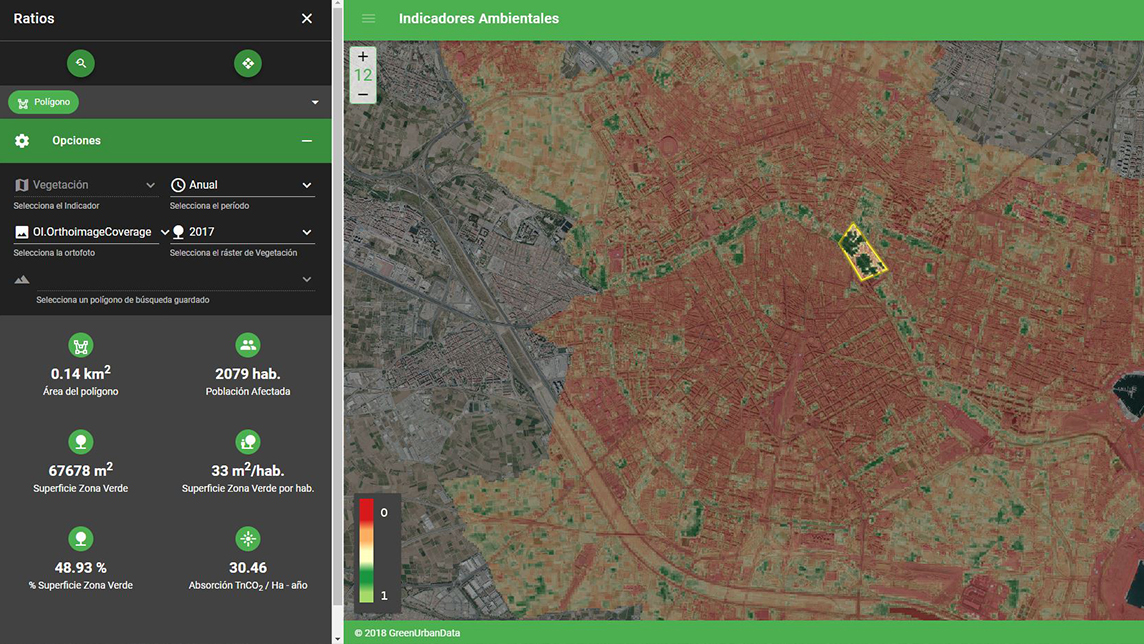
Green Urban Data: Empowering cities to mitigate climate change
The Valencia-based startup is the first to mitigate urban temperature increases and provide healthy travel route suggestions using AI and big data
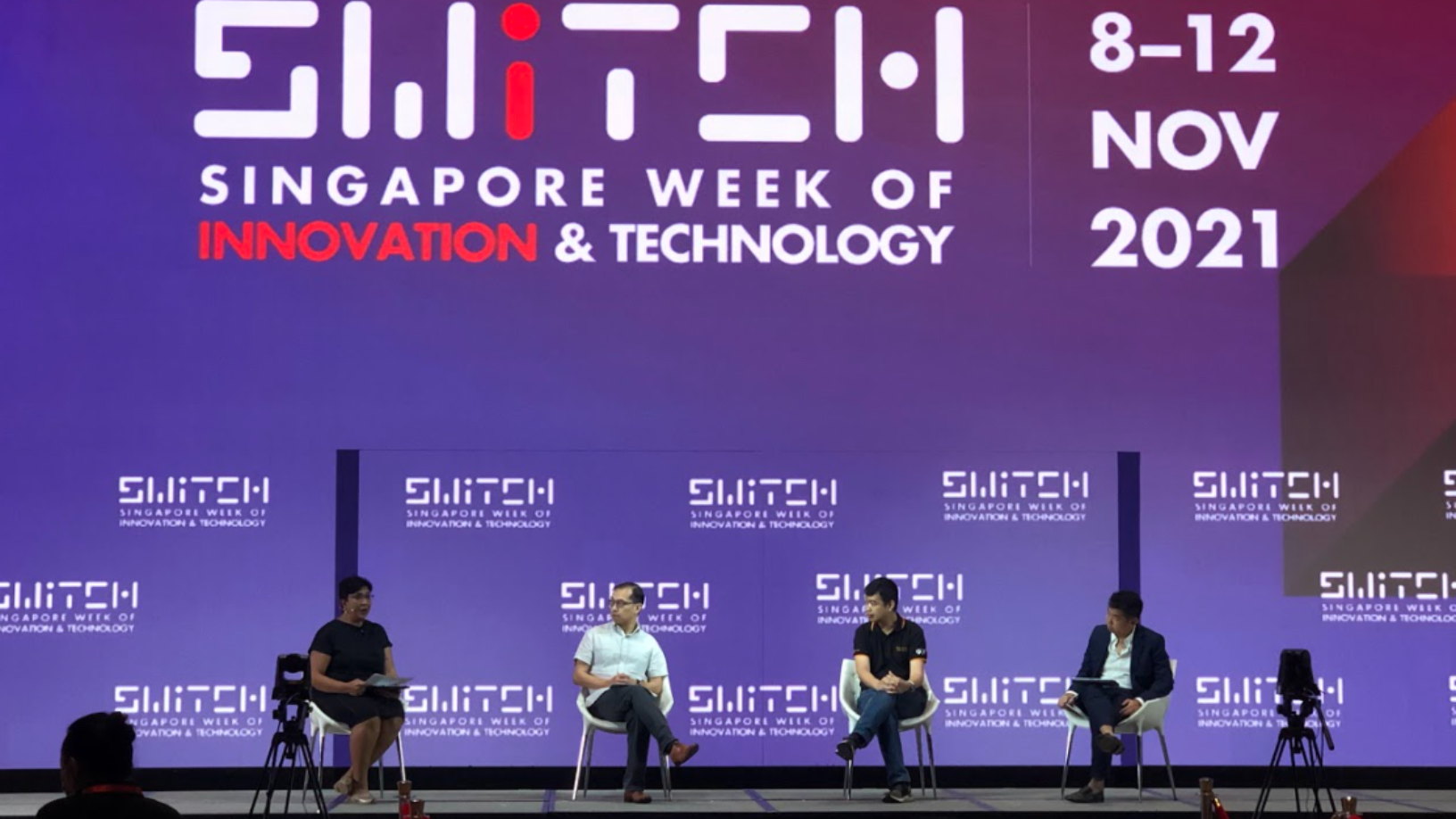
SWITCH Singapore 2021: How startups, corporates and government can co-create smart cities
The next generation of adaptive spaces will harness big data, deep tech and analytics to respond intelligently to both changing environments and human needs, says an expert panel
Animal AgTech Innovation Summit 2021: Future of aquaculture in the US
With the US Importing over 85% of its seafood, industry experts examine how and why the country should develop a sustainable aquaculture industry

IP Buoys: Mooring 4.0 smart buoys to protect marine ecosystems
Save the Posidonia! That’s the call from enterprising sailors who, with their startup IP Buoys, have found a way to protect the seagrass and marine life from the damaging impact of nautical tourism
Bluepha to boost PHA bioplastics production with $30m fresh funding
The Beijing-based startup aims to produce 10,000 tons of PHA bioplastic a year and build a SynBio community through its STEM education spinoff, Bluepha Lab

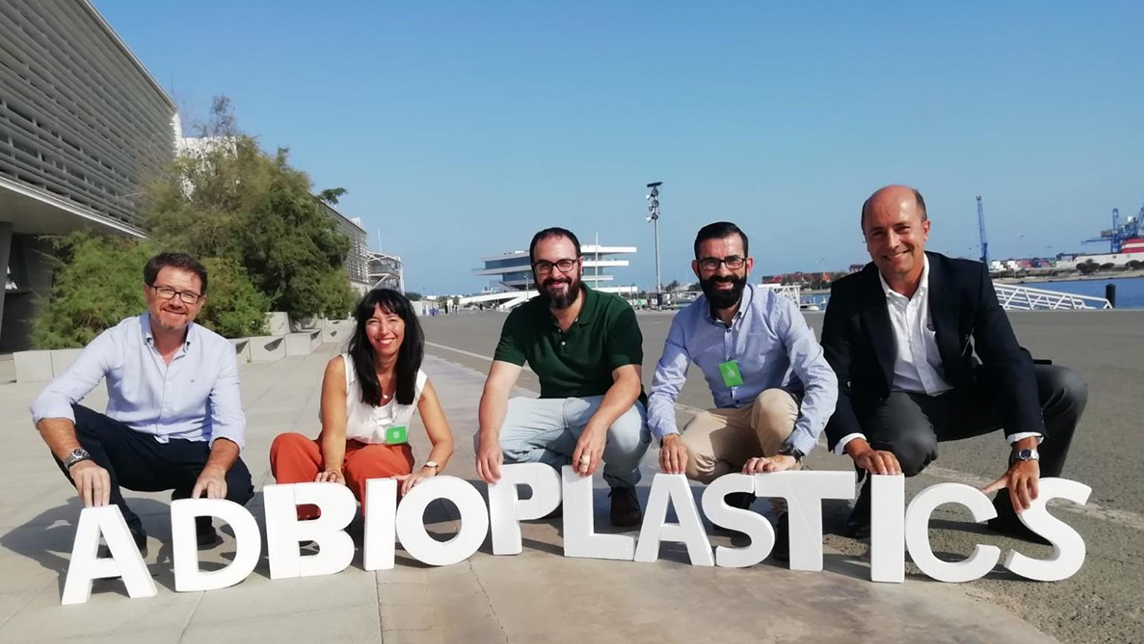
ADBioplastics primed to help EU manufacturers transition to circular economy
ADBioplastics has developed a biodegradable and compostable bioplastic additive for use in food packaging and is seeking up to €5m in funding
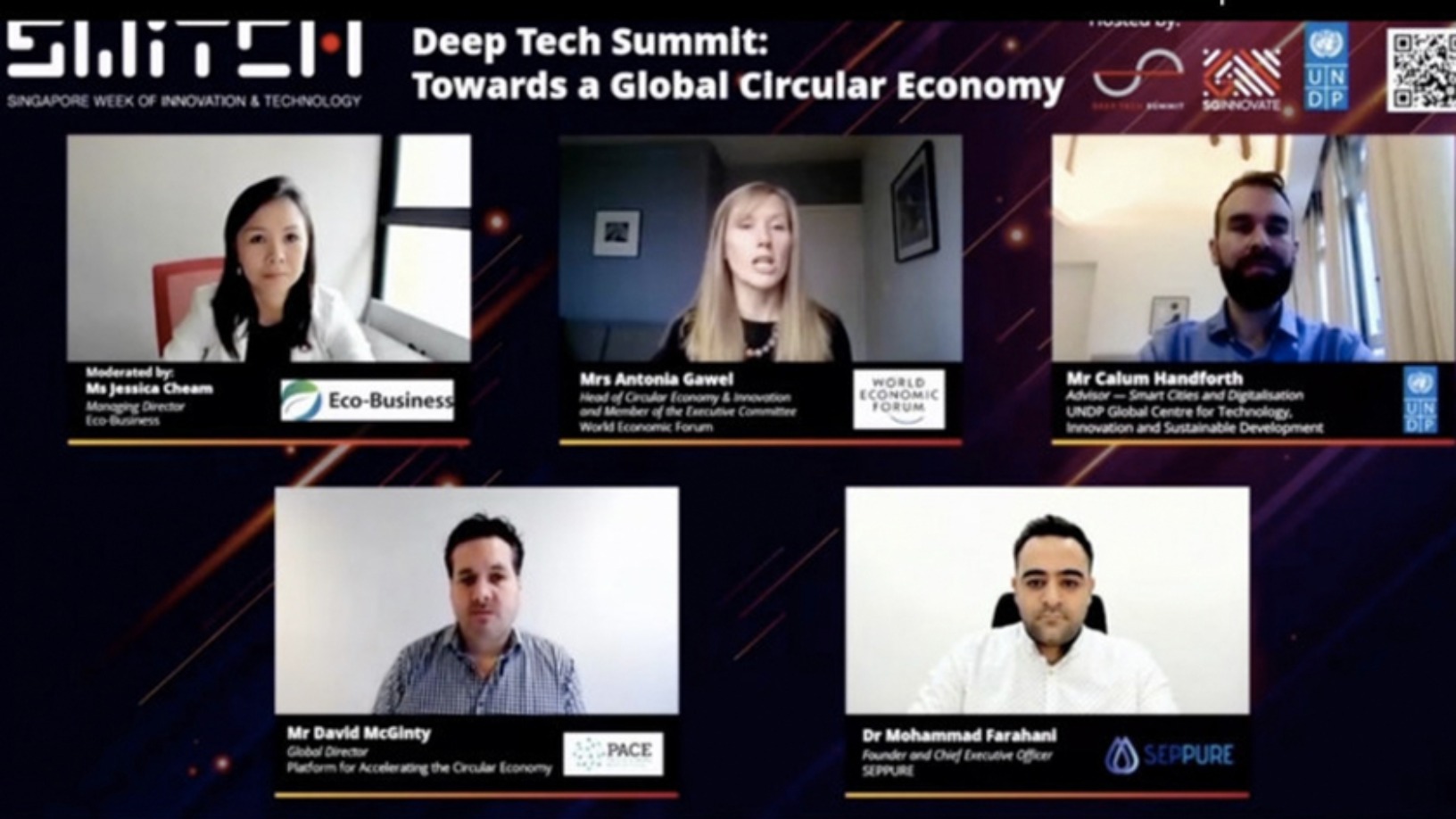
SWITCH Singapore: Embracing a circular economy, the whys and the hows
Its benefits for the environment aside, going circular could also lead to new economic growth, better public health and higher value-add employment, experts say
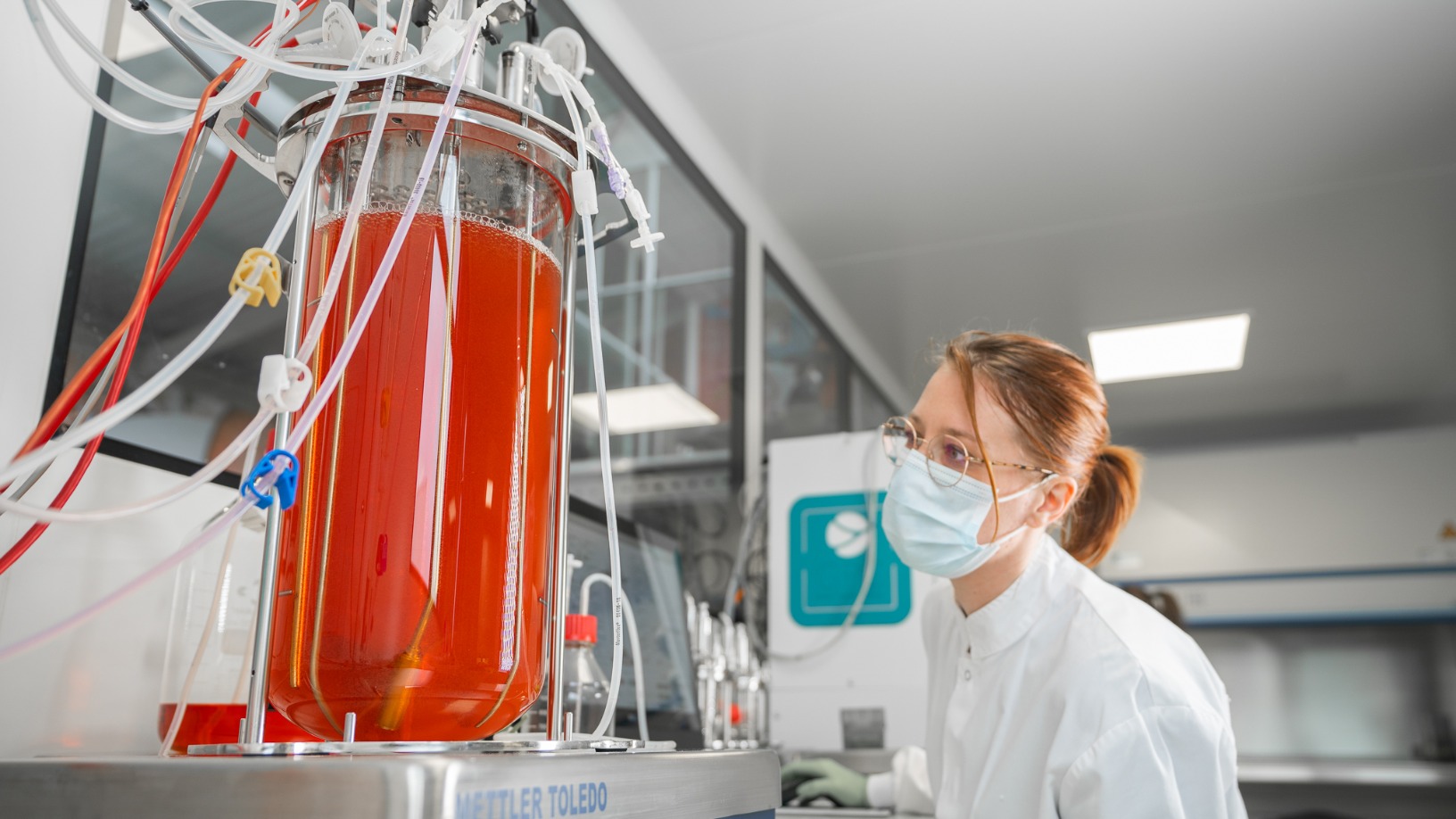
TreeFrog Therapeutics: Mimicking how stem cells grow in the human body
The French biotech’s proprietory technology to cultivate pluripotent stem cells in a 3D environment can be scaled to mass-produce high-quality cells to treat diseases such as Parkinson’s
MatMap: Making the construction sector more sustainable
Alicante-based startup MatMap gives a second lease of life to used construction materials that account for almost a third of EU waste

Sorry, we couldn’t find any matches for “environment”.
POPULAR DATABASE