Answer Tea
-
DATABASE (209)
-
ARTICLES (55)
CFO and co-founder of Scoobic Urban Mobility
José Enrique Díaz Buzón graduated in law at the University of Seville in 1999. He has a qualification in EU law, and a master’s in business consultancy. In 2005, he also studied labor relations at IE Business School in Madrid.In 1999, Díaz began practicing as a lawyer, specializing in commercial and corporate law and business consultancy. In 2016, he became the CFO, business development manager and co-founder of Scoobic Urban Mobility. The Spanish mobility startup and the co-founding team’s Passion Motorbike Factory aim to provide three-wheeled EVs and sustainable last-mile delivery solutions.

José Enrique Díaz Buzón graduated in law at the University of Seville in 1999. He has a qualification in EU law, and a master’s in business consultancy. In 2005, he also studied labor relations at IE Business School in Madrid.In 1999, Díaz began practicing as a lawyer, specializing in commercial and corporate law and business consultancy. In 2016, he became the CFO, business development manager and co-founder of Scoobic Urban Mobility. The Spanish mobility startup and the co-founding team’s Passion Motorbike Factory aim to provide three-wheeled EVs and sustainable last-mile delivery solutions.
CTO and co-founder of Scoobic Urban Mobility
Pablo Marfil Serrano graduated in industrial design engineering and product development at Nebrija University in Madrid in 2014. He has worked in industrial design, product development and branding for Madrid-based companies, including AECOM and Steelcase.In 2010, he became a member of the competitive Mini racing team Nebrija Motorsport. In 2012, Marfil founded his own agency Marfil Design & Consulting. He also co-founded Scoobic Urban Mobility in 2015 and became the Spanish mobility startup's CTO and business development manager. He is also a founding member and partner of Passion Motorbike Factory.

Pablo Marfil Serrano graduated in industrial design engineering and product development at Nebrija University in Madrid in 2014. He has worked in industrial design, product development and branding for Madrid-based companies, including AECOM and Steelcase.In 2010, he became a member of the competitive Mini racing team Nebrija Motorsport. In 2012, Marfil founded his own agency Marfil Design & Consulting. He also co-founded Scoobic Urban Mobility in 2015 and became the Spanish mobility startup's CTO and business development manager. He is also a founding member and partner of Passion Motorbike Factory.
President and co-founder of Bluepha
Li Teng graduated in bioscience at Tsinghua University in 2011 and stayed on to complete a PhD in synthetic biology in 2016. He joined a SynBio project team to create PHA bioplastics during his postgrad research at university.Li was also the leader of Tsinghua University’s team that won a gold medal at the International Genetically Engineered Machine (iGEM) Design Competition. He met Zhang Haoqian at the iGEM giant jamboree in 2010 and they have remained friends ever since.Li and Zhang co-founded Bluepha in 2016, a spin-off from Tsinghua University’s SynBio research project. In 2018, Li was selected for MIT Technology Review’s list of Innovators under 35. In 2019, he was named one of the 40 Chinese business elites under 40.

Li Teng graduated in bioscience at Tsinghua University in 2011 and stayed on to complete a PhD in synthetic biology in 2016. He joined a SynBio project team to create PHA bioplastics during his postgrad research at university.Li was also the leader of Tsinghua University’s team that won a gold medal at the International Genetically Engineered Machine (iGEM) Design Competition. He met Zhang Haoqian at the iGEM giant jamboree in 2010 and they have remained friends ever since.Li and Zhang co-founded Bluepha in 2016, a spin-off from Tsinghua University’s SynBio research project. In 2018, Li was selected for MIT Technology Review’s list of Innovators under 35. In 2019, he was named one of the 40 Chinese business elites under 40.
CEO and and co-founder of Bluepha
Zhang Haoqian completed a doctorate degree in systems and synthetic biology at Peking University in 2016. He has published more than 20 papers in international academic journals. In 2019, he was honored as one of China's 100 Most Creative People in Business. He is also a member of the Synthetic Biology Committee under China Society of Biotechnology.Peking University has participated in the International Genetically Engineered Machine (iGEM) competitions, with Zhang as a team member or leader between 2008 and 2010. The team has won gold medals twice at the iGEM competitions supported by MIT. He was also coaching the university’s iGEM team from 2011 until 2017. Zhang also founded the committee of China iGEMer Community.In 2010, Zhang met fellow iGEMer and Bluepha co-founder Li Teng at the iGEM giant jamboree event. They co-founded SynBio startup Bluepha in 2016, a spin-off from Tsinghua University.
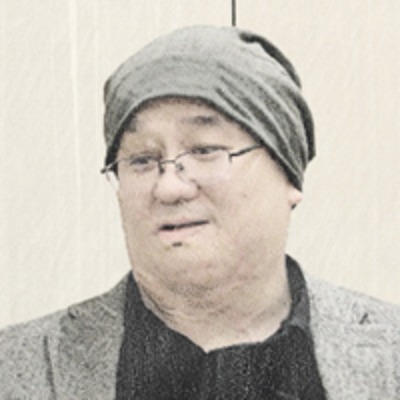
Zhang Haoqian completed a doctorate degree in systems and synthetic biology at Peking University in 2016. He has published more than 20 papers in international academic journals. In 2019, he was honored as one of China's 100 Most Creative People in Business. He is also a member of the Synthetic Biology Committee under China Society of Biotechnology.Peking University has participated in the International Genetically Engineered Machine (iGEM) competitions, with Zhang as a team member or leader between 2008 and 2010. The team has won gold medals twice at the iGEM competitions supported by MIT. He was also coaching the university’s iGEM team from 2011 until 2017. Zhang also founded the committee of China iGEMer Community.In 2010, Zhang met fellow iGEMer and Bluepha co-founder Li Teng at the iGEM giant jamboree event. They co-founded SynBio startup Bluepha in 2016, a spin-off from Tsinghua University.
Co-founder of Xampla
Tuomas Knowles is co-founder of Britain’s Xampla, producer of plant-based biodegradable plastics made from protein, which was founded in 2018 based on his team’s pioneering research. Knowles is a professor of physical chemistry and biophysics at Cambridge University, where he has worked since 2010 and manages the Knowles Lab which focuses on researching protein self-assembly underlying neurodegenerative disorders like Alzheimer's and Parkinson's disease. Knowles holds a PhD in Biophysics from the University of Cambridge and a degree in physics from ETH Zurich, a science and technology university.
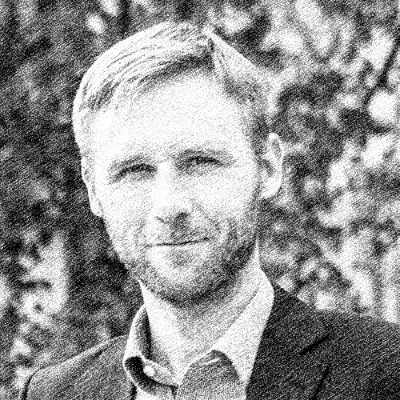
Tuomas Knowles is co-founder of Britain’s Xampla, producer of plant-based biodegradable plastics made from protein, which was founded in 2018 based on his team’s pioneering research. Knowles is a professor of physical chemistry and biophysics at Cambridge University, where he has worked since 2010 and manages the Knowles Lab which focuses on researching protein self-assembly underlying neurodegenerative disorders like Alzheimer's and Parkinson's disease. Knowles holds a PhD in Biophysics from the University of Cambridge and a degree in physics from ETH Zurich, a science and technology university.
Co-founder of Infinited Fiber
Ali Harlin completed two doctorates in chemical engineering and in polymer science in 1995 and 1996 respectively. He spent 11 years developing the Borstar technology related to bimodal PE and PP. He has also worked as a research director for packaging materials and cable machinery. He currently works as a research professor and lecturer at two local universities in Finland. In 2003, he joined Tampere University of Technology as a professor for fiber materials and technical textiles. In 2014, he also started lecturing at LUT University as a professor specializing in packaging and polymeric materials.Since 2005, the industrial biomaterial specialist has also been working at the Technical Research Centre of Finland VTT where he became the product R&D team leader for Infinited Fiber, a startup he co-founded in 2016 with CEO Petri Alava.
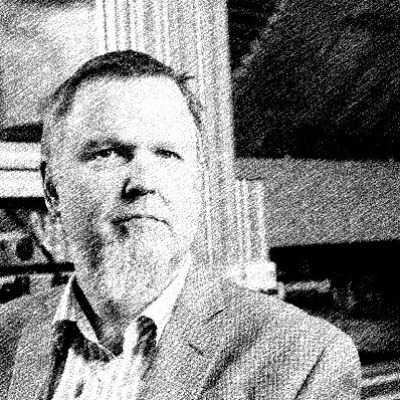
Ali Harlin completed two doctorates in chemical engineering and in polymer science in 1995 and 1996 respectively. He spent 11 years developing the Borstar technology related to bimodal PE and PP. He has also worked as a research director for packaging materials and cable machinery. He currently works as a research professor and lecturer at two local universities in Finland. In 2003, he joined Tampere University of Technology as a professor for fiber materials and technical textiles. In 2014, he also started lecturing at LUT University as a professor specializing in packaging and polymeric materials.Since 2005, the industrial biomaterial specialist has also been working at the Technical Research Centre of Finland VTT where he became the product R&D team leader for Infinited Fiber, a startup he co-founded in 2016 with CEO Petri Alava.
Co-founder of Meatable
Mark Kotter is the Austrian co-founder at Dutch cell-based meat startup Meatable, the first to use pluripotent stem cells and claim a highly scalable culture technology, which was developed by Kotter prior to founding the startup in 2018. He is also founder at his biotech startup, bit.bio, which is based in Cambridge, UK, since 2016, where he applies his cellular technological innovation to human stem cell research and has raised investments totaling $42m. His main full-time position is at the University of Cambridge, where he has worked since 2009. He has spent more than five years as a clinician-scientist in stem cell research and was previously a lecturer in neurosurgery. Kotter also lectures at Paris Descartes University and is a team leader at the UK’s National Institute for Health Research’s Brain Injury MedTech Co-operative. He also founded Myelopathy.org to raise awareness of cervical myelopathy. His past positions were as a research group leader at the Max Planck Institute for Experimental Medicine for one year, and for two years spent at the Medical University of Vienna. Kotter holds two doctorates; one in philosophy from the University of Cambridge and the other in medicine from the University of Graz in Austria. Kotter also holds a master’s in philosophy from the University of Cambridge.

Mark Kotter is the Austrian co-founder at Dutch cell-based meat startup Meatable, the first to use pluripotent stem cells and claim a highly scalable culture technology, which was developed by Kotter prior to founding the startup in 2018. He is also founder at his biotech startup, bit.bio, which is based in Cambridge, UK, since 2016, where he applies his cellular technological innovation to human stem cell research and has raised investments totaling $42m. His main full-time position is at the University of Cambridge, where he has worked since 2009. He has spent more than five years as a clinician-scientist in stem cell research and was previously a lecturer in neurosurgery. Kotter also lectures at Paris Descartes University and is a team leader at the UK’s National Institute for Health Research’s Brain Injury MedTech Co-operative. He also founded Myelopathy.org to raise awareness of cervical myelopathy. His past positions were as a research group leader at the Max Planck Institute for Experimental Medicine for one year, and for two years spent at the Medical University of Vienna. Kotter holds two doctorates; one in philosophy from the University of Cambridge and the other in medicine from the University of Graz in Austria. Kotter also holds a master’s in philosophy from the University of Cambridge.
Advisor, board member, co-founder of NovoNutrients
Brian Sefton has been co-founder, a board member and a part-time advisor at NovoNutrients, a San Francisco-based biotech manufacturer of alt-protein produced from fermentation and CO2 since it was founded in 2017. In 2009, he co-founded research entity Oakbio, from which NovoNutrients evolved, and was its President and CTO. Sefton was CTO and President at NovoNutrients and also co-CEO and Chief Scientist at Oakbio until 2021 when he became the CEO at San Francisco-based fermentation commercialization startup Sincarne. Between 2005 and 2011, Sefton was also CEO at pharma research company Pharmadyn, working on drugs development for Alzheimer's Disease, and, for three of those years, was also Managing Partner of Stratsyn, a consultancy specializing in creation, development, management and fund raising for not-for-profit organizations. Sefton’s earlier posts include: directing nanotechnology commercialization and investment company Nanosig for three years, CEO of Silicon Valley’s Fastlane, a high-profile pioneer in real-time network traffic and security analysis for six years; and, simultaneously, being CEO at Bluebox Communications, developing high-end network security applications and appliances for Fortune 500 companies and the US government.Sefton holds an MBA from Santa Clara University in California and a bachelor’s degree in biochemistry from the University of California, Berkeley

Brian Sefton has been co-founder, a board member and a part-time advisor at NovoNutrients, a San Francisco-based biotech manufacturer of alt-protein produced from fermentation and CO2 since it was founded in 2017. In 2009, he co-founded research entity Oakbio, from which NovoNutrients evolved, and was its President and CTO. Sefton was CTO and President at NovoNutrients and also co-CEO and Chief Scientist at Oakbio until 2021 when he became the CEO at San Francisco-based fermentation commercialization startup Sincarne. Between 2005 and 2011, Sefton was also CEO at pharma research company Pharmadyn, working on drugs development for Alzheimer's Disease, and, for three of those years, was also Managing Partner of Stratsyn, a consultancy specializing in creation, development, management and fund raising for not-for-profit organizations. Sefton’s earlier posts include: directing nanotechnology commercialization and investment company Nanosig for three years, CEO of Silicon Valley’s Fastlane, a high-profile pioneer in real-time network traffic and security analysis for six years; and, simultaneously, being CEO at Bluebox Communications, developing high-end network security applications and appliances for Fortune 500 companies and the US government.Sefton holds an MBA from Santa Clara University in California and a bachelor’s degree in biochemistry from the University of California, Berkeley
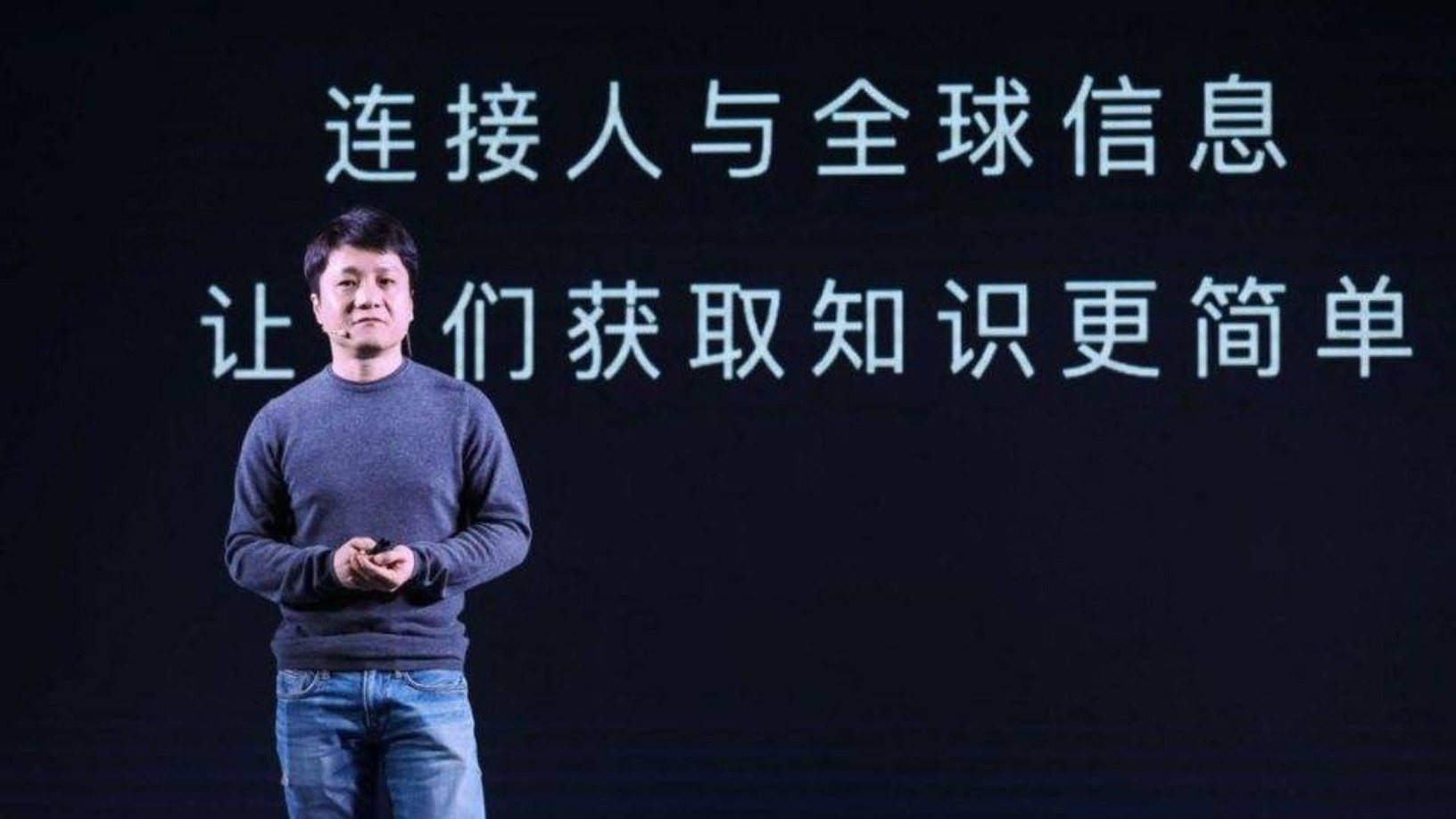
CEO and Co-founder of Kuaishou
Su Hua quit his PhD studies at China’s prestigious Tsinghua University. In 2006, he joined Google as an engineer working on ads search. In October 2008, he left Google and started over 33 projects but all failed.A year later, he joined Baidu and worked for over two years as a core engineer and team leader for its search engine marketing system Fengchao. He left Baidu to establish search engine startup One Box that was acquired by Alibaba.In June 2013, Su was introduced to Cheng Yixiao who had already founded GIF Kuaishou in 2011. They decided to join forces and pivot GIF Kuaishou into a video-sharing app, with Su as CEO and Cheng as CPO.
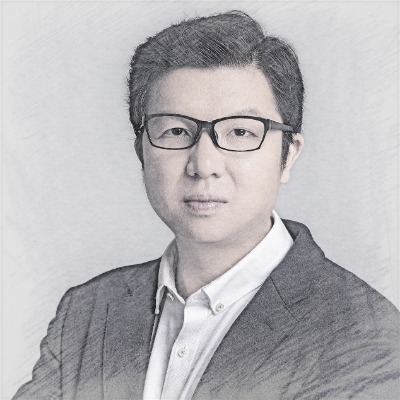
Su Hua quit his PhD studies at China’s prestigious Tsinghua University. In 2006, he joined Google as an engineer working on ads search. In October 2008, he left Google and started over 33 projects but all failed.A year later, he joined Baidu and worked for over two years as a core engineer and team leader for its search engine marketing system Fengchao. He left Baidu to establish search engine startup One Box that was acquired by Alibaba.In June 2013, Su was introduced to Cheng Yixiao who had already founded GIF Kuaishou in 2011. They decided to join forces and pivot GIF Kuaishou into a video-sharing app, with Su as CEO and Cheng as CPO.
co-founder of YITU Healthcare
Lin Chenxi was the first director of technology at Alibaba Cloud, the cloud computing arm of the Alibaba Group. From 2008 to 2012, he led a team of more than 100 senior engineers to successfully set up Apsara, the largest, distributed cloud computing operating system with independent intellectual property rights in China. Before joining the Alibaba Group, Lin worked for Microsoft Research Asia in the fields of machine learning, computer vision, information retrieval and distributed systems. In 2012, he joined Leo Zhu as cofounder and chief technology officer of YITU Healthcare.
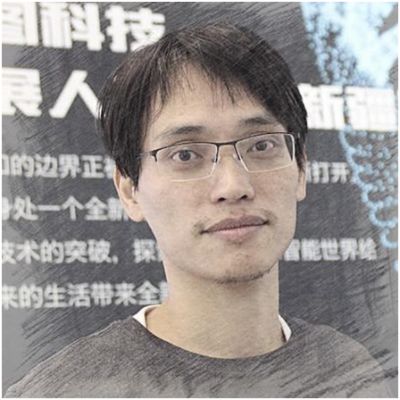
Lin Chenxi was the first director of technology at Alibaba Cloud, the cloud computing arm of the Alibaba Group. From 2008 to 2012, he led a team of more than 100 senior engineers to successfully set up Apsara, the largest, distributed cloud computing operating system with independent intellectual property rights in China. Before joining the Alibaba Group, Lin worked for Microsoft Research Asia in the fields of machine learning, computer vision, information retrieval and distributed systems. In 2012, he joined Leo Zhu as cofounder and chief technology officer of YITU Healthcare.
Co-founder and CEO of Delman
Straight out of university, Surya Halim decided that he would become an entrepreneur. After earning his bachelor’s in Electrical Engineering and Computer Science at the University of California, Berkeley, he returned to Indonesia and took on contract work for two years. Halim eventually decided to create his own company and recruited two university friends: classmate Raymond Christopher, and teaching assistant Theodorus Budiyanto, both of whom were working in US tech companies at the time. After Christopher and Budiyanto returned to Indonesia, the three established data wrangling company Delman.
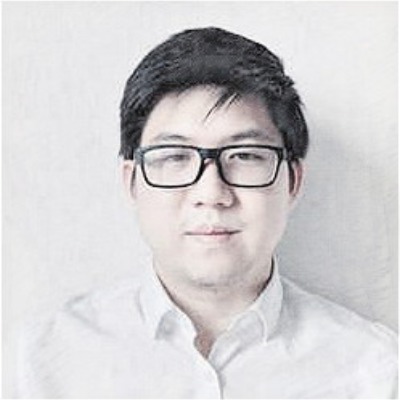
Straight out of university, Surya Halim decided that he would become an entrepreneur. After earning his bachelor’s in Electrical Engineering and Computer Science at the University of California, Berkeley, he returned to Indonesia and took on contract work for two years. Halim eventually decided to create his own company and recruited two university friends: classmate Raymond Christopher, and teaching assistant Theodorus Budiyanto, both of whom were working in US tech companies at the time. After Christopher and Budiyanto returned to Indonesia, the three established data wrangling company Delman.
Co-founder and CTO of Delman
Theodorus Budiyanto graduated from the University of California, Berkeley with a bachelor’s in Electrical Engineering and Computer Science. After graduating in 2016, he joined data analytics company Splunk as a software engineer. In 2018, he returned to Indonesia to join university classmate Surya Halim and former teaching assistant Raymond Christopher to establish Delman, their own data wrangling and analytics company.

Theodorus Budiyanto graduated from the University of California, Berkeley with a bachelor’s in Electrical Engineering and Computer Science. After graduating in 2016, he joined data analytics company Splunk as a software engineer. In 2018, he returned to Indonesia to join university classmate Surya Halim and former teaching assistant Raymond Christopher to establish Delman, their own data wrangling and analytics company.
Co-founder and Chief Data Officer of Delman
Between 2012 and 2014, Raymond Christopher worked as a teaching assistant while pursuing a PhD in Applied Mathematics at the University of California, Berkeley. There, he met future co-founders Surya Halim and Theodorus Budiyanto, who were taking their undergraduate degrees. After he earned his PhD, Christopher joined marketing and analytics company LiveRamp as an intern, and afterwards became a software engineer at Google. He returned to Indonesia in 2018 to establish data analytics firm Delman.
Between 2012 and 2014, Raymond Christopher worked as a teaching assistant while pursuing a PhD in Applied Mathematics at the University of California, Berkeley. There, he met future co-founders Surya Halim and Theodorus Budiyanto, who were taking their undergraduate degrees. After he earned his PhD, Christopher joined marketing and analytics company LiveRamp as an intern, and afterwards became a software engineer at Google. He returned to Indonesia in 2018 to establish data analytics firm Delman.
CEO and Co-founder of Squirrel AI
Squirrel AI CEO and co-founder Zhou Wei was formerly VP of Only Education International, a K12 educational institution. He was also the GM of Only Education’s strategic expansion department from 2010, growing its student base from 100,000 to 1m over three years, acquiring the biggest share of the children’s English education market in China and once had opened 600 institutions in one year. Prior to joining Only Education, Zhou worked at Avon Products as its GM in Shanghai, where he achieved a record RMB 500m in annual sales and won the Best Regional and Team-Lead Sales Performance title for four consecutive years .
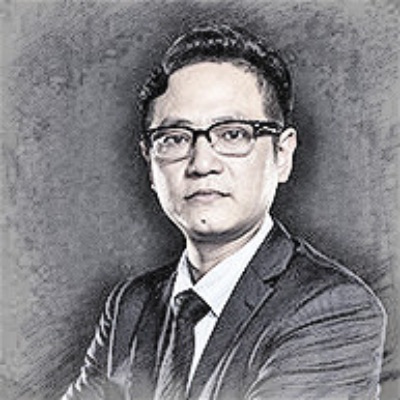
Squirrel AI CEO and co-founder Zhou Wei was formerly VP of Only Education International, a K12 educational institution. He was also the GM of Only Education’s strategic expansion department from 2010, growing its student base from 100,000 to 1m over three years, acquiring the biggest share of the children’s English education market in China and once had opened 600 institutions in one year. Prior to joining Only Education, Zhou worked at Avon Products as its GM in Shanghai, where he achieved a record RMB 500m in annual sales and won the Best Regional and Team-Lead Sales Performance title for four consecutive years .
Chief Scientist and Co-founder of Squirrel AI
Squirrel AI Chief Scientist and co-founder Cui Wei received his PhD in 2012 from University College Dublin, Ireland, where he conducted research on artificial intelligence and its application to ultra-high frequency trading. Upon graduation, he joined web-based learning system provider Realizeit (DBA of CCKF) in Ireland, where he applied AI to adaptive education. Prior to co-founding Squirrel AI in 2016, he had founded Ireland’s first Chinese-language online shopping platform, which served 80% of the Chinese population in Ireland.
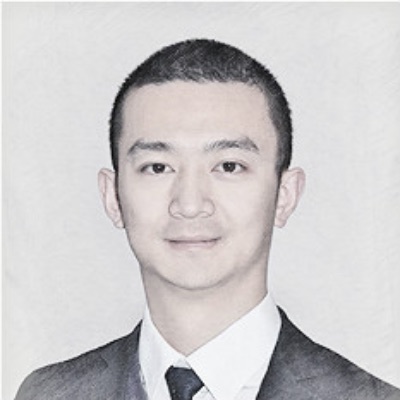
Squirrel AI Chief Scientist and co-founder Cui Wei received his PhD in 2012 from University College Dublin, Ireland, where he conducted research on artificial intelligence and its application to ultra-high frequency trading. Upon graduation, he joined web-based learning system provider Realizeit (DBA of CCKF) in Ireland, where he applied AI to adaptive education. Prior to co-founding Squirrel AI in 2016, he had founded Ireland’s first Chinese-language online shopping platform, which served 80% of the Chinese population in Ireland.
In China's frothy tea drink universe, startups learn to battle
Tea shop startups like Nayuki and Heytea are staying afloat by turning to high-quality organic ingredients and greater brand visibility


Kopi Kenangan serves up an addictive blend of rapid expansion and profitability
Its recent $109m Series B infusion boosts the Indonesian startup's confidence for sustainability and regional expansion despite the current Covid-19 slowdown

Farmer Connect: Blockchain powered platform tracing coffee beans from field to cup
Farmer Connect’s platform enables consumers to trace the origin, quality and ethical footprint of a product by just scanning a QR code

Modern China Tea Shop: Cool hangout for yuppies in Chairman Mao's Hunan
The tea house in Changsha, the provincial capital of Hunan, is creating a storm in a teacup, serving tea lattes that go viral across China

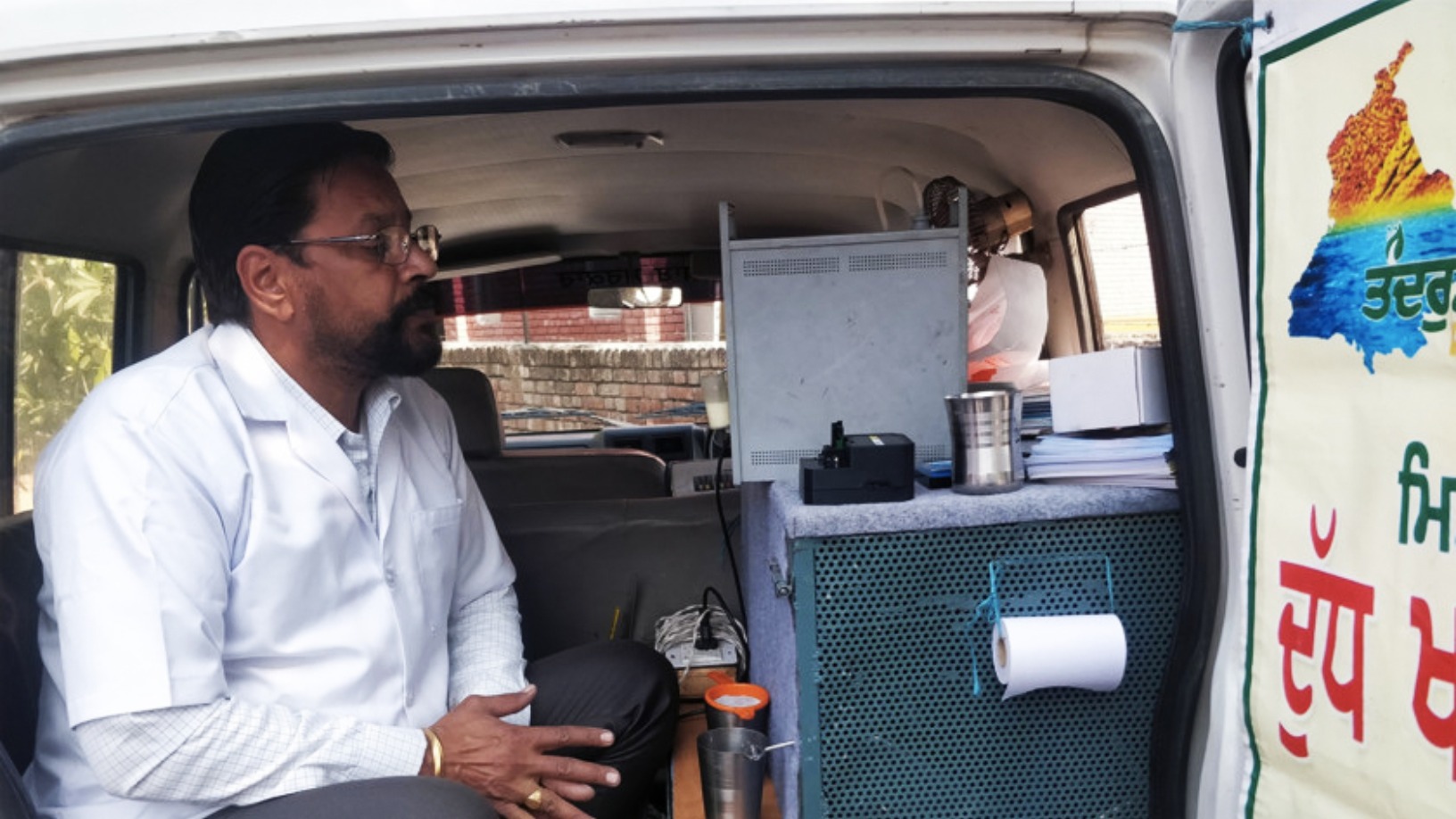
AgNext seeks less food loss, fairer prices for farmers with food quality analysis tech
Taking computer vision and chemical analysis to the fields for quick crop quality checks, Punjab-based AgNext eyes Asian expansion, and insurtech, fintech opportunities
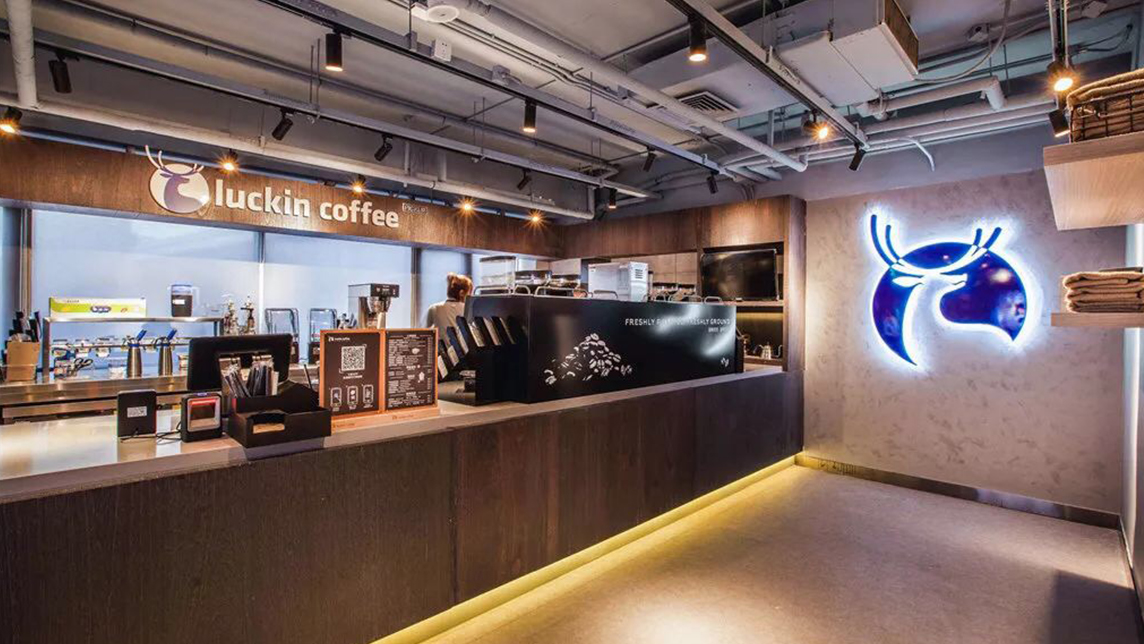
This Chinese café startup aims to best Starbucks with “new retail” strategy
Luckin Coffee has gone from scratch to China’s first coffee shop unicorn in less than a year, pouring more than 5 million cups of coffee along the way
Tigerobo: Building the next-generation search engine with natural language processing
With the success of Tigerobo Search, its flagship AI-based finance industry search engine, the startup is also diversifying into government, energy and media sectors
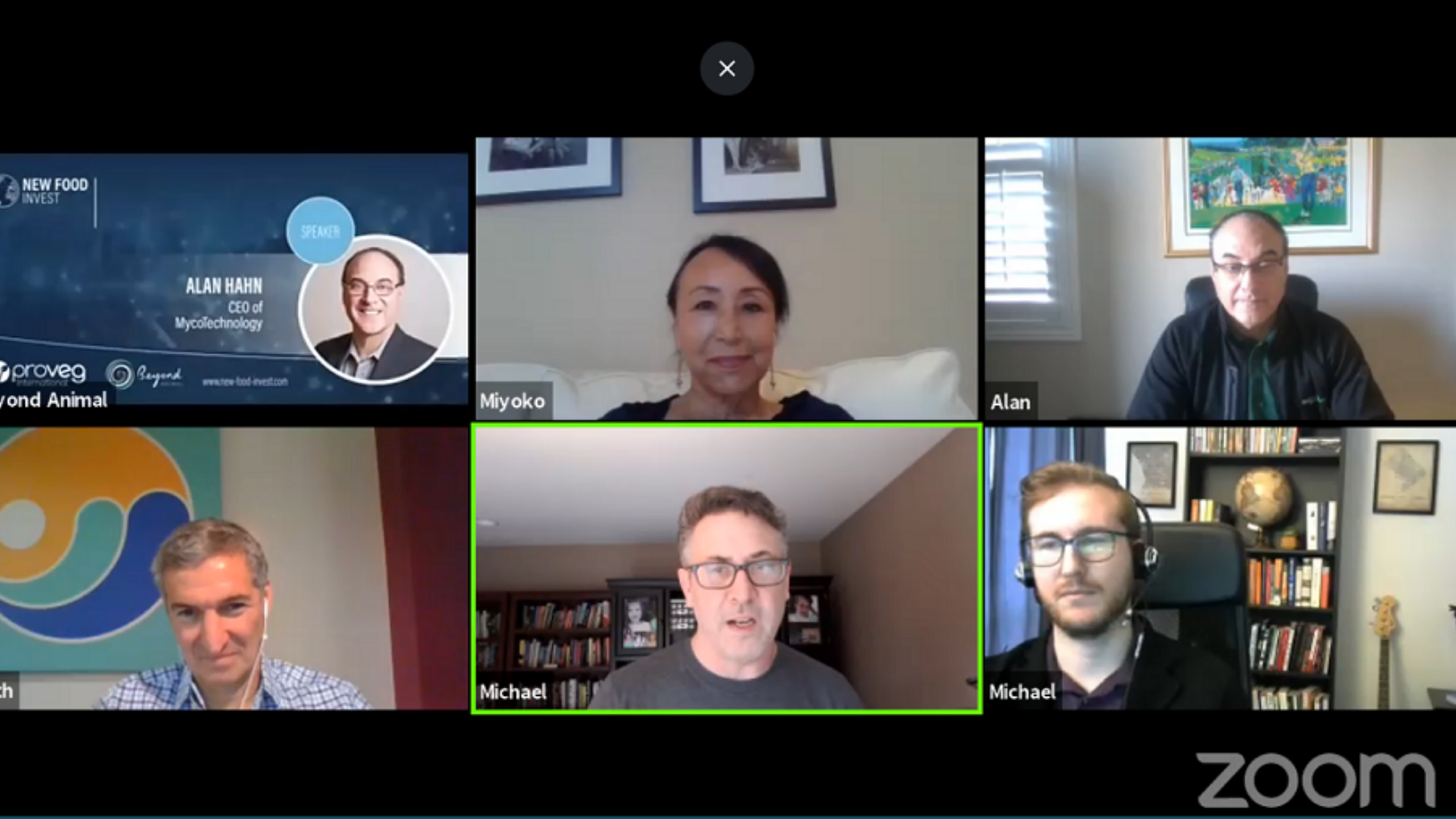
New Food Invest: Building a plant-based business in the US
With plant-based startups experiencing exponential growth but facing increasingly intense competition, experts consider the opportunities and barriers in the sector
BJTech: Chatbots to help young entrepreneurs and SMEs run businesses online
As more businesses go online during Covid-19, BJTech is using chatbots to help them manage customer service, inventory tracking and more

Eco-friendly vegan leather from recycled waste, made in Indonesia
In the battle for ethical consumer dollars, mass production of vegan leather by startups like Mycotech and Bell Society, could be the game-changer for the fashion industry

Makaron, an AI-powered "Photoshop for smartphones," has over 20m users
Want to make your photo look like it was taken anywhere in the world – even if you were not physically there? Photo-editing app Makaron allows you to do this within a few seconds using your mobile phone

Xiangwushuo’s platform finds a new home for secondhand goods
This WeChat mini program doesn’t yet have a monetization strategy, but has still received over US$110 million in funding in one year

Thousands of Farmers: Creative subscription model to help farms sell seasonal produce
Just a few months old, Thousands of Farmers plans to add more entertaining features to its farm-to-table social commerce, attracting young consumers

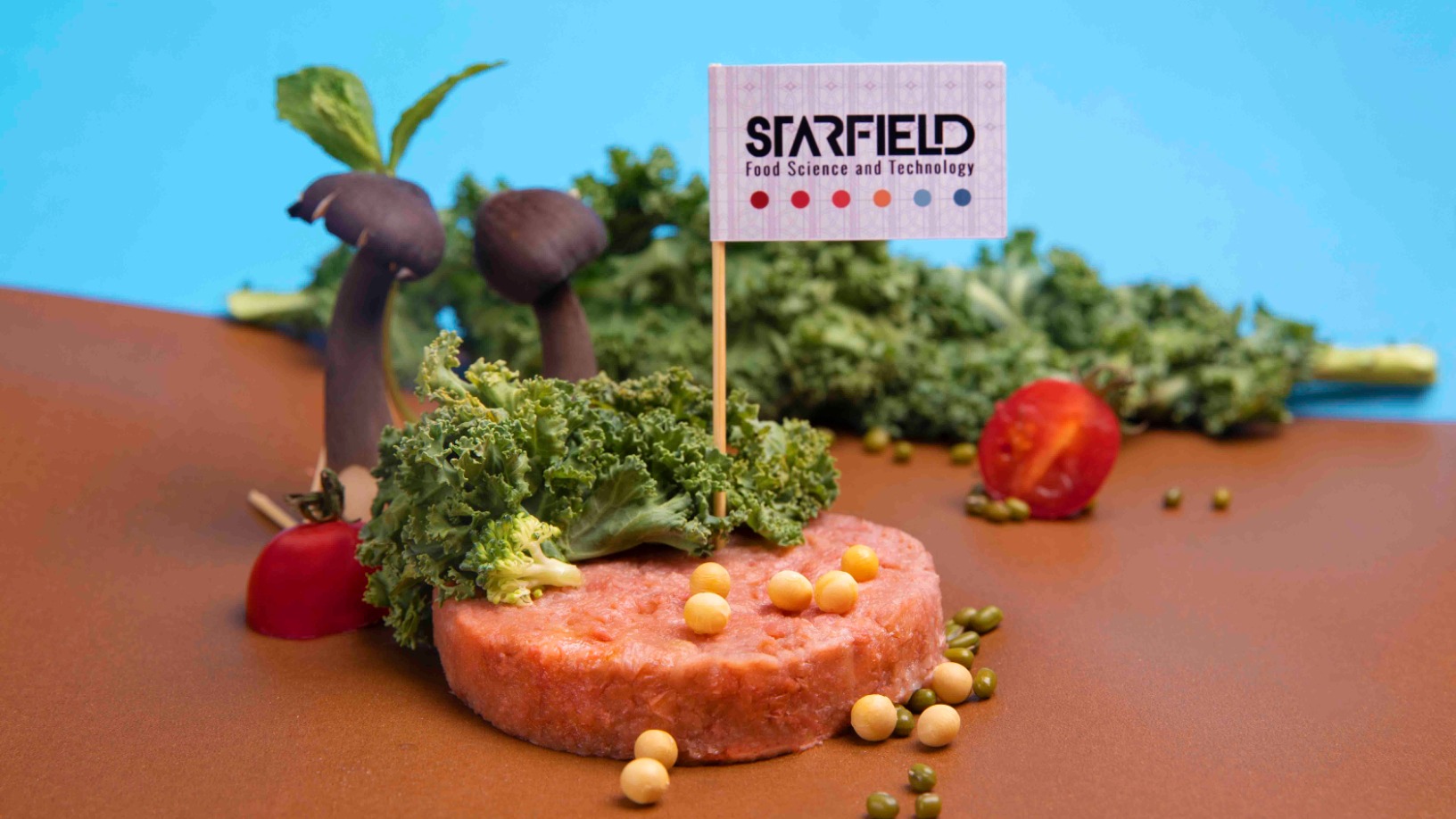
In a nascent market, one-year-old Starfield has brought its offerings to around 3,000 F&B outlets and generated RMB 10m in revenue
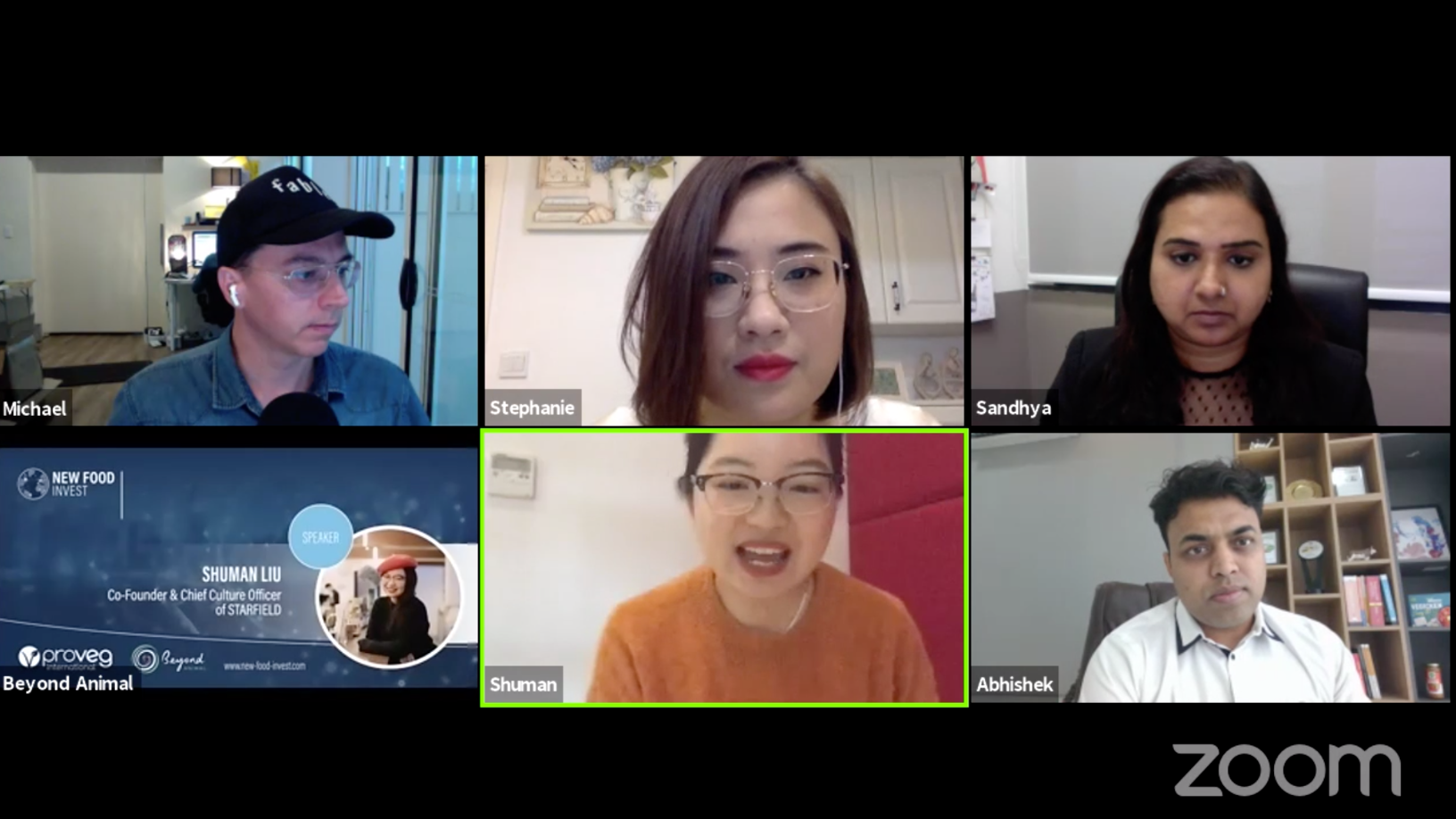
New Food Invest: Growing an alternative protein business in Asia
With more than 4bn people, Asia presents unique opportunities and challenges to alternative protein startups. Four leading entrepreneurs shared their experiences at the recent New Food Invest conference
Sorry, we couldn’t find any matches for “Answer Tea”.
POPULAR DATABASE