Deep tech
-
DATABASE (1065)
-
ARTICLES (448)
CTO and co-founder of Diamond Foundry
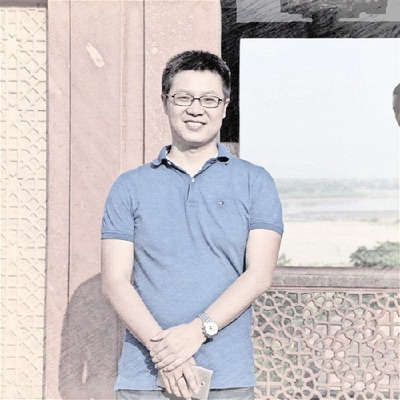
Jeremy Scholz is CTO and co-founder at US-based unicorn Diamond Foundry, the first certified carbon-neutral lab-produced diamond manufacturer. He has worked there since 2012, leading up to the company’s official establishment. Prior to this, Scholz co-founded startup consultancy Alicanto in 2011 and briefly worked at startup YottaQ as director of engineering. From 2006–2011, Scholz worked as an engineer and manager at the $640m solar power startup Nanosolar. Silicon Valley's first solar power technology startup financed by American venture capital, the firm was the highest-valued firm in the industry at the time. When Nanosolar closed due to cheaper competition from China, much of its technical expertise and experience were diverted to set up Diamond Foundry. Scholz graduated from the Massachusetts Institute of Technology in mechanical engineering and started his career working at Boeing as a mechanical engineer from 2005–2006.
Jeremy Scholz is CTO and co-founder at US-based unicorn Diamond Foundry, the first certified carbon-neutral lab-produced diamond manufacturer. He has worked there since 2012, leading up to the company’s official establishment. Prior to this, Scholz co-founded startup consultancy Alicanto in 2011 and briefly worked at startup YottaQ as director of engineering. From 2006–2011, Scholz worked as an engineer and manager at the $640m solar power startup Nanosolar. Silicon Valley's first solar power technology startup financed by American venture capital, the firm was the highest-valued firm in the industry at the time. When Nanosolar closed due to cheaper competition from China, much of its technical expertise and experience were diverted to set up Diamond Foundry. Scholz graduated from the Massachusetts Institute of Technology in mechanical engineering and started his career working at Boeing as a mechanical engineer from 2005–2006.
Co-founder of Diamond Foundry
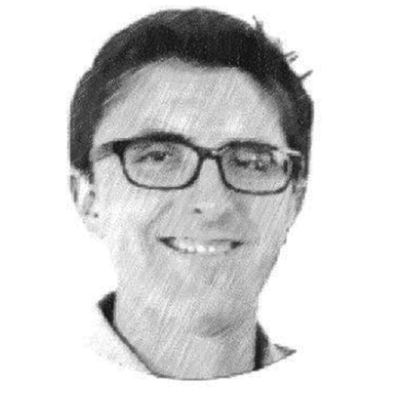
Kyle Gazay is a co-founder of Diamond Foundry, the US-based unicorn that makes lab-grown diamonds and which is also the world’s first diamond producer to be certified carbon neutral. He has worked at Diamond Foundry since its launch, and held several roles there, including being COO as well as president of productionCurrently, Gazay oversees all diamond production at the company. Gazay’s expertise is in engineering and production. He has a decade’s track record in working with any equipment to obtain a robust and repeatable baseline output.Like the other co-founders of Diamond Foundry, Gazay previously worked at Nanosolar, a $640m US-based solar power technology provider, which later folded due to pressure from cheaper competition in China. At Nanosolar, Gazay led the development of its production line, and oversaw the translation of the company’s research into development and baseline production output. Upon the closure of Nanosolar, Gazay joined former Nanosolar CEO Martin Roscheisen and former Nanosolar engineer Jeremy Scholz in pivoting to work on lab-grown diamonds, and in establishing Diamond Foundry.
Kyle Gazay is a co-founder of Diamond Foundry, the US-based unicorn that makes lab-grown diamonds and which is also the world’s first diamond producer to be certified carbon neutral. He has worked at Diamond Foundry since its launch, and held several roles there, including being COO as well as president of productionCurrently, Gazay oversees all diamond production at the company. Gazay’s expertise is in engineering and production. He has a decade’s track record in working with any equipment to obtain a robust and repeatable baseline output.Like the other co-founders of Diamond Foundry, Gazay previously worked at Nanosolar, a $640m US-based solar power technology provider, which later folded due to pressure from cheaper competition in China. At Nanosolar, Gazay led the development of its production line, and oversaw the translation of the company’s research into development and baseline production output. Upon the closure of Nanosolar, Gazay joined former Nanosolar CEO Martin Roscheisen and former Nanosolar engineer Jeremy Scholz in pivoting to work on lab-grown diamonds, and in establishing Diamond Foundry.
Co-Founder and CEO of Tokopedia
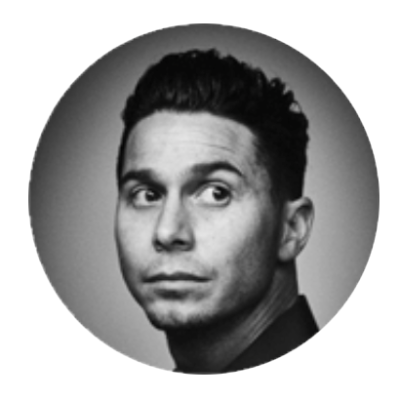
North Sumatran native from Pematangsiantar city, William Tanuwijaya, holds a bachelor’s degree in Information Technology from Bina Nusantara University. After graduation, he worked as a software developer in various companies. In 2006, he joined the content provider company, PT Indocom Mediatama, as an IT and Business Development Manager; where he met co-founder Leontinus Alpha Edison and future Tokopedia investor Victor Fungkong. When Tokopedia merged with Gojek in 2021, Tanuwijaya remained as Tokopedia’s CEO.
North Sumatran native from Pematangsiantar city, William Tanuwijaya, holds a bachelor’s degree in Information Technology from Bina Nusantara University. After graduation, he worked as a software developer in various companies. In 2006, he joined the content provider company, PT Indocom Mediatama, as an IT and Business Development Manager; where he met co-founder Leontinus Alpha Edison and future Tokopedia investor Victor Fungkong. When Tokopedia merged with Gojek in 2021, Tanuwijaya remained as Tokopedia’s CEO.
Co-Founder and COO of Tokopedia
West Kalimantan native, Leontinus Alpha Edison, graduated from Atma Jaya University in Yogyakarta in 2003 with a bachelor’s in Information Technology. He worked as a website developer for various companies before becoming the General Manager of PT Indocom Mediatama, where he met co-founder William Tanuwijaya and future Tokopedia investor Victor Fungkong. Edison is also the co-founder of Indonesian VC firm Kolibra Capital.
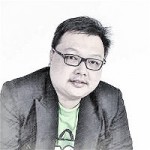
West Kalimantan native, Leontinus Alpha Edison, graduated from Atma Jaya University in Yogyakarta in 2003 with a bachelor’s in Information Technology. He worked as a website developer for various companies before becoming the General Manager of PT Indocom Mediatama, where he met co-founder William Tanuwijaya and future Tokopedia investor Victor Fungkong. Edison is also the co-founder of Indonesian VC firm Kolibra Capital.
CTO and Co-founder of Fourier Intelligence
With a degree in Mechanics from Shanghai Jiao Tong University, Xu Zhenhua has over 10 years of experience in robotics R&D. He previously worked as a senior R&D engineer at FANUC Robotics and the Pan Asia Technical Automotive Center, a joint venture between General Motors and SAIC Motor. Xu and Alex Gu co-founded Jinghe Robot in 2012 and Fourier Intelligence in 2015. Xu served as CTO at Fourier Intelligence from 2015 to 2018, at which time he left to found new exoskeleton startup ULS Robotics.
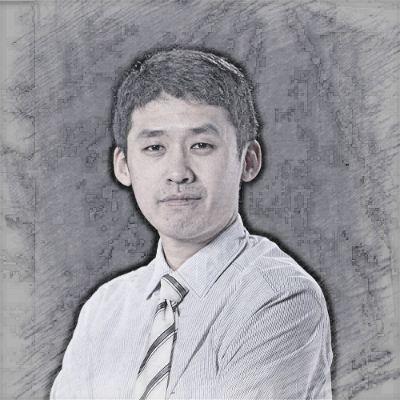
With a degree in Mechanics from Shanghai Jiao Tong University, Xu Zhenhua has over 10 years of experience in robotics R&D. He previously worked as a senior R&D engineer at FANUC Robotics and the Pan Asia Technical Automotive Center, a joint venture between General Motors and SAIC Motor. Xu and Alex Gu co-founded Jinghe Robot in 2012 and Fourier Intelligence in 2015. Xu served as CTO at Fourier Intelligence from 2015 to 2018, at which time he left to found new exoskeleton startup ULS Robotics.
CEO and co-founder of IXON Food Technology
Felix Cheung graduated in physics from Adelaide’s Flinders University in 1999 and obtained a PhD in physics from the University of Sydney in 2005. He obtained a master’s in food analysis and food safety management from Hong Kong Baptist University in 2015. Cheung met Elton Ho during the master’s program at university and they teamed up to co-develop the advanced sous-vide aseptic packaging (ASAP) technology. In January 2017, they established IXON Food Technology to further develop and commercialize ASAP for the food industry.Cheung previously worked as a website designer and administrator at the Complex Plasma Laboratory, University of Sydney, from 2002–2006. He was also an editor at Macmillan Science Communication for one year before joining the Springer Nature publishing group to work as editor at Nature China from 2007–2014.

Felix Cheung graduated in physics from Adelaide’s Flinders University in 1999 and obtained a PhD in physics from the University of Sydney in 2005. He obtained a master’s in food analysis and food safety management from Hong Kong Baptist University in 2015. Cheung met Elton Ho during the master’s program at university and they teamed up to co-develop the advanced sous-vide aseptic packaging (ASAP) technology. In January 2017, they established IXON Food Technology to further develop and commercialize ASAP for the food industry.Cheung previously worked as a website designer and administrator at the Complex Plasma Laboratory, University of Sydney, from 2002–2006. He was also an editor at Macmillan Science Communication for one year before joining the Springer Nature publishing group to work as editor at Nature China from 2007–2014.
Chief Project Manager and co-founder of IXON Food Technology
Elton Ho completed a master’s in food analysis and food safety management at Hong Kong Baptist University in 2015. Ho met Felix Cheung during the master’s program and they continued to develop the advanced sous-vide aseptic packaging (ASAP) technology after their graduation. They went on to co-found IXON Food Technology in January 2017, with funding from an angel investor.Ho had previously worked as a laboratory supervisor for nine years at the Vegetable Marketing Organization (VMO), monitoring the levels of pesticide chemical residues and heavy metals in domestic and imported fruits and vegetables. The VMO is a self-financing, non-profit organization established in 1946 to support local vegetable wholesalers and customers in Hong Kong. It also ensures food safety standards compliance and supports the sustainable development of local agriculture.
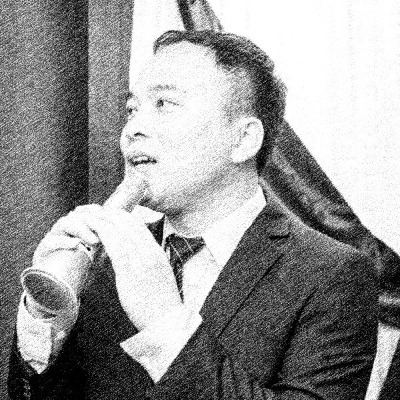
Elton Ho completed a master’s in food analysis and food safety management at Hong Kong Baptist University in 2015. Ho met Felix Cheung during the master’s program and they continued to develop the advanced sous-vide aseptic packaging (ASAP) technology after their graduation. They went on to co-found IXON Food Technology in January 2017, with funding from an angel investor.Ho had previously worked as a laboratory supervisor for nine years at the Vegetable Marketing Organization (VMO), monitoring the levels of pesticide chemical residues and heavy metals in domestic and imported fruits and vegetables. The VMO is a self-financing, non-profit organization established in 1946 to support local vegetable wholesalers and customers in Hong Kong. It also ensures food safety standards compliance and supports the sustainable development of local agriculture.
Co-founder and CEO of Allozymes
Peyman Salehian is an Iranian-born entrepreneur trained in chemical and biomolecular engineering. He founded his first company in 2010 after developing a custom material, and sold his stake in the company in 2013 before pursuing a PhD in Chemical and Biomolecular engineering at the National University of Singapore (NUS).Salehian graduated from the PhD program in 2017 and worked as a research fellow before embarking on one-year stints at two Singapore companies. In late 2019, he and fellow NUS researcher Akbar Vahidi established Allozymes, a startup offering enzyme engineering services using NUS-developed technology under license, with Salehian as CEO and Vahidi as CTO.
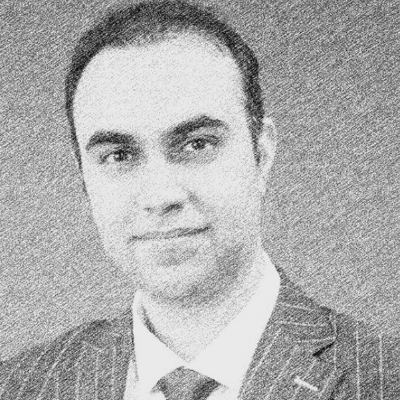
Peyman Salehian is an Iranian-born entrepreneur trained in chemical and biomolecular engineering. He founded his first company in 2010 after developing a custom material, and sold his stake in the company in 2013 before pursuing a PhD in Chemical and Biomolecular engineering at the National University of Singapore (NUS).Salehian graduated from the PhD program in 2017 and worked as a research fellow before embarking on one-year stints at two Singapore companies. In late 2019, he and fellow NUS researcher Akbar Vahidi established Allozymes, a startup offering enzyme engineering services using NUS-developed technology under license, with Salehian as CEO and Vahidi as CTO.
Co-founder and CTO of Allozymes
Akbar Vahidi is an Iranian researcher turned entrepreneur based in Singapore. After graduating in 2010 with a bachelor’s in chemical engineering from Sharif University of Technology, he pursued a PhD in chemical and biomolecular engineering at the National University of Singapore (NUS). Vahidi earned his PhD in 2015 and briefly worked as a research fellow at Nanyang Technological University before returning to NUS to pursue research.At NUS, he was a part of a research group that developed a new enzyme screening method based on microfluidics technology. With fellow NUS PhD graduate Peyman Salehian, Vahidi secured an exclusive license to use the technology and established Allozymes, a startup that offers enzyme engineering services. Vahidi became the CTO of Allozymes.
Akbar Vahidi is an Iranian researcher turned entrepreneur based in Singapore. After graduating in 2010 with a bachelor’s in chemical engineering from Sharif University of Technology, he pursued a PhD in chemical and biomolecular engineering at the National University of Singapore (NUS). Vahidi earned his PhD in 2015 and briefly worked as a research fellow at Nanyang Technological University before returning to NUS to pursue research.At NUS, he was a part of a research group that developed a new enzyme screening method based on microfluidics technology. With fellow NUS PhD graduate Peyman Salehian, Vahidi secured an exclusive license to use the technology and established Allozymes, a startup that offers enzyme engineering services. Vahidi became the CTO of Allozymes.
Co-founder and Director of Technology of Xurya
Edwin Widjonarko spent almost 6 years working as a research assistant at the USA’s National Renewable Energy Laboratory and at University of Colorado Boulder. In some of the projects he worked on, Widjonarko contributed to the development of new generation solar panels. In 2015, he left the research sphere to join Intel Corporation as a technology development process engineer. He stayed on until 2018, when he left Intel and returned to Indonesia to establish Xurya, a solar power company. Working with longtime friend Gusmantara Himawan and former East Ventures associate Philip Effendy, Widjonarko now works as Xurya’s director of technology.
Edwin Widjonarko spent almost 6 years working as a research assistant at the USA’s National Renewable Energy Laboratory and at University of Colorado Boulder. In some of the projects he worked on, Widjonarko contributed to the development of new generation solar panels. In 2015, he left the research sphere to join Intel Corporation as a technology development process engineer. He stayed on until 2018, when he left Intel and returned to Indonesia to establish Xurya, a solar power company. Working with longtime friend Gusmantara Himawan and former East Ventures associate Philip Effendy, Widjonarko now works as Xurya’s director of technology.
CEO and founder of Swan Daojia (formerly 58 Daojia)
Chen received a bachelor’s degree in material formation from Xiangtan University in 2004. While in college, he co-founded 0755.org.cn, one of the earliest online classifieds providers in China. He is also a co-founder of dunsh.org, a nonprofit search engine optimization website in China. After graduation, he served as senior project manager and chief editor at Xiamen Haowei Network Technology. From June–December 2007, Chen served as head of the product department at ganji.com, an online classified site, responsible for product management and customer experience. He then joined 58.com the same year, serving as senior VP of product management and website operation from December 2007 to August 2014.In November 2014, he founded 58 Daojia and has served as CEO since then. In August 2017, 58 Daojia announced a merger with 58 Su Yun and Gogovan, a logistics platform in Southeast Asia, and he became Chairman of the new company. The merger created Asia's largest city-to-city cargo delivery platform. In 2018, 58 Daojia was rebranded as Daojia Group. The group’s 58 Su Yun received $250m funding and was relaunched as Kuaigou Express.
Chen received a bachelor’s degree in material formation from Xiangtan University in 2004. While in college, he co-founded 0755.org.cn, one of the earliest online classifieds providers in China. He is also a co-founder of dunsh.org, a nonprofit search engine optimization website in China. After graduation, he served as senior project manager and chief editor at Xiamen Haowei Network Technology. From June–December 2007, Chen served as head of the product department at ganji.com, an online classified site, responsible for product management and customer experience. He then joined 58.com the same year, serving as senior VP of product management and website operation from December 2007 to August 2014.In November 2014, he founded 58 Daojia and has served as CEO since then. In August 2017, 58 Daojia announced a merger with 58 Su Yun and Gogovan, a logistics platform in Southeast Asia, and he became Chairman of the new company. The merger created Asia's largest city-to-city cargo delivery platform. In 2018, 58 Daojia was rebranded as Daojia Group. The group’s 58 Su Yun received $250m funding and was relaunched as Kuaigou Express.
CTO and co-founder of Bygen
Ben Morton is an Australian entrepreneur and a chemical engineer by training. While serving in the Royal Australian Infantry, he attended Flinders University, pursuing a double honours degree in physics and organic chemistry. After graduating in 2013, Morton briefly worked as a chemist at fertilizer company SprayGro. In 2016, he enrolled at the University of Adelaide to pursue a PhD in Chemical Engineering. There, he joined Philip Kwong’s research group and met fellow PhD student Lewis Dunnigan. Using technology they developed at the research group, in 2017 Morton, and Dunnigan established Bygen, a startup offering a low-cost, novel way process of making activated carbon using various forms of agricultural waste, with Kwong as a technical adviser and fellow co-founder. Morton is now CTO of Bygen.
Ben Morton is an Australian entrepreneur and a chemical engineer by training. While serving in the Royal Australian Infantry, he attended Flinders University, pursuing a double honours degree in physics and organic chemistry. After graduating in 2013, Morton briefly worked as a chemist at fertilizer company SprayGro. In 2016, he enrolled at the University of Adelaide to pursue a PhD in Chemical Engineering. There, he joined Philip Kwong’s research group and met fellow PhD student Lewis Dunnigan. Using technology they developed at the research group, in 2017 Morton, and Dunnigan established Bygen, a startup offering a low-cost, novel way process of making activated carbon using various forms of agricultural waste, with Kwong as a technical adviser and fellow co-founder. Morton is now CTO of Bygen.
CEO and co-founder of Bygen
Lewis Dunnigan is a researcher turned entrepreneur based in Australia. After earning a master’s degree in Chemical Engineering and working as a researcher at the University of Edinburgh in the UK, Dunnigan returned to Australia. He had a brief stint as a visiting researcher and earned his PhD in Chemical Engineering at the University of Adelaide.During his PhD, Dunnigan was a part of Philip Kwong’s research laboratory. His PhD project involved developing a system to generate activated charcoal and renewable energy from biomass. In 2017, Dunnigan, Kwong, and fellow PhD student Ben Morton decided to commercialize this technology and established a spin-off company called Bygen, which developed a low-cost, novel way to make activated carbon more sustainably using various forms of agricultural waste. Dunnigan is now the CEO of Bygen.
Lewis Dunnigan is a researcher turned entrepreneur based in Australia. After earning a master’s degree in Chemical Engineering and working as a researcher at the University of Edinburgh in the UK, Dunnigan returned to Australia. He had a brief stint as a visiting researcher and earned his PhD in Chemical Engineering at the University of Adelaide.During his PhD, Dunnigan was a part of Philip Kwong’s research laboratory. His PhD project involved developing a system to generate activated charcoal and renewable energy from biomass. In 2017, Dunnigan, Kwong, and fellow PhD student Ben Morton decided to commercialize this technology and established a spin-off company called Bygen, which developed a low-cost, novel way to make activated carbon more sustainably using various forms of agricultural waste. Dunnigan is now the CEO of Bygen.
Technical advisor and co-founder of Bygen
Philip Kwong is a lecturer and researcher at the University of Adelaide’s School of Chemical Engineering and Advanced Materials. He joined the university in 2009 and focuses on developing low-cost technologies that can facilitate a transition from fossil fuels to renewable energy. One of his ongoing research projects primarily deals with the conversion of agricultural waste into biochar, a form of charcoal that can act as a feedstock for making activated carbon and for sequestering carbon.In 2017, Kwong and two PhD students in his research group, Ben Morton and Lewis Dunnigan, began commercialization of the waste-to-activated carbon technology they had developed. A spin-off company called Bygen was established, with Dunnigan and Morton leading the startup. Kwong is a co-founder and technical advisor of the company.
Philip Kwong is a lecturer and researcher at the University of Adelaide’s School of Chemical Engineering and Advanced Materials. He joined the university in 2009 and focuses on developing low-cost technologies that can facilitate a transition from fossil fuels to renewable energy. One of his ongoing research projects primarily deals with the conversion of agricultural waste into biochar, a form of charcoal that can act as a feedstock for making activated carbon and for sequestering carbon.In 2017, Kwong and two PhD students in his research group, Ben Morton and Lewis Dunnigan, began commercialization of the waste-to-activated carbon technology they had developed. A spin-off company called Bygen was established, with Dunnigan and Morton leading the startup. Kwong is a co-founder and technical advisor of the company.
Senior Scientific Advisor and co-founder of The Not Company (NotCo)
Pablo Zamora is a biotechnologist from the University of Santiago, where he worked as a professor and research scientist until 2008. In 2009, he started his postdoctoral research on Mexico’s maize genetics at UC Davis Life Science Innovation Center. He worked there as a senior scientist and associate until 2014. In 2015, he was appointed the center’s Chief Science Officer based in Chile, a position he was in till January 2018.From 2013–2015, he also worked on various plant and microbe genomics projects as a senior scientist in Mars Advanced Research Institute. He was also an editor from 2012–2017 at the Journal of Technology Management & Innovation and worked at the non-profit PIPRA from 2010–2018 as international alliance manager in Sacramento, University of California.In 2015, he co-founded The Not Company (NotCo) based in Santiago. He was appointed CSO in February 2018, a role he led until March 2020, when he left the company to focus on a new project, AptaBuilder, a $60m program that promotes R&D for Chilean technology-based ventures. Zamora still consults as NotCo’s senior scientific advisor.
Pablo Zamora is a biotechnologist from the University of Santiago, where he worked as a professor and research scientist until 2008. In 2009, he started his postdoctoral research on Mexico’s maize genetics at UC Davis Life Science Innovation Center. He worked there as a senior scientist and associate until 2014. In 2015, he was appointed the center’s Chief Science Officer based in Chile, a position he was in till January 2018.From 2013–2015, he also worked on various plant and microbe genomics projects as a senior scientist in Mars Advanced Research Institute. He was also an editor from 2012–2017 at the Journal of Technology Management & Innovation and worked at the non-profit PIPRA from 2010–2018 as international alliance manager in Sacramento, University of California.In 2015, he co-founded The Not Company (NotCo) based in Santiago. He was appointed CSO in February 2018, a role he led until March 2020, when he left the company to focus on a new project, AptaBuilder, a $60m program that promotes R&D for Chilean technology-based ventures. Zamora still consults as NotCo’s senior scientific advisor.
Sequoia China Seed Fund: Growing an era of deep-tech startups
Managing Partner Neil Shen wants to help deep-tech and enterprise tech startups get investments more easily, across quantum computing, semiconductors, synthetic biology and more

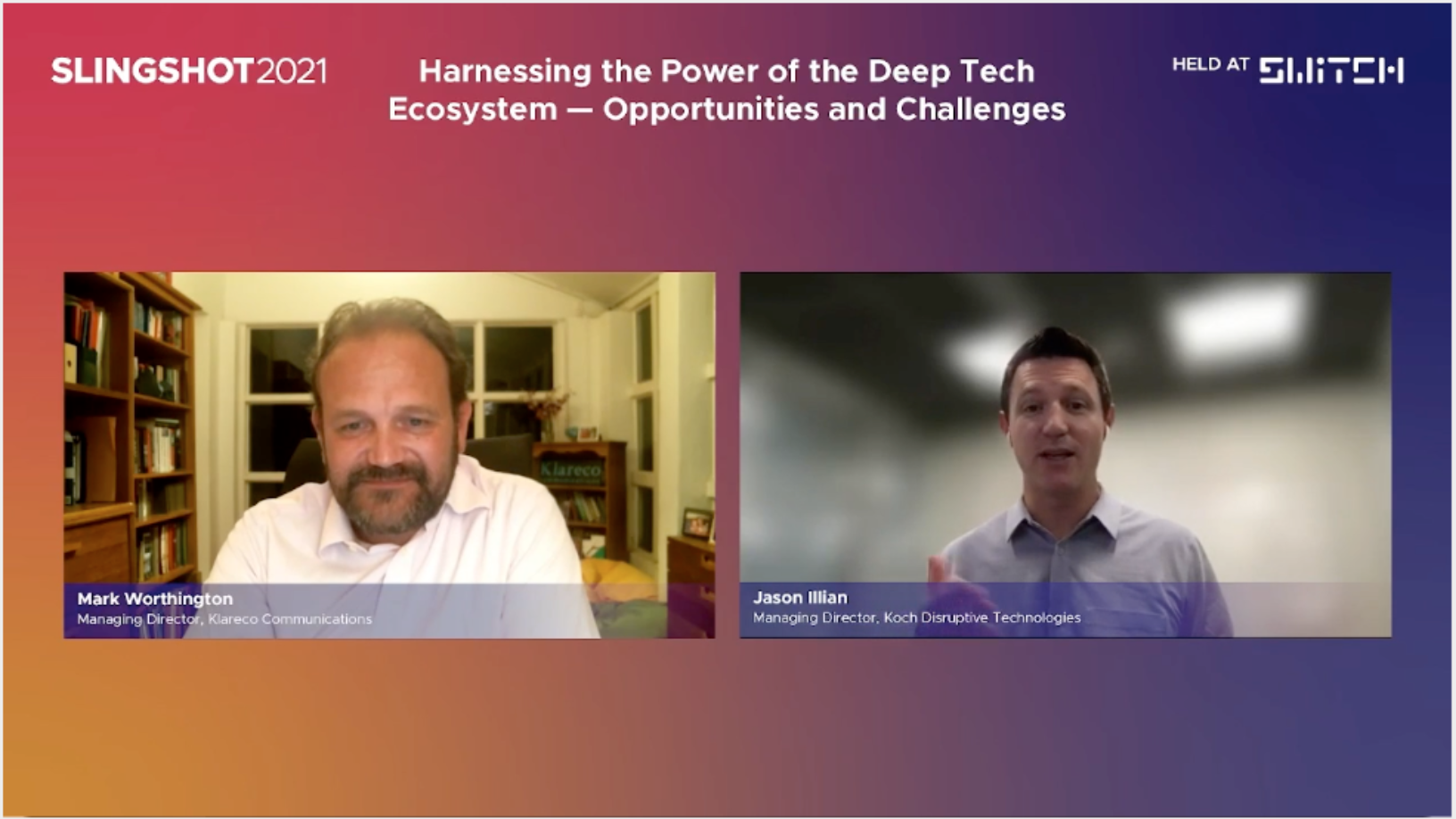
SWITCH Singapore 2021: How to harness the power of the deep tech ecosystem
Investor Jason Illian of Koch Disruptive Technologies talks talent, scaling for deep tech startups, and why longer gestation periods and mid-course pivots don’t have to be deal breakers
Spanish AI startups unleash the power of virtual assistants
More Spanish deep technology firms are shifting the paradigms in human-machine interactions, overhauling customer experience

Virtuleap's VR games provide a mental workout, boosting brain health
Used by the AARP and Veteran's Health Administration in the US, Virtuleap’s games with AI-enabled assessment work to improve cognition and to counter degenerative diseases such as Alzheimer's

AlphaBeats: a 10-minute music playlist to de-stress your brain using biofeedback
With the exclusive rights to Philips’s neurofeedback technology, Alphabeats has developed an app to offer and enhance relaxation using a person’s favorite music

Haishen Tech: Scan image and find your product in one second
Haishen Tech's AI vending machines will revive unmanned retail economy and tap into growing on-demand consumerism worldwide

Healthy eating: The Southeast Asian startups making it a breeze
From meal plans to novel ingredients, agriculture and foodtech startups in the region are developing new ways to improve nutrition without sacrificing taste

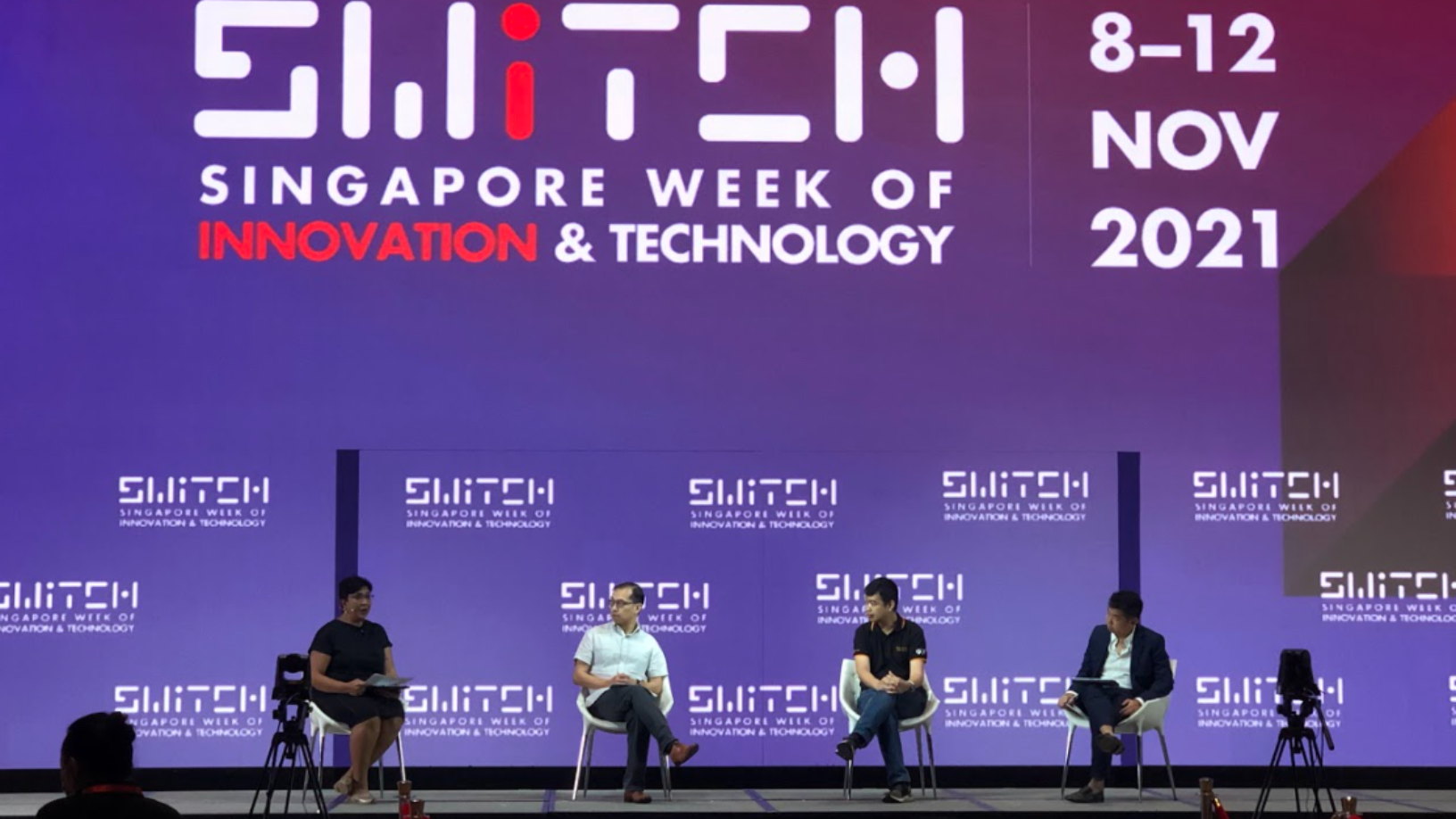
SWITCH Singapore 2021: How startups, corporates and government can co-create smart cities
The next generation of adaptive spaces will harness big data, deep tech and analytics to respond intelligently to both changing environments and human needs, says an expert panel
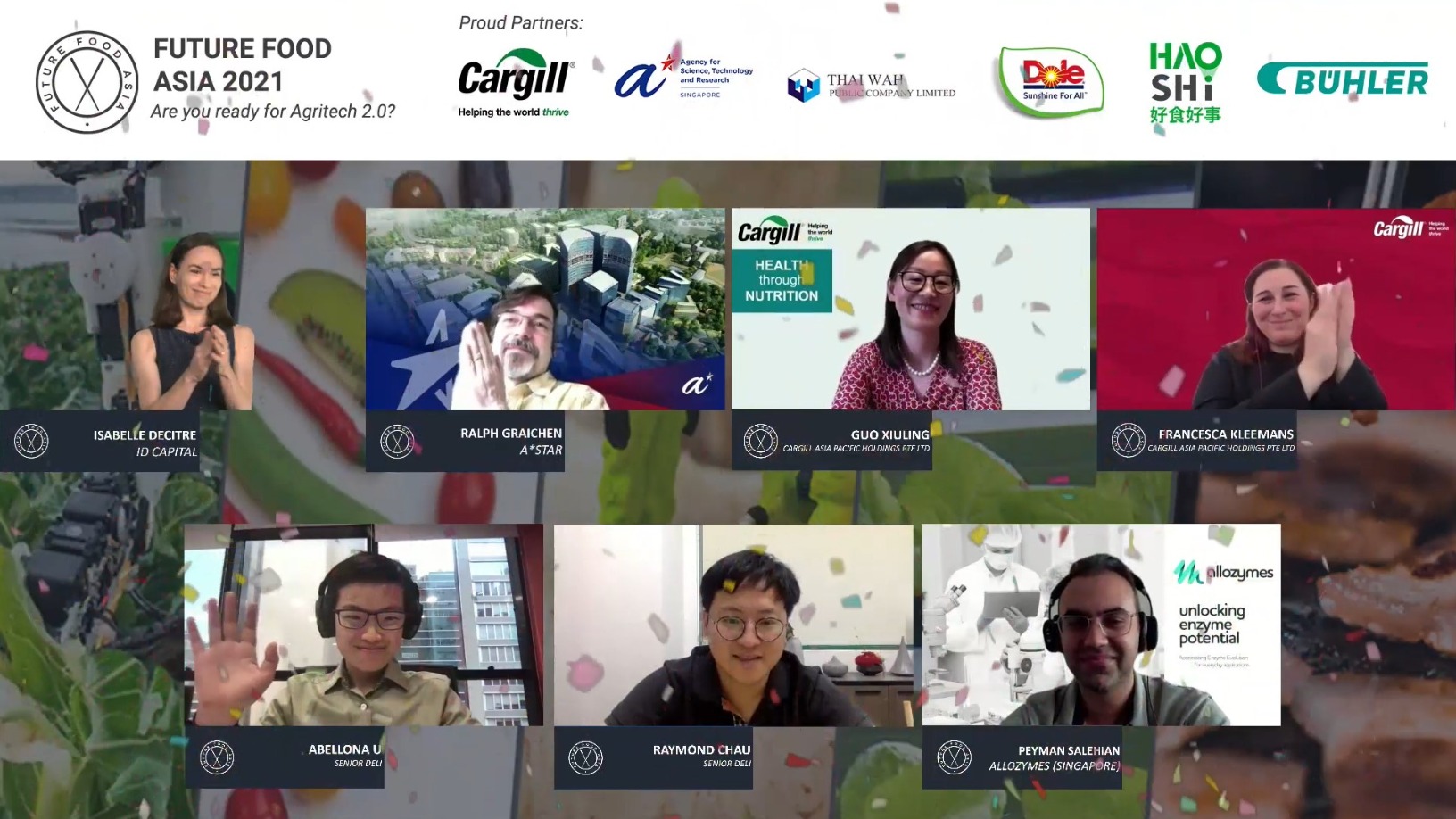
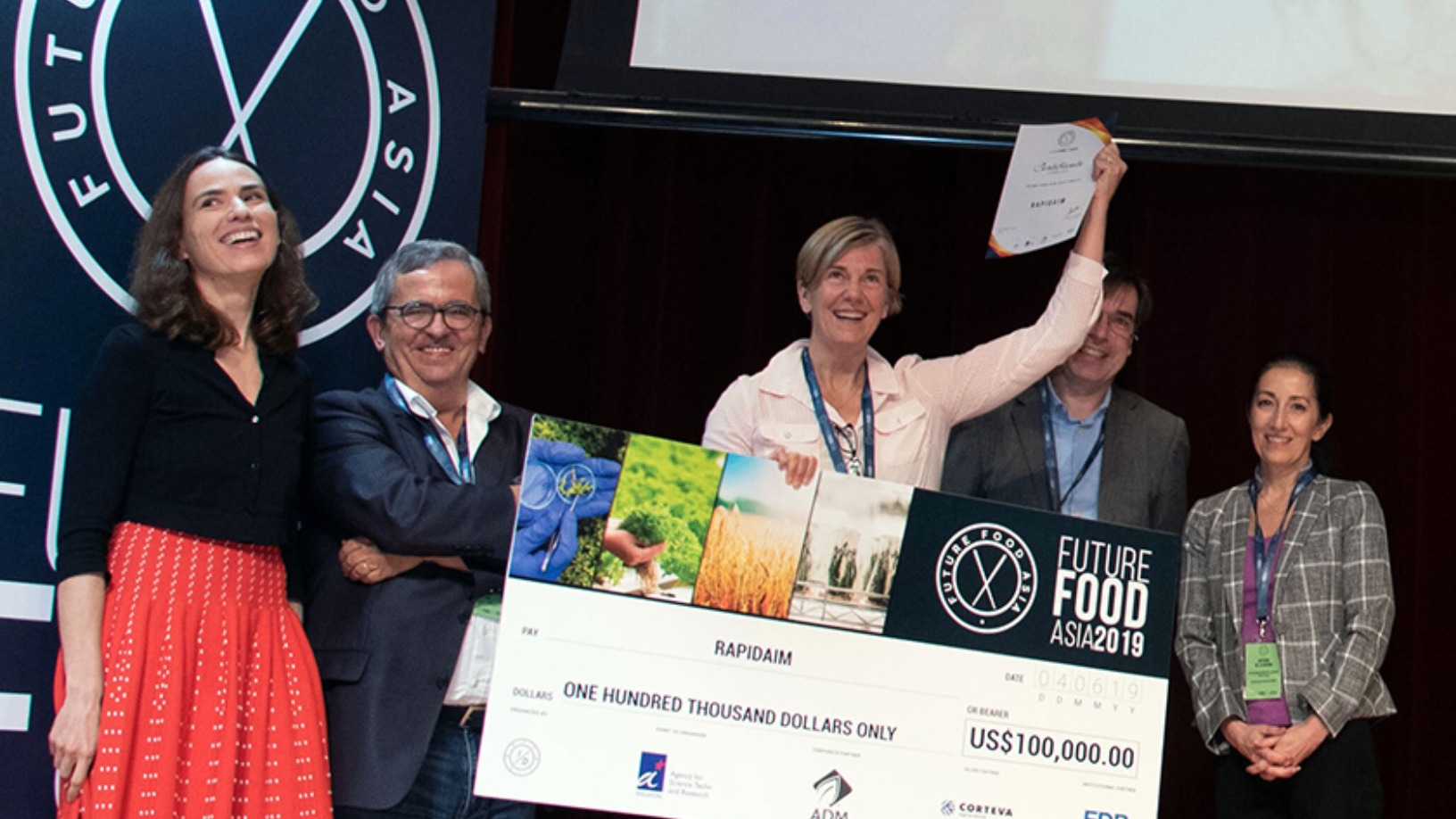
Future Food Asia 2021: Two winners take home $100,000 each
Agrifood startups, corporations and investors urged to collaborate and take action, tackling challenges in nutrition and climate change
This AI startup helps Tencent, Xiaomi chatbots “think” and “talk” like humans
Trio.AI makes communicating with machines easier and more effective – even fun

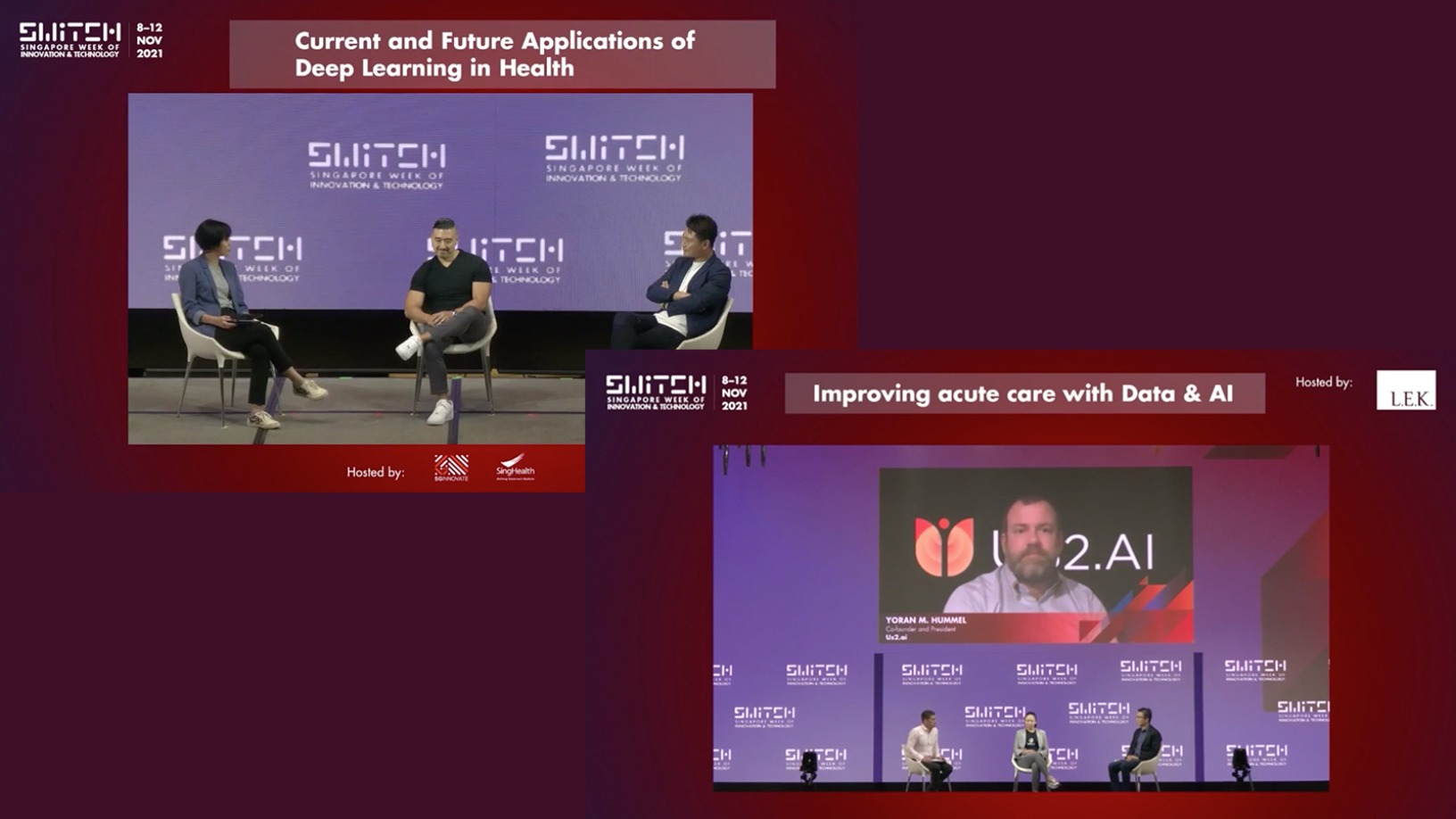
SWITCH Singapore 2021: Benefits and challenges of AI applications in healthcare
Medical experts and healthcare startups agree AI can contribute more to healthcare beyond improving diagnosis and personalized treatment, but hurdles still remain
Carlos Guerrero: The legal guardian of tech startups
The lawyer and investor dives deep in the Spanish startup ecosystem, supporting young tech companies with both financial and specialized legal support

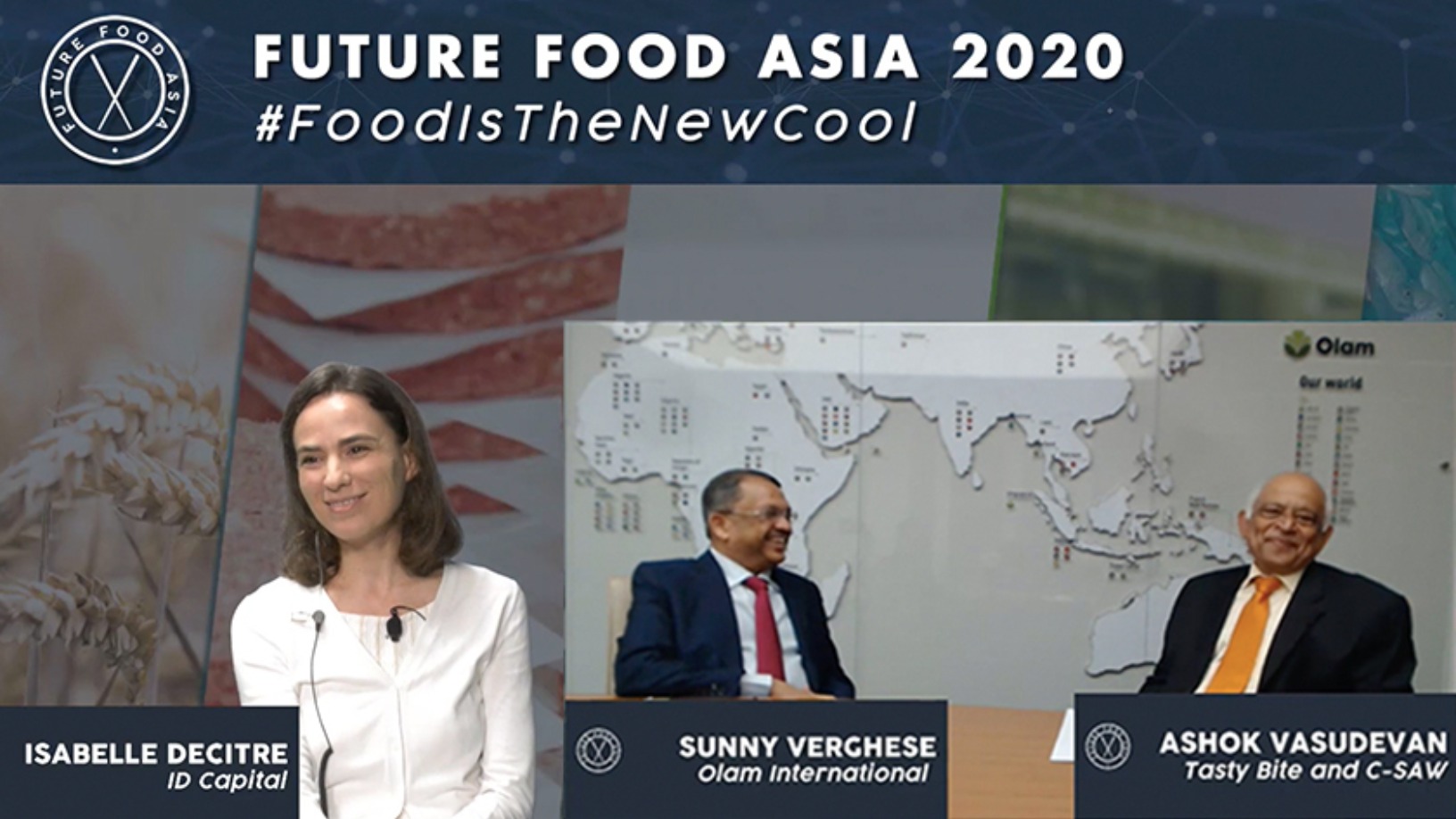
Future Food Asia by ID Capital: Introducing Asia's agrifood startups to the world
More than a meeting of startups and investors, the conference showcases ID Capital’s investment thesis and Big Ag’s support for agrifood tech in the world’s most populous region

ID Capital CEO & founder Isabelle Decitre, an early mover investing in Asian agrifood startups
An early backer of Ynsect, one of the best-funded insect protein startups to date, Decitre sees growing interest in agrifood tech startups, but notes they still need to offer exit opportunities
Allread MLT: SaaS that auto detects and turns text, codes and symbols into data
Helping quick digitalization of industries and supply chains, Allread MLT is disrupting traditional OCR with its computer vision technology and neural networks

Sorry, we couldn’t find any matches for “Deep tech”.
POPULAR DATABASE