IQS Next Tech
-
DATABASE (1075)
-
ARTICLES (547)
CEO and co-founder of IXON Food Technology
Felix Cheung graduated in physics from Adelaide’s Flinders University in 1999 and obtained a PhD in physics from the University of Sydney in 2005. He obtained a master’s in food analysis and food safety management from Hong Kong Baptist University in 2015. Cheung met Elton Ho during the master’s program at university and they teamed up to co-develop the advanced sous-vide aseptic packaging (ASAP) technology. In January 2017, they established IXON Food Technology to further develop and commercialize ASAP for the food industry.Cheung previously worked as a website designer and administrator at the Complex Plasma Laboratory, University of Sydney, from 2002–2006. He was also an editor at Macmillan Science Communication for one year before joining the Springer Nature publishing group to work as editor at Nature China from 2007–2014.

Felix Cheung graduated in physics from Adelaide’s Flinders University in 1999 and obtained a PhD in physics from the University of Sydney in 2005. He obtained a master’s in food analysis and food safety management from Hong Kong Baptist University in 2015. Cheung met Elton Ho during the master’s program at university and they teamed up to co-develop the advanced sous-vide aseptic packaging (ASAP) technology. In January 2017, they established IXON Food Technology to further develop and commercialize ASAP for the food industry.Cheung previously worked as a website designer and administrator at the Complex Plasma Laboratory, University of Sydney, from 2002–2006. He was also an editor at Macmillan Science Communication for one year before joining the Springer Nature publishing group to work as editor at Nature China from 2007–2014.
Chief Project Manager and co-founder of IXON Food Technology
Elton Ho completed a master’s in food analysis and food safety management at Hong Kong Baptist University in 2015. Ho met Felix Cheung during the master’s program and they continued to develop the advanced sous-vide aseptic packaging (ASAP) technology after their graduation. They went on to co-found IXON Food Technology in January 2017, with funding from an angel investor.Ho had previously worked as a laboratory supervisor for nine years at the Vegetable Marketing Organization (VMO), monitoring the levels of pesticide chemical residues and heavy metals in domestic and imported fruits and vegetables. The VMO is a self-financing, non-profit organization established in 1946 to support local vegetable wholesalers and customers in Hong Kong. It also ensures food safety standards compliance and supports the sustainable development of local agriculture.

Elton Ho completed a master’s in food analysis and food safety management at Hong Kong Baptist University in 2015. Ho met Felix Cheung during the master’s program and they continued to develop the advanced sous-vide aseptic packaging (ASAP) technology after their graduation. They went on to co-found IXON Food Technology in January 2017, with funding from an angel investor.Ho had previously worked as a laboratory supervisor for nine years at the Vegetable Marketing Organization (VMO), monitoring the levels of pesticide chemical residues and heavy metals in domestic and imported fruits and vegetables. The VMO is a self-financing, non-profit organization established in 1946 to support local vegetable wholesalers and customers in Hong Kong. It also ensures food safety standards compliance and supports the sustainable development of local agriculture.
Co-founder and CEO of Allozymes
Peyman Salehian is an Iranian-born entrepreneur trained in chemical and biomolecular engineering. He founded his first company in 2010 after developing a custom material, and sold his stake in the company in 2013 before pursuing a PhD in Chemical and Biomolecular engineering at the National University of Singapore (NUS).Salehian graduated from the PhD program in 2017 and worked as a research fellow before embarking on one-year stints at two Singapore companies. In late 2019, he and fellow NUS researcher Akbar Vahidi established Allozymes, a startup offering enzyme engineering services using NUS-developed technology under license, with Salehian as CEO and Vahidi as CTO.
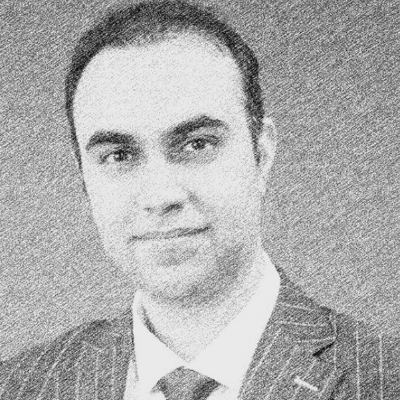
Peyman Salehian is an Iranian-born entrepreneur trained in chemical and biomolecular engineering. He founded his first company in 2010 after developing a custom material, and sold his stake in the company in 2013 before pursuing a PhD in Chemical and Biomolecular engineering at the National University of Singapore (NUS).Salehian graduated from the PhD program in 2017 and worked as a research fellow before embarking on one-year stints at two Singapore companies. In late 2019, he and fellow NUS researcher Akbar Vahidi established Allozymes, a startup offering enzyme engineering services using NUS-developed technology under license, with Salehian as CEO and Vahidi as CTO.
Co-founder and CTO of Allozymes
Akbar Vahidi is an Iranian researcher turned entrepreneur based in Singapore. After graduating in 2010 with a bachelor’s in chemical engineering from Sharif University of Technology, he pursued a PhD in chemical and biomolecular engineering at the National University of Singapore (NUS). Vahidi earned his PhD in 2015 and briefly worked as a research fellow at Nanyang Technological University before returning to NUS to pursue research.At NUS, he was a part of a research group that developed a new enzyme screening method based on microfluidics technology. With fellow NUS PhD graduate Peyman Salehian, Vahidi secured an exclusive license to use the technology and established Allozymes, a startup that offers enzyme engineering services. Vahidi became the CTO of Allozymes.

Akbar Vahidi is an Iranian researcher turned entrepreneur based in Singapore. After graduating in 2010 with a bachelor’s in chemical engineering from Sharif University of Technology, he pursued a PhD in chemical and biomolecular engineering at the National University of Singapore (NUS). Vahidi earned his PhD in 2015 and briefly worked as a research fellow at Nanyang Technological University before returning to NUS to pursue research.At NUS, he was a part of a research group that developed a new enzyme screening method based on microfluidics technology. With fellow NUS PhD graduate Peyman Salehian, Vahidi secured an exclusive license to use the technology and established Allozymes, a startup that offers enzyme engineering services. Vahidi became the CTO of Allozymes.
Co-founder and Director of Technology of Xurya
Edwin Widjonarko spent almost 6 years working as a research assistant at the USA’s National Renewable Energy Laboratory and at University of Colorado Boulder. In some of the projects he worked on, Widjonarko contributed to the development of new generation solar panels. In 2015, he left the research sphere to join Intel Corporation as a technology development process engineer. He stayed on until 2018, when he left Intel and returned to Indonesia to establish Xurya, a solar power company. Working with longtime friend Gusmantara Himawan and former East Ventures associate Philip Effendy, Widjonarko now works as Xurya’s director of technology.
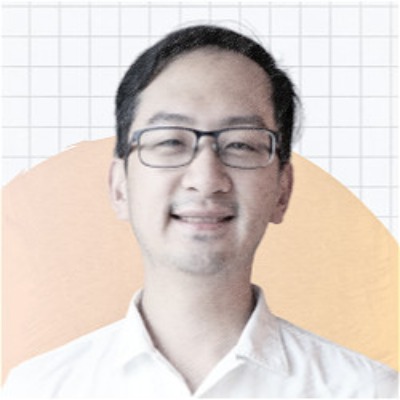
Edwin Widjonarko spent almost 6 years working as a research assistant at the USA’s National Renewable Energy Laboratory and at University of Colorado Boulder. In some of the projects he worked on, Widjonarko contributed to the development of new generation solar panels. In 2015, he left the research sphere to join Intel Corporation as a technology development process engineer. He stayed on until 2018, when he left Intel and returned to Indonesia to establish Xurya, a solar power company. Working with longtime friend Gusmantara Himawan and former East Ventures associate Philip Effendy, Widjonarko now works as Xurya’s director of technology.
CEO and founder of Swan Daojia (formerly 58 Daojia)
Chen received a bachelor’s degree in material formation from Xiangtan University in 2004. While in college, he co-founded 0755.org.cn, one of the earliest online classifieds providers in China. He is also a co-founder of dunsh.org, a nonprofit search engine optimization website in China. After graduation, he served as senior project manager and chief editor at Xiamen Haowei Network Technology. From June–December 2007, Chen served as head of the product department at ganji.com, an online classified site, responsible for product management and customer experience. He then joined 58.com the same year, serving as senior VP of product management and website operation from December 2007 to August 2014.In November 2014, he founded 58 Daojia and has served as CEO since then. In August 2017, 58 Daojia announced a merger with 58 Su Yun and Gogovan, a logistics platform in Southeast Asia, and he became Chairman of the new company. The merger created Asia's largest city-to-city cargo delivery platform. In 2018, 58 Daojia was rebranded as Daojia Group. The group’s 58 Su Yun received $250m funding and was relaunched as Kuaigou Express.

Chen received a bachelor’s degree in material formation from Xiangtan University in 2004. While in college, he co-founded 0755.org.cn, one of the earliest online classifieds providers in China. He is also a co-founder of dunsh.org, a nonprofit search engine optimization website in China. After graduation, he served as senior project manager and chief editor at Xiamen Haowei Network Technology. From June–December 2007, Chen served as head of the product department at ganji.com, an online classified site, responsible for product management and customer experience. He then joined 58.com the same year, serving as senior VP of product management and website operation from December 2007 to August 2014.In November 2014, he founded 58 Daojia and has served as CEO since then. In August 2017, 58 Daojia announced a merger with 58 Su Yun and Gogovan, a logistics platform in Southeast Asia, and he became Chairman of the new company. The merger created Asia's largest city-to-city cargo delivery platform. In 2018, 58 Daojia was rebranded as Daojia Group. The group’s 58 Su Yun received $250m funding and was relaunched as Kuaigou Express.
CTO and co-founder of Bygen
Ben Morton is an Australian entrepreneur and a chemical engineer by training. While serving in the Royal Australian Infantry, he attended Flinders University, pursuing a double honours degree in physics and organic chemistry. After graduating in 2013, Morton briefly worked as a chemist at fertilizer company SprayGro. In 2016, he enrolled at the University of Adelaide to pursue a PhD in Chemical Engineering. There, he joined Philip Kwong’s research group and met fellow PhD student Lewis Dunnigan. Using technology they developed at the research group, in 2017 Morton, and Dunnigan established Bygen, a startup offering a low-cost, novel way process of making activated carbon using various forms of agricultural waste, with Kwong as a technical adviser and fellow co-founder. Morton is now CTO of Bygen.

Ben Morton is an Australian entrepreneur and a chemical engineer by training. While serving in the Royal Australian Infantry, he attended Flinders University, pursuing a double honours degree in physics and organic chemistry. After graduating in 2013, Morton briefly worked as a chemist at fertilizer company SprayGro. In 2016, he enrolled at the University of Adelaide to pursue a PhD in Chemical Engineering. There, he joined Philip Kwong’s research group and met fellow PhD student Lewis Dunnigan. Using technology they developed at the research group, in 2017 Morton, and Dunnigan established Bygen, a startup offering a low-cost, novel way process of making activated carbon using various forms of agricultural waste, with Kwong as a technical adviser and fellow co-founder. Morton is now CTO of Bygen.
CEO and co-founder of Bygen
Lewis Dunnigan is a researcher turned entrepreneur based in Australia. After earning a master’s degree in Chemical Engineering and working as a researcher at the University of Edinburgh in the UK, Dunnigan returned to Australia. He had a brief stint as a visiting researcher and earned his PhD in Chemical Engineering at the University of Adelaide.During his PhD, Dunnigan was a part of Philip Kwong’s research laboratory. His PhD project involved developing a system to generate activated charcoal and renewable energy from biomass. In 2017, Dunnigan, Kwong, and fellow PhD student Ben Morton decided to commercialize this technology and established a spin-off company called Bygen, which developed a low-cost, novel way to make activated carbon more sustainably using various forms of agricultural waste. Dunnigan is now the CEO of Bygen.

Lewis Dunnigan is a researcher turned entrepreneur based in Australia. After earning a master’s degree in Chemical Engineering and working as a researcher at the University of Edinburgh in the UK, Dunnigan returned to Australia. He had a brief stint as a visiting researcher and earned his PhD in Chemical Engineering at the University of Adelaide.During his PhD, Dunnigan was a part of Philip Kwong’s research laboratory. His PhD project involved developing a system to generate activated charcoal and renewable energy from biomass. In 2017, Dunnigan, Kwong, and fellow PhD student Ben Morton decided to commercialize this technology and established a spin-off company called Bygen, which developed a low-cost, novel way to make activated carbon more sustainably using various forms of agricultural waste. Dunnigan is now the CEO of Bygen.
Technical advisor and co-founder of Bygen
Philip Kwong is a lecturer and researcher at the University of Adelaide’s School of Chemical Engineering and Advanced Materials. He joined the university in 2009 and focuses on developing low-cost technologies that can facilitate a transition from fossil fuels to renewable energy. One of his ongoing research projects primarily deals with the conversion of agricultural waste into biochar, a form of charcoal that can act as a feedstock for making activated carbon and for sequestering carbon.In 2017, Kwong and two PhD students in his research group, Ben Morton and Lewis Dunnigan, began commercialization of the waste-to-activated carbon technology they had developed. A spin-off company called Bygen was established, with Dunnigan and Morton leading the startup. Kwong is a co-founder and technical advisor of the company.
Philip Kwong is a lecturer and researcher at the University of Adelaide’s School of Chemical Engineering and Advanced Materials. He joined the university in 2009 and focuses on developing low-cost technologies that can facilitate a transition from fossil fuels to renewable energy. One of his ongoing research projects primarily deals with the conversion of agricultural waste into biochar, a form of charcoal that can act as a feedstock for making activated carbon and for sequestering carbon.In 2017, Kwong and two PhD students in his research group, Ben Morton and Lewis Dunnigan, began commercialization of the waste-to-activated carbon technology they had developed. A spin-off company called Bygen was established, with Dunnigan and Morton leading the startup. Kwong is a co-founder and technical advisor of the company.
Senior Scientific Advisor and co-founder of The Not Company (NotCo)
Pablo Zamora is a biotechnologist from the University of Santiago, where he worked as a professor and research scientist until 2008. In 2009, he started his postdoctoral research on Mexico’s maize genetics at UC Davis Life Science Innovation Center. He worked there as a senior scientist and associate until 2014. In 2015, he was appointed the center’s Chief Science Officer based in Chile, a position he was in till January 2018.From 2013–2015, he also worked on various plant and microbe genomics projects as a senior scientist in Mars Advanced Research Institute. He was also an editor from 2012–2017 at the Journal of Technology Management & Innovation and worked at the non-profit PIPRA from 2010–2018 as international alliance manager in Sacramento, University of California.In 2015, he co-founded The Not Company (NotCo) based in Santiago. He was appointed CSO in February 2018, a role he led until March 2020, when he left the company to focus on a new project, AptaBuilder, a $60m program that promotes R&D for Chilean technology-based ventures. Zamora still consults as NotCo’s senior scientific advisor.
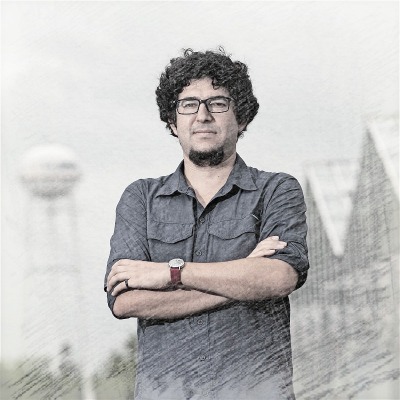
Pablo Zamora is a biotechnologist from the University of Santiago, where he worked as a professor and research scientist until 2008. In 2009, he started his postdoctoral research on Mexico’s maize genetics at UC Davis Life Science Innovation Center. He worked there as a senior scientist and associate until 2014. In 2015, he was appointed the center’s Chief Science Officer based in Chile, a position he was in till January 2018.From 2013–2015, he also worked on various plant and microbe genomics projects as a senior scientist in Mars Advanced Research Institute. He was also an editor from 2012–2017 at the Journal of Technology Management & Innovation and worked at the non-profit PIPRA from 2010–2018 as international alliance manager in Sacramento, University of California.In 2015, he co-founded The Not Company (NotCo) based in Santiago. He was appointed CSO in February 2018, a role he led until March 2020, when he left the company to focus on a new project, AptaBuilder, a $60m program that promotes R&D for Chilean technology-based ventures. Zamora still consults as NotCo’s senior scientific advisor.
Co-Founder & CEO of Bipi
Hans Christ has worked internationally across Latin America, Europe and the USA. He is the co-founder of transport technology startup Bipi, a Spanish on-demand car rental app and Lollo Mobility, Bipi’s parent company and transport app company. He co-founded Colombia Cave Box Crossfit in 2013 and was previously Groupon Iberia’s Head of Goods, where he helped established its product department. Christ started his career as a Credit Manager in Walls Cargo Bank. Christ holds a Business Administration degree from Southern Methodist University (SMU) and an MBA in Marketing from the University of Dallas.

Hans Christ has worked internationally across Latin America, Europe and the USA. He is the co-founder of transport technology startup Bipi, a Spanish on-demand car rental app and Lollo Mobility, Bipi’s parent company and transport app company. He co-founded Colombia Cave Box Crossfit in 2013 and was previously Groupon Iberia’s Head of Goods, where he helped established its product department. Christ started his career as a Credit Manager in Walls Cargo Bank. Christ holds a Business Administration degree from Southern Methodist University (SMU) and an MBA in Marketing from the University of Dallas.
CEO and founder of Petit Pli
Ryan Mario Yasin is an engineer, designer and sustainable fashion entrepreneur based in London. Originally from Reykjavik, Iceland, Yasin graduated in aeronautical engineering at Imperial College London and has a master’s in global innovation design from the Royal College of Art. As a 23-year-old design student, Yasin founded materials technology startup Petit Pli, and developed the design for the company’s first product, a pleated garment that could expand up to seven sizes to last children through their first few years of life. Petit Pli now makes expandable pleated clothes for children and adults, using a fabric derived from recycled plastic and a structure inspired by origami, architecture and space satellites. Petit Pli products have won a number of prestigious awards, such as the UK James Dyson Award, Time Magazine’s best invention of 2020 and the Red Dot Product Design Award.Yasin has a strong interest in photography and in the interplay between art and engineering. In 2020, Yasin was included by Forbes in its 30 Under 30 list for Europe.

Ryan Mario Yasin is an engineer, designer and sustainable fashion entrepreneur based in London. Originally from Reykjavik, Iceland, Yasin graduated in aeronautical engineering at Imperial College London and has a master’s in global innovation design from the Royal College of Art. As a 23-year-old design student, Yasin founded materials technology startup Petit Pli, and developed the design for the company’s first product, a pleated garment that could expand up to seven sizes to last children through their first few years of life. Petit Pli now makes expandable pleated clothes for children and adults, using a fabric derived from recycled plastic and a structure inspired by origami, architecture and space satellites. Petit Pli products have won a number of prestigious awards, such as the UK James Dyson Award, Time Magazine’s best invention of 2020 and the Red Dot Product Design Award.Yasin has a strong interest in photography and in the interplay between art and engineering. In 2020, Yasin was included by Forbes in its 30 Under 30 list for Europe.
Co-CEO and Co-founder of Notpla (formerly Skipping Rocks Lab)
Rodrigo García González graduated in Architecture at the Technical University of Madrid (ETSAM) in 2009 and also completed various PhD courses in advanced architecture at his alma mater.In 2006, the architect student joined an EU Asia-Link sustainable humane habitat program that included stints at the Centre for Environmental Planning and Technology (CEPT) University in India. He also won a SMILE scholarship to study industrial design at Pontificia Universidad Católica in Chile for one year. In 2011, he obtained a scholarship to study industrial design and business at Umeå Institute of Design in Sweden. In 2014, he completed two master’s programs in innovation design engineering run by London’s Imperial College and Royal College of Art.In July 2014, he co-founded Skipping Rocks Lab, that was later pivoted into Notpla, a UK-based startup that develops compostable and edible packaging materials made of seaweed and other plants.Since 2007, he has worked with various institutions in Europe, Latin America and the US including Cornell University, CEPT, Imperial College and Royal College of Art. In 2016, he became a senior lecturer for a degree program in product and furniture design at Kingston University.He has two patents for his work on structural and deployable systems. His designs have also been featured in prestigious art centers like the Cite de l'Architecture of Paris and the Venice Biennale of Architecture.Other projects include the Hop! suitcase that can follow the user by tracking the signal of the user’s mobile phone and Aer, an artificial cloud that can evaporate “drinkable” water from the sea. He also developed Zipizip, an architectural system that enables the construction of several floors of a building in a few hours.

Rodrigo García González graduated in Architecture at the Technical University of Madrid (ETSAM) in 2009 and also completed various PhD courses in advanced architecture at his alma mater.In 2006, the architect student joined an EU Asia-Link sustainable humane habitat program that included stints at the Centre for Environmental Planning and Technology (CEPT) University in India. He also won a SMILE scholarship to study industrial design at Pontificia Universidad Católica in Chile for one year. In 2011, he obtained a scholarship to study industrial design and business at Umeå Institute of Design in Sweden. In 2014, he completed two master’s programs in innovation design engineering run by London’s Imperial College and Royal College of Art.In July 2014, he co-founded Skipping Rocks Lab, that was later pivoted into Notpla, a UK-based startup that develops compostable and edible packaging materials made of seaweed and other plants.Since 2007, he has worked with various institutions in Europe, Latin America and the US including Cornell University, CEPT, Imperial College and Royal College of Art. In 2016, he became a senior lecturer for a degree program in product and furniture design at Kingston University.He has two patents for his work on structural and deployable systems. His designs have also been featured in prestigious art centers like the Cite de l'Architecture of Paris and the Venice Biennale of Architecture.Other projects include the Hop! suitcase that can follow the user by tracking the signal of the user’s mobile phone and Aer, an artificial cloud that can evaporate “drinkable” water from the sea. He also developed Zipizip, an architectural system that enables the construction of several floors of a building in a few hours.
Co-founder of Vence
Industrial business entrepreneur Jasper Holdsworth comes from a multi-generational family of cattle ranchers. In 2013, he became a director of his family’s 100-year-old Paringahau Farm Company in New Zealand. He also co-founded a virtual fencing startup for livestock management, Vence Corp, with US-based investment banker Frank Wooten in 2016.After graduating in forestry engineering in 1995, Holdsworth obtained a master’s in engineering management at his alma mater University of Canterbury. In 1998, he completed a master’s in applied finance at Macquarie University and started his banking career at WestLB and Deutsche Bank in Sydney.He completed an entrepreneurship development program run by MIT’s Sloan School of Management in 2010. He has also undertaken an advanced management program run by Harvard Business School in 2012.Since 2004, he has been working as the CEO of New Zealand-based Pultron Composites Ltd, an industrial technology company focused on the development and manufacture of glass fiber-reinforced polymers.In 2019, he became the chairman and co-founder of Mateenbar Ltd to produce composite reinforcement for infrastructure building materials in New Zealand, North Carolina and Saudi Arabia.

Industrial business entrepreneur Jasper Holdsworth comes from a multi-generational family of cattle ranchers. In 2013, he became a director of his family’s 100-year-old Paringahau Farm Company in New Zealand. He also co-founded a virtual fencing startup for livestock management, Vence Corp, with US-based investment banker Frank Wooten in 2016.After graduating in forestry engineering in 1995, Holdsworth obtained a master’s in engineering management at his alma mater University of Canterbury. In 1998, he completed a master’s in applied finance at Macquarie University and started his banking career at WestLB and Deutsche Bank in Sydney.He completed an entrepreneurship development program run by MIT’s Sloan School of Management in 2010. He has also undertaken an advanced management program run by Harvard Business School in 2012.Since 2004, he has been working as the CEO of New Zealand-based Pultron Composites Ltd, an industrial technology company focused on the development and manufacture of glass fiber-reinforced polymers.In 2019, he became the chairman and co-founder of Mateenbar Ltd to produce composite reinforcement for infrastructure building materials in New Zealand, North Carolina and Saudi Arabia.
President and co-founder of Bluepha
Li Teng graduated in bioscience at Tsinghua University in 2011 and stayed on to complete a PhD in synthetic biology in 2016. He joined a SynBio project team to create PHA bioplastics during his postgrad research at university.Li was also the leader of Tsinghua University’s team that won a gold medal at the International Genetically Engineered Machine (iGEM) Design Competition. He met Zhang Haoqian at the iGEM giant jamboree in 2010 and they have remained friends ever since.Li and Zhang co-founded Bluepha in 2016, a spin-off from Tsinghua University’s SynBio research project. In 2018, Li was selected for MIT Technology Review’s list of Innovators under 35. In 2019, he was named one of the 40 Chinese business elites under 40.

Li Teng graduated in bioscience at Tsinghua University in 2011 and stayed on to complete a PhD in synthetic biology in 2016. He joined a SynBio project team to create PHA bioplastics during his postgrad research at university.Li was also the leader of Tsinghua University’s team that won a gold medal at the International Genetically Engineered Machine (iGEM) Design Competition. He met Zhang Haoqian at the iGEM giant jamboree in 2010 and they have remained friends ever since.Li and Zhang co-founded Bluepha in 2016, a spin-off from Tsinghua University’s SynBio research project. In 2018, Li was selected for MIT Technology Review’s list of Innovators under 35. In 2019, he was named one of the 40 Chinese business elites under 40.
Evix Safety's helmet with an airbag is a world-first for cycling safety
Evix Safety is launching a “smart” cycling helmet fitted with an airbag to prevent thousands of neck injuries from accidents

IP Buoys: Mooring 4.0 smart buoys to protect marine ecosystems
Save the Posidonia! That’s the call from enterprising sailors who, with their startup IP Buoys, have found a way to protect the seagrass and marine life from the damaging impact of nautical tourism
Will Shanghai's new tech board be home to China’s next BAT?
As China’s new Nasdaq-style board speeds to welcome its first IPOs, here’s a look at what’s changed for Chinese tech firms listing in the mainland, and if it could be pivotal in the emerging tech cold war


Faromatics' ChickenBoy robot brings smart analytics to poultry farming
The makers of the AI-based robot for managing large-scale poultry farming are seeking up to €4m in a second round funding as they launch their invention in Europe

Kibus Petcare: World's first auto-cook and -dispense healthy pet food device
Kibus Petcare applies the healthy eating revolution to the ever-growing pet-care business, eyes sales in 25 countries after crowdfunding launch
Biel Glasses: A pioneering solution for low vision sufferers
Biel Glasses offers a life-changing technology for people with low vision, a condition that is seven times more common than blindness
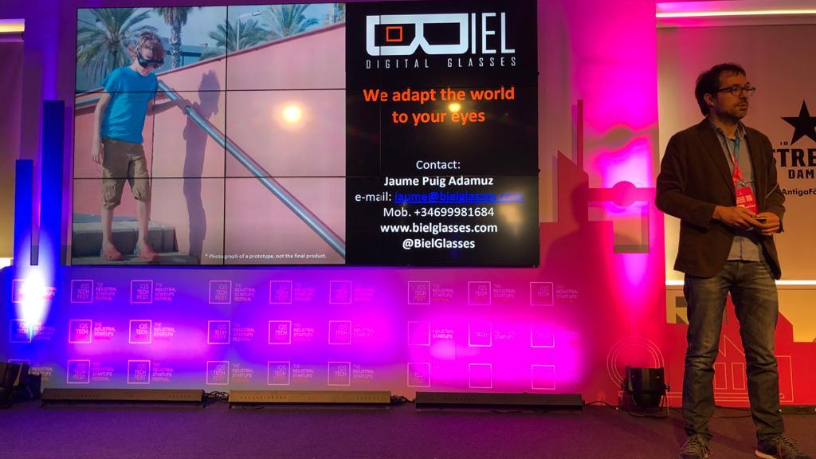
YITU takes smart healthcare to the next level
AI programs developed by this Chinese medtech startup provide more accurate diagnoses by reading medical images in conjunction with patients’ medical records
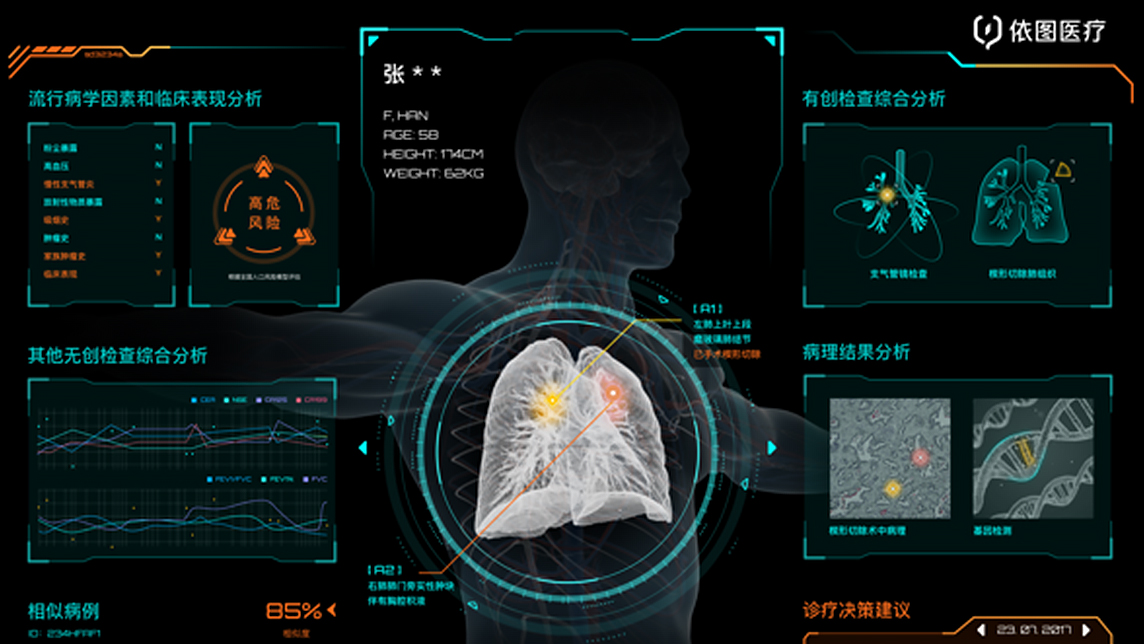
Catalonia: Spain's fast-rising robotics hub and next opportunity
With the robotics sector on the rise in Catalonia, expect to see more growth ahead, driving opportunities in related segments, especially services

Next-generation social media app YouClap targets engagement over reach
Already valued at €5m one year after launching, the YouClap platform for online challenges will seek Series A investment before the end of 2019
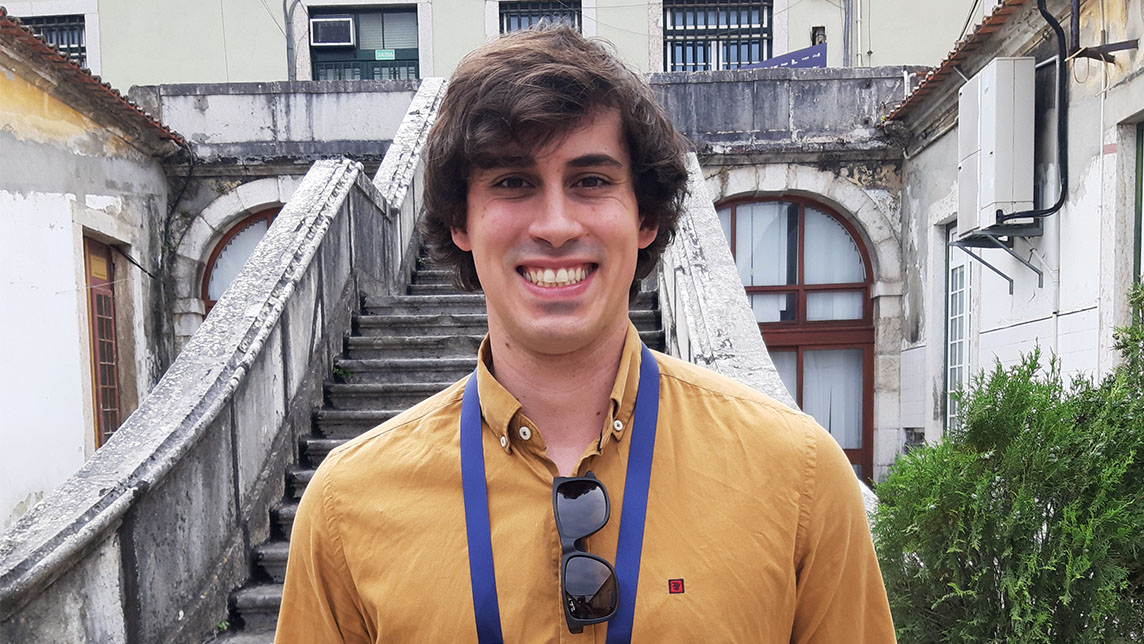
New Food Invest: Plant-based cheese, the next investment boom?
With alt-protein startups experiencing a global funding boom, industry experts and investors share their views about emerging trends in diverse food sectors
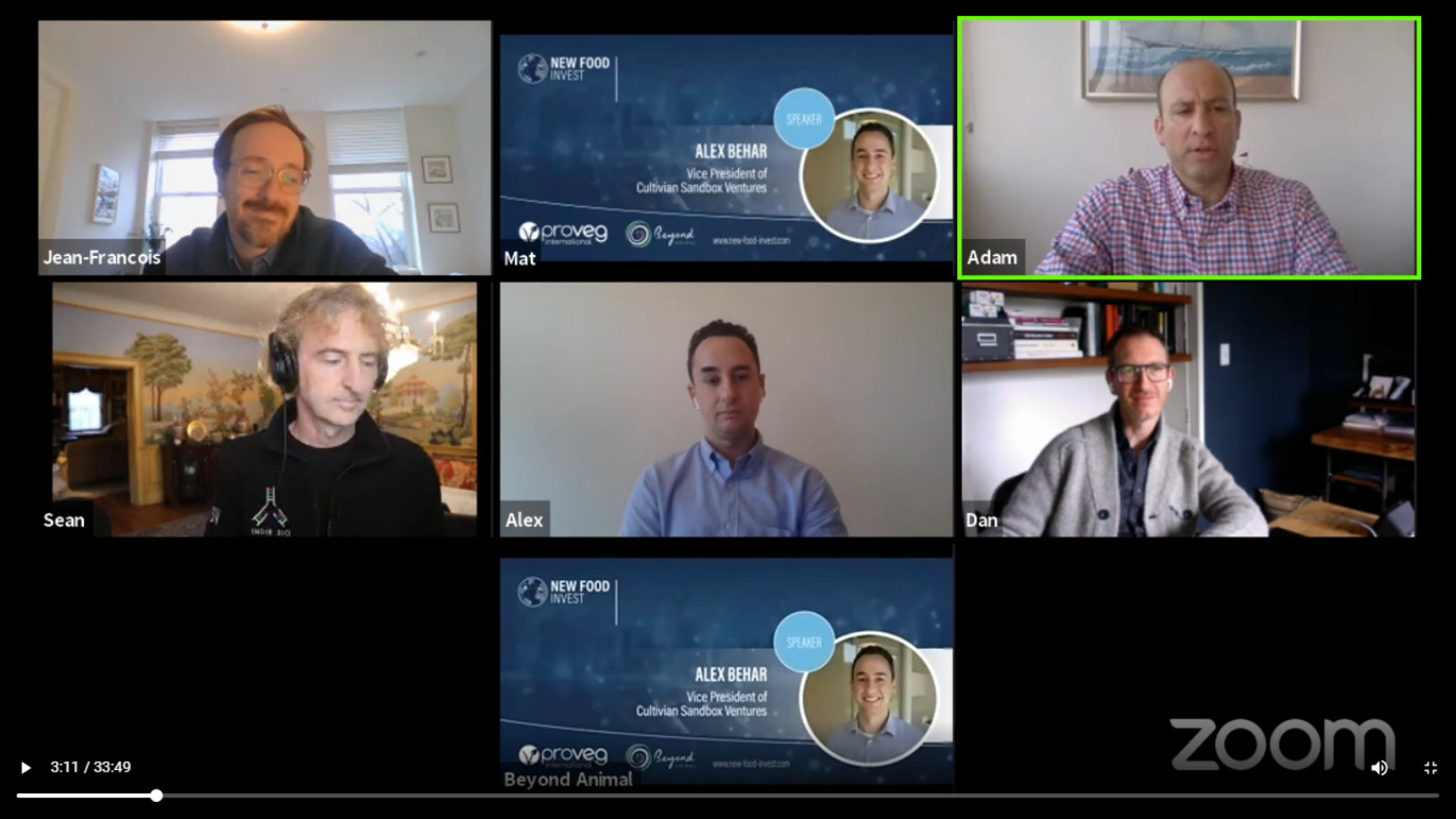
Tigerobo: Building the next-generation search engine with natural language processing
With the success of Tigerobo Search, its flagship AI-based finance industry search engine, the startup is also diversifying into government, energy and media sectors
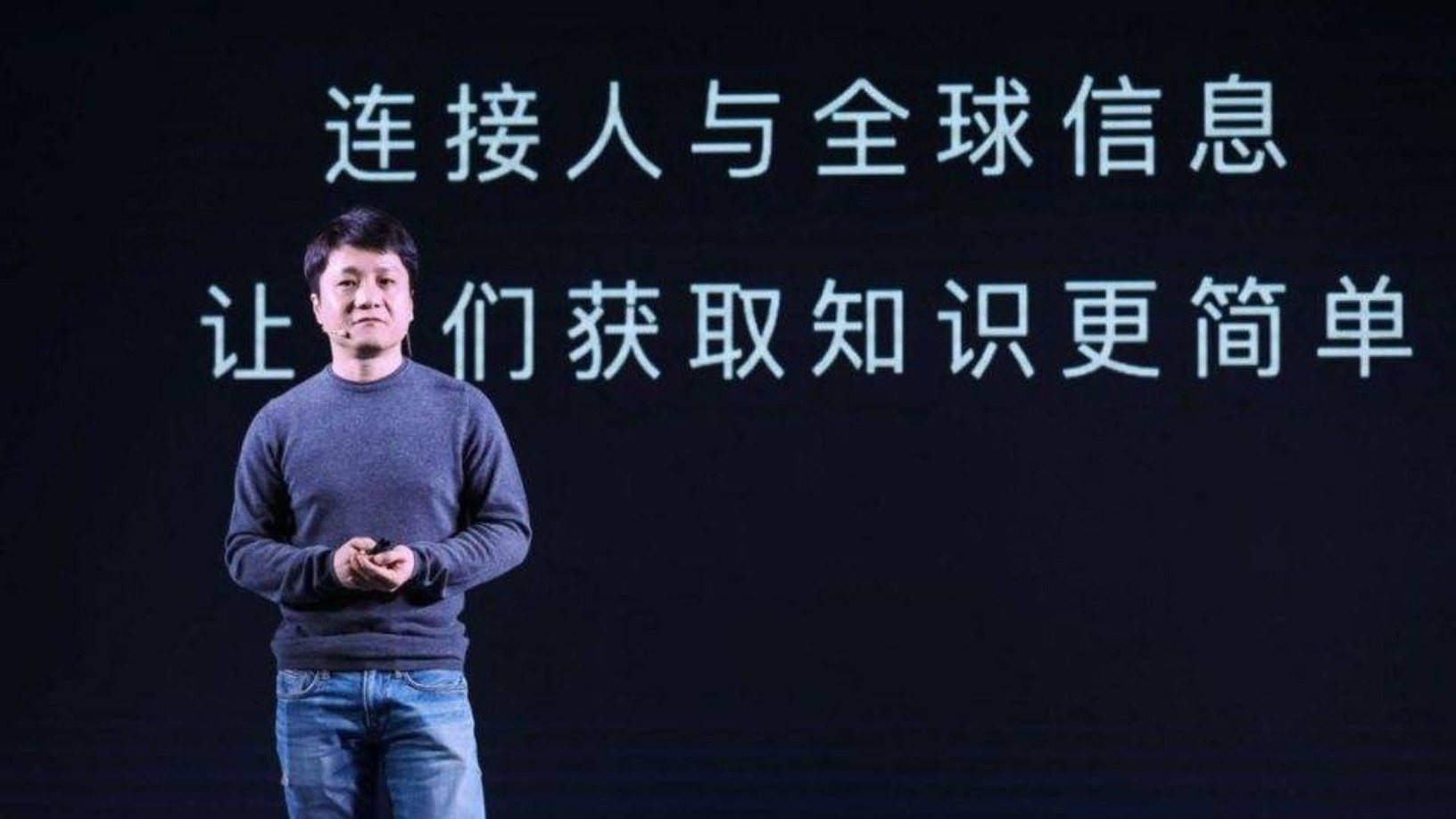
As Veniam’s “Internet of Moving Things” keeps growing, autonomous vehicles are next
The Portuguese startup is going places with its mesh networking technology, but that’s “just the beginning”, says Veniam founder and CEO João Barros. He talks to CompassList about partnering automakers to design self-driving cars, raising a new round of funding in 2018, and more
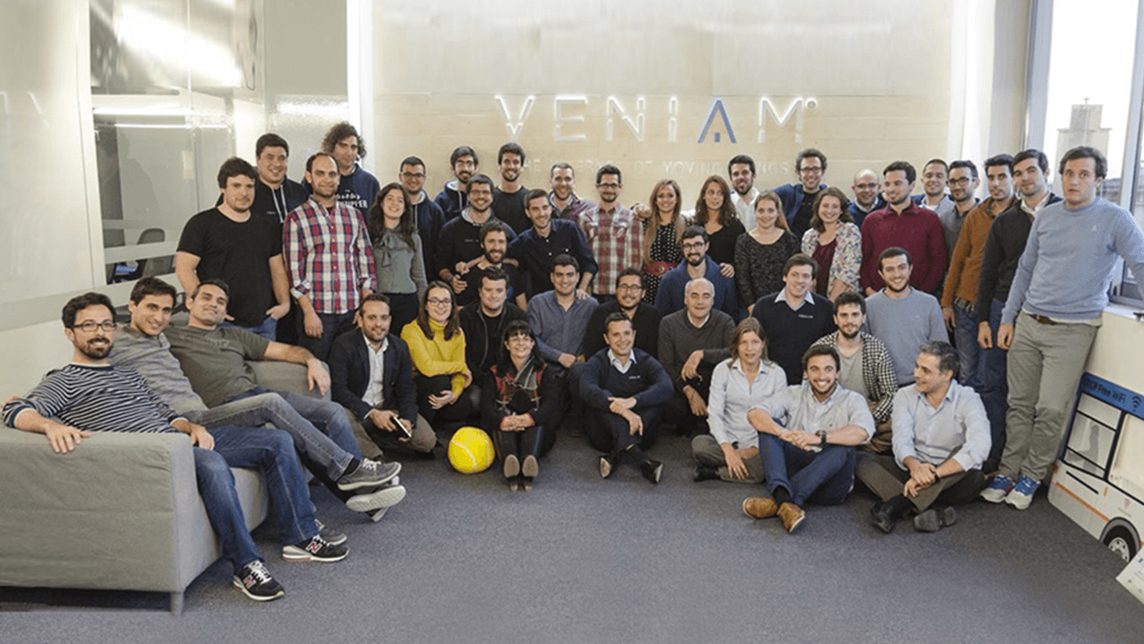
Plant-based eggs: The next big thing in the alternative protein market
Plant-based eggs may be the fastest growing segment in plant-based foods, but hacking the formula for a perfect egg substitute is proving a hurdle. Are alt-protein startups up for the challenge?

After a Covid-led boom in 2020, what next for China's K-12 edtech?
Unicorns Yuanfudao and Zuoyebang raised more than $6bn combined last year as demand for online learning continues to grow, but some smaller players are running out of cash

In Indonesia, Ramadan goes hi-tech
From consumption to charity, tech startups have come to play a key role in Ramadan traditions in Indonesia

Sorry, we couldn’t find any matches for “IQS Next Tech”.
POPULAR DATABASE