India Alternative Protein Fund
-
DATABASE (763)
-
ARTICLES (339)
With 10m users worldwide, Fumi's trading platform Webull offers punters the best of Bloomberg, Interactive Brokers and Charles Schwab.


With 10m users worldwide, Fumi's trading platform Webull offers punters the best of Bloomberg, Interactive Brokers and Charles Schwab.
One of Indonesia's earliest payments apps, Kudo is joining forces with Grab to become the region’s leading provider of online banking and shopping services.

One of Indonesia's earliest payments apps, Kudo is joining forces with Grab to become the region’s leading provider of online banking and shopping services.
Co-founder, CEO of Heptasense
In 2017, Ricardo Santos became the CEO and co-founder of Heptasense. In November 2018, the Portuguese national has also founded Rocha Capital, a private fund to invest in other startups. Santos obtained a master's in Electrical and Computer Engineering from the Higher Technical Institute in Lisbon in 2015. He also has a degree in Biomedical Engineering and Biophysics from the University of Lisbon. Prior to co-founding Heptasense, he was a research fellow at the Portuguese Institute of Biophysics and Biomedical Engineering. He was also a Biomedical Engineering summer intern at the University of Nottingham in the UK in 2013.

In 2017, Ricardo Santos became the CEO and co-founder of Heptasense. In November 2018, the Portuguese national has also founded Rocha Capital, a private fund to invest in other startups. Santos obtained a master's in Electrical and Computer Engineering from the Higher Technical Institute in Lisbon in 2015. He also has a degree in Biomedical Engineering and Biophysics from the University of Lisbon. Prior to co-founding Heptasense, he was a research fellow at the Portuguese Institute of Biophysics and Biomedical Engineering. He was also a Biomedical Engineering summer intern at the University of Nottingham in the UK in 2013.
Traditional cooperatives can digitize their financial systems faster with KODI automated features to increase transparency and efficiency.
Traditional cooperatives can digitize their financial systems faster with KODI automated features to increase transparency and efficiency.
Design to Improve Life Fund (The INDEX Project)
The Index Project, known by its motto “Design to Improve Life”, is a Copenhagen-based non-profit organization under the patronage of the Crown Prince and Princess of Denmark and supported by the Danish Ministry of Business and Growth.Founded in 2002, The Index Project organizes the biennial Index Award, one of the world's biggest design award. A diverse range of designs are selected through each Index Award cycle. It also backs projects with good causes through investment vehicle, Design to Improve Life Fund that has stakes in 11 solutions, ranging from seed to Series B+.

The Index Project, known by its motto “Design to Improve Life”, is a Copenhagen-based non-profit organization under the patronage of the Crown Prince and Princess of Denmark and supported by the Danish Ministry of Business and Growth.Founded in 2002, The Index Project organizes the biennial Index Award, one of the world's biggest design award. A diverse range of designs are selected through each Index Award cycle. It also backs projects with good causes through investment vehicle, Design to Improve Life Fund that has stakes in 11 solutions, ranging from seed to Series B+.
Waheed Ali became a Labour life peer and Baron of Norbury at aged 33, the youngest to join the House of Lords in 1998. He is also one of the few openly gay Muslim politicians in the world and a gay rights activist. Waheed Ali left school and started work in financial research at the age of 16 to support his mother and siblings. He moved on to a media career by co-founding an independent television company Planet 24 with Bob Geldof during the 1990s, pioneering TV reality shows like Survivor. Planet 24 was sold to ITV franchisee Carlton Communications in 1999 for £15m. He also backed Elizabeth Murdoch’s TV production company Shine that was sold to her father, Rupert Murdoch’s media group, 21st Century Fox. Of Guyana and Trinidad descent, the well-known British media tycoon is also a businessman and investor. In 2011, he lost millions by investing in loss-making Chorion that owned the Agatha Christie literary rights. He formed a television production company Silvergate Media to acquire the rights to several Chorion TV series like Beatrix Potter. As an investor, he became the chairman of online fashion marketplace ASOS for 12 years until 2012. He later founded the “ASOS of India,” Koovs that was listed in London in 2014. Most recently, he joined the Series B funding round of London-based zero-food-waste app OLIO in September 2021.

Waheed Ali became a Labour life peer and Baron of Norbury at aged 33, the youngest to join the House of Lords in 1998. He is also one of the few openly gay Muslim politicians in the world and a gay rights activist. Waheed Ali left school and started work in financial research at the age of 16 to support his mother and siblings. He moved on to a media career by co-founding an independent television company Planet 24 with Bob Geldof during the 1990s, pioneering TV reality shows like Survivor. Planet 24 was sold to ITV franchisee Carlton Communications in 1999 for £15m. He also backed Elizabeth Murdoch’s TV production company Shine that was sold to her father, Rupert Murdoch’s media group, 21st Century Fox. Of Guyana and Trinidad descent, the well-known British media tycoon is also a businessman and investor. In 2011, he lost millions by investing in loss-making Chorion that owned the Agatha Christie literary rights. He formed a television production company Silvergate Media to acquire the rights to several Chorion TV series like Beatrix Potter. As an investor, he became the chairman of online fashion marketplace ASOS for 12 years until 2012. He later founded the “ASOS of India,” Koovs that was listed in London in 2014. Most recently, he joined the Series B funding round of London-based zero-food-waste app OLIO in September 2021.
R&D and business lead and co-founder of Graviky Labs
Anirudh Sharma is one of three co-founders of Graviky Labs, which makes ink out of carbon that is captured from pollution and purified using proprietary technology. This concept was born from Sharma’s experiments making ink from candle soot while doing his master’s at MIT Materials Lab. He currently leads R&D and business at the firm. Sharma’s interests include augmented reality, wearable computing and environmental projects. Over the years, he has developed and patented various technology products with social and environmental impact. He was formerly CTO and co-founder of India’s first wearable technology company, Ducere Technologies, which was later sold. This company makes Lechal, the world’s first smart haptic device for shoes, initially designed by Sharma as a navigation aid for the visually impaired. Sharma also previously worked for Imagin Group at Hewlett Packard Labs, on a multimodal speech and touch-based computer-aided design interface for large displays.Sharma holds a master's from Massachusetts Institute of Technology and co-led the activities of MIT Media Lab India from 2013–2015. He is a TED and TEDx speaker and has been included in Forbes’ 30 Under 30 for Asia, MIT Technology Review’s 35 Innovators Under 35, and Foreign Policy magazine’s 100 Global Thinkers of 2016.

Anirudh Sharma is one of three co-founders of Graviky Labs, which makes ink out of carbon that is captured from pollution and purified using proprietary technology. This concept was born from Sharma’s experiments making ink from candle soot while doing his master’s at MIT Materials Lab. He currently leads R&D and business at the firm. Sharma’s interests include augmented reality, wearable computing and environmental projects. Over the years, he has developed and patented various technology products with social and environmental impact. He was formerly CTO and co-founder of India’s first wearable technology company, Ducere Technologies, which was later sold. This company makes Lechal, the world’s first smart haptic device for shoes, initially designed by Sharma as a navigation aid for the visually impaired. Sharma also previously worked for Imagin Group at Hewlett Packard Labs, on a multimodal speech and touch-based computer-aided design interface for large displays.Sharma holds a master's from Massachusetts Institute of Technology and co-led the activities of MIT Media Lab India from 2013–2015. He is a TED and TEDx speaker and has been included in Forbes’ 30 Under 30 for Asia, MIT Technology Review’s 35 Innovators Under 35, and Foreign Policy magazine’s 100 Global Thinkers of 2016.
Co-CEO and Co-founder of Notpla (formerly Skipping Rocks Lab)
Rodrigo García González graduated in Architecture at the Technical University of Madrid (ETSAM) in 2009 and also completed various PhD courses in advanced architecture at his alma mater.In 2006, the architect student joined an EU Asia-Link sustainable humane habitat program that included stints at the Centre for Environmental Planning and Technology (CEPT) University in India. He also won a SMILE scholarship to study industrial design at Pontificia Universidad Católica in Chile for one year. In 2011, he obtained a scholarship to study industrial design and business at Umeå Institute of Design in Sweden. In 2014, he completed two master’s programs in innovation design engineering run by London’s Imperial College and Royal College of Art.In July 2014, he co-founded Skipping Rocks Lab, that was later pivoted into Notpla, a UK-based startup that develops compostable and edible packaging materials made of seaweed and other plants.Since 2007, he has worked with various institutions in Europe, Latin America and the US including Cornell University, CEPT, Imperial College and Royal College of Art. In 2016, he became a senior lecturer for a degree program in product and furniture design at Kingston University.He has two patents for his work on structural and deployable systems. His designs have also been featured in prestigious art centers like the Cite de l'Architecture of Paris and the Venice Biennale of Architecture.Other projects include the Hop! suitcase that can follow the user by tracking the signal of the user’s mobile phone and Aer, an artificial cloud that can evaporate “drinkable” water from the sea. He also developed Zipizip, an architectural system that enables the construction of several floors of a building in a few hours.

Rodrigo García González graduated in Architecture at the Technical University of Madrid (ETSAM) in 2009 and also completed various PhD courses in advanced architecture at his alma mater.In 2006, the architect student joined an EU Asia-Link sustainable humane habitat program that included stints at the Centre for Environmental Planning and Technology (CEPT) University in India. He also won a SMILE scholarship to study industrial design at Pontificia Universidad Católica in Chile for one year. In 2011, he obtained a scholarship to study industrial design and business at Umeå Institute of Design in Sweden. In 2014, he completed two master’s programs in innovation design engineering run by London’s Imperial College and Royal College of Art.In July 2014, he co-founded Skipping Rocks Lab, that was later pivoted into Notpla, a UK-based startup that develops compostable and edible packaging materials made of seaweed and other plants.Since 2007, he has worked with various institutions in Europe, Latin America and the US including Cornell University, CEPT, Imperial College and Royal College of Art. In 2016, he became a senior lecturer for a degree program in product and furniture design at Kingston University.He has two patents for his work on structural and deployable systems. His designs have also been featured in prestigious art centers like the Cite de l'Architecture of Paris and the Venice Biennale of Architecture.Other projects include the Hop! suitcase that can follow the user by tracking the signal of the user’s mobile phone and Aer, an artificial cloud that can evaporate “drinkable” water from the sea. He also developed Zipizip, an architectural system that enables the construction of several floors of a building in a few hours.
Co-founder of Tonic App
couldnt find a colour picDavid Bórsos is the Hungarian-born co-founder of Tonic App for medical doctors and currently works as an officer at the European Investment Fund in Luxembourg. He co-founded Tonic App after studying for his MBA at IE Business School in Madrid, where he met the rest of the co-founding team. Bórsos previously worked as Head of Business Intelligence at Job Today and as a Business Analyst at various levels at Goodyear, both in Luxembourg. He also holds a BSc from Deberceni Egyetem in Hungary and worked for Samsung Electronics and TVA in the same country.

couldnt find a colour picDavid Bórsos is the Hungarian-born co-founder of Tonic App for medical doctors and currently works as an officer at the European Investment Fund in Luxembourg. He co-founded Tonic App after studying for his MBA at IE Business School in Madrid, where he met the rest of the co-founding team. Bórsos previously worked as Head of Business Intelligence at Job Today and as a Business Analyst at various levels at Goodyear, both in Luxembourg. He also holds a BSc from Deberceni Egyetem in Hungary and worked for Samsung Electronics and TVA in the same country.
Co-Founder and CEO of Lemonilo
Harvard Law graduate Shinta Nurfauzia earned her bachelor's degree in law at Universitas Indonesia. After working as a banking and finance associate at Allen & Overy Indonesia, and as a law associate at Lubis, Santosa & Maramis, Nurfauzia received the prestigious Indonesia Endowment Fund For Education Scholarship to Harvard Law School. Post-Harvard, Nurfauzia worked as a consultant to the Indonesian government sustainability program (REDD+) before founding the healthcare platform Konsula. She started her first business at 14 years old, a pancake business, and then a luxury bag reseller business.After Konsula pivoted to health food company Lemonilo, Nurfauzia remained at the company. She is currently Lemonilo’s co-CEO, sharing the role with Ronald Wijaya.

Harvard Law graduate Shinta Nurfauzia earned her bachelor's degree in law at Universitas Indonesia. After working as a banking and finance associate at Allen & Overy Indonesia, and as a law associate at Lubis, Santosa & Maramis, Nurfauzia received the prestigious Indonesia Endowment Fund For Education Scholarship to Harvard Law School. Post-Harvard, Nurfauzia worked as a consultant to the Indonesian government sustainability program (REDD+) before founding the healthcare platform Konsula. She started her first business at 14 years old, a pancake business, and then a luxury bag reseller business.After Konsula pivoted to health food company Lemonilo, Nurfauzia remained at the company. She is currently Lemonilo’s co-CEO, sharing the role with Ronald Wijaya.
Beyond Leather Materials / Leap
Vegan leather made from apple waste is recyclable and biodegradable; produces 85% less CO2, uses 99% less water than leather; for sustainable textiles and fashion.

Vegan leather made from apple waste is recyclable and biodegradable; produces 85% less CO2, uses 99% less water than leather; for sustainable textiles and fashion.
Focusing on intelligent health monitoring, Geometric Healthcare is about to launch smart toilets that can analyze users' urine and send results to a mobile app.

Focusing on intelligent health monitoring, Geometric Healthcare is about to launch smart toilets that can analyze users' urine and send results to a mobile app.
Foods for Tomorrow / Heura Foods
Sold at 2,000+ outlets in four continents, the Heura brand comprises sustainably produced, nutritious, plant-based vegan products that mimic both chicken and beef.

Sold at 2,000+ outlets in four continents, the Heura brand comprises sustainably produced, nutritious, plant-based vegan products that mimic both chicken and beef.
Big Idea Ventures Founder Andrew D Ive: Asia will lead cell-based meat innovation
In a wide-ranging interview, the managing general partner of the US- and Singapore-based foodtech investor also expounds on his goal to extend sustainability to the rest of the food sector, combining good returns with doing good

String Bio: Asia's first startup to harness methane gas for protein production
Using bacteria to turn the harmful greenhouse gas into a purer form of protein, String Bio is raising Series B funding to scale production
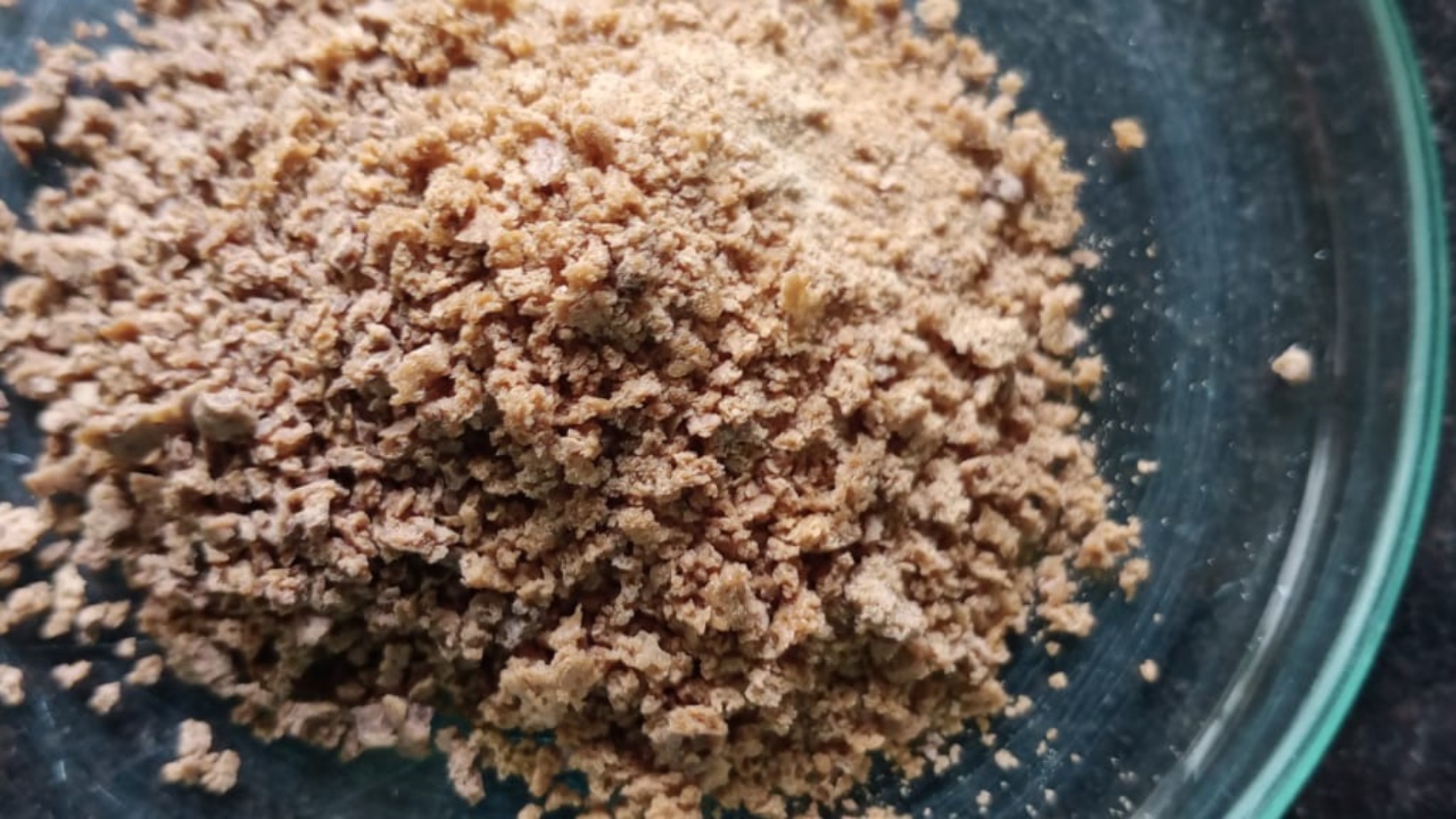
Future Food Asia 2021: Potential of pulses in the alt-protein space
Asia presents a unique opportunity for pulses as people in the region, who traditionally fractionated pulses for starch, now see protein as a useful byproduct

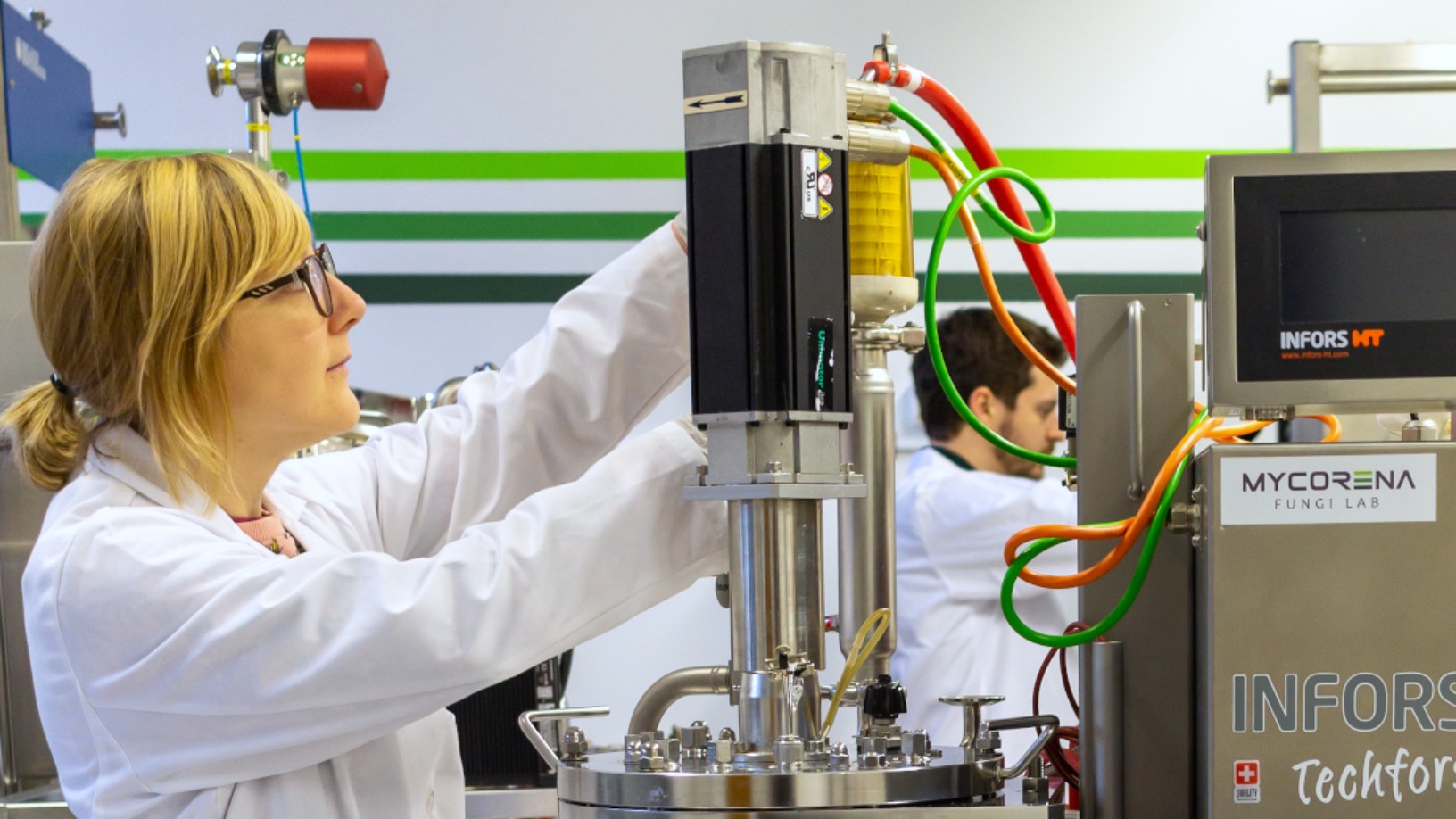
Mycorena: Fungi-based vegan protein challenging traditional plant-based ingredients
Award-winning Swedish biotech startup is scaling production of mycoprotein to become a key player in the emerging market for functional proteins
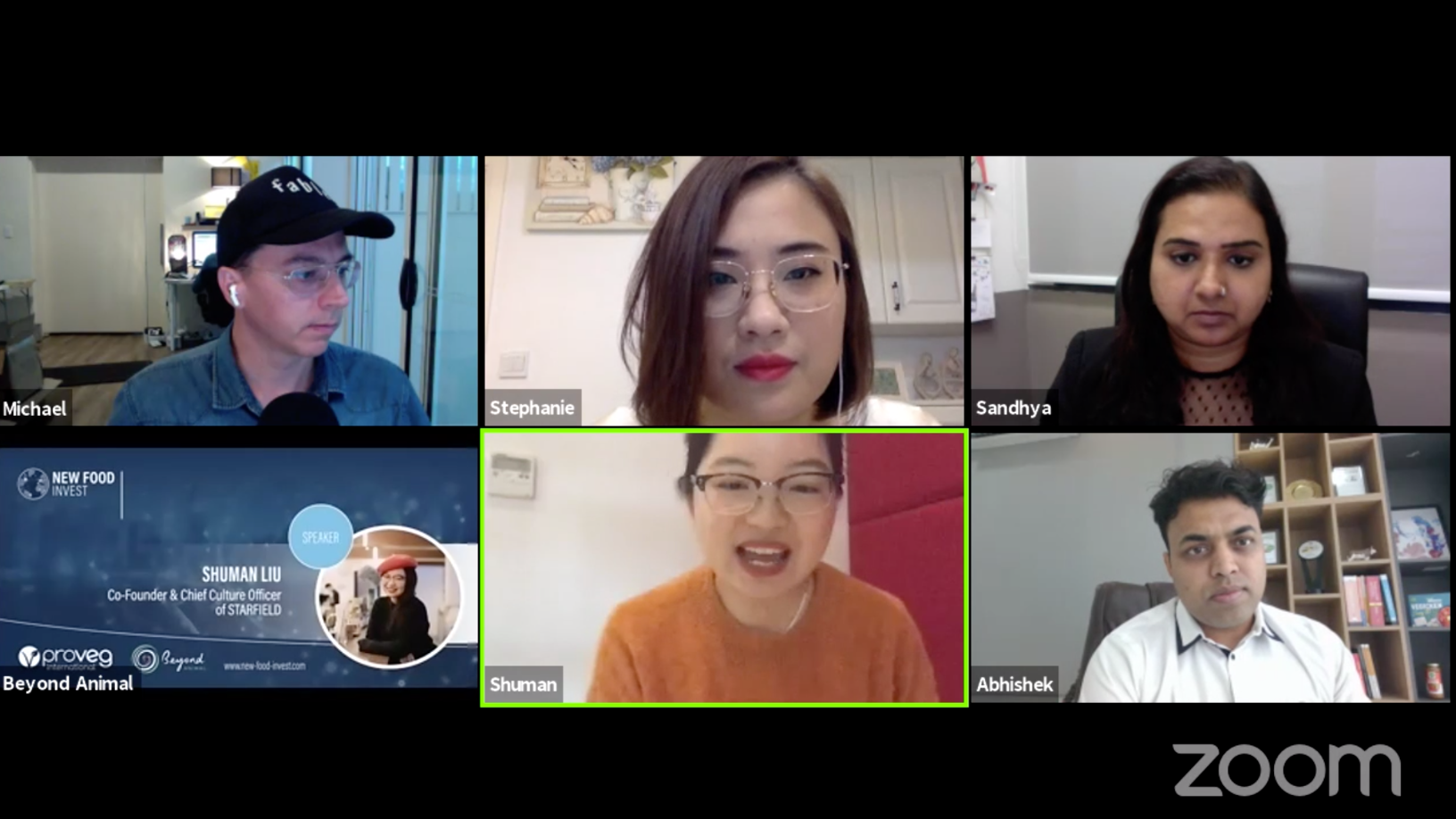
New Food Invest: Growing an alternative protein business in Asia
With more than 4bn people, Asia presents unique opportunities and challenges to alternative protein startups. Four leading entrepreneurs shared their experiences at the recent New Food Invest conference
Good Startup: Alt-protein products can be better than real meat
The investor of Eat Just, Ripple Foods and more expects its portfolio companies will exit in the next four to six years, mostly through acquisition
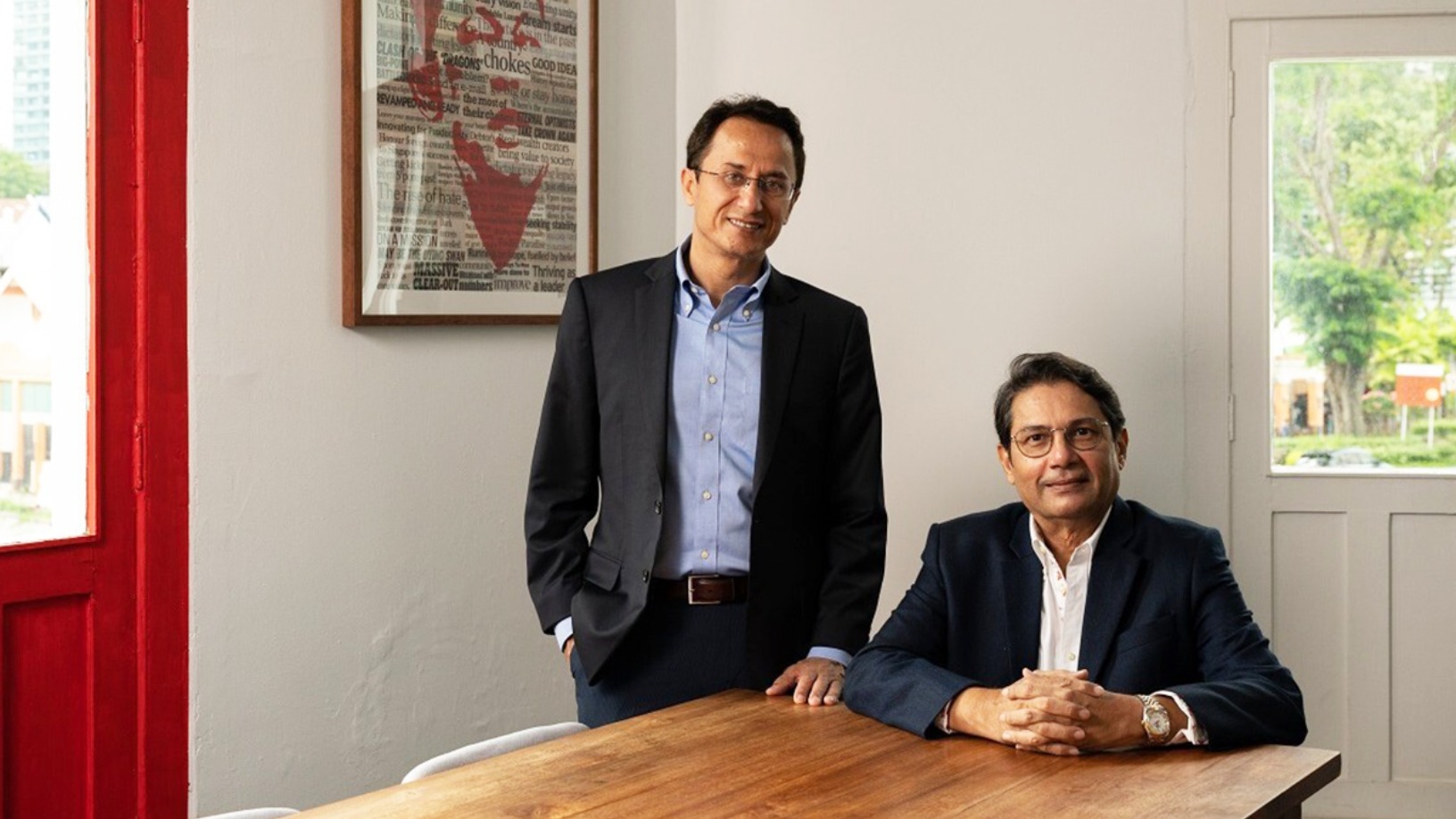
New Food Invest: Plant-based cheese, the next investment boom?
With alt-protein startups experiencing a global funding boom, industry experts and investors share their views about emerging trends in diverse food sectors
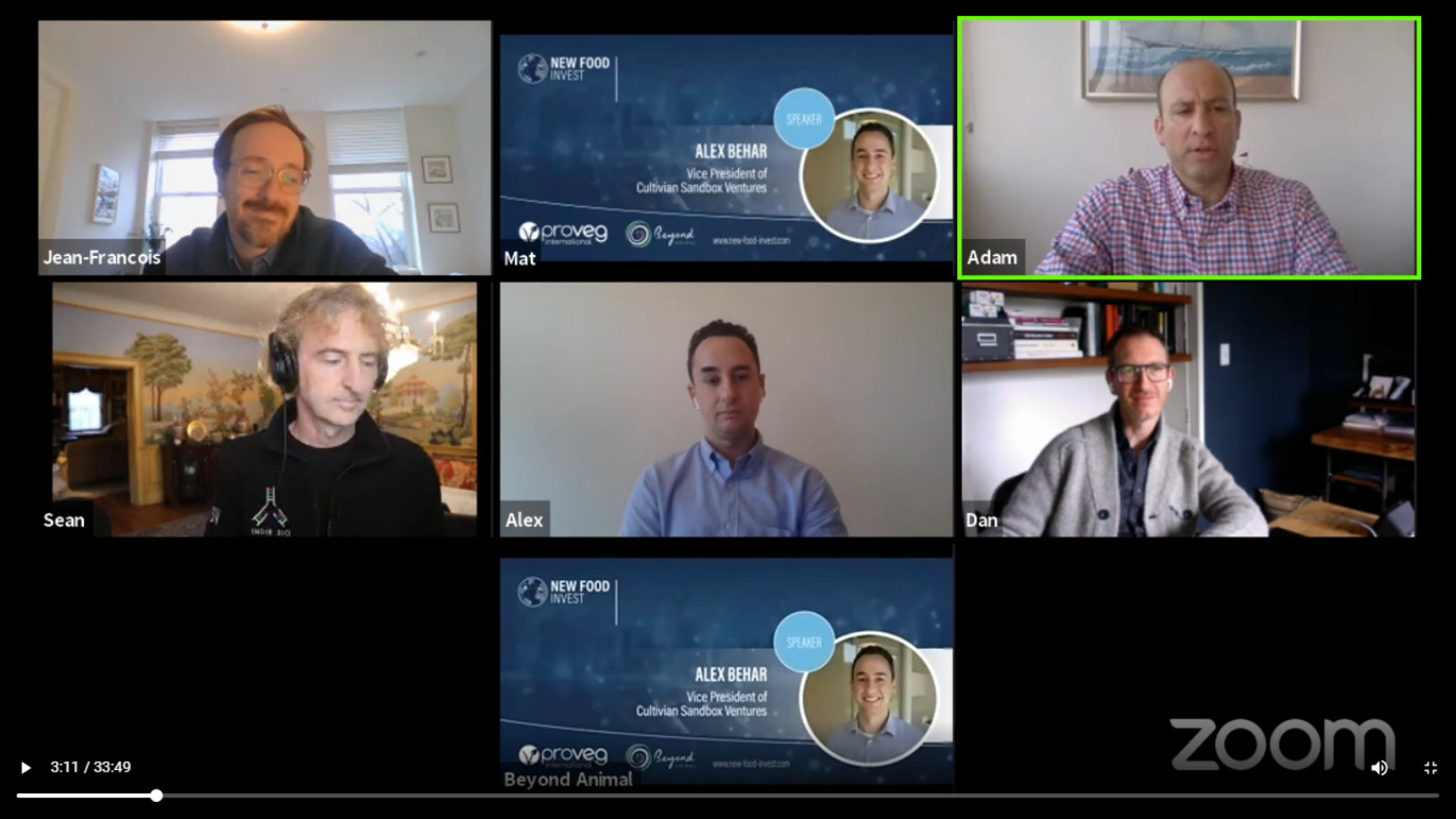
Sophie's Bionutrients: Alternative protein from microalgae
Inspired by fish in the ocean, the startup developed microalgae-based flour that can take on unlimited forms, textures or colors to make almost any alt protein product

Dao Foods: Grooming and betting on China's rising alternative protein startups
How can businesses involve Chinese consumers in the environmental cause, even if it isn’t a priority for them? For that, the impact investor-incubator Dao Foods has got its philosophy-led strategy figured out
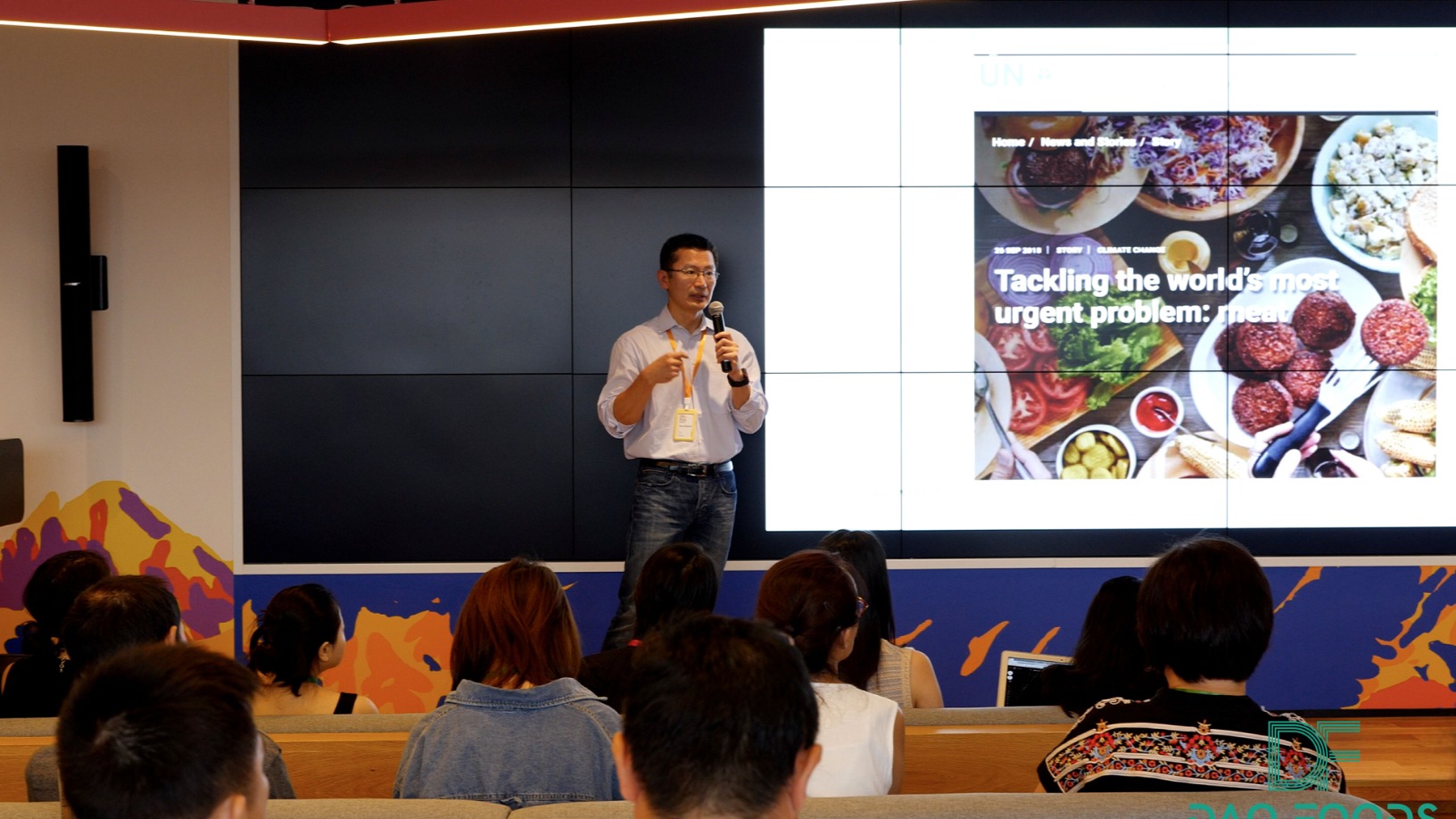
SWITCH Singapore: Sustainability startups see growing demand from corporates
Sophie’s BioNutrients, Ubiik and Intello Labs also note new trends in technology and supply chain arising from the Covid-19 pandemic, across the food, manufacturing and e-commerce sectors
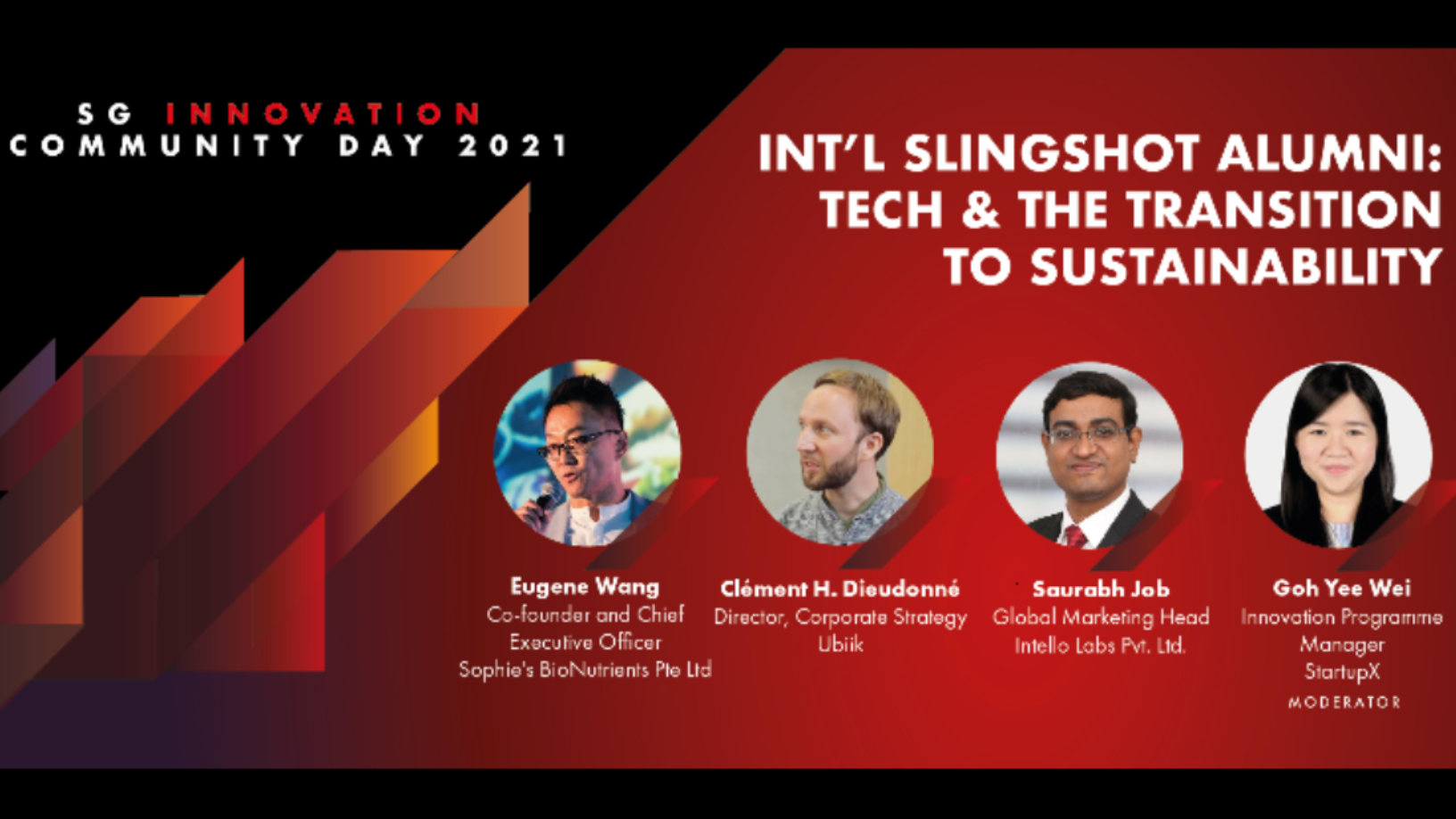
Singapore, the place to start and grow a cellular agriculture startup
A country that imports over 90% of its food supply, Singapore has turned to foodtech, including cellular agriculture, to safeguard food security, supported by proactive regulators

Plant-based eggs (Part II): The foodtech startups to watch
Here’s a shortlist of the foodtech startups to watch in the global vegan egg market

NovoNutrients: Tackling the dual problems of CO2 emissions and over-fishing
The first to transform CO2 to fish food, NovoNutrients is trialing with industry giants Skretting and Chevron, and will soon raise Series A funding
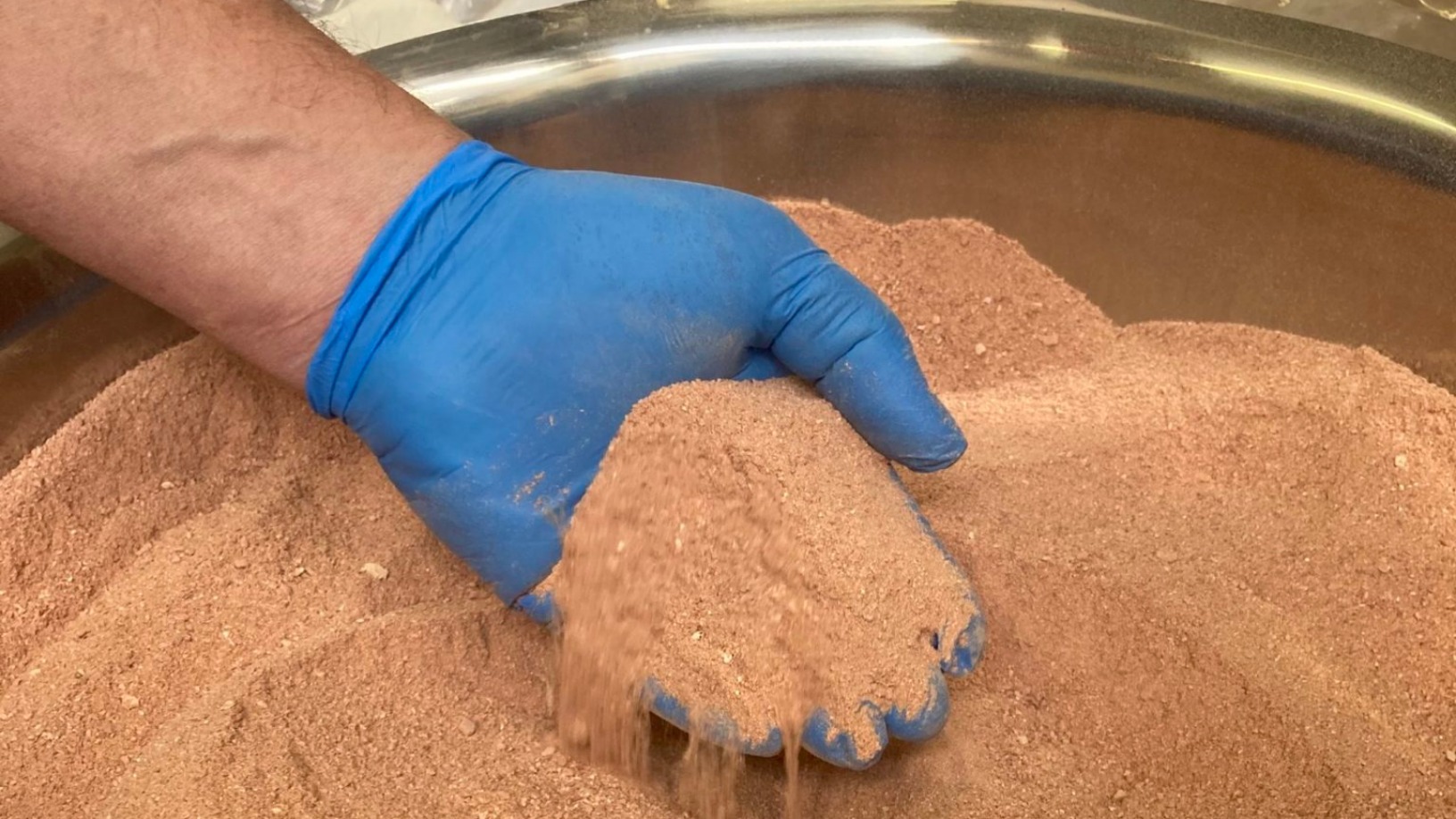
Xampla: Making strong, low-cost biodegradable plastic from peas
Inspired by the strength of spider silk, the Cambridge University spinoff has produced a plant-based, completely compostable alternative to microplastics
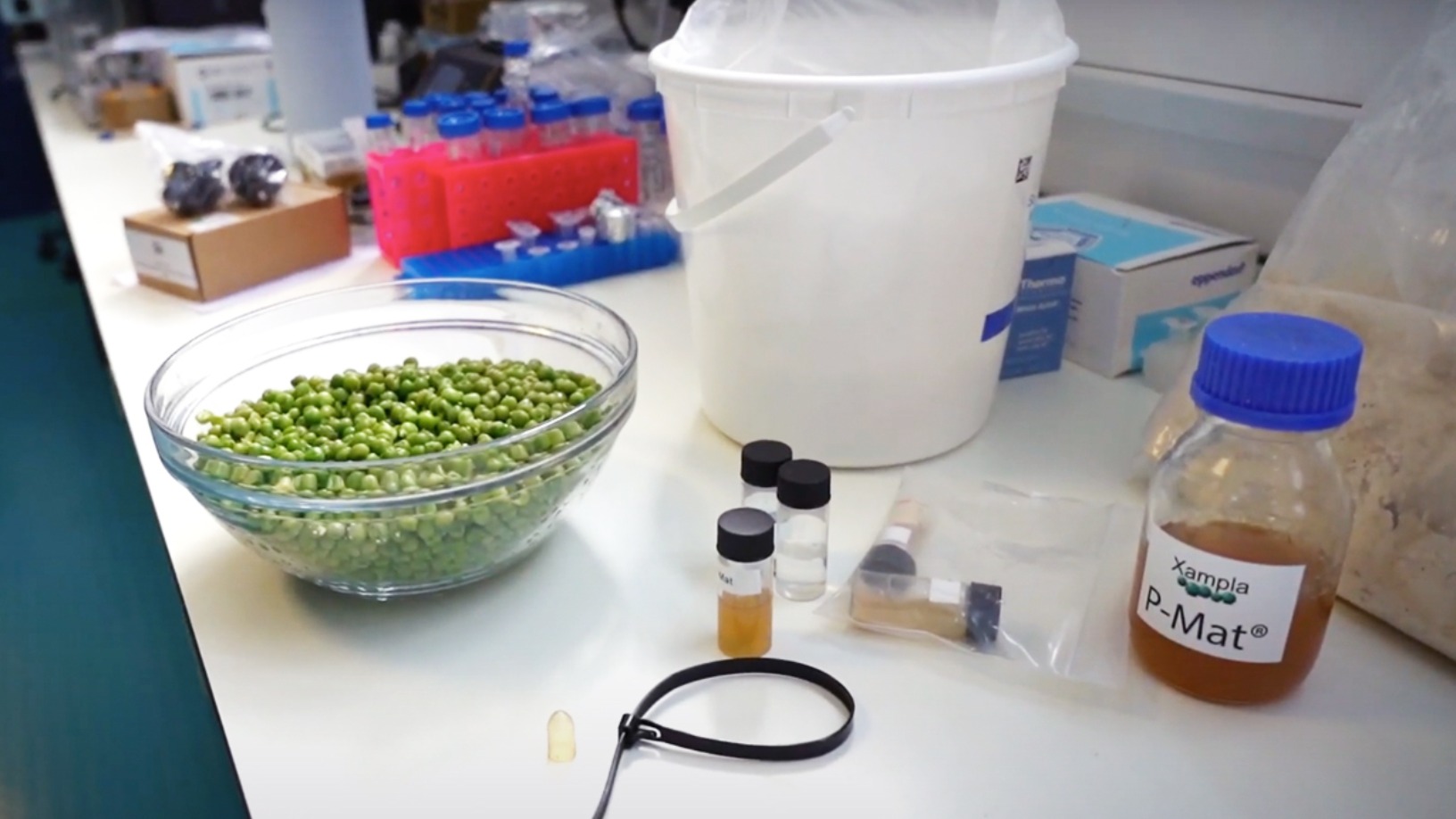
Future Food Asia 2021 announces finalists for $100,000 prize
Ten startups from agrifood tech and cleantech sectors will pitch during the five-day conference, are also eligible for two more prizes from sponsors Cargill and Thai Wah

Sorry, we couldn’t find any matches for “India Alternative Protein Fund”.
POPULAR DATABASE