Matrix Partners China
-
DATABASE (929)
-
ARTICLES (525)
Sofina began in 1898 as Société Financière de Transport et d’Entreprises Industrielles, an engineering conglomerate in Belgium. In the late 1960s, Sofina changed course to become an investment company. As a holding company, its major investments lie in the consumer goods, energy, and distribution sectors, with stakes in companies like Danone and communications satellite operator SES. It has also been involved in various venture capital investment activities, both as an LP to other VCs and as a VC itself, running the Sofina Growth portfolio. The Sofina Growth portfolio spans a wide range of sectors and geographies, from China to Southeast Asia, with investments in notable companies like Zilingo, Byju’s and Kopi Kenangan.

Sofina began in 1898 as Société Financière de Transport et d’Entreprises Industrielles, an engineering conglomerate in Belgium. In the late 1960s, Sofina changed course to become an investment company. As a holding company, its major investments lie in the consumer goods, energy, and distribution sectors, with stakes in companies like Danone and communications satellite operator SES. It has also been involved in various venture capital investment activities, both as an LP to other VCs and as a VC itself, running the Sofina Growth portfolio. The Sofina Growth portfolio spans a wide range of sectors and geographies, from China to Southeast Asia, with investments in notable companies like Zilingo, Byju’s and Kopi Kenangan.
Founded in 2002, Bluesail was initially known as a manufacturer of PVC gloves, with an annual capacity of tens of billions of pairs at its peak. At the end of 2012, it began to expand into more health-related areas.In 2018, it acquired a 93.37% stake in Biosensors International Group that specializes in developing, manufacturing and licensing technologies for use in interventional cardiology procedures and critical care. The two companies were merged and Bluesail began to produce more high-end medical consumables. In 2019, the company and senior executives invested in CH Biomedical to collaborate in the development of innovative medical devices for sale in China and overseas.

Founded in 2002, Bluesail was initially known as a manufacturer of PVC gloves, with an annual capacity of tens of billions of pairs at its peak. At the end of 2012, it began to expand into more health-related areas.In 2018, it acquired a 93.37% stake in Biosensors International Group that specializes in developing, manufacturing and licensing technologies for use in interventional cardiology procedures and critical care. The two companies were merged and Bluesail began to produce more high-end medical consumables. In 2019, the company and senior executives invested in CH Biomedical to collaborate in the development of innovative medical devices for sale in China and overseas.
Co-founder of Diamond Foundry
Kyle Gazay is a co-founder of Diamond Foundry, the US-based unicorn that makes lab-grown diamonds and which is also the world’s first diamond producer to be certified carbon neutral. He has worked at Diamond Foundry since its launch, and held several roles there, including being COO as well as president of productionCurrently, Gazay oversees all diamond production at the company. Gazay’s expertise is in engineering and production. He has a decade’s track record in working with any equipment to obtain a robust and repeatable baseline output.Like the other co-founders of Diamond Foundry, Gazay previously worked at Nanosolar, a $640m US-based solar power technology provider, which later folded due to pressure from cheaper competition in China. At Nanosolar, Gazay led the development of its production line, and oversaw the translation of the company’s research into development and baseline production output. Upon the closure of Nanosolar, Gazay joined former Nanosolar CEO Martin Roscheisen and former Nanosolar engineer Jeremy Scholz in pivoting to work on lab-grown diamonds, and in establishing Diamond Foundry.

Kyle Gazay is a co-founder of Diamond Foundry, the US-based unicorn that makes lab-grown diamonds and which is also the world’s first diamond producer to be certified carbon neutral. He has worked at Diamond Foundry since its launch, and held several roles there, including being COO as well as president of productionCurrently, Gazay oversees all diamond production at the company. Gazay’s expertise is in engineering and production. He has a decade’s track record in working with any equipment to obtain a robust and repeatable baseline output.Like the other co-founders of Diamond Foundry, Gazay previously worked at Nanosolar, a $640m US-based solar power technology provider, which later folded due to pressure from cheaper competition in China. At Nanosolar, Gazay led the development of its production line, and oversaw the translation of the company’s research into development and baseline production output. Upon the closure of Nanosolar, Gazay joined former Nanosolar CEO Martin Roscheisen and former Nanosolar engineer Jeremy Scholz in pivoting to work on lab-grown diamonds, and in establishing Diamond Foundry.
Born in 1961, Li Zexiang was an undergraduate at Central South Institute of Mining Metallurgy in 1978. From 1979 to 1992, he studied and worked in the US, earning a doctoral degree at the University of California, Berkeley in 1989. He worked as an AILab researcher at MIT in 1989. In 1990, he joined NYU's Courant Institute of Mathematical Sciences as an associate professor.In 1992, he returned to China and worked as a professor at The Hong Kong University of Science and Technology ever since. In 1999, he founded motor control company Googol Tech. He is well-known for incubating DJI and became the chairman of Shenzhen-based drone and aerial photography systems company.
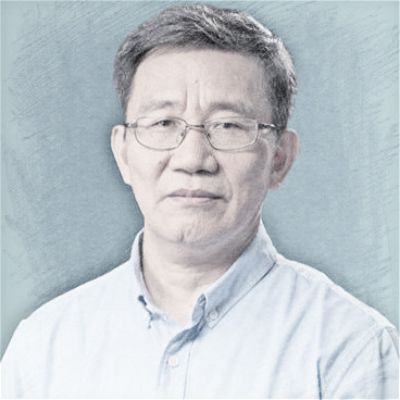
Born in 1961, Li Zexiang was an undergraduate at Central South Institute of Mining Metallurgy in 1978. From 1979 to 1992, he studied and worked in the US, earning a doctoral degree at the University of California, Berkeley in 1989. He worked as an AILab researcher at MIT in 1989. In 1990, he joined NYU's Courant Institute of Mathematical Sciences as an associate professor.In 1992, he returned to China and worked as a professor at The Hong Kong University of Science and Technology ever since. In 1999, he founded motor control company Googol Tech. He is well-known for incubating DJI and became the chairman of Shenzhen-based drone and aerial photography systems company.
Born in 1969, Pan Yingjiu had worked at Zhuhai Nanping Enterprise Corporation from September 1990 to July 1991. He also worked as an engineer at Canon Zhuhai until August 1994 when he left to start a new career as an investment manager at Zhuhai Pingsha Jinyan Tourism Corporation.In December 1999, he became a financial investment manager at China Materials Development Investment Corporation and rose to become a board director in May 2005 at a Hong Kong-based luminescent material manufacturer. In March 2007, he became the GM of Lanshi VC until March 2011. Since September 2010, he has also been working as a board director at Weibang Investment in Shenzhen and Beijing IN-Power Electric Co Ltd.

Born in 1969, Pan Yingjiu had worked at Zhuhai Nanping Enterprise Corporation from September 1990 to July 1991. He also worked as an engineer at Canon Zhuhai until August 1994 when he left to start a new career as an investment manager at Zhuhai Pingsha Jinyan Tourism Corporation.In December 1999, he became a financial investment manager at China Materials Development Investment Corporation and rose to become a board director in May 2005 at a Hong Kong-based luminescent material manufacturer. In March 2007, he became the GM of Lanshi VC until March 2011. Since September 2010, he has also been working as a board director at Weibang Investment in Shenzhen and Beijing IN-Power Electric Co Ltd.
Co-founder, CEO of Bodyswaps
Christophe Mallet is the French co-founder and CEO of UK-based VR edtech for soft-skills training Bodyswaps, where he has worked since its founding in 2019. Prior to this, he was CEO and co-founder at VR marketing agency Somewhere Else from 2016 before the agency pivoted to training and skills development and became the basis of Bodyswaps’ product offer. The agency had clients such as Adidas, for which Somewhere Else produced an interactive VR in-store promotional tool that was deployed in over 100 locations in China, Europe and the US and was nominated for a VR Award and an Immersive Perspective award. Mallet also co-founded another VR agency Exheb, forerunner to Somewhere Else in 2014.For almost six years before that, Mallet worked in social media and digital strategy management at Carve Consulting in London, a digital agency helping organisations to become social businesses. Mallet also co-founded a music label, Ubermax Records, in 2011.Mallet holds two master’s degrees: Science in Management and Business from the HEC School of Management in Paris, and International Business and Management from Vienna University of Economics and Management.

Christophe Mallet is the French co-founder and CEO of UK-based VR edtech for soft-skills training Bodyswaps, where he has worked since its founding in 2019. Prior to this, he was CEO and co-founder at VR marketing agency Somewhere Else from 2016 before the agency pivoted to training and skills development and became the basis of Bodyswaps’ product offer. The agency had clients such as Adidas, for which Somewhere Else produced an interactive VR in-store promotional tool that was deployed in over 100 locations in China, Europe and the US and was nominated for a VR Award and an Immersive Perspective award. Mallet also co-founded another VR agency Exheb, forerunner to Somewhere Else in 2014.For almost six years before that, Mallet worked in social media and digital strategy management at Carve Consulting in London, a digital agency helping organisations to become social businesses. Mallet also co-founded a music label, Ubermax Records, in 2011.Mallet holds two master’s degrees: Science in Management and Business from the HEC School of Management in Paris, and International Business and Management from Vienna University of Economics and Management.
Co-founder, COO of Bodyswaps
Julien Denoël is the Belgian co-founder and COO of UK-based VR edtech for soft-skills training Bodyswaps, where he has worked since its founding in 2019. Prior to this, he was CEO and managing director at VR marketing agency Somewhere Else from 2016, before the agency pivoted to training and skills development and became the basis of Bodyswaps’ product offer. The agency had clients such as Adidas, for which Somewhere Else produced an interactive VR in-store promotional tool that was deployed in over 100 locations in China, Europe and the US and was nominated for a VR Award and an Immersive Perspective award. Denoël has also been a guest lecturer in VR and AR at INSEEC business school in London and Geneva since 2017. Prior to this, Denoël also co-founded another VR agency, Exheb, in 2014, where he worked for almost three years as VR Producer. He also worked in digital marketing for Quotient Technology, formerly Coupons.com for two years, and in business development and marketing at the WorldOne agency for the same amount of time. Denoël holds both a master’s and a bachelor’s degree from HEC Management School in Liege, Belgium, the former in Marketing and Organization, the latter in Management.

Julien Denoël is the Belgian co-founder and COO of UK-based VR edtech for soft-skills training Bodyswaps, where he has worked since its founding in 2019. Prior to this, he was CEO and managing director at VR marketing agency Somewhere Else from 2016, before the agency pivoted to training and skills development and became the basis of Bodyswaps’ product offer. The agency had clients such as Adidas, for which Somewhere Else produced an interactive VR in-store promotional tool that was deployed in over 100 locations in China, Europe and the US and was nominated for a VR Award and an Immersive Perspective award. Denoël has also been a guest lecturer in VR and AR at INSEEC business school in London and Geneva since 2017. Prior to this, Denoël also co-founded another VR agency, Exheb, in 2014, where he worked for almost three years as VR Producer. He also worked in digital marketing for Quotient Technology, formerly Coupons.com for two years, and in business development and marketing at the WorldOne agency for the same amount of time. Denoël holds both a master’s and a bachelor’s degree from HEC Management School in Liege, Belgium, the former in Marketing and Organization, the latter in Management.
Toyota Motor Corporation (Toyota) started as a division of the Toyoda Automatic Loom Works in 1933, and established as an independent in 1937. As of December 2019, it ranked tenth largest company in the world by revenue. An established multinational automotive manufacturer, Toyota has invested in startups working on everything from online marketing to cybersecurity, placing an focus on new-generation mobility services. In 2019, it invested $600m in Chinese ride-hailing giant Didi Chuxing, and founded a joint venture to offer car maintenance, insurance and finance services to ride-hailing drivers. Also that year, Toyota invested $500m in Uber for self-driving cars. In early 2020, the auto giant invested $400 in the self-driving startup Pony.ai. Before the investment, the two had already partnered to test self-driving cars on public roads in China.
Toyota Motor Corporation (Toyota) started as a division of the Toyoda Automatic Loom Works in 1933, and established as an independent in 1937. As of December 2019, it ranked tenth largest company in the world by revenue. An established multinational automotive manufacturer, Toyota has invested in startups working on everything from online marketing to cybersecurity, placing an focus on new-generation mobility services. In 2019, it invested $600m in Chinese ride-hailing giant Didi Chuxing, and founded a joint venture to offer car maintenance, insurance and finance services to ride-hailing drivers. Also that year, Toyota invested $500m in Uber for self-driving cars. In early 2020, the auto giant invested $400 in the self-driving startup Pony.ai. Before the investment, the two had already partnered to test self-driving cars on public roads in China.
Founded under a different name in 2002, the company became UCAR in 2016. A comprehensive car services provider, it now operates in nearly 300 cities across China. It has served around 60 million Chinese users and manages a total of 400,000 vehicles. UCAR has four business units: car rental service provider zuche.com, chauffeured car service provider 10101111.com, auto e-commerce platform maimaiche.com and automotive financing service platform carbank.cn. It invests in automotive businesses and startups.
Founded under a different name in 2002, the company became UCAR in 2016. A comprehensive car services provider, it now operates in nearly 300 cities across China. It has served around 60 million Chinese users and manages a total of 400,000 vehicles. UCAR has four business units: car rental service provider zuche.com, chauffeured car service provider 10101111.com, auto e-commerce platform maimaiche.com and automotive financing service platform carbank.cn. It invests in automotive businesses and startups.
One of China’s most famous angel investors and a prolific speaker, Xu Xiaoping (b.1960) is the managing partner of ZhenFund, a TMT-focused seed fund he founded with close friend and business partner Wang Qiang, in collaboration with Sequoia Capital China, in 2011. Xu began investing in 2006, after the New Oriental Education & Technology Group he co-founded became the first Chinese education company to list on NYSE. Trained as a professional musician, Xu plays the piano, violin, and oboe, and composes music as a hobby. He is also the author of more than 10 books. He studied at the Beijing Central Conservatory of Music and holds a master's in Music from the University of Saskatchewan.
One of China’s most famous angel investors and a prolific speaker, Xu Xiaoping (b.1960) is the managing partner of ZhenFund, a TMT-focused seed fund he founded with close friend and business partner Wang Qiang, in collaboration with Sequoia Capital China, in 2011. Xu began investing in 2006, after the New Oriental Education & Technology Group he co-founded became the first Chinese education company to list on NYSE. Trained as a professional musician, Xu plays the piano, violin, and oboe, and composes music as a hobby. He is also the author of more than 10 books. He studied at the Beijing Central Conservatory of Music and holds a master's in Music from the University of Saskatchewan.
Founded in Beijing in May 2015, Chunxiao Capital mainly invests in angel/seed to Series B funding rounds. With staff of 22, the VC has invested in over 50 companies by March 2019. Investments include technology innovations in fintech, big data and AI. Other investment sectors involve corporate services, Industry 4.0, B2B and SaaS for industrial enterprises and consumer-oriented businesses like retail, sports, maternal and infant care.In May 2019, the Asset Management Association of China revoked Chunxiao's private equity certification due to links with five online P2P lending firms facing default problems.
Founded in Beijing in May 2015, Chunxiao Capital mainly invests in angel/seed to Series B funding rounds. With staff of 22, the VC has invested in over 50 companies by March 2019. Investments include technology innovations in fintech, big data and AI. Other investment sectors involve corporate services, Industry 4.0, B2B and SaaS for industrial enterprises and consumer-oriented businesses like retail, sports, maternal and infant care.In May 2019, the Asset Management Association of China revoked Chunxiao's private equity certification due to links with five online P2P lending firms facing default problems.
CEMEX Ventures is the investment arm of global Mexican cement giant CEMEX and was established in 2017 with offices in Mexico, Spain, Colombia and China. It focuses exclusively on tech and non-tech solutions to painpoints in the construction sector. Every year, together with global management consultant Boston Consulting Group and startup monitoring platform Tracxn, it names its 50 Most Promising Startups in the Construction Ecosystem, investing in a few of the companies cited. It currently has 12 companies in its portfolio.Its most recent investments have included an undisclosed contribution to the funding round of US soil marketplace Soil Connect in 4Q 2020 and in the $1.7m July 2020 Series A round of US recycling company Arqlite.

CEMEX Ventures is the investment arm of global Mexican cement giant CEMEX and was established in 2017 with offices in Mexico, Spain, Colombia and China. It focuses exclusively on tech and non-tech solutions to painpoints in the construction sector. Every year, together with global management consultant Boston Consulting Group and startup monitoring platform Tracxn, it names its 50 Most Promising Startups in the Construction Ecosystem, investing in a few of the companies cited. It currently has 12 companies in its portfolio.Its most recent investments have included an undisclosed contribution to the funding round of US soil marketplace Soil Connect in 4Q 2020 and in the $1.7m July 2020 Series A round of US recycling company Arqlite.
CEO and founder of Diamond Foundry
Martin Roscheisen is an American-Austrian tech entrepreneur. He is CEO and co-founder of US-based unicorn Diamond Foundry, the first certified carbon-neutral producer of lab-grown diamonds. He has worked there since 2012, prior to the company’s official establishment in 2013.Roscheisen holds a PhD in computer science from Stanford University, where his classmates included Google founders Larry Page and Sergey Brin. He is one of the first generation of internet entrepreneurs, and has been involved in starting a number of companies. Before starting Diamond Foundry, Roscheisen headed the $640m solar startup Nanosolar from 2002–2010 as its CEO and founder. This was Silicon Valley's first solar power tech startup financed by American venture capital and, at the time, the highest-valued solar startup.When Nanosolar closed due to cheaper competition from China, much of its remaining technical expertise and resources went to setting up Diamond Foundry.In addition, Roscheisen was also formerlyCEO and the founder of eGroups. One of the first social media platforms to reach 50m users, the firm was acquired by Yahoo!.CTO and co-founder of enterprise software firm TradingDynamics, which sold to Ariba for $1.2bn.CTO and co-founder of FindLaw, a leading Internet legal site eventually sold to Thomson Reuters.In 2003, Fortune Magazine named Roscheisen one of America’s 40 Under 40, and one of the top 10 entrepreneurs in the country.

Martin Roscheisen is an American-Austrian tech entrepreneur. He is CEO and co-founder of US-based unicorn Diamond Foundry, the first certified carbon-neutral producer of lab-grown diamonds. He has worked there since 2012, prior to the company’s official establishment in 2013.Roscheisen holds a PhD in computer science from Stanford University, where his classmates included Google founders Larry Page and Sergey Brin. He is one of the first generation of internet entrepreneurs, and has been involved in starting a number of companies. Before starting Diamond Foundry, Roscheisen headed the $640m solar startup Nanosolar from 2002–2010 as its CEO and founder. This was Silicon Valley's first solar power tech startup financed by American venture capital and, at the time, the highest-valued solar startup.When Nanosolar closed due to cheaper competition from China, much of its remaining technical expertise and resources went to setting up Diamond Foundry.In addition, Roscheisen was also formerlyCEO and the founder of eGroups. One of the first social media platforms to reach 50m users, the firm was acquired by Yahoo!.CTO and co-founder of enterprise software firm TradingDynamics, which sold to Ariba for $1.2bn.CTO and co-founder of FindLaw, a leading Internet legal site eventually sold to Thomson Reuters.In 2003, Fortune Magazine named Roscheisen one of America’s 40 Under 40, and one of the top 10 entrepreneurs in the country.
Founded in 2017 in Hong Kong, Happiness Capital invests in seed to growth stage companies in the US, Europe, Israel, and China, with a focus on issues affecting global happiness within the areas of citizen trust, food, health, climate change, and reduced inequalities. It hosts its own annual contest, the Super Happiness Challenge , a global open innovation contest to fund individuals and startups with ideas and new products or services that tapped into unmet needs to achieve happiness, with a possible $1m in total investment on offer. The VC currently has 37 startups in its portfolio, around half of which are in foodtech and agtech. Its most recent investments include leading the $4.7m July 2021 seed funding round of NovoNutrients, the US-based biotech producer of alt-protein from fermentation using CO2 and other emissions, and co-leading the $29m February 2021 Series A round of Israeli 3D printed alt-meat startup Redefine Meat.

Founded in 2017 in Hong Kong, Happiness Capital invests in seed to growth stage companies in the US, Europe, Israel, and China, with a focus on issues affecting global happiness within the areas of citizen trust, food, health, climate change, and reduced inequalities. It hosts its own annual contest, the Super Happiness Challenge , a global open innovation contest to fund individuals and startups with ideas and new products or services that tapped into unmet needs to achieve happiness, with a possible $1m in total investment on offer. The VC currently has 37 startups in its portfolio, around half of which are in foodtech and agtech. Its most recent investments include leading the $4.7m July 2021 seed funding round of NovoNutrients, the US-based biotech producer of alt-protein from fermentation using CO2 and other emissions, and co-leading the $29m February 2021 Series A round of Israeli 3D printed alt-meat startup Redefine Meat.
Famous techpreneur Li Yinan (b. 1970) is the former CTO of Baidu and former CEO of Wuxian Xunqi, a China Mobile subsidiary. After Li graduated from Huazhong University of Science & Technology with a master’s degree in Optics Engineering, he joined Huawei and was promoted to vice-president of its Central Research Department in just six months; in 1997 Li because the youngest vice-president at Huawei. In 2001, Li quit Huawei and started his own data communication company, Harbour Networks, which followed the same structure of Huawei and soon became its main competitor. In 2005, Harbour Networks lost in its intense battle with Huawei and was acquired by the larger player. Even though Li rejoined Huawei after the acquisition, he was never able to re-enter the core management team because of his damaged relationship with Ren Zhengfei, the founder and president of Huawei. In April 2015, Li founded his smart e-scooter company, NIU Smart Scooters. Li began investing in 2010 and joined GSR Ventures in 2011. Up to June 2015, Li had invested in more than 10 companies from the TMT sector. Li stood trial for insider trading in March 2016, according to news reports.

Famous techpreneur Li Yinan (b. 1970) is the former CTO of Baidu and former CEO of Wuxian Xunqi, a China Mobile subsidiary. After Li graduated from Huazhong University of Science & Technology with a master’s degree in Optics Engineering, he joined Huawei and was promoted to vice-president of its Central Research Department in just six months; in 1997 Li because the youngest vice-president at Huawei. In 2001, Li quit Huawei and started his own data communication company, Harbour Networks, which followed the same structure of Huawei and soon became its main competitor. In 2005, Harbour Networks lost in its intense battle with Huawei and was acquired by the larger player. Even though Li rejoined Huawei after the acquisition, he was never able to re-enter the core management team because of his damaged relationship with Ren Zhengfei, the founder and president of Huawei. In April 2015, Li founded his smart e-scooter company, NIU Smart Scooters. Li began investing in 2010 and joined GSR Ventures in 2011. Up to June 2015, Li had invested in more than 10 companies from the TMT sector. Li stood trial for insider trading in March 2016, according to news reports.
In a nascent market, one-year-old Starfield has brought its offerings to around 3,000 F&B outlets and generated RMB 10m in revenue

Intracity delivery startup Fengxiansheng takes on the Middle East
Backed by the most popular online shopping platform in the Middle East, Hangzhou's No. 1 intracity delivery startup Fengxiansheng (“Mr Wind”) is expanding to the region

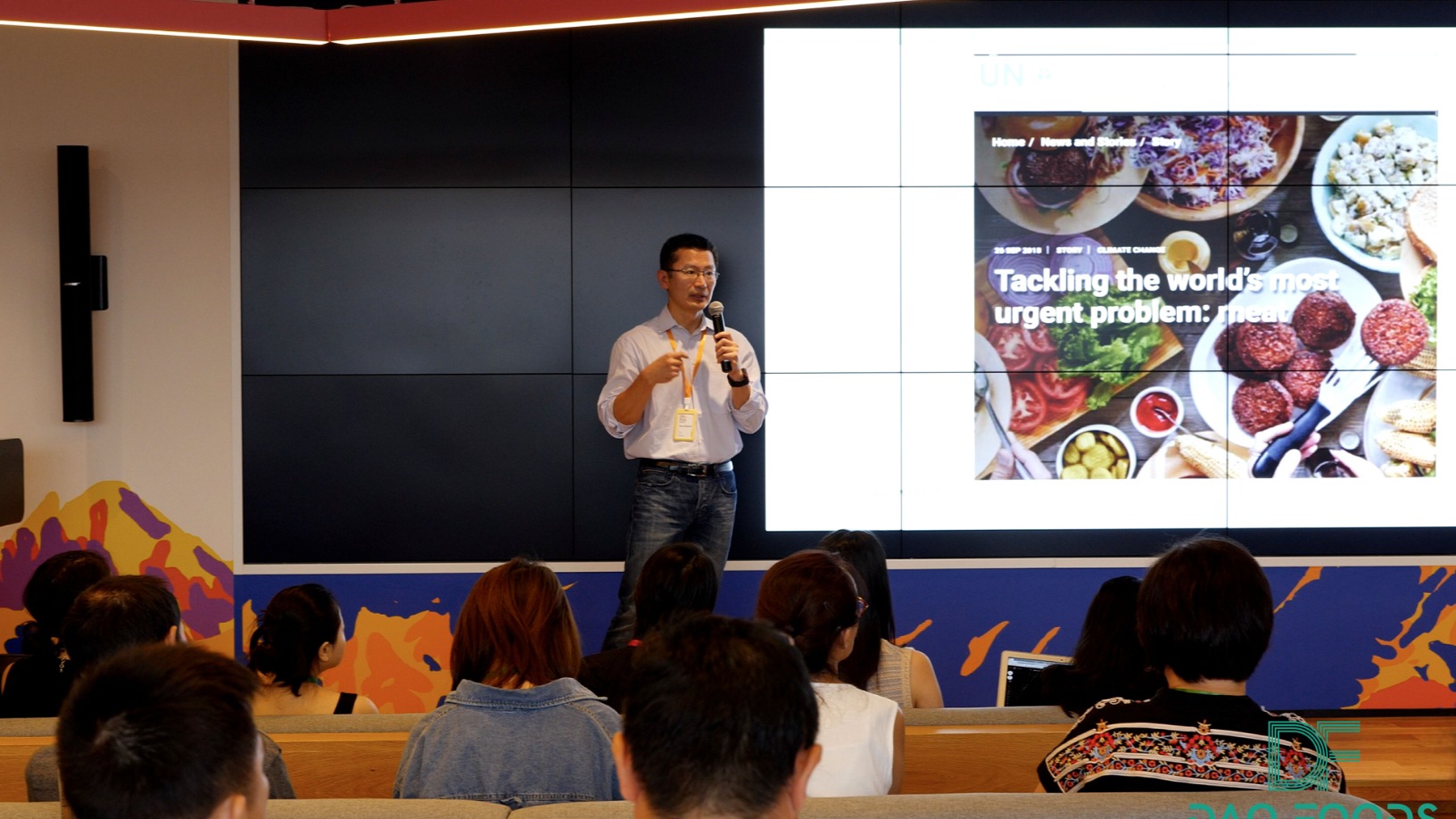
Dao Foods: Grooming and betting on China's rising alternative protein startups
How can businesses involve Chinese consumers in the environmental cause, even if it isn’t a priority for them? For that, the impact investor-incubator Dao Foods has got its philosophy-led strategy figured out
Xiangwushuo’s platform finds a new home for secondhand goods
This WeChat mini program doesn’t yet have a monetization strategy, but has still received over US$110 million in funding in one year

Gago Inc: Satellite data agritech startup ramps up growth with financial sector solutions
Founded by former NASA scientists, Gago began as a data solution to improve China’s traditionally low-yielding and inefficient smallholder-based farming sector

In China, coding education for children is in demand – but investors are wary
Coding lessons are most wanted by Chinese parents for their kids after English tuition, so hundreds of coding edtech startups have joined the fray

Chinese startups feel the chill of capital winter as VC activities slow
The goods news is investors still have plenty of money. They just become more cautious when making investment decisions

Taronga Ventures takes RealTechX to Singapore; plans Japan, US growth
The Australian proptech investor to focus on ESG in its acceleration program, including women under-representation and site safety

Dai Wei and his Ofo: Fighting till the last act?
How the college student who founded a global bike-sharing sensation also led it to the verge of bankruptcy through a string of mistakes

AltStory: Putting the audience in the director's chair
The Chinese startup has taken interactivity to another level by letting TV and movie viewers decide where the action goes, and how it all ends.
“Sniper investor” Zhu Xiaohu: GSR Ventures chief’s slow but steady way of spotting future unicorns
Known for his conservative investing in China’s often-euphoric tech startup scene, Zhu Xiaohu has caught unicorns like Didi Chuxing while making a profitable exit from Ofo just before it sank

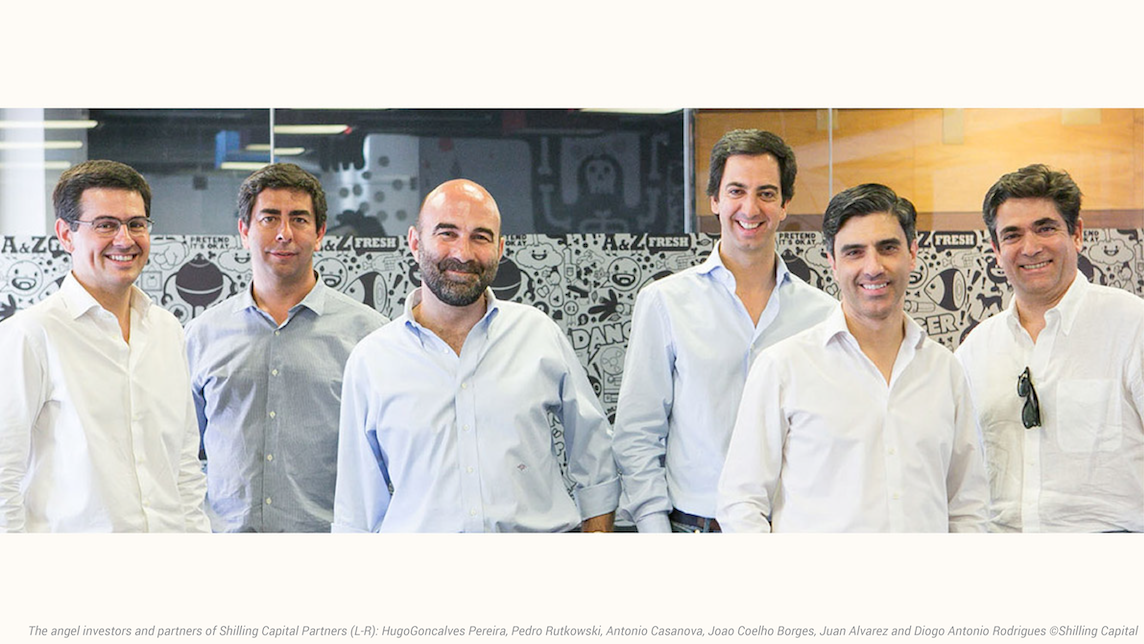
Shilling Capital Partners: Growing Portuguese tech businesses from seed
An early mover, the influential angel investing firm is accelerating local techs into Brazil and globally
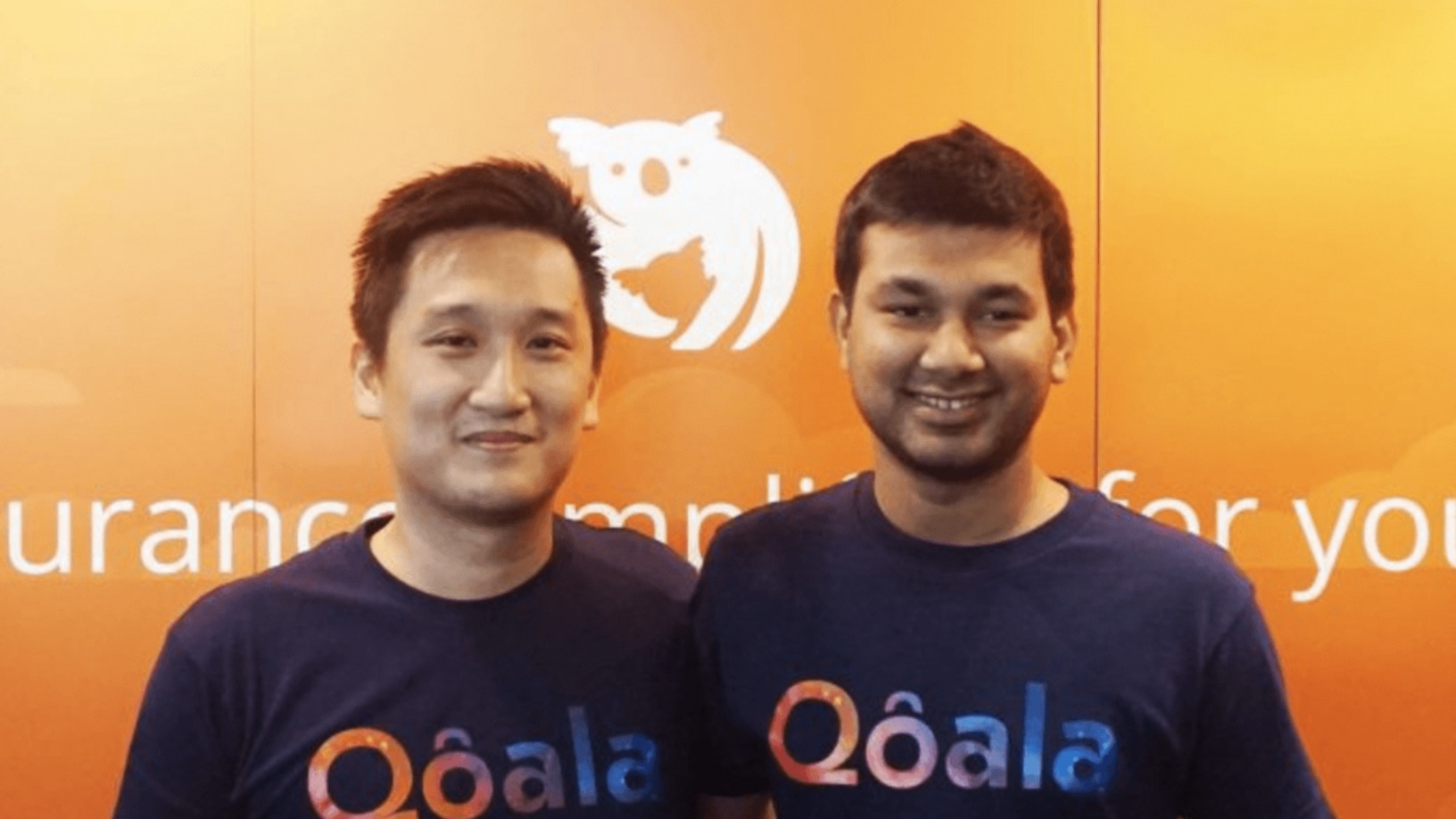
Indonesian insurtech Qoala survives pandemic with new partners and products
Acquisition of Thai insurtech FairDee to spearhead expansion into Southeast Asia, building on earlier entry into Malaysia and Vietnam and a Covid-19 travel insurance product at home
Atomian: The powerful cognitive software that thinks, works like the human brain
Combining natural language processing with big data, Atomian enables easy, quick and real-time access to information in databases and documents

Faraday Venture Partners’ MP Gonzalo Tradacete: “We are actively looking for startups”
Amid the Covid-19 slump, Faraday Venture Partners' CIO and MP shares his expectations for startup investments and favored sectors, the measures his firm has taken so far to help investees ride out the crisis, and more.

Sorry, we couldn’t find any matches for “Matrix Partners China”.
POPULAR DATABASE