Medical University of Warsaw
-
DATABASE (2789)
-
ARTICLES (812)
Formerly known as Tsinghua University Science Park (TusPark) Development Center founded in August 1994, Tus-Holdings was incorporated in 2000. The company takes full responsibility for developing, constructing, operating and managing TusPark.Tus-Holdings is the controlling shareholder, or shareholder, of over 800 listed and non-listed enterprises. The total assets under its management amount to nearly RMB 200bn.


Formerly known as Tsinghua University Science Park (TusPark) Development Center founded in August 1994, Tus-Holdings was incorporated in 2000. The company takes full responsibility for developing, constructing, operating and managing TusPark.Tus-Holdings is the controlling shareholder, or shareholder, of over 800 listed and non-listed enterprises. The total assets under its management amount to nearly RMB 200bn.
Singapore's government-owned investor has a net portfolio value of just over S$300bn, with assets mainly in Asia and Singapore. In recent years it has begun investing in internet and tech companies in emerging markets, including in neighboring Indonesia and other Asian countries.As a state investor, Temasek aligns its investment portfolio and goals with areas that are relevant to Singapore’s national agenda. For example, to mitigate and reduce the effects of climate change, Temasek has set a commitment to reduce the carbon emissions of its portfolio companies, and invest in companies providing decarbonization solutions. It is also investing in biotechnology, medical technology, agritech and foodtech companies, which are some new focus areas in Singapore’s industrial development.
Singapore's government-owned investor has a net portfolio value of just over S$300bn, with assets mainly in Asia and Singapore. In recent years it has begun investing in internet and tech companies in emerging markets, including in neighboring Indonesia and other Asian countries.As a state investor, Temasek aligns its investment portfolio and goals with areas that are relevant to Singapore’s national agenda. For example, to mitigate and reduce the effects of climate change, Temasek has set a commitment to reduce the carbon emissions of its portfolio companies, and invest in companies providing decarbonization solutions. It is also investing in biotechnology, medical technology, agritech and foodtech companies, which are some new focus areas in Singapore’s industrial development.
Co-founder of Fenbushi Capital, China’s first venture capital firm that focuses exclusively on blockchain investment, and of Bitshares, a blockchain-based financial platform. Among the earliest investors and entrepreneurs in the blockchain industry, Shen has 12 years of experience in senior management at brokerages, hedge funds and investment banks. He received his bachelor’s degree in mathematics from the University of Shanghai for Science and Technology and his master’s degree in Systems Engineering from the Georgia Institute of Technology.
Co-founder of Fenbushi Capital, China’s first venture capital firm that focuses exclusively on blockchain investment, and of Bitshares, a blockchain-based financial platform. Among the earliest investors and entrepreneurs in the blockchain industry, Shen has 12 years of experience in senior management at brokerages, hedge funds and investment banks. He received his bachelor’s degree in mathematics from the University of Shanghai for Science and Technology and his master’s degree in Systems Engineering from the Georgia Institute of Technology.
CEO and co-founder of Zipline International
After graduating in economics and biotech at Harvard in 2009, Keller Rinaudo joined BCG in San Francisco but left to become a professional rock climber in November 2010. He has climbed alpine cliffs in France, underwater caves in Kentucky and the limestone towers of Yangshuo, China.In July 2011, Rinaudo became an entrepreneur, specializing robotics and drones, with over nine patents under his name. He founded Romotive that made inexpensive small robots using mobile phones as their computing system, machine vision system and wireless communication system.Romotive was pivoted into Zipline International in 2014 to design and manufacture make drones for the delivery of critical medical supplies in remote parts of the world.
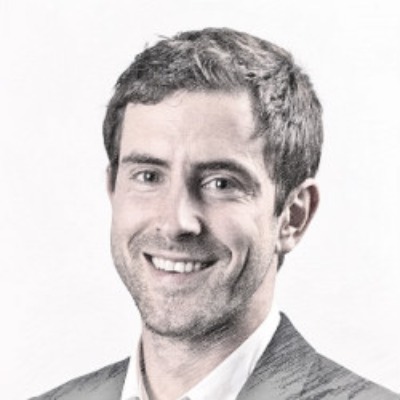
After graduating in economics and biotech at Harvard in 2009, Keller Rinaudo joined BCG in San Francisco but left to become a professional rock climber in November 2010. He has climbed alpine cliffs in France, underwater caves in Kentucky and the limestone towers of Yangshuo, China.In July 2011, Rinaudo became an entrepreneur, specializing robotics and drones, with over nine patents under his name. He founded Romotive that made inexpensive small robots using mobile phones as their computing system, machine vision system and wireless communication system.Romotive was pivoted into Zipline International in 2014 to design and manufacture make drones for the delivery of critical medical supplies in remote parts of the world.
Co-founder, CTO of Meatable
Daan Luining is the Dutch co-founder and CTO at cell-based meat startup Meatable, the first to claim a highly scalable culture technology, where he has worked since 2018. He is also a research director at the Cellular Agriculture Society in Leiden, a joint initiative for cell-based startups to share knowledge and to collaborate on projects to further scale the sector. Luining is also on the board of directors at the not-for-profit Cultured Meat Foundation that promotes sector innovation. His past posts have all been in the area of research, either as a researcher or a technician, and at the same time as completing studies. His last job was as a research strategist at New York-based New Harvest, a callular food rsearch funding body, where he worked for a year and met Dr. Kotter, the inventor of Meatable’s cellular technology. His research positions from 2009–15 were in the area of cell culture, mass spectrometry and DNA sequencing at the Maastricht University, University Medical Center Amsterdam, Utrecht University and Leiden University. Luining holds a master’s in biological sciences from Leiden University in the Netherlands.

Daan Luining is the Dutch co-founder and CTO at cell-based meat startup Meatable, the first to claim a highly scalable culture technology, where he has worked since 2018. He is also a research director at the Cellular Agriculture Society in Leiden, a joint initiative for cell-based startups to share knowledge and to collaborate on projects to further scale the sector. Luining is also on the board of directors at the not-for-profit Cultured Meat Foundation that promotes sector innovation. His past posts have all been in the area of research, either as a researcher or a technician, and at the same time as completing studies. His last job was as a research strategist at New York-based New Harvest, a callular food rsearch funding body, where he worked for a year and met Dr. Kotter, the inventor of Meatable’s cellular technology. His research positions from 2009–15 were in the area of cell culture, mass spectrometry and DNA sequencing at the Maastricht University, University Medical Center Amsterdam, Utrecht University and Leiden University. Luining holds a master’s in biological sciences from Leiden University in the Netherlands.
VAS Ventures is the investment vehicle of Martin Varsavsky, a serial entrepreneur from Argentina and founder of companies such as Jazztel, Fon, Ya.com, Prelude and Viatel.Varsavsky began teaching entrepreneurship at Columbia University in 2012. He is also a member of the Advisory Council for Innovation in Justice, created by the Spanish Ministry of Justice in February 2018.VAS Ventures is headquartered in Madrid and has been co-investing with German publishing house Axel Springer since 2019.
VAS Ventures is the investment vehicle of Martin Varsavsky, a serial entrepreneur from Argentina and founder of companies such as Jazztel, Fon, Ya.com, Prelude and Viatel.Varsavsky began teaching entrepreneurship at Columbia University in 2012. He is also a member of the Advisory Council for Innovation in Justice, created by the Spanish Ministry of Justice in February 2018.VAS Ventures is headquartered in Madrid and has been co-investing with German publishing house Axel Springer since 2019.
XY Capital was co-founded in Hangzhou in April 2018 by former Alibaba CEO Lu Zhaoxi and Tang Yun, a former government official in Hangzhou with a PhD in Computer Science from Tsinghua University. The company set up an RMB investment fund in June 2018 and invests mainly in early-stage tech startups.

XY Capital was co-founded in Hangzhou in April 2018 by former Alibaba CEO Lu Zhaoxi and Tang Yun, a former government official in Hangzhou with a PhD in Computer Science from Tsinghua University. The company set up an RMB investment fund in June 2018 and invests mainly in early-stage tech startups.
Founded in 1972 by Sudono Salim, aka Liem Sioe Liong, the Salim Group is now headed by his son Anthoni Salim. The Salim Group is one of Indonesia's biggest diversified conglomerates, with business interests in real estate, banking, automotive, telecommunications and F&B. Flagship brands include Bank BCA, Bogasari (wheat flour manufacturer) and Indofood, one of the world's largest producer of instant noodles. The Salim Group is a partner of NUS Enterprise, the startup incubator wing of the National University of Singapore.

Founded in 1972 by Sudono Salim, aka Liem Sioe Liong, the Salim Group is now headed by his son Anthoni Salim. The Salim Group is one of Indonesia's biggest diversified conglomerates, with business interests in real estate, banking, automotive, telecommunications and F&B. Flagship brands include Bank BCA, Bogasari (wheat flour manufacturer) and Indofood, one of the world's largest producer of instant noodles. The Salim Group is a partner of NUS Enterprise, the startup incubator wing of the National University of Singapore.
Co-founder of Meatable
Mark Kotter is the Austrian co-founder at Dutch cell-based meat startup Meatable, the first to use pluripotent stem cells and claim a highly scalable culture technology, which was developed by Kotter prior to founding the startup in 2018. He is also founder at his biotech startup, bit.bio, which is based in Cambridge, UK, since 2016, where he applies his cellular technological innovation to human stem cell research and has raised investments totaling $42m. His main full-time position is at the University of Cambridge, where he has worked since 2009. He has spent more than five years as a clinician-scientist in stem cell research and was previously a lecturer in neurosurgery. Kotter also lectures at Paris Descartes University and is a team leader at the UK’s National Institute for Health Research’s Brain Injury MedTech Co-operative. He also founded Myelopathy.org to raise awareness of cervical myelopathy. His past positions were as a research group leader at the Max Planck Institute for Experimental Medicine for one year, and for two years spent at the Medical University of Vienna. Kotter holds two doctorates; one in philosophy from the University of Cambridge and the other in medicine from the University of Graz in Austria. Kotter also holds a master’s in philosophy from the University of Cambridge.

Mark Kotter is the Austrian co-founder at Dutch cell-based meat startup Meatable, the first to use pluripotent stem cells and claim a highly scalable culture technology, which was developed by Kotter prior to founding the startup in 2018. He is also founder at his biotech startup, bit.bio, which is based in Cambridge, UK, since 2016, where he applies his cellular technological innovation to human stem cell research and has raised investments totaling $42m. His main full-time position is at the University of Cambridge, where he has worked since 2009. He has spent more than five years as a clinician-scientist in stem cell research and was previously a lecturer in neurosurgery. Kotter also lectures at Paris Descartes University and is a team leader at the UK’s National Institute for Health Research’s Brain Injury MedTech Co-operative. He also founded Myelopathy.org to raise awareness of cervical myelopathy. His past positions were as a research group leader at the Max Planck Institute for Experimental Medicine for one year, and for two years spent at the Medical University of Vienna. Kotter holds two doctorates; one in philosophy from the University of Cambridge and the other in medicine from the University of Graz in Austria. Kotter also holds a master’s in philosophy from the University of Cambridge.
The VC arm of Tsinghua University, THG Ventures was founded in 2015. It is managed by the investment team from the state-owned Tsinghua Holdings Ltd., which has specialized in venture capital investments since 1999 and is one of the first China teams focused on RMB investment. The team also founded TusPark Incubator and TusPark Ventures.
The VC arm of Tsinghua University, THG Ventures was founded in 2015. It is managed by the investment team from the state-owned Tsinghua Holdings Ltd., which has specialized in venture capital investments since 1999 and is one of the first China teams focused on RMB investment. The team also founded TusPark Incubator and TusPark Ventures.
One of the earliest backers of Chinese internet firms, most famously Tencent and JD.com, Hillhouse Capital is a US$20 billion fund today. Founded in 2005 by Zhang Lei, a Yale School of Management graduate (the initial US$20 million used to start Hillhouse came from the Yale Endowment), the long-term fundamental equity investor is focused on China and Asia, particularly the consumer, TMT, industrials and healthcare sectors. It manages capital for institutional clients, e.g., university endowments, foundations, sovereign wealth funds and pension funds, and invests across all equity stages.

One of the earliest backers of Chinese internet firms, most famously Tencent and JD.com, Hillhouse Capital is a US$20 billion fund today. Founded in 2005 by Zhang Lei, a Yale School of Management graduate (the initial US$20 million used to start Hillhouse came from the Yale Endowment), the long-term fundamental equity investor is focused on China and Asia, particularly the consumer, TMT, industrials and healthcare sectors. It manages capital for institutional clients, e.g., university endowments, foundations, sovereign wealth funds and pension funds, and invests across all equity stages.
Lei is co-founder, chairman and CEO of Xiaomi, one of the world’s largest smartphone companies. Born in December 1969, he holds a degree in Engineering from Wuhan University. With a personal net worth of US$11.2 billion, Lei has invested in 33 companies as a business angel, including Vancl.com, UCWeb, and YY Inc., a live streaming social media platform in China. He has also invested in 270 companies through Shunwei Capital, where he is a founding partner. Lei's investment focuses are e-commerce, mobile internet and social networking.

Lei is co-founder, chairman and CEO of Xiaomi, one of the world’s largest smartphone companies. Born in December 1969, he holds a degree in Engineering from Wuhan University. With a personal net worth of US$11.2 billion, Lei has invested in 33 companies as a business angel, including Vancl.com, UCWeb, and YY Inc., a live streaming social media platform in China. He has also invested in 270 companies through Shunwei Capital, where he is a founding partner. Lei's investment focuses are e-commerce, mobile internet and social networking.
Salvador García Andrés received his MSc in Telecommunications Engineering from Alfonso X el Sabio University in 2000. He also studied Finance at the London School of Economics in 2002.He has held several senior positions in the FX and trading desks of ABN Amro, Rabobank and Vega Capital. In 2009, he co-founded Ebury, a fintech company that offers a range of financial products to help SMEs expand internationally.García Andrés is an active angel investor in European tech startups.

Salvador García Andrés received his MSc in Telecommunications Engineering from Alfonso X el Sabio University in 2000. He also studied Finance at the London School of Economics in 2002.He has held several senior positions in the FX and trading desks of ABN Amro, Rabobank and Vega Capital. In 2009, he co-founded Ebury, a fintech company that offers a range of financial products to help SMEs expand internationally.García Andrés is an active angel investor in European tech startups.
TusPark Technology Asset Management Co., Ltd., and TusPark Business Incubator Co., Ltd., were both founded in 2001 as the investment arms of Tsinghua Science Park. Affiliated with Tsinghua University, Tsinghua Science Park promotes technology innovation and entrepreneurship. In 2007, the two companies were merged and became TusPark Ventures. The firm employs an “investment + incubation” model when investing in Chinese high-tech startups. TusPark Ventures currently manages over RMB 3 billion in assets.
TusPark Technology Asset Management Co., Ltd., and TusPark Business Incubator Co., Ltd., were both founded in 2001 as the investment arms of Tsinghua Science Park. Affiliated with Tsinghua University, Tsinghua Science Park promotes technology innovation and entrepreneurship. In 2007, the two companies were merged and became TusPark Ventures. The firm employs an “investment + incubation” model when investing in Chinese high-tech startups. TusPark Ventures currently manages over RMB 3 billion in assets.
Pablo Fernandez Alveraz is the CEO and co-founder of Clicars.com, an online marketplace for second-hand cars. Clicars secured investments from former executives working at Mercedes, General Motors, Santander Bank and Mapfre. He has degrees from Harvard Business School and the University of Madrid. He spent over 14 years working as an investment banker and consultant in Europe, USA and Latin America before diving into the world of startups. The former Boston Consulting Group (BCG) consultant was also part of the team that led the corporate strategy and digital transformation of Santander Bank in the US.
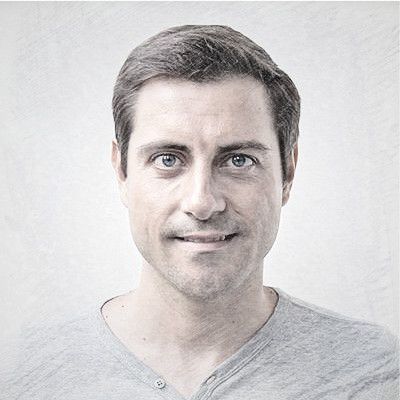
Pablo Fernandez Alveraz is the CEO and co-founder of Clicars.com, an online marketplace for second-hand cars. Clicars secured investments from former executives working at Mercedes, General Motors, Santander Bank and Mapfre. He has degrees from Harvard Business School and the University of Madrid. He spent over 14 years working as an investment banker and consultant in Europe, USA and Latin America before diving into the world of startups. The former Boston Consulting Group (BCG) consultant was also part of the team that led the corporate strategy and digital transformation of Santander Bank in the US.
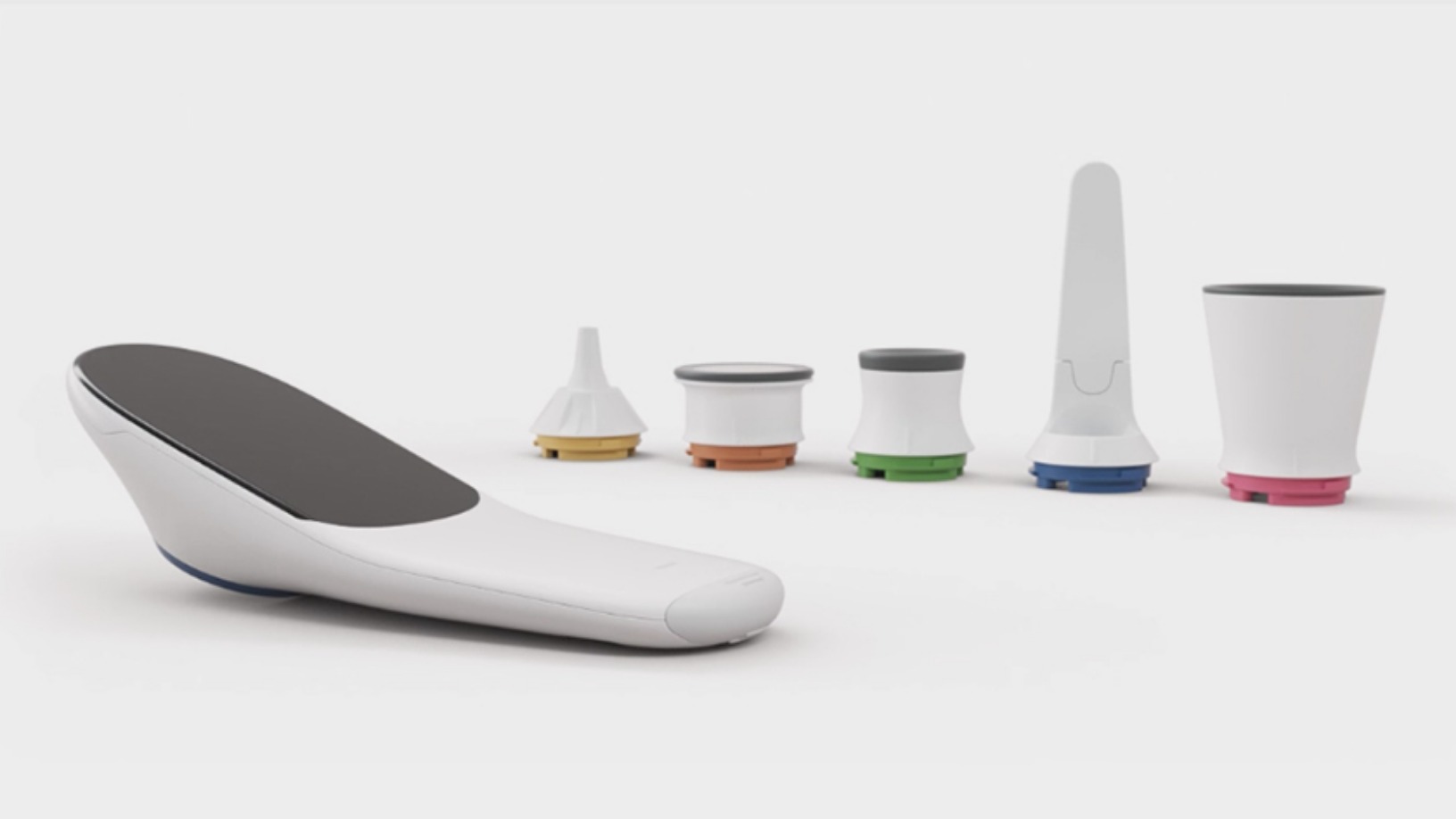
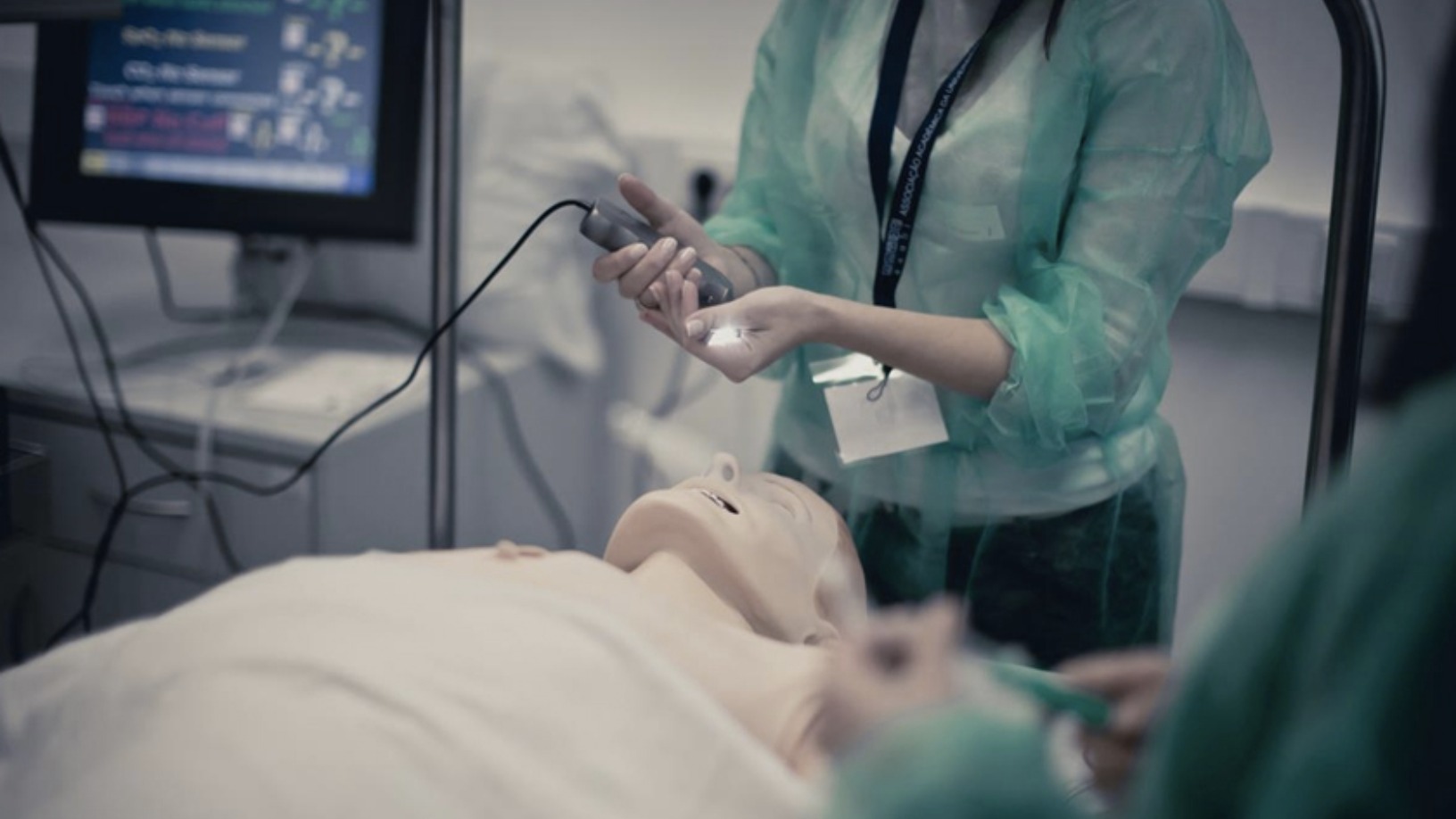
HigoSense launching advanced mobile device for self-triage and diagnosis, boosting telemedicine
The Polish medtech has developed a five-in-one diagnostic device for throat, ear, heart checks and more, with diagnosis in four minutes and compatible with diagnostic equipment
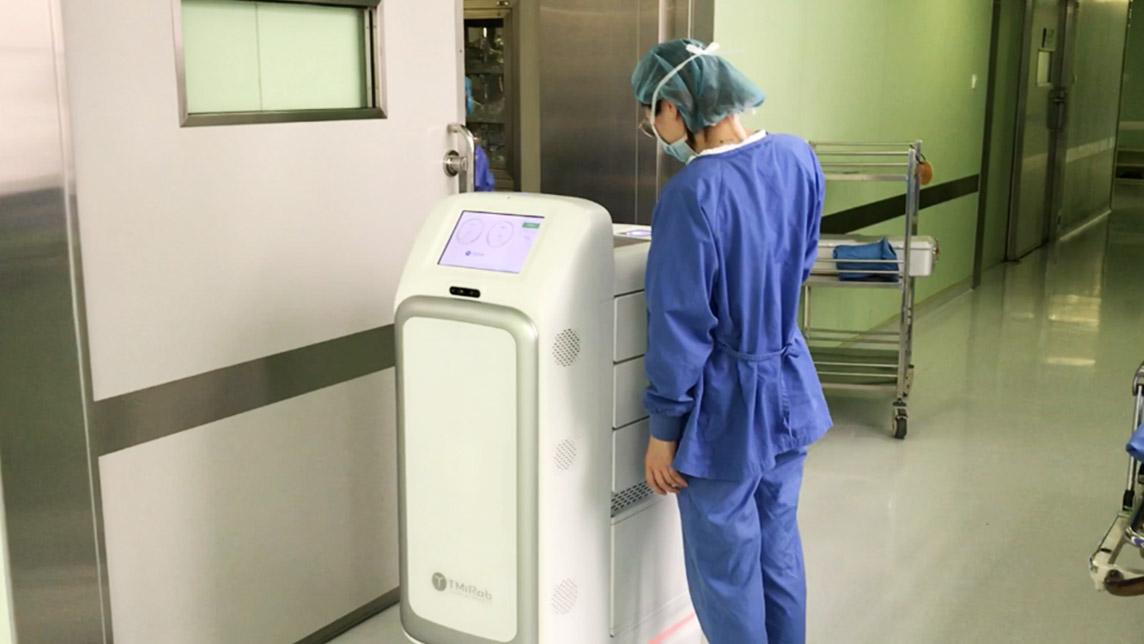
TMiRob's medical robots lighten the load of doctors and nurses in hospitals
The robots also reach an operating room three minutes faster than human nurses – that's more time for saving lives
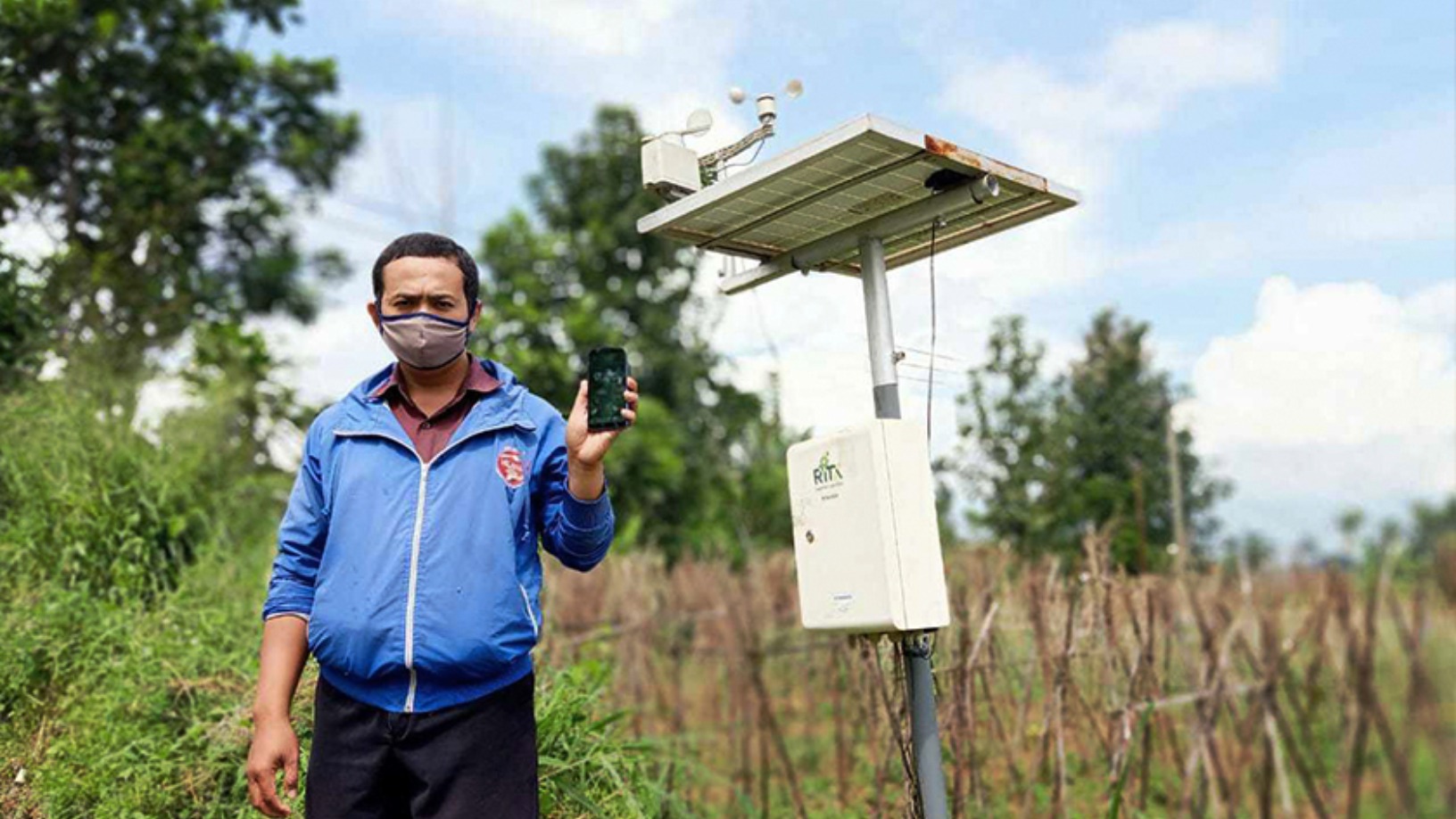
MSMB: From university research to agritech ecosystem
The Indonesian startup is moving beyond sensors to build technologies for livestock tracking and fish farming
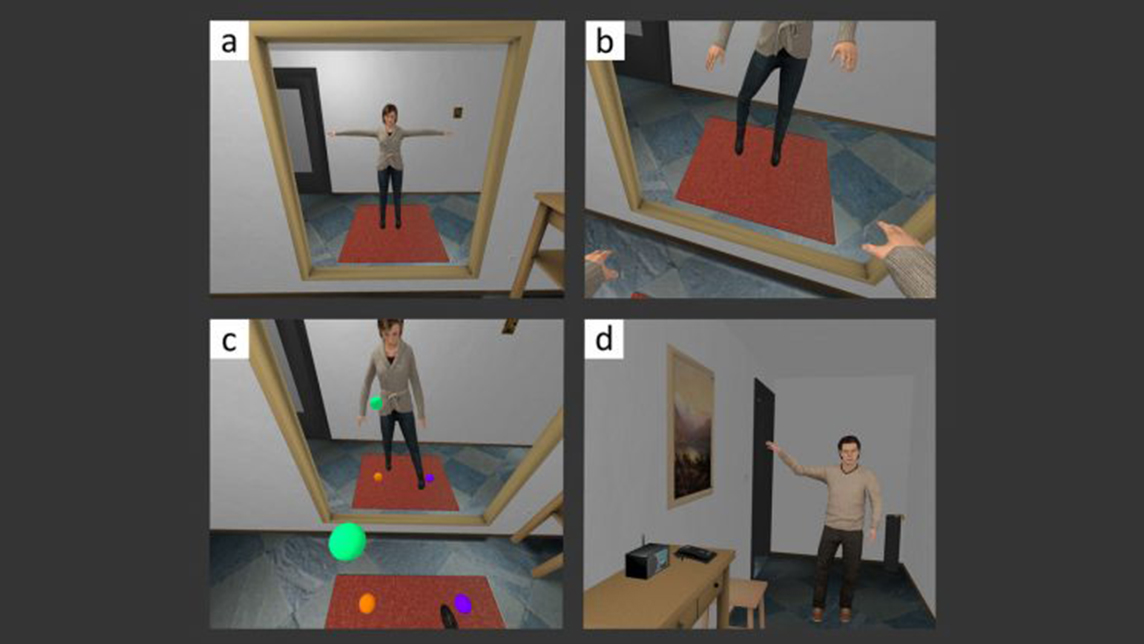
Virtual Bodyworks: VR psychotherapy to reduce crime and health issues
Applications created by the Barcelona-based startup could be used to track and influence human behavior
UpHill: Helping doctors put the latest research into practice
Born out of practitioners’ difficulty in keeping up with latest treatments and protocols, UpHill now includes guidance on Covid-19
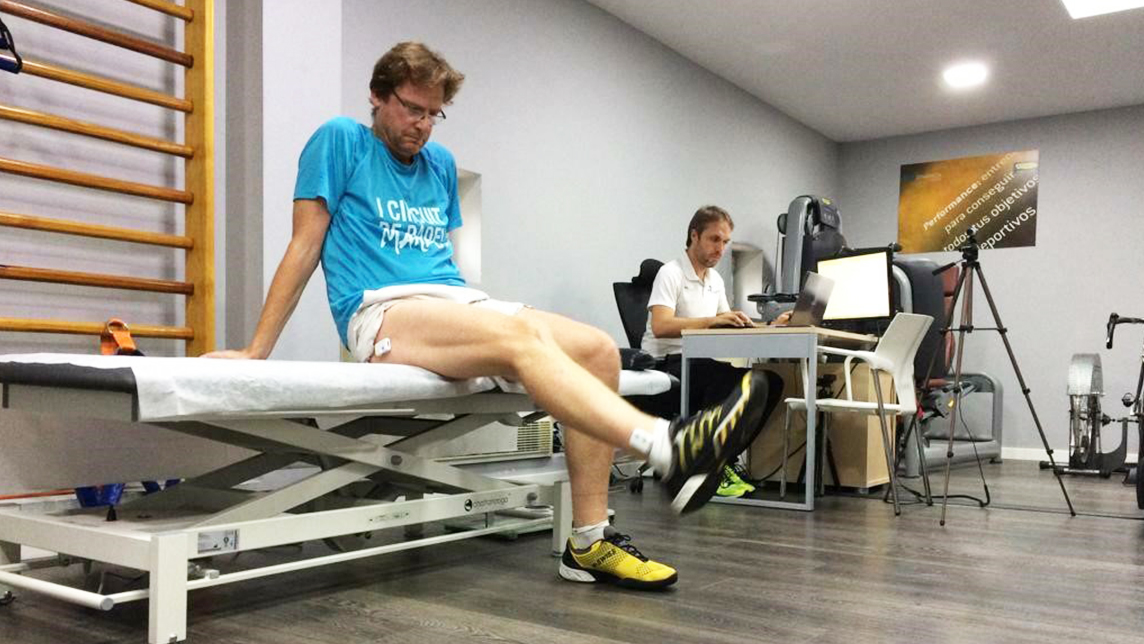
Backed by pharmas, doctors, medtech startup DyCare is expanding fast across Europe
Its remote musculoskeletal rehabilitation and monitoring system sets to improve rehabilitation outcomes in an overtaxed sector
For your X-ray records, just check the cloud
A Chinese startup has built a digital medical image library on the cloud, bringing ease and cost savings to patients, doctors and hospitals countrywide

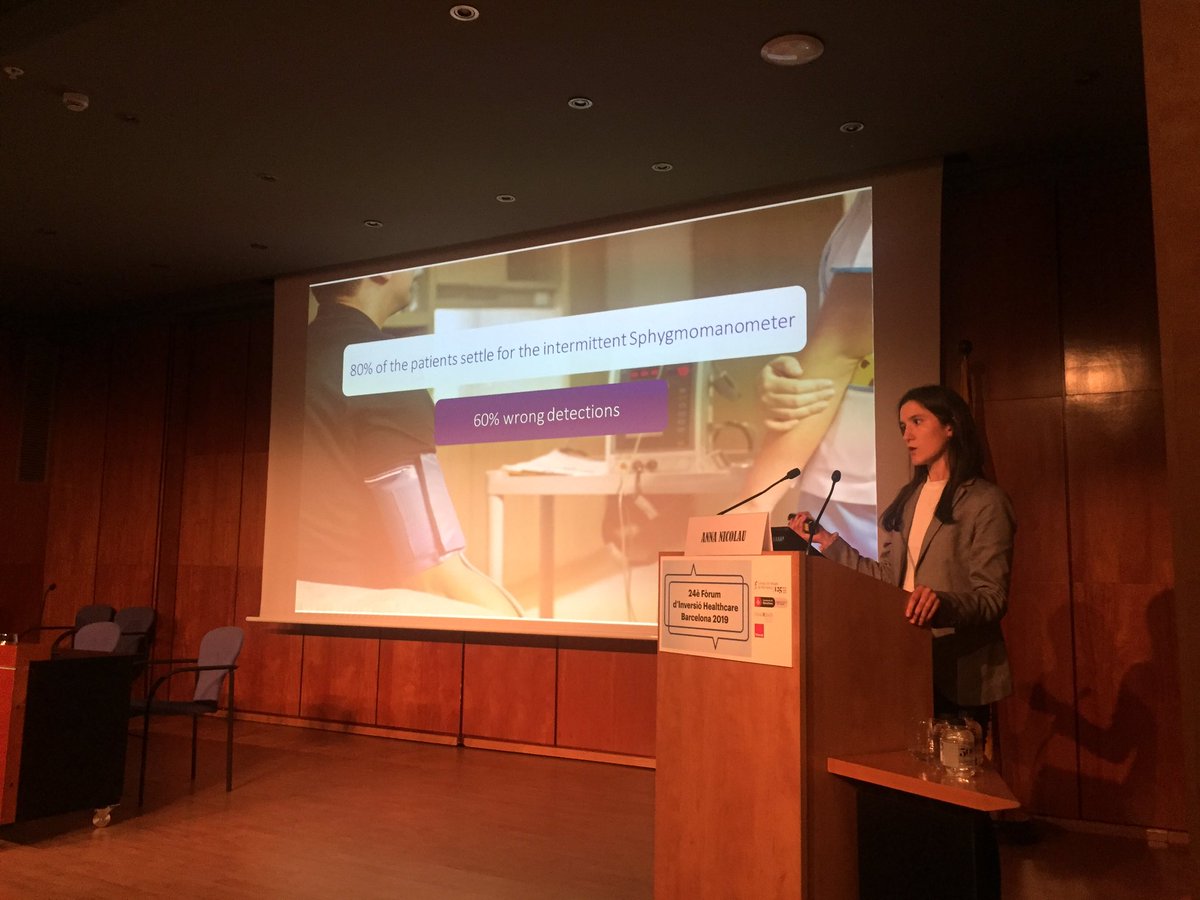
Icaria Medical's CardioSense: Cardiovascular pre-diagnosis in less than 60 seconds
Icaria Medical is seeking clinical validation and funding for its AI-based monitor, which measures blood pressure continuously and non-invasively
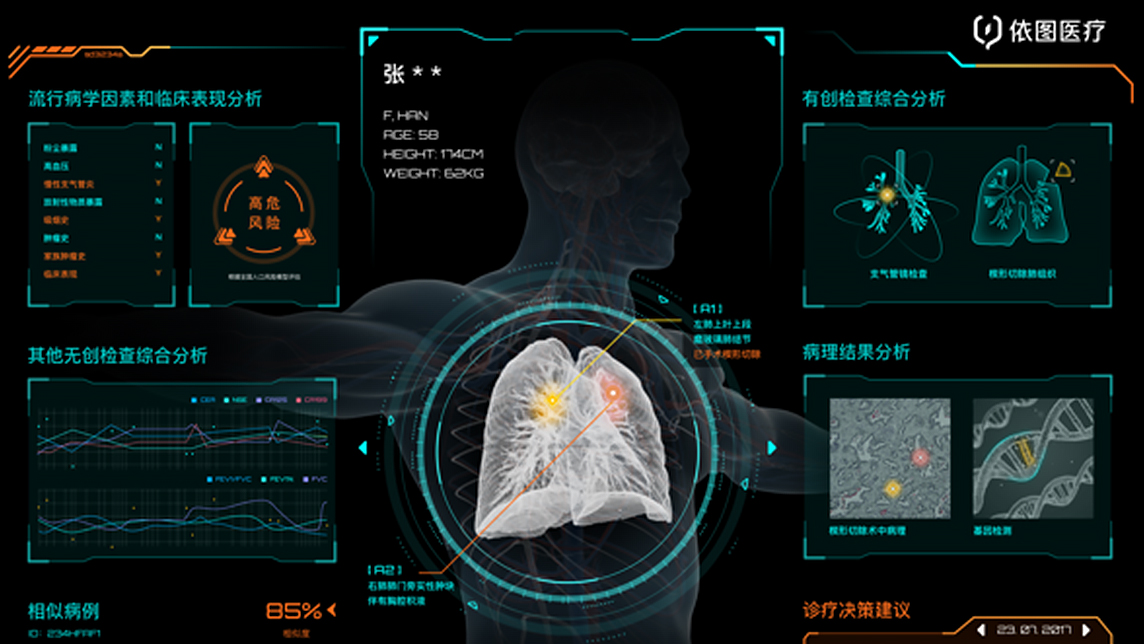
YITU takes smart healthcare to the next level
AI programs developed by this Chinese medtech startup provide more accurate diagnoses by reading medical images in conjunction with patients’ medical records
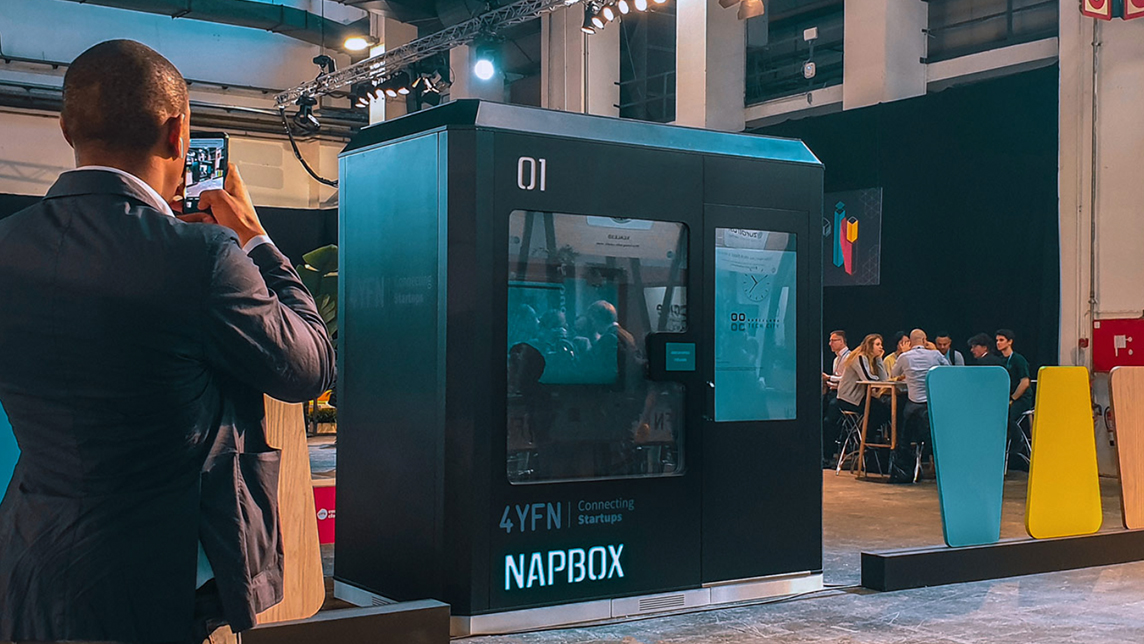
Napbox: Sleeping capsule mania takes off in Spain
Napbox's on-demand and intelligent cabins give privacy and connectivity in public spaces and offices
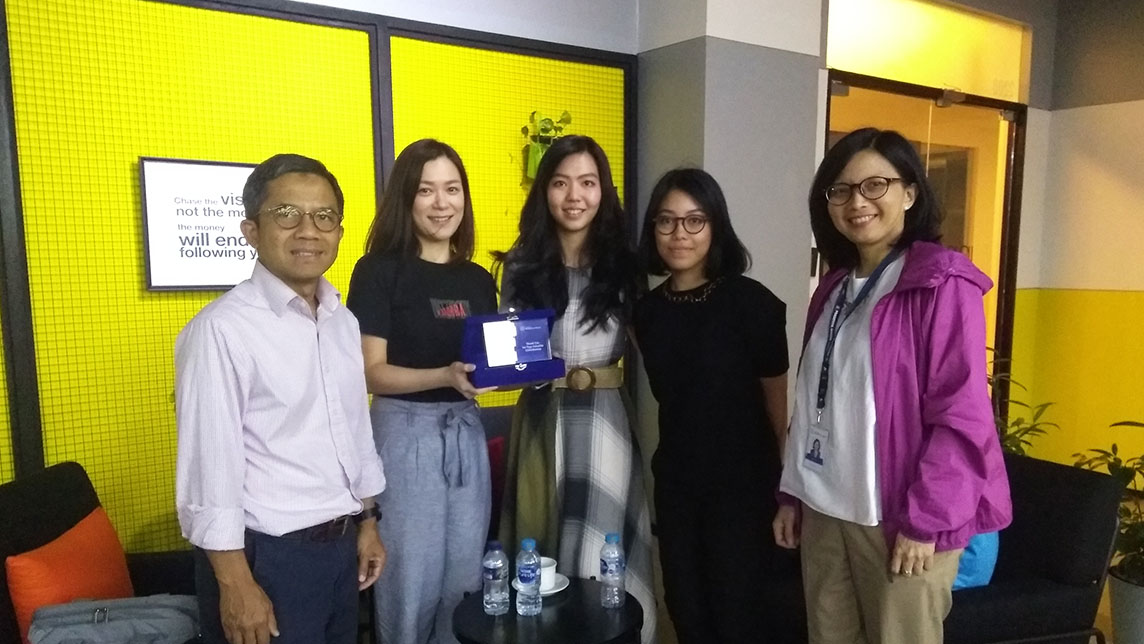
New Ventures Innovation: Prasetiya Mulya University takes on student entrepreneurship
To prepare a new generation of startup founders, Prasetiya Mulya University combines theoretical education with real-life exposure to the startup world
Lalibela Global-Networks: A mission to digitalize, move Africa's healthcare system to the cloud
This year’s Web Summit winner, Lalibela Global-Networks, is digitalizing Africa’s paper-based healthcare system in a low-cost, low-code way to save lives and make healthcare affordable

HeartGenetics: Using genetic data and AI to improve predictive health outcomes
Amid growing demand for personalized health and wellness solutions, the Portuguese startup is seeking €2m to expand to Germany and the UK

Brazilian edtech Blox seeks to upgrade university education across Latin America
Blox plans to raise over $1m in 2021 to expand across Brazil and Mexico, giving more choices to students to personalize degree programs with its AI curriculum management SaaS
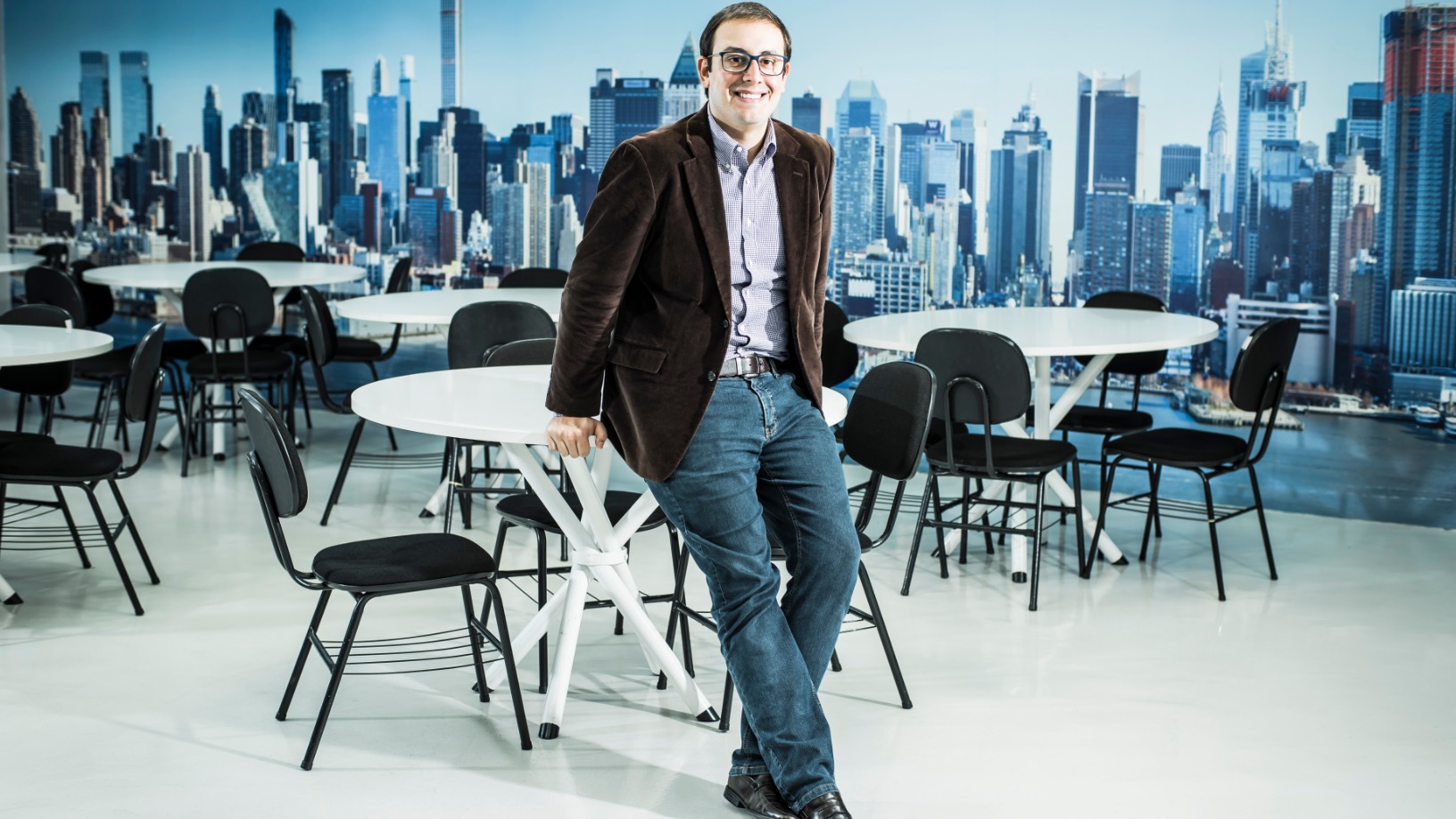
Geometry Healthcare: Smart toilets that warn you if you are sick, or at risk
Using a biochip for urinalysis and offline health management services, Geometry Healthcare aims to differentiate itself in the smart toilet business

Sorry, we couldn’t find any matches for “Medical University of Warsaw”.
POPULAR DATABASE