Plastic waste
-
DATABASE (58)
-
ARTICLES (130)
Organic waste-management circular tech producing raw bioplastic for versatile processing uses via its automated waste-processing hardware with garbage-eating cultivated bacteria.


Organic waste-management circular tech producing raw bioplastic for versatile processing uses via its automated waste-processing hardware with garbage-eating cultivated bacteria.
The Gassó family is a Spanish entreprenurial family known for its GAES auditive solutions and centers for the hearing-impaired, in existence since 1949. Though the family has many charitable interests, it had not disclosed any investments in tech startups until leading the 2019 seed round of biotech startup VEnvirotech, which produces bioplastics from corporates’ organic waste.

The Gassó family is a Spanish entreprenurial family known for its GAES auditive solutions and centers for the hearing-impaired, in existence since 1949. Though the family has many charitable interests, it had not disclosed any investments in tech startups until leading the 2019 seed round of biotech startup VEnvirotech, which produces bioplastics from corporates’ organic waste.
Technical advisor and co-founder of Bygen
Philip Kwong is a lecturer and researcher at the University of Adelaide’s School of Chemical Engineering and Advanced Materials. He joined the university in 2009 and focuses on developing low-cost technologies that can facilitate a transition from fossil fuels to renewable energy. One of his ongoing research projects primarily deals with the conversion of agricultural waste into biochar, a form of charcoal that can act as a feedstock for making activated carbon and for sequestering carbon.In 2017, Kwong and two PhD students in his research group, Ben Morton and Lewis Dunnigan, began commercialization of the waste-to-activated carbon technology they had developed. A spin-off company called Bygen was established, with Dunnigan and Morton leading the startup. Kwong is a co-founder and technical advisor of the company.
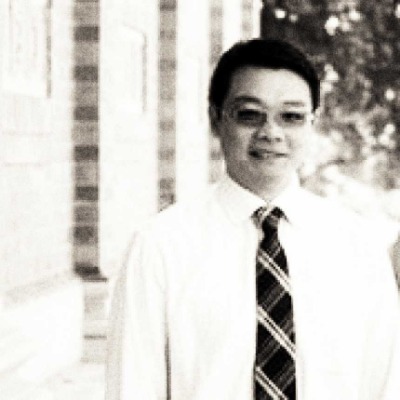
Philip Kwong is a lecturer and researcher at the University of Adelaide’s School of Chemical Engineering and Advanced Materials. He joined the university in 2009 and focuses on developing low-cost technologies that can facilitate a transition from fossil fuels to renewable energy. One of his ongoing research projects primarily deals with the conversion of agricultural waste into biochar, a form of charcoal that can act as a feedstock for making activated carbon and for sequestering carbon.In 2017, Kwong and two PhD students in his research group, Ben Morton and Lewis Dunnigan, began commercialization of the waste-to-activated carbon technology they had developed. A spin-off company called Bygen was established, with Dunnigan and Morton leading the startup. Kwong is a co-founder and technical advisor of the company.
Operations Manager and co-founder of RecyGlo
After graduating with an engineering degree in 2017 from Thanliyn Technological University in Yangon, Soe Moe Aung joined RecyGlo as operations manager and co-founder.RecyGlo’s mission is to be Myanmar’s first circular economy waste management and recycling tech company with plans to become a key player in the ASEAN region.
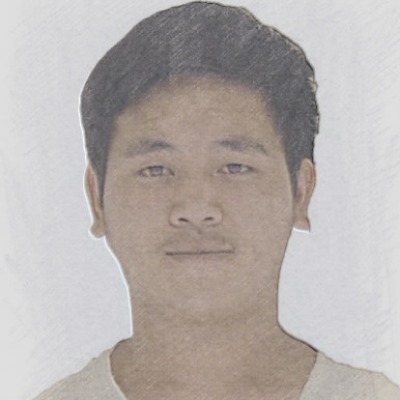
After graduating with an engineering degree in 2017 from Thanliyn Technological University in Yangon, Soe Moe Aung joined RecyGlo as operations manager and co-founder.RecyGlo’s mission is to be Myanmar’s first circular economy waste management and recycling tech company with plans to become a key player in the ASEAN region.
The first in Asia and third in the world to create alternative protein from methane, offering a cost-effective, circular economy solution, producing high-protein animal feed.

The first in Asia and third in the world to create alternative protein from methane, offering a cost-effective, circular economy solution, producing high-protein animal feed.
So-Young finds, evaluates and books medical aesthetic services for users, connecting them to the most reliable service providers in an opaque, high-risk market.

So-Young finds, evaluates and books medical aesthetic services for users, connecting them to the most reliable service providers in an opaque, high-risk market.
Dubbed the “Uber for trash”, Gringgo brings on-demand waste collection services and location-based recycling information to underserved neighborhoods.

Dubbed the “Uber for trash”, Gringgo brings on-demand waste collection services and location-based recycling information to underserved neighborhoods.
Co-founder and CEO of Magalarva
After graduating in Mechanical Engineering at Universitas Indonesia, Rendria Labde worked for oil and gas firm JGC Indonesia for two years. He left in 2015 to establish PT Magale Sayana Indonesia, a property development company with a unique focus on environmental sustainability. The company completed an eco-living residential complex Sandar Andara and started a new project Magalarva to use insect larvae to process food waste into agricultural products. Rendria became the CEO of Magalarva.

After graduating in Mechanical Engineering at Universitas Indonesia, Rendria Labde worked for oil and gas firm JGC Indonesia for two years. He left in 2015 to establish PT Magale Sayana Indonesia, a property development company with a unique focus on environmental sustainability. The company completed an eco-living residential complex Sandar Andara and started a new project Magalarva to use insect larvae to process food waste into agricultural products. Rendria became the CEO of Magalarva.
Former technical development lead and co-founder of Graviky Labs
Nitesh Kadyan (also known as Nitesh Kumar) is a computer scientist, robotics engineer, inventor, maker and hacker. He was one of the three co-founders of Graviky Labs, a startup producing ink from captured carbon emissions. He worked at Graviky Labs from 2016–2018, during which he led its hardware development and prototyping. Currently, he works as a senior creative technologist at Lowe's Innovation Labs India.Kadyan holds a degree in computer science from the International Institute of Information Technology, Bangalore and did a research stint on AI and robotics at Freie University, Berlin. His background includes expertise in machine learning and embedded systems. Kadyan’s past projects include self-driving model cars, autonomous smart wheelchairs, an augmented reality interface for laser cutting, as well as machines that sketch and draw. He also founded a startup that does 3D printing in nearly any material, from plastic and metallic clay to chocolate, playdoh and fabric, and which was incubated at MIT Global Startup Labs 2014.Kadyan was named one of Foreign Policy magazine’s Top 100 Global Thinkers in 2016. He is a recipient of the Campus Diaries 25 Under 25 award, and is a two-time speaker at TEDx.
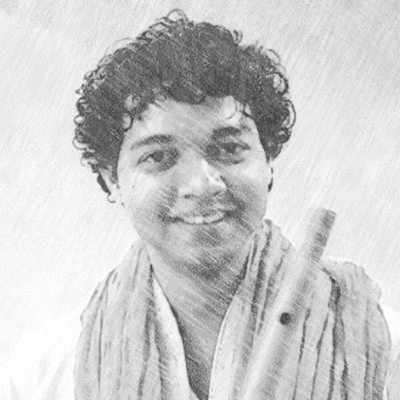
Nitesh Kadyan (also known as Nitesh Kumar) is a computer scientist, robotics engineer, inventor, maker and hacker. He was one of the three co-founders of Graviky Labs, a startup producing ink from captured carbon emissions. He worked at Graviky Labs from 2016–2018, during which he led its hardware development and prototyping. Currently, he works as a senior creative technologist at Lowe's Innovation Labs India.Kadyan holds a degree in computer science from the International Institute of Information Technology, Bangalore and did a research stint on AI and robotics at Freie University, Berlin. His background includes expertise in machine learning and embedded systems. Kadyan’s past projects include self-driving model cars, autonomous smart wheelchairs, an augmented reality interface for laser cutting, as well as machines that sketch and draw. He also founded a startup that does 3D printing in nearly any material, from plastic and metallic clay to chocolate, playdoh and fabric, and which was incubated at MIT Global Startup Labs 2014.Kadyan was named one of Foreign Policy magazine’s Top 100 Global Thinkers in 2016. He is a recipient of the Campus Diaries 25 Under 25 award, and is a two-time speaker at TEDx.
Co-founder and CEO of Gringgo
Self-styled “professional trash talker” Olivier Pouillon moved from the USA to Bali, Indonesia in 1994, set on a mission to solve the island’s trash problem. In 2011, after years of waste consultancy and NGO work, he founded Bali Recycling, a company that produces upcycled products and promotes “trash-to-cash” programs to locals. (The company has since been renamed KONO Green Living.) In 2014, he and interior designer Febriadi Pratama started an app-based trash collection service, which later became Gringgo.
Self-styled “professional trash talker” Olivier Pouillon moved from the USA to Bali, Indonesia in 1994, set on a mission to solve the island’s trash problem. In 2011, after years of waste consultancy and NGO work, he founded Bali Recycling, a company that produces upcycled products and promotes “trash-to-cash” programs to locals. (The company has since been renamed KONO Green Living.) In 2014, he and interior designer Febriadi Pratama started an app-based trash collection service, which later became Gringgo.
Mustard Seed MAZE is a Lisbon-based VC firm that invests in early-stage startups, primarily in social impact enterprises. Endowed with €40m, the VC has invested in projects dealing with food wastage, human trafficking, postnatal depression and general healthcare.So far, it has managed one exit, with the majority of its portfolio of 20 companies based in Europe. Recent investment rounds include $3m seed funding for Portuguese mesh network tech HypeLabs, €1.15m seed round for Spanish fintech StudentFinance and $12m Series B round for UK-based food waste app Winnow.

Mustard Seed MAZE is a Lisbon-based VC firm that invests in early-stage startups, primarily in social impact enterprises. Endowed with €40m, the VC has invested in projects dealing with food wastage, human trafficking, postnatal depression and general healthcare.So far, it has managed one exit, with the majority of its portfolio of 20 companies based in Europe. Recent investment rounds include $3m seed funding for Portuguese mesh network tech HypeLabs, €1.15m seed round for Spanish fintech StudentFinance and $12m Series B round for UK-based food waste app Winnow.
Co-founder of Magalarva
Xandega Tahajuansya is a co-founder of property developer PT Magale Sayana Indonesia and STUDIORAMA, an Indonesian art collective. The London School of Public Relations graduate had worked briefly at insurance company Manulife and film studio Kinekuma. Xandega is also a member of the Polka Wars band, together with fellow Magale co-founder Karaeng Adjie. Both are not actively involved with Magalarva, since Magale completed an eco-living residential development and moved on to another project to recycle food waste using larvae.
Xandega Tahajuansya is a co-founder of property developer PT Magale Sayana Indonesia and STUDIORAMA, an Indonesian art collective. The London School of Public Relations graduate had worked briefly at insurance company Manulife and film studio Kinekuma. Xandega is also a member of the Polka Wars band, together with fellow Magale co-founder Karaeng Adjie. Both are not actively involved with Magalarva, since Magale completed an eco-living residential development and moved on to another project to recycle food waste using larvae.
AEInnova's energy harvesting and Industry 4.0 technologies help industries convert waste heat into electricity, saving costs and meeting increasingly strict environmental regulatory requirements.
AEInnova's energy harvesting and Industry 4.0 technologies help industries convert waste heat into electricity, saving costs and meeting increasingly strict environmental regulatory requirements.
Bygen’s energy-efficient process for manufacturing activated carbon helps agribusinesses turn their biomass waste into a valuable industrial commodity.
Bygen’s energy-efficient process for manufacturing activated carbon helps agribusinesses turn their biomass waste into a valuable industrial commodity.
Invest FWD A/S is an investment vehicle owned by Anders Holch Povlsen, founder of BESTSELLER and Heartland. It is also BESTSELLER’s investment arm for sustainable fashion. In June 2021, the firm made its investment by participating in a Series B round of Finnish cleantech Infinited Fiber. BESTSELLER’s sustainability innovation platform Fashion FWD Lab has been collaborating with Infinited Fiber over the past year to develop and patent Infinna™ fiber material. BESTSELLER has also signed a multi-year commercial agreement with Infinited Fiber to secure access to the startup’s regenerated fibers to be made from textile and other industrial waste.

Invest FWD A/S is an investment vehicle owned by Anders Holch Povlsen, founder of BESTSELLER and Heartland. It is also BESTSELLER’s investment arm for sustainable fashion. In June 2021, the firm made its investment by participating in a Series B round of Finnish cleantech Infinited Fiber. BESTSELLER’s sustainability innovation platform Fashion FWD Lab has been collaborating with Infinited Fiber over the past year to develop and patent Infinna™ fiber material. BESTSELLER has also signed a multi-year commercial agreement with Infinited Fiber to secure access to the startup’s regenerated fibers to be made from textile and other industrial waste.
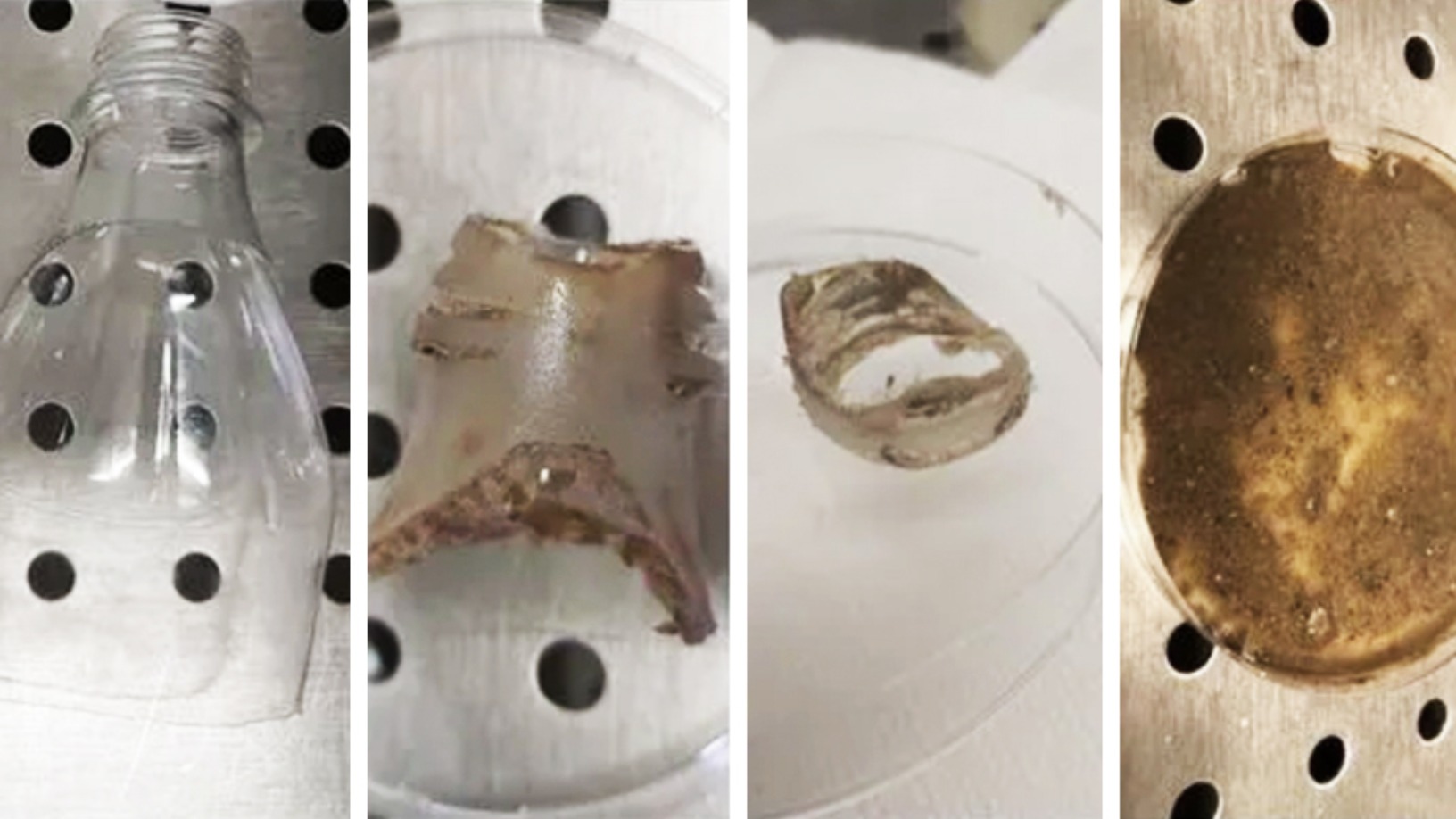
Poliloop: Tackling pollution crisis with plastic-eating bacteria for industrial use
Hungarian biotech Poliloop is closing $2m seed funding for “bacteria cocktail” that breaks down plastic into organic waste quickly, enabling more affordable and eco-friendly waste management
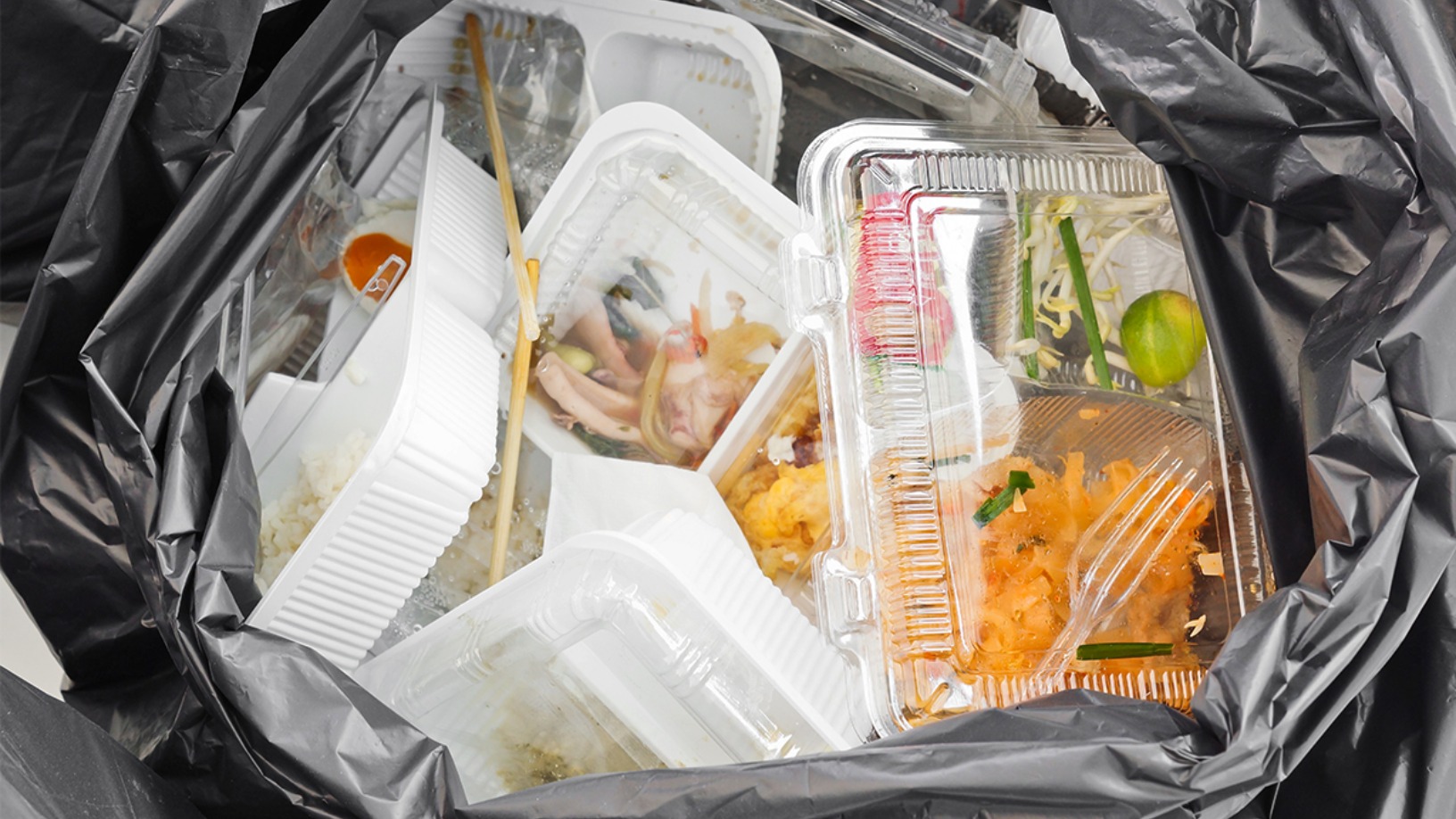
COMY Energy: Closing the plastic waste loop with chemical recycling
The Chinese startup transforms plastic wastes to virgin-quality recycled products without releasing toxic gas or pollution and is attracting interest from petrochemical giants and waste management companies
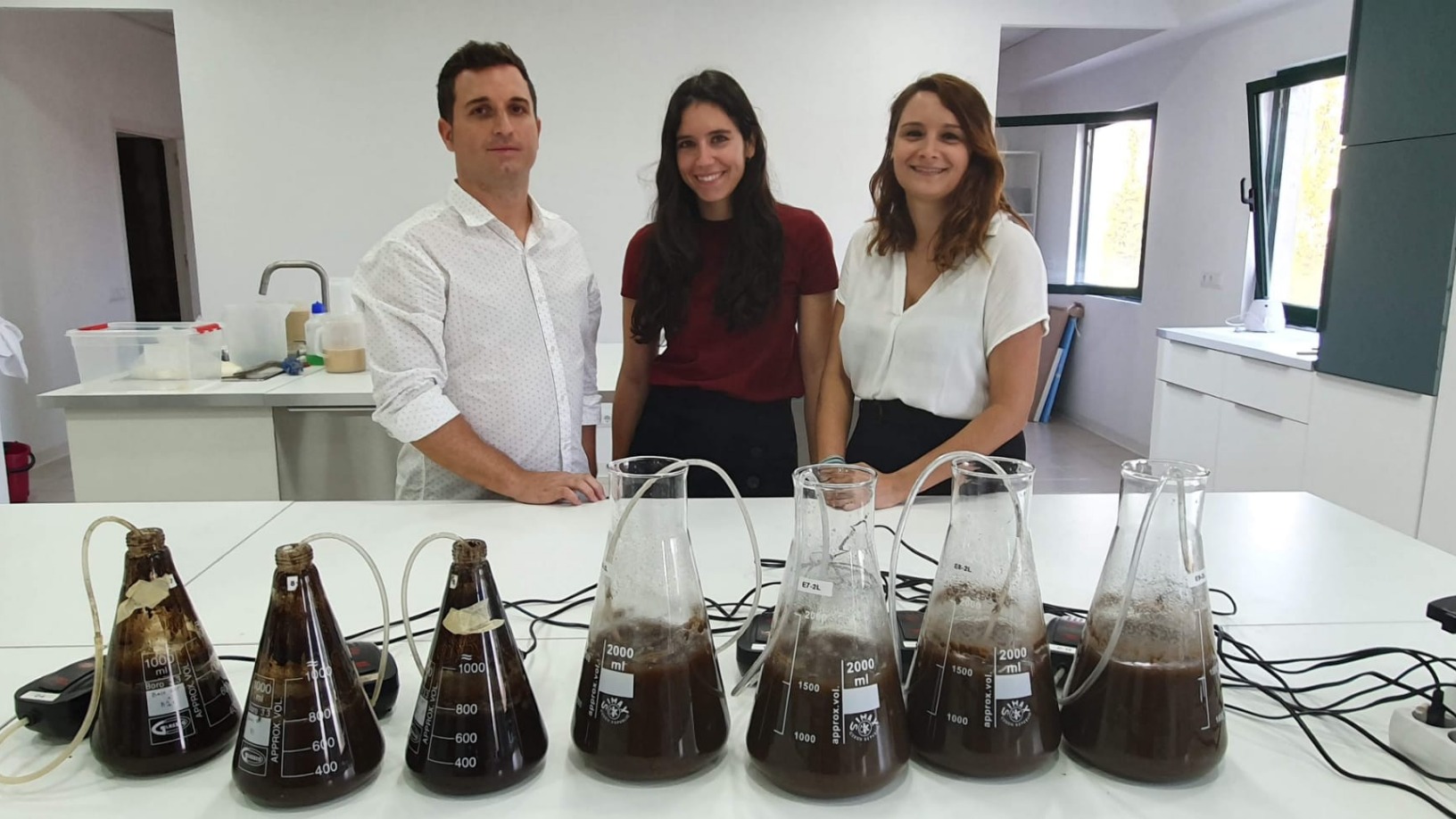
VEnvirotech: Organic waste converted at source into biodegradable raw bioplastic
The Spanish startup presents an innovative circular business model to stand out in the ever-growing bioplastics sector with its on-site smart-waste container and garbage-consuming bacteria
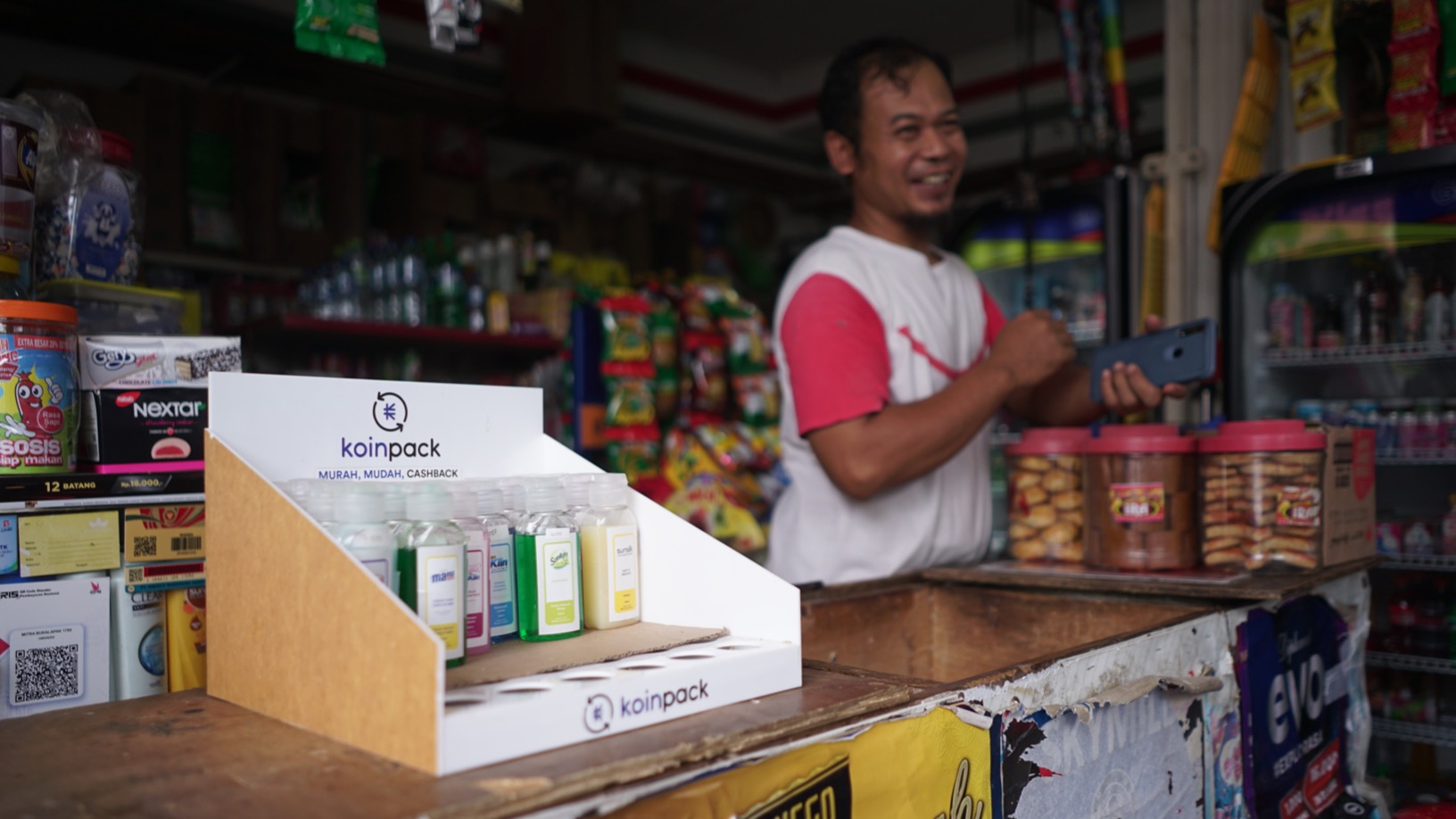
Koinpack tackles Indonesia's sachet waste problem with refillable bottles
Partnering with FMCG companies, Koinpack is making small amounts of household consumables available to lower-income groups without using traditional sachet packaging
Want to cut plastic packaging? Notpla's edible seaweed sachets are an option
From its edible whiskey “bubbles” to biodegradable Teflon-free container liners, Notpla seeks to replace single-use plastic and help food companies boost their green credentials
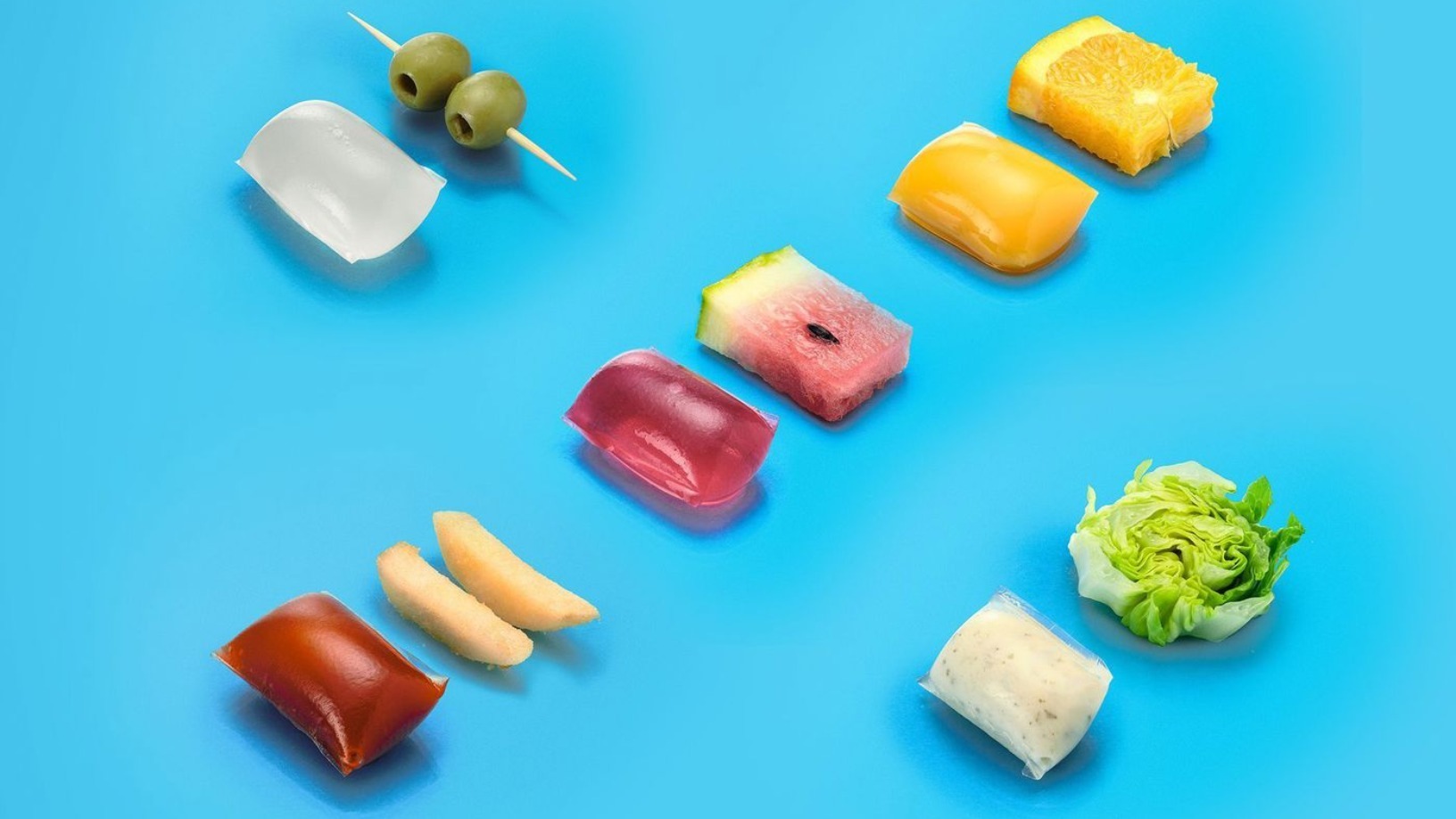
Oimo: Biodegradable marine-based bioplastics for environmentally friendly food packaging
Its pellets already work well in current factory machinery, so Oimo wants to scale when the EU’s ban on single-use plastics kicks in next year
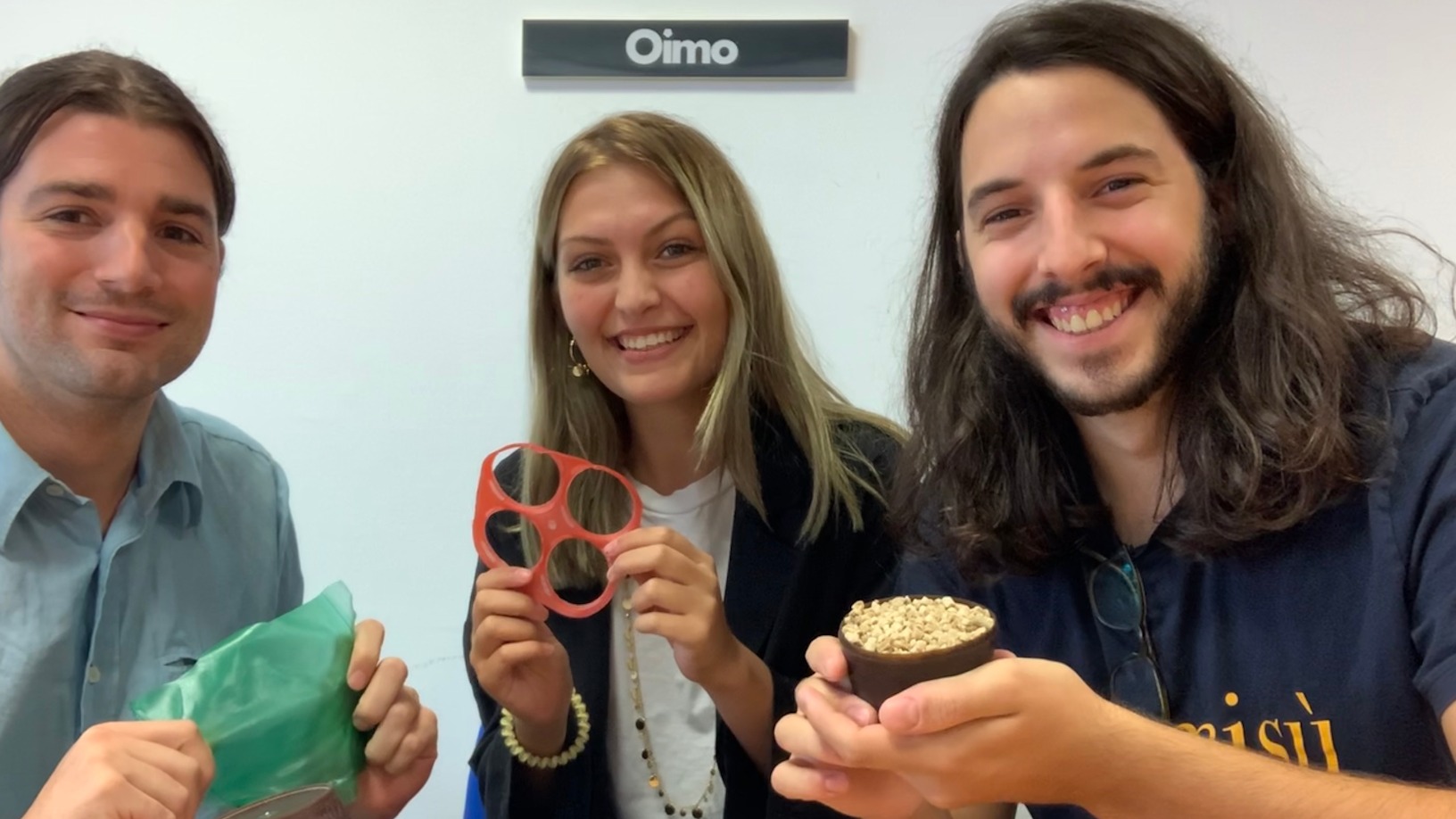
RecyGlo, Myanmar's first circular economy waste management system, targets regional growth
Turning trash into cash, Yangon-based recycling pioneer RecyGlo wants to extend its zero-waste circular economy model to the rest of Southeast Asia
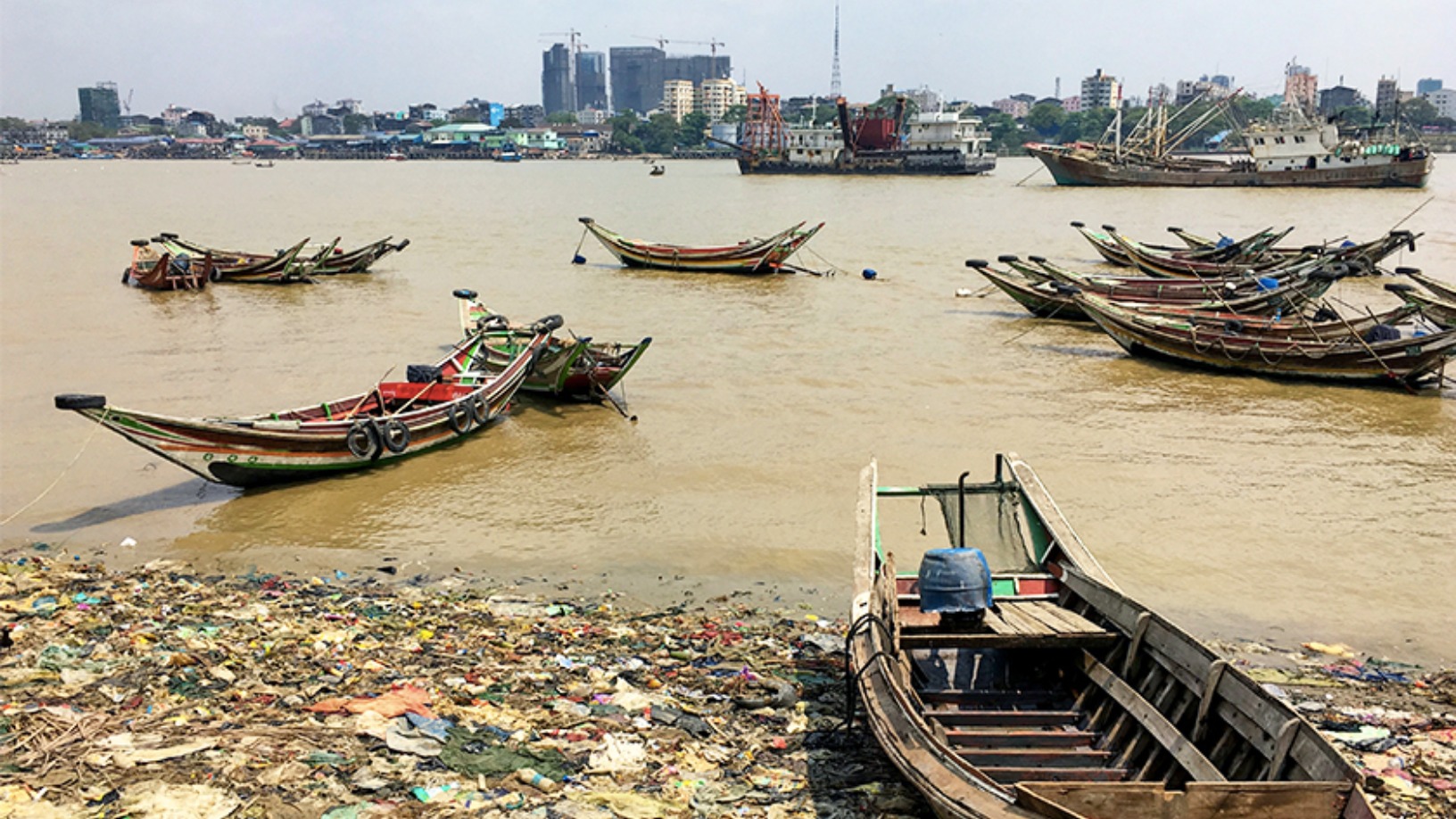
The Watertree Project: Eliminating single-use plastic water bottles in Malaysia
With high-profile Malaysian corporate clients under its belt, the startup is in no hurry to raise funds, preferring to focus on raising public awareness and winning mindshare
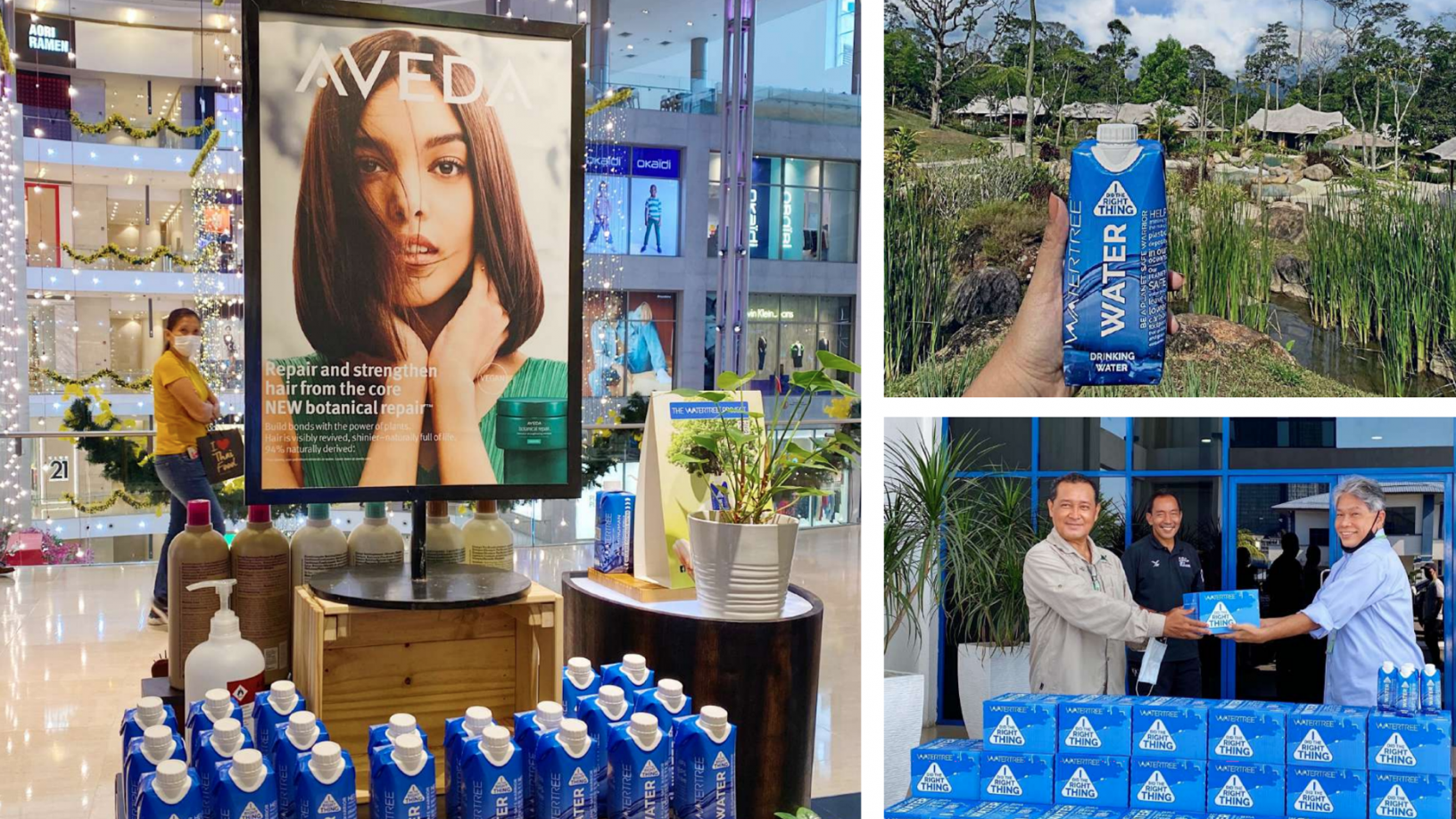
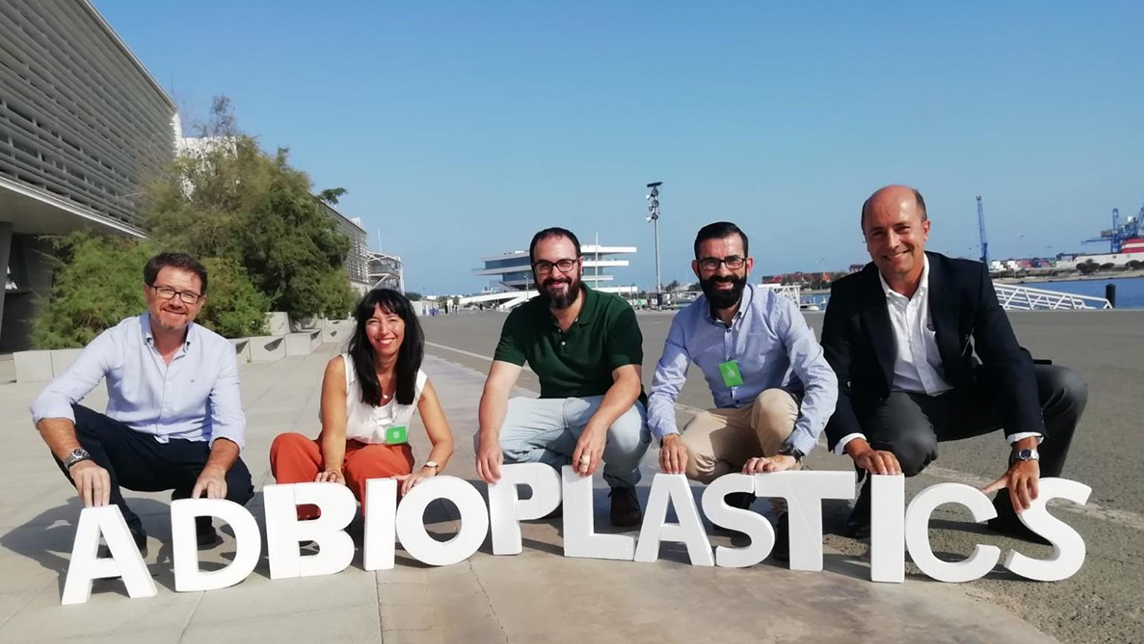
ADBioplastics primed to help EU manufacturers transition to circular economy
ADBioplastics has developed a biodegradable and compostable bioplastic additive for use in food packaging and is seeking up to €5m in funding
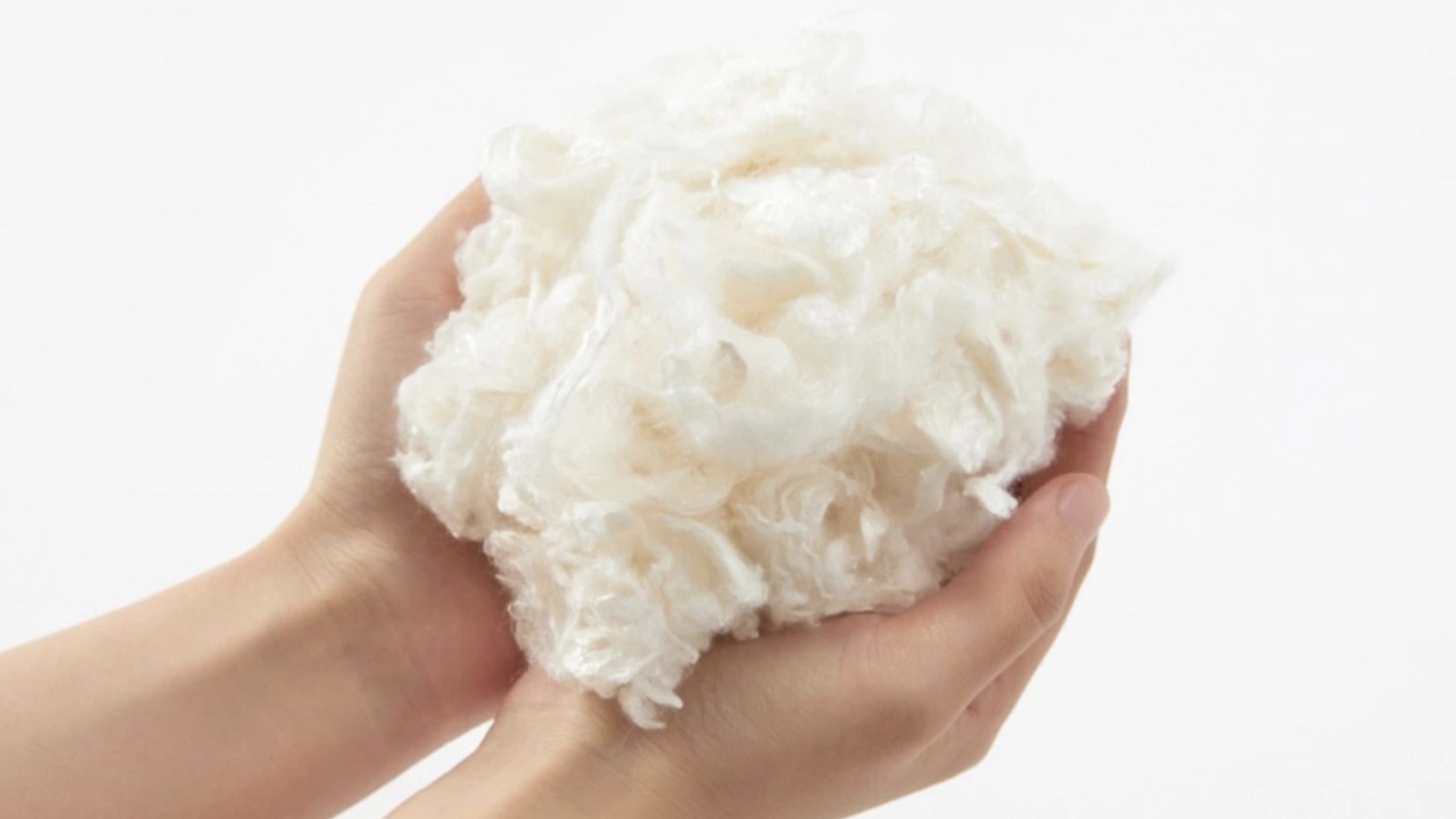
Mi Terro turns milk waste into eco-friendly clothing and packaging
With food giants like Danone, Arla and Dole as partners, US-Sino startup Mi Terro plans to extend its technology to plant-based food waste like soy to get plastic and fiber alternatives
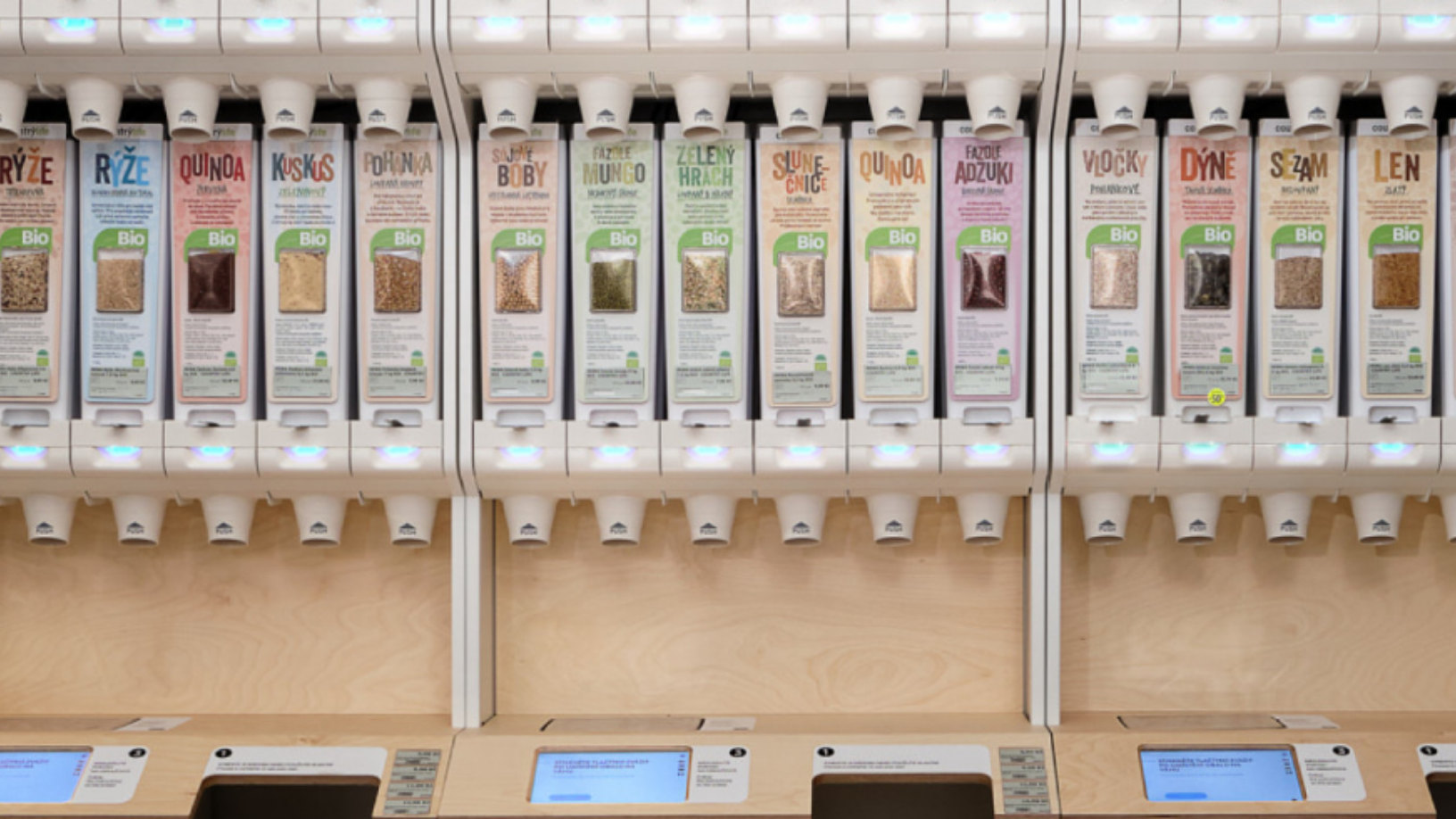
MIWA Technologies: Reducing food waste and packaging with smart refill vending system
MIWA’s solution lets consumers buy exact refill quantities in personalized containers, eradicating need for single-use plastics throughout the supply chain
Beyond Leather Materials: Turning apples into alt-leather for sustainable fashion
Through its Leap brand, the Danish startup cuts food waste by turning apples junked in cider factories into affordable vegan leather for the $100bn leather market

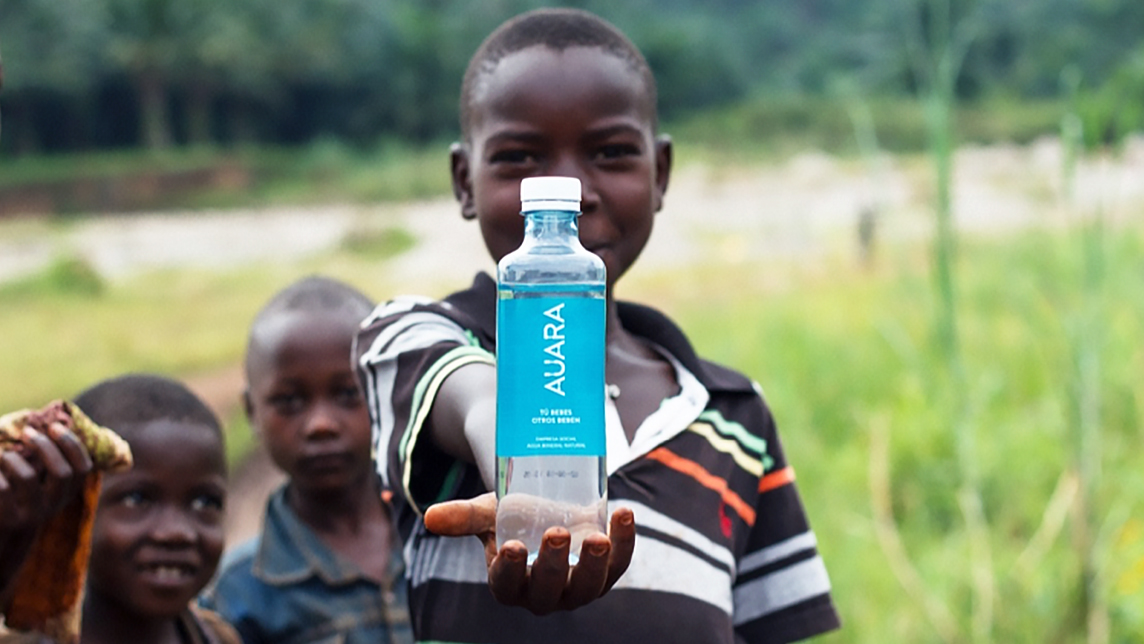
Auara: Social enterprise and environmental sustainability in a bottle
Auara, with its 100% recycled-plastic mineral water bottles, aims to reduce its manufacturing carbon footprint while helping the most water-stressed citizens
China's recycling startups seek cost-effective ways to make waste management profitable
The high costs of smart garbage bins and automation to sort out recycling have created new headaches for homes and offices
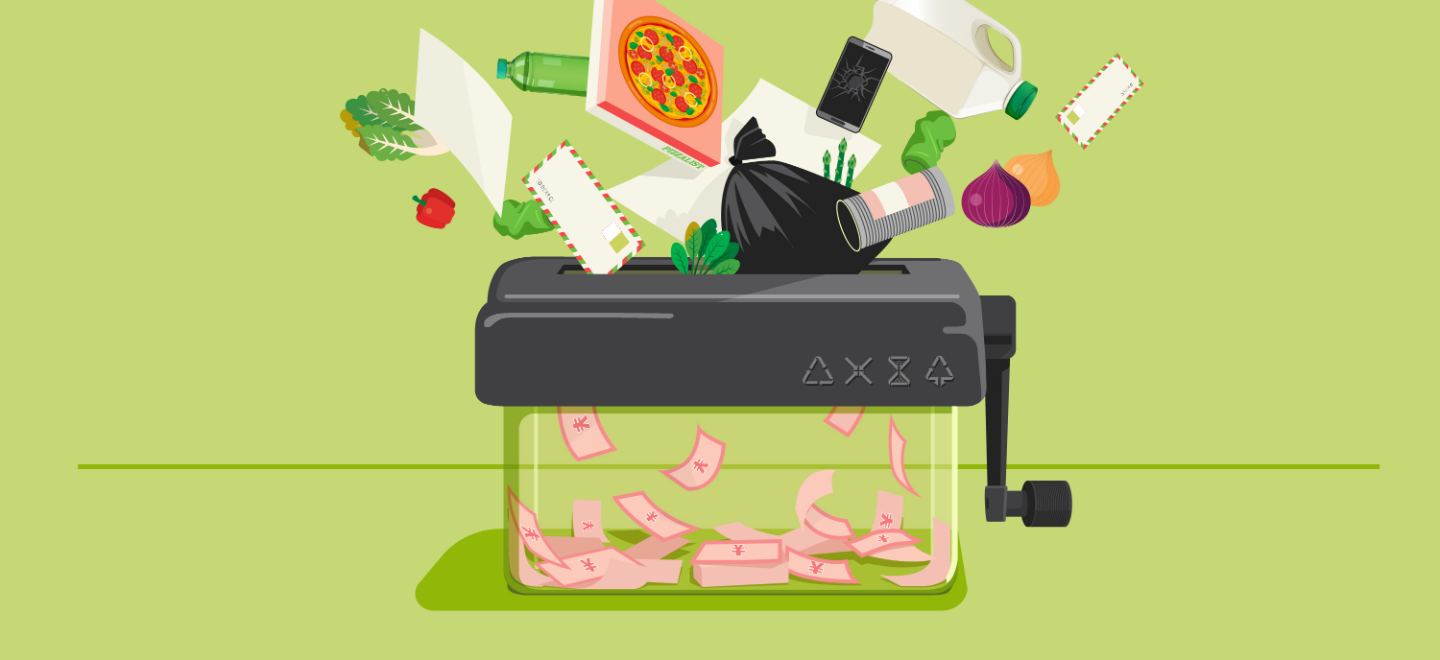
Kryha: Enabling big businesses' green practices with blockchain
Kryha’s blockchain systems help companies trace the movement and transformation of resources among multiple stakeholders without exposing sensitive information
Sorry, we couldn’t find any matches for “Plastic waste”.