Plastic waste
-
DATABASE (58)
-
ARTICLES (130)
CEO and co-founder of Bygen
Lewis Dunnigan is a researcher turned entrepreneur based in Australia. After earning a master’s degree in Chemical Engineering and working as a researcher at the University of Edinburgh in the UK, Dunnigan returned to Australia. He had a brief stint as a visiting researcher and earned his PhD in Chemical Engineering at the University of Adelaide.During his PhD, Dunnigan was a part of Philip Kwong’s research laboratory. His PhD project involved developing a system to generate activated charcoal and renewable energy from biomass. In 2017, Dunnigan, Kwong, and fellow PhD student Ben Morton decided to commercialize this technology and established a spin-off company called Bygen, which developed a low-cost, novel way to make activated carbon more sustainably using various forms of agricultural waste. Dunnigan is now the CEO of Bygen.
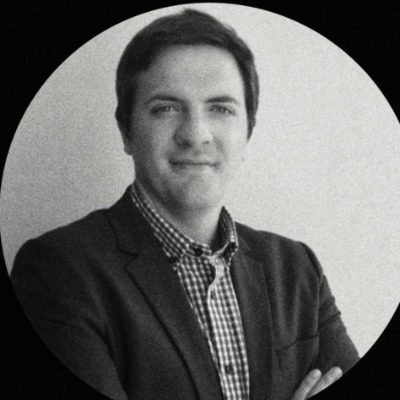
Lewis Dunnigan is a researcher turned entrepreneur based in Australia. After earning a master’s degree in Chemical Engineering and working as a researcher at the University of Edinburgh in the UK, Dunnigan returned to Australia. He had a brief stint as a visiting researcher and earned his PhD in Chemical Engineering at the University of Adelaide.During his PhD, Dunnigan was a part of Philip Kwong’s research laboratory. His PhD project involved developing a system to generate activated charcoal and renewable energy from biomass. In 2017, Dunnigan, Kwong, and fellow PhD student Ben Morton decided to commercialize this technology and established a spin-off company called Bygen, which developed a low-cost, novel way to make activated carbon more sustainably using various forms of agricultural waste. Dunnigan is now the CEO of Bygen.

H&M’s first shop was founded 74 years ago in Sweden by Erling Persson under the name “Hennes”, Swedish for "hers" since the shop was selling only women's apparel. In 1968, Persson expanded into menswear by acquiring Swedish retailer Mauritz Widforss. Hence the rebranding of the company into Hennes & Mauritz (H&M). In 1974, H&M was listed on the Stockholm Stock Exchange. Since then, H&M has expanding internationally opening its first store in London and the rest of Europe and also to the US in early 2000.In 2008, the company also moved into the home furnishings segment and launched H&M Home stores worldwide. The fashion chain can now be found across Europe, the US, Asia and the Middle East. The group expanded further by acquiring fast-fashion brands like Weekday, Monki and Cheap Monday. In April 2021, H&M Group announced a collaboration with textile cleantech Infinited Fiber to launch proof-of-concept denim created wholly from regenerated textile waste as part of its commitment to use only recycled or sustainably sourced materials by 2030.

H&M’s first shop was founded 74 years ago in Sweden by Erling Persson under the name “Hennes”, Swedish for "hers" since the shop was selling only women's apparel. In 1968, Persson expanded into menswear by acquiring Swedish retailer Mauritz Widforss. Hence the rebranding of the company into Hennes & Mauritz (H&M). In 1974, H&M was listed on the Stockholm Stock Exchange. Since then, H&M has expanding internationally opening its first store in London and the rest of Europe and also to the US in early 2000.In 2008, the company also moved into the home furnishings segment and launched H&M Home stores worldwide. The fashion chain can now be found across Europe, the US, Asia and the Middle East. The group expanded further by acquiring fast-fashion brands like Weekday, Monki and Cheap Monday. In April 2021, H&M Group announced a collaboration with textile cleantech Infinited Fiber to launch proof-of-concept denim created wholly from regenerated textile waste as part of its commitment to use only recycled or sustainably sourced materials by 2030.
VNV Global was originally founded as Vostok Nafta in 1996, with its first investment in Russia. The investment vehicle initially focused on investments in agriculture and natural resources, but began to diversify into early consumer internet companies like Avito and Tinkoff Bank. Shares were listed on NASDAQ OMX and the VC pivoted to high-growth tech investments in 2007. In 2015, the name was changed to Vostok New Ventures and shortened to VNV Global in 2020 to reflect its international strategy to expand outside Europe.The mid-cap NASDAQ Stockholm exchange-listed VNV mainly invests in mobility, medtech and marketplaces. It currently has 31 startups in its portfolio and six exits managed to date. Recent investments led by VNV include the $43m Series B funding of London-based food waste app OLIO in September 2021 and the $1.6m seed round of Vietnamese dating app Fika in October 2021.

VNV Global was originally founded as Vostok Nafta in 1996, with its first investment in Russia. The investment vehicle initially focused on investments in agriculture and natural resources, but began to diversify into early consumer internet companies like Avito and Tinkoff Bank. Shares were listed on NASDAQ OMX and the VC pivoted to high-growth tech investments in 2007. In 2015, the name was changed to Vostok New Ventures and shortened to VNV Global in 2020 to reflect its international strategy to expand outside Europe.The mid-cap NASDAQ Stockholm exchange-listed VNV mainly invests in mobility, medtech and marketplaces. It currently has 31 startups in its portfolio and six exits managed to date. Recent investments led by VNV include the $43m Series B funding of London-based food waste app OLIO in September 2021 and the $1.6m seed round of Vietnamese dating app Fika in October 2021.
CTO and co-founder of Carbo Culture
US native Christopher Carstens graduated in mechanical engineering in 2002 at the University of California, Berkeley. He started his career as a technology analyst at The Spark Group in San Francisco.In 2004, the engineer co-founded Solid Gas Technologies to build a methane hydrate production system. Carstens also founded Homeland Fuels to construct a bioreactor using ethanol. He exited both companies in 2006 and went to work at World Waste Technologies in California as project manager and engineer. In 2012, he started working at Graphene Technologies as R&D engineer.In 2013, he joined an innovation accelerator program at Singularity University where he met Finnish participant Henrietta Moon. They co-founded Finnish startup Carbo Culture in 2016 with Carstens as CTO based at the California plant.The serial entrepreneur and inventor also founded Hydrate Dynamics as CTO in 2015 to develop gas storage and transportation facilities using clathrate hydrates technology. In 2018, he was appointed by the US Department of Energy to be a member of the Methane Hydrate Advisory Committee until January 2020.
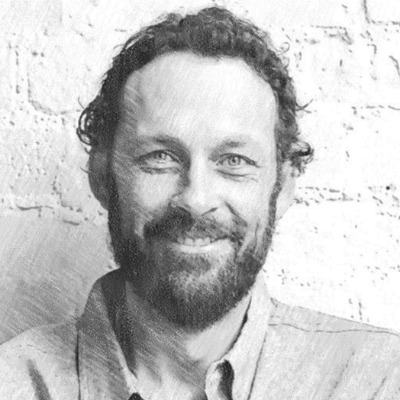
US native Christopher Carstens graduated in mechanical engineering in 2002 at the University of California, Berkeley. He started his career as a technology analyst at The Spark Group in San Francisco.In 2004, the engineer co-founded Solid Gas Technologies to build a methane hydrate production system. Carstens also founded Homeland Fuels to construct a bioreactor using ethanol. He exited both companies in 2006 and went to work at World Waste Technologies in California as project manager and engineer. In 2012, he started working at Graphene Technologies as R&D engineer.In 2013, he joined an innovation accelerator program at Singularity University where he met Finnish participant Henrietta Moon. They co-founded Finnish startup Carbo Culture in 2016 with Carstens as CTO based at the California plant.The serial entrepreneur and inventor also founded Hydrate Dynamics as CTO in 2015 to develop gas storage and transportation facilities using clathrate hydrates technology. In 2018, he was appointed by the US Department of Energy to be a member of the Methane Hydrate Advisory Committee until January 2020.
Zero-waste app OLIO is rapidly scaling, letting retailers and households donate or swap surplus food and other goods in local communities in 50+ countries.

Zero-waste app OLIO is rapidly scaling, letting retailers and households donate or swap surplus food and other goods in local communities in 50+ countries.
Backed by €30m funding and orders from global brands, Finnish cleantech will build flagship factory to scale production of regenerated biodegradable microplastic-free textile fibers.

Backed by €30m funding and orders from global brands, Finnish cleantech will build flagship factory to scale production of regenerated biodegradable microplastic-free textile fibers.
Hyperlocal healthy meal catering and delivery service bringing homemade meals designed by chefs to the workplace; utilizes under-used restaurant kitchens; unsold meals go to charities.

Hyperlocal healthy meal catering and delivery service bringing homemade meals designed by chefs to the workplace; utilizes under-used restaurant kitchens; unsold meals go to charities.
COO and co-founder of OLIO
Saasha Celestial-One is the American-born COO and co-founder of zero food waste app OLIO. Celestial-One, a name chosen by her hippy parents in rural Iowa, went on to work as an analyst at Morgan Stanley after graduating in economics at the University of Chicago in 1998. She started an MBA program at Stanford University Graduate School of Business in 2002 where she met OLIO’s British co-founder Tessa Clarke.The American banker joined McKinsey & Co in 2003 as an associate in New York and managed to get a transfer to work at McKinsey in London in 2005 when her boyfriend went to study at Cambridge University in England. In 2007, she became VP of business development for American Express. She left Amex in June 2013 and co-founded My Crèche in London as CEO of the pay-as-you-go childcare service. Both OLIO co-founders were mums with young children in North London when they decided to pool together their savings to develop the OLIO app in 2015.

Saasha Celestial-One is the American-born COO and co-founder of zero food waste app OLIO. Celestial-One, a name chosen by her hippy parents in rural Iowa, went on to work as an analyst at Morgan Stanley after graduating in economics at the University of Chicago in 1998. She started an MBA program at Stanford University Graduate School of Business in 2002 where she met OLIO’s British co-founder Tessa Clarke.The American banker joined McKinsey & Co in 2003 as an associate in New York and managed to get a transfer to work at McKinsey in London in 2005 when her boyfriend went to study at Cambridge University in England. In 2007, she became VP of business development for American Express. She left Amex in June 2013 and co-founded My Crèche in London as CEO of the pay-as-you-go childcare service. Both OLIO co-founders were mums with young children in North London when they decided to pool together their savings to develop the OLIO app in 2015.
Tony Fadell is the inventor of the iPod, co-inventor of the iPhone, and former CEO and founder of Nest Labs, which was later acquired by Google. He is also an angel investor and head of Paris-based deeptech advisory and investing firm Future Shape, which has over 200 companies in its portfolio and a focus on issues like the electrification and digital connection of things, biomanufacturing and the eradication of waste. Fadell has invested in at least 10 startups, with his most recent disclosed investments having taken place in 4Q20. These included his participation in the $7m seed round of London-based consumer technology and conceptual design house Nothing, the $45m Series B round of US biotech firm and vegan leather maker MycoWorks, well as the $31m Series A round of video call effects and presentation tools company mmhmm.

Tony Fadell is the inventor of the iPod, co-inventor of the iPhone, and former CEO and founder of Nest Labs, which was later acquired by Google. He is also an angel investor and head of Paris-based deeptech advisory and investing firm Future Shape, which has over 200 companies in its portfolio and a focus on issues like the electrification and digital connection of things, biomanufacturing and the eradication of waste. Fadell has invested in at least 10 startups, with his most recent disclosed investments having taken place in 4Q20. These included his participation in the $7m seed round of London-based consumer technology and conceptual design house Nothing, the $45m Series B round of US biotech firm and vegan leather maker MycoWorks, well as the $31m Series A round of video call effects and presentation tools company mmhmm.
Waheed Ali became a Labour life peer and Baron of Norbury at aged 33, the youngest to join the House of Lords in 1998. He is also one of the few openly gay Muslim politicians in the world and a gay rights activist. Waheed Ali left school and started work in financial research at the age of 16 to support his mother and siblings. He moved on to a media career by co-founding an independent television company Planet 24 with Bob Geldof during the 1990s, pioneering TV reality shows like Survivor. Planet 24 was sold to ITV franchisee Carlton Communications in 1999 for £15m. He also backed Elizabeth Murdoch’s TV production company Shine that was sold to her father, Rupert Murdoch’s media group, 21st Century Fox. Of Guyana and Trinidad descent, the well-known British media tycoon is also a businessman and investor. In 2011, he lost millions by investing in loss-making Chorion that owned the Agatha Christie literary rights. He formed a television production company Silvergate Media to acquire the rights to several Chorion TV series like Beatrix Potter. As an investor, he became the chairman of online fashion marketplace ASOS for 12 years until 2012. He later founded the “ASOS of India,” Koovs that was listed in London in 2014. Most recently, he joined the Series B funding round of London-based zero-food-waste app OLIO in September 2021.

Waheed Ali became a Labour life peer and Baron of Norbury at aged 33, the youngest to join the House of Lords in 1998. He is also one of the few openly gay Muslim politicians in the world and a gay rights activist. Waheed Ali left school and started work in financial research at the age of 16 to support his mother and siblings. He moved on to a media career by co-founding an independent television company Planet 24 with Bob Geldof during the 1990s, pioneering TV reality shows like Survivor. Planet 24 was sold to ITV franchisee Carlton Communications in 1999 for £15m. He also backed Elizabeth Murdoch’s TV production company Shine that was sold to her father, Rupert Murdoch’s media group, 21st Century Fox. Of Guyana and Trinidad descent, the well-known British media tycoon is also a businessman and investor. In 2011, he lost millions by investing in loss-making Chorion that owned the Agatha Christie literary rights. He formed a television production company Silvergate Media to acquire the rights to several Chorion TV series like Beatrix Potter. As an investor, he became the chairman of online fashion marketplace ASOS for 12 years until 2012. He later founded the “ASOS of India,” Koovs that was listed in London in 2014. Most recently, he joined the Series B funding round of London-based zero-food-waste app OLIO in September 2021.
CEO and co-founder of agroSingularity
In 2019, Juanfra Abad Navarro became the CEO and co-founder of agroSingularity, a Murcia-based startup producing natural powder ingredients from wasted agricultural by-products.The graphic and product designer has led multiple international innovation projects at the Catholic University of Murcia and at the European Business Factory. He also co-founded and headed Innovarligero for over nine years, facilitating innovative agile processes for agrifood SMEs. Navarro was selected as one of 10 brilliant Murcian entrepreneurs to join the executive training programs of the Advanced Leadership Foundation (ALF). Through AFL, he had the opportunity to meet former US President Barack Obama during the Summit of Technological Innovation and Circular Economy held in Madrid in 2018.
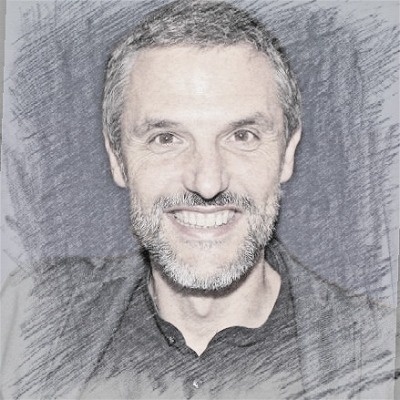
In 2019, Juanfra Abad Navarro became the CEO and co-founder of agroSingularity, a Murcia-based startup producing natural powder ingredients from wasted agricultural by-products.The graphic and product designer has led multiple international innovation projects at the Catholic University of Murcia and at the European Business Factory. He also co-founded and headed Innovarligero for over nine years, facilitating innovative agile processes for agrifood SMEs. Navarro was selected as one of 10 brilliant Murcian entrepreneurs to join the executive training programs of the Advanced Leadership Foundation (ALF). Through AFL, he had the opportunity to meet former US President Barack Obama during the Summit of Technological Innovation and Circular Economy held in Madrid in 2018.
CPO and co-founder of agroSingularity
Biologist Luis Rubio González has a PhD and over 15 years of experience as a researcher and consultant in public and private organizations. He also completed an Advanced Studies Certification at the University of Murcia and has a master's in Food Quality and Safety from the Madrid Institute of Training (IMF Business School). In 2019, he became the co-founder and CPO of agroSingularity, a Murcia-based foodtech producing natural powder ingredients from raw materials sourced from wasted agricultural by-products.
Biologist Luis Rubio González has a PhD and over 15 years of experience as a researcher and consultant in public and private organizations. He also completed an Advanced Studies Certification at the University of Murcia and has a master's in Food Quality and Safety from the Madrid Institute of Training (IMF Business School). In 2019, he became the co-founder and CPO of agroSingularity, a Murcia-based foodtech producing natural powder ingredients from raw materials sourced from wasted agricultural by-products.
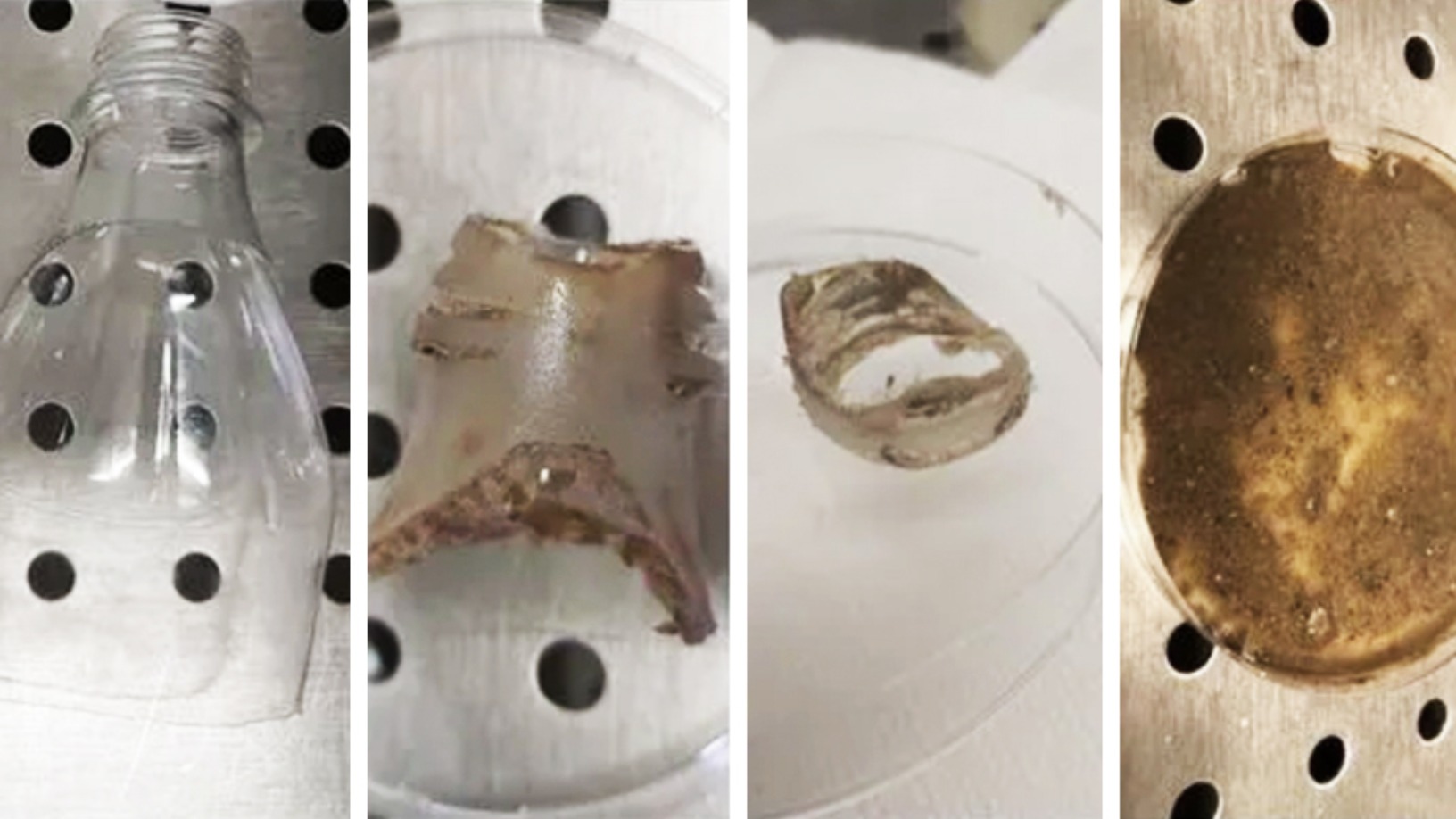
Poliloop: Tackling pollution crisis with plastic-eating bacteria for industrial use
Hungarian biotech Poliloop is closing $2m seed funding for “bacteria cocktail” that breaks down plastic into organic waste quickly, enabling more affordable and eco-friendly waste management
COMY Energy: Closing the plastic waste loop with chemical recycling
The Chinese startup transforms plastic wastes to virgin-quality recycled products without releasing toxic gas or pollution and is attracting interest from petrochemical giants and waste management companies
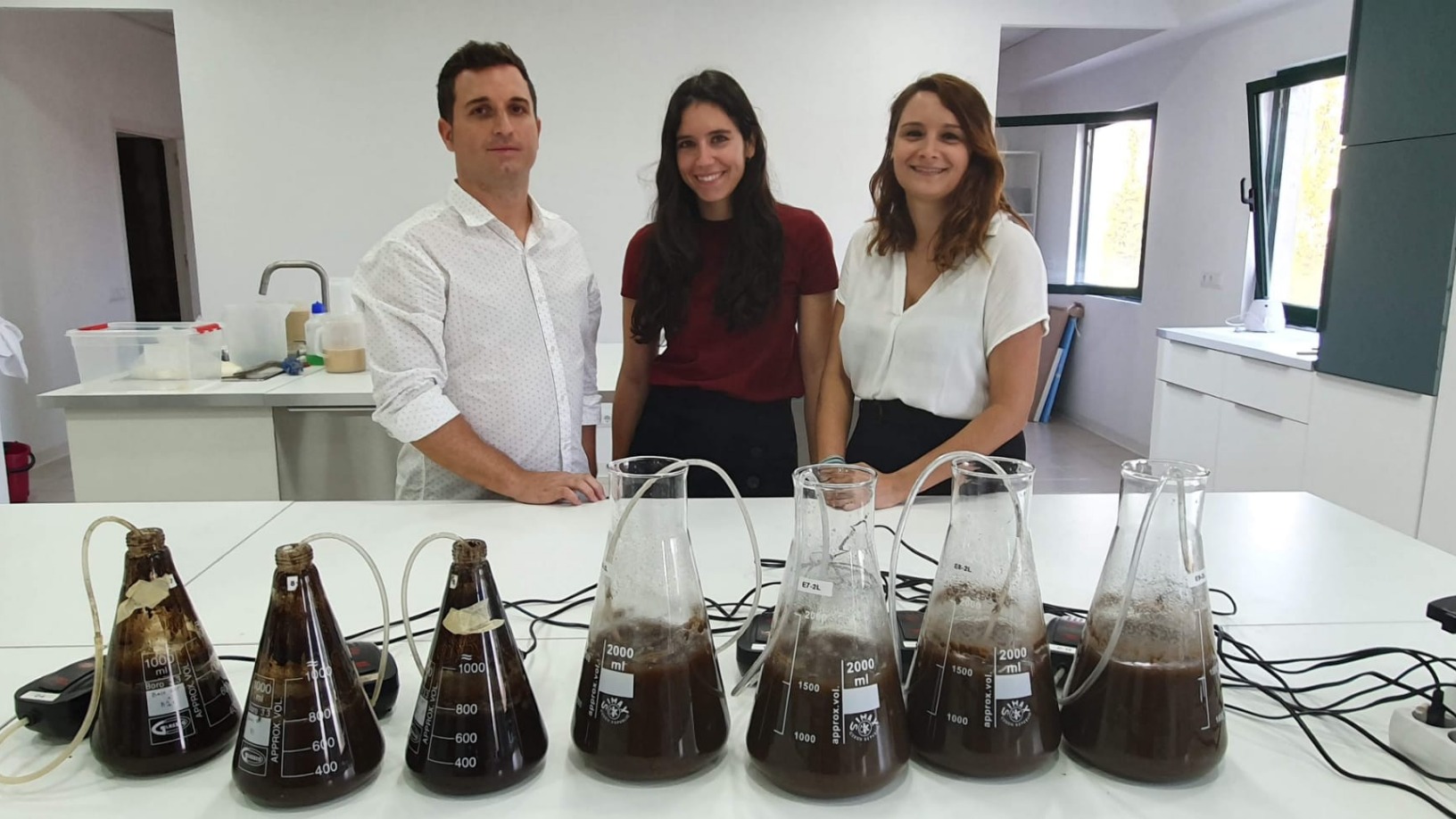
VEnvirotech: Organic waste converted at source into biodegradable raw bioplastic
The Spanish startup presents an innovative circular business model to stand out in the ever-growing bioplastics sector with its on-site smart-waste container and garbage-consuming bacteria
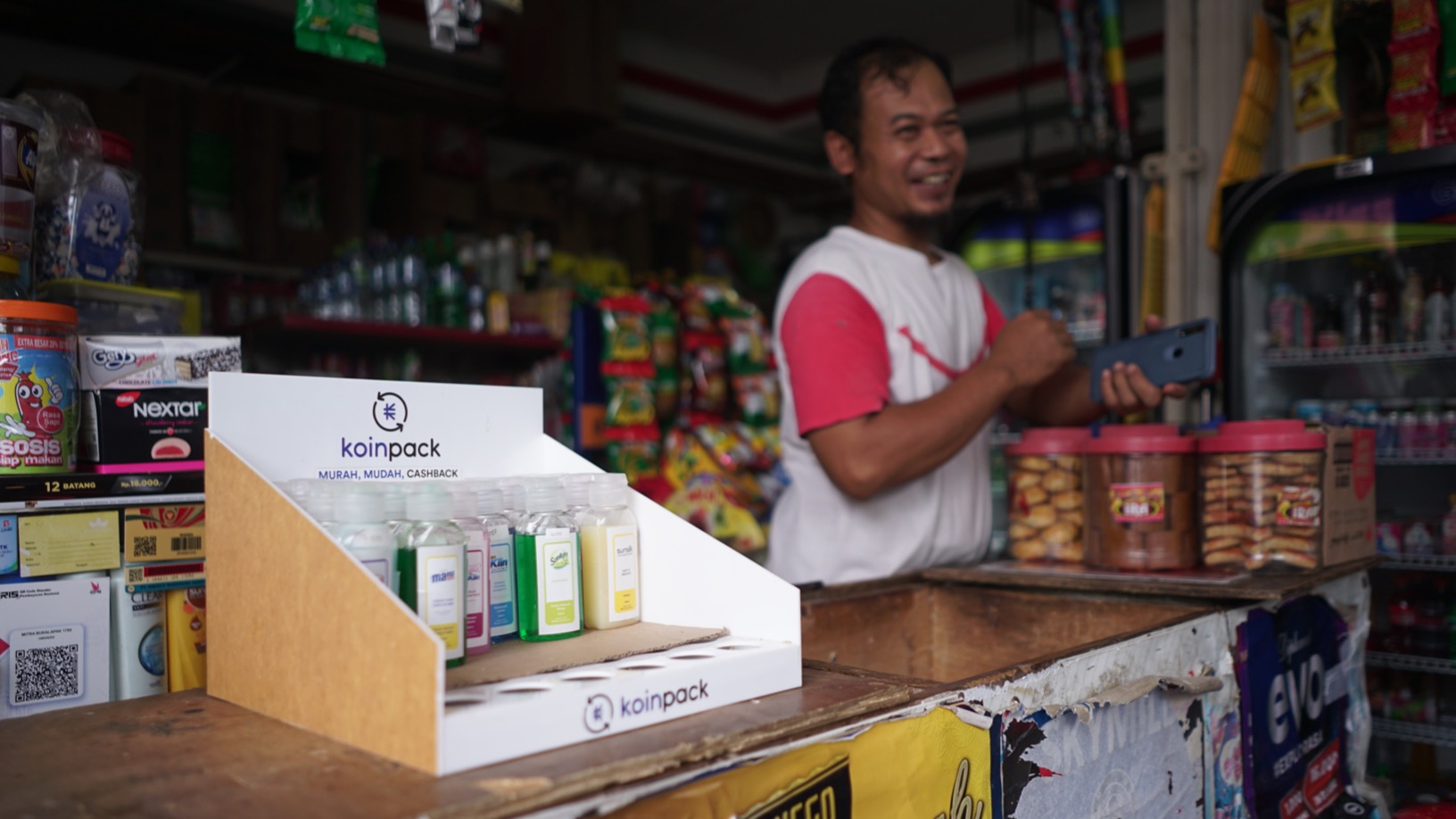
Koinpack tackles Indonesia's sachet waste problem with refillable bottles
Partnering with FMCG companies, Koinpack is making small amounts of household consumables available to lower-income groups without using traditional sachet packaging
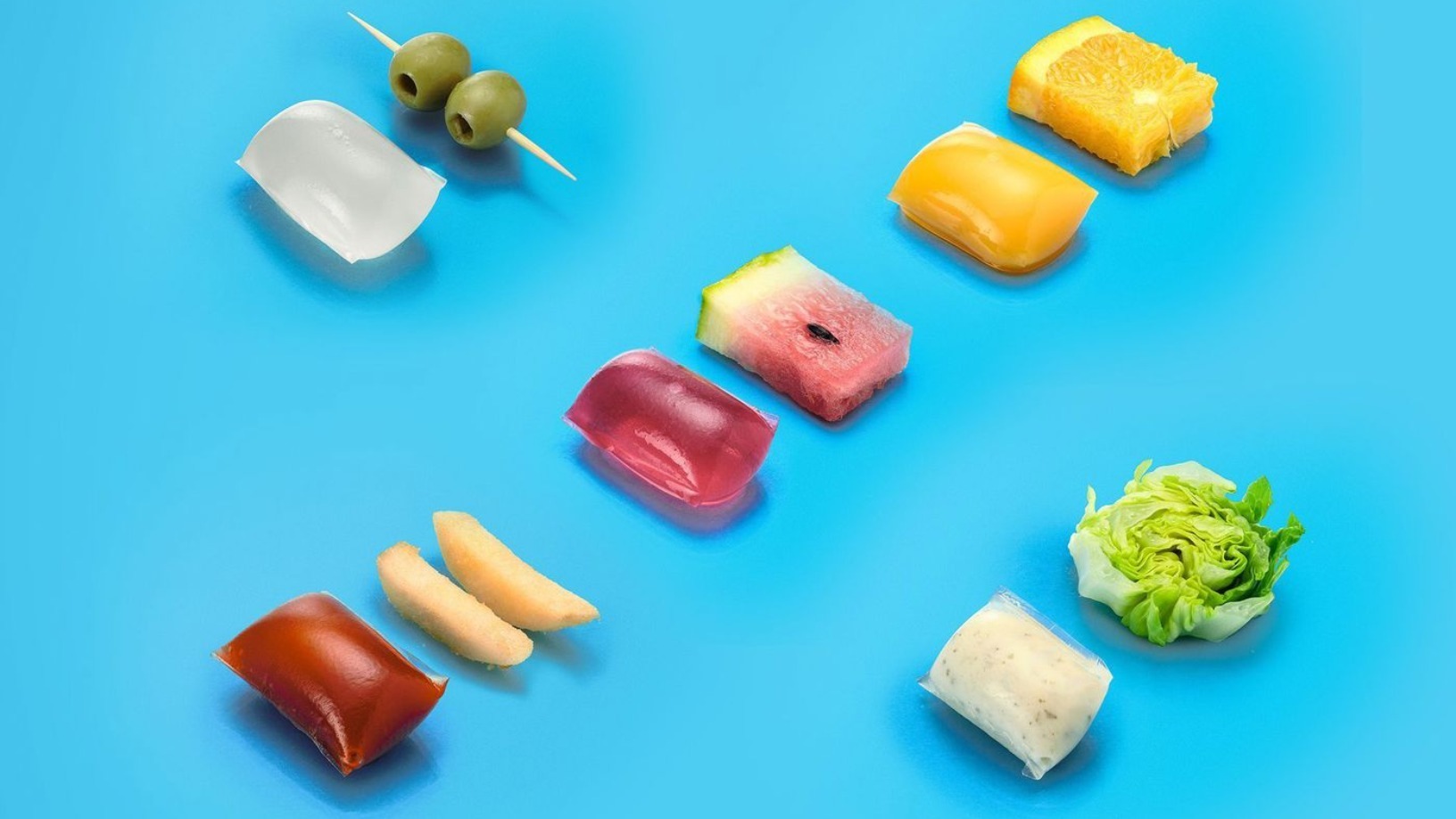
Want to cut plastic packaging? Notpla's edible seaweed sachets are an option
From its edible whiskey “bubbles” to biodegradable Teflon-free container liners, Notpla seeks to replace single-use plastic and help food companies boost their green credentials
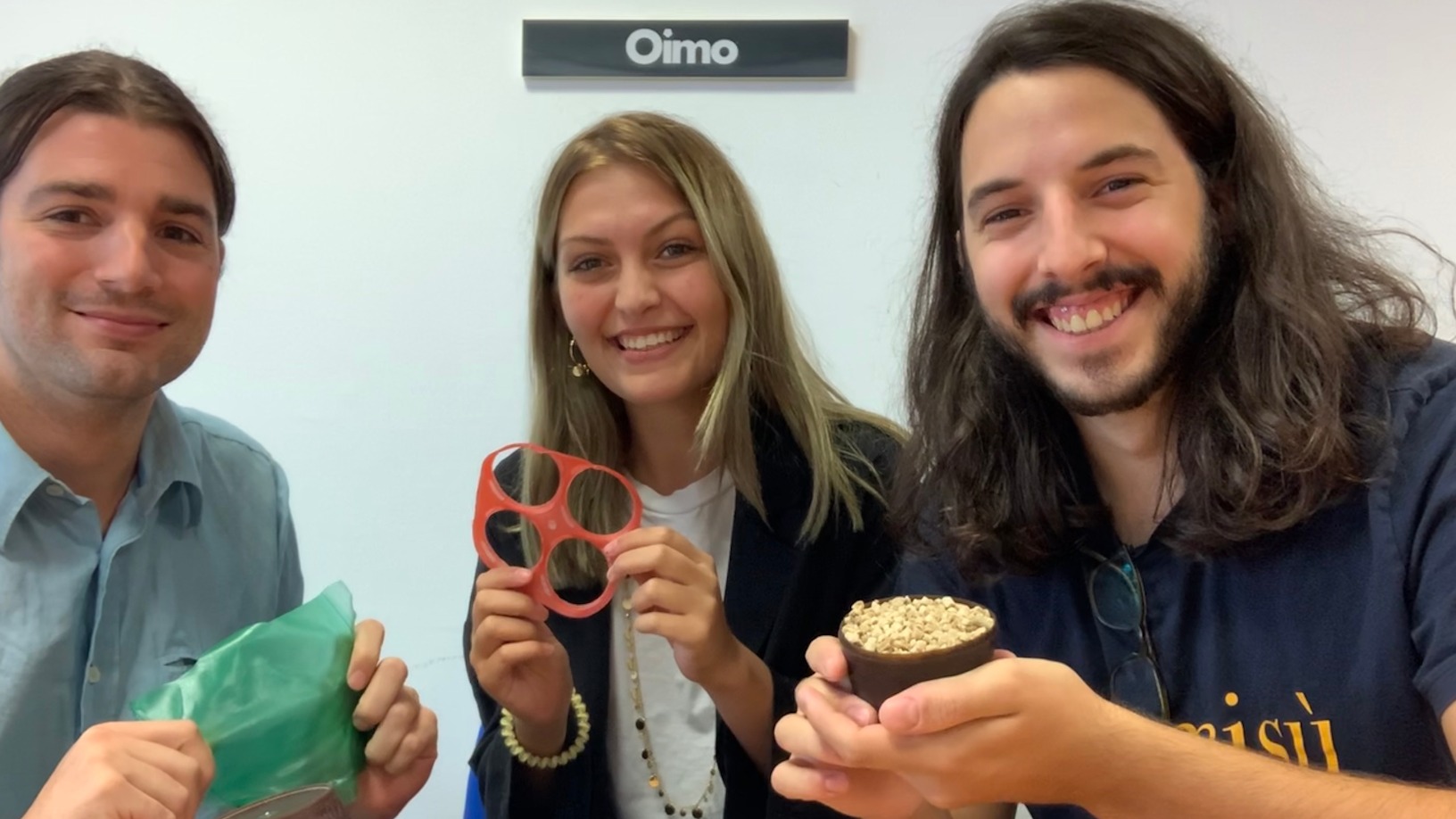
Oimo: Biodegradable marine-based bioplastics for environmentally friendly food packaging
Its pellets already work well in current factory machinery, so Oimo wants to scale when the EU’s ban on single-use plastics kicks in next year
RecyGlo, Myanmar's first circular economy waste management system, targets regional growth
Turning trash into cash, Yangon-based recycling pioneer RecyGlo wants to extend its zero-waste circular economy model to the rest of Southeast Asia

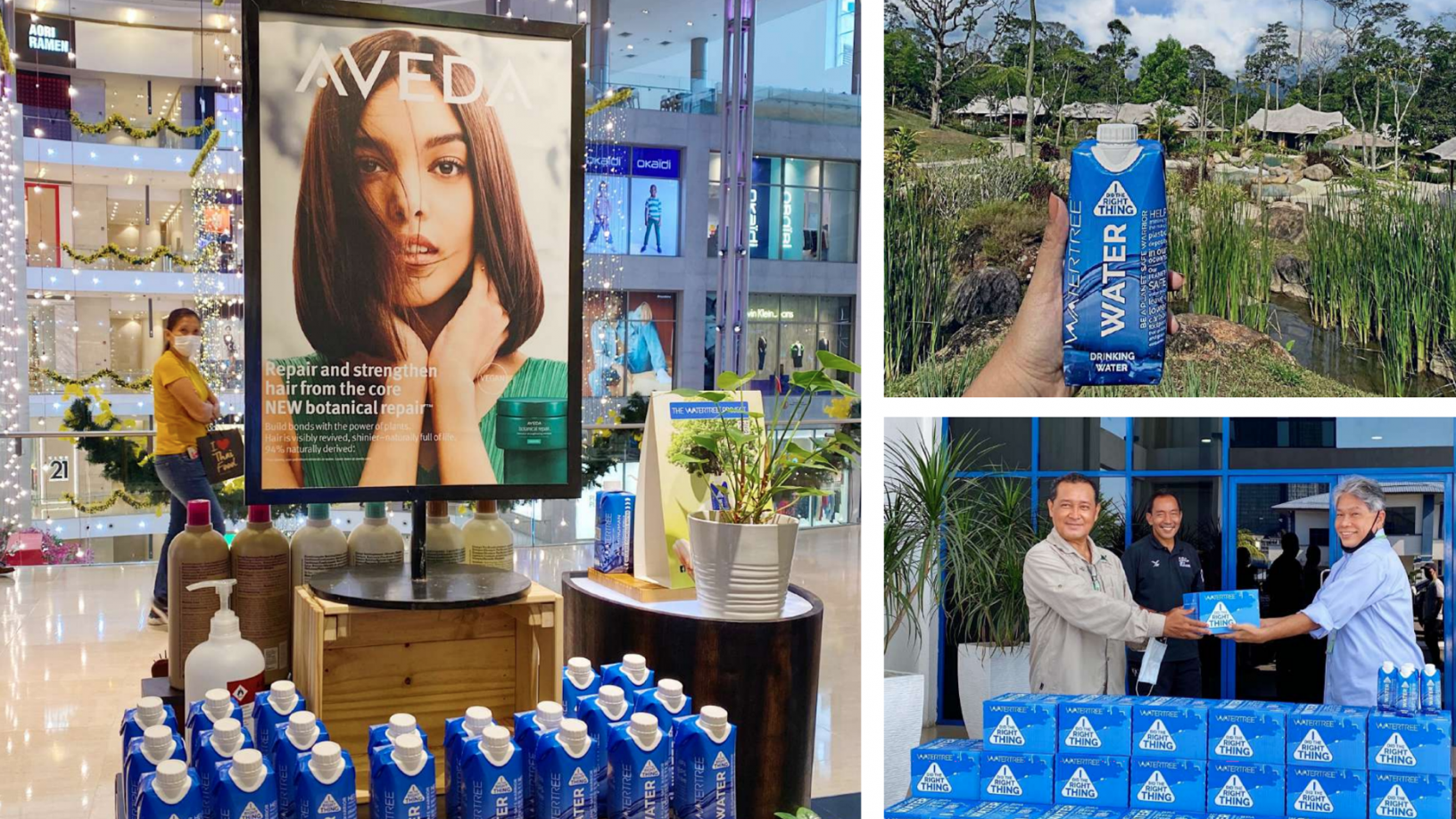
The Watertree Project: Eliminating single-use plastic water bottles in Malaysia
With high-profile Malaysian corporate clients under its belt, the startup is in no hurry to raise funds, preferring to focus on raising public awareness and winning mindshare
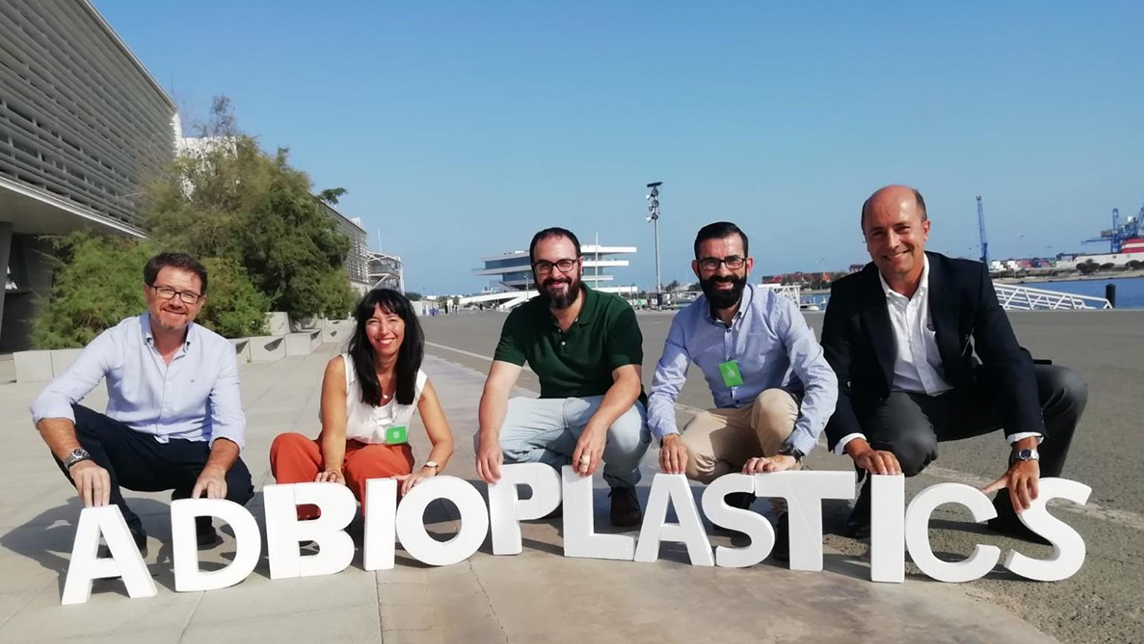
ADBioplastics primed to help EU manufacturers transition to circular economy
ADBioplastics has developed a biodegradable and compostable bioplastic additive for use in food packaging and is seeking up to €5m in funding
Mi Terro turns milk waste into eco-friendly clothing and packaging
With food giants like Danone, Arla and Dole as partners, US-Sino startup Mi Terro plans to extend its technology to plant-based food waste like soy to get plastic and fiber alternatives

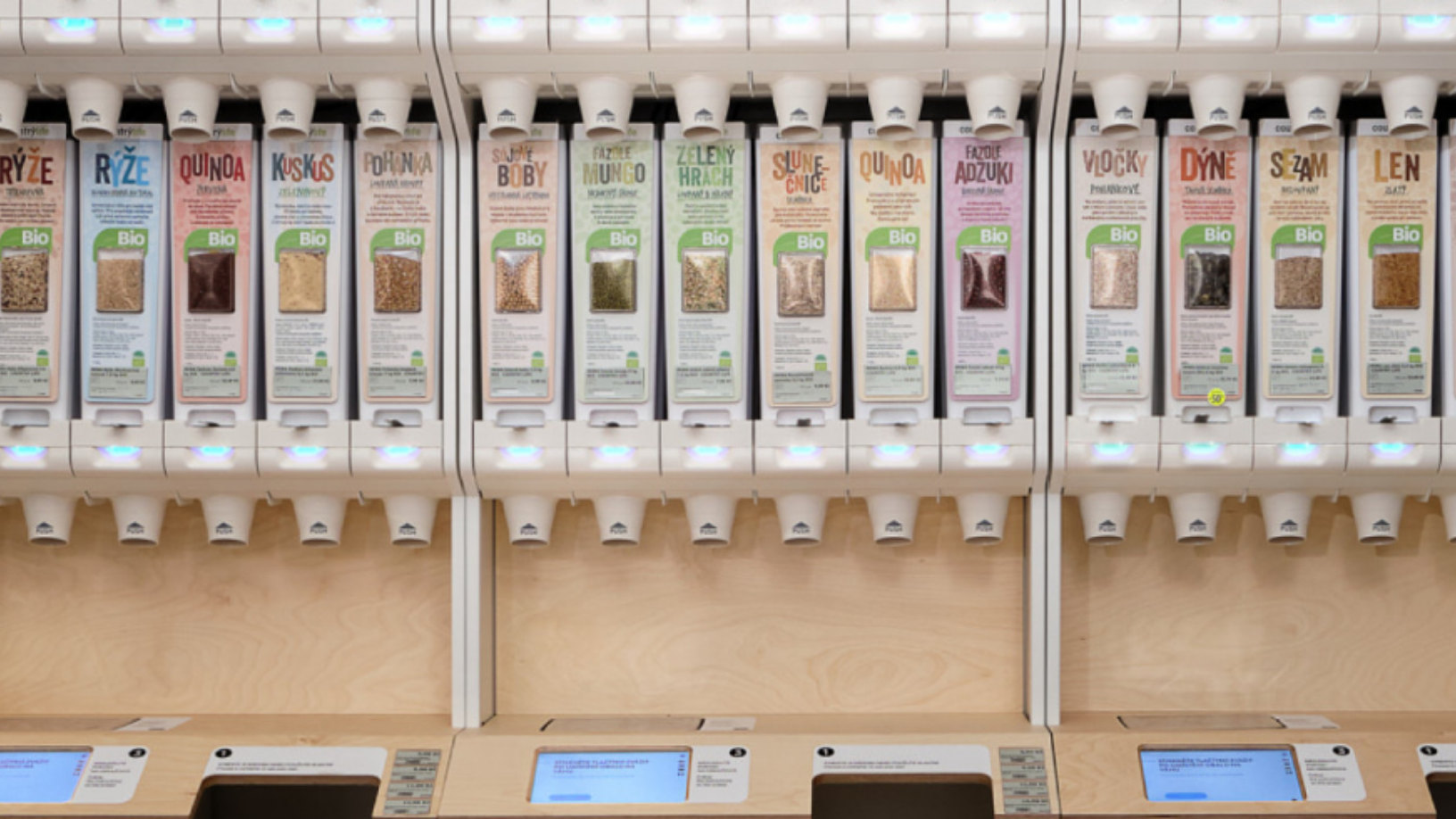
MIWA Technologies: Reducing food waste and packaging with smart refill vending system
MIWA’s solution lets consumers buy exact refill quantities in personalized containers, eradicating need for single-use plastics throughout the supply chain
Beyond Leather Materials: Turning apples into alt-leather for sustainable fashion
Through its Leap brand, the Danish startup cuts food waste by turning apples junked in cider factories into affordable vegan leather for the $100bn leather market

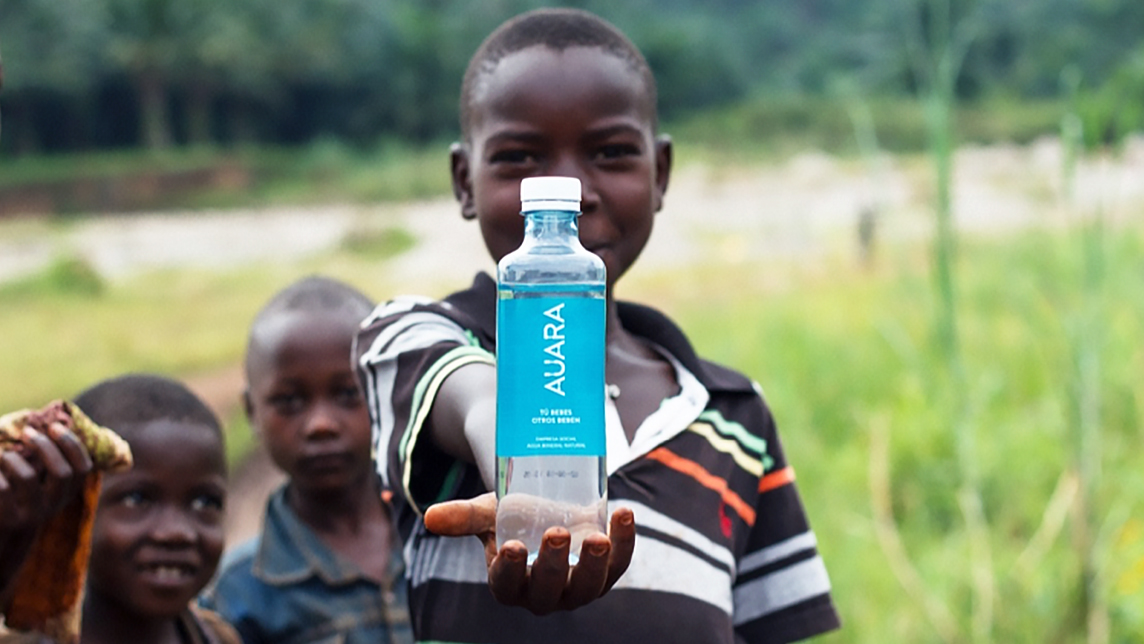
Auara: Social enterprise and environmental sustainability in a bottle
Auara, with its 100% recycled-plastic mineral water bottles, aims to reduce its manufacturing carbon footprint while helping the most water-stressed citizens
China's recycling startups seek cost-effective ways to make waste management profitable
The high costs of smart garbage bins and automation to sort out recycling have created new headaches for homes and offices

Kryha: Enabling big businesses' green practices with blockchain
Kryha’s blockchain systems help companies trace the movement and transformation of resources among multiple stakeholders without exposing sensitive information
Sorry, we couldn’t find any matches for “Plastic waste”.
POPULAR DATABASE