Rabo Food and Agri Innovation Fund
-
DATABASE (3397)
-
ARTICLES (812)
Founder and CEO of Sennotech
Li Qin earned a bachelor’s degree in Economics from Zhejiang University in 2006 and an M.Sc. from Utrecht University in 2007. Upon graduation, he worked briefly on B2B market analysis at the Vilnius office of Euromonitor International, an independent strategic market research provider. After returning to China in 2007, Li became head of R&D on cryogenics at Shanxi Energy Industries Group Co., Ltd. From November 2009 until early 2015, he served as a lecturer at Shanxi University of Finance and Economics. In February 2015, Li founded Sennotech in Shenzhen.
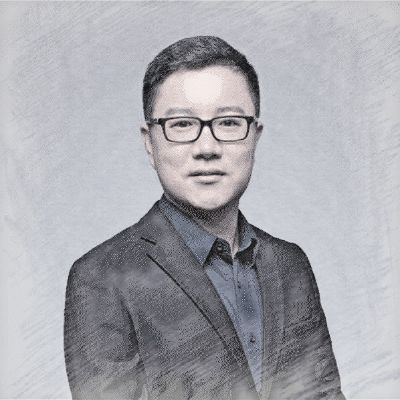
Li Qin earned a bachelor’s degree in Economics from Zhejiang University in 2006 and an M.Sc. from Utrecht University in 2007. Upon graduation, he worked briefly on B2B market analysis at the Vilnius office of Euromonitor International, an independent strategic market research provider. After returning to China in 2007, Li became head of R&D on cryogenics at Shanxi Energy Industries Group Co., Ltd. From November 2009 until early 2015, he served as a lecturer at Shanxi University of Finance and Economics. In February 2015, Li founded Sennotech in Shenzhen.
Founder and CEO of Halodoc
Jonathan Sudharta is the son of Sudharta, the founder of pharmaceutical conglomerate Mensa Group. He graduated from Curtin University, Australia with a bachelor's in Economics, specializing in electronic commerce. Jonathan has since helped to expand his family business, building a social media network for doctors and developing ApotikAntar, a service for delivering medicine from licensed pharmacies to customers. In 2016, he combined the medicine delivery service and online interaction with doctors to create Halodoc, a healthcare platform startup backed by the Mensa Group.
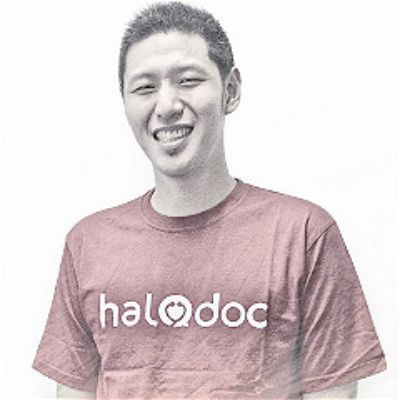
Jonathan Sudharta is the son of Sudharta, the founder of pharmaceutical conglomerate Mensa Group. He graduated from Curtin University, Australia with a bachelor's in Economics, specializing in electronic commerce. Jonathan has since helped to expand his family business, building a social media network for doctors and developing ApotikAntar, a service for delivering medicine from licensed pharmacies to customers. In 2016, he combined the medicine delivery service and online interaction with doctors to create Halodoc, a healthcare platform startup backed by the Mensa Group.
CEO of Eliport
Dmitry Skorinko had worked in software development for 14 years before starting Eliport. His career as a tech entrepreneur in logistics began with Glovo, where he worked as CTO in 2015. He was responsible for building the technology for the on-demand delivery platform, hiring and managing a team of engineers. He previously worked in the Russian Federation as a software architect at various companies like Acronis, Galssoft, Kaspersky Lab and OKB SAPR. He graduated in MSc Mathematics at the Lomonosov Moscow State University in 2005.

Dmitry Skorinko had worked in software development for 14 years before starting Eliport. His career as a tech entrepreneur in logistics began with Glovo, where he worked as CTO in 2015. He was responsible for building the technology for the on-demand delivery platform, hiring and managing a team of engineers. He previously worked in the Russian Federation as a software architect at various companies like Acronis, Galssoft, Kaspersky Lab and OKB SAPR. He graduated in MSc Mathematics at the Lomonosov Moscow State University in 2005.
Co-founder and CEO of Cakap by Squline
Tomy Yunus is co-founder and CEO of Cakap (formerly known as Squline). He graduated from Universitas Bina Nusantara with a bachelor's in Computer Engineering in 2009, after which he pursued further education in China, graduating with a master's in Chinese Economy from Renmin University. While attending Chinese lessons at the Beijing Language and Culture Center, Tomy met future Squline co-founder Yohan Limerta. After working for two years in China, including a short stint as project lead at Pactera, Tomy returned to Indonesia in 2013 to establish Squline, an online language learning platform.

Tomy Yunus is co-founder and CEO of Cakap (formerly known as Squline). He graduated from Universitas Bina Nusantara with a bachelor's in Computer Engineering in 2009, after which he pursued further education in China, graduating with a master's in Chinese Economy from Renmin University. While attending Chinese lessons at the Beijing Language and Culture Center, Tomy met future Squline co-founder Yohan Limerta. After working for two years in China, including a short stint as project lead at Pactera, Tomy returned to Indonesia in 2013 to establish Squline, an online language learning platform.
Co-founder of DuduBus
A graduate of South China University of Technology, Lin Zhongjie started a firm even while he was in university, which used mathematical models to provide data analysis services to over 20 businesses. Upon graduation, he worked for China Mobile. In 2014, he started another company to work on equity-based crowdfunding for dietary and entertainment businesses and served as its COO. In 2015, he co-founded DuduBus, where he is now mainly in charge of the shared-car business PonyCar, which was incubated by DuduBus.

A graduate of South China University of Technology, Lin Zhongjie started a firm even while he was in university, which used mathematical models to provide data analysis services to over 20 businesses. Upon graduation, he worked for China Mobile. In 2014, he started another company to work on equity-based crowdfunding for dietary and entertainment businesses and served as its COO. In 2015, he co-founded DuduBus, where he is now mainly in charge of the shared-car business PonyCar, which was incubated by DuduBus.
Co-founder and CEO of Advotics
In 2009 Boris Sanjaya graduated in Industrial and System Engineering at the University of Washington, USA. He worked for one year as an intern at Boeing Commercial Airplanes in Seattle. He worked as a business analyst at Amazon for four months before joining a Distribution Management Program at General Electric in 2010. He left GE and returned to Indonesia to work as a consultant for BCG in 2012. Together with Hendi Chandi, Boris co-founded telecoms startup Kokatto in 2014. He later left BCG in 2016 to join Hendi to establish PT Advotics Teknologi Global as CEO.
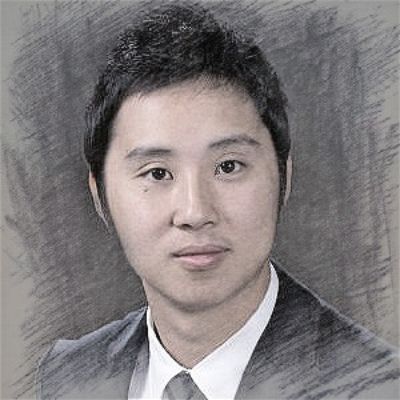
In 2009 Boris Sanjaya graduated in Industrial and System Engineering at the University of Washington, USA. He worked for one year as an intern at Boeing Commercial Airplanes in Seattle. He worked as a business analyst at Amazon for four months before joining a Distribution Management Program at General Electric in 2010. He left GE and returned to Indonesia to work as a consultant for BCG in 2012. Together with Hendi Chandi, Boris co-founded telecoms startup Kokatto in 2014. He later left BCG in 2016 to join Hendi to establish PT Advotics Teknologi Global as CEO.
Advisor and Co-founder of GeoDB
Nominated as one of 21 most revolutionary Spanish techpreneurs under 35 by Business Insider in May 2019, Manuel de la Esperanza co-founded Wave with fellow alumnus Luis Gelado Crespo from the University Pontifica de Comillas (ICAI-ICADE). In June 2018, both men also co-founded GeoDB, a blockchain-powered location big data digital marketplace.Before founding Wave in 2013, the business management and law graduate had also founded a creative digital agency in Madrid. The success of Wave's private "family and friends" tracking app has led to the setting up of Wave Location Technologies.

Nominated as one of 21 most revolutionary Spanish techpreneurs under 35 by Business Insider in May 2019, Manuel de la Esperanza co-founded Wave with fellow alumnus Luis Gelado Crespo from the University Pontifica de Comillas (ICAI-ICADE). In June 2018, both men also co-founded GeoDB, a blockchain-powered location big data digital marketplace.Before founding Wave in 2013, the business management and law graduate had also founded a creative digital agency in Madrid. The success of Wave's private "family and friends" tracking app has led to the setting up of Wave Location Technologies.
President and Co-founder of Bailian.ai
Yao Conglei graduated from Peking University in 2008 with a degree in Computer Science. He is CTO of AI firm Kika Tech, which invested in Bailian.ai's seed round. Before Kika, Yao was Technology VP at Wandoujia, a search engine for mobile entertainment. Yao worked for the HP Research Institute and Tencent in the areas of content mining and recommendation systems respectively.
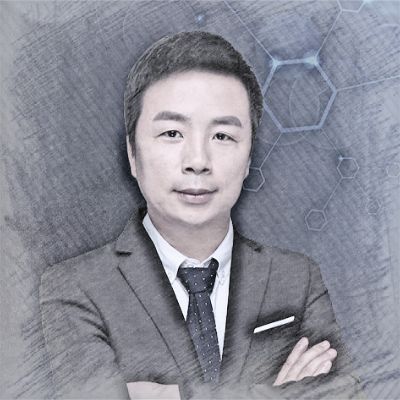
Yao Conglei graduated from Peking University in 2008 with a degree in Computer Science. He is CTO of AI firm Kika Tech, which invested in Bailian.ai's seed round. Before Kika, Yao was Technology VP at Wandoujia, a search engine for mobile entertainment. Yao worked for the HP Research Institute and Tencent in the areas of content mining and recommendation systems respectively.
Co-founder and CEO of Line Health
Coding since he was 15, Diogo Ortega worked as a freelance software developer while reading a business degree at the University of London. He had previously studied Audiovisual and Multimedia Technologies at the Polytechnic Institute of Lisbon.Ortega worked for six years at TAP Air Portugal until 2014 when he co-founded Line Health as CEO. He was the CEO. The healthtech was dissolved in 2018 and he eventually moved to the US to work for WW (formerly Weight Watchers) as a product manager. Currently based in San Francisco, he is working as a product manager at Google.

Coding since he was 15, Diogo Ortega worked as a freelance software developer while reading a business degree at the University of London. He had previously studied Audiovisual and Multimedia Technologies at the Polytechnic Institute of Lisbon.Ortega worked for six years at TAP Air Portugal until 2014 when he co-founded Line Health as CEO. He was the CEO. The healthtech was dissolved in 2018 and he eventually moved to the US to work for WW (formerly Weight Watchers) as a product manager. Currently based in San Francisco, he is working as a product manager at Google.
Founder and CEO of Fumi Technology
Wang Anquan joined the Alibaba Group in 2006. He was the technology director at Ali Financial, director of Taobao Loan Division and assistant to the MD of Ali Financial.In 2013, Wang and a colleague at Ali jointly developed the MVP of Webull to provide market intelligence. He then joined HengFeng Bank in 2014 as the president of the Department of Online Financial Asset Transaction. Wang joined Xiaomi in 2015 as the general manager of Xiaomi Finance. In 2016, he founded Fumi Technology with Webull as its main platform. Xiaomi is one of Fumi's early investors.
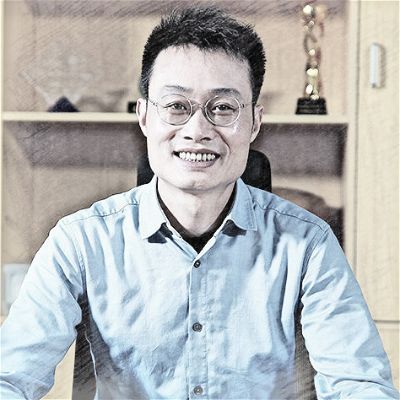
Wang Anquan joined the Alibaba Group in 2006. He was the technology director at Ali Financial, director of Taobao Loan Division and assistant to the MD of Ali Financial.In 2013, Wang and a colleague at Ali jointly developed the MVP of Webull to provide market intelligence. He then joined HengFeng Bank in 2014 as the president of the Department of Online Financial Asset Transaction. Wang joined Xiaomi in 2015 as the general manager of Xiaomi Finance. In 2016, he founded Fumi Technology with Webull as its main platform. Xiaomi is one of Fumi's early investors.
CEO and founder of Koiki
Aitor Ojanguren is an industrial engineer and serial entrepreneur from Bilbao, Spain. He holds an MBA from Bauer University in Boston. He also specialized at the IESE Business School in social entrepreneurship and is an active investor in social impact tech startups.Ojanguren has over 15 years experience in the logistics sector. He founded Celeritas, a leading logistic e-commerce service company. He is CEO of Koiki, an environmentally sustainable last-mile delivery social enterprise that employs vulnerable people in Spain, which he founded in 2015.

Aitor Ojanguren is an industrial engineer and serial entrepreneur from Bilbao, Spain. He holds an MBA from Bauer University in Boston. He also specialized at the IESE Business School in social entrepreneurship and is an active investor in social impact tech startups.Ojanguren has over 15 years experience in the logistics sector. He founded Celeritas, a leading logistic e-commerce service company. He is CEO of Koiki, an environmentally sustainable last-mile delivery social enterprise that employs vulnerable people in Spain, which he founded in 2015.
CEO and Founder of Xiaoe Tech
Bao Chunjian graduated from the University of Science and Technology of China in 2006 with a master’s degree in Computer Science. He then joined Tencent where he worked for nine years on the R&D of major data-related technologies rising to the level of a T4 expert engineer (the highest title an engineer can achieve in Tencent). In 2015, Bao Chunjian recruited a few former Tencent employees and founded a startup to help blue-collar workers find jobs but that business failed in 2016. He then started Xiaoe Tech.
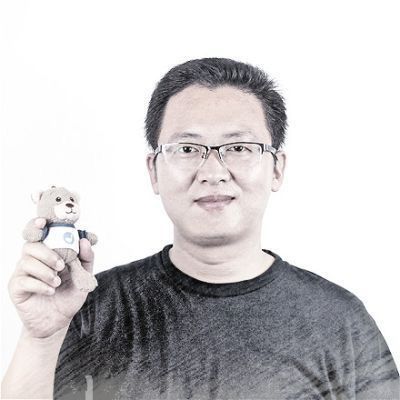
Bao Chunjian graduated from the University of Science and Technology of China in 2006 with a master’s degree in Computer Science. He then joined Tencent where he worked for nine years on the R&D of major data-related technologies rising to the level of a T4 expert engineer (the highest title an engineer can achieve in Tencent). In 2015, Bao Chunjian recruited a few former Tencent employees and founded a startup to help blue-collar workers find jobs but that business failed in 2016. He then started Xiaoe Tech.
co-founder of YITU Healthcare
Lin Chenxi was the first director of technology at Alibaba Cloud, the cloud computing arm of the Alibaba Group. From 2008 to 2012, he led a team of more than 100 senior engineers to successfully set up Apsara, the largest, distributed cloud computing operating system with independent intellectual property rights in China. Before joining the Alibaba Group, Lin worked for Microsoft Research Asia in the fields of machine learning, computer vision, information retrieval and distributed systems. In 2012, he joined Leo Zhu as cofounder and chief technology officer of YITU Healthcare.
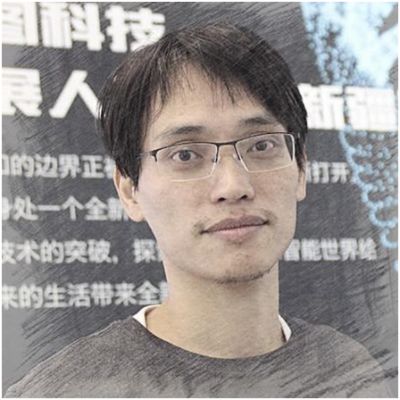
Lin Chenxi was the first director of technology at Alibaba Cloud, the cloud computing arm of the Alibaba Group. From 2008 to 2012, he led a team of more than 100 senior engineers to successfully set up Apsara, the largest, distributed cloud computing operating system with independent intellectual property rights in China. Before joining the Alibaba Group, Lin worked for Microsoft Research Asia in the fields of machine learning, computer vision, information retrieval and distributed systems. In 2012, he joined Leo Zhu as cofounder and chief technology officer of YITU Healthcare.
Founder and CEO of AutoAnt (Chemayi)
Former Alibaba top executive, having spent 10 years at the e-commerce giant, including heading Taobao University, Alibaba’s educational arm for training e-commerce merchants and managers. Nicknamed “Inspector Black Cat”.

Former Alibaba top executive, having spent 10 years at the e-commerce giant, including heading Taobao University, Alibaba’s educational arm for training e-commerce merchants and managers. Nicknamed “Inspector Black Cat”.
Co-founder and CEO of Baozupo
Nicknamed “Yijie”, Guo Yi ran a successful PR agency for over a decade before founding Baozupo in 2014. She is a graduate of China University of Political Science and Law.

Nicknamed “Yijie”, Guo Yi ran a successful PR agency for over a decade before founding Baozupo in 2014. She is a graduate of China University of Political Science and Law.
BeeHero: Agritech for bee health and better crop pollination
Combining AI, smart sensors and the world’s largest bee database, BeeHero accurately predicts disorders in colonies, helping beekeepers reduce the mortality rate of bees vital for crop pollination

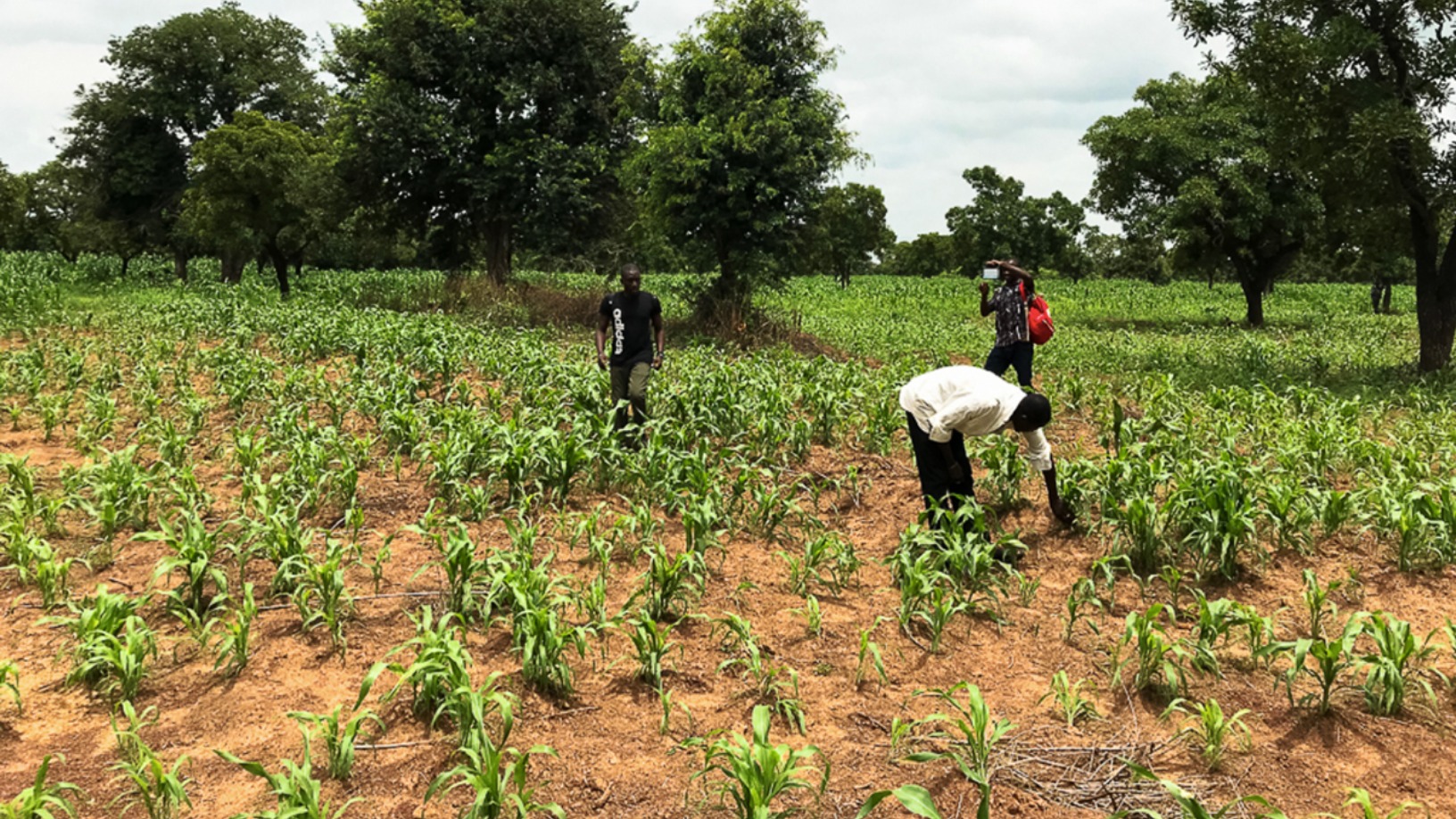
AgroCenta: Providing market access and credit to African smallholder farmers
AgroCenta’s platforms empower Ghanaian subsistence farmers, especially women, boosting productivity and sales with e-payments, micro-credits and insurance, and direct connections to buyers, cutting out the intermediaries
Vence: Virtual fencing for sustainable livestock rearing
The startup uses GPS and AI algorithms to create virtual fences that work with animal collars for more efficient management of livestock and grasslands

ID Capital CEO & founder Isabelle Decitre, an early mover investing in Asian agrifood startups
An early backer of Ynsect, one of the best-funded insect protein startups to date, Decitre sees growing interest in agrifood tech startups, but notes they still need to offer exit opportunities


Future Food Asia: Covid-19 sparked dramatic shifts in agriculture in China and India
Key Chinese players from e-commerce giant Pinduoduo and and agritech VC Omnivore share their insights at last week’s agrifood conference by ID Capital

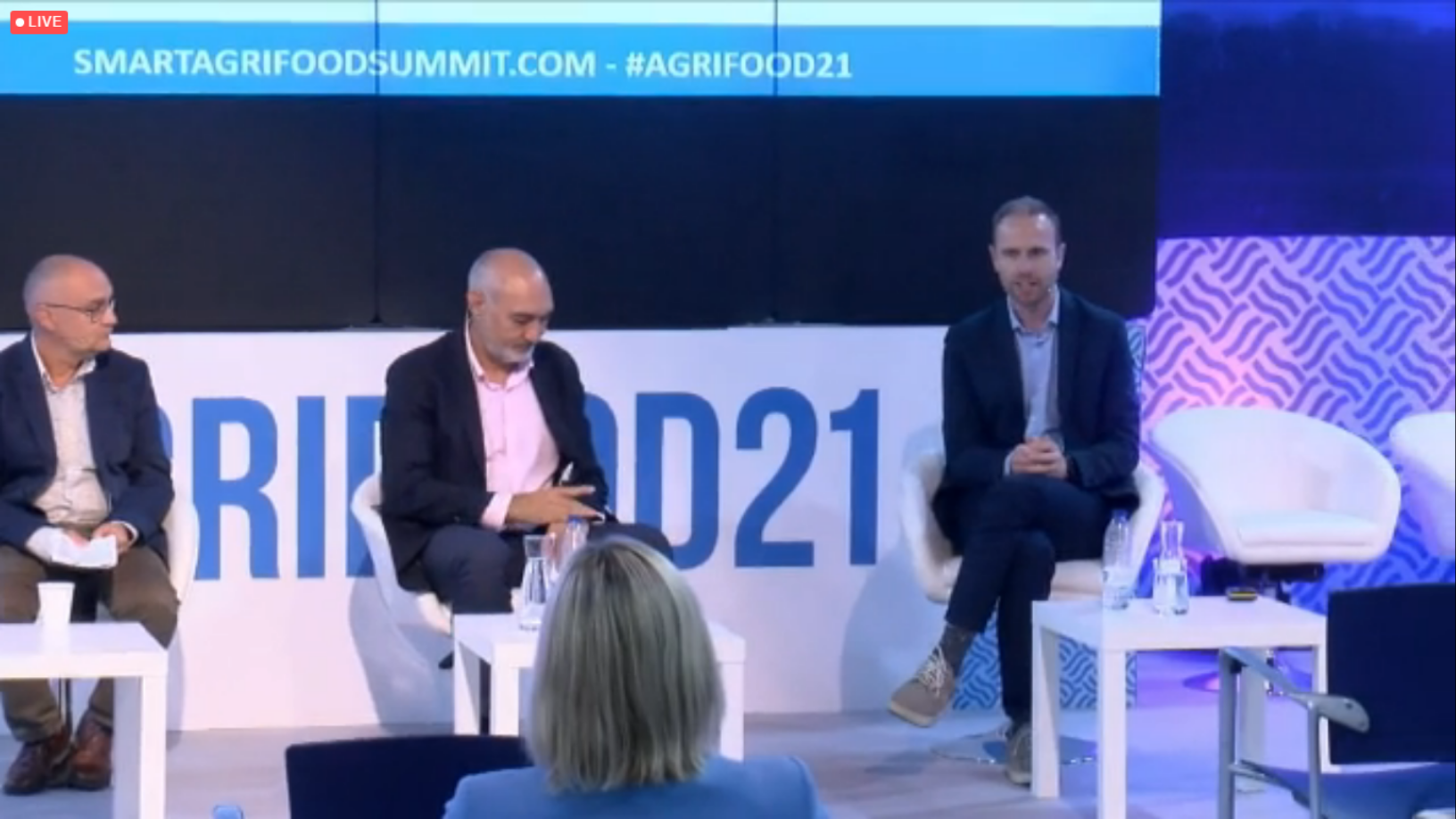
Smart Agrifood Summit 2021: A global innovation ecosystem is needed to catch up with other sectors
Investors from SVG Ventures/THRIVE, Pinduoduo and others agree that players must join forces to boost agrifood tech investment, internationally and across the value chain
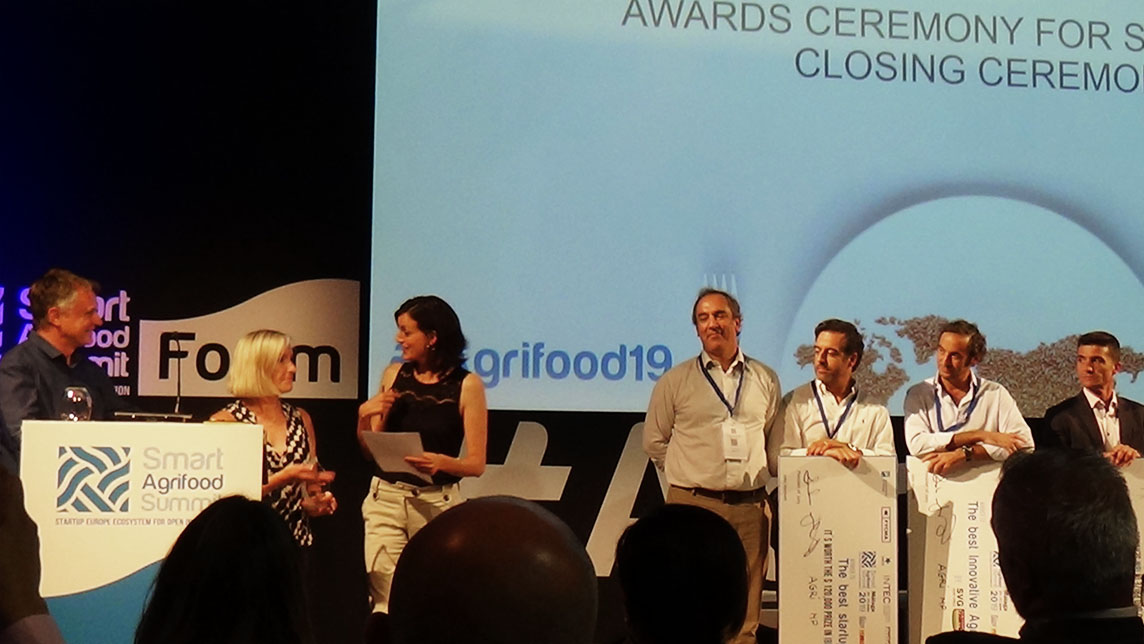
Smart Agrifood Summit 2019 big winner Agri Marketplace makes fair trade easy
Winner of Best Startup and Best Innovative Agrifood Startup, Agri Marketplace presented its fast, transparent and interconnected crop trading platform at Málaga Smart Agrifood Summit 2019
Loones' cooperative e-marketplace connects farmers directly with agrifood businesses
Loones, Spain's first cooperative-based e-marketplace for bulk produce, helps traditional agricultural producers go digital
European agritech is the new global focus, as startup investments nearly doubled in 2019
Last year, European agritech surpassed China for the first time in investments received, with openings in multiple subsectors from big data to blockchain
Pula: Pioneering insurtech helps to improve Africa's food security
With Kenyan insurtech Pula’s micro-insurance products, millions of farmers no longer have to bear the full risk of losses from natural disasters and crop failures

Sophie's Bionutrients: Alternative protein from microalgae
Inspired by fish in the ocean, the startup developed microalgae-based flour that can take on unlimited forms, textures or colors to make almost any alt protein product

AgNext seeks less food loss, fairer prices for farmers with food quality analysis tech
Taking computer vision and chemical analysis to the fields for quick crop quality checks, Punjab-based AgNext eyes Asian expansion, and insurtech, fintech opportunities

iOLAND: Farm management technology created for and by farmers
Precision farming startup iOLAND provides farmers recommendations based on data collected by its IoT devices and refined by machine learning

Plant-based meat faces backlash in China despite gaining traction
An innocuous video clip sparked debate on social media over plant-based meat, with suspicion about its nutritional value, cost-effectiveness and even the motives of foreign companies

Big Idea Ventures Founder Andrew D Ive: Asia will lead cell-based meat innovation
In a wide-ranging interview, the managing general partner of the US- and Singapore-based foodtech investor also expounds on his goal to extend sustainability to the rest of the food sector, combining good returns with doing good

Sorry, we couldn’t find any matches for “Rabo Food and Agri Innovation Fund”.
POPULAR DATABASE