Deep tech
-
DATABASE (1065)
-
ARTICLES (448)
Co-founder of Infinited Fiber
Ali Harlin completed two doctorates in chemical engineering and in polymer science in 1995 and 1996 respectively. He spent 11 years developing the Borstar technology related to bimodal PE and PP. He has also worked as a research director for packaging materials and cable machinery. He currently works as a research professor and lecturer at two local universities in Finland. In 2003, he joined Tampere University of Technology as a professor for fiber materials and technical textiles. In 2014, he also started lecturing at LUT University as a professor specializing in packaging and polymeric materials.Since 2005, the industrial biomaterial specialist has also been working at the Technical Research Centre of Finland VTT where he became the product R&D team leader for Infinited Fiber, a startup he co-founded in 2016 with CEO Petri Alava.
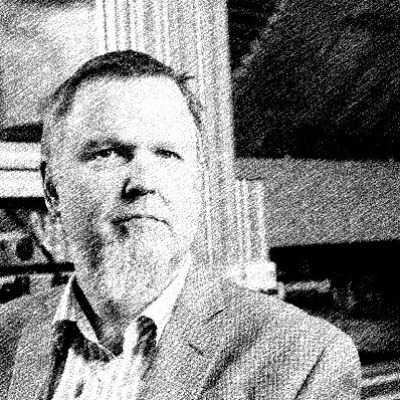
Ali Harlin completed two doctorates in chemical engineering and in polymer science in 1995 and 1996 respectively. He spent 11 years developing the Borstar technology related to bimodal PE and PP. He has also worked as a research director for packaging materials and cable machinery. He currently works as a research professor and lecturer at two local universities in Finland. In 2003, he joined Tampere University of Technology as a professor for fiber materials and technical textiles. In 2014, he also started lecturing at LUT University as a professor specializing in packaging and polymeric materials.Since 2005, the industrial biomaterial specialist has also been working at the Technical Research Centre of Finland VTT where he became the product R&D team leader for Infinited Fiber, a startup he co-founded in 2016 with CEO Petri Alava.
Co-founder, CEO of Meatable
Krijn De Nood is the Dutch co-founder and CEO at cell-based meat startup Meatable, the first to claim a highly scalable culture technology with the use of pluripotent stem cells, where he has worked since 2018. He previously worked at McKinsey for six-and-a-half years in Amsterdam, New York and in Kenya. Prior to that, he worked as an equity derivatives trader at derivative trading company All Options after a short stint at Barclays Capital.De Nood holds two first degrees from the University of Amsterdam, in philosophy and in economics and finance.
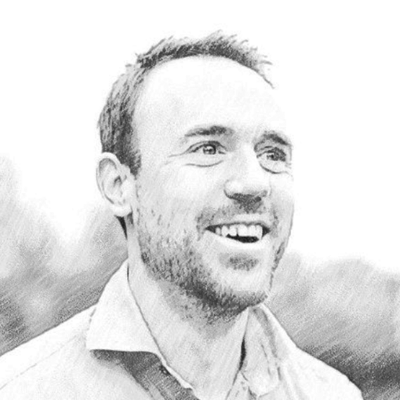
Krijn De Nood is the Dutch co-founder and CEO at cell-based meat startup Meatable, the first to claim a highly scalable culture technology with the use of pluripotent stem cells, where he has worked since 2018. He previously worked at McKinsey for six-and-a-half years in Amsterdam, New York and in Kenya. Prior to that, he worked as an equity derivatives trader at derivative trading company All Options after a short stint at Barclays Capital.De Nood holds two first degrees from the University of Amsterdam, in philosophy and in economics and finance.
Co-founder, CTO of Meatable
Daan Luining is the Dutch co-founder and CTO at cell-based meat startup Meatable, the first to claim a highly scalable culture technology, where he has worked since 2018. He is also a research director at the Cellular Agriculture Society in Leiden, a joint initiative for cell-based startups to share knowledge and to collaborate on projects to further scale the sector. Luining is also on the board of directors at the not-for-profit Cultured Meat Foundation that promotes sector innovation. His past posts have all been in the area of research, either as a researcher or a technician, and at the same time as completing studies. His last job was as a research strategist at New York-based New Harvest, a callular food rsearch funding body, where he worked for a year and met Dr. Kotter, the inventor of Meatable’s cellular technology. His research positions from 2009–15 were in the area of cell culture, mass spectrometry and DNA sequencing at the Maastricht University, University Medical Center Amsterdam, Utrecht University and Leiden University. Luining holds a master’s in biological sciences from Leiden University in the Netherlands.
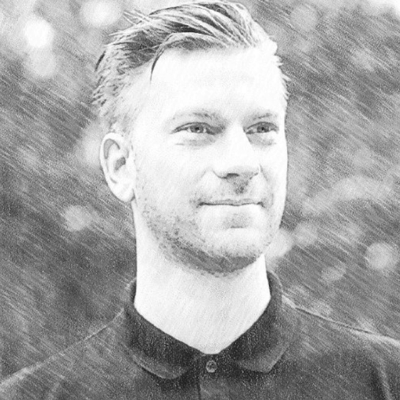
Daan Luining is the Dutch co-founder and CTO at cell-based meat startup Meatable, the first to claim a highly scalable culture technology, where he has worked since 2018. He is also a research director at the Cellular Agriculture Society in Leiden, a joint initiative for cell-based startups to share knowledge and to collaborate on projects to further scale the sector. Luining is also on the board of directors at the not-for-profit Cultured Meat Foundation that promotes sector innovation. His past posts have all been in the area of research, either as a researcher or a technician, and at the same time as completing studies. His last job was as a research strategist at New York-based New Harvest, a callular food rsearch funding body, where he worked for a year and met Dr. Kotter, the inventor of Meatable’s cellular technology. His research positions from 2009–15 were in the area of cell culture, mass spectrometry and DNA sequencing at the Maastricht University, University Medical Center Amsterdam, Utrecht University and Leiden University. Luining holds a master’s in biological sciences from Leiden University in the Netherlands.
Co-founder of Meatable
Mark Kotter is the Austrian co-founder at Dutch cell-based meat startup Meatable, the first to use pluripotent stem cells and claim a highly scalable culture technology, which was developed by Kotter prior to founding the startup in 2018. He is also founder at his biotech startup, bit.bio, which is based in Cambridge, UK, since 2016, where he applies his cellular technological innovation to human stem cell research and has raised investments totaling $42m. His main full-time position is at the University of Cambridge, where he has worked since 2009. He has spent more than five years as a clinician-scientist in stem cell research and was previously a lecturer in neurosurgery. Kotter also lectures at Paris Descartes University and is a team leader at the UK’s National Institute for Health Research’s Brain Injury MedTech Co-operative. He also founded Myelopathy.org to raise awareness of cervical myelopathy. His past positions were as a research group leader at the Max Planck Institute for Experimental Medicine for one year, and for two years spent at the Medical University of Vienna. Kotter holds two doctorates; one in philosophy from the University of Cambridge and the other in medicine from the University of Graz in Austria. Kotter also holds a master’s in philosophy from the University of Cambridge.
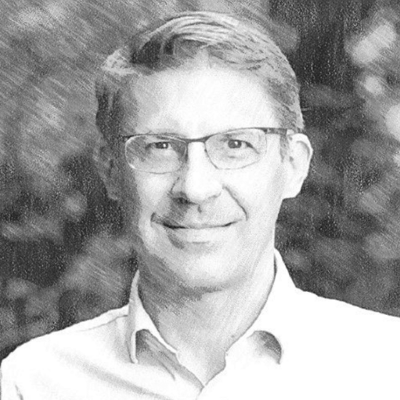
Mark Kotter is the Austrian co-founder at Dutch cell-based meat startup Meatable, the first to use pluripotent stem cells and claim a highly scalable culture technology, which was developed by Kotter prior to founding the startup in 2018. He is also founder at his biotech startup, bit.bio, which is based in Cambridge, UK, since 2016, where he applies his cellular technological innovation to human stem cell research and has raised investments totaling $42m. His main full-time position is at the University of Cambridge, where he has worked since 2009. He has spent more than five years as a clinician-scientist in stem cell research and was previously a lecturer in neurosurgery. Kotter also lectures at Paris Descartes University and is a team leader at the UK’s National Institute for Health Research’s Brain Injury MedTech Co-operative. He also founded Myelopathy.org to raise awareness of cervical myelopathy. His past positions were as a research group leader at the Max Planck Institute for Experimental Medicine for one year, and for two years spent at the Medical University of Vienna. Kotter holds two doctorates; one in philosophy from the University of Cambridge and the other in medicine from the University of Graz in Austria. Kotter also holds a master’s in philosophy from the University of Cambridge.
Founder of TreeFrog Therapeutics
Kévin Alessandri is CEO, CTO and co-founder of TreeFrog Therapeutics, whose proprietory C-Stem technology mass-produces high-quality pluripotent stem cells in a 3D environment. Prior to founding TreeFrog in 2018, Alessandri spent two years as a post-doctoral fellow at Bordeaux’s Institut d’Optique. During 2014 and 2015, he completed a post-doctorate at the University of Geneva, focused on developing 3D printed microfluidics systems to build 3D cell culture vessels for stem cell applications. From 2008 to 2013 he completed a PhD on cellular capsules technology and applications at the Institut Curie in Paris.
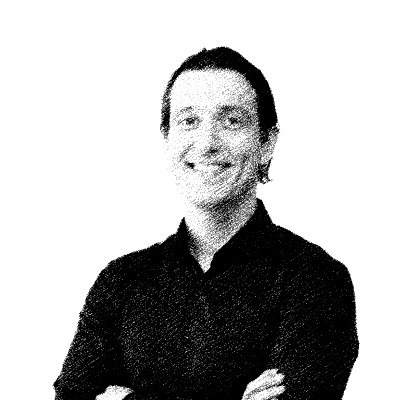
Kévin Alessandri is CEO, CTO and co-founder of TreeFrog Therapeutics, whose proprietory C-Stem technology mass-produces high-quality pluripotent stem cells in a 3D environment. Prior to founding TreeFrog in 2018, Alessandri spent two years as a post-doctoral fellow at Bordeaux’s Institut d’Optique. During 2014 and 2015, he completed a post-doctorate at the University of Geneva, focused on developing 3D printed microfluidics systems to build 3D cell culture vessels for stem cell applications. From 2008 to 2013 he completed a PhD on cellular capsules technology and applications at the Institut Curie in Paris.
Founder of TreeFrog Therapeutics
Maxime Feyeux is President, CSO and co-founder of TreeFrog Therapeutics whose proprietory C-Stem technology mass-produces high-quality pluripotent stem cells in a 3D environment. Prior to founding TreeFrog in 2018, Feyeux worked as a maturation engineer at Aquitaine Science Transfert and completed a post-doctoral degree at Bordeaux’s Institut des Maladies Neurodégénératives. He also has a post-doctoral degree from the University of Geneva and completed his PhD in neurobiology and neurosciences at the Université d’Evry-Val d’Essone.
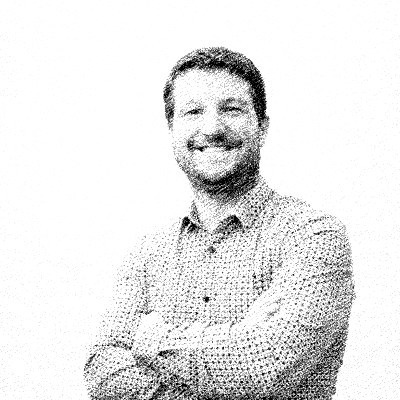
Maxime Feyeux is President, CSO and co-founder of TreeFrog Therapeutics whose proprietory C-Stem technology mass-produces high-quality pluripotent stem cells in a 3D environment. Prior to founding TreeFrog in 2018, Feyeux worked as a maturation engineer at Aquitaine Science Transfert and completed a post-doctoral degree at Bordeaux’s Institut des Maladies Neurodégénératives. He also has a post-doctoral degree from the University of Geneva and completed his PhD in neurobiology and neurosciences at the Université d’Evry-Val d’Essone.
Founder of TreeFrog Therapeutics
Jean-Luc Treillou is co-founder of TreeFrog Therapeutics, whose proprietory C-Stem technology mass-produces high-quality pluripotent stem cells in a 3D environment. Since January 2019, he has also acted as an advisor and member of the strategic committee of IT security company Eshard. Prior to co-founding TreeFrog, Treillou founded YSOPIA Bioscience in 2011, where he was CEO until he left in 2021, and Chairman of the Board from 2018. Between 2009 and 2013 he held the posts of General Manager and Chairman of the Board at French R&D company Nutrionix.
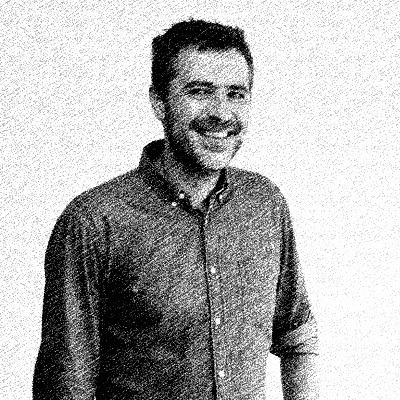
Jean-Luc Treillou is co-founder of TreeFrog Therapeutics, whose proprietory C-Stem technology mass-produces high-quality pluripotent stem cells in a 3D environment. Since January 2019, he has also acted as an advisor and member of the strategic committee of IT security company Eshard. Prior to co-founding TreeFrog, Treillou founded YSOPIA Bioscience in 2011, where he was CEO until he left in 2021, and Chairman of the Board from 2018. Between 2009 and 2013 he held the posts of General Manager and Chairman of the Board at French R&D company Nutrionix.
Chief Creative Officer and co-founder of Beyond Leather Materials / Leap
Hannah Michaud first started exploring ways to develop sustainable textiles in 2016 while completing her studies in sustainable fashion at Copenhagen’s KEA School of Design & Technology. She also studied fashion technology and design at the KEA academy from 2012 to 2015.Michaud worked as a fashion design intern at Danish company Barbara I Gongini in 2016 and also at Weekend CPH in 2014. After her graduation in 2017, she decided to continue her research work on sustainable fabrics as co-founder and chief creative officer of Danish alt-leather startup, Beyond Leather Materials ApS, in Copenhagen.Originally from Maine, US, Michaud also studied music as a classical flutist at the University of Maine, where she was first chair in its Symphony Orchestra, and Sustainable Agriculture in the university’s Natural Science and Forestry department.
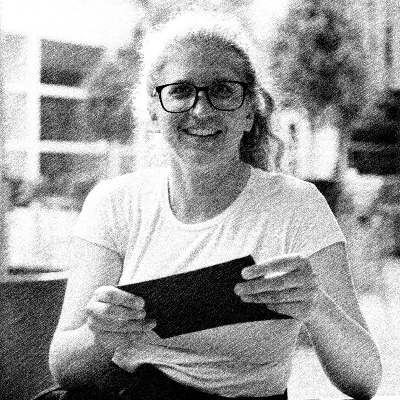
Hannah Michaud first started exploring ways to develop sustainable textiles in 2016 while completing her studies in sustainable fashion at Copenhagen’s KEA School of Design & Technology. She also studied fashion technology and design at the KEA academy from 2012 to 2015.Michaud worked as a fashion design intern at Danish company Barbara I Gongini in 2016 and also at Weekend CPH in 2014. After her graduation in 2017, she decided to continue her research work on sustainable fabrics as co-founder and chief creative officer of Danish alt-leather startup, Beyond Leather Materials ApS, in Copenhagen.Originally from Maine, US, Michaud also studied music as a classical flutist at the University of Maine, where she was first chair in its Symphony Orchestra, and Sustainable Agriculture in the university’s Natural Science and Forestry department.
co-founder of YITU Healthcare
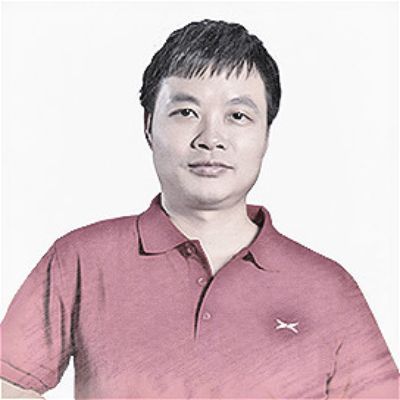
Lin Chenxi was the first director of technology at Alibaba Cloud, the cloud computing arm of the Alibaba Group. From 2008 to 2012, he led a team of more than 100 senior engineers to successfully set up Apsara, the largest, distributed cloud computing operating system with independent intellectual property rights in China. Before joining the Alibaba Group, Lin worked for Microsoft Research Asia in the fields of machine learning, computer vision, information retrieval and distributed systems. In 2012, he joined Leo Zhu as cofounder and chief technology officer of YITU Healthcare.
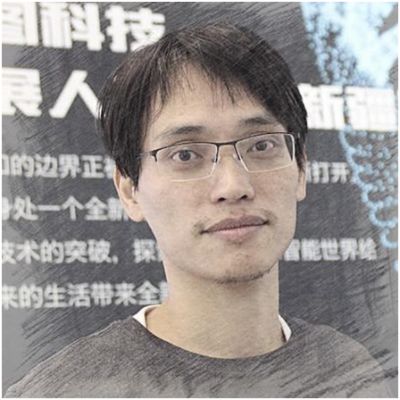
Lin Chenxi was the first director of technology at Alibaba Cloud, the cloud computing arm of the Alibaba Group. From 2008 to 2012, he led a team of more than 100 senior engineers to successfully set up Apsara, the largest, distributed cloud computing operating system with independent intellectual property rights in China. Before joining the Alibaba Group, Lin worked for Microsoft Research Asia in the fields of machine learning, computer vision, information retrieval and distributed systems. In 2012, he joined Leo Zhu as cofounder and chief technology officer of YITU Healthcare.
co-founder and CEO of YITU Healthcare
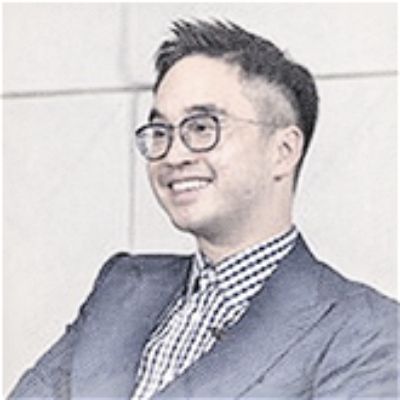
Leo Zhu received his PhD in Statistics from the University of California, Los Angeles, where he specialized in statistical modeling of computer vision and artificial intelligence (AI), He was a student of Professor Alan Yuille whose PhD in theoretical physics was supervised by Dr Stephen Hawking. Prior to co-founding and becoming the CEO of China’s leading AI technology startup YITU Healthcare, he was a postdoctoral fellow at Massachusetts Institute of Technology’s AI laboratory and a research fellow at the Courant Institute of Mathematical Sciences, New York University.
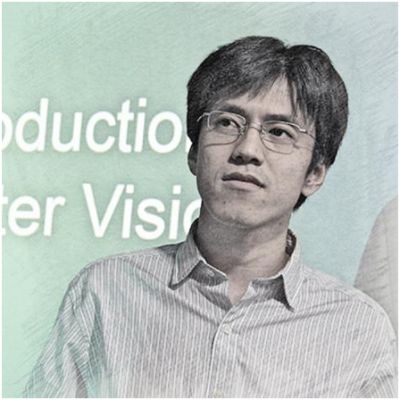
Leo Zhu received his PhD in Statistics from the University of California, Los Angeles, where he specialized in statistical modeling of computer vision and artificial intelligence (AI), He was a student of Professor Alan Yuille whose PhD in theoretical physics was supervised by Dr Stephen Hawking. Prior to co-founding and becoming the CEO of China’s leading AI technology startup YITU Healthcare, he was a postdoctoral fellow at Massachusetts Institute of Technology’s AI laboratory and a research fellow at the Courant Institute of Mathematical Sciences, New York University.
Co-founder of Squirrel AI
Squirrel AI co-founder Jeff Wang Feng started as an academic. He received his PhD in instructional technology from the University of Georgia in 2006. He then conducted postdoctoral research at the University of Pennsylvania from 2006–2007 and the University of Virginia from 2007–2008.Wang was Director of Distance Education at Mount Saint Mary College in New York state from 2008–2011. From 2011–2014, he was Director of John Jay Online, in the John Jay College of Criminal Justice, part of the City University of New York, In 2015, Wang returned to China and joined Squirrel AI as a co-founder. In 2016, he left Squirrel AI and founded his own adaptive learning startup, Learnta Inc, of which he is CEO.
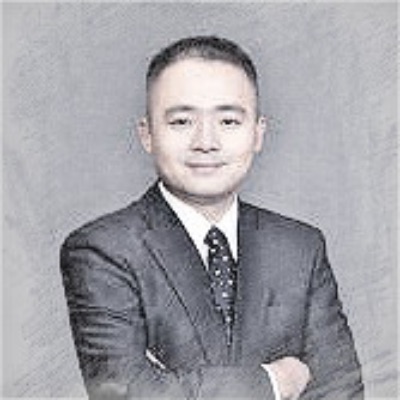
Squirrel AI co-founder Jeff Wang Feng started as an academic. He received his PhD in instructional technology from the University of Georgia in 2006. He then conducted postdoctoral research at the University of Pennsylvania from 2006–2007 and the University of Virginia from 2007–2008.Wang was Director of Distance Education at Mount Saint Mary College in New York state from 2008–2011. From 2011–2014, he was Director of John Jay Online, in the John Jay College of Criminal Justice, part of the City University of New York, In 2015, Wang returned to China and joined Squirrel AI as a co-founder. In 2016, he left Squirrel AI and founded his own adaptive learning startup, Learnta Inc, of which he is CEO.
CTO and Co-founder of Squirrel AI
CTO and co-founder of Squirrel AI, Fan Xing obtained his bachelor’s and master’s degrees in computer science from Northwestern Polytechnical University in Xi’an, China, between 1999 and 2006. After graduating, he worked at several Internet companies as a software engineer and architect. He was CTO and R&D Director of IMO Cloud Office from 2012–2015, a senior researcher and platform technology manager at ShanDa Interactive Entertainment from 2010–2012, a server manager at 51.com from 2008–2010 and a senior engineer at Tencent from 2006–2008. He joined Squirrel AI in 2015.
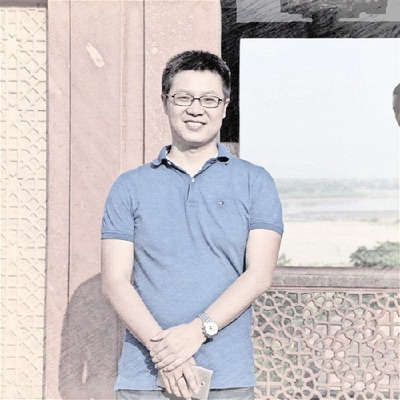
CTO and co-founder of Squirrel AI, Fan Xing obtained his bachelor’s and master’s degrees in computer science from Northwestern Polytechnical University in Xi’an, China, between 1999 and 2006. After graduating, he worked at several Internet companies as a software engineer and architect. He was CTO and R&D Director of IMO Cloud Office from 2012–2015, a senior researcher and platform technology manager at ShanDa Interactive Entertainment from 2010–2012, a server manager at 51.com from 2008–2010 and a senior engineer at Tencent from 2006–2008. He joined Squirrel AI in 2015.
Chief Strategist, CTO and co-founder of TurtleTree Labs
Max Rye graduated in computer science at the University of California, Davis, in 2001. Currently based in Berkeley, Rye has worked in the IT industry for over 15 years. He was the CEO of Royal IT from 2003 to 2018 in California. He was also a senior information technology specialist at Mahler Enterprises from 2011 to 2018.In 2019, he set up TurtleTree Labs in Singapore with Lin Fengru whom he had previously met at a Google conference. He became the CTO of TurtleTree Labs with Lin as CEO. In January 2020, he was appointed chief strategist based at the company’s office in San Francisco. In December 2020, he and Lin also co-founded TurtleTree Scientific in Singapore.
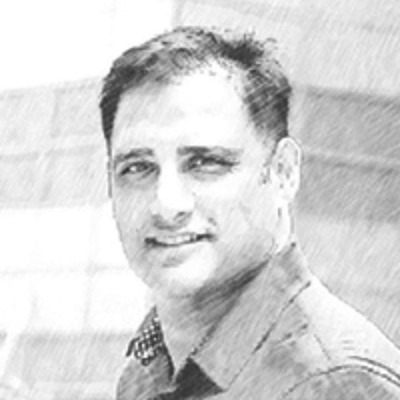
Max Rye graduated in computer science at the University of California, Davis, in 2001. Currently based in Berkeley, Rye has worked in the IT industry for over 15 years. He was the CEO of Royal IT from 2003 to 2018 in California. He was also a senior information technology specialist at Mahler Enterprises from 2011 to 2018.In 2019, he set up TurtleTree Labs in Singapore with Lin Fengru whom he had previously met at a Google conference. He became the CTO of TurtleTree Labs with Lin as CEO. In January 2020, he was appointed chief strategist based at the company’s office in San Francisco. In December 2020, he and Lin also co-founded TurtleTree Scientific in Singapore.
CEO and Co-founder of Plastic Bank
David Katz is the Canadian co-founder, president and CEO of Plastic Bank, a-first-of-a-kind social enterprise startup that monetizes plastic waste collection for some of the world’s poorest communities. Katz was inspired by a university seminar about recycling plastic waste in 2013 and founded Plastic Bank with CTO and brand strategist Shaun Frankson in Vancouver.In 2019, he became a fellow for the Unreasonable Group’s Impact Hub in Vancouver, an organization that supports social and environmental entrepreneurship. In 2011, he also founded Vancouver’s Core Values Institute, a consulting and global thought leadership platform for entrepreneurs.In 2014, he was also president of Vancouver’s chapter of the Entrepreneurs Organization for one year. He was named Global Citizen of the Year in 2014 by the international organization that has a network of over 10,000 business owners in 131 chapters across 40 countries. He also won the 2017 UN Lighthouse award for Planetary Health and Plastic Bank received the Paris COP21 Climate Conference Sustania Community Award in 2015.Katz completed a diploma in Hospitality Administration & Management at the British Columbia Institute of Technology in 1991 and started his own business in 1992 as founder and CEO of Nero Alarms. From 2005 to 2014, Katz worked full-time as the founder and president of Nero Global Tracking, a SaaS platform created to monitor the operations of mobile service vehicles. Nero SaaS is used in many Canadian cities and by the nation’s Defence Ministry. The company is now part of Vecima Networks Inc.
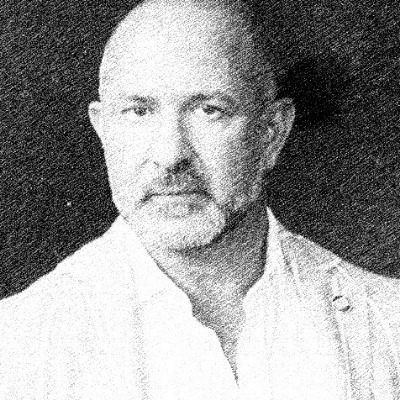
David Katz is the Canadian co-founder, president and CEO of Plastic Bank, a-first-of-a-kind social enterprise startup that monetizes plastic waste collection for some of the world’s poorest communities. Katz was inspired by a university seminar about recycling plastic waste in 2013 and founded Plastic Bank with CTO and brand strategist Shaun Frankson in Vancouver.In 2019, he became a fellow for the Unreasonable Group’s Impact Hub in Vancouver, an organization that supports social and environmental entrepreneurship. In 2011, he also founded Vancouver’s Core Values Institute, a consulting and global thought leadership platform for entrepreneurs.In 2014, he was also president of Vancouver’s chapter of the Entrepreneurs Organization for one year. He was named Global Citizen of the Year in 2014 by the international organization that has a network of over 10,000 business owners in 131 chapters across 40 countries. He also won the 2017 UN Lighthouse award for Planetary Health and Plastic Bank received the Paris COP21 Climate Conference Sustania Community Award in 2015.Katz completed a diploma in Hospitality Administration & Management at the British Columbia Institute of Technology in 1991 and started his own business in 1992 as founder and CEO of Nero Alarms. From 2005 to 2014, Katz worked full-time as the founder and president of Nero Global Tracking, a SaaS platform created to monitor the operations of mobile service vehicles. Nero SaaS is used in many Canadian cities and by the nation’s Defence Ministry. The company is now part of Vecima Networks Inc.
Partner of Zhenfund, Wang Qiang (b.1962) co-founded this TMT-focused seed fund with his longtime friend and partner Xu Xiaoping, in collaboration with Sequoia Capital China, in 2011. The angel investor also co-founded NYSE-listed New Oriental Education & Technology Group, where he was executive vice president in charge of teaching and training at Beijing New Oriental School, and Industry vice-president and group chairman. A leading specialist in English-language education in China, Wang has lectured at the English department of Peking University and served as senior consultant to the English channel of China National Radio. He majored in English language and literature at Peking University and holds a master's degree in computer science from the State University of New York. Wang is a lover and collector of antiquarian books.

Partner of Zhenfund, Wang Qiang (b.1962) co-founded this TMT-focused seed fund with his longtime friend and partner Xu Xiaoping, in collaboration with Sequoia Capital China, in 2011. The angel investor also co-founded NYSE-listed New Oriental Education & Technology Group, where he was executive vice president in charge of teaching and training at Beijing New Oriental School, and Industry vice-president and group chairman. A leading specialist in English-language education in China, Wang has lectured at the English department of Peking University and served as senior consultant to the English channel of China National Radio. He majored in English language and literature at Peking University and holds a master's degree in computer science from the State University of New York. Wang is a lover and collector of antiquarian books.
Sequoia China Seed Fund: Growing an era of deep-tech startups
Managing Partner Neil Shen wants to help deep-tech and enterprise tech startups get investments more easily, across quantum computing, semiconductors, synthetic biology and more

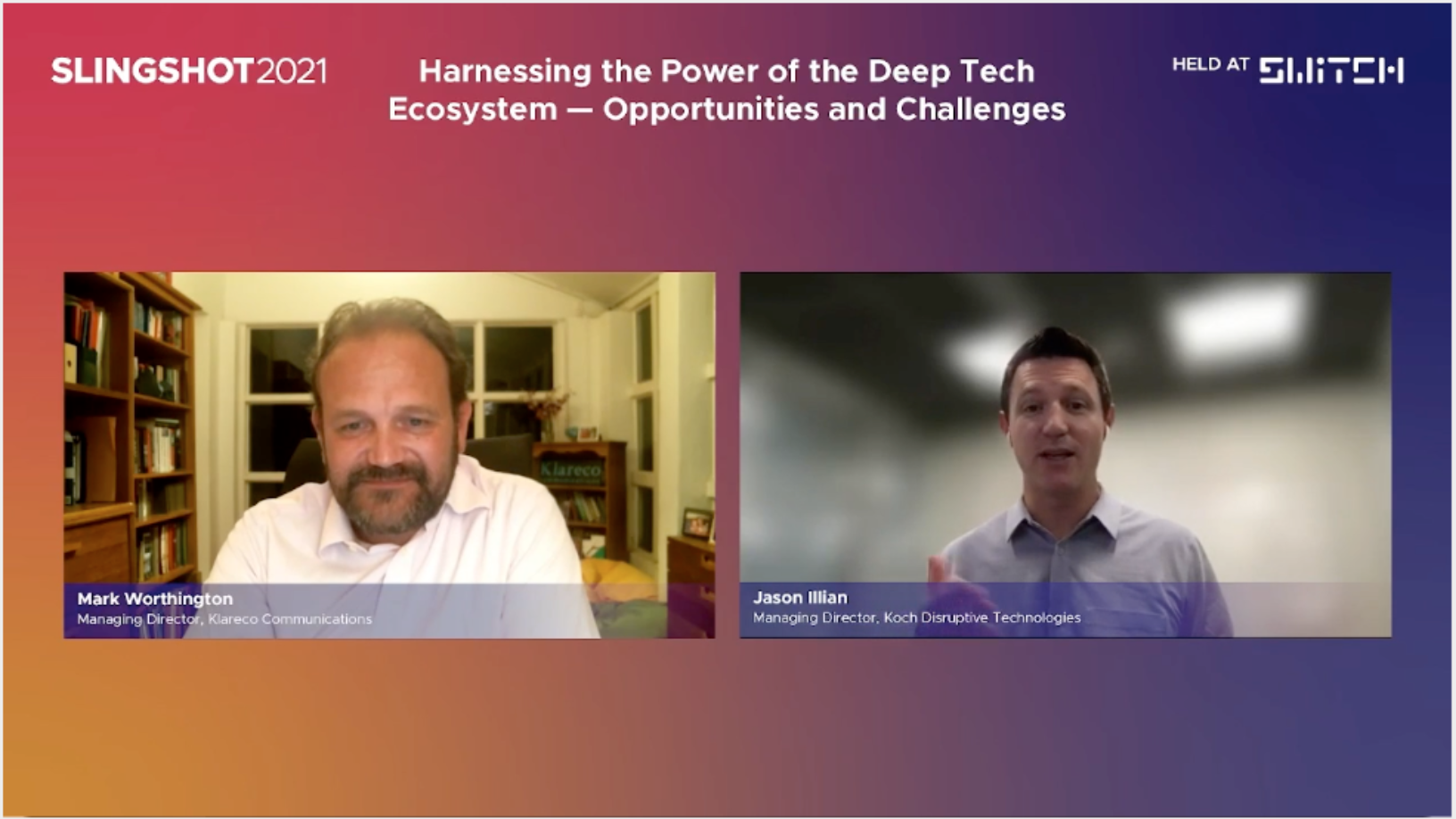
SWITCH Singapore 2021: How to harness the power of the deep tech ecosystem
Investor Jason Illian of Koch Disruptive Technologies talks talent, scaling for deep tech startups, and why longer gestation periods and mid-course pivots don’t have to be deal breakers
Spanish AI startups unleash the power of virtual assistants
More Spanish deep technology firms are shifting the paradigms in human-machine interactions, overhauling customer experience

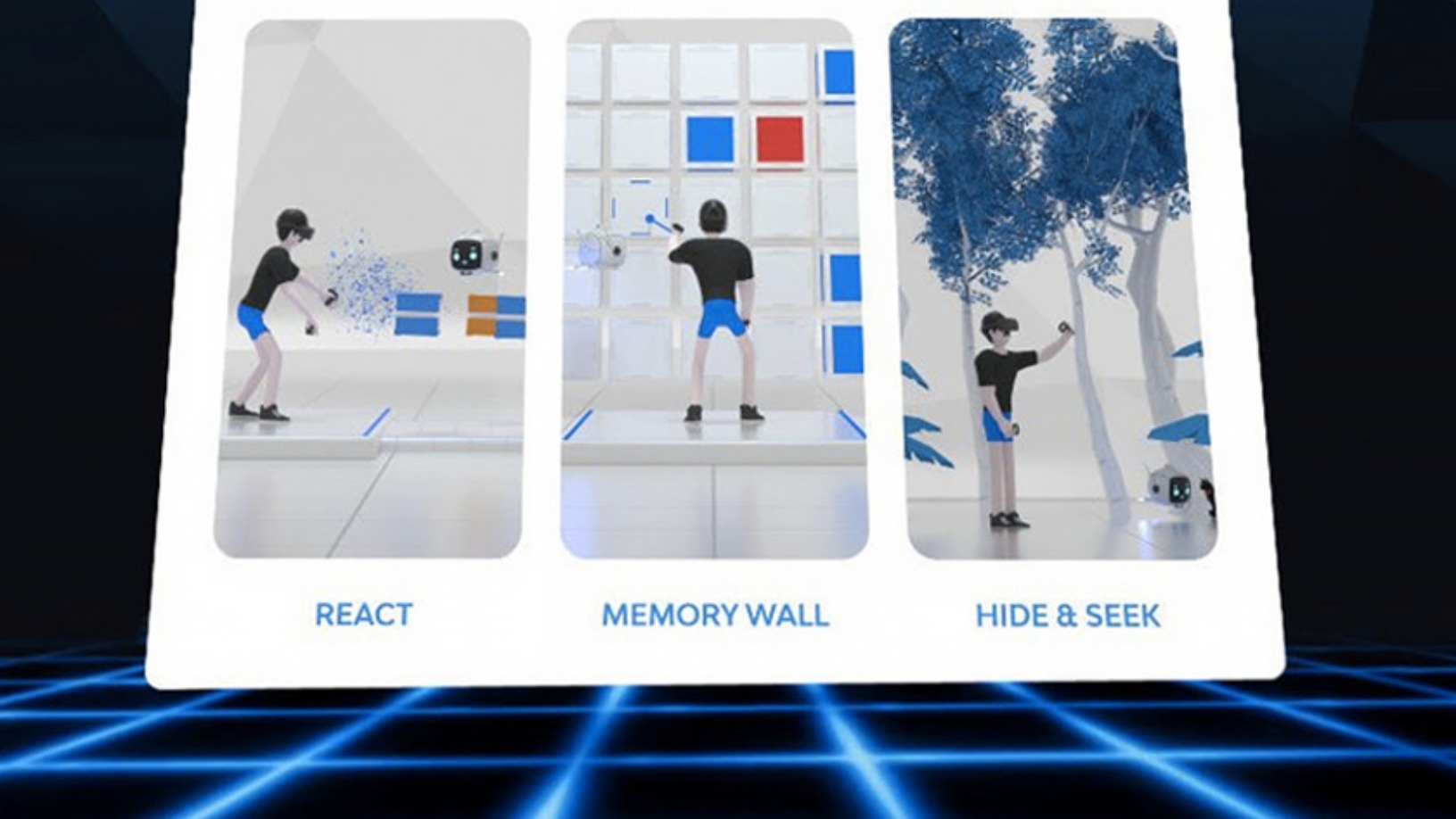
Virtuleap's VR games provide a mental workout, boosting brain health
Used by the AARP and Veteran's Health Administration in the US, Virtuleap’s games with AI-enabled assessment work to improve cognition and to counter degenerative diseases such as Alzheimer's
AlphaBeats: a 10-minute music playlist to de-stress your brain using biofeedback
With the exclusive rights to Philips’s neurofeedback technology, Alphabeats has developed an app to offer and enhance relaxation using a person’s favorite music

Haishen Tech: Scan image and find your product in one second
Haishen Tech's AI vending machines will revive unmanned retail economy and tap into growing on-demand consumerism worldwide

Healthy eating: The Southeast Asian startups making it a breeze
From meal plans to novel ingredients, agriculture and foodtech startups in the region are developing new ways to improve nutrition without sacrificing taste

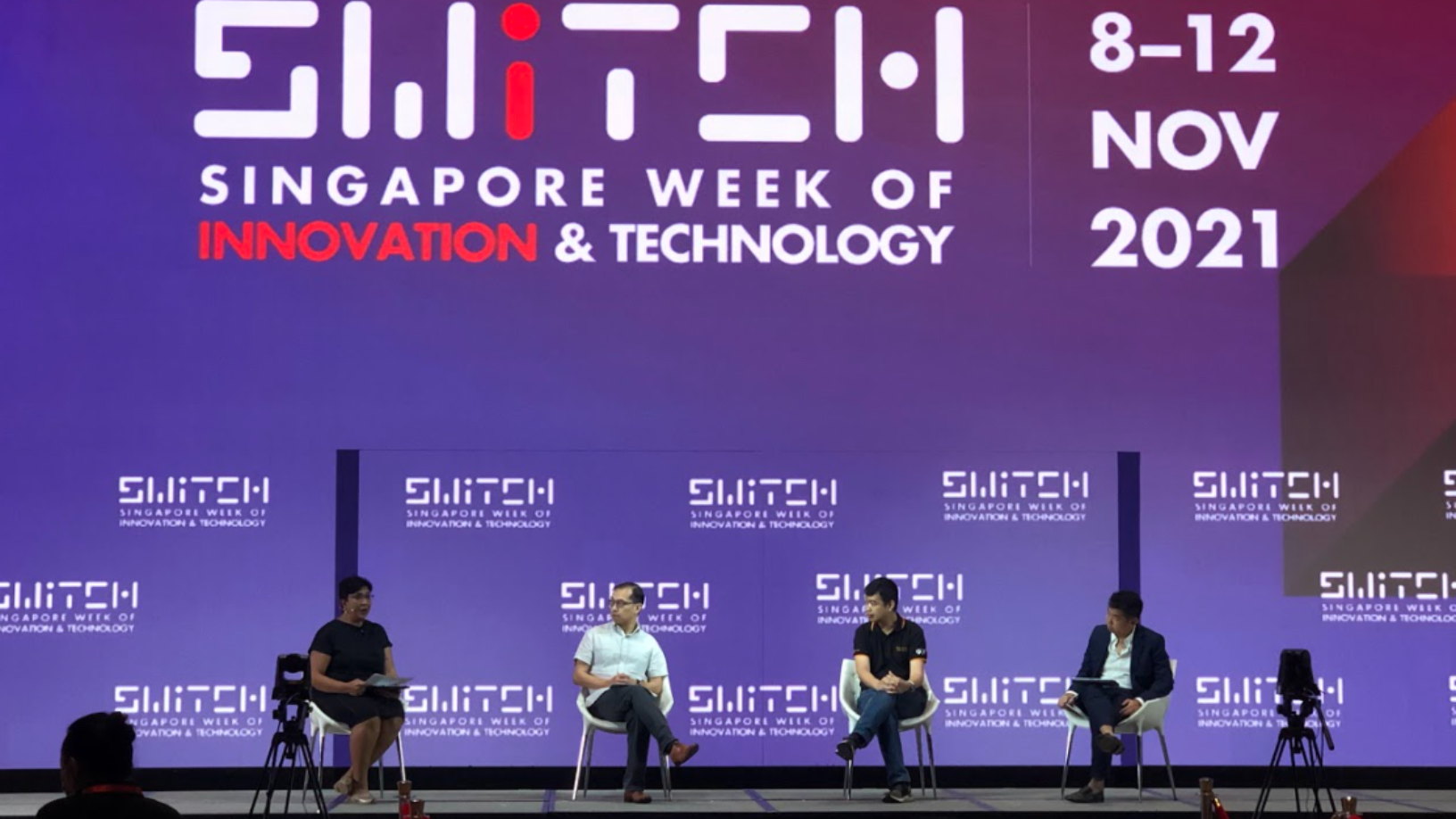
SWITCH Singapore 2021: How startups, corporates and government can co-create smart cities
The next generation of adaptive spaces will harness big data, deep tech and analytics to respond intelligently to both changing environments and human needs, says an expert panel
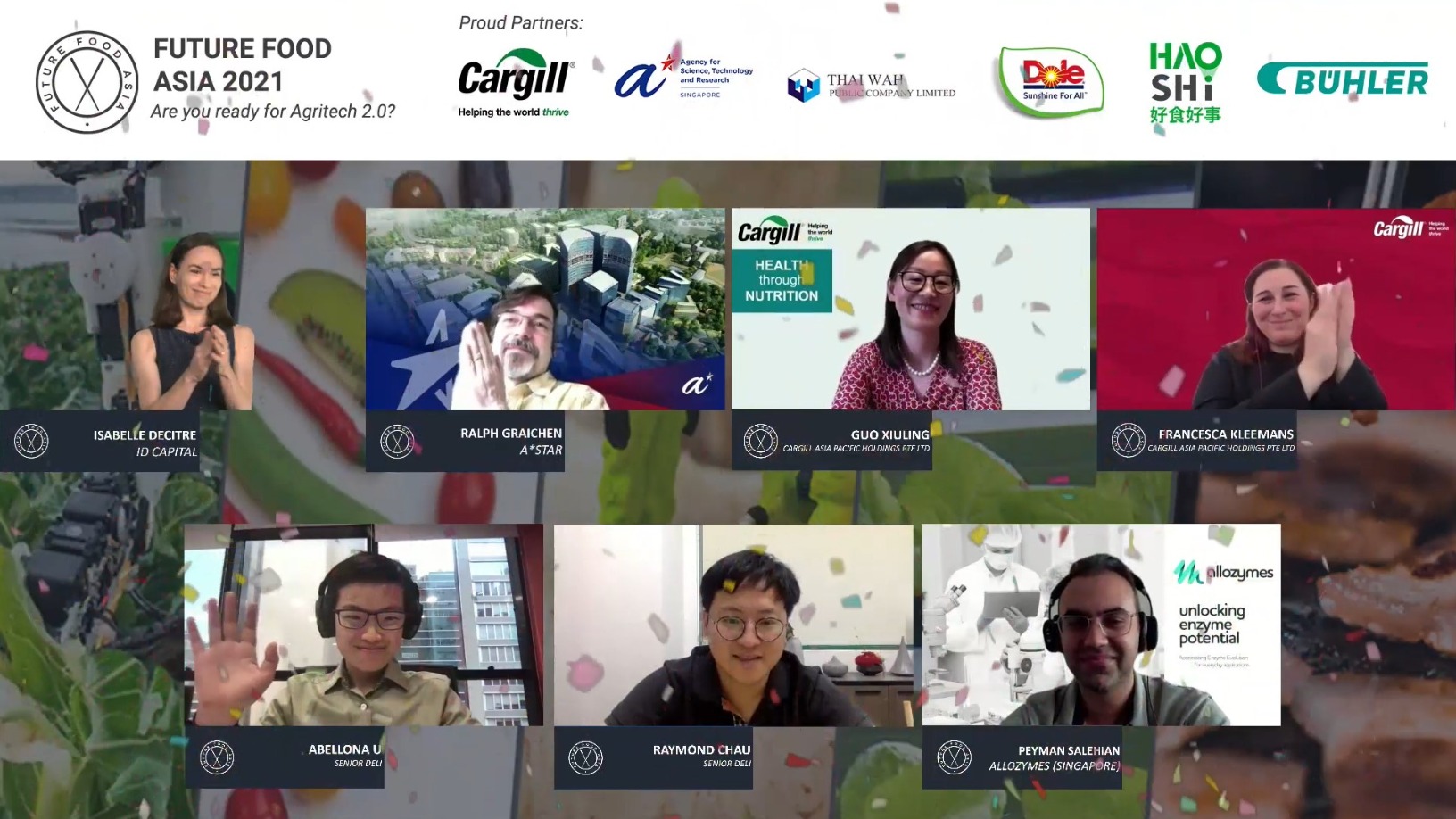
Future Food Asia 2021: Two winners take home $100,000 each
Agrifood startups, corporations and investors urged to collaborate and take action, tackling challenges in nutrition and climate change
This AI startup helps Tencent, Xiaomi chatbots “think” and “talk” like humans
Trio.AI makes communicating with machines easier and more effective – even fun

SWITCH Singapore 2021: Benefits and challenges of AI applications in healthcare
Medical experts and healthcare startups agree AI can contribute more to healthcare beyond improving diagnosis and personalized treatment, but hurdles still remain
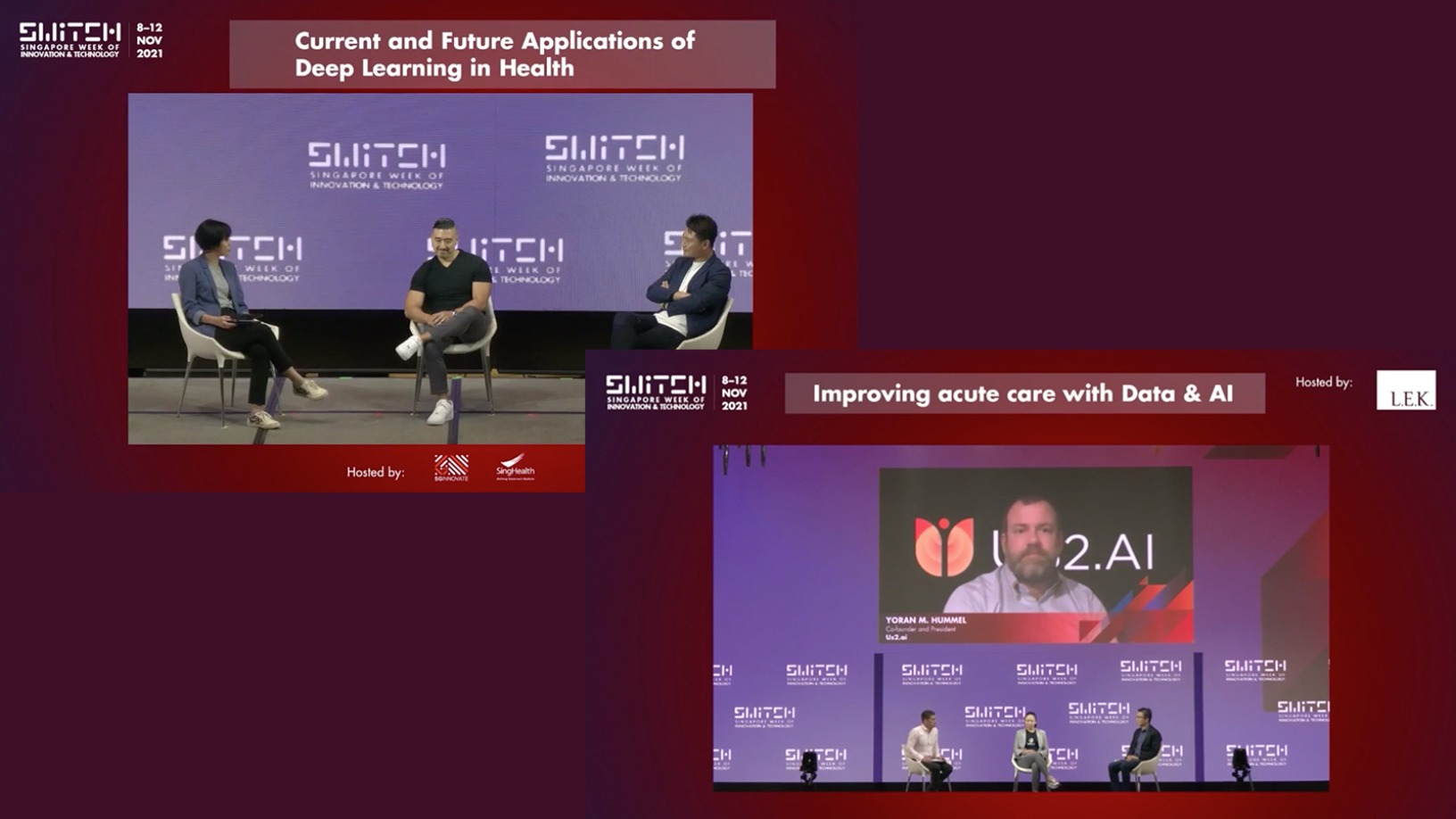
Carlos Guerrero: The legal guardian of tech startups
The lawyer and investor dives deep in the Spanish startup ecosystem, supporting young tech companies with both financial and specialized legal support

Future Food Asia by ID Capital: Introducing Asia's agrifood startups to the world
More than a meeting of startups and investors, the conference showcases ID Capital’s investment thesis and Big Ag’s support for agrifood tech in the world’s most populous region
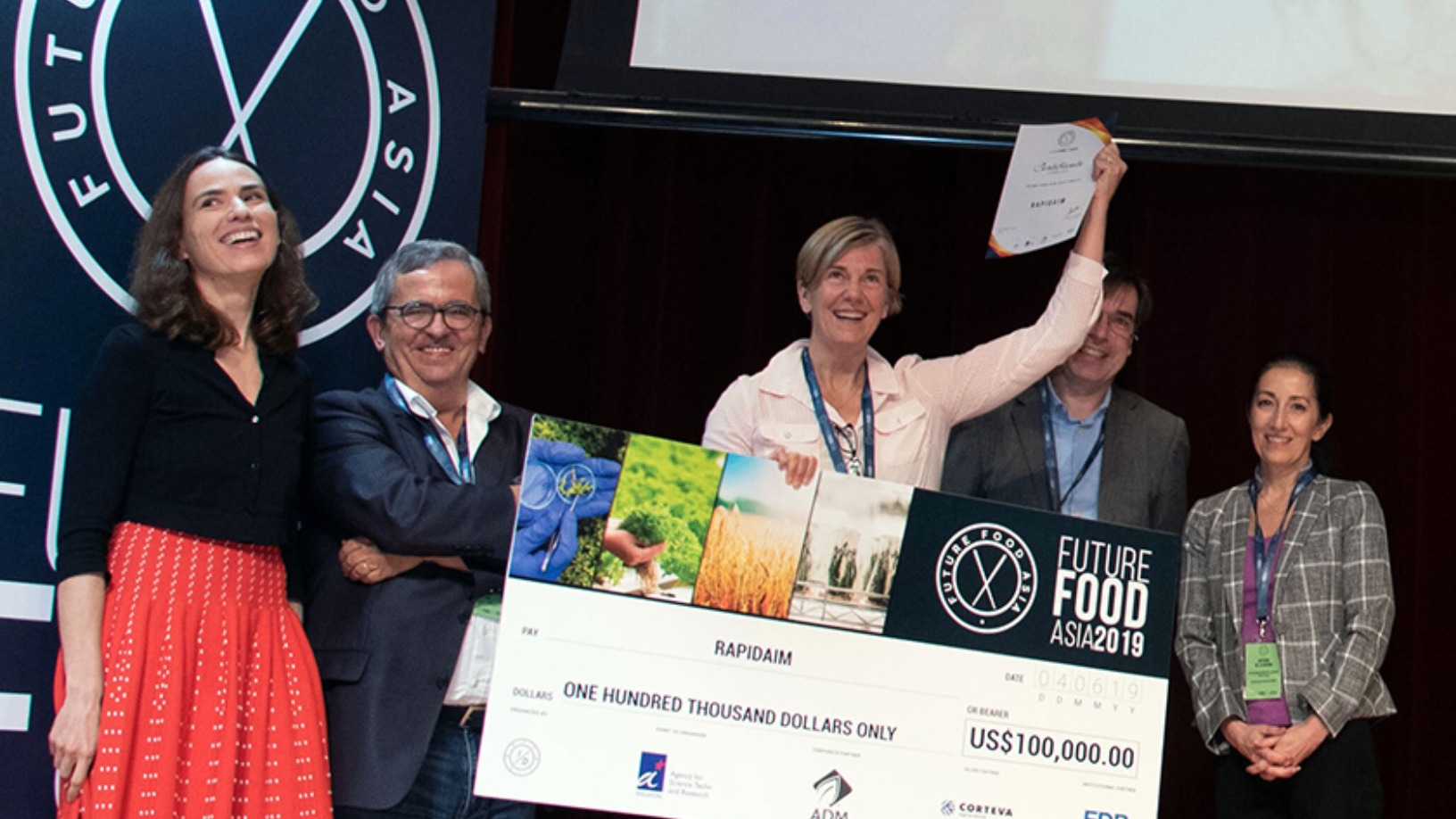
ID Capital CEO & founder Isabelle Decitre, an early mover investing in Asian agrifood startups
An early backer of Ynsect, one of the best-funded insect protein startups to date, Decitre sees growing interest in agrifood tech startups, but notes they still need to offer exit opportunities
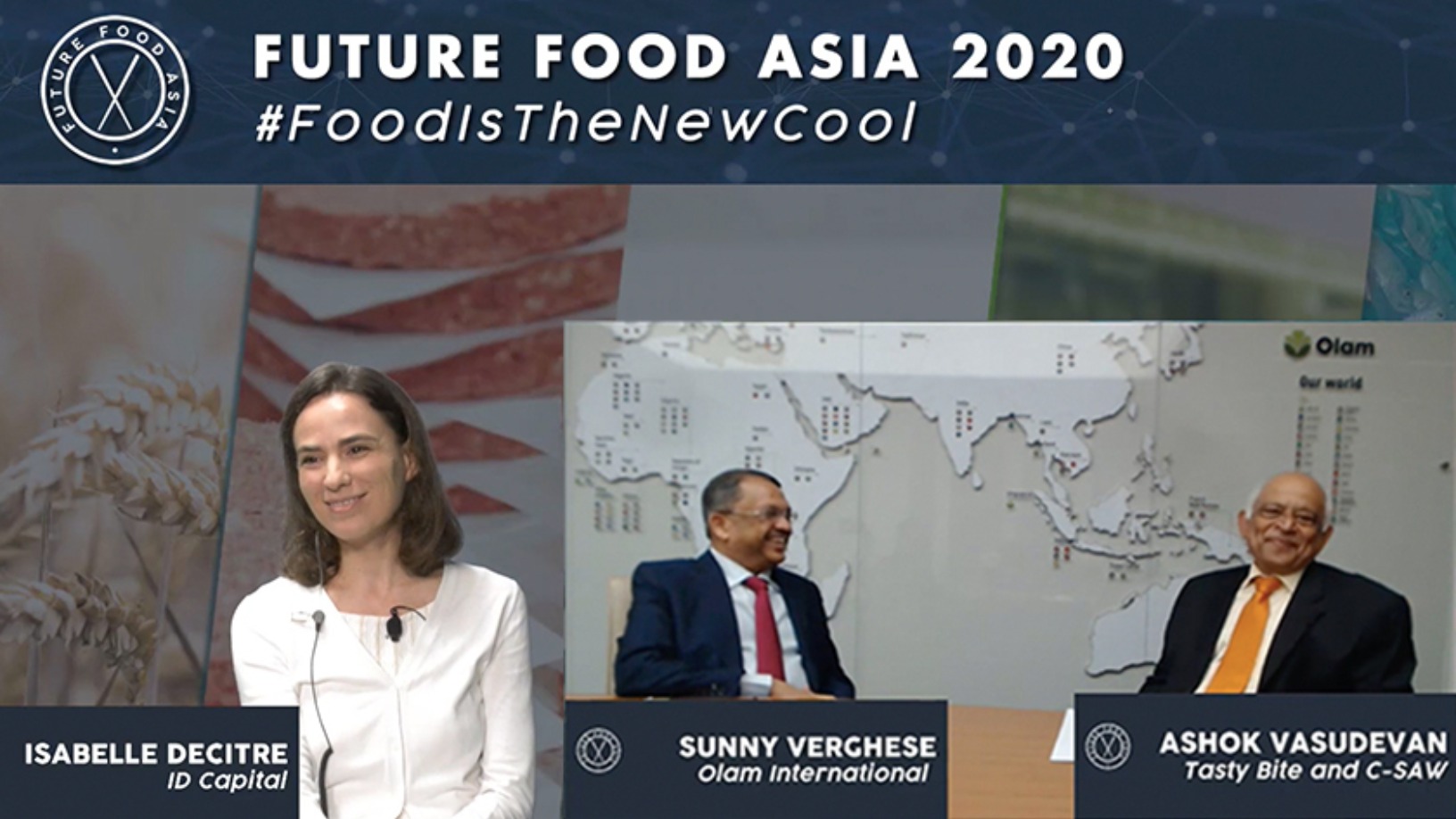
Allread MLT: SaaS that auto detects and turns text, codes and symbols into data
Helping quick digitalization of industries and supply chains, Allread MLT is disrupting traditional OCR with its computer vision technology and neural networks

Sorry, we couldn’t find any matches for “Deep tech”.
POPULAR DATABASE