DiPole Materials
-
DATABASE (75)
-
ARTICLES (112)
CEO of SigmaRail
Norberto González Díaz serves as the CEO of railway consultancy firm SigmaRail, which he co-founded in 2016. His professional life started in the US, where he worked on wind turbine generators in EDF's R&D department. In 2008, he joined CRISA, an Airbus company, as a power electronics design engineer. Between 2011 and 2015, González held various roles at Spanish industrial engineering company Grupo Cobra, spending time in Spain, the Ivory Coast and Cameroon. He holds a master's in Electrical and Thermal Engineering from the Polytechnic University of Madrid and another in Advanced Materials from Cranfield University in the UK.

Norberto González Díaz serves as the CEO of railway consultancy firm SigmaRail, which he co-founded in 2016. His professional life started in the US, where he worked on wind turbine generators in EDF's R&D department. In 2008, he joined CRISA, an Airbus company, as a power electronics design engineer. Between 2011 and 2015, González held various roles at Spanish industrial engineering company Grupo Cobra, spending time in Spain, the Ivory Coast and Cameroon. He holds a master's in Electrical and Thermal Engineering from the Polytechnic University of Madrid and another in Advanced Materials from Cranfield University in the UK.
Co-CEO and Co-founder of Notpla (formerly Skipping Rocks Lab)
Currently based in London, French national Pierre Yves Paslier completed a master’s in materials science and engineering from INSA in Lyon in 2010. In 2012, he went on to complete a master’s in industrial and product design at the Royal College of Art in London. He also studied innovation design engineering at Imperial College.After graduating in 2014, Paslier and university alumnus Rodrigo García González co-founded Skipping Rocks Lab that was pivoted as Notpla in 2019. Both are co-CEOs of the UK-based startup that develops compostable and edible packaging material made of seaweed and other plants.Before becoming an entrepreneur, Paslier worked as a packaging engineer for L’Oréal from 2010 to 2012. He has been invited to speak at TEDx conferences in Athens and Warwick to share his experience and innovative projects in packaging and product design. In 2020, he became an industrial advisory board member at Imperial College London Dyson School of Design Engineering. In 2019, he also became a fellow of the Royal Academy of Engineering Enterprise Hub.

Currently based in London, French national Pierre Yves Paslier completed a master’s in materials science and engineering from INSA in Lyon in 2010. In 2012, he went on to complete a master’s in industrial and product design at the Royal College of Art in London. He also studied innovation design engineering at Imperial College.After graduating in 2014, Paslier and university alumnus Rodrigo García González co-founded Skipping Rocks Lab that was pivoted as Notpla in 2019. Both are co-CEOs of the UK-based startup that develops compostable and edible packaging material made of seaweed and other plants.Before becoming an entrepreneur, Paslier worked as a packaging engineer for L’Oréal from 2010 to 2012. He has been invited to speak at TEDx conferences in Athens and Warwick to share his experience and innovative projects in packaging and product design. In 2020, he became an industrial advisory board member at Imperial College London Dyson School of Design Engineering. In 2019, he also became a fellow of the Royal Academy of Engineering Enterprise Hub.
CEO and founder of Petit Pli
Ryan Mario Yasin is an engineer, designer and sustainable fashion entrepreneur based in London. Originally from Reykjavik, Iceland, Yasin graduated in aeronautical engineering at Imperial College London and has a master’s in global innovation design from the Royal College of Art. As a 23-year-old design student, Yasin founded materials technology startup Petit Pli, and developed the design for the company’s first product, a pleated garment that could expand up to seven sizes to last children through their first few years of life. Petit Pli now makes expandable pleated clothes for children and adults, using a fabric derived from recycled plastic and a structure inspired by origami, architecture and space satellites. Petit Pli products have won a number of prestigious awards, such as the UK James Dyson Award, Time Magazine’s best invention of 2020 and the Red Dot Product Design Award.Yasin has a strong interest in photography and in the interplay between art and engineering. In 2020, Yasin was included by Forbes in its 30 Under 30 list for Europe.

Ryan Mario Yasin is an engineer, designer and sustainable fashion entrepreneur based in London. Originally from Reykjavik, Iceland, Yasin graduated in aeronautical engineering at Imperial College London and has a master’s in global innovation design from the Royal College of Art. As a 23-year-old design student, Yasin founded materials technology startup Petit Pli, and developed the design for the company’s first product, a pleated garment that could expand up to seven sizes to last children through their first few years of life. Petit Pli now makes expandable pleated clothes for children and adults, using a fabric derived from recycled plastic and a structure inspired by origami, architecture and space satellites. Petit Pli products have won a number of prestigious awards, such as the UK James Dyson Award, Time Magazine’s best invention of 2020 and the Red Dot Product Design Award.Yasin has a strong interest in photography and in the interplay between art and engineering. In 2020, Yasin was included by Forbes in its 30 Under 30 list for Europe.
Co-founder of Vence
Industrial business entrepreneur Jasper Holdsworth comes from a multi-generational family of cattle ranchers. In 2013, he became a director of his family’s 100-year-old Paringahau Farm Company in New Zealand. He also co-founded a virtual fencing startup for livestock management, Vence Corp, with US-based investment banker Frank Wooten in 2016.After graduating in forestry engineering in 1995, Holdsworth obtained a master’s in engineering management at his alma mater University of Canterbury. In 1998, he completed a master’s in applied finance at Macquarie University and started his banking career at WestLB and Deutsche Bank in Sydney.He completed an entrepreneurship development program run by MIT’s Sloan School of Management in 2010. He has also undertaken an advanced management program run by Harvard Business School in 2012.Since 2004, he has been working as the CEO of New Zealand-based Pultron Composites Ltd, an industrial technology company focused on the development and manufacture of glass fiber-reinforced polymers.In 2019, he became the chairman and co-founder of Mateenbar Ltd to produce composite reinforcement for infrastructure building materials in New Zealand, North Carolina and Saudi Arabia.

Industrial business entrepreneur Jasper Holdsworth comes from a multi-generational family of cattle ranchers. In 2013, he became a director of his family’s 100-year-old Paringahau Farm Company in New Zealand. He also co-founded a virtual fencing startup for livestock management, Vence Corp, with US-based investment banker Frank Wooten in 2016.After graduating in forestry engineering in 1995, Holdsworth obtained a master’s in engineering management at his alma mater University of Canterbury. In 1998, he completed a master’s in applied finance at Macquarie University and started his banking career at WestLB and Deutsche Bank in Sydney.He completed an entrepreneurship development program run by MIT’s Sloan School of Management in 2010. He has also undertaken an advanced management program run by Harvard Business School in 2012.Since 2004, he has been working as the CEO of New Zealand-based Pultron Composites Ltd, an industrial technology company focused on the development and manufacture of glass fiber-reinforced polymers.In 2019, he became the chairman and co-founder of Mateenbar Ltd to produce composite reinforcement for infrastructure building materials in New Zealand, North Carolina and Saudi Arabia.
Fortum Oyj is a Finnish state-owned energy company operating power plants and co-generation plants across the nation. Listed on the NASDAQ OMX Helsinki stock exchange, Fortum is reputed to be Finland’s biggest company in terms of revenue generated in 2020.It is also Europe's third-largest producer of carbon-free electricity and the second-largest producer of nuclear power. Ranked as the fifth largest heat producer globally, Fortum supplies electricity and heating directly to consumers in Finland, Germany, Central Europe, the UK and the Nordic countries.Fortum invested in Finnish cleantech Infinited Fiber, taking up a 4% stake in 2019, to complement the energy company’s biorefining value chain and to improve resource efficiency. The cleantech investee aims to license its biodegradable fiber technology to help industry partners to manufacture innovative materials from textile and industrial waste.


Fortum Oyj is a Finnish state-owned energy company operating power plants and co-generation plants across the nation. Listed on the NASDAQ OMX Helsinki stock exchange, Fortum is reputed to be Finland’s biggest company in terms of revenue generated in 2020.It is also Europe's third-largest producer of carbon-free electricity and the second-largest producer of nuclear power. Ranked as the fifth largest heat producer globally, Fortum supplies electricity and heating directly to consumers in Finland, Germany, Central Europe, the UK and the Nordic countries.Fortum invested in Finnish cleantech Infinited Fiber, taking up a 4% stake in 2019, to complement the energy company’s biorefining value chain and to improve resource efficiency. The cleantech investee aims to license its biodegradable fiber technology to help industry partners to manufacture innovative materials from textile and industrial waste.
Founded in Amsterdam in 2011, Rockstart is a global accelerator-VC focusing on sustainability startups across market segments. Rockstart also runs specialist programs like agrifood in Copenhagen, healthcare in the Dutch town of Nijmegen and also in emerging tech in Bogota, Colombia. It specializes in developing business relationships for portfolio startups with global corporates such as Maersk, Shell and the Dutch Ministry of Health. Rockstart has invested in more than 250 startups, valued at €750m in total.Launched in 2019, Rockstart’s €22m agrifood fund secured investment partners including Vaekstfonden’s Green Future Fund and global dairy cooperative Arla Foods. It has invested in 20 food enterprises like Swiss zero-waste supermarket Lyfa and Danish alt-leather startup Beyond Leather Materials in 2021. Rockstart’s energy fund recently invested in the €730,000 pre-seed round of Danish carbon sequestration corporate marketplace, Klimate, in September 2021. Exits include Wercker, iClinic, Brincr and 3D Hubs.
Founded in Amsterdam in 2011, Rockstart is a global accelerator-VC focusing on sustainability startups across market segments. Rockstart also runs specialist programs like agrifood in Copenhagen, healthcare in the Dutch town of Nijmegen and also in emerging tech in Bogota, Colombia. It specializes in developing business relationships for portfolio startups with global corporates such as Maersk, Shell and the Dutch Ministry of Health. Rockstart has invested in more than 250 startups, valued at €750m in total.Launched in 2019, Rockstart’s €22m agrifood fund secured investment partners including Vaekstfonden’s Green Future Fund and global dairy cooperative Arla Foods. It has invested in 20 food enterprises like Swiss zero-waste supermarket Lyfa and Danish alt-leather startup Beyond Leather Materials in 2021. Rockstart’s energy fund recently invested in the €730,000 pre-seed round of Danish carbon sequestration corporate marketplace, Klimate, in September 2021. Exits include Wercker, iClinic, Brincr and 3D Hubs.
CEO and founder of SOURCE Global (formerly Zero Mass Water)
Cody Frieson is the US founder and CEO of SOURCE Global (formerly Zero Mass Water), the first off-grid drinking water production tech based on solar-powered panels. The Arizona State University Fulton Engineering School professor of innovation invented the Hydropanel, the key to SOURCE’s technology, and continues to teach part-time at the university. He is also a fellow at both the NGO Aspen Institute, which is committed to realizing a free, just and equitable society, and also at Unreasonable – an entity composed of entrepreneurs, institutions and investors dedicated to “discover profit in solving global problems.”Frieson was also previously founder, president and CTO of rechargeable zinc battery startup Fluidic Energy, another of his inventions, where he worked from 2007 to 2013, when it was acquired and became NantEnergy. In 2019, Freison won the Lemelson-MIT Student Prize for innovations to benefit the world – the US’ most prestigious student innovation award with a $500,000 prize. Frieson holds a PhD in Materials Science and Engineering from The Massachusetts Institute of Technology (MIT).

Cody Frieson is the US founder and CEO of SOURCE Global (formerly Zero Mass Water), the first off-grid drinking water production tech based on solar-powered panels. The Arizona State University Fulton Engineering School professor of innovation invented the Hydropanel, the key to SOURCE’s technology, and continues to teach part-time at the university. He is also a fellow at both the NGO Aspen Institute, which is committed to realizing a free, just and equitable society, and also at Unreasonable – an entity composed of entrepreneurs, institutions and investors dedicated to “discover profit in solving global problems.”Frieson was also previously founder, president and CTO of rechargeable zinc battery startup Fluidic Energy, another of his inventions, where he worked from 2007 to 2013, when it was acquired and became NantEnergy. In 2019, Freison won the Lemelson-MIT Student Prize for innovations to benefit the world – the US’ most prestigious student innovation award with a $500,000 prize. Frieson holds a PhD in Materials Science and Engineering from The Massachusetts Institute of Technology (MIT).
Co-founder, CCO of Cocuus
Patxi Larumbe is the Spanish CCO and co-founder at 3D printing food tech and cell-based meat startup Cocuus, where he has worked since he co-founded it in 2017. Before Cocuus, Larumbe founded and directed eight other companies, the majority, like Cocuus, also based in Pamplona, Navarre. During his extensive entrepreneurial career, Larumbe had experience with design and manufacturing in 3D processes, which he used to innovate in Cocuus. Before Cocuus, he was a director at his building materials distribution company, On Clima, for two years, which was preceded by a two-year stint heading up Tohama, an IoT tech developer for Somfy products. Prior to that, he was commercial director for 20 years at building services company Terradisa and also founded its Catalonia offices.From 2000–2013, Larumbe was the founder and board member at Acustica Arquitectonica, an acoustic architectural design company and from 1995–2005, he had the same responsibilities at his hospitality company, Ostatu Zaharra. Other companies he founded were were Render (1990–96), Netcorp Factory (1996–2000) and No Solo Futbol ("Not Just Soccer") (2000–2004). Larumbe studied electronics at first degree level in Pamplona.

Patxi Larumbe is the Spanish CCO and co-founder at 3D printing food tech and cell-based meat startup Cocuus, where he has worked since he co-founded it in 2017. Before Cocuus, Larumbe founded and directed eight other companies, the majority, like Cocuus, also based in Pamplona, Navarre. During his extensive entrepreneurial career, Larumbe had experience with design and manufacturing in 3D processes, which he used to innovate in Cocuus. Before Cocuus, he was a director at his building materials distribution company, On Clima, for two years, which was preceded by a two-year stint heading up Tohama, an IoT tech developer for Somfy products. Prior to that, he was commercial director for 20 years at building services company Terradisa and also founded its Catalonia offices.From 2000–2013, Larumbe was the founder and board member at Acustica Arquitectonica, an acoustic architectural design company and from 1995–2005, he had the same responsibilities at his hospitality company, Ostatu Zaharra. Other companies he founded were were Render (1990–96), Netcorp Factory (1996–2000) and No Solo Futbol ("Not Just Soccer") (2000–2004). Larumbe studied electronics at first degree level in Pamplona.
Beyond Investing is a Geneva-based firm investing in early-stage venture capital and equity growth startups mainly in European developed markets. With average investments of €200,000, the firm’s core investment strategy focuses on sustainability with an investment period lasting 5–10 years.The impact investor targets innovative startups involved in vegan, cruelty-free and plant-based alternatives; biotechnologies, foodtech, new materials, clothing and lifestyle sectors. Successful portfolio foodtechs include Mosa Meat, BlueNalu and Shiok Meats.With a team of vegan finance professionals in the US and Europe, Beyond Investing listed the first US Vegan Climate ETF (VEGN) on the New York Stock Exchange in September 2019. The ETF tracks Beyond Investing’s US Vegan Climate Index which covers an index of 495 of the largest-capitalization companies in the US stock market. The ethical investment option aims to exclude stocks in companies with activities that are not aligned with its vegan-themed, cruelty-free and fossil-fuel-free investing ethos.

Beyond Investing is a Geneva-based firm investing in early-stage venture capital and equity growth startups mainly in European developed markets. With average investments of €200,000, the firm’s core investment strategy focuses on sustainability with an investment period lasting 5–10 years.The impact investor targets innovative startups involved in vegan, cruelty-free and plant-based alternatives; biotechnologies, foodtech, new materials, clothing and lifestyle sectors. Successful portfolio foodtechs include Mosa Meat, BlueNalu and Shiok Meats.With a team of vegan finance professionals in the US and Europe, Beyond Investing listed the first US Vegan Climate ETF (VEGN) on the New York Stock Exchange in September 2019. The ETF tracks Beyond Investing’s US Vegan Climate Index which covers an index of 495 of the largest-capitalization companies in the US stock market. The ethical investment option aims to exclude stocks in companies with activities that are not aligned with its vegan-themed, cruelty-free and fossil-fuel-free investing ethos.
Aimed at users in smaller Chinese cities, this startup relieves parental concerns about child safety in kindergarten and helps classrooms go digital.

Aimed at users in smaller Chinese cities, this startup relieves parental concerns about child safety in kindergarten and helps classrooms go digital.
Besides helping shoemakers cut product development costs by 80%, 4D ShoeTech is now expanding its 3D modeling services to make prototypes for luggage manufacturers.

Besides helping shoemakers cut product development costs by 80%, 4D ShoeTech is now expanding its 3D modeling services to make prototypes for luggage manufacturers.
Tapping a wide industry network, agroSingularity reduces food waste by turning discarded vegetables into powder form for longer shelf-life used in food and nutraceutical applications.

Tapping a wide industry network, agroSingularity reduces food waste by turning discarded vegetables into powder form for longer shelf-life used in food and nutraceutical applications.
Biotech Bluepha has secured close to $100m Series B funding to boost bioplastics production and R&D to develop greener solutions for industrial manufacturers.

Biotech Bluepha has secured close to $100m Series B funding to boost bioplastics production and R&D to develop greener solutions for industrial manufacturers.
Aiming to entice more Chinese manufacturers to Africa, Clever Home plans to improve the O2O retail and supply chain infrastructure in key African markets.

Aiming to entice more Chinese manufacturers to Africa, Clever Home plans to improve the O2O retail and supply chain infrastructure in key African markets.
The first in Asia and third in the world to create alternative protein from methane, offering a cost-effective, circular economy solution, producing high-protein animal feed.

The first in Asia and third in the world to create alternative protein from methane, offering a cost-effective, circular economy solution, producing high-protein animal feed.
Early Charm Ventures: Taking research from the labs to the real world
Instead of investing money, the venture studio gets hands-on, co-running companies with top scientists and their cutting-edge research
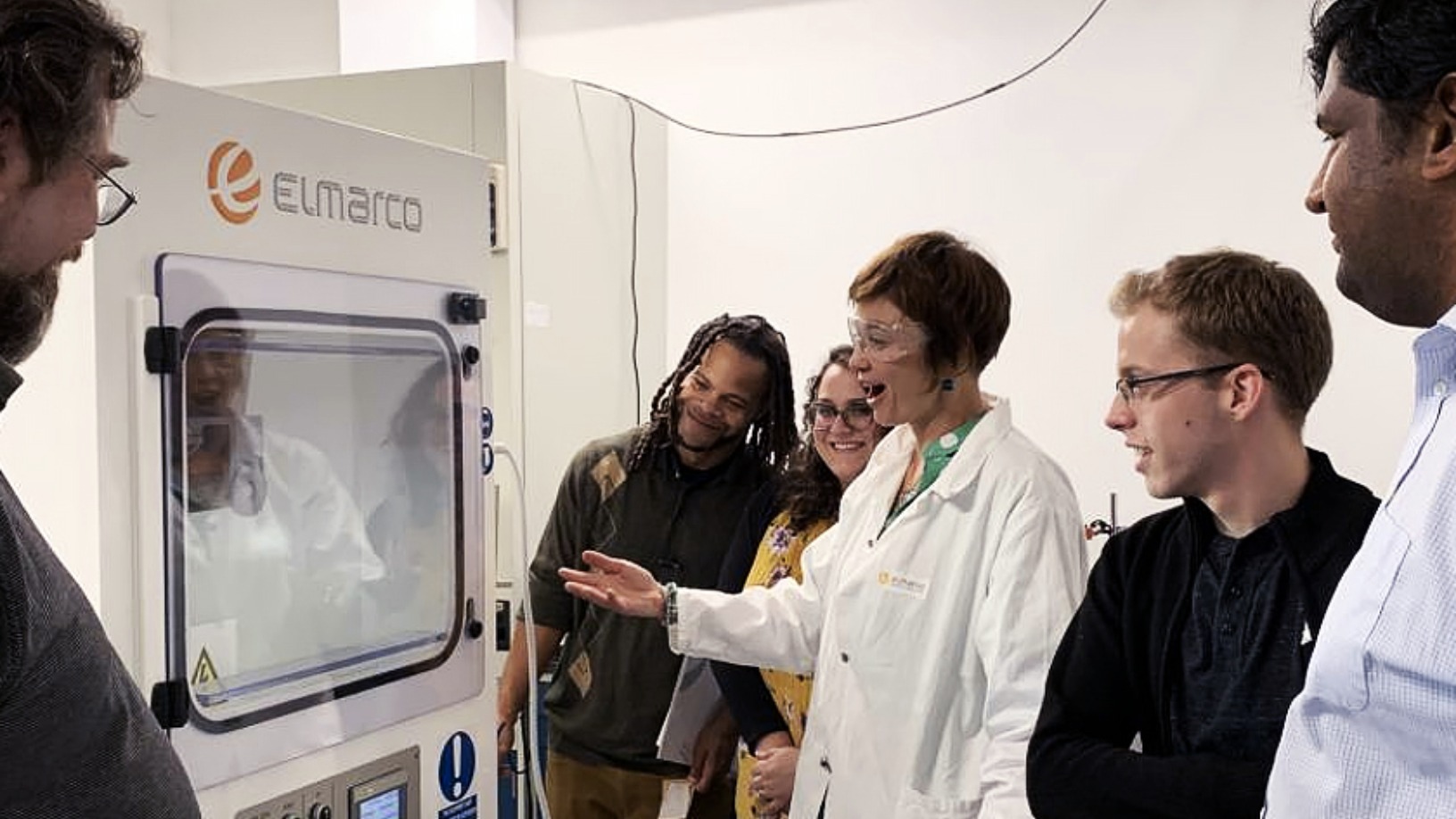
Dipole Tech: Using blockchain to democratize access to renewable energy in Asia
Having established key markets in the Philippines and Thailand, China’s Dipole Tech is next gaining ground at home for its energy trading app

NANOxARCH: Pioneering awareness and use of sustainable materials in China
Founder Lei Yuxi reckons Covid-19 could usher China into a new era of sustainability, as her startup seeks to make sustainable materials more affordable
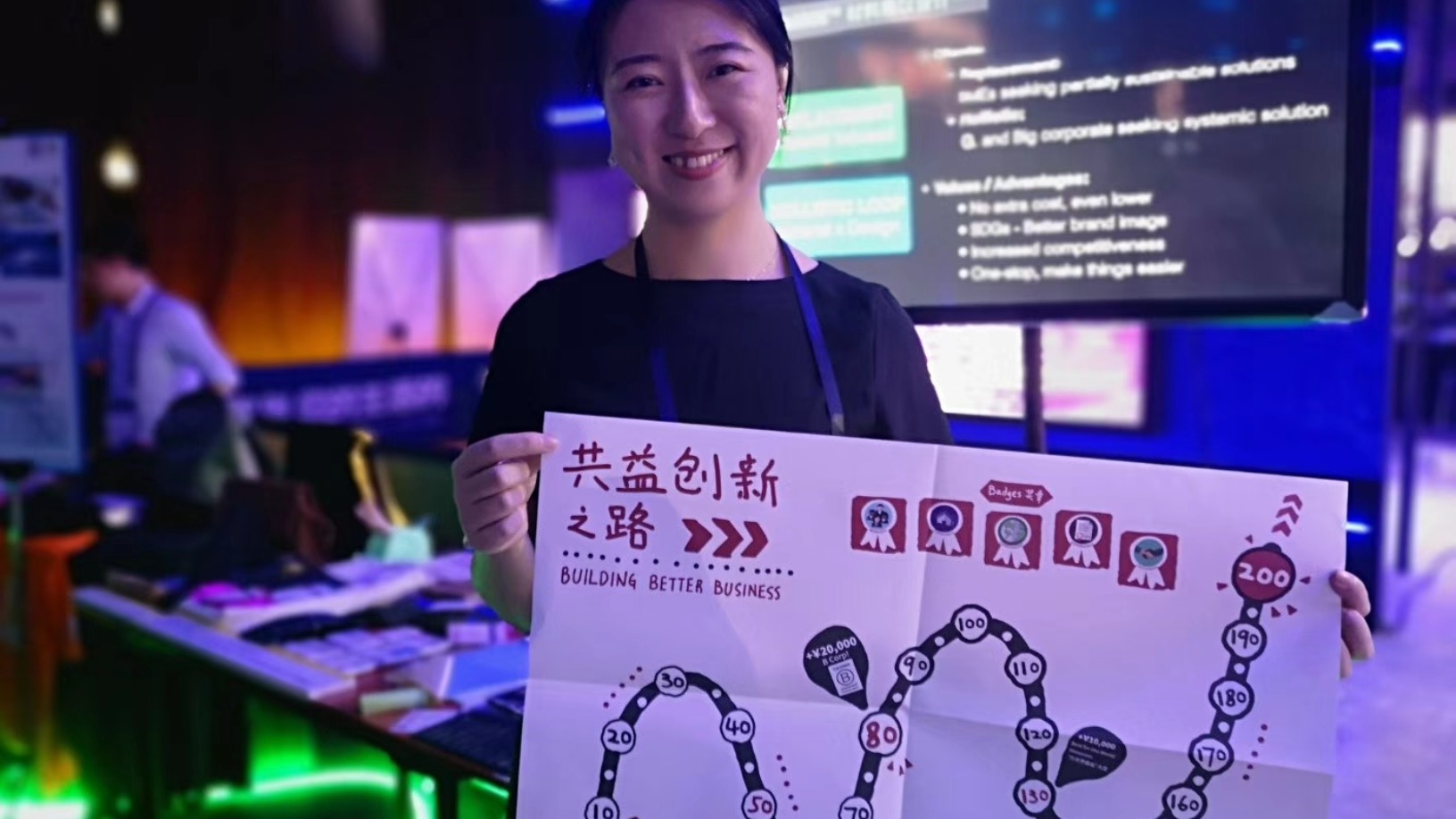
Beyond Leather Materials: Turning apples into alt-leather for sustainable fashion
Through its Leap brand, the Danish startup cuts food waste by turning apples junked in cider factories into affordable vegan leather for the $100bn leather market

Europe ramps up development of local EV battery sector in race to zero emissions
Startups, automakers jostle or unite to ride the fast-growing EV battery market, as the EU pumps billions into developing its own value chain, to cut reliance on imports

MatMap: Making the construction sector more sustainable
Alicante-based startup MatMap gives a second lease of life to used construction materials that account for almost a third of EU waste

Node: Fighting deforestation with fashionable footwear from agricultural waste
Using patented technology developed with Indonesia’s Ministry of Agriculture, Node turns farm waste and plant materials into biodegradable vegan footwear and shoe components to help fight deforestation.
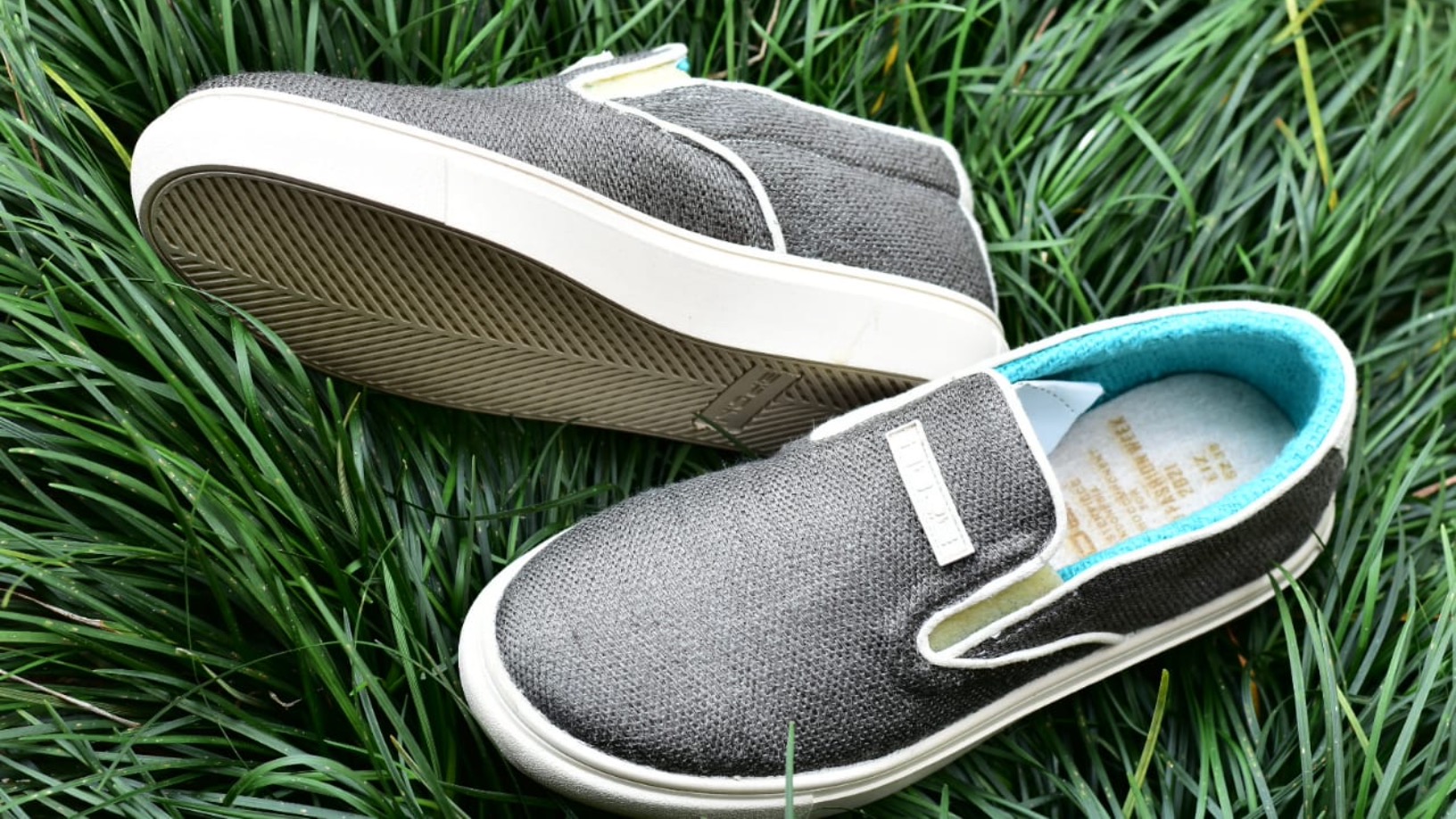
Infinited Fiber: Producing biofibers for fashion to move toward circular economy
Supported by H&M, Adidas and textile manufacturers, Infinited Fiber is helping the world’s second most polluting industry go greener by turning industrial waste into regenerated biomaterials
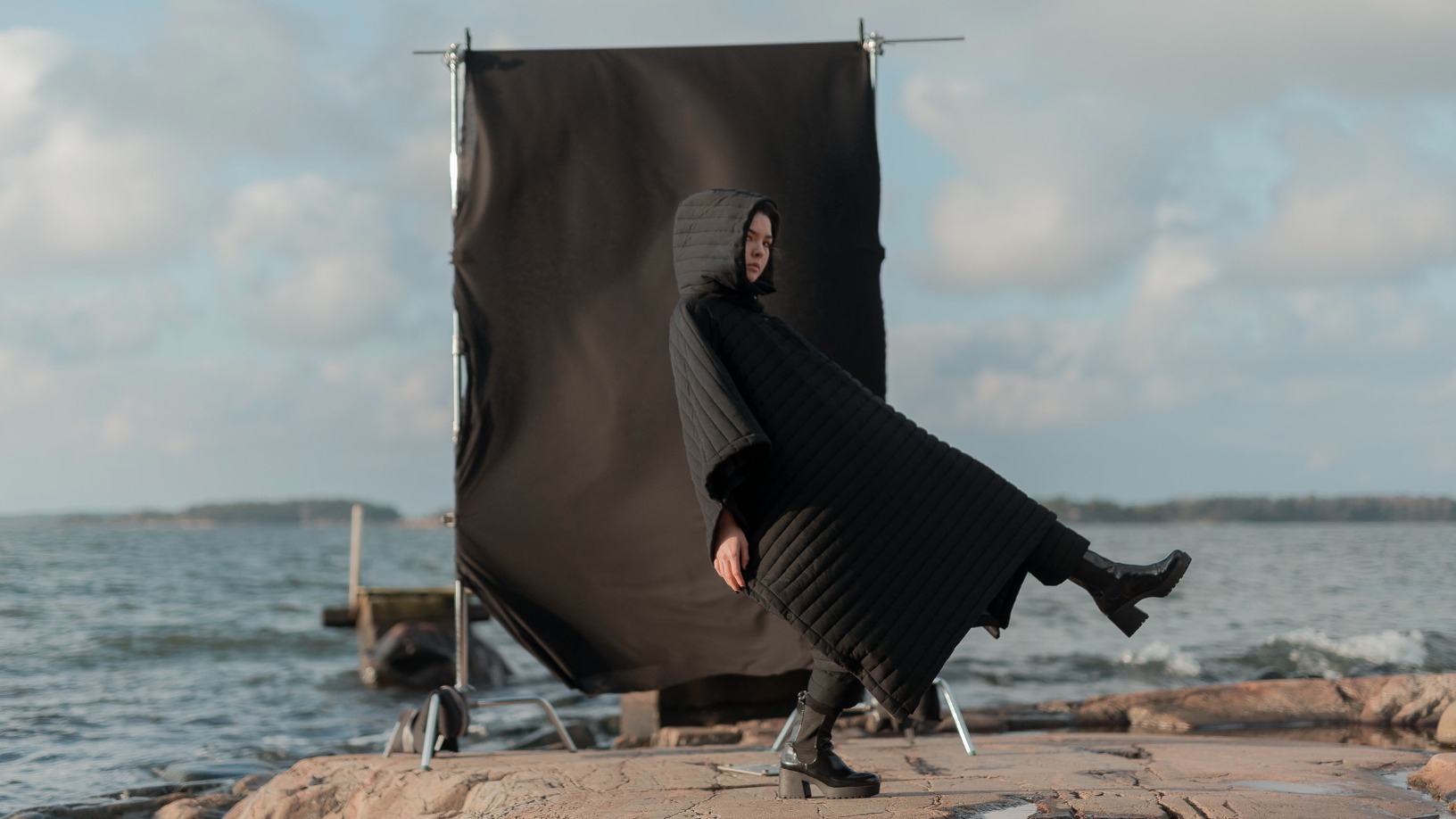
Ruangguru cracks business model as it reaches 13 million student users
Holding pole position as Indonesia's popular tutoring services app, Ruangguru is revving up to expand into the lucrative corporate training sector

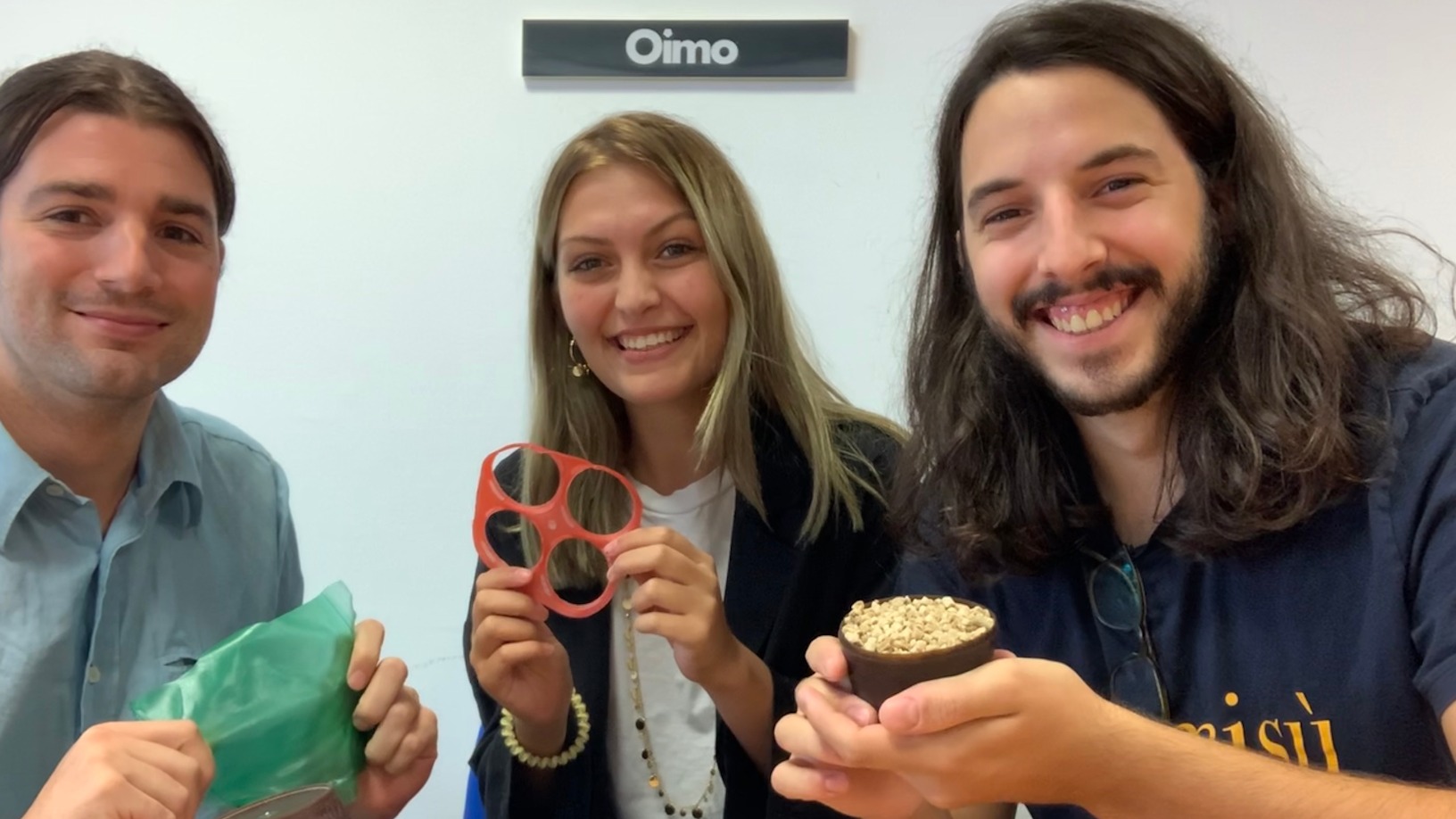
Oimo: Biodegradable marine-based bioplastics for environmentally friendly food packaging
Its pellets already work well in current factory machinery, so Oimo wants to scale when the EU’s ban on single-use plastics kicks in next year
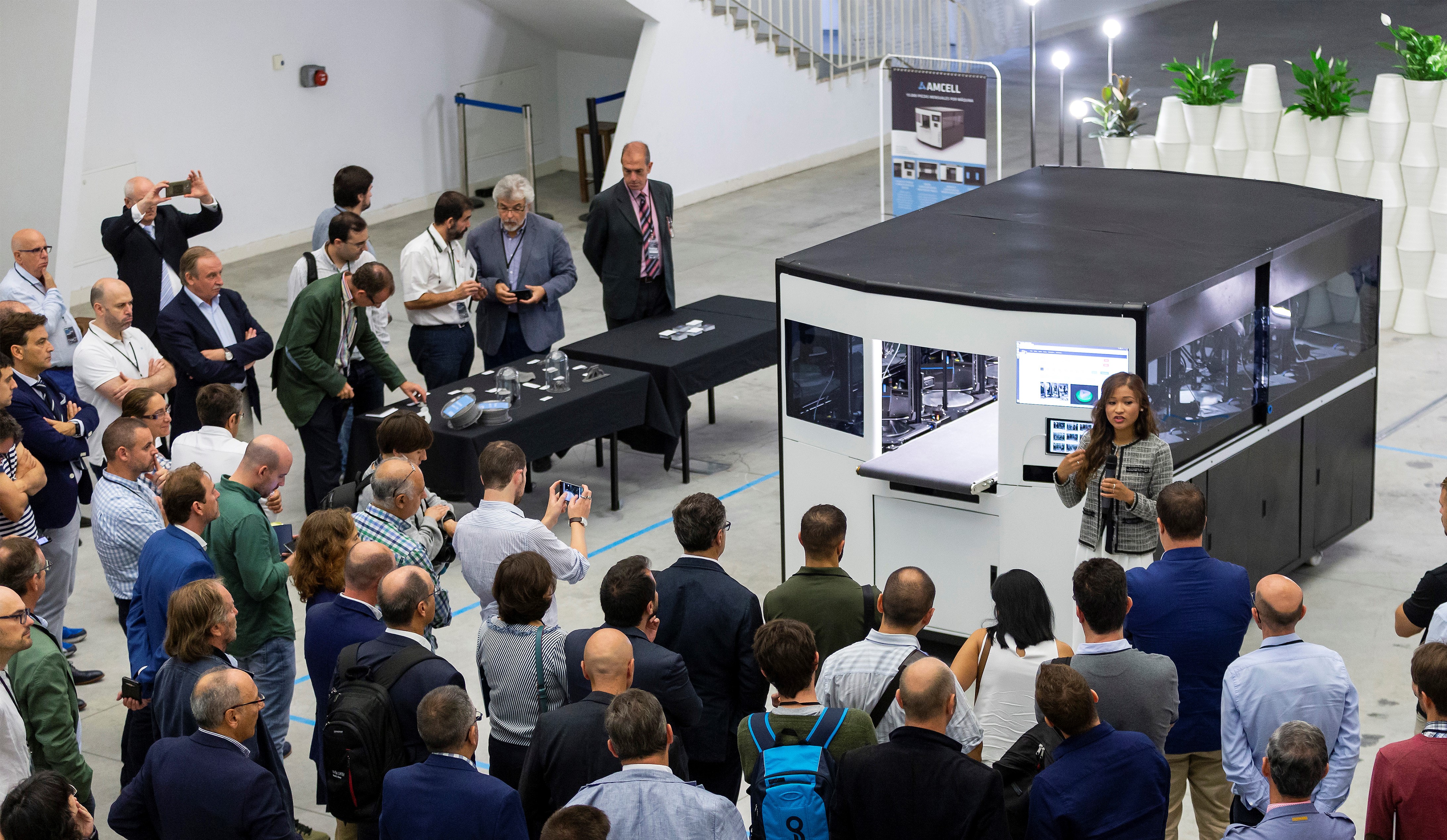
Triditive: Enabling SME manufacturers to catch up, thrive in Industry 4.0
An Asturian startup has created the first automated additive manufacturing technology for round-the-clock industrial production
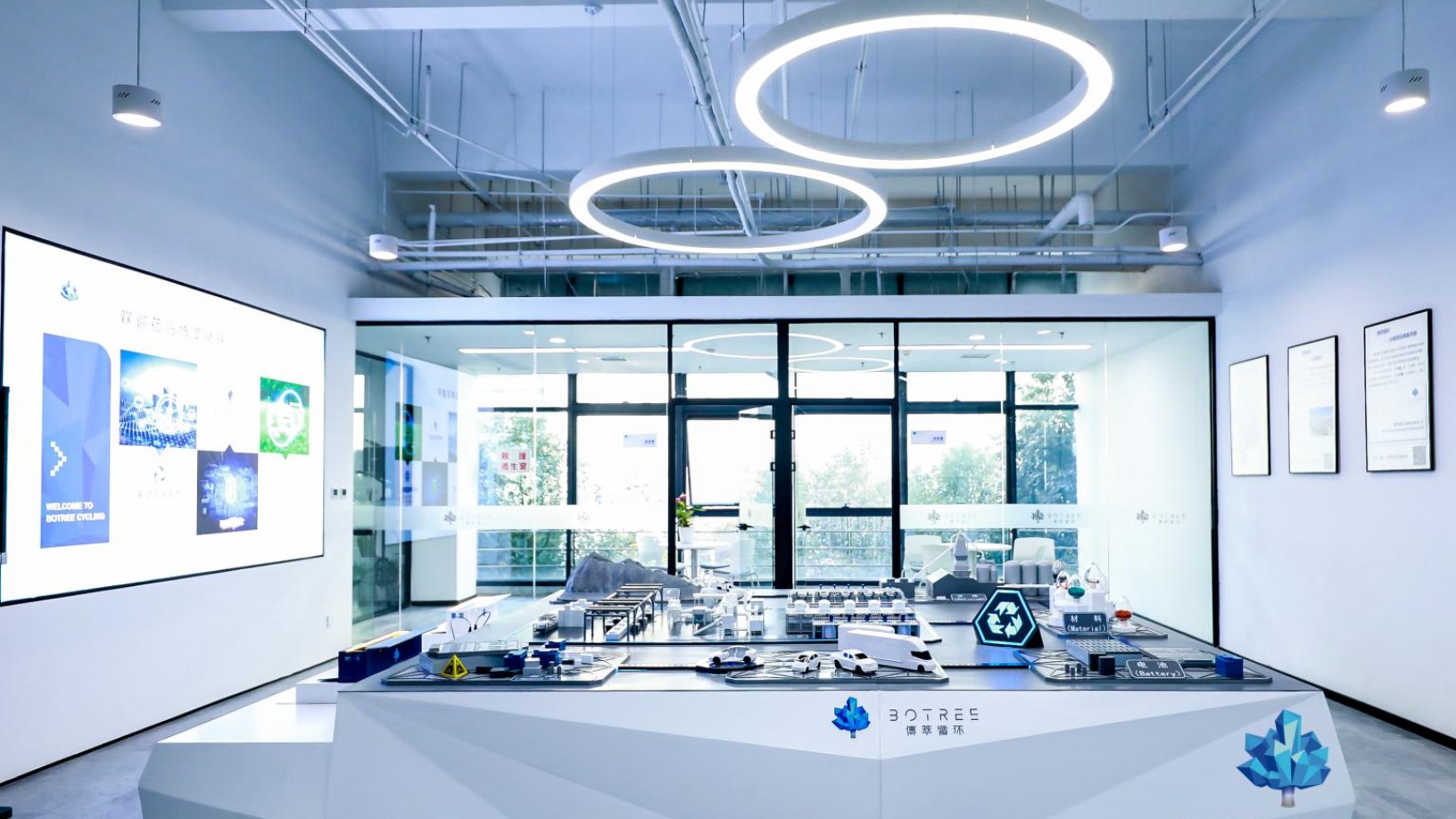
Botree Cycling: Recovering critical metals from end-of-life batteries
The Beijing-based startup helps clients dismantle and recycle spent lithium batteries on-site, recovering over 90% of rare metals and reducing demand for mineral resources
RecyGlo, Myanmar's first circular economy waste management system, targets regional growth
Turning trash into cash, Yangon-based recycling pioneer RecyGlo wants to extend its zero-waste circular economy model to the rest of Southeast Asia

Circular economy: Discarded goods get a new lease of life in Spain
From e-chargers inside phone booths, recycling chatbots to refurbished stadium seats from Atlético Madrid, the offbeat magic of the circular economy is fast becoming a lucrative business in Spain

From China, Clever Home to build “Home Depot” marts in Africa
Combining B2B2C and O2O models, Clever Home is turning its 40,000sqm trade center in Nigeria into the "Yiwu marketplace" for Chinese companies looking to set up shop in Africa

Sorry, we couldn’t find any matches for “DiPole Materials”.
POPULAR DATABASE