DiPole Materials
-
DATABASE (75)
-
ARTICLES (112)
H&M’s first shop was founded 74 years ago in Sweden by Erling Persson under the name “Hennes”, Swedish for "hers" since the shop was selling only women's apparel. In 1968, Persson expanded into menswear by acquiring Swedish retailer Mauritz Widforss. Hence the rebranding of the company into Hennes & Mauritz (H&M). In 1974, H&M was listed on the Stockholm Stock Exchange. Since then, H&M has expanding internationally opening its first store in London and the rest of Europe and also to the US in early 2000.In 2008, the company also moved into the home furnishings segment and launched H&M Home stores worldwide. The fashion chain can now be found across Europe, the US, Asia and the Middle East. The group expanded further by acquiring fast-fashion brands like Weekday, Monki and Cheap Monday. In April 2021, H&M Group announced a collaboration with textile cleantech Infinited Fiber to launch proof-of-concept denim created wholly from regenerated textile waste as part of its commitment to use only recycled or sustainably sourced materials by 2030.


H&M’s first shop was founded 74 years ago in Sweden by Erling Persson under the name “Hennes”, Swedish for "hers" since the shop was selling only women's apparel. In 1968, Persson expanded into menswear by acquiring Swedish retailer Mauritz Widforss. Hence the rebranding of the company into Hennes & Mauritz (H&M). In 1974, H&M was listed on the Stockholm Stock Exchange. Since then, H&M has expanding internationally opening its first store in London and the rest of Europe and also to the US in early 2000.In 2008, the company also moved into the home furnishings segment and launched H&M Home stores worldwide. The fashion chain can now be found across Europe, the US, Asia and the Middle East. The group expanded further by acquiring fast-fashion brands like Weekday, Monki and Cheap Monday. In April 2021, H&M Group announced a collaboration with textile cleantech Infinited Fiber to launch proof-of-concept denim created wholly from regenerated textile waste as part of its commitment to use only recycled or sustainably sourced materials by 2030.
By boosting informatization at Chinese state schools using cloud-based platforms, Xuele in turn enhances teaching/learning so students won’t need extra tuition, lessening their load.

By boosting informatization at Chinese state schools using cloud-based platforms, Xuele in turn enhances teaching/learning so students won’t need extra tuition, lessening their load.
Oimo’s bioplastic products degrade in water within a month and are compatible with existing manufacturing machinery, allowing rapid replacement of single-use plastics.

Oimo’s bioplastic products degrade in water within a month and are compatible with existing manufacturing machinery, allowing rapid replacement of single-use plastics.
Plant protein material for commercial use to replace single-use plastics, with the performance of synthetic polymers, but 100% biodegradable in the natural environment.

Plant protein material for commercial use to replace single-use plastics, with the performance of synthetic polymers, but 100% biodegradable in the natural environment.
Thanks to Beile’s integrated online-offline education system, Chinese children can get an American education and perfect their English from young, without having to go abroad.

Thanks to Beile’s integrated online-offline education system, Chinese children can get an American education and perfect their English from young, without having to go abroad.
World’s first 3D orthopedic software, Peekmed lets surgeons reduce surgery time by up to 20% and increases accuracy, helping hospitals reduce sterilization costs by 50%.

World’s first 3D orthopedic software, Peekmed lets surgeons reduce surgery time by up to 20% and increases accuracy, helping hospitals reduce sterilization costs by 50%.
Cakap rebrands from predecessor Squline, tapping on quality local and foreign partners to offer online language courses and study abroad programs directly to learners.

Cakap rebrands from predecessor Squline, tapping on quality local and foreign partners to offer online language courses and study abroad programs directly to learners.
Irish alt-protein foodtech Plantruption produces nutritious fish substitutes without artificial additives, leveraging the health benefits of sustainably sourced local seaweed.
Irish alt-protein foodtech Plantruption produces nutritious fish substitutes without artificial additives, leveraging the health benefits of sustainably sourced local seaweed.
The first China-based company to mass-produce 3D food printers, Shiyin Tech plans to deploy 100,000 self-service models in the next three years.

The first China-based company to mass-produce 3D food printers, Shiyin Tech plans to deploy 100,000 self-service models in the next three years.
Spain’s Spotahome is the first European proptech to provide high quality digital tours of properties for virtual viewings by potential tenants.

Spain’s Spotahome is the first European proptech to provide high quality digital tours of properties for virtual viewings by potential tenants.
Myanmar’s first circular economy waste management and recycling marketplace is banking on blockchain and analytics to become a key player in Southeast Asia.
Myanmar’s first circular economy waste management and recycling marketplace is banking on blockchain and analytics to become a key player in Southeast Asia.
Natural Machines is launching the world’s first commercial 3D food printing and laser beam cooking machine for affordable, personalized meals, endorsed by Michelin-starred restaurants.

Natural Machines is launching the world’s first commercial 3D food printing and laser beam cooking machine for affordable, personalized meals, endorsed by Michelin-starred restaurants.
R&D and business lead and co-founder of Graviky Labs
Anirudh Sharma is one of three co-founders of Graviky Labs, which makes ink out of carbon that is captured from pollution and purified using proprietary technology. This concept was born from Sharma’s experiments making ink from candle soot while doing his master’s at MIT Materials Lab. He currently leads R&D and business at the firm. Sharma’s interests include augmented reality, wearable computing and environmental projects. Over the years, he has developed and patented various technology products with social and environmental impact. He was formerly CTO and co-founder of India’s first wearable technology company, Ducere Technologies, which was later sold. This company makes Lechal, the world’s first smart haptic device for shoes, initially designed by Sharma as a navigation aid for the visually impaired. Sharma also previously worked for Imagin Group at Hewlett Packard Labs, on a multimodal speech and touch-based computer-aided design interface for large displays.Sharma holds a master's from Massachusetts Institute of Technology and co-led the activities of MIT Media Lab India from 2013–2015. He is a TED and TEDx speaker and has been included in Forbes’ 30 Under 30 for Asia, MIT Technology Review’s 35 Innovators Under 35, and Foreign Policy magazine’s 100 Global Thinkers of 2016.

Anirudh Sharma is one of three co-founders of Graviky Labs, which makes ink out of carbon that is captured from pollution and purified using proprietary technology. This concept was born from Sharma’s experiments making ink from candle soot while doing his master’s at MIT Materials Lab. He currently leads R&D and business at the firm. Sharma’s interests include augmented reality, wearable computing and environmental projects. Over the years, he has developed and patented various technology products with social and environmental impact. He was formerly CTO and co-founder of India’s first wearable technology company, Ducere Technologies, which was later sold. This company makes Lechal, the world’s first smart haptic device for shoes, initially designed by Sharma as a navigation aid for the visually impaired. Sharma also previously worked for Imagin Group at Hewlett Packard Labs, on a multimodal speech and touch-based computer-aided design interface for large displays.Sharma holds a master's from Massachusetts Institute of Technology and co-led the activities of MIT Media Lab India from 2013–2015. He is a TED and TEDx speaker and has been included in Forbes’ 30 Under 30 for Asia, MIT Technology Review’s 35 Innovators Under 35, and Foreign Policy magazine’s 100 Global Thinkers of 2016.
Co-CEO and Co-founder of Notpla (formerly Skipping Rocks Lab)
Rodrigo García González graduated in Architecture at the Technical University of Madrid (ETSAM) in 2009 and also completed various PhD courses in advanced architecture at his alma mater.In 2006, the architect student joined an EU Asia-Link sustainable humane habitat program that included stints at the Centre for Environmental Planning and Technology (CEPT) University in India. He also won a SMILE scholarship to study industrial design at Pontificia Universidad Católica in Chile for one year. In 2011, he obtained a scholarship to study industrial design and business at Umeå Institute of Design in Sweden. In 2014, he completed two master’s programs in innovation design engineering run by London’s Imperial College and Royal College of Art.In July 2014, he co-founded Skipping Rocks Lab, that was later pivoted into Notpla, a UK-based startup that develops compostable and edible packaging materials made of seaweed and other plants.Since 2007, he has worked with various institutions in Europe, Latin America and the US including Cornell University, CEPT, Imperial College and Royal College of Art. In 2016, he became a senior lecturer for a degree program in product and furniture design at Kingston University.He has two patents for his work on structural and deployable systems. His designs have also been featured in prestigious art centers like the Cite de l'Architecture of Paris and the Venice Biennale of Architecture.Other projects include the Hop! suitcase that can follow the user by tracking the signal of the user’s mobile phone and Aer, an artificial cloud that can evaporate “drinkable” water from the sea. He also developed Zipizip, an architectural system that enables the construction of several floors of a building in a few hours.

Rodrigo García González graduated in Architecture at the Technical University of Madrid (ETSAM) in 2009 and also completed various PhD courses in advanced architecture at his alma mater.In 2006, the architect student joined an EU Asia-Link sustainable humane habitat program that included stints at the Centre for Environmental Planning and Technology (CEPT) University in India. He also won a SMILE scholarship to study industrial design at Pontificia Universidad Católica in Chile for one year. In 2011, he obtained a scholarship to study industrial design and business at Umeå Institute of Design in Sweden. In 2014, he completed two master’s programs in innovation design engineering run by London’s Imperial College and Royal College of Art.In July 2014, he co-founded Skipping Rocks Lab, that was later pivoted into Notpla, a UK-based startup that develops compostable and edible packaging materials made of seaweed and other plants.Since 2007, he has worked with various institutions in Europe, Latin America and the US including Cornell University, CEPT, Imperial College and Royal College of Art. In 2016, he became a senior lecturer for a degree program in product and furniture design at Kingston University.He has two patents for his work on structural and deployable systems. His designs have also been featured in prestigious art centers like the Cite de l'Architecture of Paris and the Venice Biennale of Architecture.Other projects include the Hop! suitcase that can follow the user by tracking the signal of the user’s mobile phone and Aer, an artificial cloud that can evaporate “drinkable” water from the sea. He also developed Zipizip, an architectural system that enables the construction of several floors of a building in a few hours.
Notpla (formerly Skipping Rocks Lab)
Compostable and edible seaweed-based packaging in a flexible product for many uses to replace polluting plastic, winning accolades from WIRED, Fortune and TIME.

Compostable and edible seaweed-based packaging in a flexible product for many uses to replace polluting plastic, winning accolades from WIRED, Fortune and TIME.
Early Charm Ventures: Taking research from the labs to the real world
Instead of investing money, the venture studio gets hands-on, co-running companies with top scientists and their cutting-edge research
Dipole Tech: Using blockchain to democratize access to renewable energy in Asia
Having established key markets in the Philippines and Thailand, China’s Dipole Tech is next gaining ground at home for its energy trading app

NANOxARCH: Pioneering awareness and use of sustainable materials in China
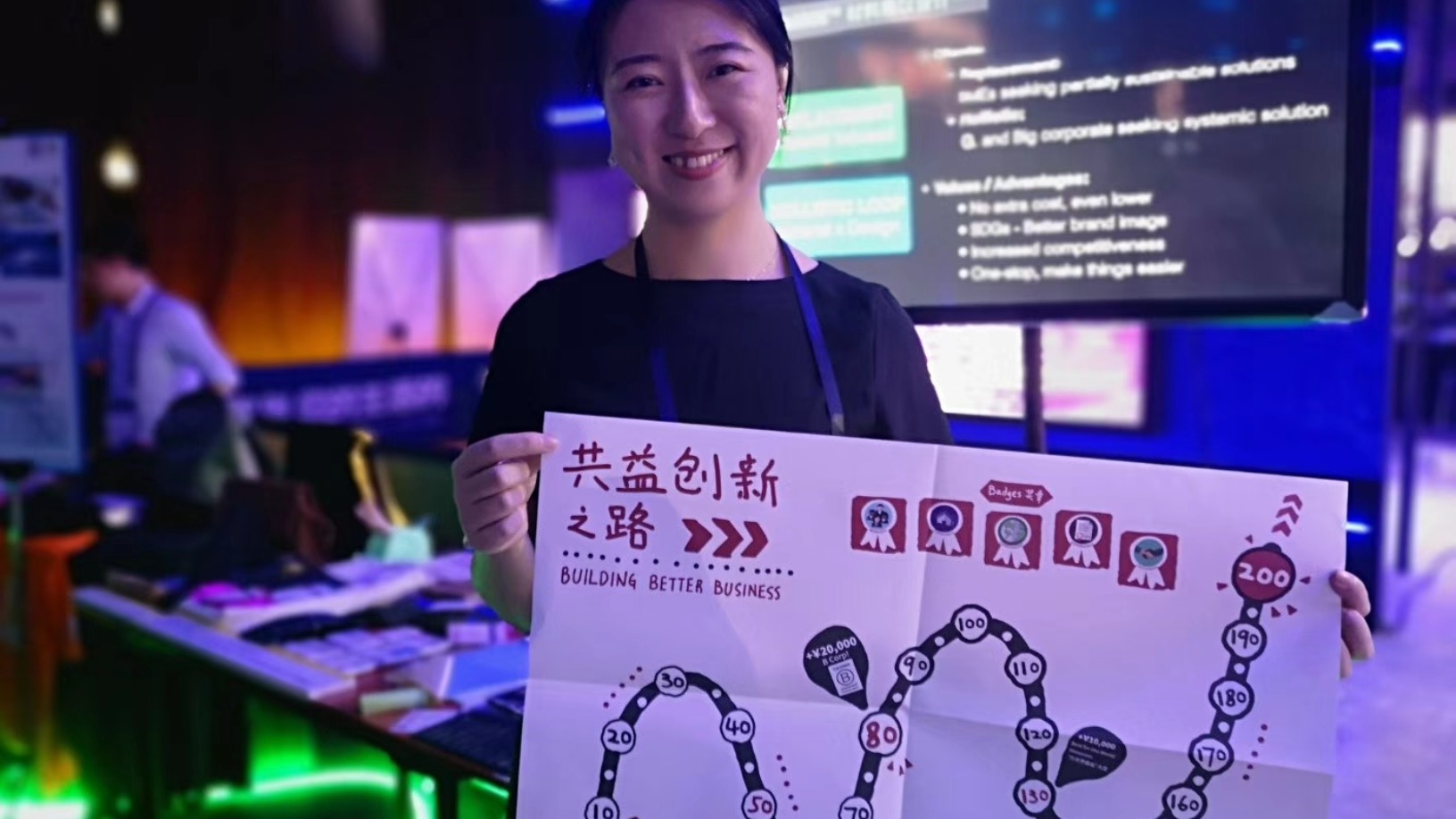
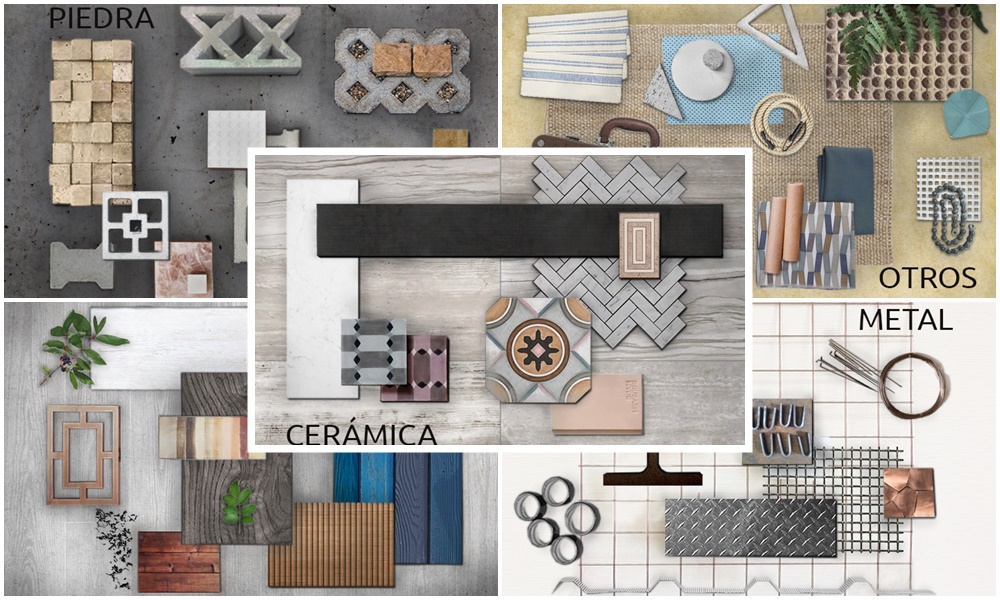
Founder Lei Yuxi reckons Covid-19 could usher China into a new era of sustainability, as her startup seeks to make sustainable materials more affordable
Beyond Leather Materials: Turning apples into alt-leather for sustainable fashion
Through its Leap brand, the Danish startup cuts food waste by turning apples junked in cider factories into affordable vegan leather for the $100bn leather market

Europe ramps up development of local EV battery sector in race to zero emissions
Startups, automakers jostle or unite to ride the fast-growing EV battery market, as the EU pumps billions into developing its own value chain, to cut reliance on imports

MatMap: Making the construction sector more sustainable
Alicante-based startup MatMap gives a second lease of life to used construction materials that account for almost a third of EU waste
Node: Fighting deforestation with fashionable footwear from agricultural waste
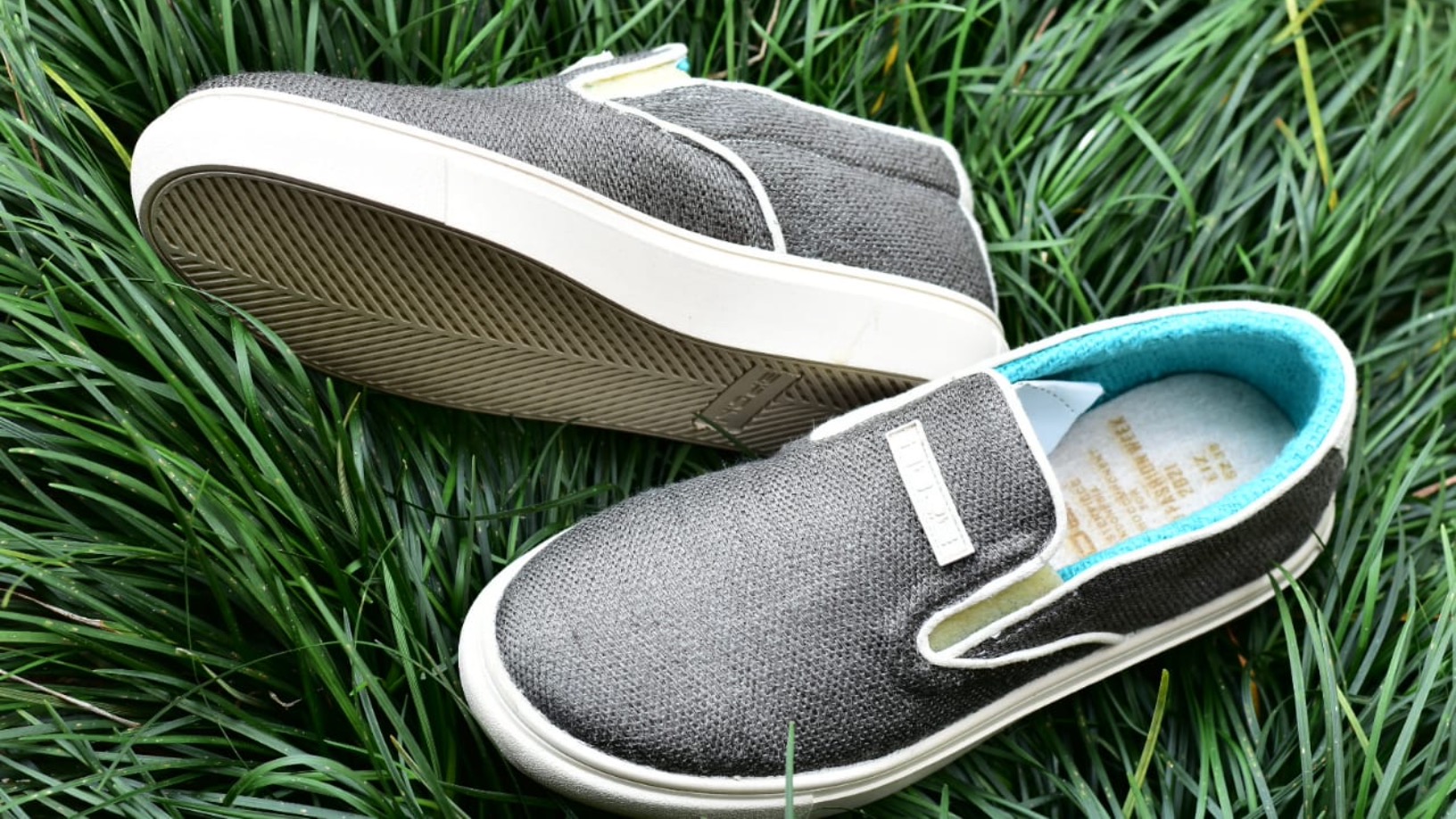
Using patented technology developed with Indonesia’s Ministry of Agriculture, Node turns farm waste and plant materials into biodegradable vegan footwear and shoe components to help fight deforestation.
Infinited Fiber: Producing biofibers for fashion to move toward circular economy
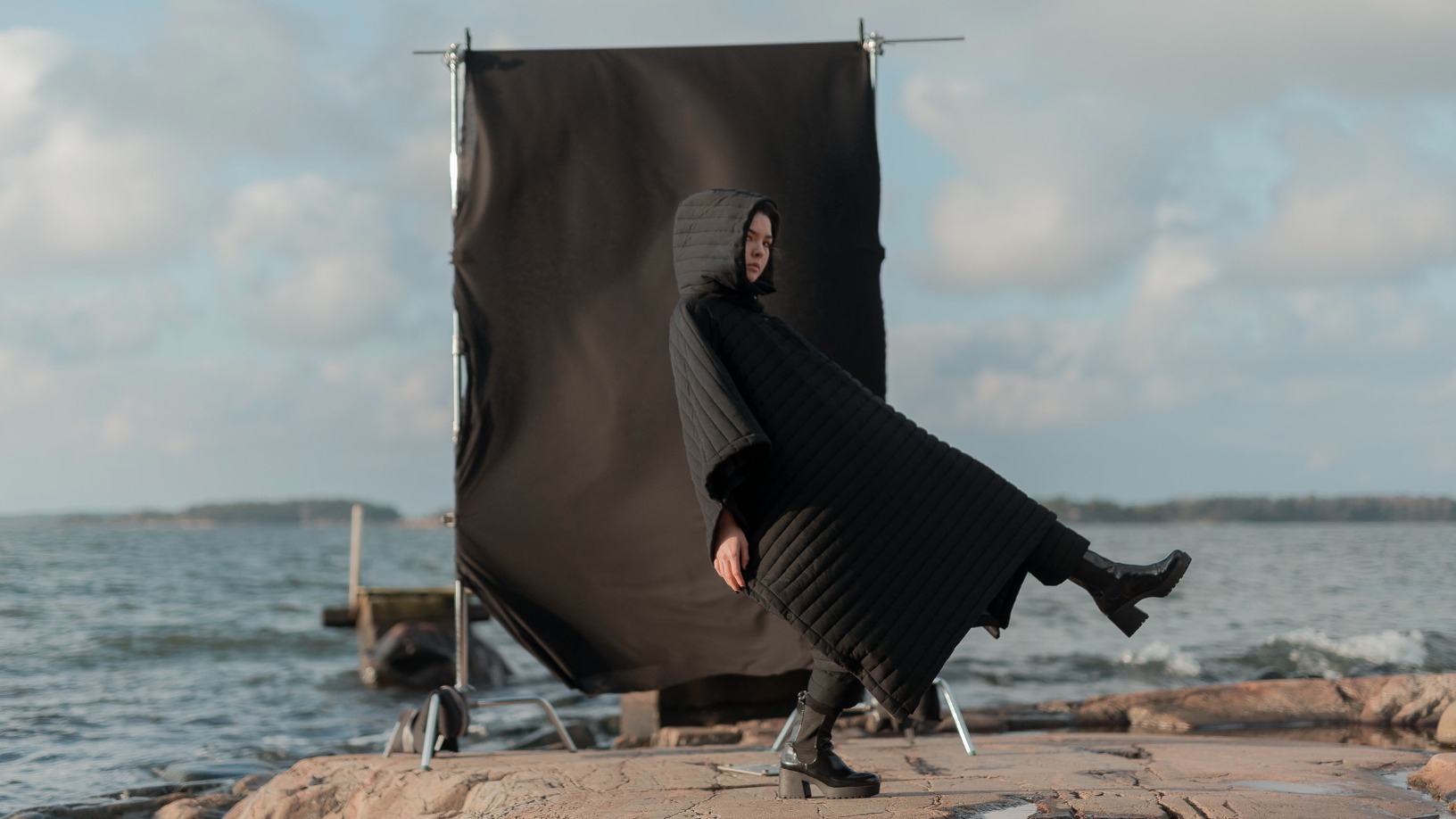
Supported by H&M, Adidas and textile manufacturers, Infinited Fiber is helping the world’s second most polluting industry go greener by turning industrial waste into regenerated biomaterials
Ruangguru cracks business model as it reaches 13 million student users
Holding pole position as Indonesia's popular tutoring services app, Ruangguru is revving up to expand into the lucrative corporate training sector

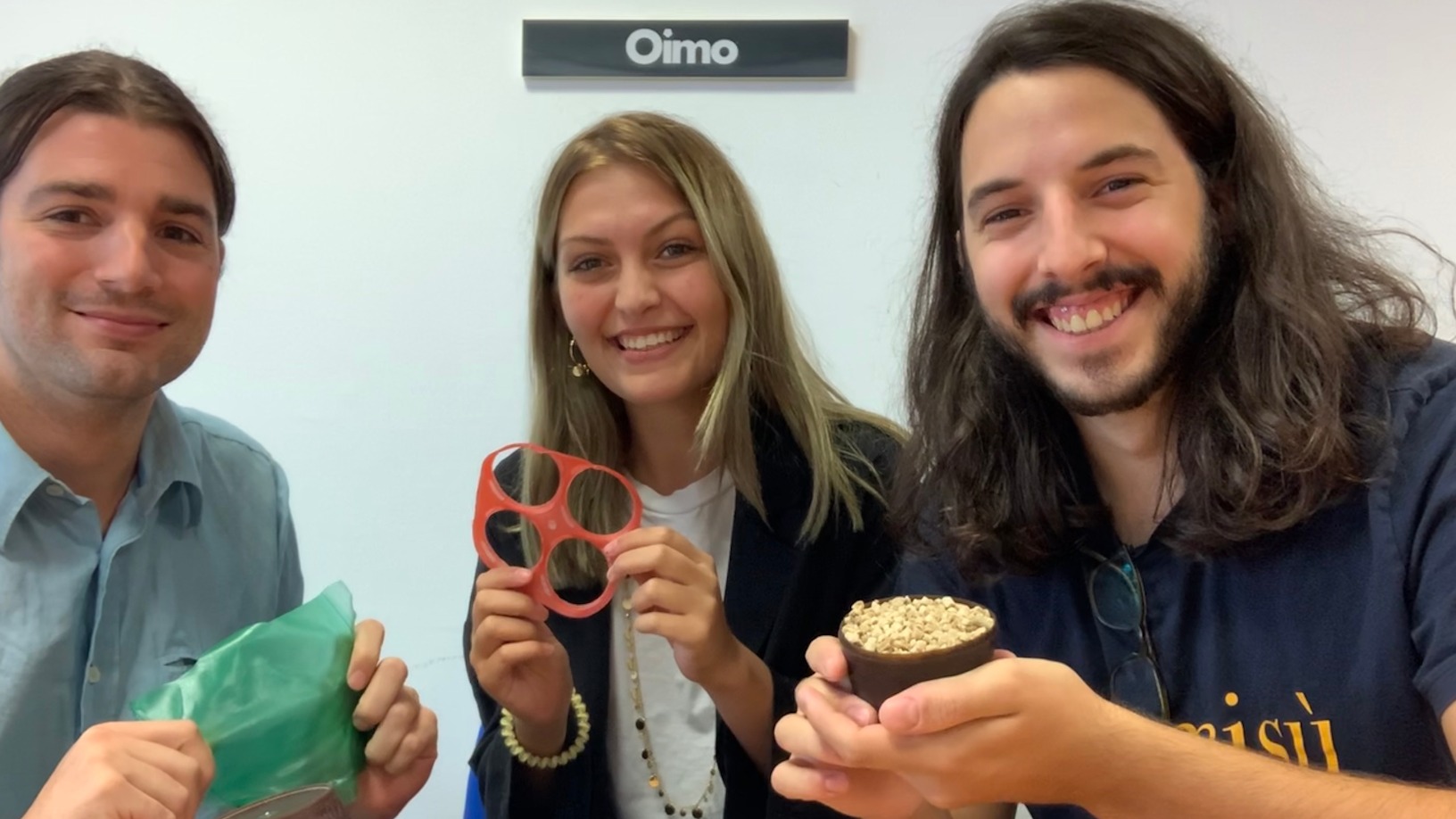
Oimo: Biodegradable marine-based bioplastics for environmentally friendly food packaging
Its pellets already work well in current factory machinery, so Oimo wants to scale when the EU’s ban on single-use plastics kicks in next year
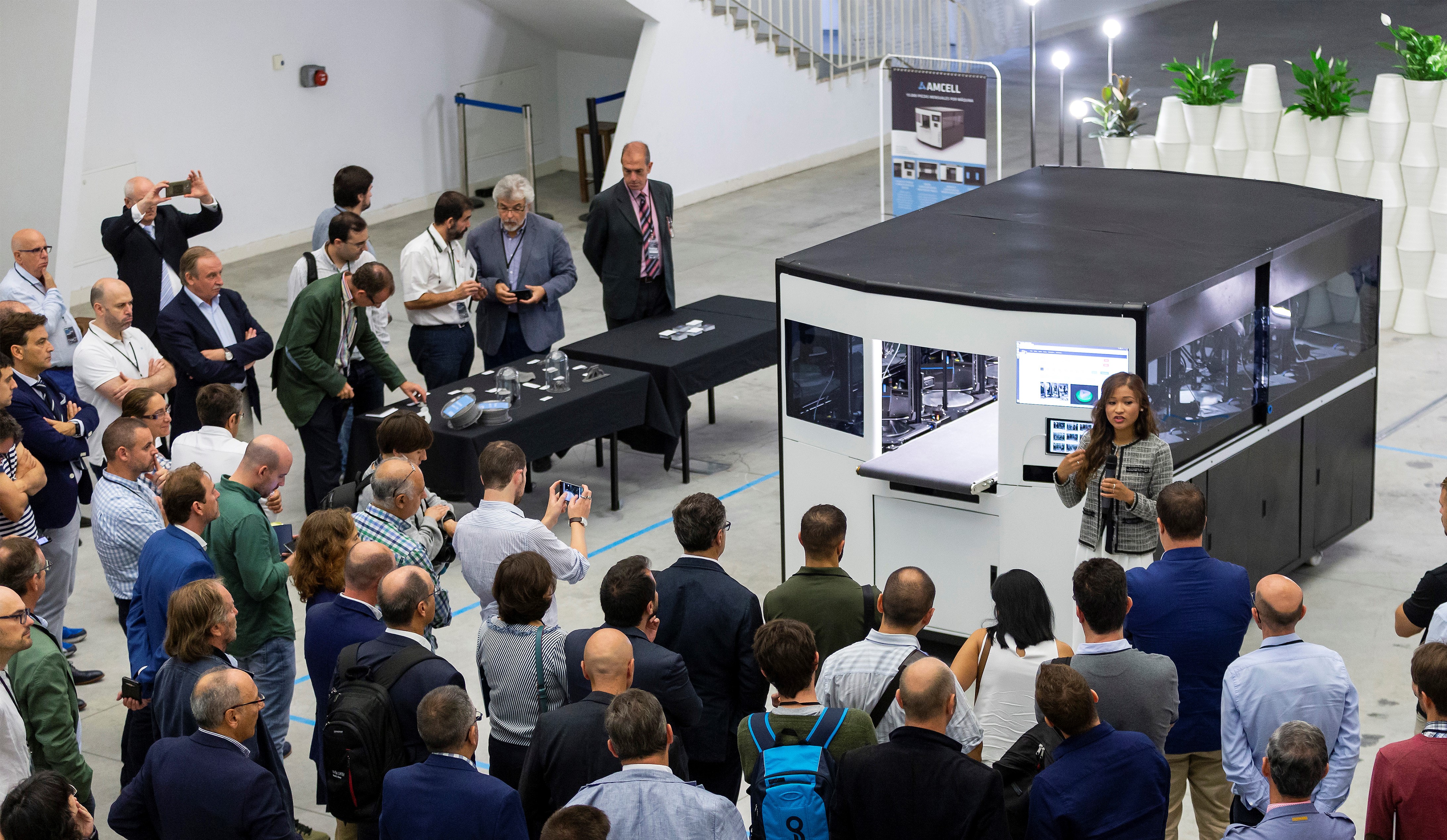
Triditive: Enabling SME manufacturers to catch up, thrive in Industry 4.0
An Asturian startup has created the first automated additive manufacturing technology for round-the-clock industrial production
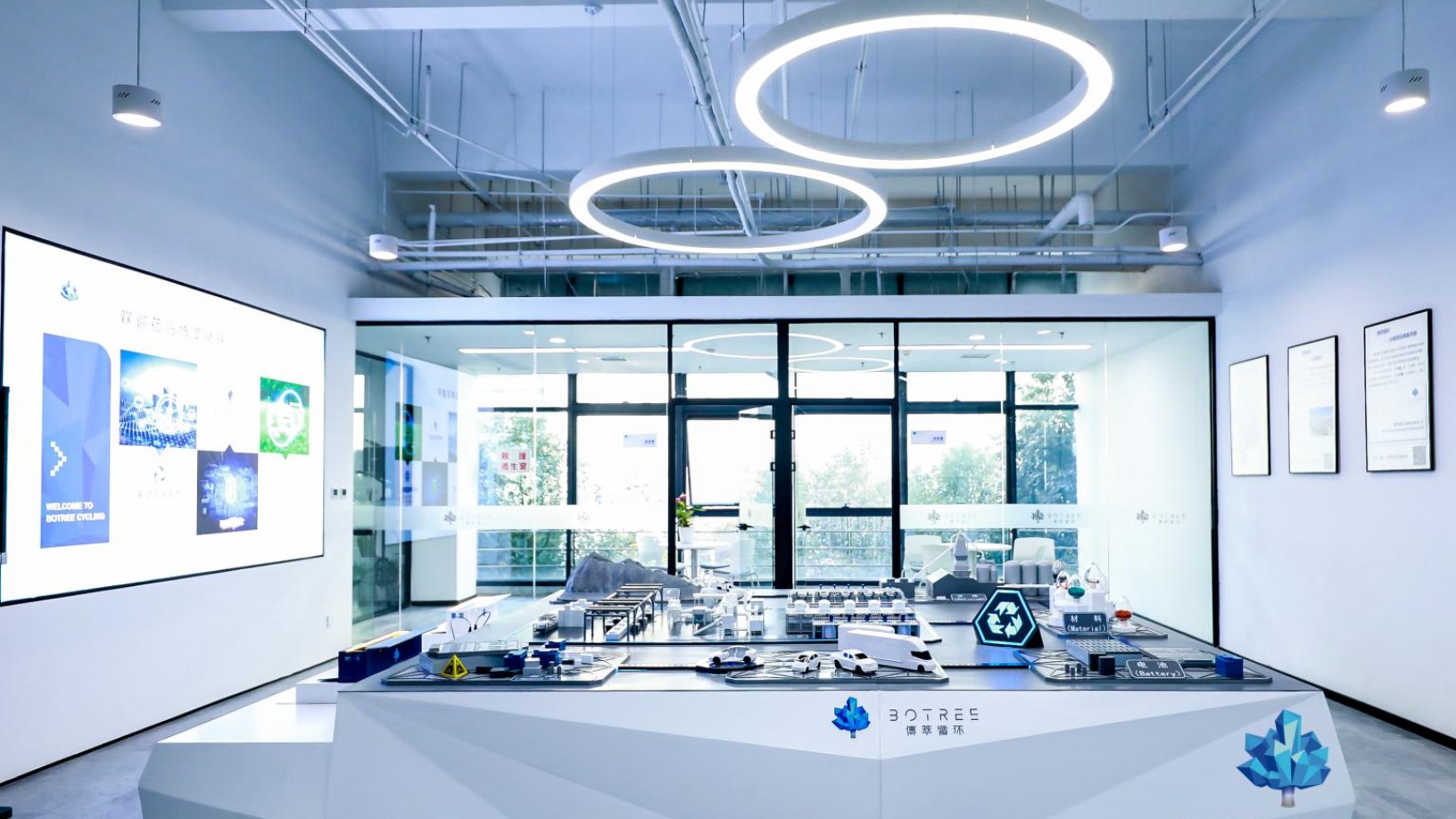
Botree Cycling: Recovering critical metals from end-of-life batteries
The Beijing-based startup helps clients dismantle and recycle spent lithium batteries on-site, recovering over 90% of rare metals and reducing demand for mineral resources
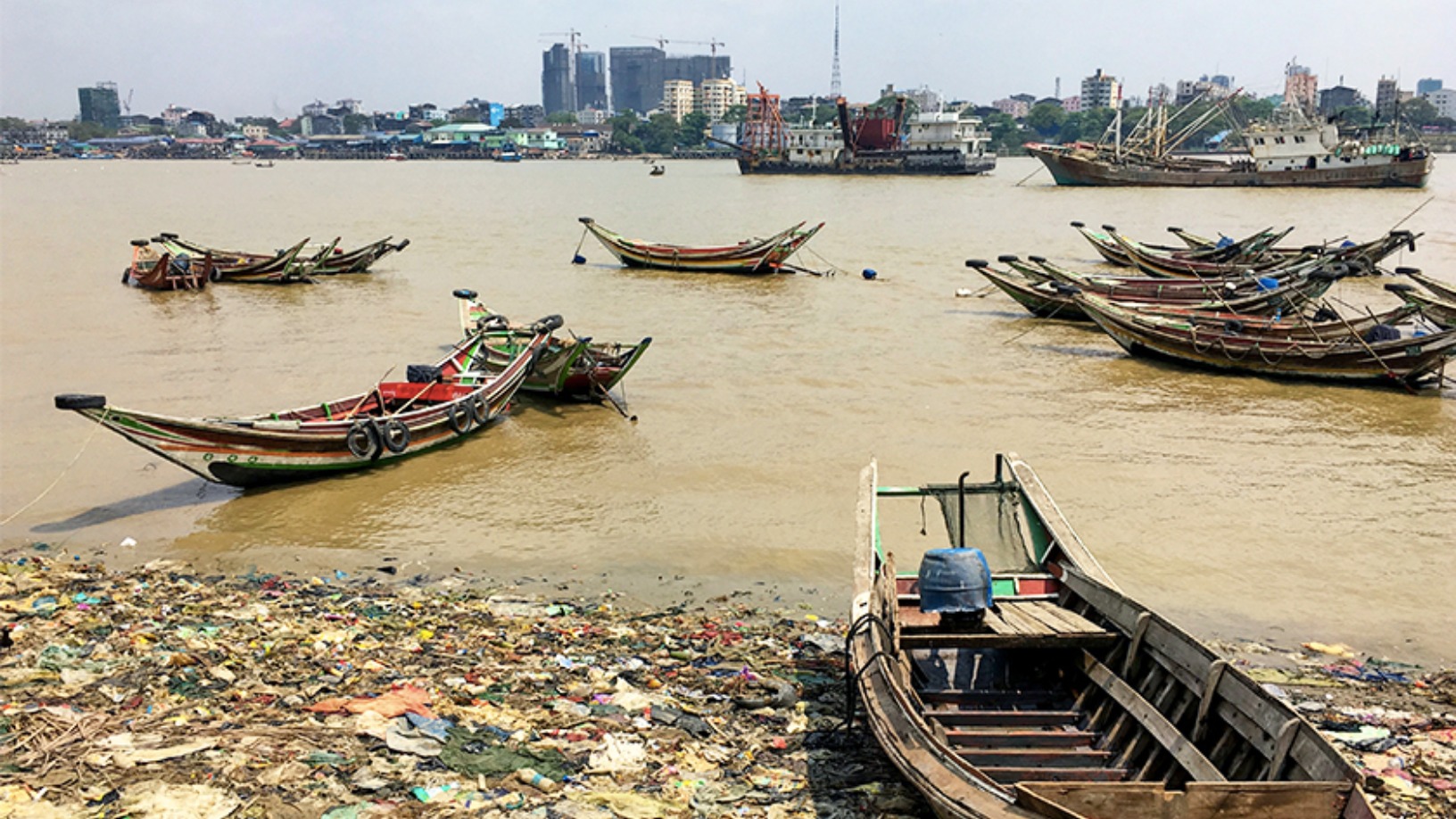
RecyGlo, Myanmar's first circular economy waste management system, targets regional growth
Turning trash into cash, Yangon-based recycling pioneer RecyGlo wants to extend its zero-waste circular economy model to the rest of Southeast Asia
Circular economy: Discarded goods get a new lease of life in Spain
From e-chargers inside phone booths, recycling chatbots to refurbished stadium seats from Atlético Madrid, the offbeat magic of the circular economy is fast becoming a lucrative business in Spain

From China, Clever Home to build “Home Depot” marts in Africa
Combining B2B2C and O2O models, Clever Home is turning its 40,000sqm trade center in Nigeria into the "Yiwu marketplace" for Chinese companies looking to set up shop in Africa

Sorry, we couldn’t find any matches for “DiPole Materials”.
POPULAR DATABASE