Good Food Institute
-
DATABASE (332)
-
ARTICLES (471)
Co-founder and CTO of Bukalapak
Bandung Institute of Technology graduate Nugroho Heru Cahyono was a freelance programmer and a CTO for digital agency Suitmedia before co-founding BukaLapak. He holds a bachelor degree in Informatics.

Bandung Institute of Technology graduate Nugroho Heru Cahyono was a freelance programmer and a CTO for digital agency Suitmedia before co-founding BukaLapak. He holds a bachelor degree in Informatics.
Joe Zhou graduated from Beijing University of Technology in 1982 and worked five years as a lecturer at his alma mater. In 1987, he went to study in the US and obtained a master’s at the New Jersey Institute of Technology in 1989. He stayed in New Jersey and worked for five years at AT&T Bell Labs and its spin-off Lepton Inc.In 1995, Zhou returned to work in China as the VP of UTStarcom China until 1999 when he joined Softbank China Venture Capital as the head of its Beijing office. In October 2001, he became a partner at Softbank’s SAIF for five years. In 2007, he became a founding managing partner at Kleiner Perkins Caufield & Byers China. In April 2008, he co-founded Keytone Ventures as managing partner.


Joe Zhou graduated from Beijing University of Technology in 1982 and worked five years as a lecturer at his alma mater. In 1987, he went to study in the US and obtained a master’s at the New Jersey Institute of Technology in 1989. He stayed in New Jersey and worked for five years at AT&T Bell Labs and its spin-off Lepton Inc.In 1995, Zhou returned to work in China as the VP of UTStarcom China until 1999 when he joined Softbank China Venture Capital as the head of its Beijing office. In October 2001, he became a partner at Softbank’s SAIF for five years. In 2007, he became a founding managing partner at Kleiner Perkins Caufield & Byers China. In April 2008, he co-founded Keytone Ventures as managing partner.
The Boston-based Grantham Environmental Trust is part of the Grantham Foundation for the Protection of the Environment. The philanthropic organization was founded in 1997 by entrepreneurs Jeremy Grantham and his wife Hannelore as a private foundation controlled by family members. Grantham is chairman and co-founder of investment management firm GMO. The charitable trust has independent trustees like the CEOs of World Wildlife Fund US and the Rocky Mountain Institute. The trust’s Neglected Climate Opportunities LLC invests in little-funded yet promising climate change prevention technologies. Recent investments include the $12m Series A round of Vence, a US-based producer of a virtual fencing wearable for livestock management in May 2021 and the January 2021 investment round of US sustainable electrofuels producer Infinium.
The Boston-based Grantham Environmental Trust is part of the Grantham Foundation for the Protection of the Environment. The philanthropic organization was founded in 1997 by entrepreneurs Jeremy Grantham and his wife Hannelore as a private foundation controlled by family members. Grantham is chairman and co-founder of investment management firm GMO. The charitable trust has independent trustees like the CEOs of World Wildlife Fund US and the Rocky Mountain Institute. The trust’s Neglected Climate Opportunities LLC invests in little-funded yet promising climate change prevention technologies. Recent investments include the $12m Series A round of Vence, a US-based producer of a virtual fencing wearable for livestock management in May 2021 and the January 2021 investment round of US sustainable electrofuels producer Infinium.
Co-founder and CEO of Limakilo
Having attained a master’s in Electronics, Digital Media & Game Technologies in 2013 from the Bandung Institute of Technology (ITB) in Indonesia, Walesa Danto continues to have a passion for creative IT products and hardware as a software engineer.Walesa’s Limakilo mobile app won a hackathon Code4Nation award in August 2015, as one of three Best App winners to solve Indonesia’s commodities issues.The former lecturer at Telkom Institute of Technology, now known as Telkom University, always feels challenged to deliver new products with a focus on user experience using the User Centered Design approach.

Having attained a master’s in Electronics, Digital Media & Game Technologies in 2013 from the Bandung Institute of Technology (ITB) in Indonesia, Walesa Danto continues to have a passion for creative IT products and hardware as a software engineer.Walesa’s Limakilo mobile app won a hackathon Code4Nation award in August 2015, as one of three Best App winners to solve Indonesia’s commodities issues.The former lecturer at Telkom Institute of Technology, now known as Telkom University, always feels challenged to deliver new products with a focus on user experience using the User Centered Design approach.
Chief Scientific Officer of AEInnova
Carles Ferrer Ramis, AEInnova’s Chief Scientific Officer, is a physicist with a doctoral degree and experience in microelectronics for space applications. He obtained his PhD from the Autonomous University of Barcelona (UAB) in Microelectronics and Electronic Systems, joining the Computer Science department in 1984 where he held an associate professor position until 2007. Between 2005 and 2016, Ferrer was the director of the Space Studies and CERES Research Center at the same university. He was also deputy director at the Catalan Space Studies Institute (IEEC) and is a researcher at the National Microelectronics Center's Barcelona Microelectronics Institute.

Carles Ferrer Ramis, AEInnova’s Chief Scientific Officer, is a physicist with a doctoral degree and experience in microelectronics for space applications. He obtained his PhD from the Autonomous University of Barcelona (UAB) in Microelectronics and Electronic Systems, joining the Computer Science department in 1984 where he held an associate professor position until 2007. Between 2005 and 2016, Ferrer was the director of the Space Studies and CERES Research Center at the same university. He was also deputy director at the Catalan Space Studies Institute (IEEC) and is a researcher at the National Microelectronics Center's Barcelona Microelectronics Institute.
CEO and founder of M Mandarin
Dou received her master's degree in International Chinese Language Education from Shandong University in 2014. She worked in the TCSL (Teaching Chinese as a Second Language) sector for over 10 years, including as a TCSL teacher at the Confucius Institute in South Korea, as product manager at the Confucius Institute Headquarters and the Open University of China and as teacher at Shandong University. Before founding Funnybean Technology, parent company of M Mandarin, in 2016, she helped design the app Hello HSK - a platform for foreigners to learn and prepare for the HSK tests.

Dou received her master's degree in International Chinese Language Education from Shandong University in 2014. She worked in the TCSL (Teaching Chinese as a Second Language) sector for over 10 years, including as a TCSL teacher at the Confucius Institute in South Korea, as product manager at the Confucius Institute Headquarters and the Open University of China and as teacher at Shandong University. Before founding Funnybean Technology, parent company of M Mandarin, in 2016, she helped design the app Hello HSK - a platform for foreigners to learn and prepare for the HSK tests.
Co-founder and Managing Partner of 360imprimir (BIZAY)
Formerly a debt analyst at the Portuguese Treasury and Government Debt Agency, José Salgado graduated in Management from the New University of Lisbon and holds master’s degrees in Finance from the University Institute of Lisbon and the Lerner College of Business and Economics at the University of Delaware. Salgado is currently Chief Growth Officer at 360imprimir, a B2B printing marketplace he co-founded in 2013 after passing on an offer of a free grant to study at INSEAD to establish his business. He also holds an MSc in Finance from Lisbon's Superior Institute of Domestic and Business Science.

Formerly a debt analyst at the Portuguese Treasury and Government Debt Agency, José Salgado graduated in Management from the New University of Lisbon and holds master’s degrees in Finance from the University Institute of Lisbon and the Lerner College of Business and Economics at the University of Delaware. Salgado is currently Chief Growth Officer at 360imprimir, a B2B printing marketplace he co-founded in 2013 after passing on an offer of a free grant to study at INSEAD to establish his business. He also holds an MSc in Finance from Lisbon's Superior Institute of Domestic and Business Science.
co-founder and CEO of YITU Healthcare
Leo Zhu received his PhD in Statistics from the University of California, Los Angeles, where he specialized in statistical modeling of computer vision and artificial intelligence (AI), He was a student of Professor Alan Yuille whose PhD in theoretical physics was supervised by Dr Stephen Hawking. Prior to co-founding and becoming the CEO of China’s leading AI technology startup YITU Healthcare, he was a postdoctoral fellow at Massachusetts Institute of Technology’s AI laboratory and a research fellow at the Courant Institute of Mathematical Sciences, New York University.
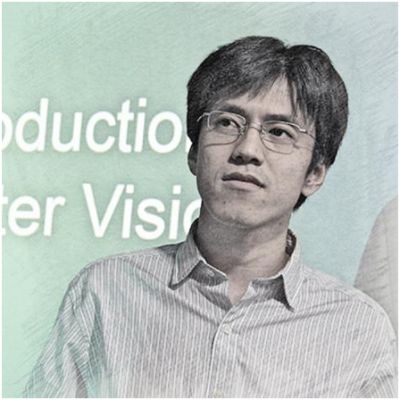
Leo Zhu received his PhD in Statistics from the University of California, Los Angeles, where he specialized in statistical modeling of computer vision and artificial intelligence (AI), He was a student of Professor Alan Yuille whose PhD in theoretical physics was supervised by Dr Stephen Hawking. Prior to co-founding and becoming the CEO of China’s leading AI technology startup YITU Healthcare, he was a postdoctoral fellow at Massachusetts Institute of Technology’s AI laboratory and a research fellow at the Courant Institute of Mathematical Sciences, New York University.
Co-Founder of Haishen Tech
After his master's degree, Wang Chenxi joined Baidu in 2012 and has been working in R&D of machine learning platforms at the Deep Learning Institute of Baidu.
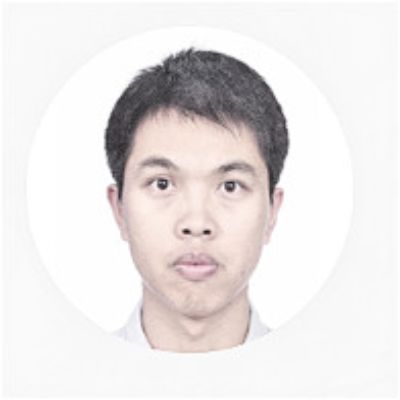
After his master's degree, Wang Chenxi joined Baidu in 2012 and has been working in R&D of machine learning platforms at the Deep Learning Institute of Baidu.
Based in San Mateo California, KBW Ventures was founded by HRH Prince Khaled bin Alwaleed bin Talal Al Saud. The asset management firm’s CEO is also the chairman of KBW Investments that was founded in 2013 in Dubai in the United Arab Emirates (UAE).KBW Ventures is part of the KBW Group and mainly invests in companies involved in sustainable food, artificial intelligence, blockchain technologies and fintech. In 2019, the VC had already invested in 24 companies in sectors like e-gaming, drones, e-commerce and plant-based proteins. Recently, it also increased its stakes in two Californian biotechs BlueNalu and TurtleTree Labs. The aim is to open up the Middle East markets to global tech companies.
Based in San Mateo California, KBW Ventures was founded by HRH Prince Khaled bin Alwaleed bin Talal Al Saud. The asset management firm’s CEO is also the chairman of KBW Investments that was founded in 2013 in Dubai in the United Arab Emirates (UAE).KBW Ventures is part of the KBW Group and mainly invests in companies involved in sustainable food, artificial intelligence, blockchain technologies and fintech. In 2019, the VC had already invested in 24 companies in sectors like e-gaming, drones, e-commerce and plant-based proteins. Recently, it also increased its stakes in two Californian biotechs BlueNalu and TurtleTree Labs. The aim is to open up the Middle East markets to global tech companies.
Norfund is the sovereign investment fund of Norway, established by the parliament in 1997 and owned by the Ministry of Foreign Affairs. The company has committed NOK 28.4bn in investments into 170 projects in developing countries as of 2020. Norfund has regional offices in Thailand, Costa Rica, Kenya, Mozambique and Ghana to support its activities in Asia, Africa and Latin America. In Asia, its core investment targets are Indonesia, Cambodia, Laos, Vietnam, Myanmar, Bangladesh and Sri Lanka. Norfund primarily invests in three key areas: clean energy, agriculture and fintech. The fund has invested in solar power projects and various food companies in India and various African countries. In Asia, Norfund has invested in Amartha, an Indonesian P2P lending fintech company providing loans to women-led microbusinesses. Norfund also invests in other venture funds, such as Southeast Asia-focused Openspace Ventures Fund III, to expand and diversify their portfolio.
Norfund is the sovereign investment fund of Norway, established by the parliament in 1997 and owned by the Ministry of Foreign Affairs. The company has committed NOK 28.4bn in investments into 170 projects in developing countries as of 2020. Norfund has regional offices in Thailand, Costa Rica, Kenya, Mozambique and Ghana to support its activities in Asia, Africa and Latin America. In Asia, its core investment targets are Indonesia, Cambodia, Laos, Vietnam, Myanmar, Bangladesh and Sri Lanka. Norfund primarily invests in three key areas: clean energy, agriculture and fintech. The fund has invested in solar power projects and various food companies in India and various African countries. In Asia, Norfund has invested in Amartha, an Indonesian P2P lending fintech company providing loans to women-led microbusinesses. Norfund also invests in other venture funds, such as Southeast Asia-focused Openspace Ventures Fund III, to expand and diversify their portfolio.
Based in the Netherlands, Prosus is a global investor in consumer tech and Internet companies. It is a subsidiary of South African tech investment company Naspers. In August 2021 the two companies completed a cross-holding agreement in which Naspers owns 57% of Prosus while Prosus owns 49% of Naspers. The two companies share a single board.Prosus is the largest shareholder in Chinese tech giant Tencent and Russian tech platform Mail.ru. Meanwhile, its venture division invests in a variety of fintech, food delivery, and other consumer tech companies. In Indonesia, it has invested in Bibit, a stock and mutual funds investment platform, as well as fishery trading and community development startup Aruna. It has also invested in edtech platforms like Indian executive learning platform Eruditus, and US-based coding education company SoloLearn.

Based in the Netherlands, Prosus is a global investor in consumer tech and Internet companies. It is a subsidiary of South African tech investment company Naspers. In August 2021 the two companies completed a cross-holding agreement in which Naspers owns 57% of Prosus while Prosus owns 49% of Naspers. The two companies share a single board.Prosus is the largest shareholder in Chinese tech giant Tencent and Russian tech platform Mail.ru. Meanwhile, its venture division invests in a variety of fintech, food delivery, and other consumer tech companies. In Indonesia, it has invested in Bibit, a stock and mutual funds investment platform, as well as fishery trading and community development startup Aruna. It has also invested in edtech platforms like Indian executive learning platform Eruditus, and US-based coding education company SoloLearn.
Founded in Amsterdam in 2011, Rockstart is a global accelerator-VC focusing on sustainability startups across market segments. Rockstart also runs specialist programs like agrifood in Copenhagen, healthcare in the Dutch town of Nijmegen and also in emerging tech in Bogota, Colombia. It specializes in developing business relationships for portfolio startups with global corporates such as Maersk, Shell and the Dutch Ministry of Health. Rockstart has invested in more than 250 startups, valued at €750m in total.Launched in 2019, Rockstart’s €22m agrifood fund secured investment partners including Vaekstfonden’s Green Future Fund and global dairy cooperative Arla Foods. It has invested in 20 food enterprises like Swiss zero-waste supermarket Lyfa and Danish alt-leather startup Beyond Leather Materials in 2021. Rockstart’s energy fund recently invested in the €730,000 pre-seed round of Danish carbon sequestration corporate marketplace, Klimate, in September 2021. Exits include Wercker, iClinic, Brincr and 3D Hubs.
Founded in Amsterdam in 2011, Rockstart is a global accelerator-VC focusing on sustainability startups across market segments. Rockstart also runs specialist programs like agrifood in Copenhagen, healthcare in the Dutch town of Nijmegen and also in emerging tech in Bogota, Colombia. It specializes in developing business relationships for portfolio startups with global corporates such as Maersk, Shell and the Dutch Ministry of Health. Rockstart has invested in more than 250 startups, valued at €750m in total.Launched in 2019, Rockstart’s €22m agrifood fund secured investment partners including Vaekstfonden’s Green Future Fund and global dairy cooperative Arla Foods. It has invested in 20 food enterprises like Swiss zero-waste supermarket Lyfa and Danish alt-leather startup Beyond Leather Materials in 2021. Rockstart’s energy fund recently invested in the €730,000 pre-seed round of Danish carbon sequestration corporate marketplace, Klimate, in September 2021. Exits include Wercker, iClinic, Brincr and 3D Hubs.
Chairman of the Board, co-founder, co-inventor of NovoNutrients
Russell J. Howard has been co-founder and chairman of the board at NovoNutrients, a San Francisco biotech manufacturer of alt-protein produced using fermentation and CO2, and the research company Oakbio, since the latter’s foundation in 2009. During this period, for a year, Howard also worked as head of commercial strategy at Genome.One, a genetics startup. Howard is also on the board of executives of two Australian pharma companies, Immutep and NeuClone. Previously, between 1997 and 2009, he was CEO at California-based Maxygen, dedicated to the commercialization of molecular breeding and gene shuffling in protein. The year before that, Howard was president and scientific director at global pharma giant GSK in Santa Clara, and between 1994 and 1996, he held the same position at AFFYMAX Research Institute, working on new drugs research. Howard also held long-term research positions, heading up the laboratory at Palo Alto’s DNAX Research Institute of Molecular & Cellular Biology for six years, and earlier spent nine years at Bethesda’s National Institute of Allergy and Infectious Diseases (NIAID) working on identifying new malarial pathogens. The doctor of biochemistry from the University of Melbourne has over 140 peer-reviewed publications. Following his studies, Howard spent three years undertaking postdoctoral research at Australia’s WEHI (formerly the Walter and Eliza Hall Institute of Medical Research).

Russell J. Howard has been co-founder and chairman of the board at NovoNutrients, a San Francisco biotech manufacturer of alt-protein produced using fermentation and CO2, and the research company Oakbio, since the latter’s foundation in 2009. During this period, for a year, Howard also worked as head of commercial strategy at Genome.One, a genetics startup. Howard is also on the board of executives of two Australian pharma companies, Immutep and NeuClone. Previously, between 1997 and 2009, he was CEO at California-based Maxygen, dedicated to the commercialization of molecular breeding and gene shuffling in protein. The year before that, Howard was president and scientific director at global pharma giant GSK in Santa Clara, and between 1994 and 1996, he held the same position at AFFYMAX Research Institute, working on new drugs research. Howard also held long-term research positions, heading up the laboratory at Palo Alto’s DNAX Research Institute of Molecular & Cellular Biology for six years, and earlier spent nine years at Bethesda’s National Institute of Allergy and Infectious Diseases (NIAID) working on identifying new malarial pathogens. The doctor of biochemistry from the University of Melbourne has over 140 peer-reviewed publications. Following his studies, Howard spent three years undertaking postdoctoral research at Australia’s WEHI (formerly the Walter and Eliza Hall Institute of Medical Research).
Co-founder, CEO of Heptasense
In 2017, Ricardo Santos became the CEO and co-founder of Heptasense. In November 2018, the Portuguese national has also founded Rocha Capital, a private fund to invest in other startups. Santos obtained a master's in Electrical and Computer Engineering from the Higher Technical Institute in Lisbon in 2015. He also has a degree in Biomedical Engineering and Biophysics from the University of Lisbon. Prior to co-founding Heptasense, he was a research fellow at the Portuguese Institute of Biophysics and Biomedical Engineering. He was also a Biomedical Engineering summer intern at the University of Nottingham in the UK in 2013.

In 2017, Ricardo Santos became the CEO and co-founder of Heptasense. In November 2018, the Portuguese national has also founded Rocha Capital, a private fund to invest in other startups. Santos obtained a master's in Electrical and Computer Engineering from the Higher Technical Institute in Lisbon in 2015. He also has a degree in Biomedical Engineering and Biophysics from the University of Lisbon. Prior to co-founding Heptasense, he was a research fellow at the Portuguese Institute of Biophysics and Biomedical Engineering. He was also a Biomedical Engineering summer intern at the University of Nottingham in the UK in 2013.
Dao Foods: Grooming and betting on China's rising alternative protein startups
How can businesses involve Chinese consumers in the environmental cause, even if it isn’t a priority for them? For that, the impact investor-incubator Dao Foods has got its philosophy-led strategy figured out
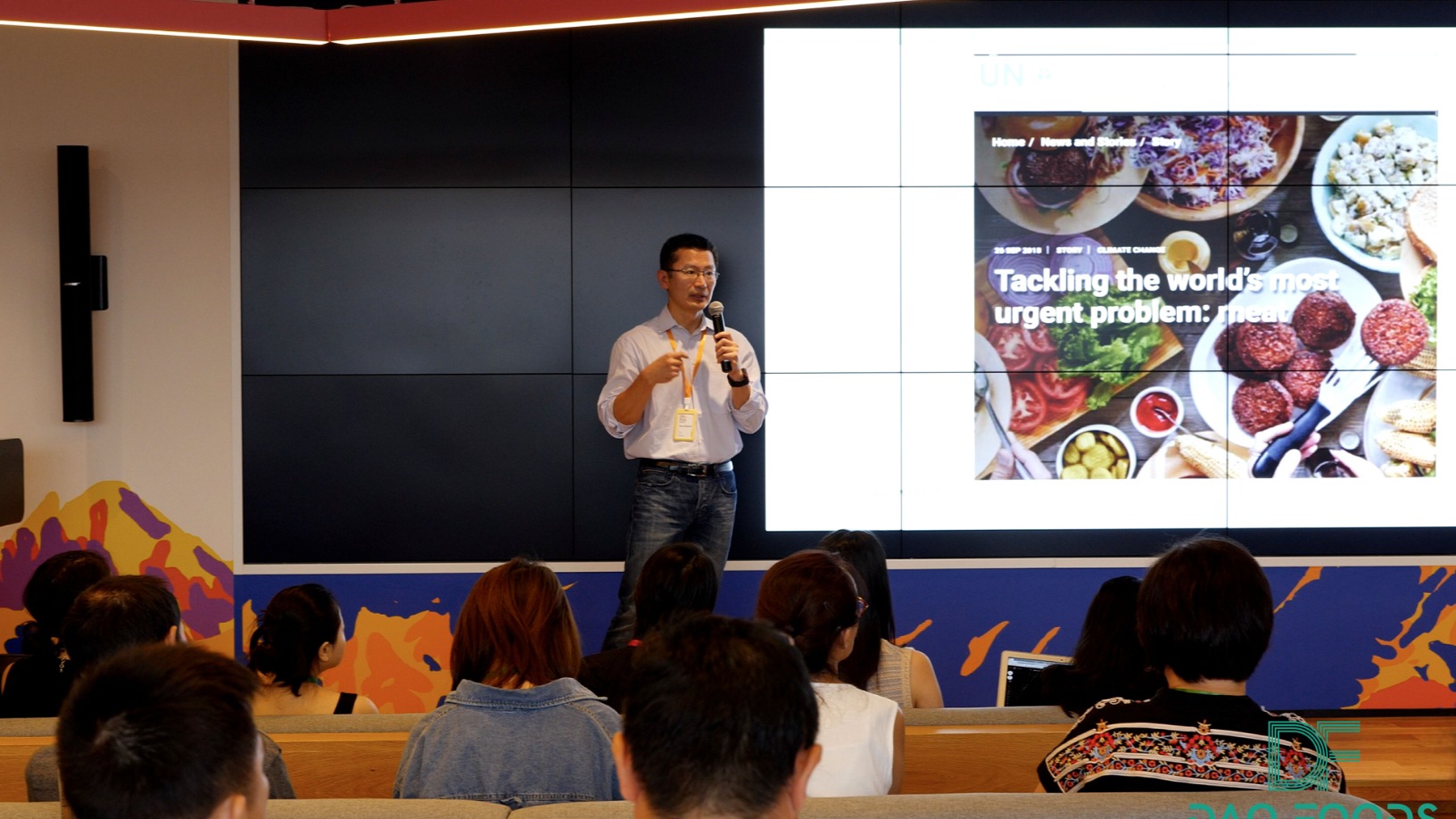
Big Idea Ventures Founder Andrew D Ive: Asia will lead cell-based meat innovation
In a wide-ranging interview, the managing general partner of the US- and Singapore-based foodtech investor also expounds on his goal to extend sustainability to the rest of the food sector, combining good returns with doing good

Meatable joins Royal DSM to create growth media specific for cell-based meat tech
The R&D between the biotech startup and fellow Dutch nutrition conglomerate could help scale and drive the commercial viability of lab-grown meat

Plant-based eggs: The next big thing in the alternative protein market
Plant-based eggs may be the fastest growing segment in plant-based foods, but hacking the formula for a perfect egg substitute is proving a hurdle. Are alt-protein startups up for the challenge?

Future Food Asia 2021: Agrifood tech at an inflection point
Agrifood tech startups urged to harness consumer, investor and government feedback to create plentiful, nutritious food through sustainable means, but exercise caution when considering IPOs

Good Startup: Alt-protein products can be better than real meat
The investor of Eat Just, Ripple Foods and more expects its portfolio companies will exit in the next four to six years, mostly through acquisition
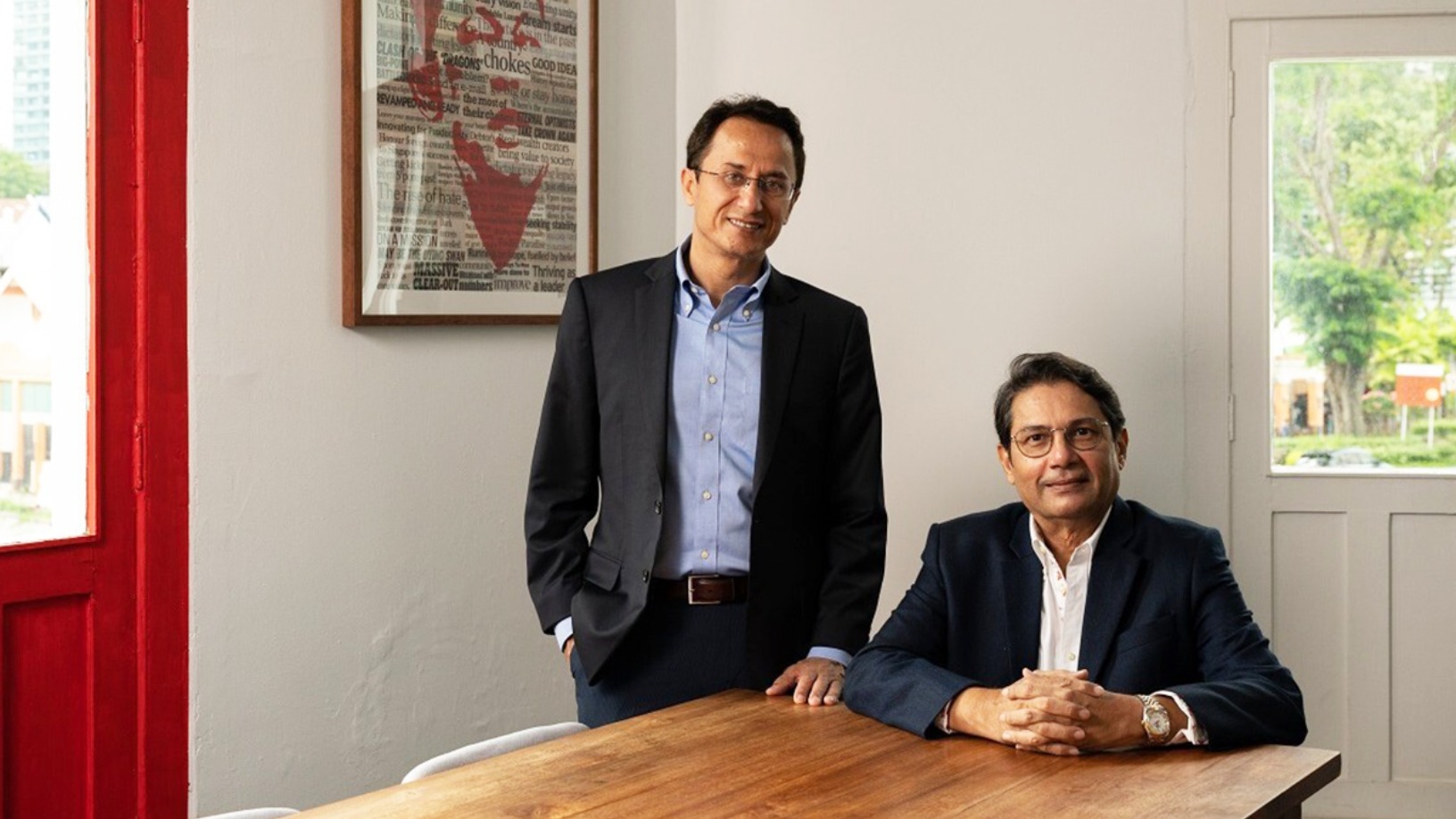
Early Charm Ventures: Taking research from the labs to the real world
Instead of investing money, the venture studio gets hands-on, co-running companies with top scientists and their cutting-edge research
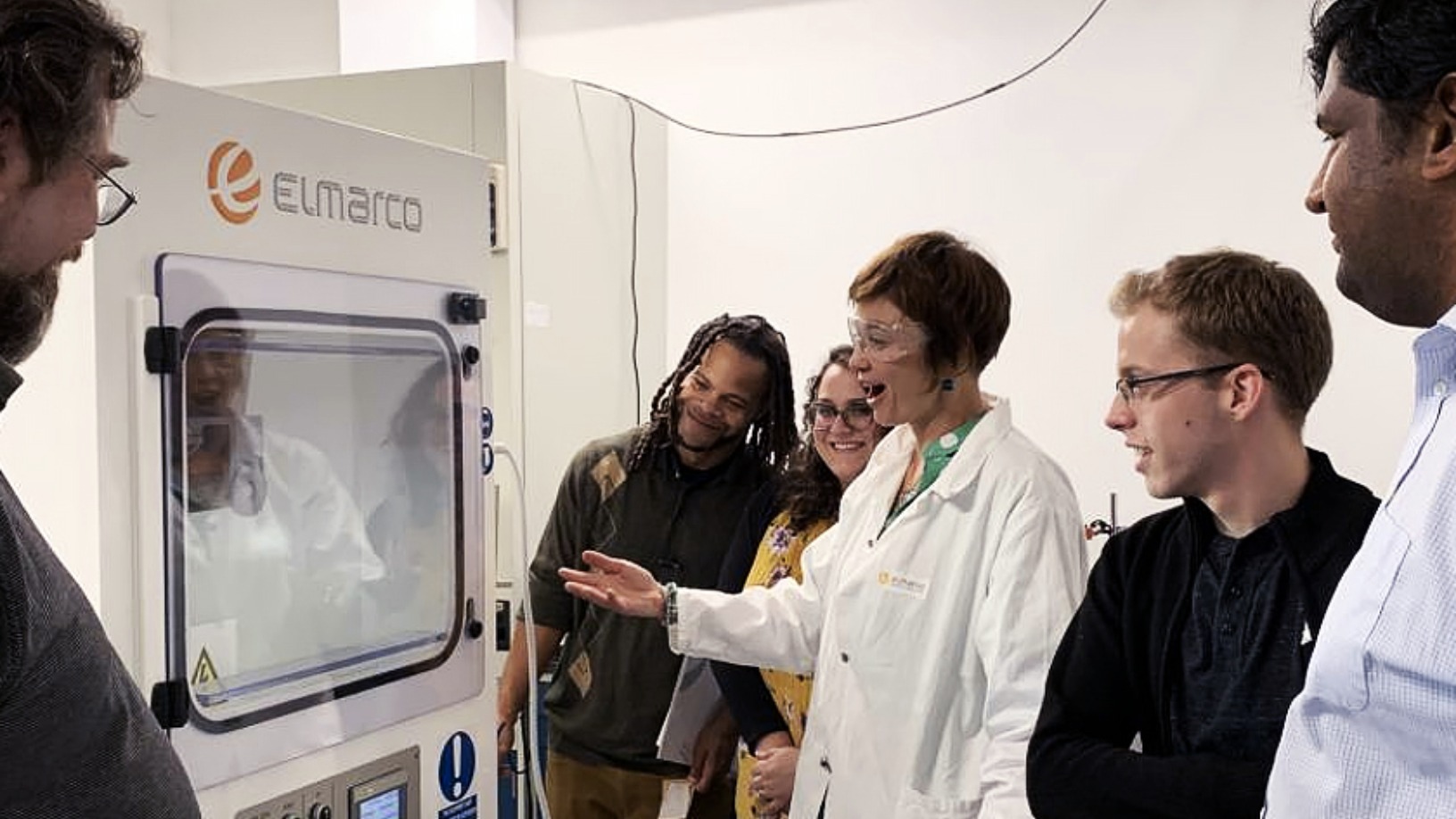
Neurafarm: Putting an AI plant doctor in farmers' hands
This startup is riding on Indonesia’s urban farming trend with its planting kit and an AI-powered app that identifies plant diseases from photos of unhealthy leaves

Mi Terro turns milk waste into eco-friendly clothing and packaging
With food giants like Danone, Arla and Dole as partners, US-Sino startup Mi Terro plans to extend its technology to plant-based food waste like soy to get plastic and fiber alternatives

Indonesian online basic food startups like Sayurbox and Wahyoo have had as much as a fivefold jump in orders and are working to sustain strong sales post-social distancing

Sophie's Bionutrients: Alternative protein from microalgae
Inspired by fish in the ocean, the startup developed microalgae-based flour that can take on unlimited forms, textures or colors to make almost any alt protein product

AgNext seeks less food loss, fairer prices for farmers with food quality analysis tech
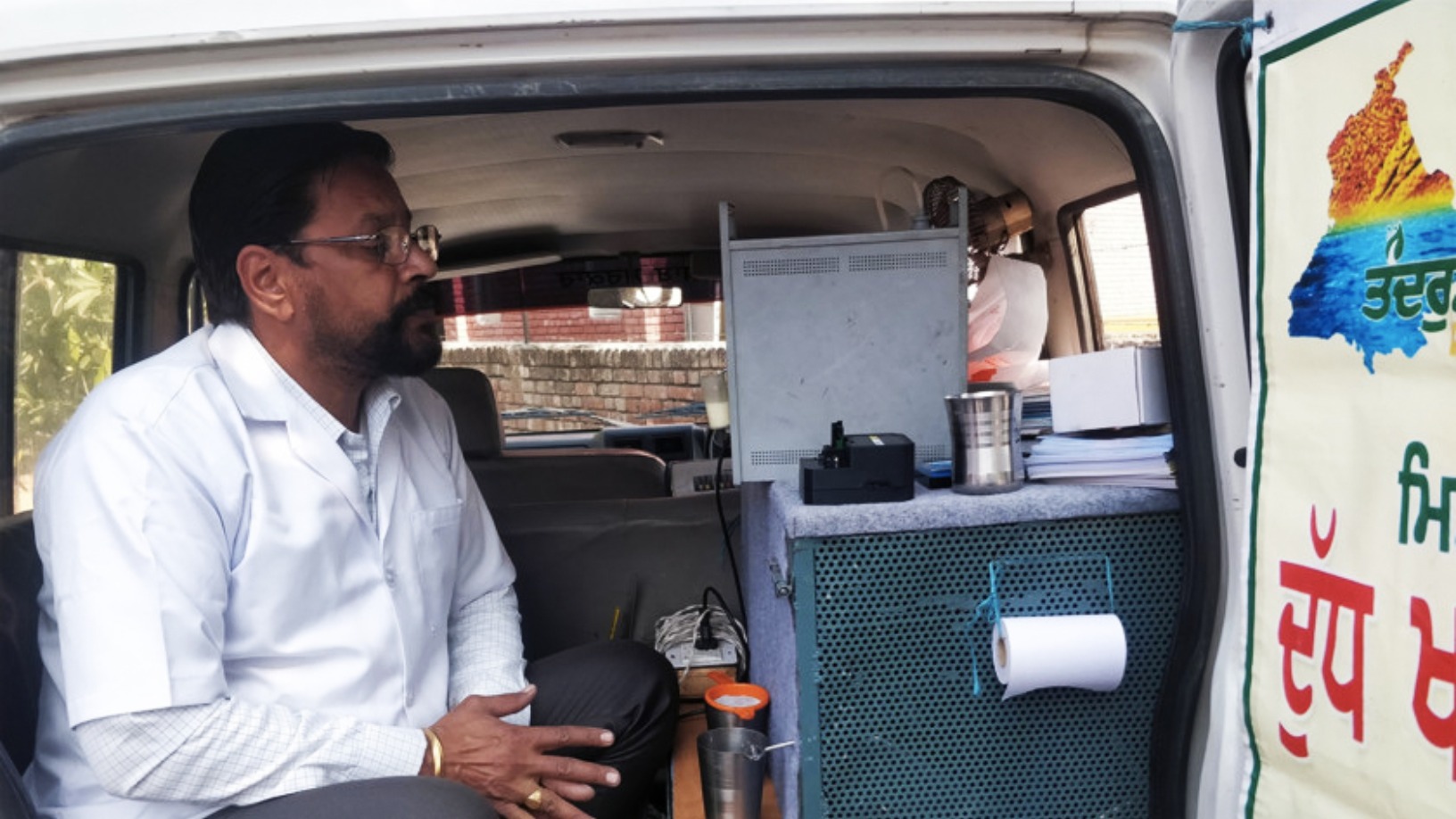
Taking computer vision and chemical analysis to the fields for quick crop quality checks, Punjab-based AgNext eyes Asian expansion, and insurtech, fintech opportunities
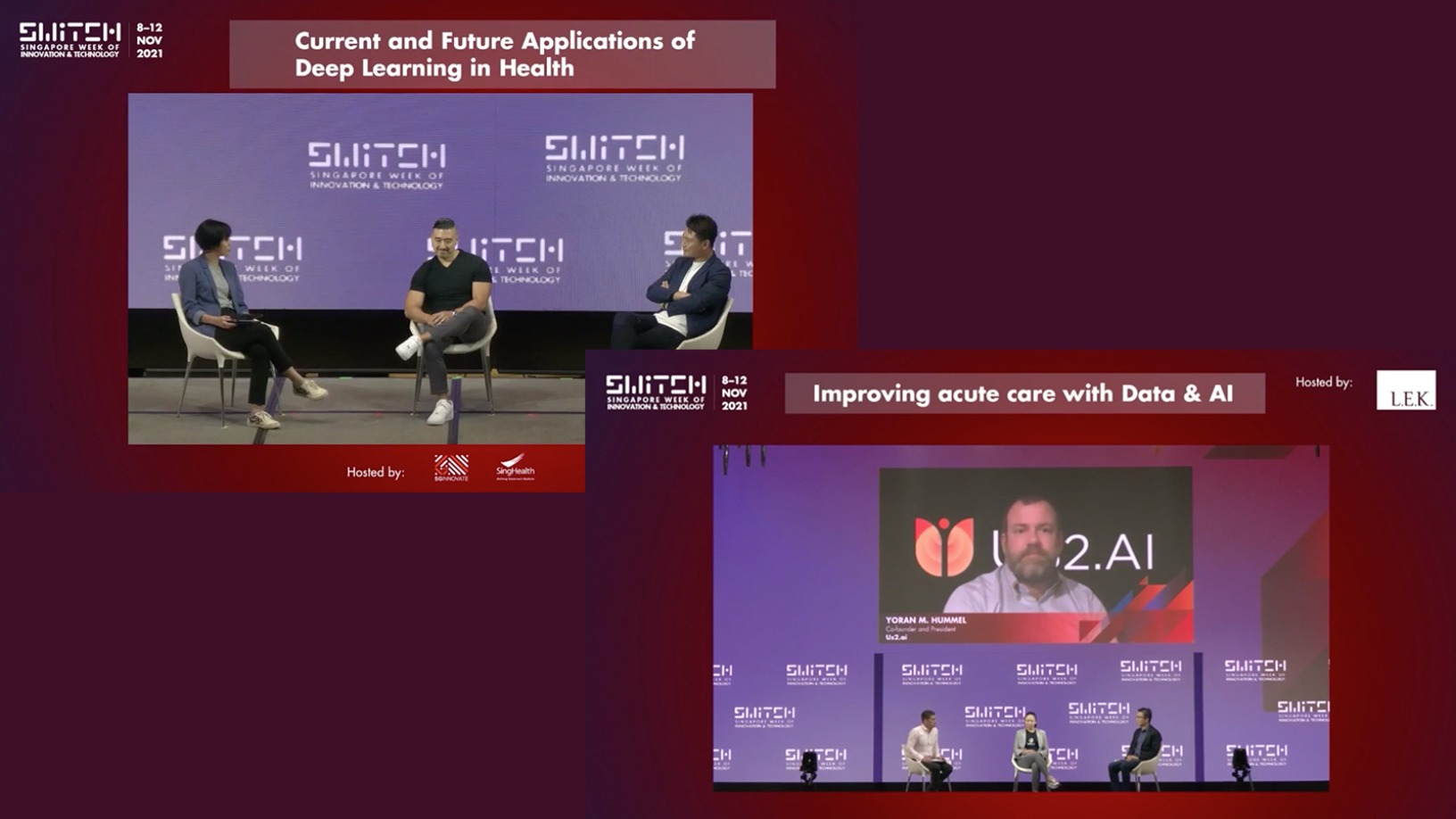
SWITCH Singapore 2021: Benefits and challenges of AI applications in healthcare
Medical experts and healthcare startups agree AI can contribute more to healthcare beyond improving diagnosis and personalized treatment, but hurdles still remain
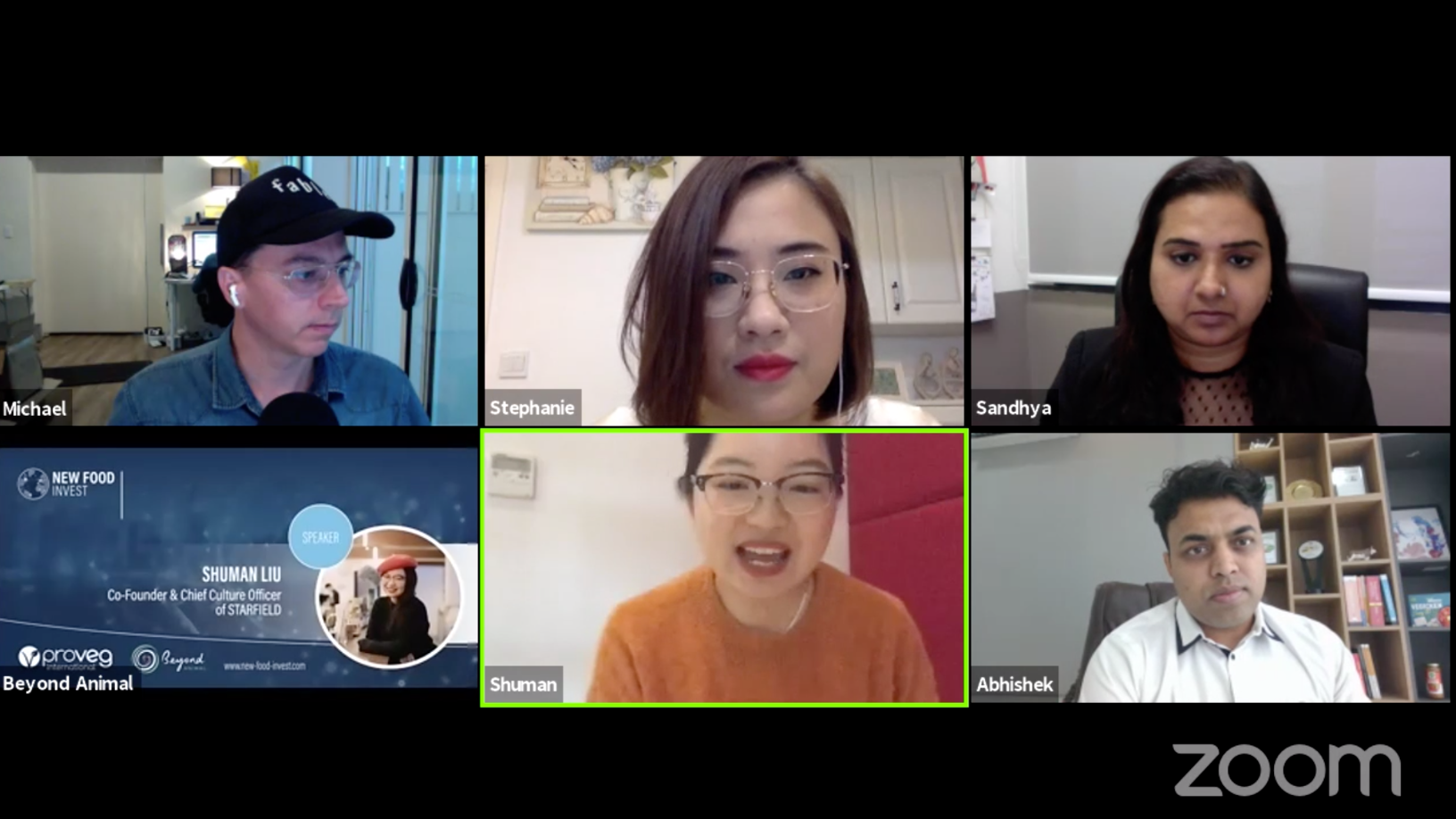
New Food Invest: Growing an alternative protein business in Asia
With more than 4bn people, Asia presents unique opportunities and challenges to alternative protein startups. Four leading entrepreneurs shared their experiences at the recent New Food Invest conference
Futuralga: Circular economy model to turn seaweed into biodegradable plastic alternative
A Cádiz-based young startup is winning accolades for its eco-friendly bioplastic made from seaweed washed ashore

Sorry, we couldn’t find any matches for “Good Food Institute”.
POPULAR DATABASE