Good Food Institute
-
DATABASE (332)
-
ARTICLES (471)
Co-founder of Xpeng Motors
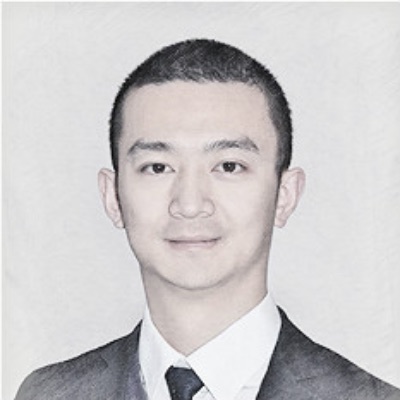
In 2011, Yang earned his master’s degree in Control Science and Engineering from the Harbin Institute of Technology. From 2011 until January 2015, he worked as an electric vehicle project manager at Guangzhou Automobile Group Co., Ltd. In June 2014, he co-founded Xpeng Motors with He Xiaopeng, Xia Heng and He Tao in Guangzhou. After leaving Xpeng Motors in 2017, Yang joined Qeebike, an electric bike-sharing startup based in Hangzhou, and has served as its CTO ever since.
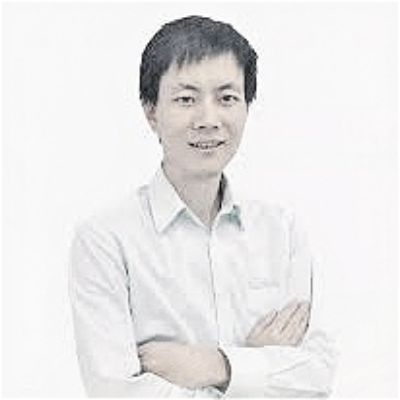
In 2011, Yang earned his master’s degree in Control Science and Engineering from the Harbin Institute of Technology. From 2011 until January 2015, he worked as an electric vehicle project manager at Guangzhou Automobile Group Co., Ltd. In June 2014, he co-founded Xpeng Motors with He Xiaopeng, Xia Heng and He Tao in Guangzhou. After leaving Xpeng Motors in 2017, Yang joined Qeebike, an electric bike-sharing startup based in Hangzhou, and has served as its CTO ever since.
Founder and CEO of Aibee
Having earned his master’s degree in Optical Science and Engineering from Tsinghua University, Lin received his PhD in Electrical Engineering from the University of Pennsylvania in 2008. In May 2008, he joined NEC Labs America, where he performed research on machine learning and computer vision. In November 2015, Lin was made director of Baidu’s Institute of Deep Learning. In March 2017, he was promoted to head of Baidu Research. Six months after being promoted, Lin left Baidu to found Aibee.
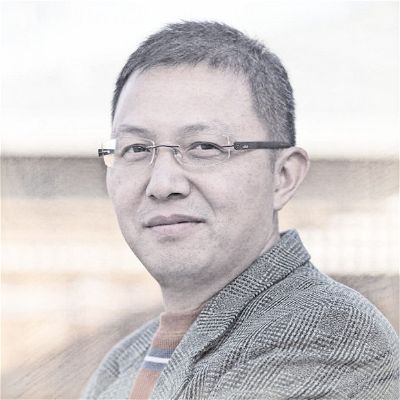
Having earned his master’s degree in Optical Science and Engineering from Tsinghua University, Lin received his PhD in Electrical Engineering from the University of Pennsylvania in 2008. In May 2008, he joined NEC Labs America, where he performed research on machine learning and computer vision. In November 2015, Lin was made director of Baidu’s Institute of Deep Learning. In March 2017, he was promoted to head of Baidu Research. Six months after being promoted, Lin left Baidu to found Aibee.
Co-founder and CEO of Agate
Arief Widhiyasa is an Agate co-founder and one of the original 18 members of the game development studio who met at Bandung Institute of Technology and began the company after graduation. He and his teammates did not have prior experience in running a business – Arief's bachelor's degree is in Computer Science – but they powered through and the company is still going strong more than 10 years later. Arief was named among Forbes' 30 Under 30 Asia list in the Consumer Tech category.
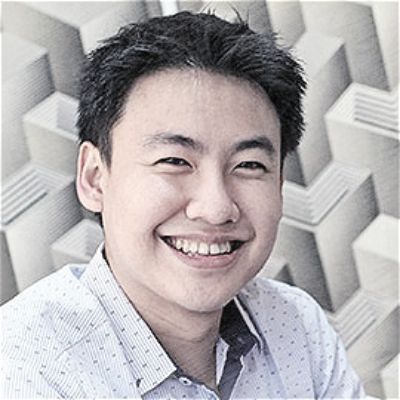
Arief Widhiyasa is an Agate co-founder and one of the original 18 members of the game development studio who met at Bandung Institute of Technology and began the company after graduation. He and his teammates did not have prior experience in running a business – Arief's bachelor's degree is in Computer Science – but they powered through and the company is still going strong more than 10 years later. Arief was named among Forbes' 30 Under 30 Asia list in the Consumer Tech category.
Co-founder and CMO of Agate
Shieny Aprilia is one of Agate's original 18 members and has been with the company since it was established in 2009. She was originally tasked with managing the company's operations and finances while still working as a game programmer and producer. As Agate continued to grow, she took over the role of COO and eventually became Chief Marketing Officer.Like most of the other original members of Agate, Shieny graduated from the Bandung Institute of Technology with a bachelor's in Informatics Engineering.

Shieny Aprilia is one of Agate's original 18 members and has been with the company since it was established in 2009. She was originally tasked with managing the company's operations and finances while still working as a game programmer and producer. As Agate continued to grow, she took over the role of COO and eventually became Chief Marketing Officer.Like most of the other original members of Agate, Shieny graduated from the Bandung Institute of Technology with a bachelor's in Informatics Engineering.
Co-founder and IT Partner of 360imprimir (BIZAY)
Diogo Silva was a high-flyer at the High Institute of Engineering of Lisbon, where he not only won a grant from the Galp Energy group but was also a Microsoft Student Partner. Silva graduated with a master’s in Computer Engineering and pursued a career in IT as a consultant and software developer, before co-founding 360imprimir. Since 2013, he has worked as a head of IT at 360imprimir. In addition to his native Portuguese, Silva also speaks English and French.

Diogo Silva was a high-flyer at the High Institute of Engineering of Lisbon, where he not only won a grant from the Galp Energy group but was also a Microsoft Student Partner. Silva graduated with a master’s in Computer Engineering and pursued a career in IT as a consultant and software developer, before co-founding 360imprimir. Since 2013, he has worked as a head of IT at 360imprimir. In addition to his native Portuguese, Silva also speaks English and French.
CEO and founder of SOURCE Global (formerly Zero Mass Water)
Cody Frieson is the US founder and CEO of SOURCE Global (formerly Zero Mass Water), the first off-grid drinking water production tech based on solar-powered panels. The Arizona State University Fulton Engineering School professor of innovation invented the Hydropanel, the key to SOURCE’s technology, and continues to teach part-time at the university. He is also a fellow at both the NGO Aspen Institute, which is committed to realizing a free, just and equitable society, and also at Unreasonable – an entity composed of entrepreneurs, institutions and investors dedicated to “discover profit in solving global problems.”Frieson was also previously founder, president and CTO of rechargeable zinc battery startup Fluidic Energy, another of his inventions, where he worked from 2007 to 2013, when it was acquired and became NantEnergy. In 2019, Freison won the Lemelson-MIT Student Prize for innovations to benefit the world – the US’ most prestigious student innovation award with a $500,000 prize. Frieson holds a PhD in Materials Science and Engineering from The Massachusetts Institute of Technology (MIT).

Cody Frieson is the US founder and CEO of SOURCE Global (formerly Zero Mass Water), the first off-grid drinking water production tech based on solar-powered panels. The Arizona State University Fulton Engineering School professor of innovation invented the Hydropanel, the key to SOURCE’s technology, and continues to teach part-time at the university. He is also a fellow at both the NGO Aspen Institute, which is committed to realizing a free, just and equitable society, and also at Unreasonable – an entity composed of entrepreneurs, institutions and investors dedicated to “discover profit in solving global problems.”Frieson was also previously founder, president and CTO of rechargeable zinc battery startup Fluidic Energy, another of his inventions, where he worked from 2007 to 2013, when it was acquired and became NantEnergy. In 2019, Freison won the Lemelson-MIT Student Prize for innovations to benefit the world – the US’ most prestigious student innovation award with a $500,000 prize. Frieson holds a PhD in Materials Science and Engineering from The Massachusetts Institute of Technology (MIT).
Co-founder and CTO of Limakilo
Arif Setiawan is an experienced web and mobile app developer who loves competition. He still runs Futsalholic.com that he co-founded in 2013 while in Bandung, prior to joining Limakilo as the CTO in November 2015. Arif is Limakilo’s Backend and API developer and also its Frontend Web developer.He also works on other projects at Rakki Studio as a web developer. An alumni of the Institute of Technology Bandung (ITB), Arif gained a master’s in Informatics (Media Technology and Mobile Apps) in 2016.

Arif Setiawan is an experienced web and mobile app developer who loves competition. He still runs Futsalholic.com that he co-founded in 2013 while in Bandung, prior to joining Limakilo as the CTO in November 2015. Arif is Limakilo’s Backend and API developer and also its Frontend Web developer.He also works on other projects at Rakki Studio as a web developer. An alumni of the Institute of Technology Bandung (ITB), Arif gained a master’s in Informatics (Media Technology and Mobile Apps) in 2016.
Co-founder of Unbabel
Pessanha co-founded Unbabel in 2013 and was its CMO, before leaving the startup in August 2016 to join healthcare marketplace Care Revolutions as COO in Los Angeles. She is also a co-founder of Lisbon-based accelerator and NGO Beta-i and of energy tech startup ActualSun and was also Director at the Founder Institute in Lisbon. Pessanha majored in Business Administration at the New University of Lisbon. She also spent three years working at tech company TIMWETECH, in product marketing and business development.

Pessanha co-founded Unbabel in 2013 and was its CMO, before leaving the startup in August 2016 to join healthcare marketplace Care Revolutions as COO in Los Angeles. She is also a co-founder of Lisbon-based accelerator and NGO Beta-i and of energy tech startup ActualSun and was also Director at the Founder Institute in Lisbon. Pessanha majored in Business Administration at the New University of Lisbon. She also spent three years working at tech company TIMWETECH, in product marketing and business development.
Co-founder and CEO of Xhockware
Lecturer-turned-entrepreneur Joao Paulo Rodrigues spent nearly a decade at the Computer and System Engineering Institute of Porto (INESC) as a researcher, and at Porto Business School (PBS). While at INESC and PBS, Rodrigues co-founded Xarevision, an INESC spinoff. In February 2014, he left his position as Xarevision’s CTO to start Xhockware. He continues to work at Xhockware as CEO and has an educational background in engineering, in which he holds a PhD. from the University of Porto, as well as in business management.

Lecturer-turned-entrepreneur Joao Paulo Rodrigues spent nearly a decade at the Computer and System Engineering Institute of Porto (INESC) as a researcher, and at Porto Business School (PBS). While at INESC and PBS, Rodrigues co-founded Xarevision, an INESC spinoff. In February 2014, he left his position as Xarevision’s CTO to start Xhockware. He continues to work at Xhockware as CEO and has an educational background in engineering, in which he holds a PhD. from the University of Porto, as well as in business management.
CEO and founder of Tezign
Fan was awarded a China Fellowship by the Aspen Institute in 2016 and was chosen as a Young Global Leader by the World Economic Forum in 2017. He graduated with a bachelor’s degree in Architecture from Tongji University in 2005, a master’s degree in Architecture from Princeton University in 2007 and a doctorate in Design from Harvard University in 2014. Fan has worked as an assistant professor in Interactive Design at UC Berkeley and as a lecturer at the China Central Academy of Fine Arts.
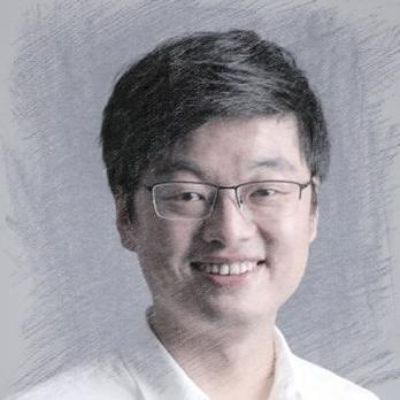
Fan was awarded a China Fellowship by the Aspen Institute in 2016 and was chosen as a Young Global Leader by the World Economic Forum in 2017. He graduated with a bachelor’s degree in Architecture from Tongji University in 2005, a master’s degree in Architecture from Princeton University in 2007 and a doctorate in Design from Harvard University in 2014. Fan has worked as an assistant professor in Interactive Design at UC Berkeley and as a lecturer at the China Central Academy of Fine Arts.
Founder of aiXcoder
Dr. Li is an associate professor at the Software Engineering Institute at the School of Electronics Engineering and Computer Science, Peking University. He is also a member of the Key Lab of High Confidence Software Technologies at the university. Li has been teaching Introduction to Computing at Peking University since 2006. In 2013, he was a visiting scholar at the Stanford Artificial Intelligence Laboratory. Li's research focuses on software engineering, machine learning and knowledge engineering. He founded aiXcoder in March 2017.

Dr. Li is an associate professor at the Software Engineering Institute at the School of Electronics Engineering and Computer Science, Peking University. He is also a member of the Key Lab of High Confidence Software Technologies at the university. Li has been teaching Introduction to Computing at Peking University since 2006. In 2013, he was a visiting scholar at the Stanford Artificial Intelligence Laboratory. Li's research focuses on software engineering, machine learning and knowledge engineering. He founded aiXcoder in March 2017.
CEO of Haishen Tech
A Tsinghua University graduate, Dai Jianbin holds a doctorate degree in Deep Learning from Georgia Institute of Technology. He has worked in the R&D departments of ML technology in companies like Yahoo! and Oracle. He has also collaborated with Professor Andrew Ng while working at Baidu's R&D office in the US. In 2016, Dai returned to China and founded Haishen Technology.

A Tsinghua University graduate, Dai Jianbin holds a doctorate degree in Deep Learning from Georgia Institute of Technology. He has worked in the R&D departments of ML technology in companies like Yahoo! and Oracle. He has also collaborated with Professor Andrew Ng while working at Baidu's R&D office in the US. In 2016, Dai returned to China and founded Haishen Technology.
President Director and co-founder of Digital Happiness
Imron graduated from the Bandung Institute of Technology in 2001 with a bachelors in Industrial Design. In 2004, he founded Irisdesain, a studio which fulfilled below the line corporate branding needs. In 2013, Imron co-founded Digital Happiness, an Indonesian video games development studio. Prior to setting up Digital Happiness, he was a 3D animator and design consultant. He created a simulation game for the Indonesian army. He is now CEO of Digital Happiness.
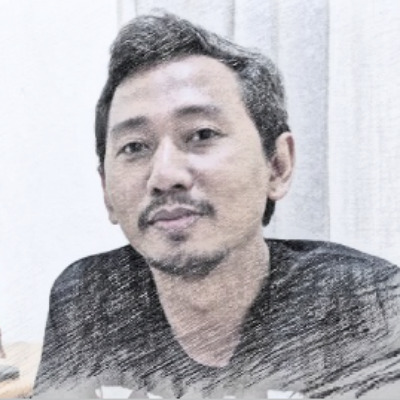
Imron graduated from the Bandung Institute of Technology in 2001 with a bachelors in Industrial Design. In 2004, he founded Irisdesain, a studio which fulfilled below the line corporate branding needs. In 2013, Imron co-founded Digital Happiness, an Indonesian video games development studio. Prior to setting up Digital Happiness, he was a 3D animator and design consultant. He created a simulation game for the Indonesian army. He is now CEO of Digital Happiness.
CTO and co-founder of Intelligent Learning
From 1997 to 2001, Li Guibin finished his undergraduate studies at the Harbin Institute of Technology.In November 2004, he went to work at Alibaba as R&D manager on wireless technology for its sub-brands including Yahoo China, Koubei.com, Taobao.com and Fliggy.com.He left Alibaba in July 2014 and co-founded neighborhood social app Youlin with ex-Alibaba colleague Yang Renbin. They went on to set up edtech platform Intelligent Learning in January 2018, with Li as CTO and Yang as CEO.
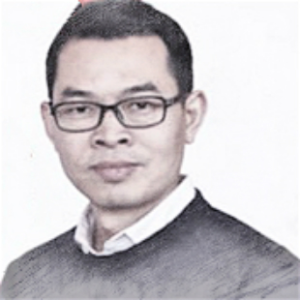
From 1997 to 2001, Li Guibin finished his undergraduate studies at the Harbin Institute of Technology.In November 2004, he went to work at Alibaba as R&D manager on wireless technology for its sub-brands including Yahoo China, Koubei.com, Taobao.com and Fliggy.com.He left Alibaba in July 2014 and co-founded neighborhood social app Youlin with ex-Alibaba colleague Yang Renbin. They went on to set up edtech platform Intelligent Learning in January 2018, with Li as CTO and Yang as CEO.
Co-founder of Meatable
Mark Kotter is the Austrian co-founder at Dutch cell-based meat startup Meatable, the first to use pluripotent stem cells and claim a highly scalable culture technology, which was developed by Kotter prior to founding the startup in 2018. He is also founder at his biotech startup, bit.bio, which is based in Cambridge, UK, since 2016, where he applies his cellular technological innovation to human stem cell research and has raised investments totaling $42m. His main full-time position is at the University of Cambridge, where he has worked since 2009. He has spent more than five years as a clinician-scientist in stem cell research and was previously a lecturer in neurosurgery. Kotter also lectures at Paris Descartes University and is a team leader at the UK’s National Institute for Health Research’s Brain Injury MedTech Co-operative. He also founded Myelopathy.org to raise awareness of cervical myelopathy. His past positions were as a research group leader at the Max Planck Institute for Experimental Medicine for one year, and for two years spent at the Medical University of Vienna. Kotter holds two doctorates; one in philosophy from the University of Cambridge and the other in medicine from the University of Graz in Austria. Kotter also holds a master’s in philosophy from the University of Cambridge.

Mark Kotter is the Austrian co-founder at Dutch cell-based meat startup Meatable, the first to use pluripotent stem cells and claim a highly scalable culture technology, which was developed by Kotter prior to founding the startup in 2018. He is also founder at his biotech startup, bit.bio, which is based in Cambridge, UK, since 2016, where he applies his cellular technological innovation to human stem cell research and has raised investments totaling $42m. His main full-time position is at the University of Cambridge, where he has worked since 2009. He has spent more than five years as a clinician-scientist in stem cell research and was previously a lecturer in neurosurgery. Kotter also lectures at Paris Descartes University and is a team leader at the UK’s National Institute for Health Research’s Brain Injury MedTech Co-operative. He also founded Myelopathy.org to raise awareness of cervical myelopathy. His past positions were as a research group leader at the Max Planck Institute for Experimental Medicine for one year, and for two years spent at the Medical University of Vienna. Kotter holds two doctorates; one in philosophy from the University of Cambridge and the other in medicine from the University of Graz in Austria. Kotter also holds a master’s in philosophy from the University of Cambridge.
Dao Foods: Grooming and betting on China's rising alternative protein startups
How can businesses involve Chinese consumers in the environmental cause, even if it isn’t a priority for them? For that, the impact investor-incubator Dao Foods has got its philosophy-led strategy figured out
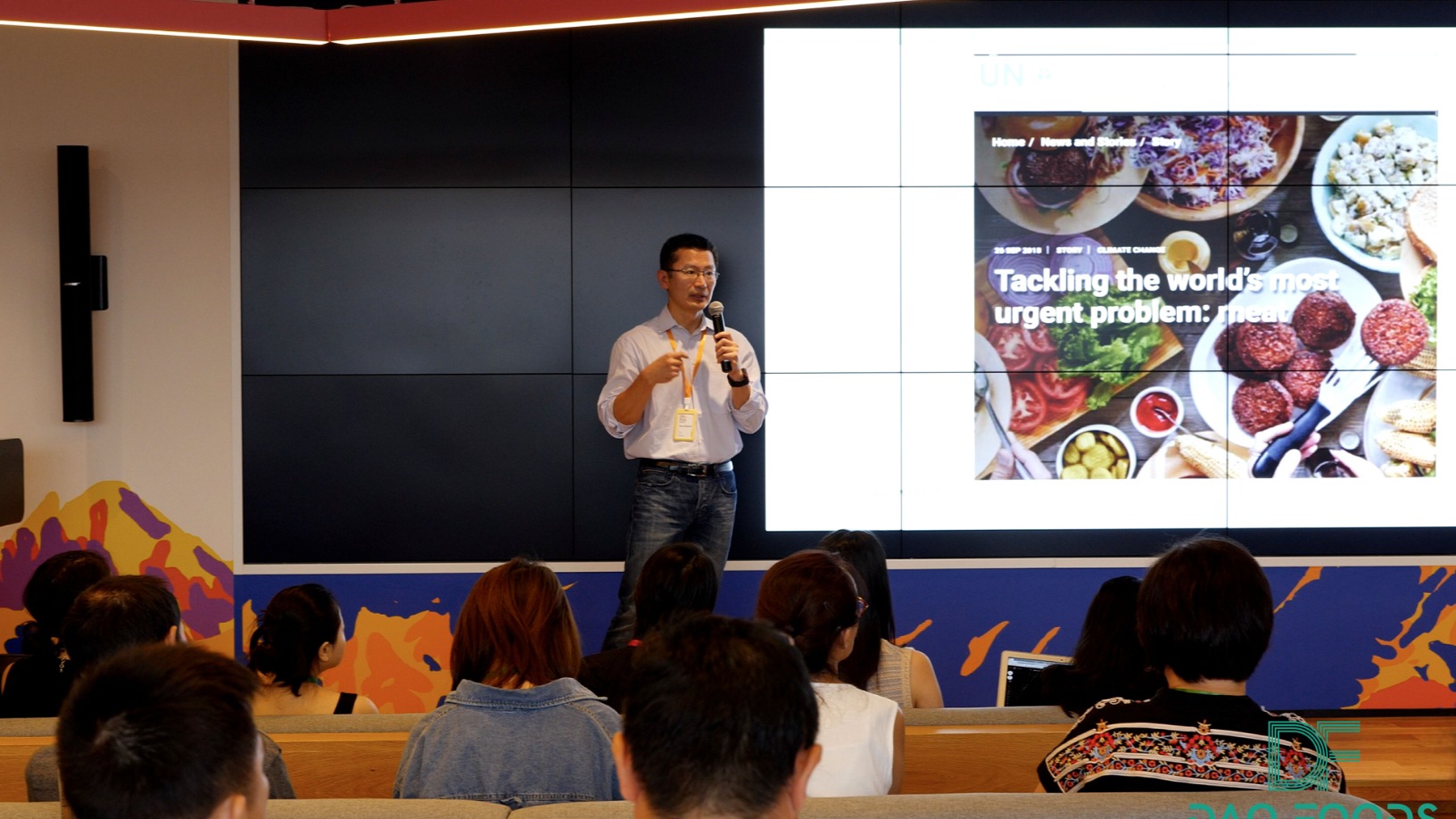

Big Idea Ventures Founder Andrew D Ive: Asia will lead cell-based meat innovation
In a wide-ranging interview, the managing general partner of the US- and Singapore-based foodtech investor also expounds on his goal to extend sustainability to the rest of the food sector, combining good returns with doing good

Meatable joins Royal DSM to create growth media specific for cell-based meat tech
The R&D between the biotech startup and fellow Dutch nutrition conglomerate could help scale and drive the commercial viability of lab-grown meat

Plant-based eggs: The next big thing in the alternative protein market
Plant-based eggs may be the fastest growing segment in plant-based foods, but hacking the formula for a perfect egg substitute is proving a hurdle. Are alt-protein startups up for the challenge?

Future Food Asia 2021: Agrifood tech at an inflection point
Agrifood tech startups urged to harness consumer, investor and government feedback to create plentiful, nutritious food through sustainable means, but exercise caution when considering IPOs

Good Startup: Alt-protein products can be better than real meat
The investor of Eat Just, Ripple Foods and more expects its portfolio companies will exit in the next four to six years, mostly through acquisition
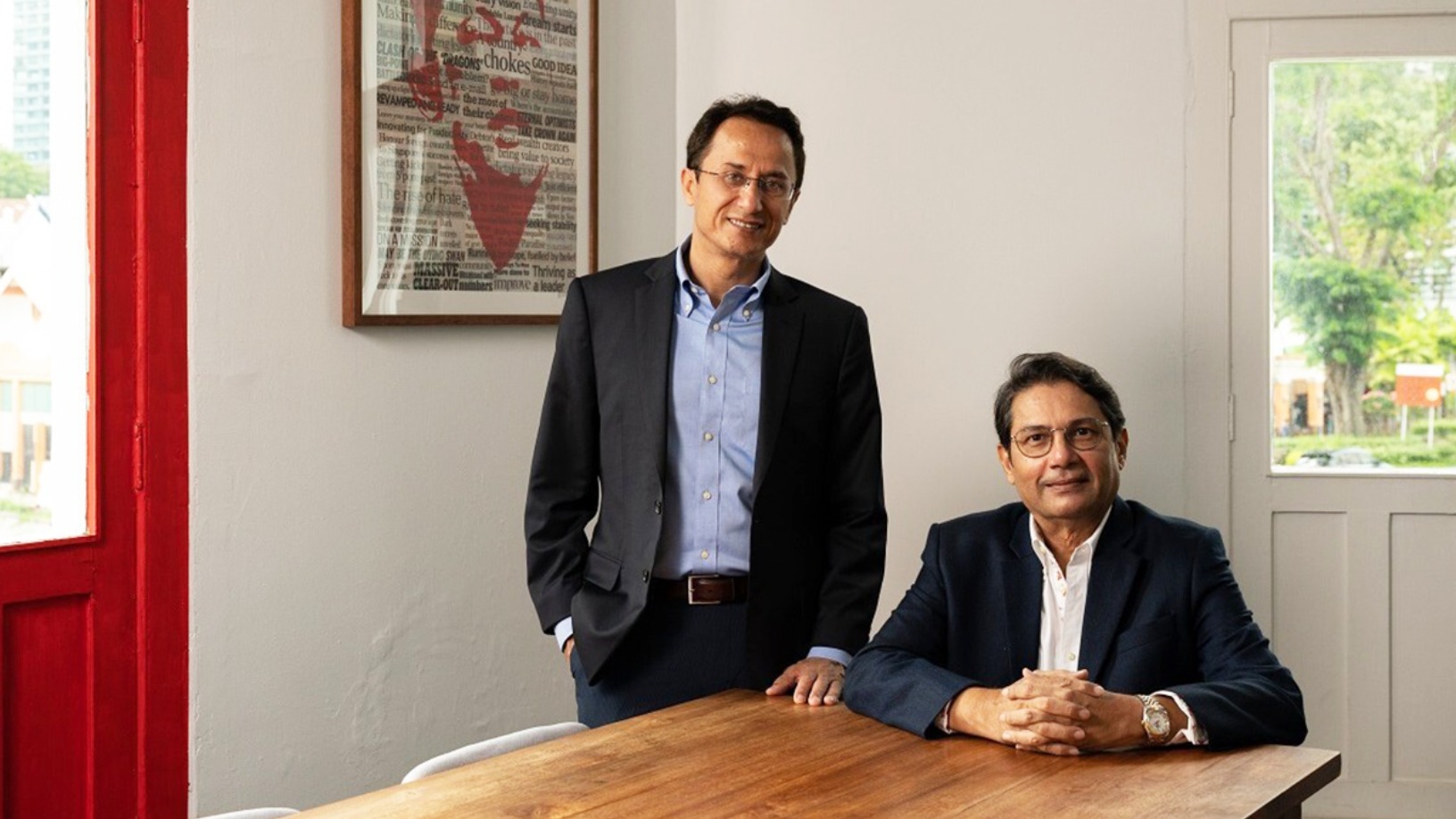
Early Charm Ventures: Taking research from the labs to the real world
Instead of investing money, the venture studio gets hands-on, co-running companies with top scientists and their cutting-edge research
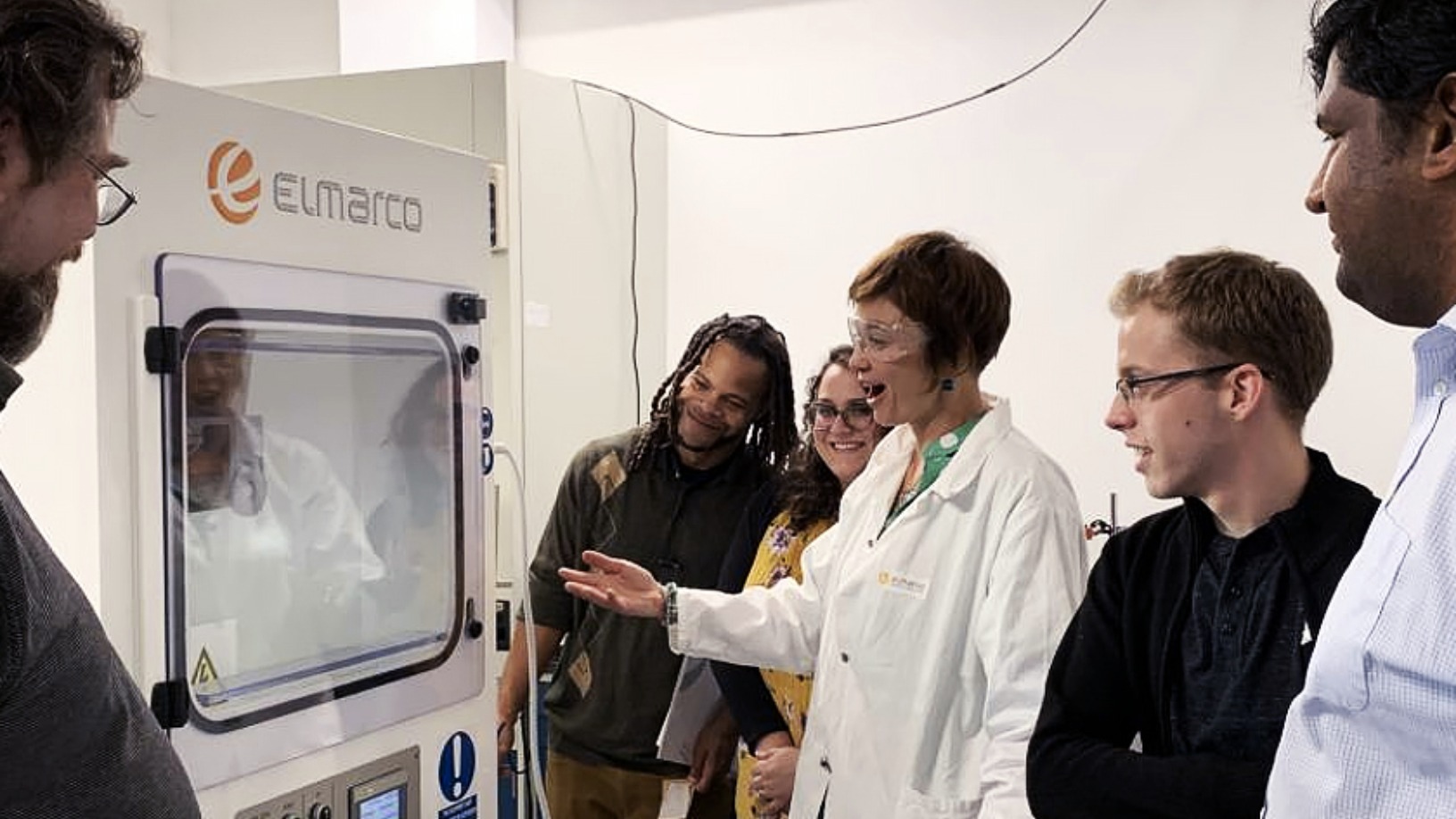
Neurafarm: Putting an AI plant doctor in farmers' hands
This startup is riding on Indonesia’s urban farming trend with its planting kit and an AI-powered app that identifies plant diseases from photos of unhealthy leaves

Mi Terro turns milk waste into eco-friendly clothing and packaging
With food giants like Danone, Arla and Dole as partners, US-Sino startup Mi Terro plans to extend its technology to plant-based food waste like soy to get plastic and fiber alternatives

Indonesian online basic food startups like Sayurbox and Wahyoo have had as much as a fivefold jump in orders and are working to sustain strong sales post-social distancing

Sophie's Bionutrients: Alternative protein from microalgae
Inspired by fish in the ocean, the startup developed microalgae-based flour that can take on unlimited forms, textures or colors to make almost any alt protein product

AgNext seeks less food loss, fairer prices for farmers with food quality analysis tech
Taking computer vision and chemical analysis to the fields for quick crop quality checks, Punjab-based AgNext eyes Asian expansion, and insurtech, fintech opportunities

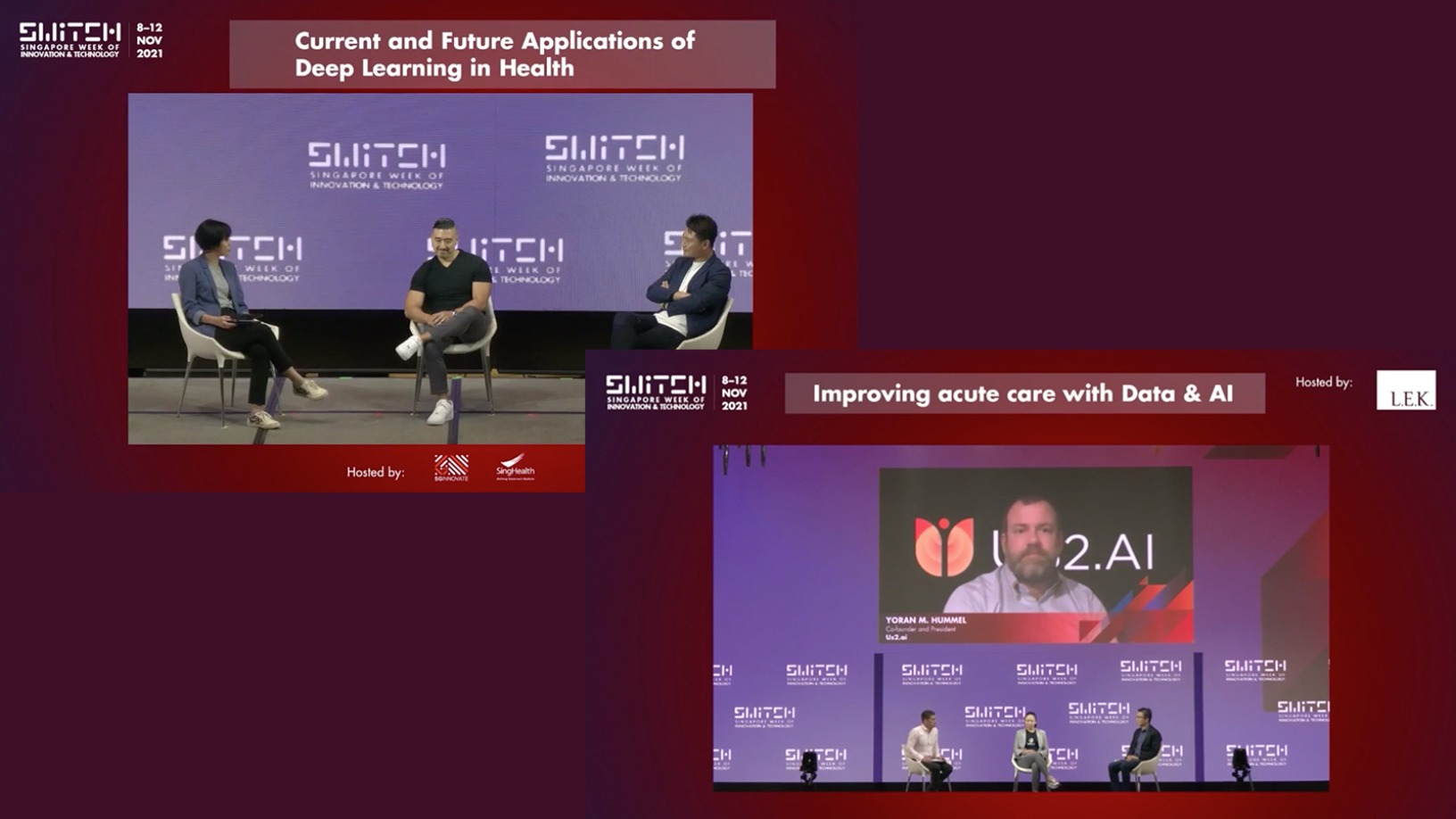
SWITCH Singapore 2021: Benefits and challenges of AI applications in healthcare
Medical experts and healthcare startups agree AI can contribute more to healthcare beyond improving diagnosis and personalized treatment, but hurdles still remain
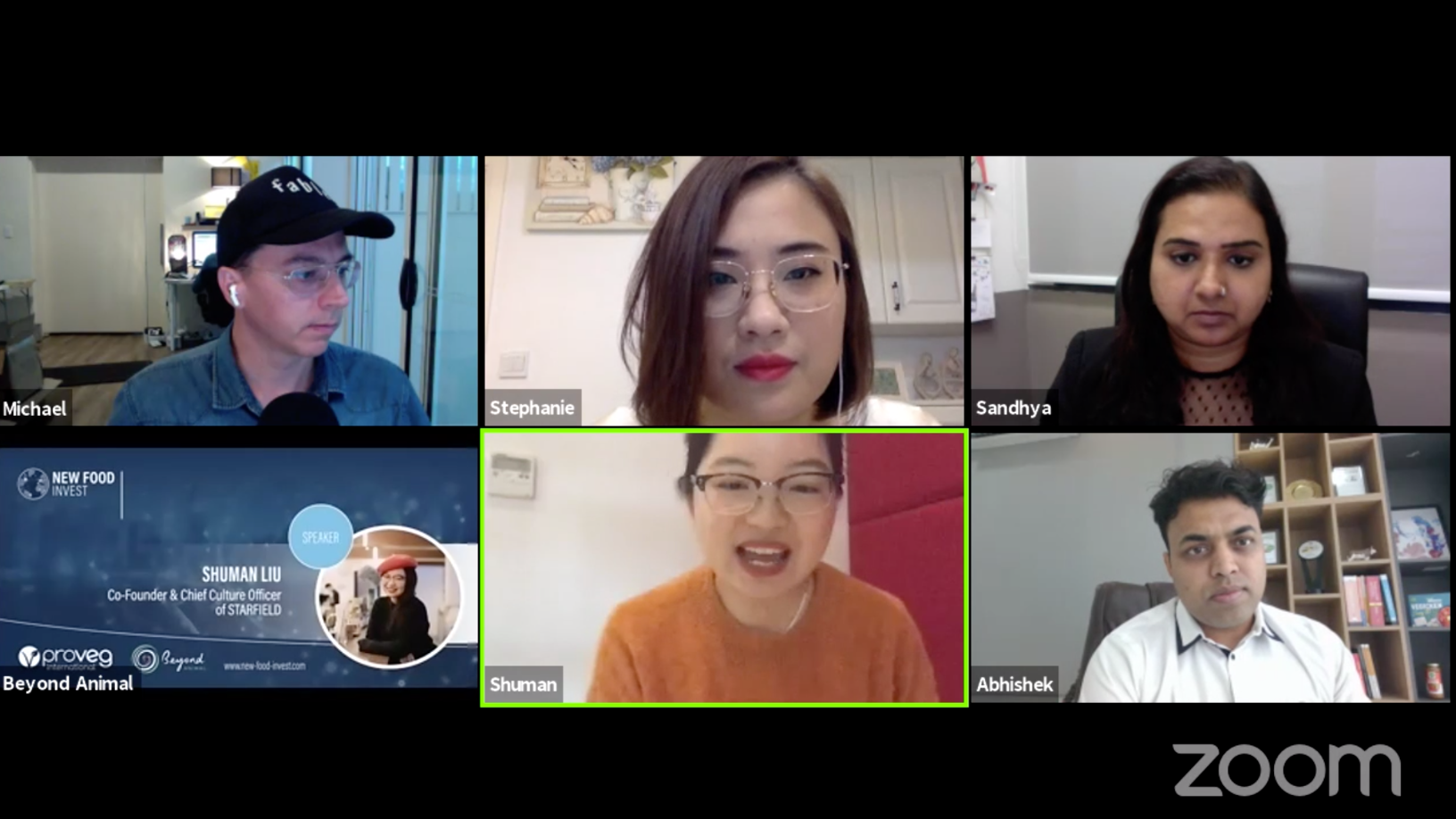
New Food Invest: Growing an alternative protein business in Asia
With more than 4bn people, Asia presents unique opportunities and challenges to alternative protein startups. Four leading entrepreneurs shared their experiences at the recent New Food Invest conference
Futuralga: Circular economy model to turn seaweed into biodegradable plastic alternative
A Cádiz-based young startup is winning accolades for its eco-friendly bioplastic made from seaweed washed ashore

Sorry, we couldn’t find any matches for “Good Food Institute”.
POPULAR DATABASE