IQS Next Tech
-
DATABASE (1075)
-
ARTICLES (547)
CEO and Founder of CH Biomedical
Chen Chen is an expert in artificial heart development. After graduating from Tsinghua University with a major in Thermal Engineering in 1984, he switched to study Biomechanics in Sichuan University and received a doctorate in 1991.He lectured at Nanjing University from 1991 to 1996 before going to Japan to continue his research on artificial heart technology and development. He was a visiting scholar at the University of Tokyo for one year until 1997.In 1999, Chen was headhunted and joined a US startup to work on developing an artificial heart (LVAD) product Levacor. The startup was later acquired by World Heart Corporation and Chen became its chief engineer. World Heart decided to shut down the program in 2006 because the product was too big to be placed inside a human chest.Chen went back to China in 2007 to found CH Biomedical to build a smaller LVAD device.
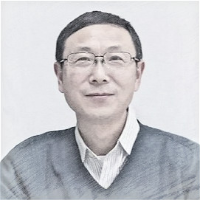
Chen Chen is an expert in artificial heart development. After graduating from Tsinghua University with a major in Thermal Engineering in 1984, he switched to study Biomechanics in Sichuan University and received a doctorate in 1991.He lectured at Nanjing University from 1991 to 1996 before going to Japan to continue his research on artificial heart technology and development. He was a visiting scholar at the University of Tokyo for one year until 1997.In 1999, Chen was headhunted and joined a US startup to work on developing an artificial heart (LVAD) product Levacor. The startup was later acquired by World Heart Corporation and Chen became its chief engineer. World Heart decided to shut down the program in 2006 because the product was too big to be placed inside a human chest.Chen went back to China in 2007 to found CH Biomedical to build a smaller LVAD device.
CTO and Founder of CH Biomedical
With a doctorate in mechanical engineering from the University of Maryland, Frank Lin has over 25 years of technical and managerial experience in medtech and aerospace. Before founding CH Biomedical in 2008, he was the principal staff engineer at Kriton Medical, the predecessor of HeartWare International (now Medtronic), leading the computational fluid dynamic design of its Heartware Ventricular Assist Device (HVAD) system. Lin holds 15 US and international patents in left ventricular assist device and turbomachinery. He is also an adjunct professor at the Academy of Engineering and Technology, Fudan University.

With a doctorate in mechanical engineering from the University of Maryland, Frank Lin has over 25 years of technical and managerial experience in medtech and aerospace. Before founding CH Biomedical in 2008, he was the principal staff engineer at Kriton Medical, the predecessor of HeartWare International (now Medtronic), leading the computational fluid dynamic design of its Heartware Ventricular Assist Device (HVAD) system. Lin holds 15 US and international patents in left ventricular assist device and turbomachinery. He is also an adjunct professor at the Academy of Engineering and Technology, Fudan University.
Co-founder of Xampla
Tuomas Knowles is co-founder of Britain’s Xampla, producer of plant-based biodegradable plastics made from protein, which was founded in 2018 based on his team’s pioneering research. Knowles is a professor of physical chemistry and biophysics at Cambridge University, where he has worked since 2010 and manages the Knowles Lab which focuses on researching protein self-assembly underlying neurodegenerative disorders like Alzheimer's and Parkinson's disease. Knowles holds a PhD in Biophysics from the University of Cambridge and a degree in physics from ETH Zurich, a science and technology university.
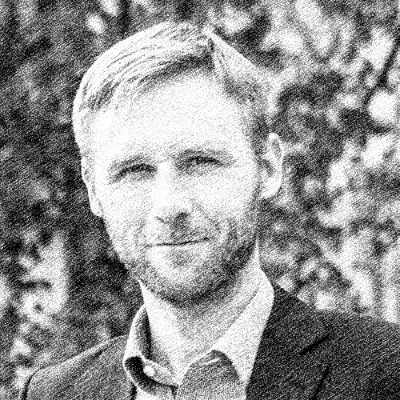
Tuomas Knowles is co-founder of Britain’s Xampla, producer of plant-based biodegradable plastics made from protein, which was founded in 2018 based on his team’s pioneering research. Knowles is a professor of physical chemistry and biophysics at Cambridge University, where he has worked since 2010 and manages the Knowles Lab which focuses on researching protein self-assembly underlying neurodegenerative disorders like Alzheimer's and Parkinson's disease. Knowles holds a PhD in Biophysics from the University of Cambridge and a degree in physics from ETH Zurich, a science and technology university.
CTO and co-founder of Everimpact
Alain Retière is CTO and co-founder of Everimpact, a GHG monitoring company that uses satellites, ground sensors, AI and machine learning to deliver more accurate carbon emissions data to public bodies, municipalities, and businesses.Retière has rich experience in sustainable development, climate change, as well as satellite technology. He was previously an agro-economist and senior scientific advisor at sustainable development organizations, public bodies, and international organisations, with three decades of field experience across 120 countries. In the course of his career, Retière spent a total of 13 years as director of two satellite-related agencies under the UN. This included three years managing CLIMSAT, a specialized center under the UNDP helping local government bodies assess the impact of climate change by using satellite and geo-spatial data, as well as 10 years at the helm of UNOSAT, the UN emergency satellite service. For his service at UNOSAT, he received the UN21 Award from UN Secretary-General Kofi Annan in 2005.Retière graduated from Groupe Ecole supérieure d'Agriculture d'Angers and holds a postgraduate degree from Université Pierre et Marie Curie, which is now part of Sorbonne University.

Alain Retière is CTO and co-founder of Everimpact, a GHG monitoring company that uses satellites, ground sensors, AI and machine learning to deliver more accurate carbon emissions data to public bodies, municipalities, and businesses.Retière has rich experience in sustainable development, climate change, as well as satellite technology. He was previously an agro-economist and senior scientific advisor at sustainable development organizations, public bodies, and international organisations, with three decades of field experience across 120 countries. In the course of his career, Retière spent a total of 13 years as director of two satellite-related agencies under the UN. This included three years managing CLIMSAT, a specialized center under the UNDP helping local government bodies assess the impact of climate change by using satellite and geo-spatial data, as well as 10 years at the helm of UNOSAT, the UN emergency satellite service. For his service at UNOSAT, he received the UN21 Award from UN Secretary-General Kofi Annan in 2005.Retière graduated from Groupe Ecole supérieure d'Agriculture d'Angers and holds a postgraduate degree from Université Pierre et Marie Curie, which is now part of Sorbonne University.
CTO and co-founder of Refurbed
Jürgen Riedl studied software engineering at Vienna Technical University. The entrepreneur and investor became the CTO and co-founder of Refurbed in 2017. He was recruited by co-founders Peter Windischhofer and Amazon’s Renewed manager Kilian Kaminski to develop an Amazon-style e-commerce marketplace for refurbished electronic goods.
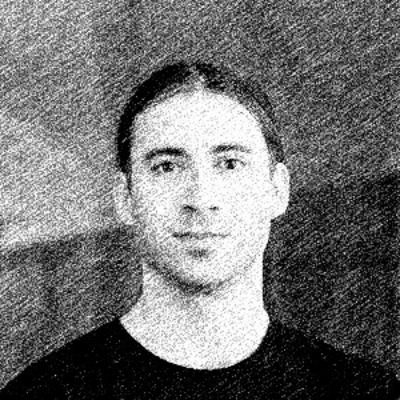
Jürgen Riedl studied software engineering at Vienna Technical University. The entrepreneur and investor became the CTO and co-founder of Refurbed in 2017. He was recruited by co-founders Peter Windischhofer and Amazon’s Renewed manager Kilian Kaminski to develop an Amazon-style e-commerce marketplace for refurbished electronic goods.
CEO and founder of MIWA Technologies
A designer and branding specialist, Petr Báča was inspired to develop a smart vending solution to eliminate plastic packaging in supply chains while working with industry clients at Cocoon Prague, a branding and advertising agency he founded in 1996. In 2015, he set up MIWA Technologies in Prague, to realize his smart vending system into a business. He is currently CEO of MIWA and continues to work in packaging design as a partner at Cocoon Prague.Báča graduated from the University of Economics in Prague in 2002. He is also a founding partner of the Intellectual Capital Investors Association that assists innovators to start their own businesses and to help new companies to scale.
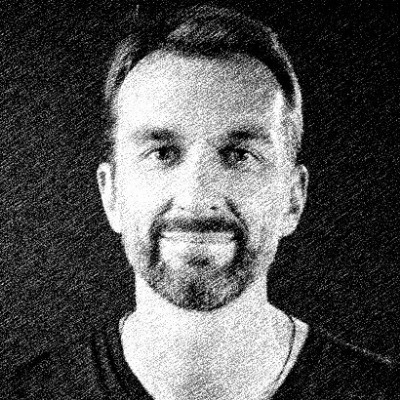
A designer and branding specialist, Petr Báča was inspired to develop a smart vending solution to eliminate plastic packaging in supply chains while working with industry clients at Cocoon Prague, a branding and advertising agency he founded in 1996. In 2015, he set up MIWA Technologies in Prague, to realize his smart vending system into a business. He is currently CEO of MIWA and continues to work in packaging design as a partner at Cocoon Prague.Báča graduated from the University of Economics in Prague in 2002. He is also a founding partner of the Intellectual Capital Investors Association that assists innovators to start their own businesses and to help new companies to scale.
CEO and co-founder of X1 Wind / PivotBuoy
Trained in mechanical engineering, Alex Raventos graduated from the MIT-Portugal’s Executive Master’s program focused on sustainable energy systems. In 2017 he joined the prestigious Global Solution Program led by Singularity University at NASA Research Park in Mountain View, California, where talents meet to develop innovative technology and groundbreaking solutions that address the greatest challenges for humanity today.Raventos has gained significant experience as head of economics and project coordinator in companies in the energy sector such as WavEC Offshore Renewables and Bluewater.In 2014 he founded Inn2Grid, consulting companies in renewable energy and focused on ocean energy technologies. Since 2017 he has been CEO and co-founder of X1 Wind, a Barcelona-based startup developing a downwind turbine technology to reduce the Levelized Cost of Energy (LCOE) in offshore wind plants.
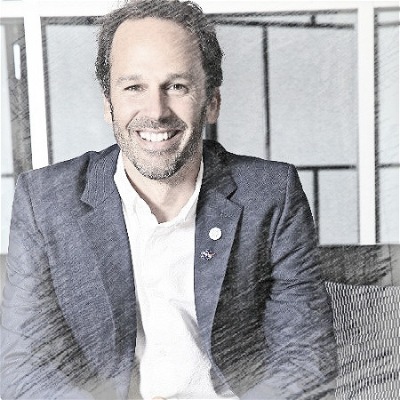
Trained in mechanical engineering, Alex Raventos graduated from the MIT-Portugal’s Executive Master’s program focused on sustainable energy systems. In 2017 he joined the prestigious Global Solution Program led by Singularity University at NASA Research Park in Mountain View, California, where talents meet to develop innovative technology and groundbreaking solutions that address the greatest challenges for humanity today.Raventos has gained significant experience as head of economics and project coordinator in companies in the energy sector such as WavEC Offshore Renewables and Bluewater.In 2014 he founded Inn2Grid, consulting companies in renewable energy and focused on ocean energy technologies. Since 2017 he has been CEO and co-founder of X1 Wind, a Barcelona-based startup developing a downwind turbine technology to reduce the Levelized Cost of Energy (LCOE) in offshore wind plants.
CTO and co-founder of X1 Wind / PivotBuoy
Carlos Casanova is the CTO and co-founder of X1 Wind, a company developing a downwind turbine technology to reduce the Levelized Cost of Energy (LCOE) in offshore wind plants, named the PivotBuoy system. He conceived the concept that paved the way for PivotBuoy in 2012 during his MSc studies in Mechanical Engineering at the Massachusetts Institute of Technology (MIT). Prior to X1 Wind, Casanova worked as an engineer in companies developing similar solutions in the field of wind turbines and floating offshore systems, including Bluewater and Adwen Offshore.From 2012 to 2014, Casanova also was Research Assistant at MIT, investigating floating wind turbine advanced controls.
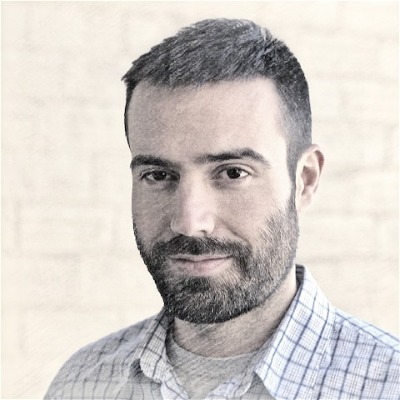
Carlos Casanova is the CTO and co-founder of X1 Wind, a company developing a downwind turbine technology to reduce the Levelized Cost of Energy (LCOE) in offshore wind plants, named the PivotBuoy system. He conceived the concept that paved the way for PivotBuoy in 2012 during his MSc studies in Mechanical Engineering at the Massachusetts Institute of Technology (MIT). Prior to X1 Wind, Casanova worked as an engineer in companies developing similar solutions in the field of wind turbines and floating offshore systems, including Bluewater and Adwen Offshore.From 2012 to 2014, Casanova also was Research Assistant at MIT, investigating floating wind turbine advanced controls.
CEO and co-founder of Infinited Fiber
Petri Alava has over 15 years of industry experience in logistics, publishing and waste management. In 1989, he completed a master’s in industrial engineering and started his management career at Finncont Oy, a subsidiary of GWS Group. He went on to work at Rocla Oy in 2001 as managing director of the Rocla Robotruck Group with manufacturing units in Finland and Sweden. He also held senior management roles at Vapo Oy and Kekkilä Oy.In 2015, he became the managing partner of Profon Oy and also co-founded cleantech materials startup Infinited Fiber as CEO. Based in Helsinki, he is also currently chairman of various companies, as well as the CEO of Solid Environmental Technologies.
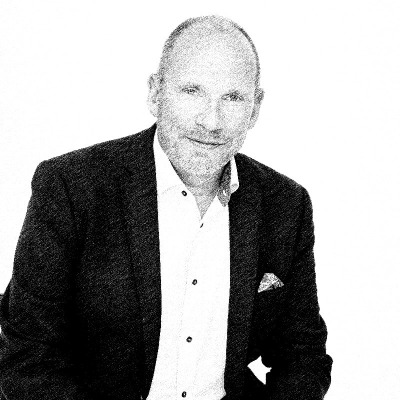
Petri Alava has over 15 years of industry experience in logistics, publishing and waste management. In 1989, he completed a master’s in industrial engineering and started his management career at Finncont Oy, a subsidiary of GWS Group. He went on to work at Rocla Oy in 2001 as managing director of the Rocla Robotruck Group with manufacturing units in Finland and Sweden. He also held senior management roles at Vapo Oy and Kekkilä Oy.In 2015, he became the managing partner of Profon Oy and also co-founded cleantech materials startup Infinited Fiber as CEO. Based in Helsinki, he is also currently chairman of various companies, as well as the CEO of Solid Environmental Technologies.
Co-founder of Infinited Fiber
Ali Harlin completed two doctorates in chemical engineering and in polymer science in 1995 and 1996 respectively. He spent 11 years developing the Borstar technology related to bimodal PE and PP. He has also worked as a research director for packaging materials and cable machinery. He currently works as a research professor and lecturer at two local universities in Finland. In 2003, he joined Tampere University of Technology as a professor for fiber materials and technical textiles. In 2014, he also started lecturing at LUT University as a professor specializing in packaging and polymeric materials.Since 2005, the industrial biomaterial specialist has also been working at the Technical Research Centre of Finland VTT where he became the product R&D team leader for Infinited Fiber, a startup he co-founded in 2016 with CEO Petri Alava.
Ali Harlin completed two doctorates in chemical engineering and in polymer science in 1995 and 1996 respectively. He spent 11 years developing the Borstar technology related to bimodal PE and PP. He has also worked as a research director for packaging materials and cable machinery. He currently works as a research professor and lecturer at two local universities in Finland. In 2003, he joined Tampere University of Technology as a professor for fiber materials and technical textiles. In 2014, he also started lecturing at LUT University as a professor specializing in packaging and polymeric materials.Since 2005, the industrial biomaterial specialist has also been working at the Technical Research Centre of Finland VTT where he became the product R&D team leader for Infinited Fiber, a startup he co-founded in 2016 with CEO Petri Alava.
Co-founder, CEO of Meatable
Krijn De Nood is the Dutch co-founder and CEO at cell-based meat startup Meatable, the first to claim a highly scalable culture technology with the use of pluripotent stem cells, where he has worked since 2018. He previously worked at McKinsey for six-and-a-half years in Amsterdam, New York and in Kenya. Prior to that, he worked as an equity derivatives trader at derivative trading company All Options after a short stint at Barclays Capital.De Nood holds two first degrees from the University of Amsterdam, in philosophy and in economics and finance.
Krijn De Nood is the Dutch co-founder and CEO at cell-based meat startup Meatable, the first to claim a highly scalable culture technology with the use of pluripotent stem cells, where he has worked since 2018. He previously worked at McKinsey for six-and-a-half years in Amsterdam, New York and in Kenya. Prior to that, he worked as an equity derivatives trader at derivative trading company All Options after a short stint at Barclays Capital.De Nood holds two first degrees from the University of Amsterdam, in philosophy and in economics and finance.
Co-founder, CTO of Meatable
Daan Luining is the Dutch co-founder and CTO at cell-based meat startup Meatable, the first to claim a highly scalable culture technology, where he has worked since 2018. He is also a research director at the Cellular Agriculture Society in Leiden, a joint initiative for cell-based startups to share knowledge and to collaborate on projects to further scale the sector. Luining is also on the board of directors at the not-for-profit Cultured Meat Foundation that promotes sector innovation. His past posts have all been in the area of research, either as a researcher or a technician, and at the same time as completing studies. His last job was as a research strategist at New York-based New Harvest, a callular food rsearch funding body, where he worked for a year and met Dr. Kotter, the inventor of Meatable’s cellular technology. His research positions from 2009–15 were in the area of cell culture, mass spectrometry and DNA sequencing at the Maastricht University, University Medical Center Amsterdam, Utrecht University and Leiden University. Luining holds a master’s in biological sciences from Leiden University in the Netherlands.

Daan Luining is the Dutch co-founder and CTO at cell-based meat startup Meatable, the first to claim a highly scalable culture technology, where he has worked since 2018. He is also a research director at the Cellular Agriculture Society in Leiden, a joint initiative for cell-based startups to share knowledge and to collaborate on projects to further scale the sector. Luining is also on the board of directors at the not-for-profit Cultured Meat Foundation that promotes sector innovation. His past posts have all been in the area of research, either as a researcher or a technician, and at the same time as completing studies. His last job was as a research strategist at New York-based New Harvest, a callular food rsearch funding body, where he worked for a year and met Dr. Kotter, the inventor of Meatable’s cellular technology. His research positions from 2009–15 were in the area of cell culture, mass spectrometry and DNA sequencing at the Maastricht University, University Medical Center Amsterdam, Utrecht University and Leiden University. Luining holds a master’s in biological sciences from Leiden University in the Netherlands.
Co-founder of Meatable
Mark Kotter is the Austrian co-founder at Dutch cell-based meat startup Meatable, the first to use pluripotent stem cells and claim a highly scalable culture technology, which was developed by Kotter prior to founding the startup in 2018. He is also founder at his biotech startup, bit.bio, which is based in Cambridge, UK, since 2016, where he applies his cellular technological innovation to human stem cell research and has raised investments totaling $42m. His main full-time position is at the University of Cambridge, where he has worked since 2009. He has spent more than five years as a clinician-scientist in stem cell research and was previously a lecturer in neurosurgery. Kotter also lectures at Paris Descartes University and is a team leader at the UK’s National Institute for Health Research’s Brain Injury MedTech Co-operative. He also founded Myelopathy.org to raise awareness of cervical myelopathy. His past positions were as a research group leader at the Max Planck Institute for Experimental Medicine for one year, and for two years spent at the Medical University of Vienna. Kotter holds two doctorates; one in philosophy from the University of Cambridge and the other in medicine from the University of Graz in Austria. Kotter also holds a master’s in philosophy from the University of Cambridge.
Mark Kotter is the Austrian co-founder at Dutch cell-based meat startup Meatable, the first to use pluripotent stem cells and claim a highly scalable culture technology, which was developed by Kotter prior to founding the startup in 2018. He is also founder at his biotech startup, bit.bio, which is based in Cambridge, UK, since 2016, where he applies his cellular technological innovation to human stem cell research and has raised investments totaling $42m. His main full-time position is at the University of Cambridge, where he has worked since 2009. He has spent more than five years as a clinician-scientist in stem cell research and was previously a lecturer in neurosurgery. Kotter also lectures at Paris Descartes University and is a team leader at the UK’s National Institute for Health Research’s Brain Injury MedTech Co-operative. He also founded Myelopathy.org to raise awareness of cervical myelopathy. His past positions were as a research group leader at the Max Planck Institute for Experimental Medicine for one year, and for two years spent at the Medical University of Vienna. Kotter holds two doctorates; one in philosophy from the University of Cambridge and the other in medicine from the University of Graz in Austria. Kotter also holds a master’s in philosophy from the University of Cambridge.
Founder of TreeFrog Therapeutics
Kévin Alessandri is CEO, CTO and co-founder of TreeFrog Therapeutics, whose proprietory C-Stem technology mass-produces high-quality pluripotent stem cells in a 3D environment. Prior to founding TreeFrog in 2018, Alessandri spent two years as a post-doctoral fellow at Bordeaux’s Institut d’Optique. During 2014 and 2015, he completed a post-doctorate at the University of Geneva, focused on developing 3D printed microfluidics systems to build 3D cell culture vessels for stem cell applications. From 2008 to 2013 he completed a PhD on cellular capsules technology and applications at the Institut Curie in Paris.
Kévin Alessandri is CEO, CTO and co-founder of TreeFrog Therapeutics, whose proprietory C-Stem technology mass-produces high-quality pluripotent stem cells in a 3D environment. Prior to founding TreeFrog in 2018, Alessandri spent two years as a post-doctoral fellow at Bordeaux’s Institut d’Optique. During 2014 and 2015, he completed a post-doctorate at the University of Geneva, focused on developing 3D printed microfluidics systems to build 3D cell culture vessels for stem cell applications. From 2008 to 2013 he completed a PhD on cellular capsules technology and applications at the Institut Curie in Paris.
Founder of TreeFrog Therapeutics
Maxime Feyeux is President, CSO and co-founder of TreeFrog Therapeutics whose proprietory C-Stem technology mass-produces high-quality pluripotent stem cells in a 3D environment. Prior to founding TreeFrog in 2018, Feyeux worked as a maturation engineer at Aquitaine Science Transfert and completed a post-doctoral degree at Bordeaux’s Institut des Maladies Neurodégénératives. He also has a post-doctoral degree from the University of Geneva and completed his PhD in neurobiology and neurosciences at the Université d’Evry-Val d’Essone.
Maxime Feyeux is President, CSO and co-founder of TreeFrog Therapeutics whose proprietory C-Stem technology mass-produces high-quality pluripotent stem cells in a 3D environment. Prior to founding TreeFrog in 2018, Feyeux worked as a maturation engineer at Aquitaine Science Transfert and completed a post-doctoral degree at Bordeaux’s Institut des Maladies Neurodégénératives. He also has a post-doctoral degree from the University of Geneva and completed his PhD in neurobiology and neurosciences at the Université d’Evry-Val d’Essone.
Evix Safety's helmet with an airbag is a world-first for cycling safety
Evix Safety is launching a “smart” cycling helmet fitted with an airbag to prevent thousands of neck injuries from accidents
IP Buoys: Mooring 4.0 smart buoys to protect marine ecosystems
Save the Posidonia! That’s the call from enterprising sailors who, with their startup IP Buoys, have found a way to protect the seagrass and marine life from the damaging impact of nautical tourism
Will Shanghai's new tech board be home to China’s next BAT?
As China’s new Nasdaq-style board speeds to welcome its first IPOs, here’s a look at what’s changed for Chinese tech firms listing in the mainland, and if it could be pivotal in the emerging tech cold war


Faromatics' ChickenBoy robot brings smart analytics to poultry farming
The makers of the AI-based robot for managing large-scale poultry farming are seeking up to €4m in a second round funding as they launch their invention in Europe

Kibus Petcare: World's first auto-cook and -dispense healthy pet food device
Kibus Petcare applies the healthy eating revolution to the ever-growing pet-care business, eyes sales in 25 countries after crowdfunding launch
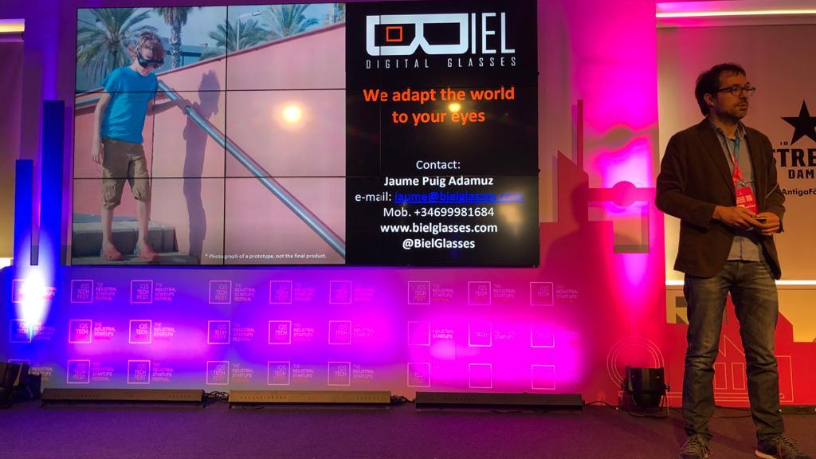
Biel Glasses: A pioneering solution for low vision sufferers
Biel Glasses offers a life-changing technology for people with low vision, a condition that is seven times more common than blindness
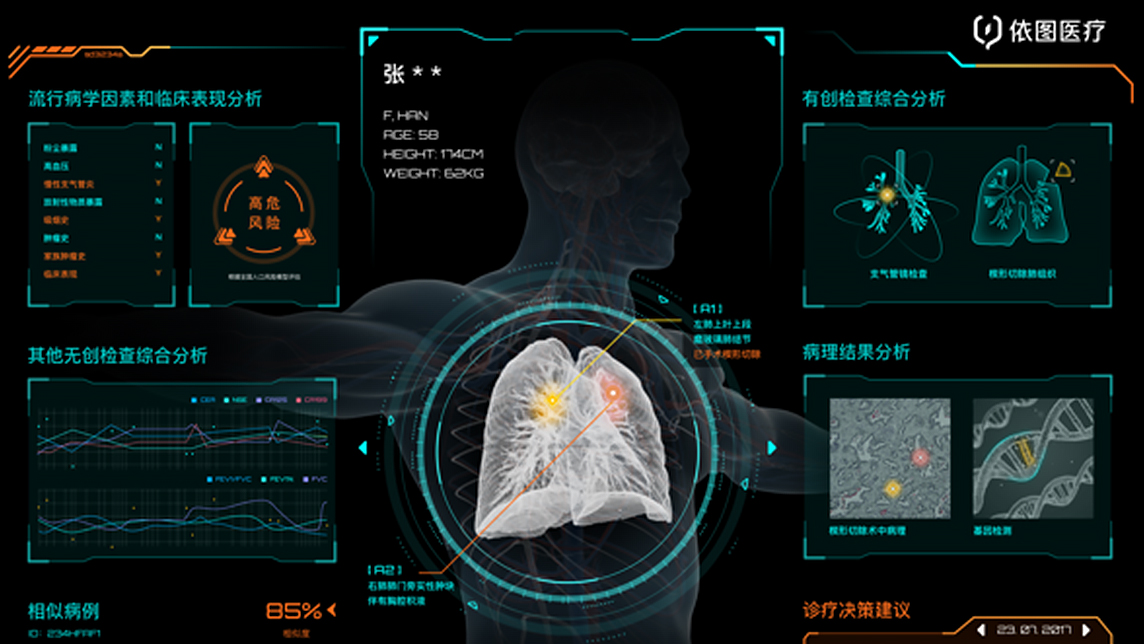
YITU takes smart healthcare to the next level
AI programs developed by this Chinese medtech startup provide more accurate diagnoses by reading medical images in conjunction with patients’ medical records
Catalonia: Spain's fast-rising robotics hub and next opportunity
With the robotics sector on the rise in Catalonia, expect to see more growth ahead, driving opportunities in related segments, especially services

Next-generation social media app YouClap targets engagement over reach
Already valued at €5m one year after launching, the YouClap platform for online challenges will seek Series A investment before the end of 2019
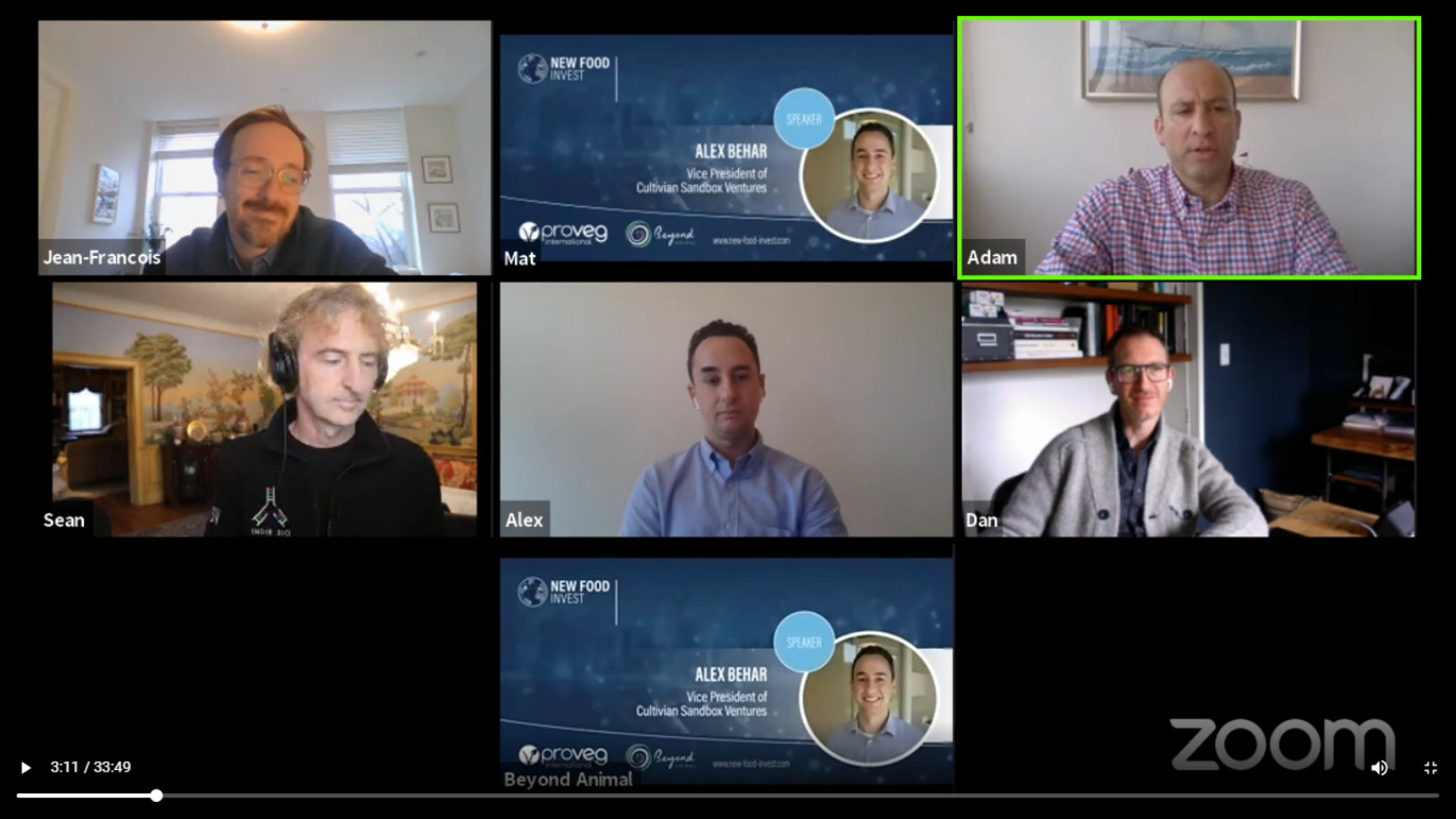
New Food Invest: Plant-based cheese, the next investment boom?
With alt-protein startups experiencing a global funding boom, industry experts and investors share their views about emerging trends in diverse food sectors
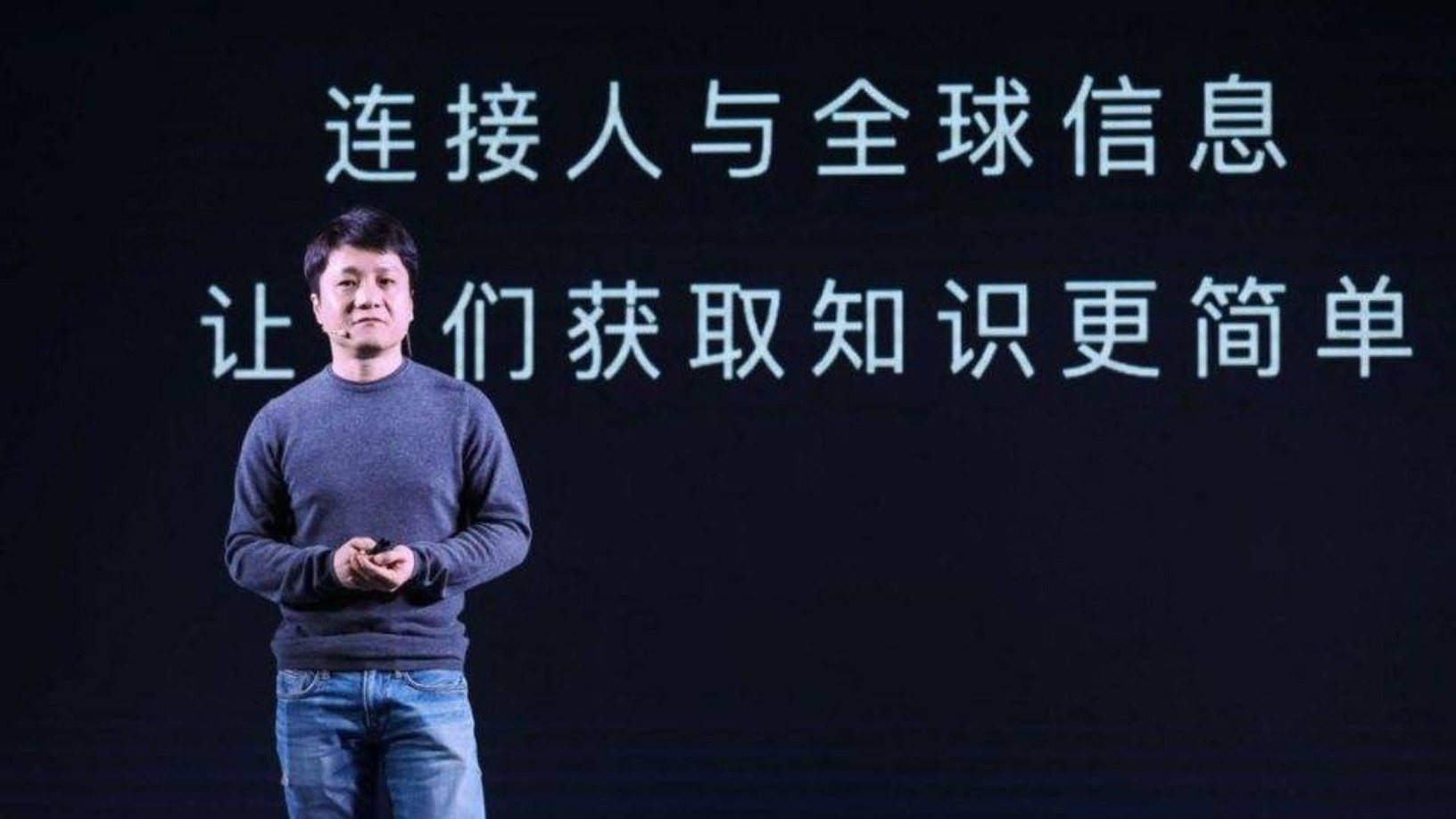
Tigerobo: Building the next-generation search engine with natural language processing
With the success of Tigerobo Search, its flagship AI-based finance industry search engine, the startup is also diversifying into government, energy and media sectors
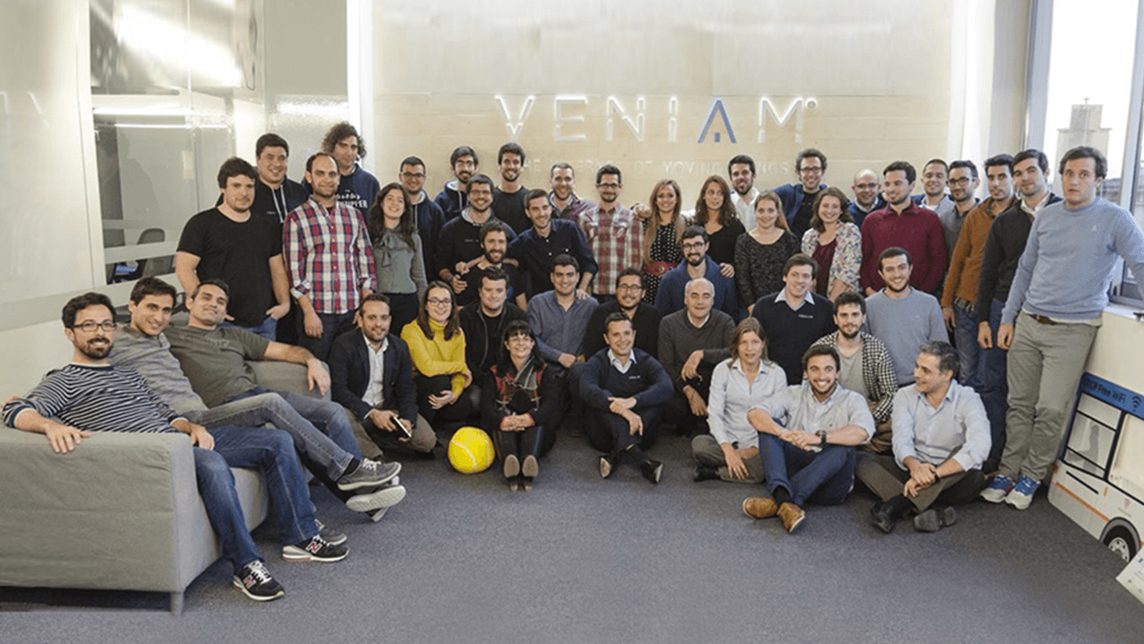
As Veniam’s “Internet of Moving Things” keeps growing, autonomous vehicles are next
The Portuguese startup is going places with its mesh networking technology, but that’s “just the beginning”, says Veniam founder and CEO João Barros. He talks to CompassList about partnering automakers to design self-driving cars, raising a new round of funding in 2018, and more
Plant-based eggs: The next big thing in the alternative protein market
Plant-based eggs may be the fastest growing segment in plant-based foods, but hacking the formula for a perfect egg substitute is proving a hurdle. Are alt-protein startups up for the challenge?

After a Covid-led boom in 2020, what next for China's K-12 edtech?
Unicorns Yuanfudao and Zuoyebang raised more than $6bn combined last year as demand for online learning continues to grow, but some smaller players are running out of cash

In Indonesia, Ramadan goes hi-tech
From consumption to charity, tech startups have come to play a key role in Ramadan traditions in Indonesia

Sorry, we couldn’t find any matches for “IQS Next Tech”.
POPULAR DATABASE