Land O
-
DATABASE (2781)
-
ARTICLES (112)
CTO and co-founder of Xendit
Bo Chen is a talented programmer specializing in web development. He graduated from the University of California with a double degree in electrical engineering and computer science. He worked as a web development intern at various companies while studying in the US. He graduated in 2014 and worked briefly at web marketing firm Brandcast and fintech startup Ripple. In 2015, he joined fellow UC Berkeley alumnus Moses Lo to establish Xendit, a payment platform for Southeast Asia.
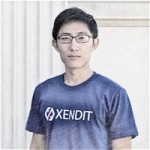
Bo Chen is a talented programmer specializing in web development. He graduated from the University of California with a double degree in electrical engineering and computer science. He worked as a web development intern at various companies while studying in the US. He graduated in 2014 and worked briefly at web marketing firm Brandcast and fintech startup Ripple. In 2015, he joined fellow UC Berkeley alumnus Moses Lo to establish Xendit, a payment platform for Southeast Asia.
Principal Software Engineer and co-founder of Xendit
Juan Gonzalez is a software and web developer based in San Francisco. He graduated from the University of California with a Computer Science degree in 2013 and worked as a software engineer at Expedia Inc, where he received an award for stellar performance. However, he left Expedia in 2015 to build a P2P payments platform for the Southeast Asian market. He is both co-founder and principal software engineer at Xendit.

Juan Gonzalez is a software and web developer based in San Francisco. He graduated from the University of California with a Computer Science degree in 2013 and worked as a software engineer at Expedia Inc, where he received an award for stellar performance. However, he left Expedia in 2015 to build a P2P payments platform for the Southeast Asian market. He is both co-founder and principal software engineer at Xendit.
Co-founder of Xendit
Vivek Ahuja graduated from the United States Naval Academy with a Quantitative Economics degree in 2008. He went on to receive training for nuclear engineering and submarine officer roles in the US Navy, serving on the nuclear submarine USS Michigan for three years. He left the US Navy in 2013 to pursue an MBA at the University of California, Berkeley. Ahuja was briefly involved as a co-founder of payments gateway Xendit, but left the startup to join fintech company Affirm Inc in 2015.

Vivek Ahuja graduated from the United States Naval Academy with a Quantitative Economics degree in 2008. He went on to receive training for nuclear engineering and submarine officer roles in the US Navy, serving on the nuclear submarine USS Michigan for three years. He left the US Navy in 2013 to pursue an MBA at the University of California, Berkeley. Ahuja was briefly involved as a co-founder of payments gateway Xendit, but left the startup to join fintech company Affirm Inc in 2015.
Co-founder of Meatable
Mark Kotter is the Austrian co-founder at Dutch cell-based meat startup Meatable, the first to use pluripotent stem cells and claim a highly scalable culture technology, which was developed by Kotter prior to founding the startup in 2018. He is also founder at his biotech startup, bit.bio, which is based in Cambridge, UK, since 2016, where he applies his cellular technological innovation to human stem cell research and has raised investments totaling $42m. His main full-time position is at the University of Cambridge, where he has worked since 2009. He has spent more than five years as a clinician-scientist in stem cell research and was previously a lecturer in neurosurgery. Kotter also lectures at Paris Descartes University and is a team leader at the UK’s National Institute for Health Research’s Brain Injury MedTech Co-operative. He also founded Myelopathy.org to raise awareness of cervical myelopathy. His past positions were as a research group leader at the Max Planck Institute for Experimental Medicine for one year, and for two years spent at the Medical University of Vienna. Kotter holds two doctorates; one in philosophy from the University of Cambridge and the other in medicine from the University of Graz in Austria. Kotter also holds a master’s in philosophy from the University of Cambridge.

Mark Kotter is the Austrian co-founder at Dutch cell-based meat startup Meatable, the first to use pluripotent stem cells and claim a highly scalable culture technology, which was developed by Kotter prior to founding the startup in 2018. He is also founder at his biotech startup, bit.bio, which is based in Cambridge, UK, since 2016, where he applies his cellular technological innovation to human stem cell research and has raised investments totaling $42m. His main full-time position is at the University of Cambridge, where he has worked since 2009. He has spent more than five years as a clinician-scientist in stem cell research and was previously a lecturer in neurosurgery. Kotter also lectures at Paris Descartes University and is a team leader at the UK’s National Institute for Health Research’s Brain Injury MedTech Co-operative. He also founded Myelopathy.org to raise awareness of cervical myelopathy. His past positions were as a research group leader at the Max Planck Institute for Experimental Medicine for one year, and for two years spent at the Medical University of Vienna. Kotter holds two doctorates; one in philosophy from the University of Cambridge and the other in medicine from the University of Graz in Austria. Kotter also holds a master’s in philosophy from the University of Cambridge.
Founder of TreeFrog Therapeutics
Kévin Alessandri is CEO, CTO and co-founder of TreeFrog Therapeutics, whose proprietory C-Stem technology mass-produces high-quality pluripotent stem cells in a 3D environment. Prior to founding TreeFrog in 2018, Alessandri spent two years as a post-doctoral fellow at Bordeaux’s Institut d’Optique. During 2014 and 2015, he completed a post-doctorate at the University of Geneva, focused on developing 3D printed microfluidics systems to build 3D cell culture vessels for stem cell applications. From 2008 to 2013 he completed a PhD on cellular capsules technology and applications at the Institut Curie in Paris.

Kévin Alessandri is CEO, CTO and co-founder of TreeFrog Therapeutics, whose proprietory C-Stem technology mass-produces high-quality pluripotent stem cells in a 3D environment. Prior to founding TreeFrog in 2018, Alessandri spent two years as a post-doctoral fellow at Bordeaux’s Institut d’Optique. During 2014 and 2015, he completed a post-doctorate at the University of Geneva, focused on developing 3D printed microfluidics systems to build 3D cell culture vessels for stem cell applications. From 2008 to 2013 he completed a PhD on cellular capsules technology and applications at the Institut Curie in Paris.
Founder of TreeFrog Therapeutics
Maxime Feyeux is President, CSO and co-founder of TreeFrog Therapeutics whose proprietory C-Stem technology mass-produces high-quality pluripotent stem cells in a 3D environment. Prior to founding TreeFrog in 2018, Feyeux worked as a maturation engineer at Aquitaine Science Transfert and completed a post-doctoral degree at Bordeaux’s Institut des Maladies Neurodégénératives. He also has a post-doctoral degree from the University of Geneva and completed his PhD in neurobiology and neurosciences at the Université d’Evry-Val d’Essone.
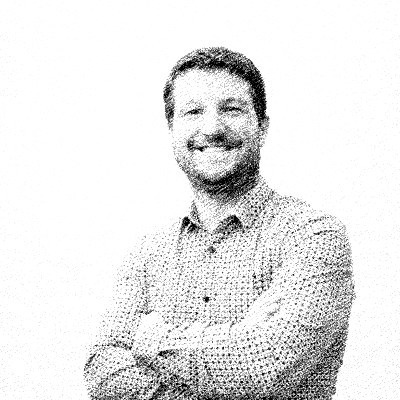
Maxime Feyeux is President, CSO and co-founder of TreeFrog Therapeutics whose proprietory C-Stem technology mass-produces high-quality pluripotent stem cells in a 3D environment. Prior to founding TreeFrog in 2018, Feyeux worked as a maturation engineer at Aquitaine Science Transfert and completed a post-doctoral degree at Bordeaux’s Institut des Maladies Neurodégénératives. He also has a post-doctoral degree from the University of Geneva and completed his PhD in neurobiology and neurosciences at the Université d’Evry-Val d’Essone.
Founder of TreeFrog Therapeutics
Jean-Luc Treillou is co-founder of TreeFrog Therapeutics, whose proprietory C-Stem technology mass-produces high-quality pluripotent stem cells in a 3D environment. Since January 2019, he has also acted as an advisor and member of the strategic committee of IT security company Eshard. Prior to co-founding TreeFrog, Treillou founded YSOPIA Bioscience in 2011, where he was CEO until he left in 2021, and Chairman of the Board from 2018. Between 2009 and 2013 he held the posts of General Manager and Chairman of the Board at French R&D company Nutrionix.
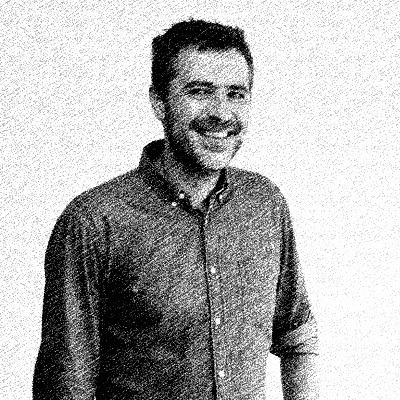
Jean-Luc Treillou is co-founder of TreeFrog Therapeutics, whose proprietory C-Stem technology mass-produces high-quality pluripotent stem cells in a 3D environment. Since January 2019, he has also acted as an advisor and member of the strategic committee of IT security company Eshard. Prior to co-founding TreeFrog, Treillou founded YSOPIA Bioscience in 2011, where he was CEO until he left in 2021, and Chairman of the Board from 2018. Between 2009 and 2013 he held the posts of General Manager and Chairman of the Board at French R&D company Nutrionix.
Advisor, board member, co-founder of NovoNutrients
Brian Sefton has been co-founder, a board member and a part-time advisor at NovoNutrients, a San Francisco-based biotech manufacturer of alt-protein produced from fermentation and CO2 since it was founded in 2017. In 2009, he co-founded research entity Oakbio, from which NovoNutrients evolved, and was its President and CTO. Sefton was CTO and President at NovoNutrients and also co-CEO and Chief Scientist at Oakbio until 2021 when he became the CEO at San Francisco-based fermentation commercialization startup Sincarne. Between 2005 and 2011, Sefton was also CEO at pharma research company Pharmadyn, working on drugs development for Alzheimer's Disease, and, for three of those years, was also Managing Partner of Stratsyn, a consultancy specializing in creation, development, management and fund raising for not-for-profit organizations. Sefton’s earlier posts include: directing nanotechnology commercialization and investment company Nanosig for three years, CEO of Silicon Valley’s Fastlane, a high-profile pioneer in real-time network traffic and security analysis for six years; and, simultaneously, being CEO at Bluebox Communications, developing high-end network security applications and appliances for Fortune 500 companies and the US government.Sefton holds an MBA from Santa Clara University in California and a bachelor’s degree in biochemistry from the University of California, Berkeley

Brian Sefton has been co-founder, a board member and a part-time advisor at NovoNutrients, a San Francisco-based biotech manufacturer of alt-protein produced from fermentation and CO2 since it was founded in 2017. In 2009, he co-founded research entity Oakbio, from which NovoNutrients evolved, and was its President and CTO. Sefton was CTO and President at NovoNutrients and also co-CEO and Chief Scientist at Oakbio until 2021 when he became the CEO at San Francisco-based fermentation commercialization startup Sincarne. Between 2005 and 2011, Sefton was also CEO at pharma research company Pharmadyn, working on drugs development for Alzheimer's Disease, and, for three of those years, was also Managing Partner of Stratsyn, a consultancy specializing in creation, development, management and fund raising for not-for-profit organizations. Sefton’s earlier posts include: directing nanotechnology commercialization and investment company Nanosig for three years, CEO of Silicon Valley’s Fastlane, a high-profile pioneer in real-time network traffic and security analysis for six years; and, simultaneously, being CEO at Bluebox Communications, developing high-end network security applications and appliances for Fortune 500 companies and the US government.Sefton holds an MBA from Santa Clara University in California and a bachelor’s degree in biochemistry from the University of California, Berkeley
COO and co-founder of Xendit
Tessa Wijaya joined Indonesian fintech Xendit as co-founder and COO in 2016, a year after the payment gateway startup graduated from the Y Combinator program and launched its platform in Indonesia.Wijaya obtained a master’s in philosophy from the University of Sydney in 2006 after graduating from Syracuse University’s Maxwell School of Citizenship and Public Affairs in 2003. She returned to Indonesia and worked as a corporate development officer for over three years. In 2010, she became an analyst at Principia Management Group and Fairways Investment Group, both being Southeast Asia-focused investment firms. In 2013, Wijaya went on to work as an associate at Singapore-based investment firm Mizuho Asia Partners for over three years before joining Xendit back in Jakarta.

Tessa Wijaya joined Indonesian fintech Xendit as co-founder and COO in 2016, a year after the payment gateway startup graduated from the Y Combinator program and launched its platform in Indonesia.Wijaya obtained a master’s in philosophy from the University of Sydney in 2006 after graduating from Syracuse University’s Maxwell School of Citizenship and Public Affairs in 2003. She returned to Indonesia and worked as a corporate development officer for over three years. In 2010, she became an analyst at Principia Management Group and Fairways Investment Group, both being Southeast Asia-focused investment firms. In 2013, Wijaya went on to work as an associate at Singapore-based investment firm Mizuho Asia Partners for over three years before joining Xendit back in Jakarta.
Chief Creative Officer and co-founder of Beyond Leather Materials / Leap
Hannah Michaud first started exploring ways to develop sustainable textiles in 2016 while completing her studies in sustainable fashion at Copenhagen’s KEA School of Design & Technology. She also studied fashion technology and design at the KEA academy from 2012 to 2015.Michaud worked as a fashion design intern at Danish company Barbara I Gongini in 2016 and also at Weekend CPH in 2014. After her graduation in 2017, she decided to continue her research work on sustainable fabrics as co-founder and chief creative officer of Danish alt-leather startup, Beyond Leather Materials ApS, in Copenhagen.Originally from Maine, US, Michaud also studied music as a classical flutist at the University of Maine, where she was first chair in its Symphony Orchestra, and Sustainable Agriculture in the university’s Natural Science and Forestry department.
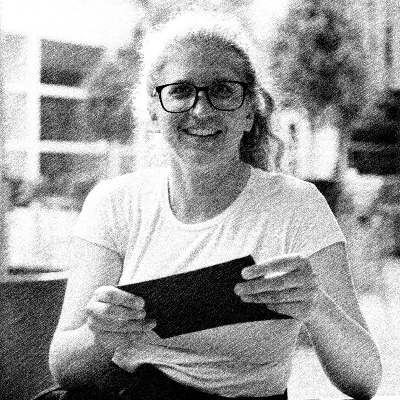
Hannah Michaud first started exploring ways to develop sustainable textiles in 2016 while completing her studies in sustainable fashion at Copenhagen’s KEA School of Design & Technology. She also studied fashion technology and design at the KEA academy from 2012 to 2015.Michaud worked as a fashion design intern at Danish company Barbara I Gongini in 2016 and also at Weekend CPH in 2014. After her graduation in 2017, she decided to continue her research work on sustainable fabrics as co-founder and chief creative officer of Danish alt-leather startup, Beyond Leather Materials ApS, in Copenhagen.Originally from Maine, US, Michaud also studied music as a classical flutist at the University of Maine, where she was first chair in its Symphony Orchestra, and Sustainable Agriculture in the university’s Natural Science and Forestry department.
CEO and co-founder of Beyond Leather Materials / Leap
German native Mikael Eydt graduated in economics in 2016 at Erlangen-Nürnberg’s Friedrich-Alexander University. He worked at his family’s hotel company in Germany while studying at university from 2011 to 2016. Eydt also briefly worked in sales for insurance company Debeka and completed his national service as a soldier in Germany. In 2017, Eydt went back to work as a junior manager at family-owned Hotel Eydt in Kirchheim.Currently based in Copenhagen, he is now the CEO and co-founder of Danish alt-leather biotech, Beyond Leather Materials, that produces vegan leather materials from apple waste. He was responsible for the startup’s business development for two years before becoming CEO in July 2020.

German native Mikael Eydt graduated in economics in 2016 at Erlangen-Nürnberg’s Friedrich-Alexander University. He worked at his family’s hotel company in Germany while studying at university from 2011 to 2016. Eydt also briefly worked in sales for insurance company Debeka and completed his national service as a soldier in Germany. In 2017, Eydt went back to work as a junior manager at family-owned Hotel Eydt in Kirchheim.Currently based in Copenhagen, he is now the CEO and co-founder of Danish alt-leather biotech, Beyond Leather Materials, that produces vegan leather materials from apple waste. He was responsible for the startup’s business development for two years before becoming CEO in July 2020.
Chairman of the Board, co-founder, co-inventor of NovoNutrients
Russell J. Howard has been co-founder and chairman of the board at NovoNutrients, a San Francisco biotech manufacturer of alt-protein produced using fermentation and CO2, and the research company Oakbio, since the latter’s foundation in 2009. During this period, for a year, Howard also worked as head of commercial strategy at Genome.One, a genetics startup. Howard is also on the board of executives of two Australian pharma companies, Immutep and NeuClone. Previously, between 1997 and 2009, he was CEO at California-based Maxygen, dedicated to the commercialization of molecular breeding and gene shuffling in protein. The year before that, Howard was president and scientific director at global pharma giant GSK in Santa Clara, and between 1994 and 1996, he held the same position at AFFYMAX Research Institute, working on new drugs research. Howard also held long-term research positions, heading up the laboratory at Palo Alto’s DNAX Research Institute of Molecular & Cellular Biology for six years, and earlier spent nine years at Bethesda’s National Institute of Allergy and Infectious Diseases (NIAID) working on identifying new malarial pathogens. The doctor of biochemistry from the University of Melbourne has over 140 peer-reviewed publications. Following his studies, Howard spent three years undertaking postdoctoral research at Australia’s WEHI (formerly the Walter and Eliza Hall Institute of Medical Research).

Russell J. Howard has been co-founder and chairman of the board at NovoNutrients, a San Francisco biotech manufacturer of alt-protein produced using fermentation and CO2, and the research company Oakbio, since the latter’s foundation in 2009. During this period, for a year, Howard also worked as head of commercial strategy at Genome.One, a genetics startup. Howard is also on the board of executives of two Australian pharma companies, Immutep and NeuClone. Previously, between 1997 and 2009, he was CEO at California-based Maxygen, dedicated to the commercialization of molecular breeding and gene shuffling in protein. The year before that, Howard was president and scientific director at global pharma giant GSK in Santa Clara, and between 1994 and 1996, he held the same position at AFFYMAX Research Institute, working on new drugs research. Howard also held long-term research positions, heading up the laboratory at Palo Alto’s DNAX Research Institute of Molecular & Cellular Biology for six years, and earlier spent nine years at Bethesda’s National Institute of Allergy and Infectious Diseases (NIAID) working on identifying new malarial pathogens. The doctor of biochemistry from the University of Melbourne has over 140 peer-reviewed publications. Following his studies, Howard spent three years undertaking postdoctoral research at Australia’s WEHI (formerly the Walter and Eliza Hall Institute of Medical Research).
CEO and Co-founder of Kuaishou
Su Hua quit his PhD studies at China’s prestigious Tsinghua University. In 2006, he joined Google as an engineer working on ads search. In October 2008, he left Google and started over 33 projects but all failed.A year later, he joined Baidu and worked for over two years as a core engineer and team leader for its search engine marketing system Fengchao. He left Baidu to establish search engine startup One Box that was acquired by Alibaba.In June 2013, Su was introduced to Cheng Yixiao who had already founded GIF Kuaishou in 2011. They decided to join forces and pivot GIF Kuaishou into a video-sharing app, with Su as CEO and Cheng as CPO.
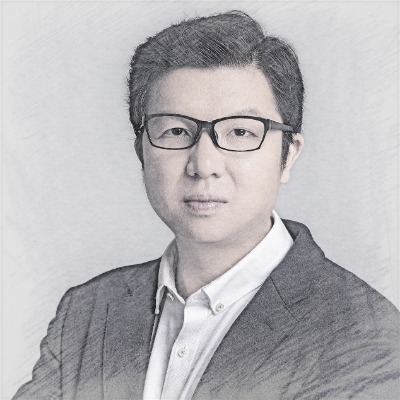
Su Hua quit his PhD studies at China’s prestigious Tsinghua University. In 2006, he joined Google as an engineer working on ads search. In October 2008, he left Google and started over 33 projects but all failed.A year later, he joined Baidu and worked for over two years as a core engineer and team leader for its search engine marketing system Fengchao. He left Baidu to establish search engine startup One Box that was acquired by Alibaba.In June 2013, Su was introduced to Cheng Yixiao who had already founded GIF Kuaishou in 2011. They decided to join forces and pivot GIF Kuaishou into a video-sharing app, with Su as CEO and Cheng as CPO.
CPO and Co-founder of Kuaishou
Cheng Yixiao began his career as a software engineer at HP in Dalian where he met Kuaishou co-founder Yang Yuanxi. Cheng left HP to join Renren as an iPhone client software developer.In 2011, Cheng started a photo-sharing platform GIF Kuaishou and obtained some seed funding. In 2013, he was introduced to a successful entrepreneur Su Hua. They decided to pivot GIF Kuaishou into a video-sharing app, with Cheng as CPO and Su as CEO.Many believe that his earlier experiences of living in Tieling, a county in northeast China, and later in Beijing’s suburb Tiantongyuan, have helped him to identify business opportunities and develop social media tools for the grassroots. He has quite a reputation for his creativity and passion for product development in tech circles.
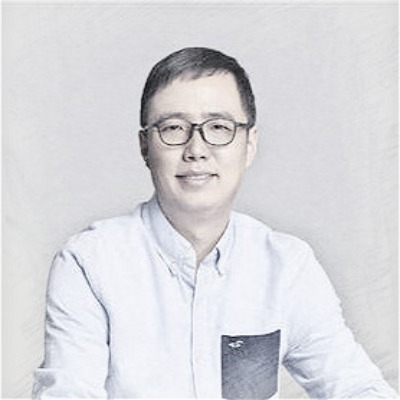
Cheng Yixiao began his career as a software engineer at HP in Dalian where he met Kuaishou co-founder Yang Yuanxi. Cheng left HP to join Renren as an iPhone client software developer.In 2011, Cheng started a photo-sharing platform GIF Kuaishou and obtained some seed funding. In 2013, he was introduced to a successful entrepreneur Su Hua. They decided to pivot GIF Kuaishou into a video-sharing app, with Cheng as CPO and Su as CEO.Many believe that his earlier experiences of living in Tieling, a county in northeast China, and later in Beijing’s suburb Tiantongyuan, have helped him to identify business opportunities and develop social media tools for the grassroots. He has quite a reputation for his creativity and passion for product development in tech circles.
Co-Founder and COO of UangTeman
Soon, a Malaysian, formerly worked as a banker. He received an MBA from Tsinghua University in Beijing in 2012, and is also a graduate of the University of Canberra. Before obtaining his MBA, he worked for a dot-com company and at a financial services company.

Soon, a Malaysian, formerly worked as a banker. He received an MBA from Tsinghua University in Beijing in 2012, and is also a graduate of the University of Canberra. Before obtaining his MBA, he worked for a dot-com company and at a financial services company.
Cryptosolartech: Harnessing solar power to make cryptomining less environmentally harmful
The Spanish startup also sources cheaper electricity for cryptomining. It recently raised €8.85m in a pre-ICO, enabling it to build the world's first solar-powered cryptomining farm

CoolFarm: Why did Microsoft Portugal's Startup of the Year go bust?
The indoor-gardening tech startup went from winning awards to closing down with debts of close to €1m four years after its founding
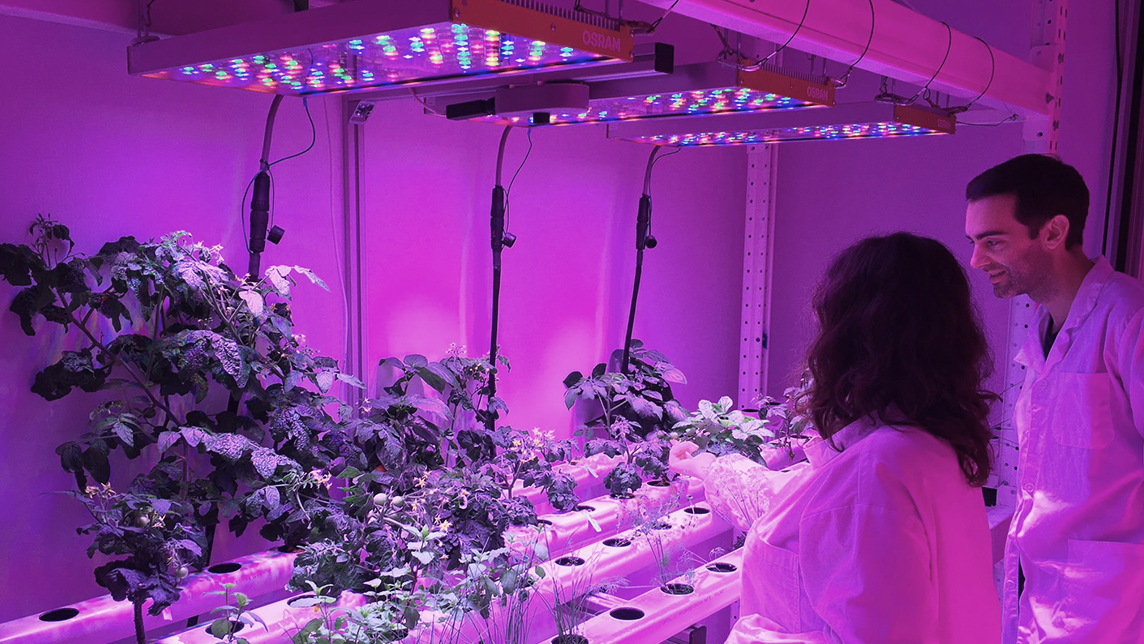
Smart Agrifood 2021: SVG Ventures's Hartnett, Land O'Lakes's Bekele on disruption in agrifood chain
How US farming cooperative Land O'Lakes and leading CPG brands are working with famers and tech firms to overcome agritech challenges, transform the whole value chain
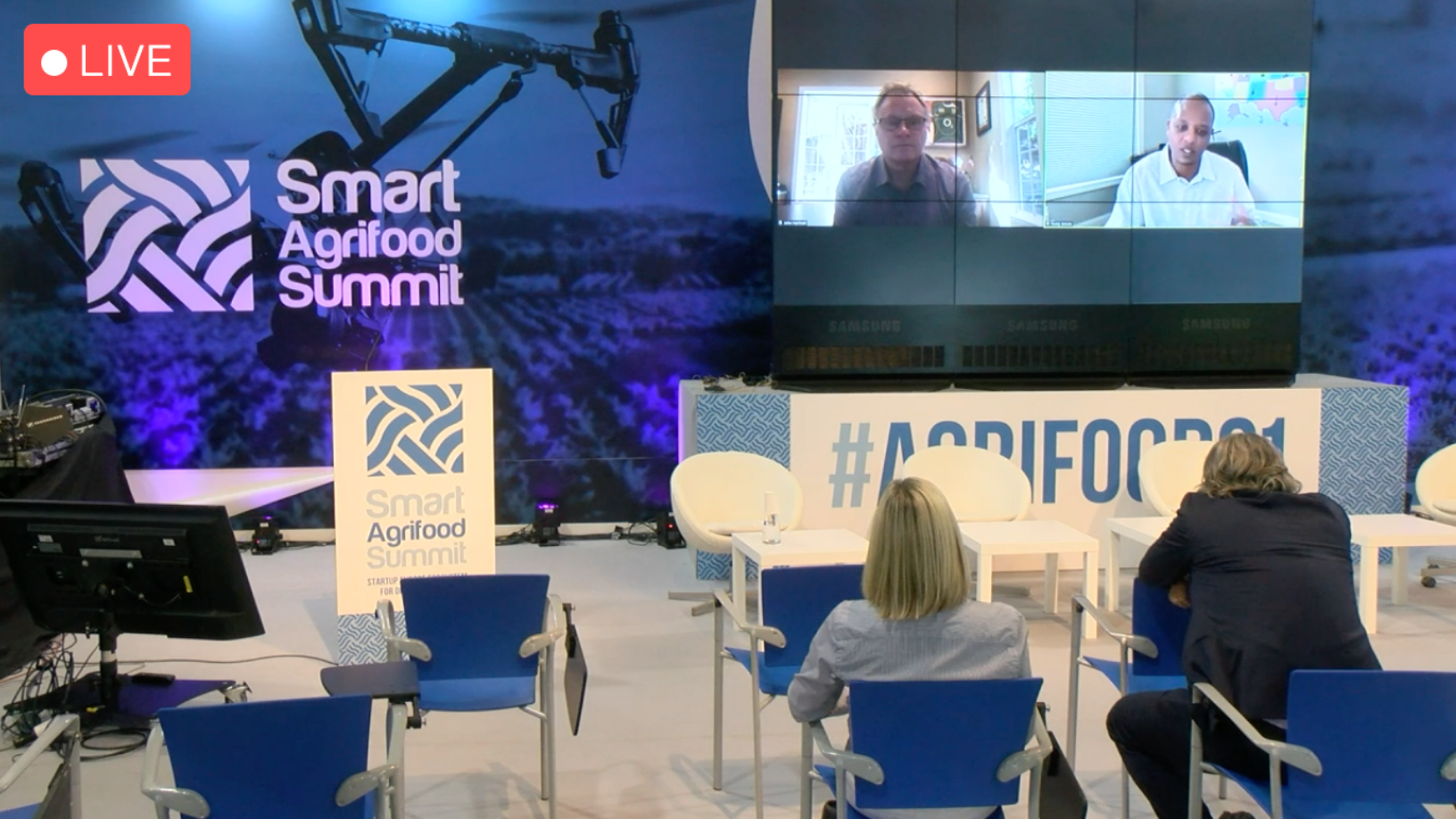
With recent funding of $182m, drone maker XAG is set to make its mark as agritech leader
XAG has been reaping the benefits of its 2012 pivot to agriculture as demand for high-tech automation in China’s farms continues to grow strongly amid government push

In a united move, Portuguese startups fight to mitigate Covid-19 impact in unprecedented crisis
As strong growth of previous years falters, Portugal's startups were quick to mobilize themselves to detail the help they would need from the state to deal with their biggest challenge yet

Chic by Choice: From Forbes' 30 Under 30 to insolvency
Lack of cashflow was the main reason for the demise of Chic by Choice, Europe's leading luxury dress rental e-store

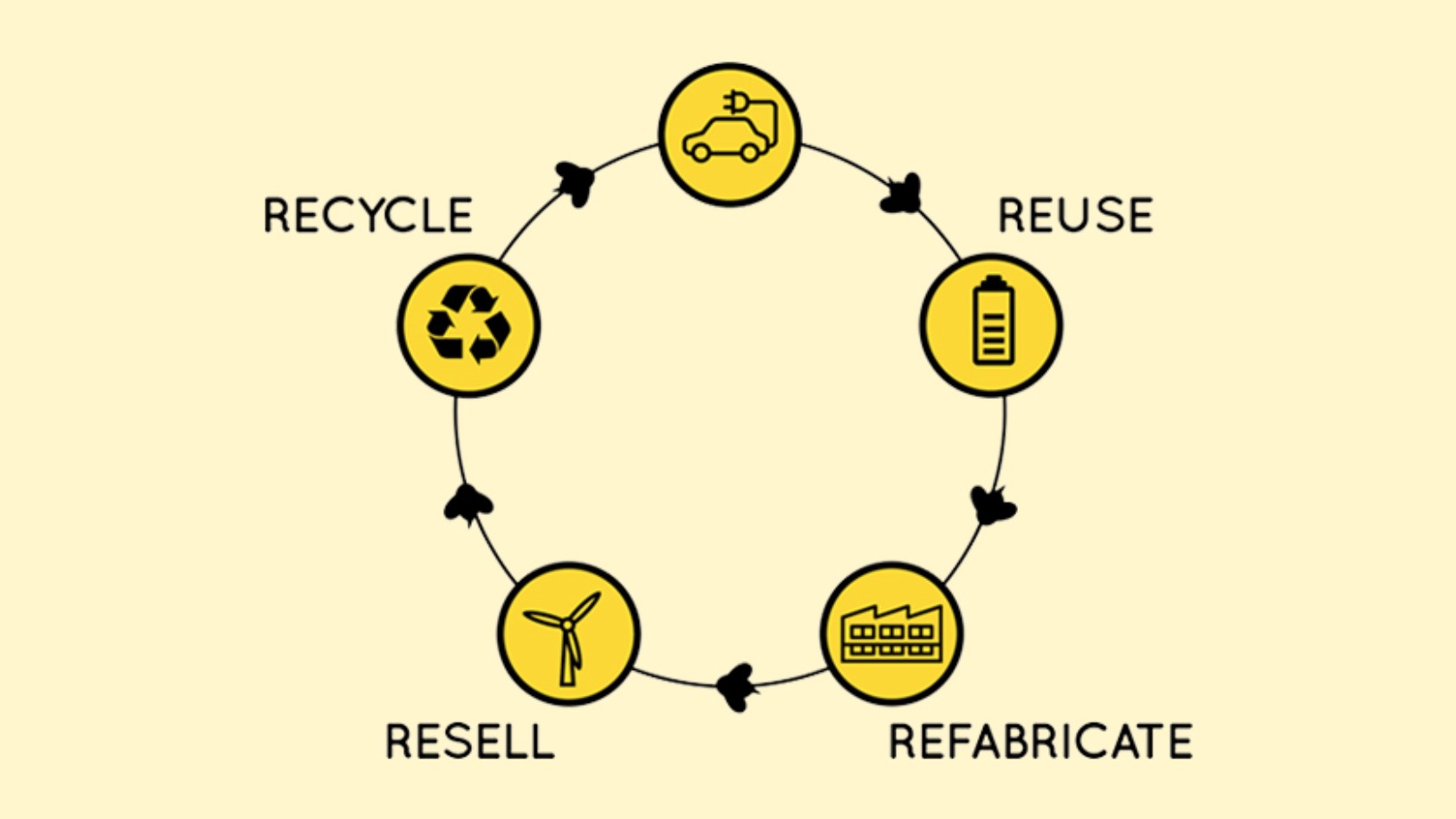
BeePlanet Factory: Recycling EV batteries as a sustainable, profitable business
With 4kWh–200kWh residential and industrial battery packs, the Pamplona-based startup wants to scale its energy storage solutions in the agri-food sector, camping sites and mountain huts
UTW: Drones and big data to help farmers get the most out of their land
Analytics startup UTW also harvests real-time farming information using satellites and sensors, to offer crop yield predictions

Portugal pumps up to €60m into new initiatives to avert backslide in startup ecosystem
Government funding to ensure the strategically important and social impact startups don't fail, post-Covid

James, an AI-powered tool for faster, more accurate credit risk assessment
Capable of analyzing over 7,000 types of data, the award-winning credit risk tool for financial institutions is also quick to install and roll out

Omniflow gets €2 million boost for its solar-, wind-powered IoT street lights
Thanks to Portugal's Omniflow, renewable energy street lamps doubling up as Wi-Fi hotspots, e-chargers and traffic monitors may soon be ubiquitous street furniture in tomorrow's smart cities

Xing Nong Fu: Using earthworms to create sustainable local farming and livelihoods
Worm castings can rehabilitate infertile land due to excessive soil salinity in just seven days, compared with three to five years using traditional methods, and 90% more cheaply

Amid Covid-19 gloom, some bright spots in Portugal's tech startup scene
Despite a recession and doubling of the unemployment rate forecast this year, it's not all bad news for the Portuguese tech ecosystem

Sound Particles: the CGI for sound effects taking Hollywood by storm
This revolutionary 3D audio software has propelled Portuguese founder Nuno Fonseca from teaching music to credits in Star Wars, Game of Thrones and Frozen II.

Future Food Asia 2021: Regenerative agriculture in Asia
The unique challenges facing regenerative agriculture in Asia require solutions different from those in the West, presenting opportunities for microfinancing and impact investment

Sorry, we couldn’t find any matches for “Land O”.
POPULAR DATABASE