Microbial fuel cells
-
DATABASE (27)
-
ARTICLES (74)
DSM Venturing is the investment arm of major Dutch biotech company DSM that has been investing in startups since 2006. The company currently has 36 startups in its portfolio across geographies and has managed three exits to date. It typically invests between €100,000 and €5m, with a lifetime investment varying from €1m–20m and usually requires board membership alongside investment. It has offices in the Netherlands and the US, both on the east and west coast. Its recent investments include in the March 2021 $48m Series A round of Dutch cell-based meat startup Meatable which leverages pluripotent stem cells for the first time in foodtech, and in the same month, in the $8m Series A round of British anti-pollution biotech Deep Branch Biotechnology.

DSM Venturing is the investment arm of major Dutch biotech company DSM that has been investing in startups since 2006. The company currently has 36 startups in its portfolio across geographies and has managed three exits to date. It typically invests between €100,000 and €5m, with a lifetime investment varying from €1m–20m and usually requires board membership alongside investment. It has offices in the Netherlands and the US, both on the east and west coast. Its recent investments include in the March 2021 $48m Series A round of Dutch cell-based meat startup Meatable which leverages pluripotent stem cells for the first time in foodtech, and in the same month, in the $8m Series A round of British anti-pollution biotech Deep Branch Biotechnology.
Founded in Silicon Valley by serial investor and founder of Google Ventures Bill Marris, Section 32 has multiple investment interests with medicine and biotech key amongst them. Marris himself has invested in over 500 companies, with over one-third resulting in IPO or M&A. Fifty of his portfolio companies have exceeded $1bn valuations, including Uber. Section 32 currently has 48 companies in its portfolio. Its most recent investments have included in Canadian remote medicine platform Cover Health’s $43m Series B round and in the $100m Series B round of US cancer detection software C2i Genomics, both in April 2021. In March 2021, it participated in the $48m Series A round of Dutch cell-based meat startup Meatable which leverages pluripotent stem cells for the first time in foodtech.
Founded in Silicon Valley by serial investor and founder of Google Ventures Bill Marris, Section 32 has multiple investment interests with medicine and biotech key amongst them. Marris himself has invested in over 500 companies, with over one-third resulting in IPO or M&A. Fifty of his portfolio companies have exceeded $1bn valuations, including Uber. Section 32 currently has 48 companies in its portfolio. Its most recent investments have included in Canadian remote medicine platform Cover Health’s $43m Series B round and in the $100m Series B round of US cancer detection software C2i Genomics, both in April 2021. In March 2021, it participated in the $48m Series A round of Dutch cell-based meat startup Meatable which leverages pluripotent stem cells for the first time in foodtech.
CTO and co-founder of iLoF
Joana Paiva graduated in 2014 with a master’s in biomedical engineering at the University of Coimbra in Portugal. She went on to complete a PhD in physics at the University of Porto in 2019.In 2014, she also worked at INESC Technology and Science for almost five years while completing her PhD thesis: Intelligent Lab on Fiber tools for sensing single-cells and extracellular nano-vesicles. It was her research that led to the founding of medtech startup iLoF.In August 2019, she co-founded iLoF as CTO. The Oxford-Oporto-based startup enables personalized medicine through the use of AI and photonics to create optical fingerprints in a cloud-based library to collate disease biomarkers and biological profiles.Based in Porto, she is also a co-inventor with three patents and 29 scientific publications. She is one of Forbes 30 Under 30 for science and healthcare and was nominated for the EIT Woman Award 2020.

Joana Paiva graduated in 2014 with a master’s in biomedical engineering at the University of Coimbra in Portugal. She went on to complete a PhD in physics at the University of Porto in 2019.In 2014, she also worked at INESC Technology and Science for almost five years while completing her PhD thesis: Intelligent Lab on Fiber tools for sensing single-cells and extracellular nano-vesicles. It was her research that led to the founding of medtech startup iLoF.In August 2019, she co-founded iLoF as CTO. The Oxford-Oporto-based startup enables personalized medicine through the use of AI and photonics to create optical fingerprints in a cloud-based library to collate disease biomarkers and biological profiles.Based in Porto, she is also a co-inventor with three patents and 29 scientific publications. She is one of Forbes 30 Under 30 for science and healthcare and was nominated for the EIT Woman Award 2020.
CEO and co-founder of TurtleTree Labs
Cheese connoisseur, Lin Fengru, was unable to find milk that allowed her to make high-quality cheese. During her search around dairy farms in Asia, she realized that the poor quality of the milk was due to animal hygiene issues and the use of antibiotics and hormones on cows. The lack of quality dairy milk options inspired her to co-found TurtleTree Labs in January 2019 to create milk using stem cells.Lin graduated in information systems management and marketing in 2011 at Singapore Management University (SMU). In 2011, she joined Collis Asia as an account manager and left in 2014 to work at Salesforce in sales and business development. She joined Google Singapore in 2018 and worked as a territory account manager for Google Cloud Platform until June 2019. In 2020, she completed an MIT course in the science and business of biotechnology.
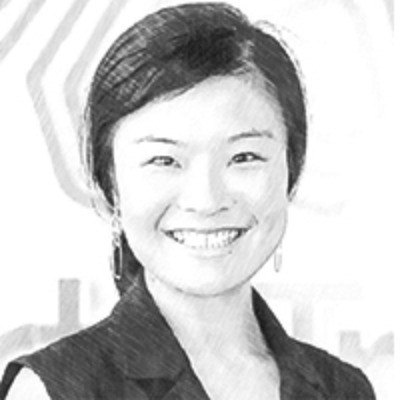
Cheese connoisseur, Lin Fengru, was unable to find milk that allowed her to make high-quality cheese. During her search around dairy farms in Asia, she realized that the poor quality of the milk was due to animal hygiene issues and the use of antibiotics and hormones on cows. The lack of quality dairy milk options inspired her to co-found TurtleTree Labs in January 2019 to create milk using stem cells.Lin graduated in information systems management and marketing in 2011 at Singapore Management University (SMU). In 2011, she joined Collis Asia as an account manager and left in 2014 to work at Salesforce in sales and business development. She joined Google Singapore in 2018 and worked as a territory account manager for Google Cloud Platform until June 2019. In 2020, she completed an MIT course in the science and business of biotechnology.
Meatable’s proprietary OPTi-OX technology is a pioneer in enabling scalable cell-based production of entire meat joints, 100% animal-free, starting with pork and beef.
Meatable’s proprietary OPTi-OX technology is a pioneer in enabling scalable cell-based production of entire meat joints, 100% animal-free, starting with pork and beef.
World's first renewable energy plug-in electric system for refrigerated trucks enables cold-chain operation in non-diesel mode – reducing emissions, fuel consumption and maintenance costs.

World's first renewable energy plug-in electric system for refrigerated trucks enables cold-chain operation in non-diesel mode – reducing emissions, fuel consumption and maintenance costs.
Co-founder of Meatable
Mark Kotter is the Austrian co-founder at Dutch cell-based meat startup Meatable, the first to use pluripotent stem cells and claim a highly scalable culture technology, which was developed by Kotter prior to founding the startup in 2018. He is also founder at his biotech startup, bit.bio, which is based in Cambridge, UK, since 2016, where he applies his cellular technological innovation to human stem cell research and has raised investments totaling $42m. His main full-time position is at the University of Cambridge, where he has worked since 2009. He has spent more than five years as a clinician-scientist in stem cell research and was previously a lecturer in neurosurgery. Kotter also lectures at Paris Descartes University and is a team leader at the UK’s National Institute for Health Research’s Brain Injury MedTech Co-operative. He also founded Myelopathy.org to raise awareness of cervical myelopathy. His past positions were as a research group leader at the Max Planck Institute for Experimental Medicine for one year, and for two years spent at the Medical University of Vienna. Kotter holds two doctorates; one in philosophy from the University of Cambridge and the other in medicine from the University of Graz in Austria. Kotter also holds a master’s in philosophy from the University of Cambridge.

Mark Kotter is the Austrian co-founder at Dutch cell-based meat startup Meatable, the first to use pluripotent stem cells and claim a highly scalable culture technology, which was developed by Kotter prior to founding the startup in 2018. He is also founder at his biotech startup, bit.bio, which is based in Cambridge, UK, since 2016, where he applies his cellular technological innovation to human stem cell research and has raised investments totaling $42m. His main full-time position is at the University of Cambridge, where he has worked since 2009. He has spent more than five years as a clinician-scientist in stem cell research and was previously a lecturer in neurosurgery. Kotter also lectures at Paris Descartes University and is a team leader at the UK’s National Institute for Health Research’s Brain Injury MedTech Co-operative. He also founded Myelopathy.org to raise awareness of cervical myelopathy. His past positions were as a research group leader at the Max Planck Institute for Experimental Medicine for one year, and for two years spent at the Medical University of Vienna. Kotter holds two doctorates; one in philosophy from the University of Cambridge and the other in medicine from the University of Graz in Austria. Kotter also holds a master’s in philosophy from the University of Cambridge.
Architect and co-founder of QingCloud
Co-founder and Architect of QingCloud. A top scorer in the National College Entrance Examination of Hainan province, Lin received his bachelor’s and master’s degrees at Tsinghua University and later worked for IBM and Tencent. Lin Yuan is now in charge of the API level technology at QingCloud.
Co-founder and Architect of QingCloud. A top scorer in the National College Entrance Examination of Hainan province, Lin received his bachelor’s and master’s degrees at Tsinghua University and later worked for IBM and Tencent. Lin Yuan is now in charge of the API level technology at QingCloud.
CEO and Founder of DataHunter
Founder and CEO of DataHunter. Cheng graduated from Southeast University in 2001. An entrepreneur since 2005, he founded two other startups before DataHunter. With 17 years of experience in the IT industry and in enterprise services, he now works in data visualization.
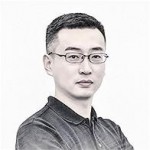
Founder and CEO of DataHunter. Cheng graduated from Southeast University in 2001. An entrepreneur since 2005, he founded two other startups before DataHunter. With 17 years of experience in the IT industry and in enterprise services, he now works in data visualization.
The VC arm of Tsinghua University, THG Ventures was founded in 2015. It is managed by the investment team from the state-owned Tsinghua Holdings Ltd., which has specialized in venture capital investments since 1999 and is one of the first China teams focused on RMB investment. The team also founded TusPark Incubator and TusPark Ventures.
The VC arm of Tsinghua University, THG Ventures was founded in 2015. It is managed by the investment team from the state-owned Tsinghua Holdings Ltd., which has specialized in venture capital investments since 1999 and is one of the first China teams focused on RMB investment. The team also founded TusPark Incubator and TusPark Ventures.
A Shanghai and Hong Kong-listed brokerage and investment bank, China Merchants Securities is one of China’s largest players, and part of the state-owned conglomerate, China Merchants Group.

A Shanghai and Hong Kong-listed brokerage and investment bank, China Merchants Securities is one of China’s largest players, and part of the state-owned conglomerate, China Merchants Group.

- 1
- 2
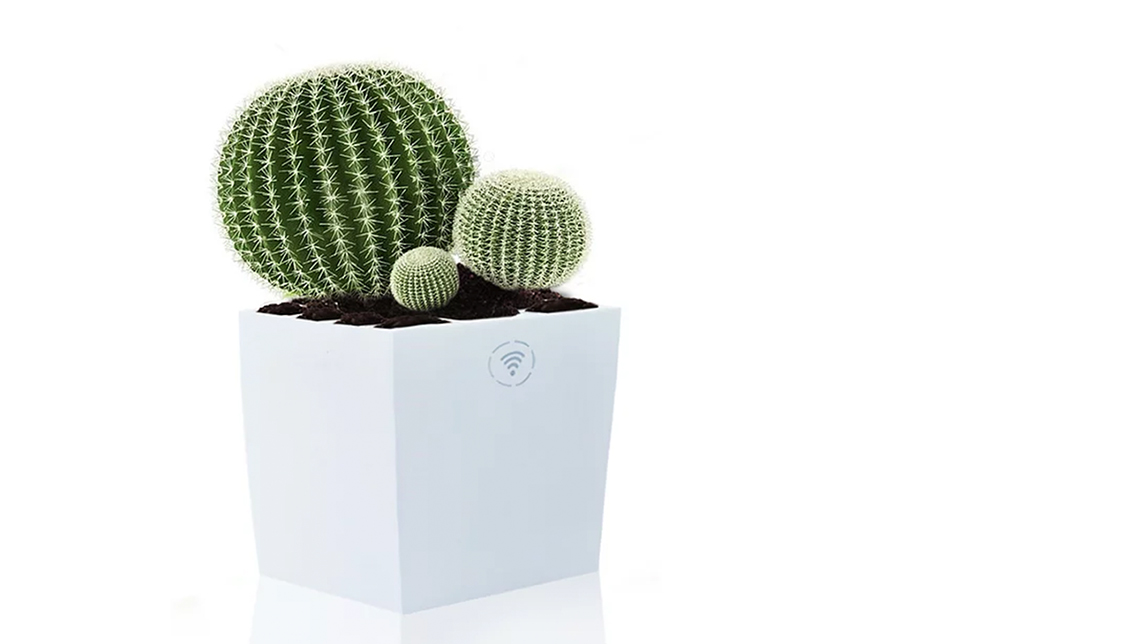
Bioo’s green power: Electricity, Wi-Fi from a flower pot
The Spanish startup has won accolades and fundings for its NASA-inspired fuel cells and energy-producing plants
Because Animals: Pioneering cultured meat for pets
The biotech startup is disrupting the pet food processing industry with cell-based food to minimize environmental “pawprints” and promote animal welfare
Forget solar panels and batteries, Bioo wants to scale soil bioelectricity generation
Improving on NASA’s microbial fuel cell tech, Bioo hopes to boost crop efficiency and transform the way urbanites live, in future green cities powered by plants
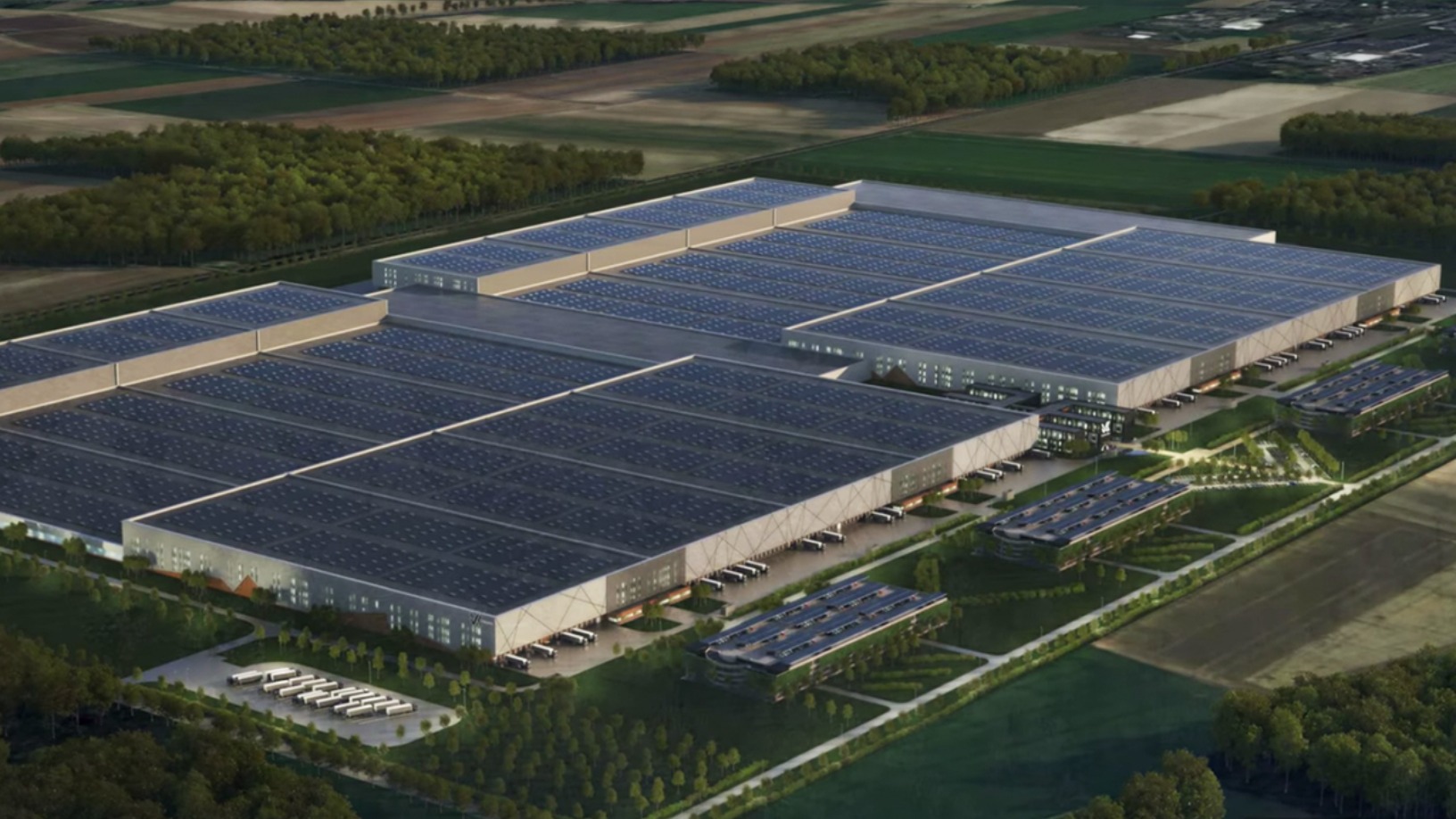
Verkor: Accelerating low‑carbon battery production in France
French startup Verkor aims to raise up to €1.3bn by the end of next year to finance its first Gigafactory producing sustainable lithium-ion batteries for the European market
Singapore, the place to start and grow a cellular agriculture startup
A country that imports over 90% of its food supply, Singapore has turned to foodtech, including cellular agriculture, to safeguard food security, supported by proactive regulators

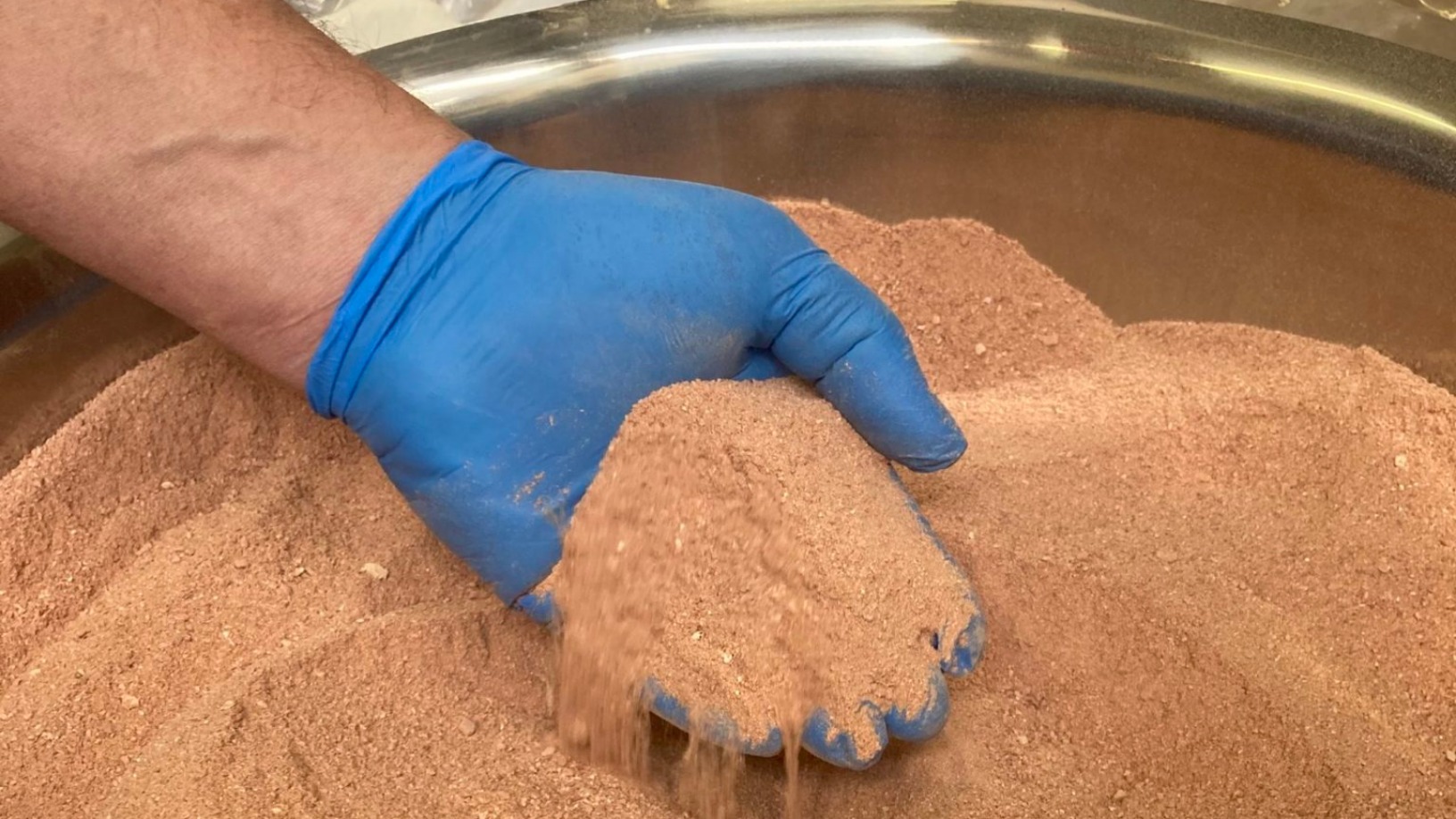
NovoNutrients: Tackling the dual problems of CO2 emissions and over-fishing
The first to transform CO2 to fish food, NovoNutrients is trialing with industry giants Skretting and Chevron, and will soon raise Series A funding
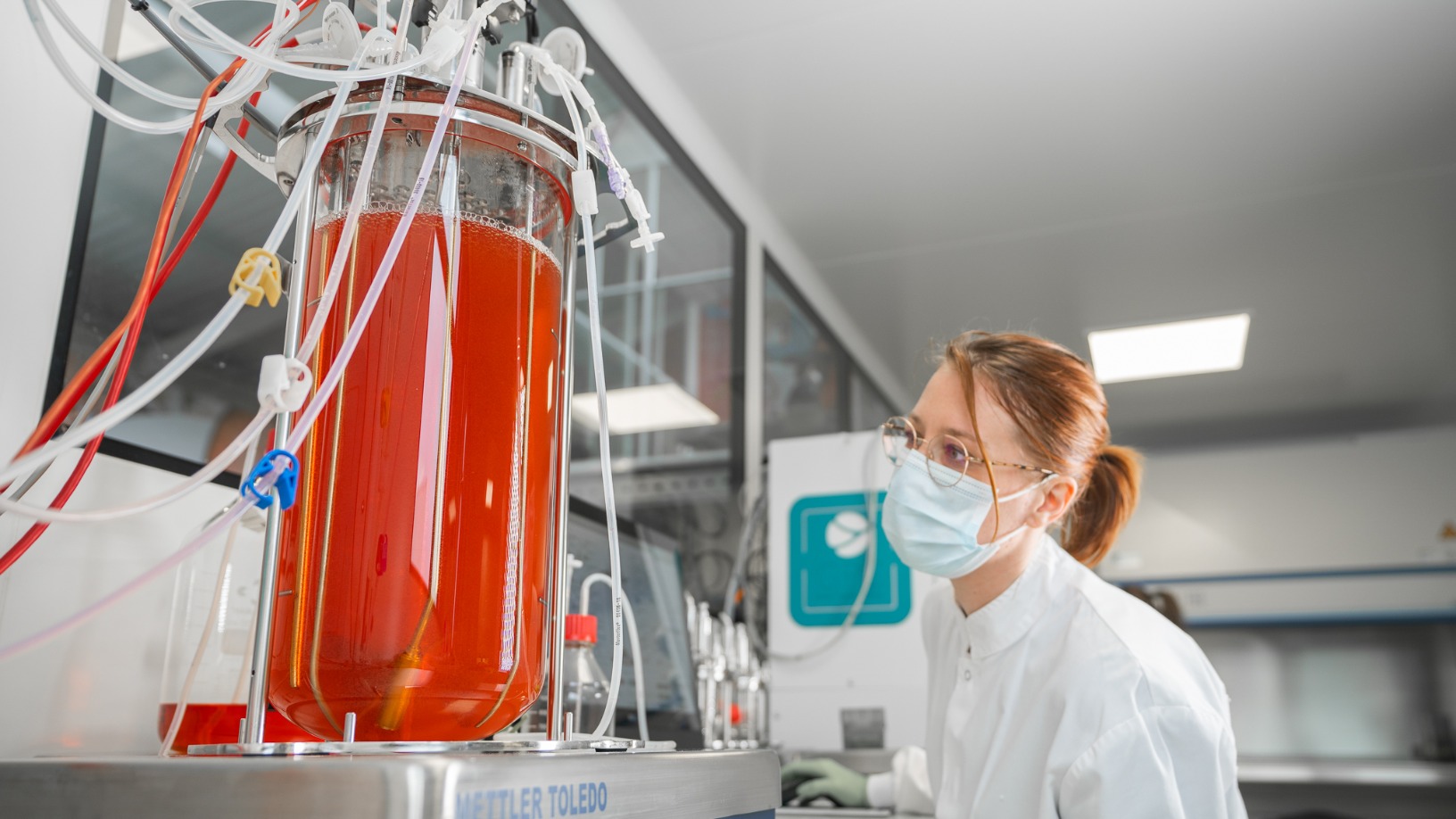
TreeFrog Therapeutics: Mimicking how stem cells grow in the human body
The French biotech’s proprietory technology to cultivate pluripotent stem cells in a 3D environment can be scaled to mass-produce high-quality cells to treat diseases such as Parkinson’s
Meatable: Cell-based meat startup secures $47m Series A for scalable technology
The Dutch startup offers a pioneering technology for quickly scaling cell-based meat production while eliminating the need for animal-derived growth media
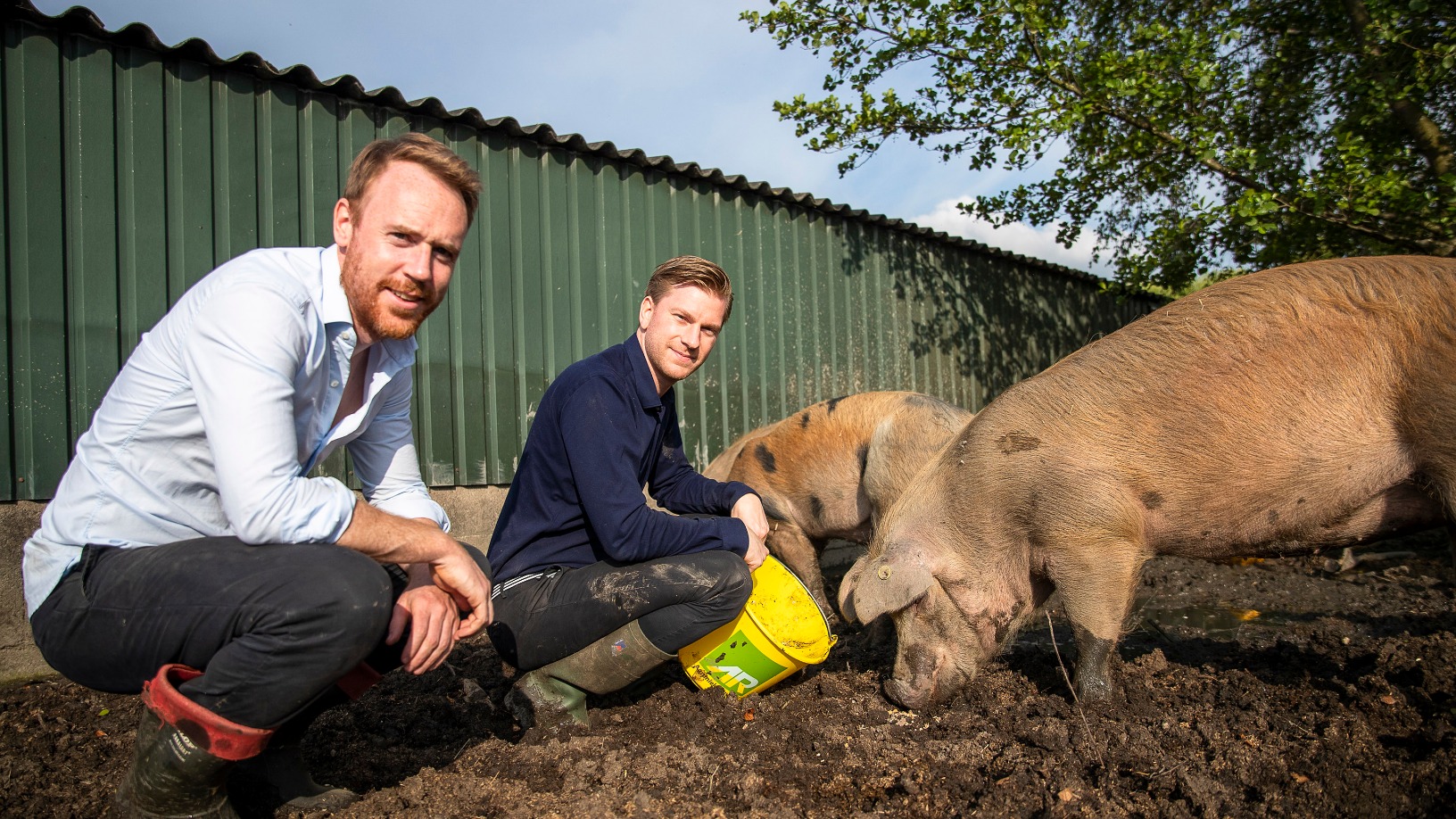
Xtrem Biotech, an agritech startup from Granada, seeks global expansion
With its research roots in the University of Granada, Xtrem Biotech was named one of the world's most innovative agtech spin-offs by accelerator TERRA Food & AgTech
AquaCultured Foods: World's first whole-cut vegan seafood made through microbial fermentation
Armed with its fermentation technology and proprietary strain of fungi, AquaCultured is closing an oversubscribed funding round, raising more than $1.5m to launch its non-GMO seafood alternatives, with plans to expand to more food verticals and overseas
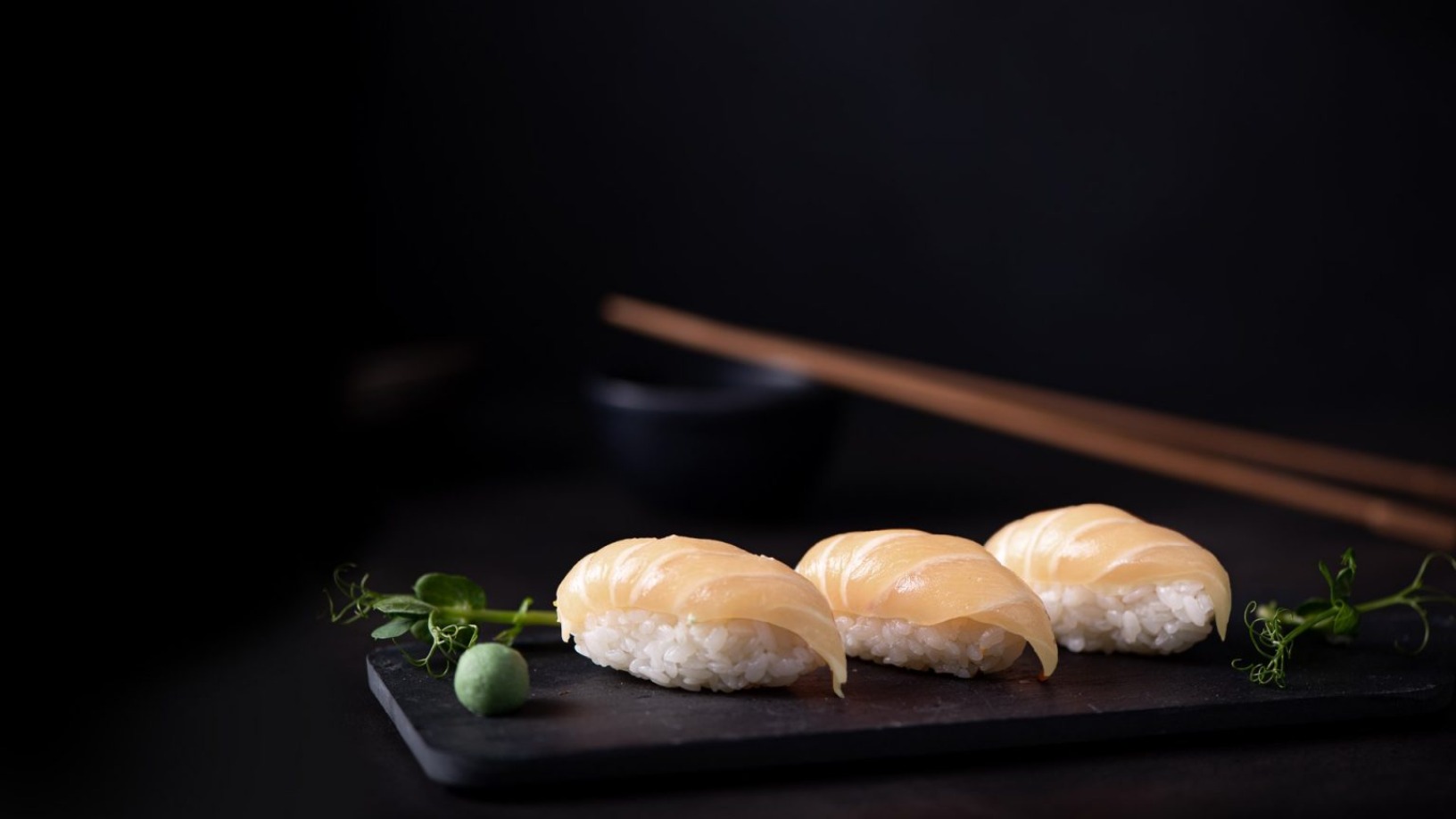
TurtleTree Labs: Creating sustainable mammalian milk alternatives from stem cells
Founder’s search for high-quality dairy milk led to the creation in a lab of naturally occurring ingredients found in human milk for supply to dairy milk and infant formula businesses
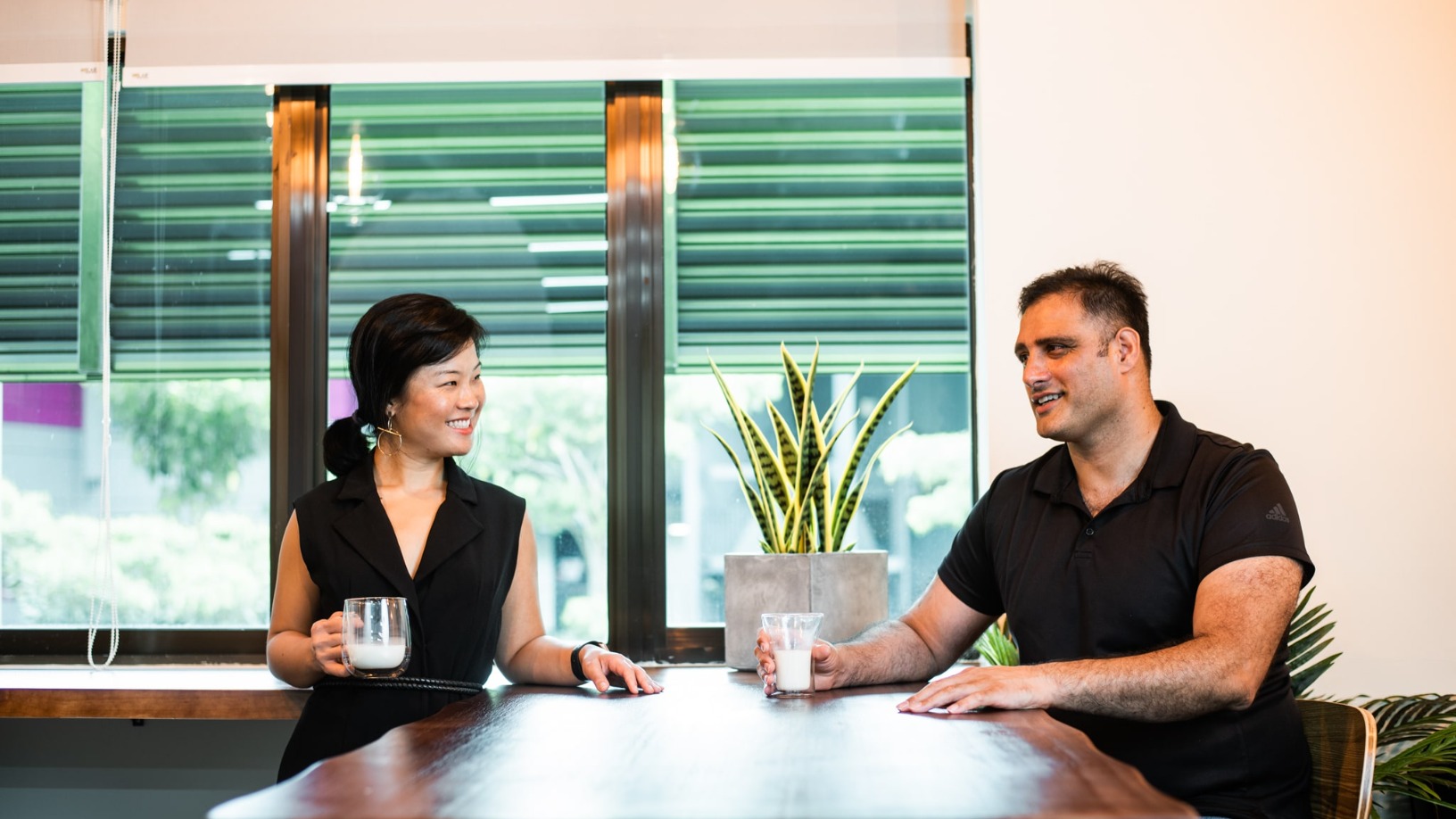
Biomilq: Creating cell-based mothers’ milk in a lab
With the aim of helping women struggling to breastfeed, Bill Gates-backed Biomilq is disrupting the $45bn baby formula industry developing lab-grown breast milk from mammary epithelial cells

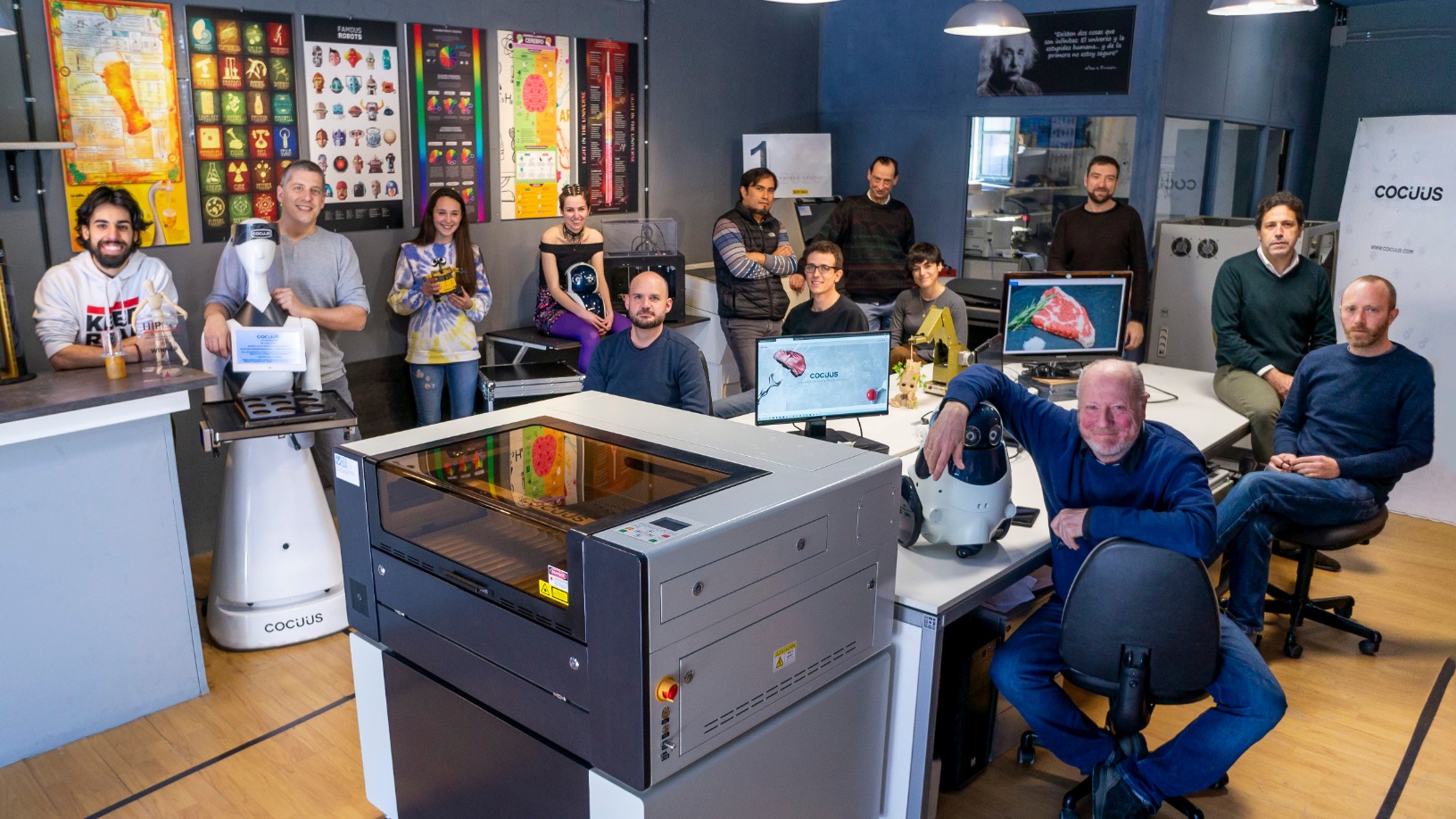
Cocuus: Industrial-scale solutions to design and print food
This Spanish startup is pioneering industrial-scale 3D food printing using inkjet and laser technology that prints up to 30 times faster with eye-catching food designs
Yali Bio: Recreating a juicy steak in plant-based alternatives
Founded by the former head of Impossible Foods’ pilot plant, this Bay Area genomics and foodtech startup is one of the first to engineer a better fat for plant-based meat

Bound4Blue taps aeronautical technology for sustainable shipping solutions
Bound4Blue's wind-assisted vessel propulsion saves 40% on fuel costs in a €200bn market; eyes European, Asian expansion

Sorry, we couldn’t find any matches for “Microbial fuel cells”.
POPULAR DATABASE