Novel Farms
-
DATABASE (24)
-
ARTICLES (102)
Co-founder and CTO of PeekMed
University of Minho graduate Jaime Campos holds a master’s degree in Computer Science. Campos is currently developing a novel algorithm at his alma mater while serving as CTO of the company he co-founded, PeekMed.

University of Minho graduate Jaime Campos holds a master’s degree in Computer Science. Campos is currently developing a novel algorithm at his alma mater while serving as CTO of the company he co-founded, PeekMed.
Founder and CEO of inPlug (inplug.cn)
Aka “China’s first female hardware creator”. One of Huawei’s earliest staff in Eastern Europe/the Balkans (2003-7), opening offices in Hungary and Croatia, Li Qin’s experience of Huawei’s rise in Europe provided fodder for her semi-autobiographical novel, A Thousand Li of Barren Land. A sailing enthusiast. Holds a master’s in Economic Management from Stockholm University (where she studied on a scholarship).

Aka “China’s first female hardware creator”. One of Huawei’s earliest staff in Eastern Europe/the Balkans (2003-7), opening offices in Hungary and Croatia, Li Qin’s experience of Huawei’s rise in Europe provided fodder for her semi-autobiographical novel, A Thousand Li of Barren Land. A sailing enthusiast. Holds a master’s in Economic Management from Stockholm University (where she studied on a scholarship).
CTO and Co-founder of Oceanium
Charlie Bavington holds a PhD in biochemistry from the University of Edinburgh and has done postdoctoral research at the Scottish Association for Marine Science in natural marine products specializing in glycobiology and carbohydrate chemistry.In 2000, he moved from academic research to industry, joining a marine biotechnology company where he has been responsible for natural product discovery and contract research. His commitment to marine life and natural product development continued with GlycoMar, a company he co-founded in 2005, specializing in the discovery and development of novel functional glycans from microalgae, macroalgae, invertebrates, and plants.Since 2018, he’s CTO and co-founder of Oceanium, a Scottish startup developing marine-safe bio-packaging and plant-based food and nutrition products from sustainably farmed seaweed.
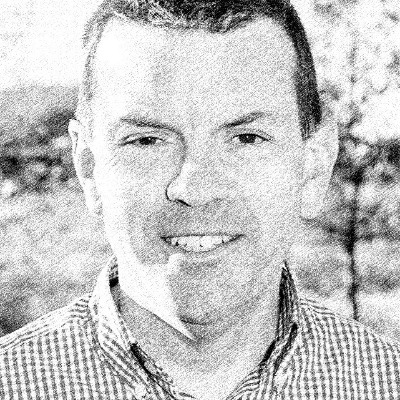
Charlie Bavington holds a PhD in biochemistry from the University of Edinburgh and has done postdoctoral research at the Scottish Association for Marine Science in natural marine products specializing in glycobiology and carbohydrate chemistry.In 2000, he moved from academic research to industry, joining a marine biotechnology company where he has been responsible for natural product discovery and contract research. His commitment to marine life and natural product development continued with GlycoMar, a company he co-founded in 2005, specializing in the discovery and development of novel functional glycans from microalgae, macroalgae, invertebrates, and plants.Since 2018, he’s CTO and co-founder of Oceanium, a Scottish startup developing marine-safe bio-packaging and plant-based food and nutrition products from sustainably farmed seaweed.
CTO and co-founder of Bygen
Ben Morton is an Australian entrepreneur and a chemical engineer by training. While serving in the Royal Australian Infantry, he attended Flinders University, pursuing a double honours degree in physics and organic chemistry. After graduating in 2013, Morton briefly worked as a chemist at fertilizer company SprayGro. In 2016, he enrolled at the University of Adelaide to pursue a PhD in Chemical Engineering. There, he joined Philip Kwong’s research group and met fellow PhD student Lewis Dunnigan. Using technology they developed at the research group, in 2017 Morton, and Dunnigan established Bygen, a startup offering a low-cost, novel way process of making activated carbon using various forms of agricultural waste, with Kwong as a technical adviser and fellow co-founder. Morton is now CTO of Bygen.

Ben Morton is an Australian entrepreneur and a chemical engineer by training. While serving in the Royal Australian Infantry, he attended Flinders University, pursuing a double honours degree in physics and organic chemistry. After graduating in 2013, Morton briefly worked as a chemist at fertilizer company SprayGro. In 2016, he enrolled at the University of Adelaide to pursue a PhD in Chemical Engineering. There, he joined Philip Kwong’s research group and met fellow PhD student Lewis Dunnigan. Using technology they developed at the research group, in 2017 Morton, and Dunnigan established Bygen, a startup offering a low-cost, novel way process of making activated carbon using various forms of agricultural waste, with Kwong as a technical adviser and fellow co-founder. Morton is now CTO of Bygen.
CEO and co-founder of Bygen
Lewis Dunnigan is a researcher turned entrepreneur based in Australia. After earning a master’s degree in Chemical Engineering and working as a researcher at the University of Edinburgh in the UK, Dunnigan returned to Australia. He had a brief stint as a visiting researcher and earned his PhD in Chemical Engineering at the University of Adelaide.During his PhD, Dunnigan was a part of Philip Kwong’s research laboratory. His PhD project involved developing a system to generate activated charcoal and renewable energy from biomass. In 2017, Dunnigan, Kwong, and fellow PhD student Ben Morton decided to commercialize this technology and established a spin-off company called Bygen, which developed a low-cost, novel way to make activated carbon more sustainably using various forms of agricultural waste. Dunnigan is now the CEO of Bygen.

Lewis Dunnigan is a researcher turned entrepreneur based in Australia. After earning a master’s degree in Chemical Engineering and working as a researcher at the University of Edinburgh in the UK, Dunnigan returned to Australia. He had a brief stint as a visiting researcher and earned his PhD in Chemical Engineering at the University of Adelaide.During his PhD, Dunnigan was a part of Philip Kwong’s research laboratory. His PhD project involved developing a system to generate activated charcoal and renewable energy from biomass. In 2017, Dunnigan, Kwong, and fellow PhD student Ben Morton decided to commercialize this technology and established a spin-off company called Bygen, which developed a low-cost, novel way to make activated carbon more sustainably using various forms of agricultural waste. Dunnigan is now the CEO of Bygen.
Co-founder and CTO of Jala
Hanry Ario is a skilled programmer armed with a diverse skillset, from C++ to AutoCAD. In 2014, he graduated from Universitas Gadjah Mada in Indonesia and joined fellow alumni to establish electronics startup Atnic. Hanry is the CTO of Atnic that created the Jala sensor for shrimp farms.
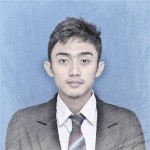
Hanry Ario is a skilled programmer armed with a diverse skillset, from C++ to AutoCAD. In 2014, he graduated from Universitas Gadjah Mada in Indonesia and joined fellow alumni to establish electronics startup Atnic. Hanry is the CTO of Atnic that created the Jala sensor for shrimp farms.
Co-founder and Lead Engineer of Jala
Farid Inawan is an Electrical Engineering graduate from Universitas Gadjah Mada, Indonesia. He joined aerospace company PT Dirgantara Indonesia after graduating in 2014, but left after one year to join UGM alumni to set up Atnic that later developed Jala for fish and shrimp farms. Farid is the lead electrical engineer at Atnic.

Farid Inawan is an Electrical Engineering graduate from Universitas Gadjah Mada, Indonesia. He joined aerospace company PT Dirgantara Indonesia after graduating in 2014, but left after one year to join UGM alumni to set up Atnic that later developed Jala for fish and shrimp farms. Farid is the lead electrical engineer at Atnic.
Aqua-Spark is a Netherlands-based fund that supports aquaculture businesses around the world, with the vision to create profitable aquaculture ventures that can help to restore ocean ecosystems that have been damaged by overfishing. Its portfolio covers a wide range of enterprises, ranging from low-cost fish farms in Madagascar to biotechs and high tech aquaculture companies.

Aqua-Spark is a Netherlands-based fund that supports aquaculture businesses around the world, with the vision to create profitable aquaculture ventures that can help to restore ocean ecosystems that have been damaged by overfishing. Its portfolio covers a wide range of enterprises, ranging from low-cost fish farms in Madagascar to biotechs and high tech aquaculture companies.
Co-founder and CEO of eFishery
Gibran Huzaifah ran a composting business and a catfish farm while reading a degree in Biology at Institut Teknologi Bandung in Indonesia. After graduating in 2012, he teamed up with fellow ITB alumnus Chrisna Aditya to establish an aquaculture tech firm PT Multidaya Teknologi Nusantara, aka Cybreed. In 2013, it launched eFishery, an automatic feeder system for aquaculture farms. In 2017, Gibran’s achievements earned him a spot on Forbes’ 30 Under 30 list of notable Asian figures.

Gibran Huzaifah ran a composting business and a catfish farm while reading a degree in Biology at Institut Teknologi Bandung in Indonesia. After graduating in 2012, he teamed up with fellow ITB alumnus Chrisna Aditya to establish an aquaculture tech firm PT Multidaya Teknologi Nusantara, aka Cybreed. In 2013, it launched eFishery, an automatic feeder system for aquaculture farms. In 2017, Gibran’s achievements earned him a spot on Forbes’ 30 Under 30 list of notable Asian figures.
Co-founder and CEO of Jala
Raynalfie Budhy Rahardjo graduated in 2014 with an Engineering degree from Universitas Gadjah Mada, Indonesia. He also has an MBA from UGM. He was also an assistant trainer for a program run by the university and Schneider Electric.Raynalfie and several UGM graduates established Atnic, a small venture firm to develop customized electronic gadgets. Their encounter with entrepreneur and veteran shrimp farmer Aryo Wiryawan led them to develop a water quality sensor for shrimp farms, later branded as Jala.

Raynalfie Budhy Rahardjo graduated in 2014 with an Engineering degree from Universitas Gadjah Mada, Indonesia. He also has an MBA from UGM. He was also an assistant trainer for a program run by the university and Schneider Electric.Raynalfie and several UGM graduates established Atnic, a small venture firm to develop customized electronic gadgets. Their encounter with entrepreneur and veteran shrimp farmer Aryo Wiryawan led them to develop a water quality sensor for shrimp farms, later branded as Jala.
BACKED VC is primarily a seed-stage funder based in London and founded in 2015 that selects its investments based on the founding team rather than on market-based decisions. It typically invests from €0.5m to €2.5m per round and, to date, has invested in 45 startups with two exits so far. Its most recent investments include in the March 2021 £5m Series A round of British legal digitization platform Legl and in the February 2021 £2.7m seed round of UK-based cellular fat producer Hoxton Farms.

BACKED VC is primarily a seed-stage funder based in London and founded in 2015 that selects its investments based on the founding team rather than on market-based decisions. It typically invests from €0.5m to €2.5m per round and, to date, has invested in 45 startups with two exits so far. Its most recent investments include in the March 2021 £5m Series A round of British legal digitization platform Legl and in the February 2021 £2.7m seed round of UK-based cellular fat producer Hoxton Farms.
Co-founder of Jala
Aryo Wiryawan is a serial entrepreneur who was already working as a director at PT Prima Citra Informatika before graduating from Universitas Islam Indonesia in 2004. However, he left the IT services company in 2007 to start various ventures, including a restaurant, a photography business and a land rehabilitation firm PT Indmira.Aryo had also acquired some shrimp farming experience since 2001 and started using Indmira as a vehicle to collaborate with Atnic to develop IoT sensors for shrimp farms. Indmira and Atnic eventually created and launched Jala in late 2015.
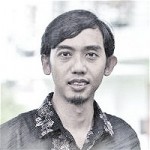
Aryo Wiryawan is a serial entrepreneur who was already working as a director at PT Prima Citra Informatika before graduating from Universitas Islam Indonesia in 2004. However, he left the IT services company in 2007 to start various ventures, including a restaurant, a photography business and a land rehabilitation firm PT Indmira.Aryo had also acquired some shrimp farming experience since 2001 and started using Indmira as a vehicle to collaborate with Atnic to develop IoT sensors for shrimp farms. Indmira and Atnic eventually created and launched Jala in late 2015.
Experienced DIY travelers turn travel planners to customize your trip for the most authentic experiences. Zhinanmao claims its one-stop service saves 20% cost, 70% time.

Experienced DIY travelers turn travel planners to customize your trip for the most authentic experiences. Zhinanmao claims its one-stop service saves 20% cost, 70% time.
Co-Founder and Digital Marketing Strategist of IWAK
Nganjuk native, Rushan Faizal, was also among the few students from the rural regency to pursue tertiary education at the Gadjah Mada University (UGM) in Yogyakarta where he majored in Computer Science. Besides Rushan, only three other students from his village, Kebon Agung, went to college. The economic disparity between urban Yogyakarta and his village inspired him and Nisa to set up IWAK, a crowdfunding platform for fish farms operated by the low income villagers in Kebon Agung. Prior to that, Rushan had also co-founded Meseji, a Web-based app to help SMEs automate their text message (SMS) marketing campaigns.
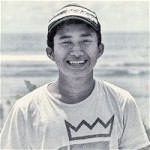
Nganjuk native, Rushan Faizal, was also among the few students from the rural regency to pursue tertiary education at the Gadjah Mada University (UGM) in Yogyakarta where he majored in Computer Science. Besides Rushan, only three other students from his village, Kebon Agung, went to college. The economic disparity between urban Yogyakarta and his village inspired him and Nisa to set up IWAK, a crowdfunding platform for fish farms operated by the low income villagers in Kebon Agung. Prior to that, Rushan had also co-founded Meseji, a Web-based app to help SMEs automate their text message (SMS) marketing campaigns.
Srinivasa Hatcheries is part of the SH Group that was set up in 1978. Based in Hyderabad, the diversified public-listed group started in poultry farming in 1965. Its first disclosed startup investment was in the Series A round of alternative protein startup String Bio in 2019.The Mega Food Park is a hi-tech chicken and egg processing facility. The Srinivasa farms also manufacture and supply poultry feed in India. Its HiPro Soybean meal has the most concentrated amount of protein in the market. The group is also involved in agriculture, goat breeding and food retailing.

Srinivasa Hatcheries is part of the SH Group that was set up in 1978. Based in Hyderabad, the diversified public-listed group started in poultry farming in 1965. Its first disclosed startup investment was in the Series A round of alternative protein startup String Bio in 2019.The Mega Food Park is a hi-tech chicken and egg processing facility. The Srinivasa farms also manufacture and supply poultry feed in India. Its HiPro Soybean meal has the most concentrated amount of protein in the market. The group is also involved in agriculture, goat breeding and food retailing.
- 1
- 2
Singapore, the place to start and grow a cellular agriculture startup
A country that imports over 90% of its food supply, Singapore has turned to foodtech, including cellular agriculture, to safeguard food security, supported by proactive regulators

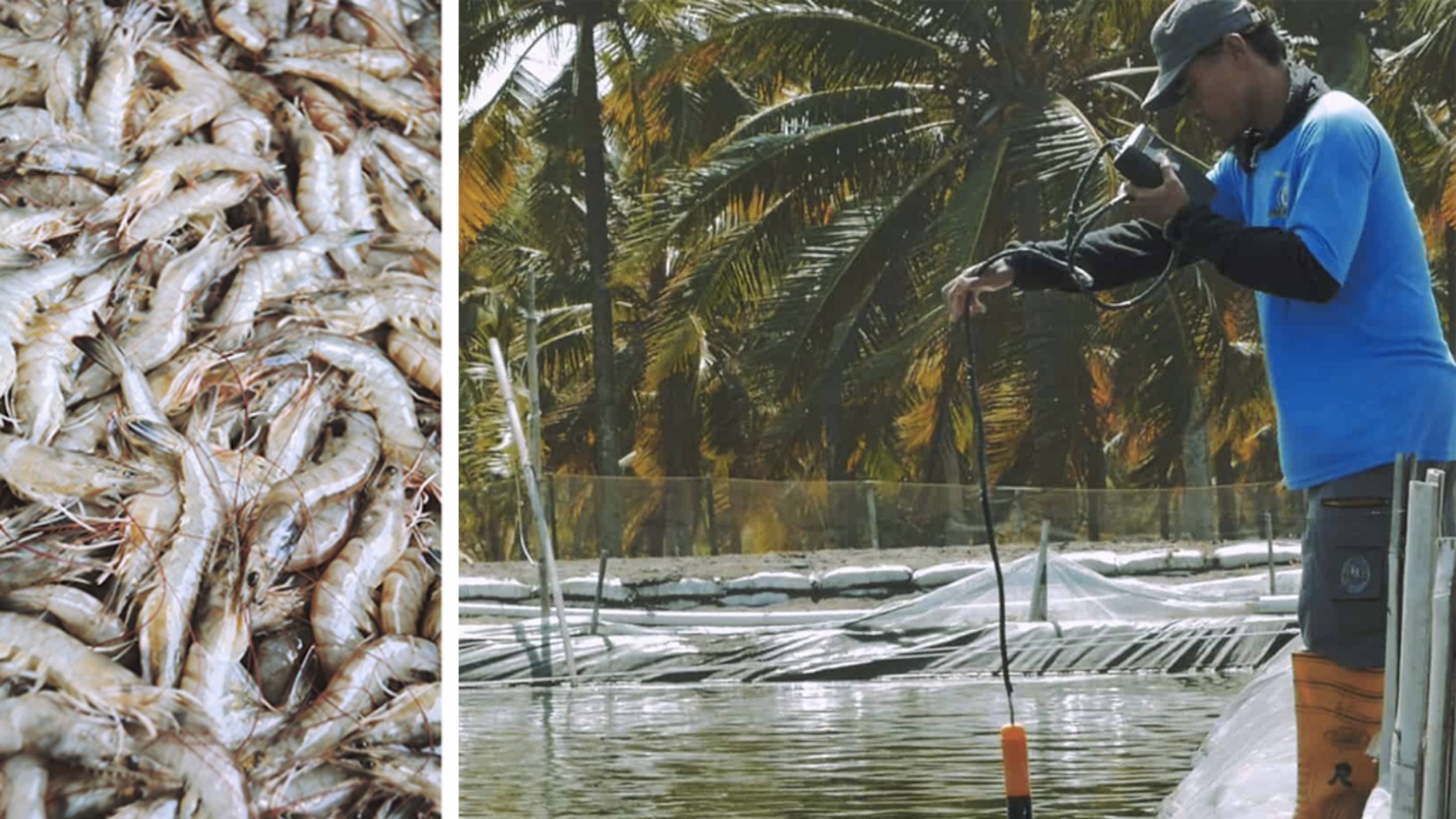
Shrimp-farming data made easy: Interview with JALA’s CEO Liris Maduningtyas
Indonesian agritech startup JALA managed to overcome the hurdles caused by lack of experience after participating in accelerator programs. It is now taking the next steps to better products
Tiantian Xuenong: China's first pay-for-knowledge agricultural platform
Capitalizing on a deep understanding of Chinese agriculture, this startup is building an online school where farmers can learn agricultural and business skills

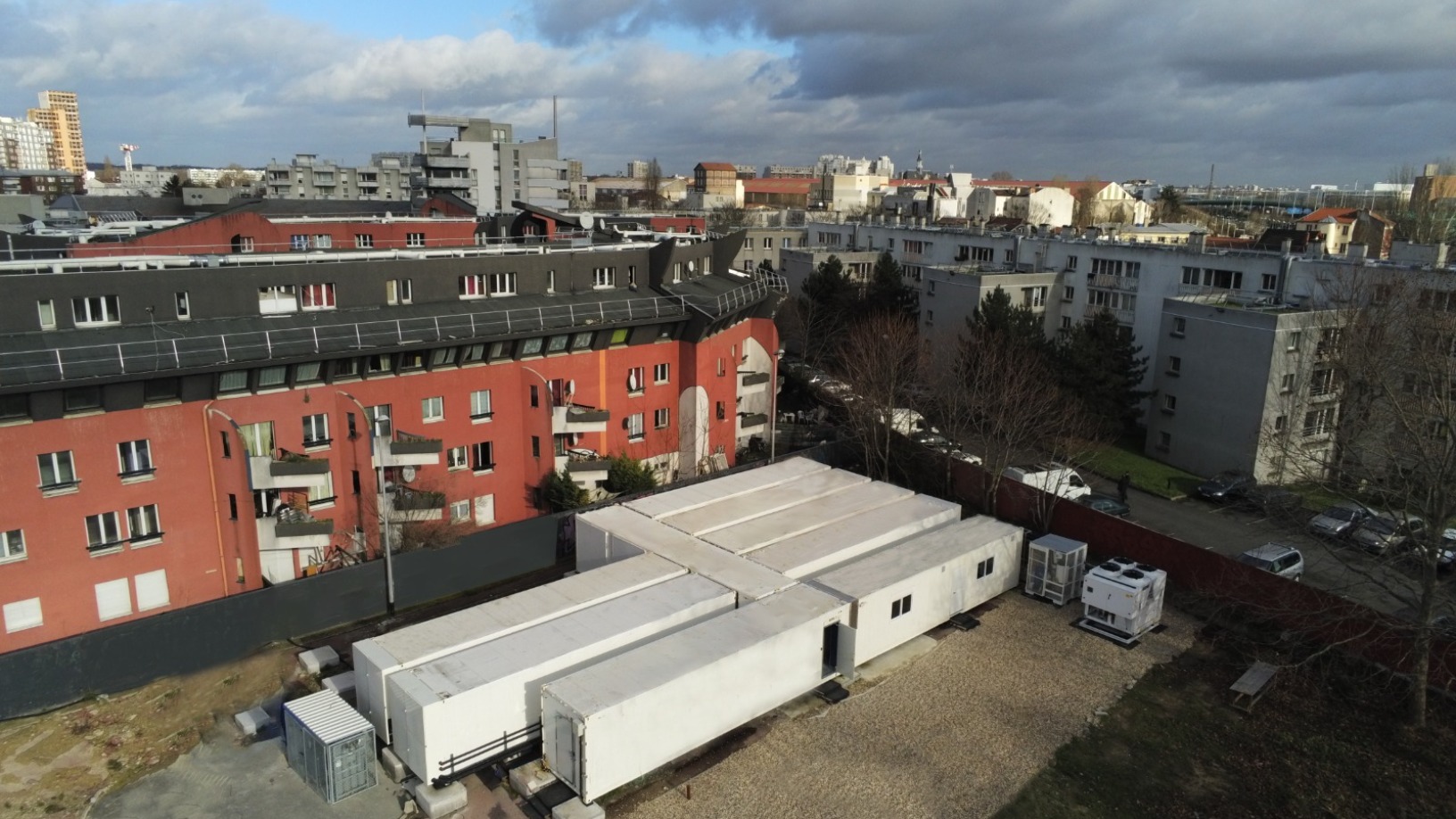
Agricool: Growing fresh strawberries in shipping containers
Paris-based Agricool grows fresh produce in urban aeroponics farms within shipping containers for sale at downtown supermarkets, aims to supply more large cities by 2030
Beyond billion dollar investment rounds, Indonesia and Singapore are working together to harness the potential of their startup ecosystems
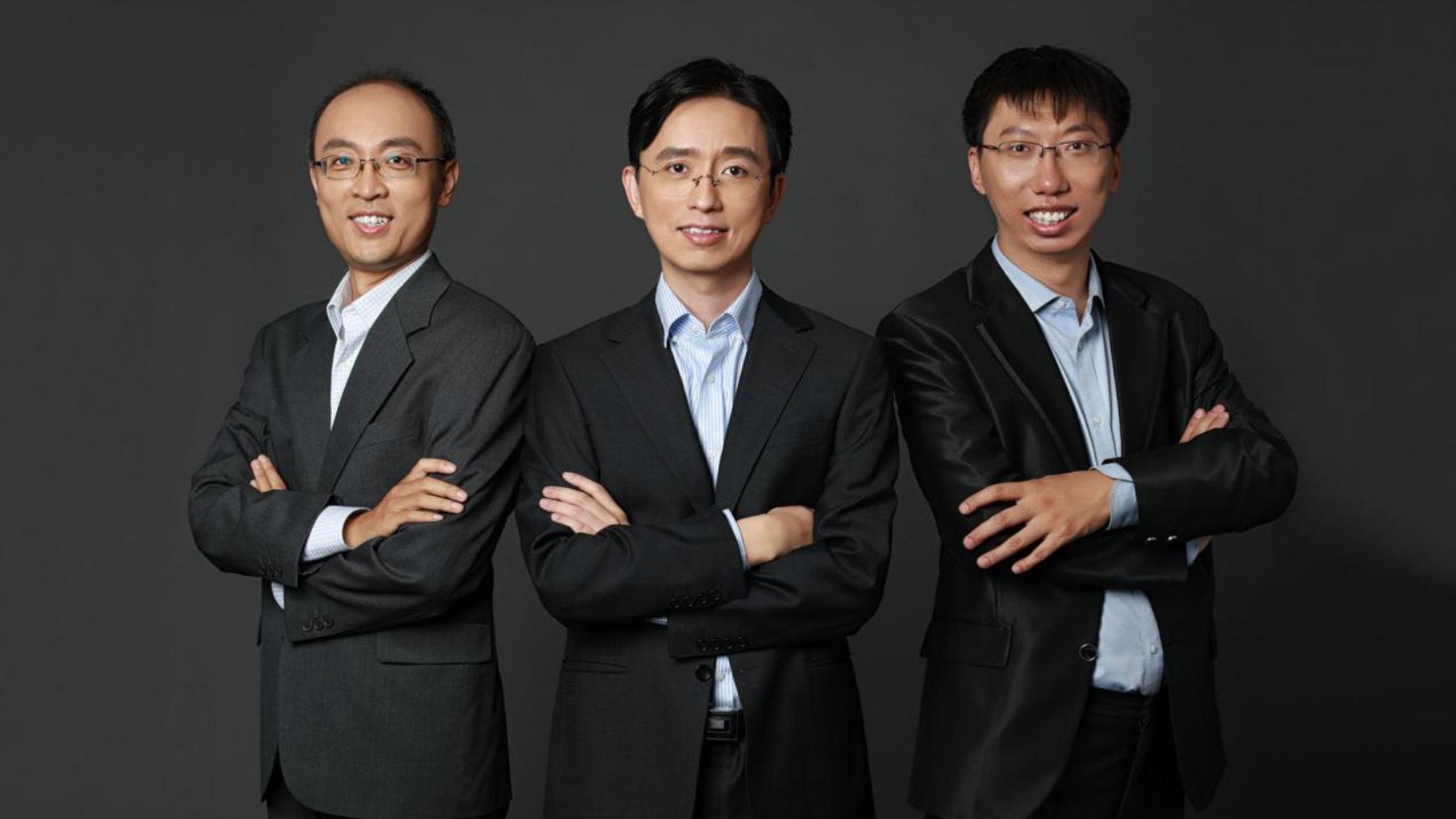
Digital Union: Fighting fake users in China's mobile app industry
The Beijing-based cybersecurity startup is helping developers spot fake app downloads, so their ad money don’t go to waste
CloudYoung: Smart agritech for every process, from farm to table
CloudYoung covers the entire production chain, from cutting costs and pesticide use in its smart greenhouses to connecting farmers with buyers in e-commerce

Ambit Robotics: Automated crop spraying for Southeast Asia's smallholder farmers
Small, affordable crop-spraying robots can help farmers save on labor costs and protect humans from exposure to harmful chemicals

MSMB: From university research to agritech ecosystem
The Indonesian startup is moving beyond sensors to build technologies for livestock tracking and fish farming
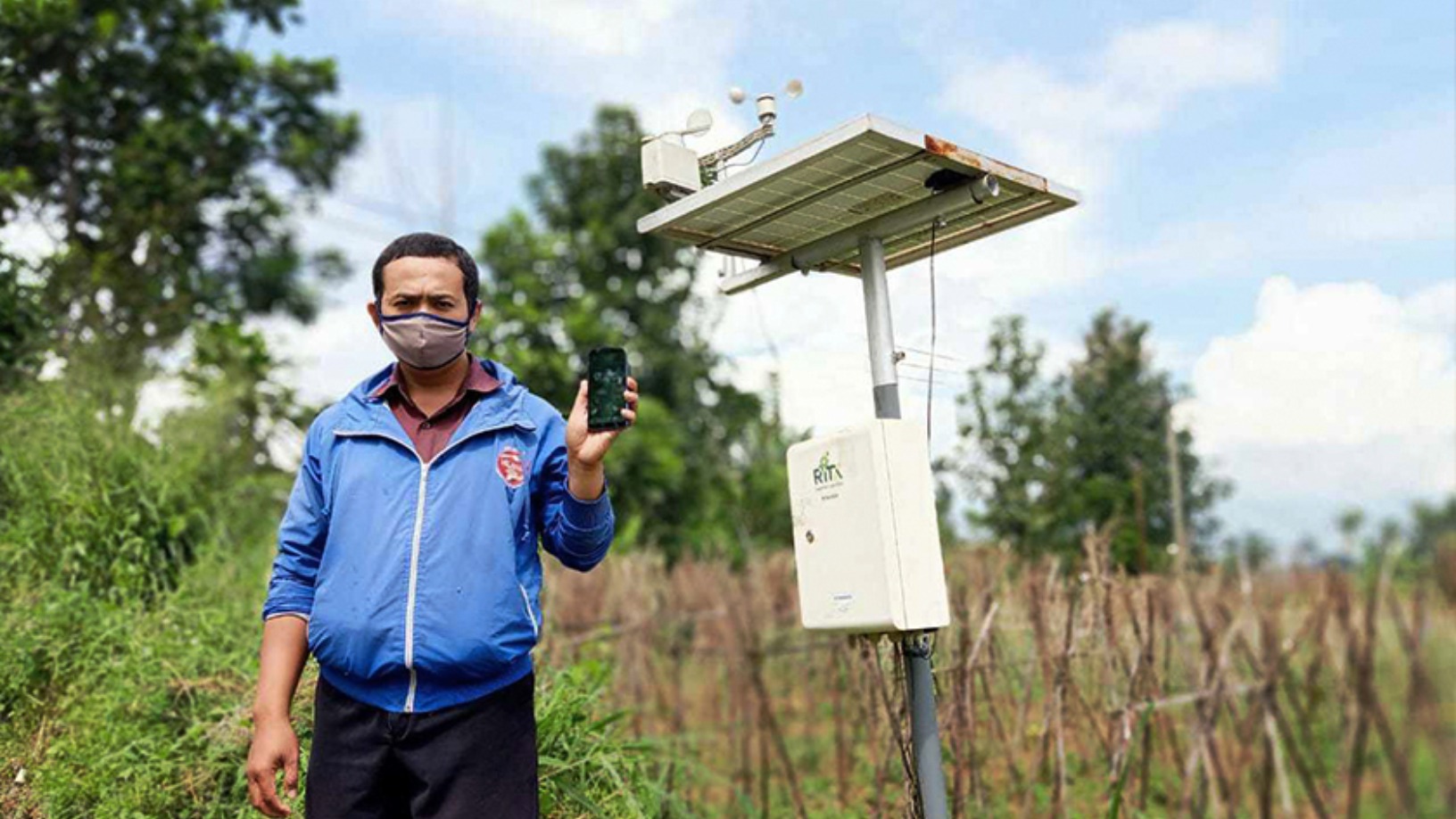
Future Food Asia: Covid-19 sparked dramatic shifts in agriculture in China and India
Key Chinese players from e-commerce giant Pinduoduo and and agritech VC Omnivore share their insights at last week’s agrifood conference by ID Capital

Chinapex: Maximizing the marketing value of customer data
The startup’s also creating a transparent and efficient industry environment for digital marketing in China

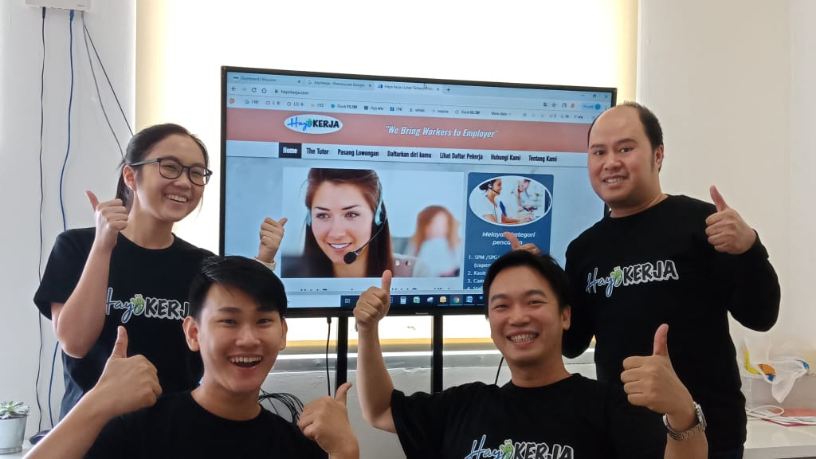
From Tekapedia to HayoKerja: How failure led to a less exciting business model – and success
Borrowing the e-commerce marketplace model, Tekapedia tried to match businesses with blue-collar hires, but it soon realized the sector had simpler needs
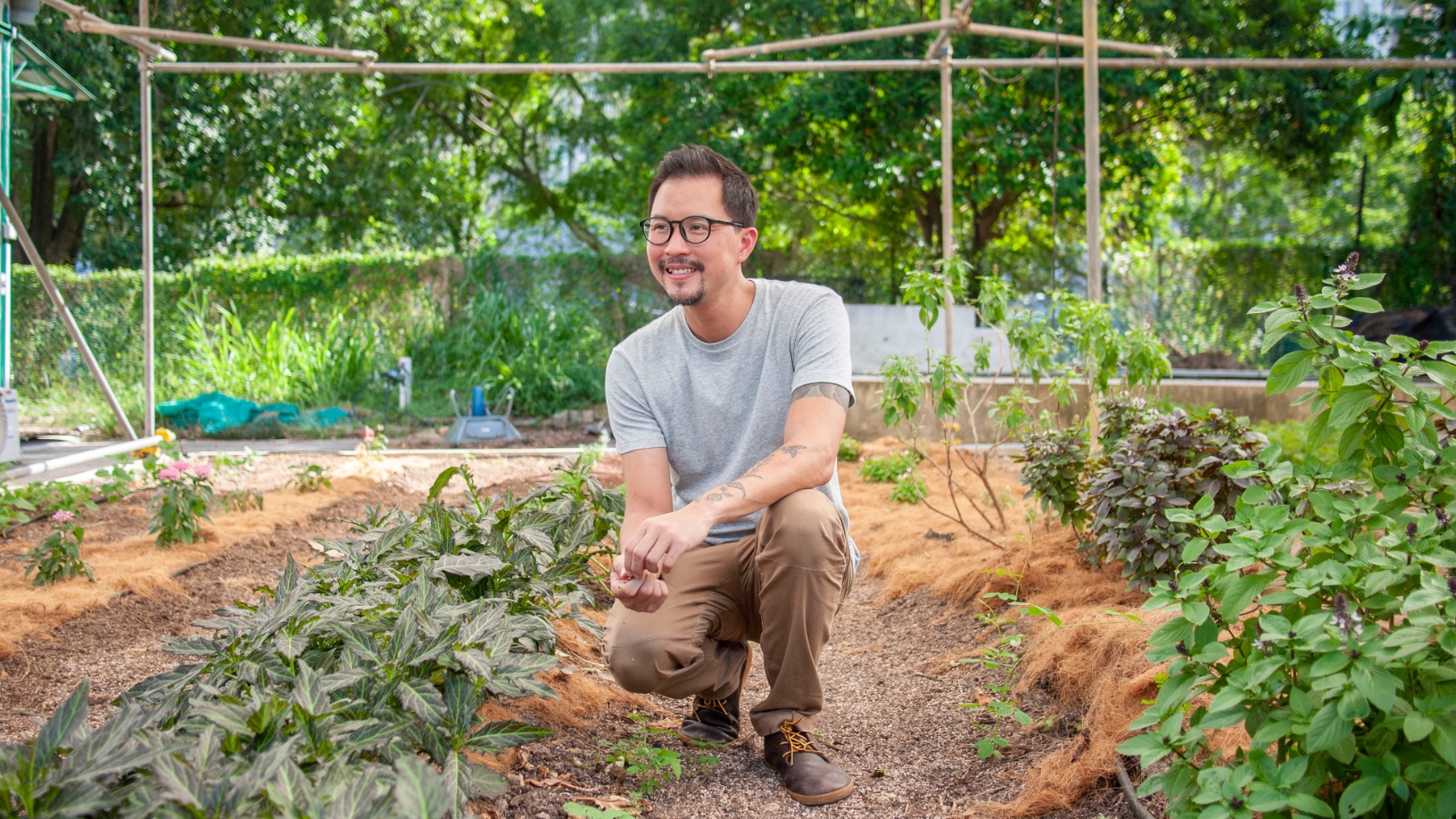
Turning Singapore into an Edible Garden City
Urban agriculture startup Edible Garden City embraces new tech for intensive, space-saving farming while staying true to its community-driven values
Future Food Asia: Temasek, Continental Grain on investing in agrifood in Singapore and China
The two heavyweight investors discuss opportunities, needs and how agrifood startups can scale in Asian markets

Diamond Foundry: Growing conflict-free, eco-friendly diamonds in a lab
The world’s first lab-grown diamond producer certified carbon-neutral, Diamond Foundry became a unicorn recently with a $200m investment from Fidelity, adding to earlier funding from tech billionaires

Sorry, we couldn’t find any matches for “Novel Farms”.