Palex Medical
-
DATABASE (104)
-
ARTICLES (95)
Co-founder of Therapixal
Pierre Fillard is Chief Science Officer and co-founder of Therapixel, creator of AI-powered breast cancer screening and diagnosis software MammoScreen. At Therapixel, he previously held the positions of CEO and CTO. Before founding Therapixel, Fillard was a senior research scientist at INRIA (National Institute for Research in Digital Science and Technology), where he focused on medical imaging and image processing. He has also been a visiting lecturer at CPE Lyon, a research associate at the French Alternative Energies and Atomic Agencies Commission, a PhD candidate at INRIA, and a research assistant at the University of North Carolina. He has a diploma from the HEC School of Management, a master’s in science, mathematics and computer science from the Université Jean Monnet Saint-Etienne and a degree in engineering, computer science, and applied mathematics from the Ecole Supérieure de Chimie Physique Electronique de Lyon.

Pierre Fillard is Chief Science Officer and co-founder of Therapixel, creator of AI-powered breast cancer screening and diagnosis software MammoScreen. At Therapixel, he previously held the positions of CEO and CTO. Before founding Therapixel, Fillard was a senior research scientist at INRIA (National Institute for Research in Digital Science and Technology), where he focused on medical imaging and image processing. He has also been a visiting lecturer at CPE Lyon, a research associate at the French Alternative Energies and Atomic Agencies Commission, a PhD candidate at INRIA, and a research assistant at the University of North Carolina. He has a diploma from the HEC School of Management, a master’s in science, mathematics and computer science from the Université Jean Monnet Saint-Etienne and a degree in engineering, computer science, and applied mathematics from the Ecole Supérieure de Chimie Physique Electronique de Lyon.
Founder and CEO of PesanLab
Dimas Prasetyo is the founder and CEO of PesanLab. He graduated with a degree in Medical Technology and Laboratory Science from Yogyakarta Health Polytechnic. He has over eight years of work experience in marketing, operations and management in the clinical laboratory diagnostics industry. He was also a product specialist at Non-invasive Genetic Abnormalities Test in Your Clinic and at Natera Inc. He co-founded Lab Panorama Bandung in 2009 and left in 2013 to become the founder of LabConX that was later rebranded as PesanLab.

Dimas Prasetyo is the founder and CEO of PesanLab. He graduated with a degree in Medical Technology and Laboratory Science from Yogyakarta Health Polytechnic. He has over eight years of work experience in marketing, operations and management in the clinical laboratory diagnostics industry. He was also a product specialist at Non-invasive Genetic Abnormalities Test in Your Clinic and at Natera Inc. He co-founded Lab Panorama Bandung in 2009 and left in 2013 to become the founder of LabConX that was later rebranded as PesanLab.
Samsung Venture Investment, or Samsung Ventures, is the VC investment arm of South Korean diversified conglomerate Samsung Group. It is a separate entity from Samsung NEXT.Samsung Ventures primarily invests in semiconductors, telecommunications tech, software and internet companies, as well as biotechnology and medical companies. The VC is built to support new innovations that can lead to further improvements in Samsung’s existing businesses, which includes smartphones, home appliances, and components like OLED panels and Li-ion batteries.Samsung Ventures has invested in healthcare and wellness tech companies like Indonesia’s telehealth service Alodokter, posture correction device makers Posture360, and Noom, an app for dieting and exercise. In the sensors front, Samsung Ventures has invested in Sense Photonics, a startup creating 3D computer vision based on lidar for industrial and automotive (self-driving) purposes. Besides these companies, Samsung Ventures has also invested in insurtech companies and even gaming companies, such as Pokémon Go developer Niantic.

Samsung Venture Investment, or Samsung Ventures, is the VC investment arm of South Korean diversified conglomerate Samsung Group. It is a separate entity from Samsung NEXT.Samsung Ventures primarily invests in semiconductors, telecommunications tech, software and internet companies, as well as biotechnology and medical companies. The VC is built to support new innovations that can lead to further improvements in Samsung’s existing businesses, which includes smartphones, home appliances, and components like OLED panels and Li-ion batteries.Samsung Ventures has invested in healthcare and wellness tech companies like Indonesia’s telehealth service Alodokter, posture correction device makers Posture360, and Noom, an app for dieting and exercise. In the sensors front, Samsung Ventures has invested in Sense Photonics, a startup creating 3D computer vision based on lidar for industrial and automotive (self-driving) purposes. Besides these companies, Samsung Ventures has also invested in insurtech companies and even gaming companies, such as Pokémon Go developer Niantic.
American investment capital firm Farallon Capital Management was established in 1986. The company manages equity capital for institutions, including college endowments, charitable foundations and pension plans, and funds for high net worth individuals. While most of its investments are in risk arbitrage and debt restructuring, it has also invested in startups across different verticals, such as Indonesian ride-hailing firm Gojek and a host of biotechnology, pharmaceuticals and medical technology companies.Farallon’s history with Indonesia began long before Gojek came into existence. In 2002, Farallon bought a controlling stake in Bank Central Asia (BCA), an Indonesian bank, during a time when investors avoided Indonesian banks that had been saddled with bad debt. With the controlling stake, Farallon installed a new bank chairman and reformed BCA. Over the next four years Farallon slowly divested in BCA and finally sold the remaining 4% stake in 2006 to earn a profit.

American investment capital firm Farallon Capital Management was established in 1986. The company manages equity capital for institutions, including college endowments, charitable foundations and pension plans, and funds for high net worth individuals. While most of its investments are in risk arbitrage and debt restructuring, it has also invested in startups across different verticals, such as Indonesian ride-hailing firm Gojek and a host of biotechnology, pharmaceuticals and medical technology companies.Farallon’s history with Indonesia began long before Gojek came into existence. In 2002, Farallon bought a controlling stake in Bank Central Asia (BCA), an Indonesian bank, during a time when investors avoided Indonesian banks that had been saddled with bad debt. With the controlling stake, Farallon installed a new bank chairman and reformed BCA. Over the next four years Farallon slowly divested in BCA and finally sold the remaining 4% stake in 2006 to earn a profit.

Periksa.id’s web-based data management platform has a comprehensive suite of features to help improve profitability and productivity of Indonesia’s hospitals and clinics.

Periksa.id’s web-based data management platform has a comprehensive suite of features to help improve profitability and productivity of Indonesia’s hospitals and clinics.

Co-founder, CTO of Meatable
Daan Luining is the Dutch co-founder and CTO at cell-based meat startup Meatable, the first to claim a highly scalable culture technology, where he has worked since 2018. He is also a research director at the Cellular Agriculture Society in Leiden, a joint initiative for cell-based startups to share knowledge and to collaborate on projects to further scale the sector. Luining is also on the board of directors at the not-for-profit Cultured Meat Foundation that promotes sector innovation. His past posts have all been in the area of research, either as a researcher or a technician, and at the same time as completing studies. His last job was as a research strategist at New York-based New Harvest, a callular food rsearch funding body, where he worked for a year and met Dr. Kotter, the inventor of Meatable’s cellular technology. His research positions from 2009–15 were in the area of cell culture, mass spectrometry and DNA sequencing at the Maastricht University, University Medical Center Amsterdam, Utrecht University and Leiden University. Luining holds a master’s in biological sciences from Leiden University in the Netherlands.

Daan Luining is the Dutch co-founder and CTO at cell-based meat startup Meatable, the first to claim a highly scalable culture technology, where he has worked since 2018. He is also a research director at the Cellular Agriculture Society in Leiden, a joint initiative for cell-based startups to share knowledge and to collaborate on projects to further scale the sector. Luining is also on the board of directors at the not-for-profit Cultured Meat Foundation that promotes sector innovation. His past posts have all been in the area of research, either as a researcher or a technician, and at the same time as completing studies. His last job was as a research strategist at New York-based New Harvest, a callular food rsearch funding body, where he worked for a year and met Dr. Kotter, the inventor of Meatable’s cellular technology. His research positions from 2009–15 were in the area of cell culture, mass spectrometry and DNA sequencing at the Maastricht University, University Medical Center Amsterdam, Utrecht University and Leiden University. Luining holds a master’s in biological sciences from Leiden University in the Netherlands.
Lei Ming graduated from Peking University (PKU) with a master's degree in Computer Science. While at university, he was a member of the PKU Sky Network search engine program. In 2000, Lei became one of the seven founding members of Baidu, where he led the search engine design and development team. Lei received his MBA from Stanford Business School in 2003. In 2005, he returned to China and started Kuwo Music, now one of the largest music platforms in China. As an angel investor, Lei focuses on the sectors of AI, consumption, education, medical services and entertainment.
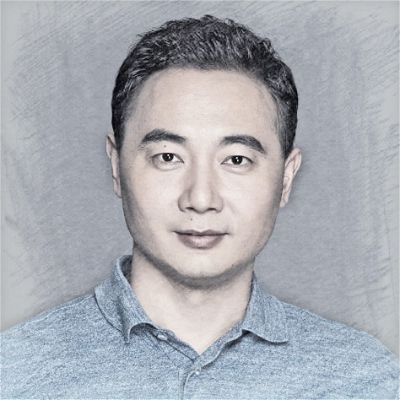
Lei Ming graduated from Peking University (PKU) with a master's degree in Computer Science. While at university, he was a member of the PKU Sky Network search engine program. In 2000, Lei became one of the seven founding members of Baidu, where he led the search engine design and development team. Lei received his MBA from Stanford Business School in 2003. In 2005, he returned to China and started Kuwo Music, now one of the largest music platforms in China. As an angel investor, Lei focuses on the sectors of AI, consumption, education, medical services and entertainment.
Mayfield Fund is one of Silicon Valley's oldest venture capital firms. Founded by Wally Davis and Thomas J Davis Jr in 1969, the VC is based in Menlo Park, California.Current investments include CRISPR-focused companies like Mammoth Biosciences and biotech startup iLoF,l which is focused on creating a digital library of optical fingerprints for non-invasive patient screening, early diagnostics and personalized medical treatments.. With a total of $2.5bn assets under management, the firm focuses mainly on early-stage to growth-stage investments. The VC has also backed startups like Marketo, Lyft and SolarCity. Most of Mayfield’s exits took place during the 2008 financial crisis and through subsequent funds.In April 2020, amid the Covid-19 pandemic, Mayfield announced two new funds which raised $750m in total. Mayfield XVI will invest in early-stage companies, while Mayfield Select II will focus on growth-stage companies outside its portfolio. The company said last year that it has raised a similar size fund every four years and has invested in 30 companies per fund. It primarily leads Series A investments.

Mayfield Fund is one of Silicon Valley's oldest venture capital firms. Founded by Wally Davis and Thomas J Davis Jr in 1969, the VC is based in Menlo Park, California.Current investments include CRISPR-focused companies like Mammoth Biosciences and biotech startup iLoF,l which is focused on creating a digital library of optical fingerprints for non-invasive patient screening, early diagnostics and personalized medical treatments.. With a total of $2.5bn assets under management, the firm focuses mainly on early-stage to growth-stage investments. The VC has also backed startups like Marketo, Lyft and SolarCity. Most of Mayfield’s exits took place during the 2008 financial crisis and through subsequent funds.In April 2020, amid the Covid-19 pandemic, Mayfield announced two new funds which raised $750m in total. Mayfield XVI will invest in early-stage companies, while Mayfield Select II will focus on growth-stage companies outside its portfolio. The company said last year that it has raised a similar size fund every four years and has invested in 30 companies per fund. It primarily leads Series A investments.
“Can’t buy your medication? Order from ProSehat!” The online healthcare supermart will source and deliver prescriptions faster and cheaper than downtown pharmacies.
“Can’t buy your medication? Order from ProSehat!” The online healthcare supermart will source and deliver prescriptions faster and cheaper than downtown pharmacies.
Gorry's suite of wellness services targets Indonesia's increasingly health conscious population.

Gorry's suite of wellness services targets Indonesia's increasingly health conscious population.
Atomian has developed a digital brain, replicating the human brain's cognitive capabilities, to extract data using natural language processing, and automate business operations.

Atomian has developed a digital brain, replicating the human brain's cognitive capabilities, to extract data using natural language processing, and automate business operations.
Biotech Bluepha has secured close to $100m Series B funding to boost bioplastics production and R&D to develop greener solutions for industrial manufacturers.

Biotech Bluepha has secured close to $100m Series B funding to boost bioplastics production and R&D to develop greener solutions for industrial manufacturers.
CEO and co-founder of Kobo360
In 2011, young Obi Ozor used his savings and loans from his family and friends to set up Bezmo Global to import second-hand trucks from the US and sell them in Nigeria. Despite suffering from kidney failure issues, he managed to run the business for four years to earn money to pay for his medical treatments. He fully recovered and moved to Michigan to continue his education.At the University of Michigan, Ozor met Ife Oyedele II and the two friends started an e-commerce venture to sell diapers and baby soap from the US to customers in Nigeria. Ozor moved to the University of Pennsylvania and graduated with a BA International Relations and Finance at Wharton School of Business. In 2014, he gained some work experience in investment banking at JP Morgan in New York.In 2015, Ozor returned to Nigeria and joined Uber as operations coordinator. In 2016, the serial entrepreneur and his friend Oyedele co-founded Uber-style logistics platform Kobo360 in Lagos.

In 2011, young Obi Ozor used his savings and loans from his family and friends to set up Bezmo Global to import second-hand trucks from the US and sell them in Nigeria. Despite suffering from kidney failure issues, he managed to run the business for four years to earn money to pay for his medical treatments. He fully recovered and moved to Michigan to continue his education.At the University of Michigan, Ozor met Ife Oyedele II and the two friends started an e-commerce venture to sell diapers and baby soap from the US to customers in Nigeria. Ozor moved to the University of Pennsylvania and graduated with a BA International Relations and Finance at Wharton School of Business. In 2014, he gained some work experience in investment banking at JP Morgan in New York.In 2015, Ozor returned to Nigeria and joined Uber as operations coordinator. In 2016, the serial entrepreneur and his friend Oyedele co-founded Uber-style logistics platform Kobo360 in Lagos.
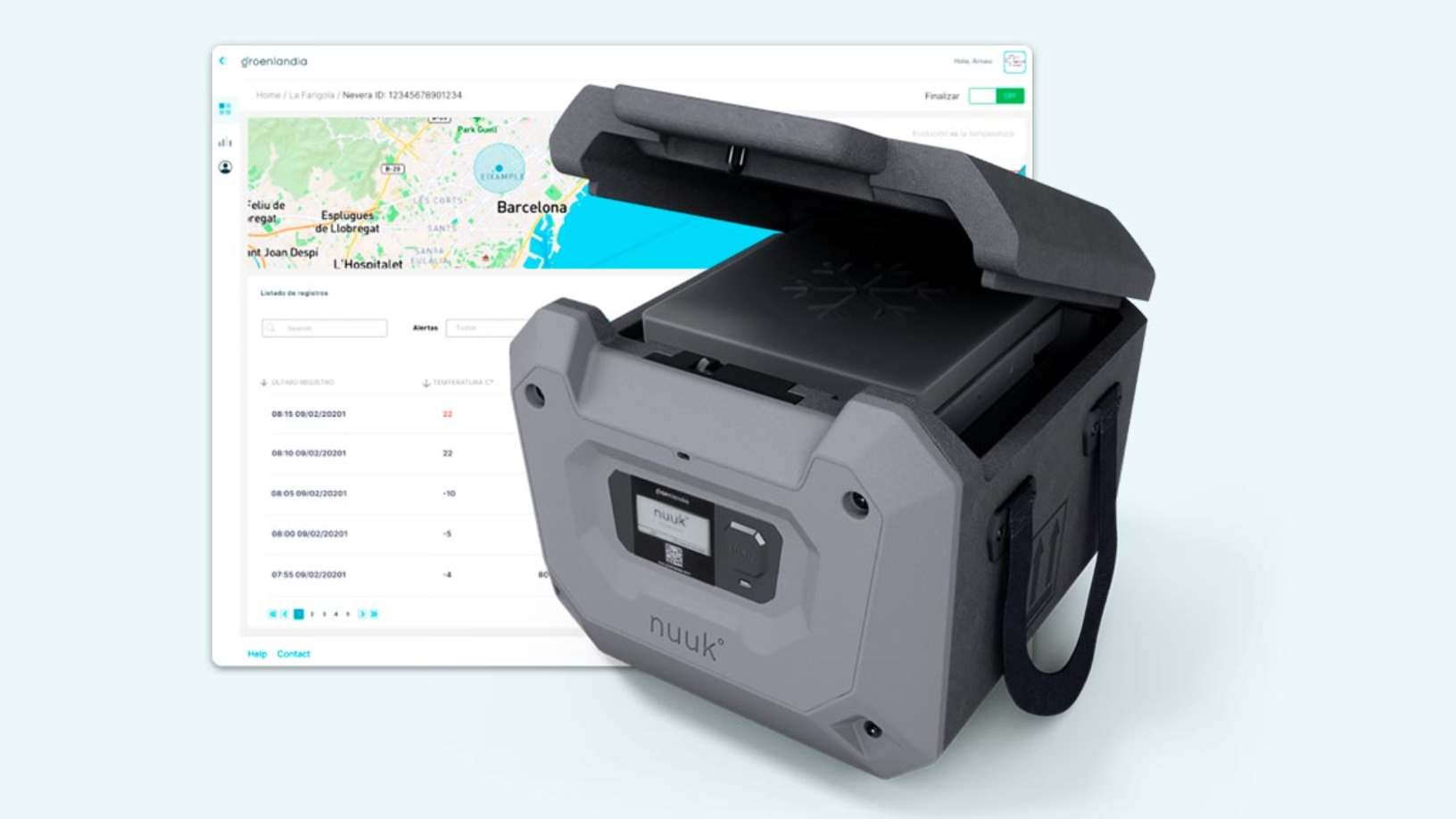
Nuuk, the cooler box poised to disrupt cold chain logistics
Barcelona-based startup Groenlandia Tech has developed a smart cooler box to track and monitor biological samples, providing an extra layer of security and control during transport
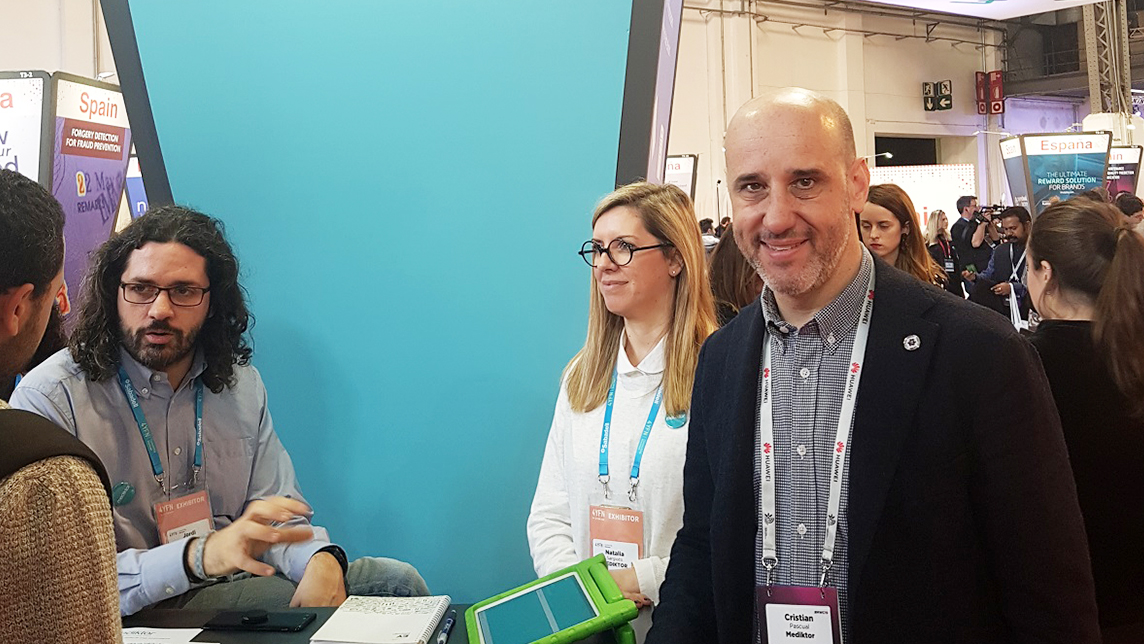
Mediktor: AI medical diagnosis app wants to improve global health outcomes
NLP-based triage and diagnosis tool has achieved a 91% accuracy rate in clinical trials and raised €3 million funding
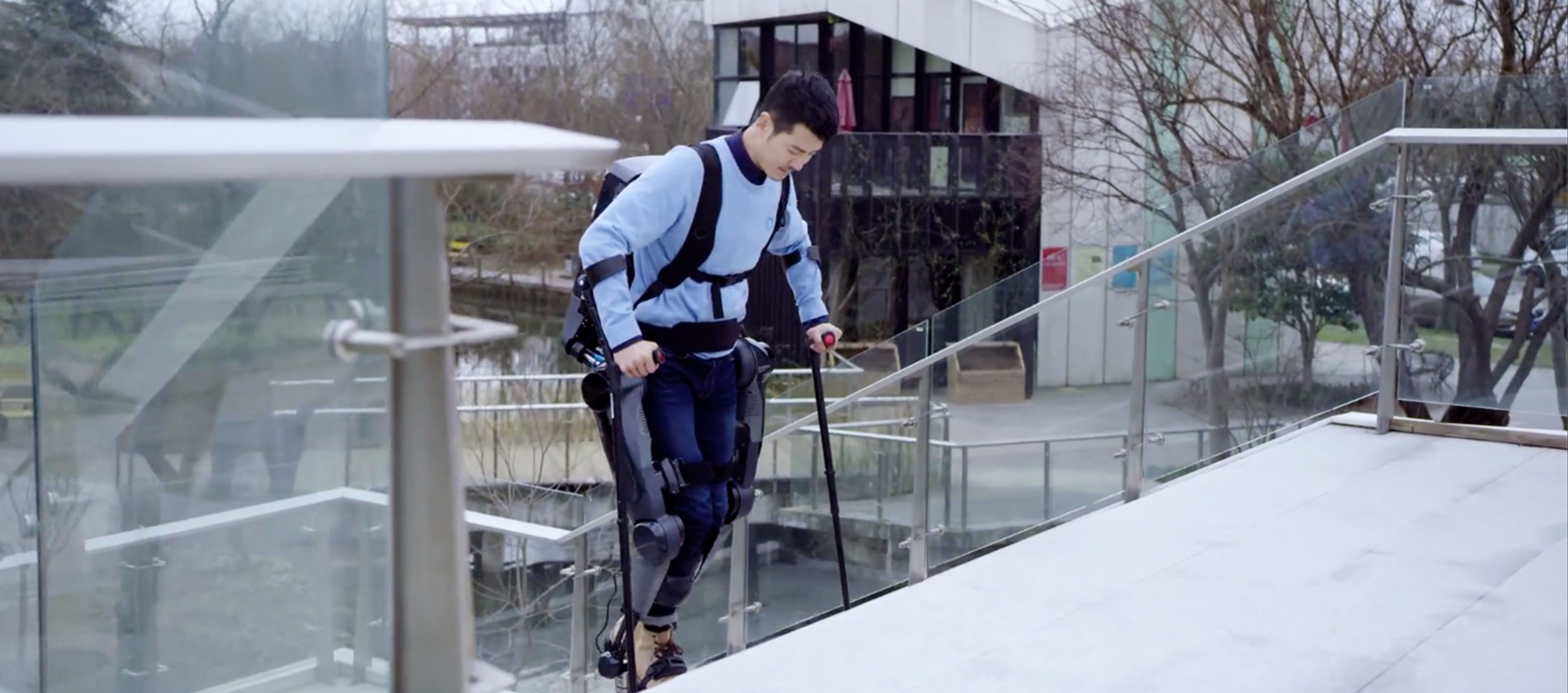
China’s medical exoskeleton startups take on a promising but challenging market
It was not until 2018 that the first China-made lower limb exoskeleton got regulatory clearance at home, around the same time the first Chinese rehabilitation robot got US FDA approval
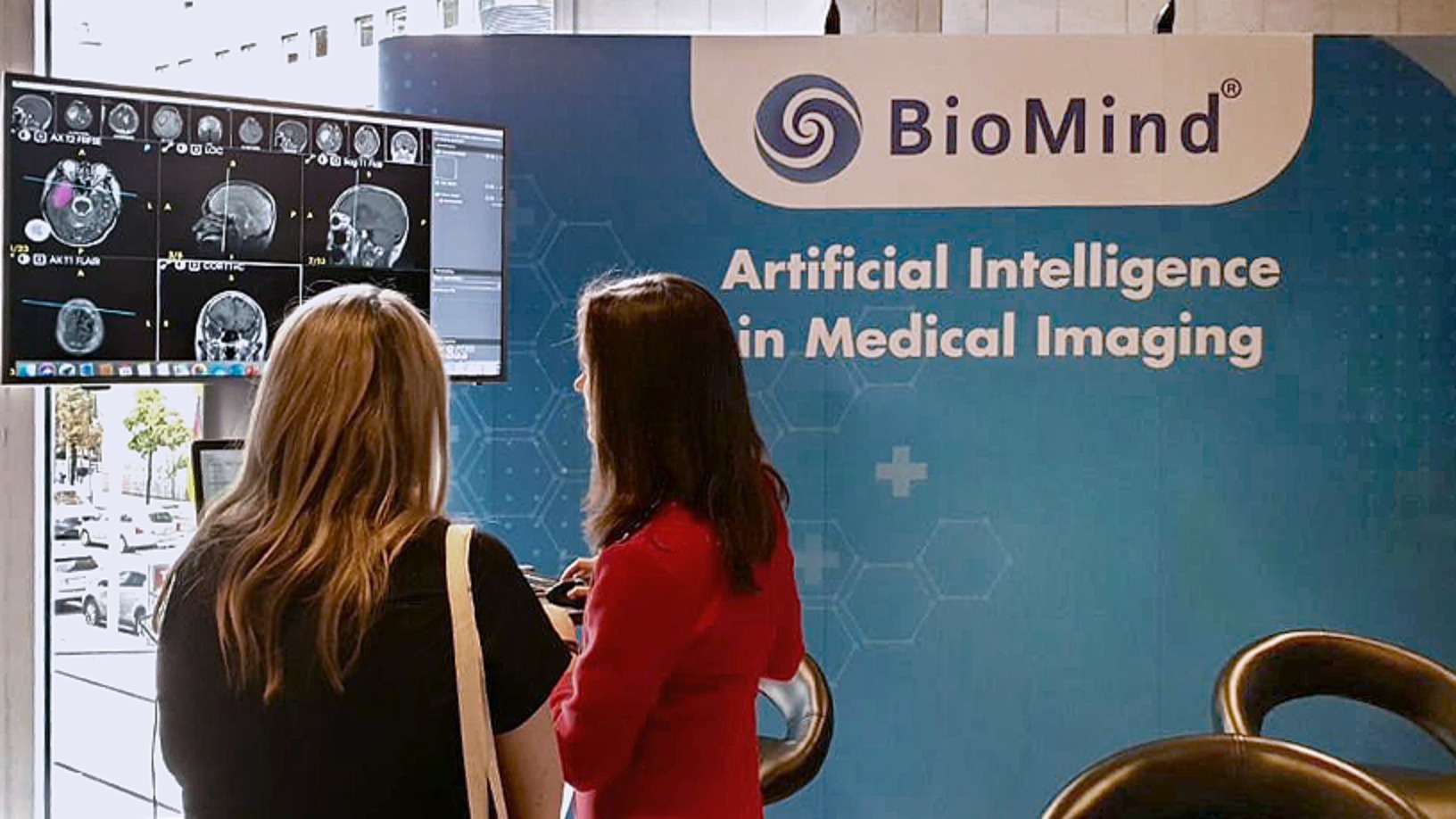
BioMind: AI medical diagnostics with over 90% accuracy for 100 diseases
BioMind helps doctors save lives by providing more accurate diagnosis of life-threatening diseases like Covid-19 and brain tumors
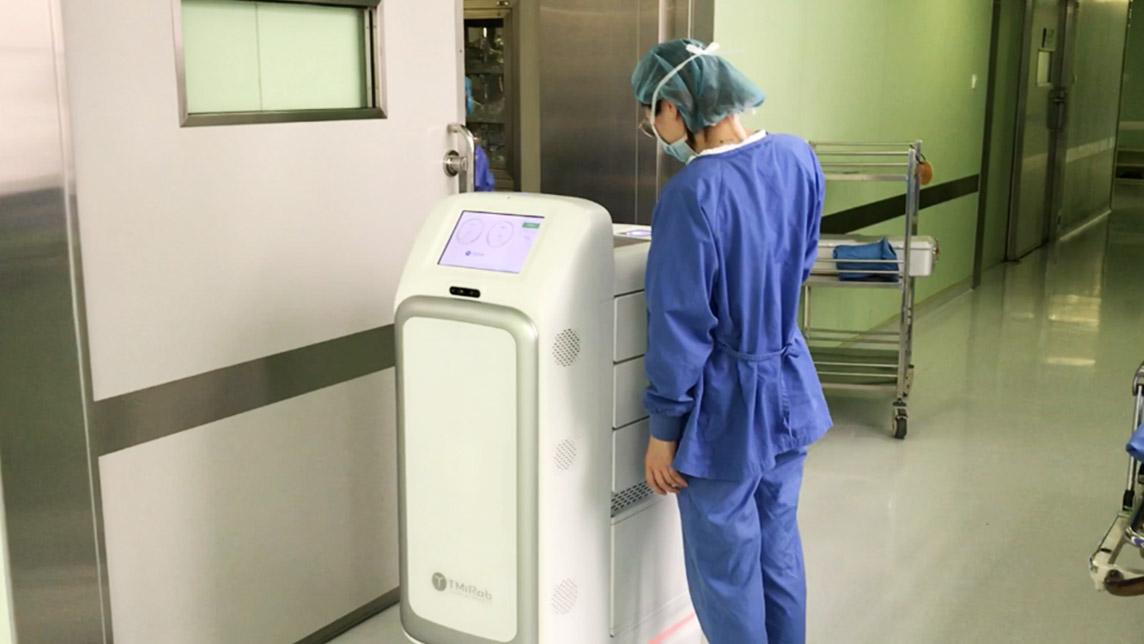
TMiRob's medical robots lighten the load of doctors and nurses in hospitals
The robots also reach an operating room three minutes faster than human nurses – that's more time for saving lives
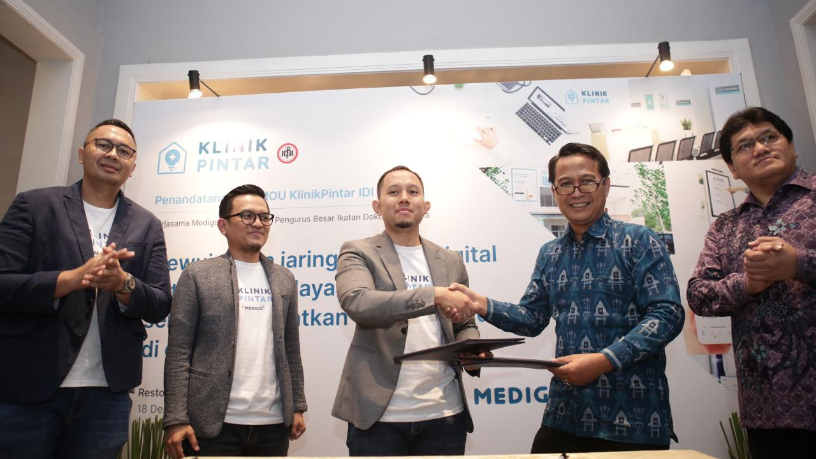
Medigo teams up with Indonesian Medical Association to launch primary care clinic network
Medigo aims to support healthcare operators with its clinic management SaaS, booking and medical records app for patients and more
For your X-ray records, just check the cloud
A Chinese startup has built a digital medical image library on the cloud, bringing ease and cost savings to patients, doctors and hospitals countrywide

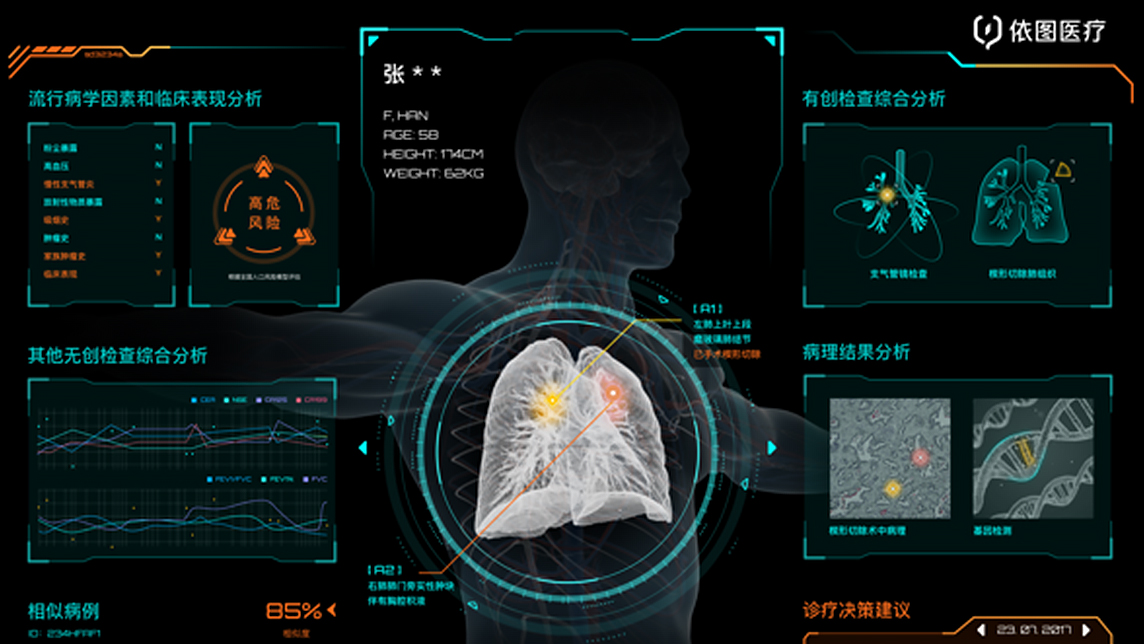
YITU takes smart healthcare to the next level
AI programs developed by this Chinese medtech startup provide more accurate diagnoses by reading medical images in conjunction with patients’ medical records
Backed by pharmas, doctors, medtech startup DyCare is expanding fast across Europe
Its remote musculoskeletal rehabilitation and monitoring system sets to improve rehabilitation outcomes in an overtaxed sector
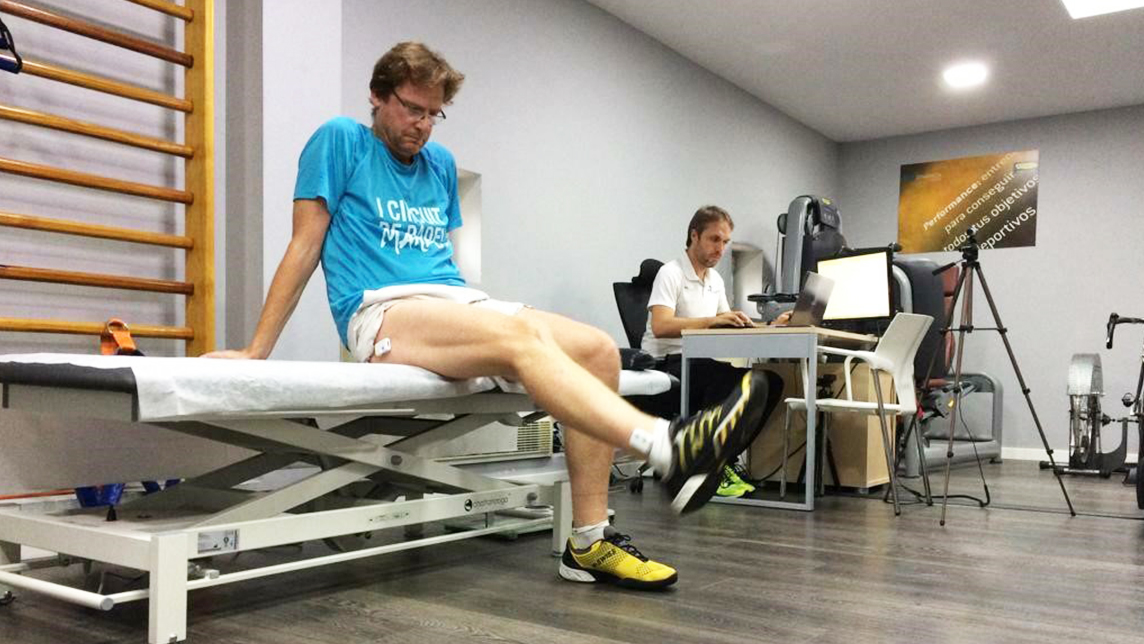
HigoSense launching advanced mobile device for self-triage and diagnosis, boosting telemedicine
The Polish medtech has developed a five-in-one diagnostic device for throat, ear, heart checks and more, with diagnosis in four minutes and compatible with diagnostic equipment
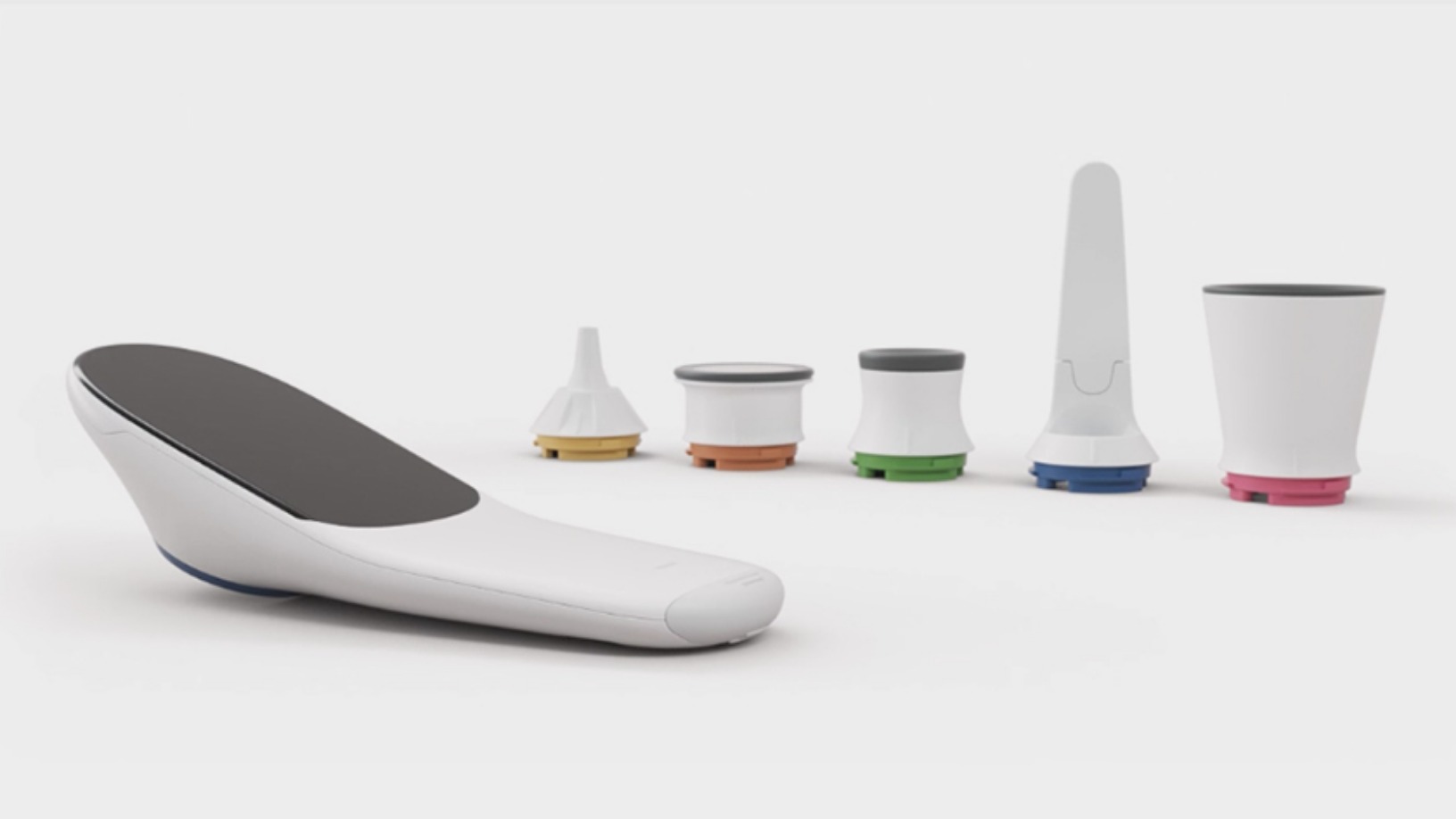
UpHill: Helping doctors put the latest research into practice
Born out of practitioners’ difficulty in keeping up with latest treatments and protocols, UpHill now includes guidance on Covid-19
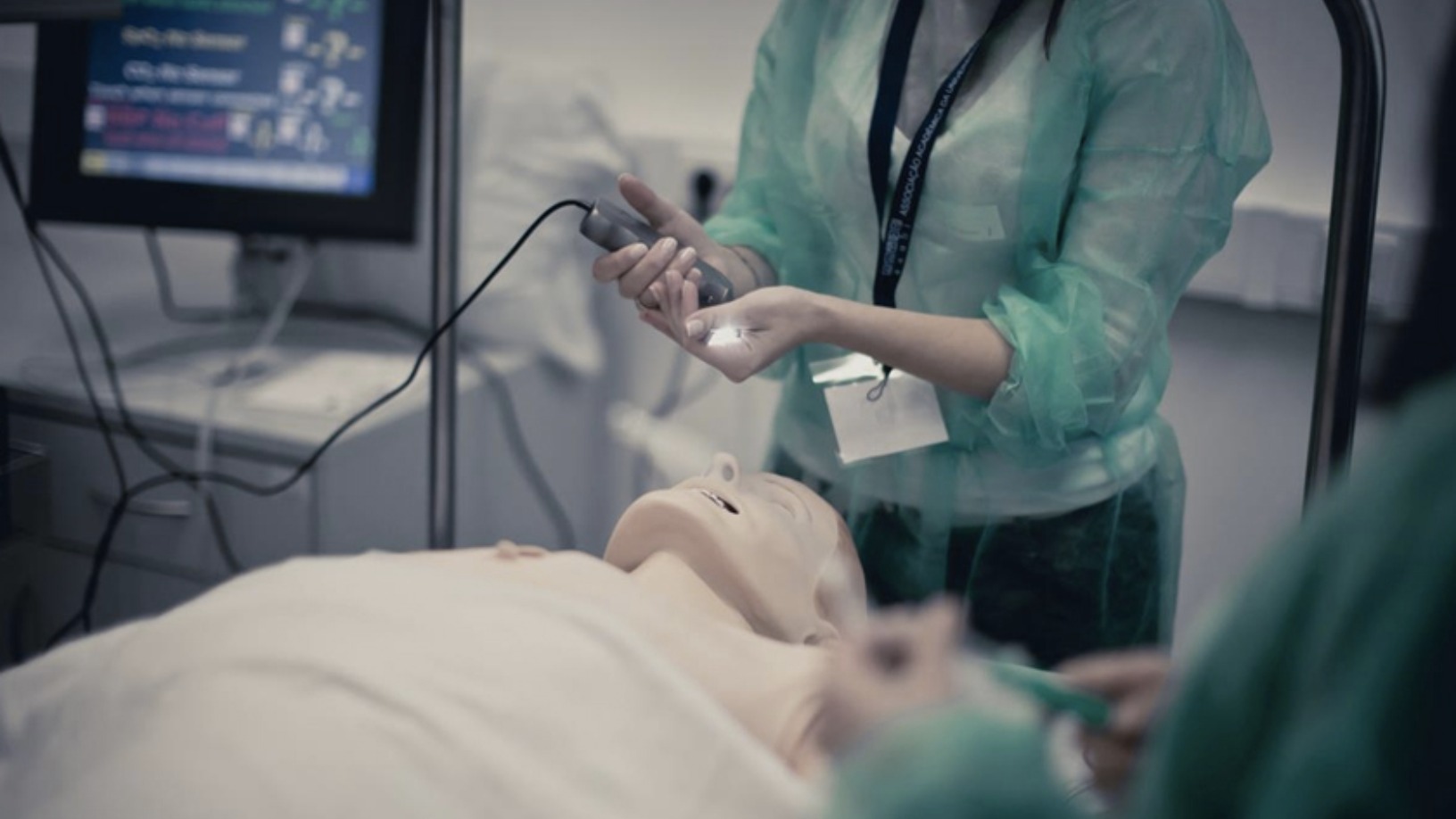
China's WeDoctor offers free coronavirus consultations globally in English and Chinese
WeDoctor lets anyone in the world send queries to doctors who fought to save lives in China's most affected Covid-19 districts, and now helping people overseas to stay safe during the pandemic

Icaria Medical's CardioSense: Cardiovascular pre-diagnosis in less than 60 seconds
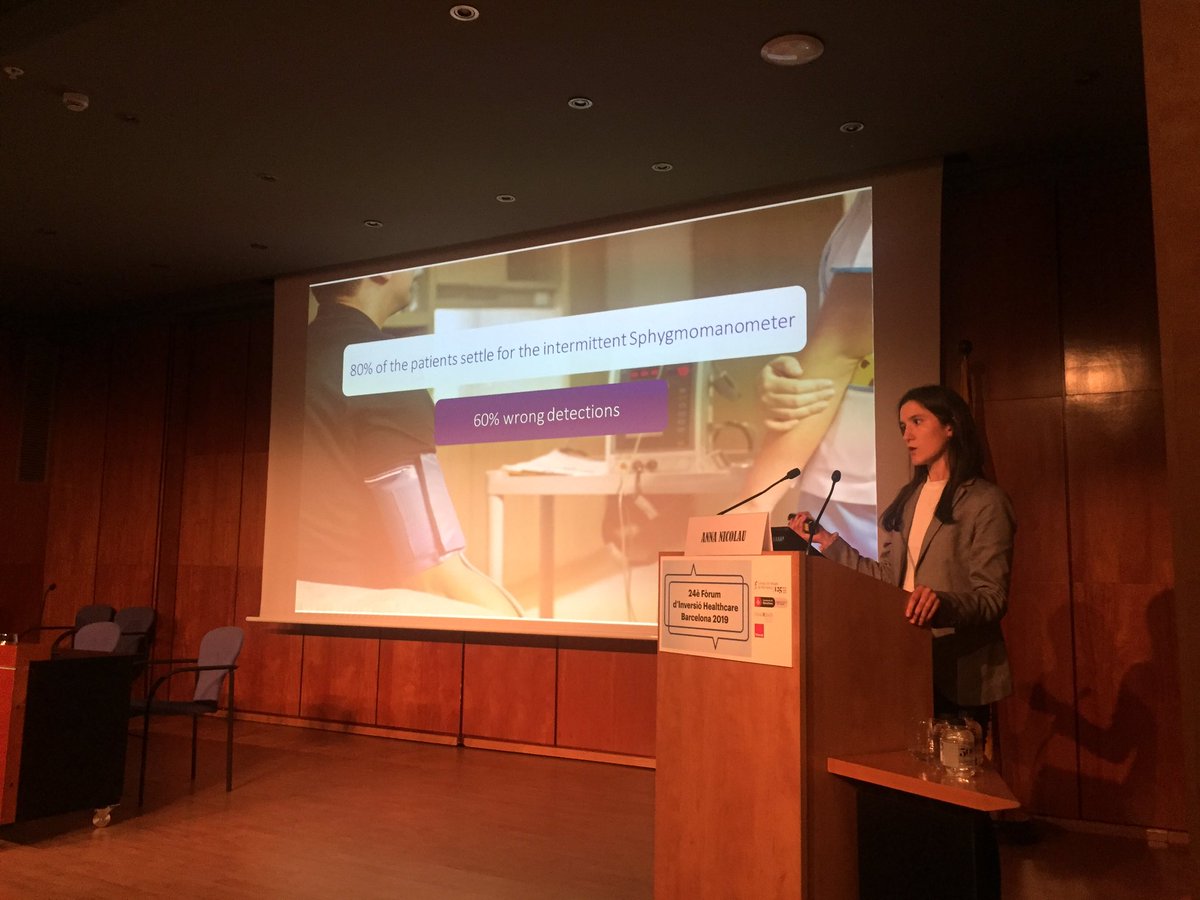
Icaria Medical is seeking clinical validation and funding for its AI-based monitor, which measures blood pressure continuously and non-invasively
As more Chinese opt for cosmetic surgery, startups have emerged to help them make informed decisions
China’s medical aesthetic services platforms face both opportunities and challenges with the rise of Generation Z

Tonic App: Just the tonic for overburdened doctors
CEO Daniela Seixas and COO Gonçalo Vilaça discussed Tonic App, their free solution for streamlining administrative tasks in the medical sector
Sorry, we couldn’t find any matches for “Palex Medical”.
POPULAR DATABASE