Simon Hu
-
DATABASE (240)
-
ARTICLES (15)
Co-founder of Kuaishou
Before joining Kuaishou, Yang Yuanxi was a lead developer at Huawei. He and co-founder Cheng Yixiao got acquainted at HP, where they both worked for more than two years.Together with entrepreneur Su Hua, they pivoted GIF Kuaishou into a popular video-sharing app in 2013.

Before joining Kuaishou, Yang Yuanxi was a lead developer at Huawei. He and co-founder Cheng Yixiao got acquainted at HP, where they both worked for more than two years.Together with entrepreneur Su Hua, they pivoted GIF Kuaishou into a popular video-sharing app in 2013.
CTO and Co-founder of Play2Speak
Based in Madrid, Fabio Polimeni is an Italian computer engineer from Torino Polytechnic. After completing a MSc in Videogames Programming at the University of Hull in 2009, he worked for almost three years in Cambridge UK for Ninja Theory as an engine programmer.In 2013, he worked as a senior core-tech programmer at the Lionhead Studios in Guildford UK, designing and maintaining low-level and multi-thread systems, physics library integration, as well as gameplay optimizations.Together with Alberto Gordillo who also worked at Lionhead Studios, he co-founded Poligor Studio in 2016 as CTO to develop a VR tech-demo and simulation of the Great Fire of London 1666. They left the London startup a year later and went to Madrid to set up Play2Speak with Polimeni as CTO. Since 2019, he is also a core-tech consultant for Polystream.

Based in Madrid, Fabio Polimeni is an Italian computer engineer from Torino Polytechnic. After completing a MSc in Videogames Programming at the University of Hull in 2009, he worked for almost three years in Cambridge UK for Ninja Theory as an engine programmer.In 2013, he worked as a senior core-tech programmer at the Lionhead Studios in Guildford UK, designing and maintaining low-level and multi-thread systems, physics library integration, as well as gameplay optimizations.Together with Alberto Gordillo who also worked at Lionhead Studios, he co-founded Poligor Studio in 2016 as CTO to develop a VR tech-demo and simulation of the Great Fire of London 1666. They left the London startup a year later and went to Madrid to set up Play2Speak with Polimeni as CTO. Since 2019, he is also a core-tech consultant for Polystream.
Founder of Xiaohongshu (RED)
Beijing Foreign Studies University graduate formerly employed at Bertelsmann AG and Norway Supreme Group. Miranda Qu was also the only Chinese judge at the 2014 InnoApps Huawei EU-China App Hackathon.

Beijing Foreign Studies University graduate formerly employed at Bertelsmann AG and Norway Supreme Group. Miranda Qu was also the only Chinese judge at the 2014 InnoApps Huawei EU-China App Hackathon.
CEO and Co-founder of Plastic Bank
David Katz is the Canadian co-founder, president and CEO of Plastic Bank, a-first-of-a-kind social enterprise startup that monetizes plastic waste collection for some of the world’s poorest communities. Katz was inspired by a university seminar about recycling plastic waste in 2013 and founded Plastic Bank with CTO and brand strategist Shaun Frankson in Vancouver.In 2019, he became a fellow for the Unreasonable Group’s Impact Hub in Vancouver, an organization that supports social and environmental entrepreneurship. In 2011, he also founded Vancouver’s Core Values Institute, a consulting and global thought leadership platform for entrepreneurs.In 2014, he was also president of Vancouver’s chapter of the Entrepreneurs Organization for one year. He was named Global Citizen of the Year in 2014 by the international organization that has a network of over 10,000 business owners in 131 chapters across 40 countries. He also won the 2017 UN Lighthouse award for Planetary Health and Plastic Bank received the Paris COP21 Climate Conference Sustania Community Award in 2015.Katz completed a diploma in Hospitality Administration & Management at the British Columbia Institute of Technology in 1991 and started his own business in 1992 as founder and CEO of Nero Alarms. From 2005 to 2014, Katz worked full-time as the founder and president of Nero Global Tracking, a SaaS platform created to monitor the operations of mobile service vehicles. Nero SaaS is used in many Canadian cities and by the nation’s Defence Ministry. The company is now part of Vecima Networks Inc.
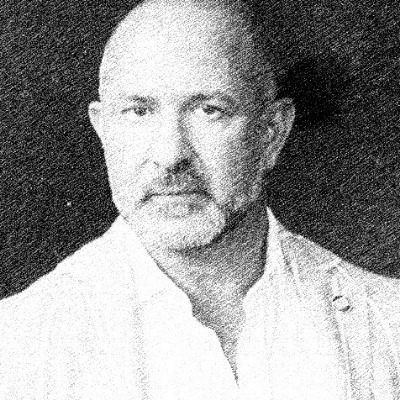
David Katz is the Canadian co-founder, president and CEO of Plastic Bank, a-first-of-a-kind social enterprise startup that monetizes plastic waste collection for some of the world’s poorest communities. Katz was inspired by a university seminar about recycling plastic waste in 2013 and founded Plastic Bank with CTO and brand strategist Shaun Frankson in Vancouver.In 2019, he became a fellow for the Unreasonable Group’s Impact Hub in Vancouver, an organization that supports social and environmental entrepreneurship. In 2011, he also founded Vancouver’s Core Values Institute, a consulting and global thought leadership platform for entrepreneurs.In 2014, he was also president of Vancouver’s chapter of the Entrepreneurs Organization for one year. He was named Global Citizen of the Year in 2014 by the international organization that has a network of over 10,000 business owners in 131 chapters across 40 countries. He also won the 2017 UN Lighthouse award for Planetary Health and Plastic Bank received the Paris COP21 Climate Conference Sustania Community Award in 2015.Katz completed a diploma in Hospitality Administration & Management at the British Columbia Institute of Technology in 1991 and started his own business in 1992 as founder and CEO of Nero Alarms. From 2005 to 2014, Katz worked full-time as the founder and president of Nero Global Tracking, a SaaS platform created to monitor the operations of mobile service vehicles. Nero SaaS is used in many Canadian cities and by the nation’s Defence Ministry. The company is now part of Vecima Networks Inc.
Founded in 1993 by former journalist Hugo Shong (Xiong Xiaoge), a godfather figure in China's VC community, IDG is one of the leading VC firms in China, having invested in some 450 companies (as of end-2015) with over 100 successful exits. Among the biggest names are Tencent, Baidu, Xiaomi, Vancl, Sohu, Ctrip and Qihoo 360.


Founded in 1993 by former journalist Hugo Shong (Xiong Xiaoge), a godfather figure in China's VC community, IDG is one of the leading VC firms in China, having invested in some 450 companies (as of end-2015) with over 100 successful exits. Among the biggest names are Tencent, Baidu, Xiaomi, Vancl, Sohu, Ctrip and Qihoo 360.
He Chang (b. 1982) is the founder of the popular Huang Taiji, an internet venture specializing in traditional Chinese breakfast fare and food delivery. He studied design in Denmark and worked at Google China, Baidu and leading online travel booking company Qunar. He believes that the success of a startup depends on three criteria: the founder’s abilities and experience, the strength of the founding team, and the third, which is also the most important, societal trends.

He Chang (b. 1982) is the founder of the popular Huang Taiji, an internet venture specializing in traditional Chinese breakfast fare and food delivery. He studied design in Denmark and worked at Google China, Baidu and leading online travel booking company Qunar. He believes that the success of a startup depends on three criteria: the founder’s abilities and experience, the strength of the founding team, and the third, which is also the most important, societal trends.
Zheng Weihe (Alex Zheng) and his wife Li Huang started Cowin Capital, one of China's earliest private equity funds, in 2000 with RMB 80 million of their own money, investing in six companies within a year. Today, it has more than RMB 10 billion in assets under management, across six PE funds. It has invested in over 150 companies to date, with 57 successful exits, including 27 IPOs – earning Zheng the moniker "The Marksman".

Zheng Weihe (Alex Zheng) and his wife Li Huang started Cowin Capital, one of China's earliest private equity funds, in 2000 with RMB 80 million of their own money, investing in six companies within a year. Today, it has more than RMB 10 billion in assets under management, across six PE funds. It has invested in over 150 companies to date, with 57 successful exits, including 27 IPOs – earning Zheng the moniker "The Marksman".
Founded in 2014 by internet/high-tech veteran and serial entrepreneur Huang Mingming, FutureCap focuses on early-stage investment of internet and high-tech startups. Differing from other early-stage investors, FutureCap conducts a more conservative investment strategy. With less than 20 investments a year, which are mostly from automotive, corporate services and hardware industries, FutureCap tries to avoid fintech and online-to-offline startups, citing the lack of business model in some and cash burning involved.

Founded in 2014 by internet/high-tech veteran and serial entrepreneur Huang Mingming, FutureCap focuses on early-stage investment of internet and high-tech startups. Differing from other early-stage investors, FutureCap conducts a more conservative investment strategy. With less than 20 investments a year, which are mostly from automotive, corporate services and hardware industries, FutureCap tries to avoid fintech and online-to-offline startups, citing the lack of business model in some and cash burning involved.
Famous techpreneur Li Yinan (b. 1970) is the former CTO of Baidu and former CEO of Wuxian Xunqi, a China Mobile subsidiary. After Li graduated from Huazhong University of Science & Technology with a master’s degree in Optics Engineering, he joined Huawei and was promoted to vice-president of its Central Research Department in just six months; in 1997 Li because the youngest vice-president at Huawei. In 2001, Li quit Huawei and started his own data communication company, Harbour Networks, which followed the same structure of Huawei and soon became its main competitor. In 2005, Harbour Networks lost in its intense battle with Huawei and was acquired by the larger player. Even though Li rejoined Huawei after the acquisition, he was never able to re-enter the core management team because of his damaged relationship with Ren Zhengfei, the founder and president of Huawei. In April 2015, Li founded his smart e-scooter company, NIU Smart Scooters. Li began investing in 2010 and joined GSR Ventures in 2011. Up to June 2015, Li had invested in more than 10 companies from the TMT sector. Li stood trial for insider trading in March 2016, according to news reports.

Famous techpreneur Li Yinan (b. 1970) is the former CTO of Baidu and former CEO of Wuxian Xunqi, a China Mobile subsidiary. After Li graduated from Huazhong University of Science & Technology with a master’s degree in Optics Engineering, he joined Huawei and was promoted to vice-president of its Central Research Department in just six months; in 1997 Li because the youngest vice-president at Huawei. In 2001, Li quit Huawei and started his own data communication company, Harbour Networks, which followed the same structure of Huawei and soon became its main competitor. In 2005, Harbour Networks lost in its intense battle with Huawei and was acquired by the larger player. Even though Li rejoined Huawei after the acquisition, he was never able to re-enter the core management team because of his damaged relationship with Ren Zhengfei, the founder and president of Huawei. In April 2015, Li founded his smart e-scooter company, NIU Smart Scooters. Li began investing in 2010 and joined GSR Ventures in 2011. Up to June 2015, Li had invested in more than 10 companies from the TMT sector. Li stood trial for insider trading in March 2016, according to news reports.
Founded in 1998, Asiaec Partnership is one of the earliest venture capital firms in China, with about 20 funds under management. It has invested in 100+ companies, of which about one-third have gone public, with an IRR of over 35%.

Founded in 1998, Asiaec Partnership is one of the earliest venture capital firms in China, with about 20 funds under management. It has invested in 100+ companies, of which about one-third have gone public, with an IRR of over 35%.
The Ford Foundation is an international philanthropy established in 1936 by Edsel Ford, son of the founder of the Ford Motor Company Henry Ford. The foundation funds initiatives in various fields with the goal of advancing human welfare. Headquartered in New York, it has offices outside the US, including an Indonesian branch that was opened in 1953. In 2014, it awarded a total of US$750,000 to 12 projects through Cipta Media Seluler (CMS), an open grant that supports social change initiatives powered by mobile phone-related technologies in Indonesia.

The Ford Foundation is an international philanthropy established in 1936 by Edsel Ford, son of the founder of the Ford Motor Company Henry Ford. The foundation funds initiatives in various fields with the goal of advancing human welfare. Headquartered in New York, it has offices outside the US, including an Indonesian branch that was opened in 1953. In 2014, it awarded a total of US$750,000 to 12 projects through Cipta Media Seluler (CMS), an open grant that supports social change initiatives powered by mobile phone-related technologies in Indonesia.
A partner at Chinese VC firm Ceyuan Ventures, Richard Chen holds a bachelor’s degree in Industrial Management from Carnegie Mellon University in the United States. He is currently CEO of Yifei Investment Holding. Chen is also the founding partner of Huangpu River Capital.

A partner at Chinese VC firm Ceyuan Ventures, Richard Chen holds a bachelor’s degree in Industrial Management from Carnegie Mellon University in the United States. He is currently CEO of Yifei Investment Holding. Chen is also the founding partner of Huangpu River Capital.
Verizon Ventures is the venture capital arm of Verizon Communications, the US's largest wireless provider, established in 2000. It invests from Series A to IPO. Verizon Ventures has made more than 100 investments to date and managed 20 exits, including healthcare diagnostics company NantHealth and P2P video content service Streamroot. Recent investments include holographic lighting technology company Light Field Lab's US$28m Series A round and AI-powered mass transportation technology company Optibus's US$40m Series B round.

Verizon Ventures is the venture capital arm of Verizon Communications, the US's largest wireless provider, established in 2000. It invests from Series A to IPO. Verizon Ventures has made more than 100 investments to date and managed 20 exits, including healthcare diagnostics company NantHealth and P2P video content service Streamroot. Recent investments include holographic lighting technology company Light Field Lab's US$28m Series A round and AI-powered mass transportation technology company Optibus's US$40m Series B round.
British Oxford-educated engineer William Reeve is a serial investor and entrepreneur who built two successful businesses Fletcher Research and LOVEFiLM.com from scratch and led them to successful exits. He is currently Chairman of online investment management platform Nutmeg.com, CEO of proptech accelerator Goodlord and Non-Executive Director of Dunhelm Soft Furnishings. He was also Co-CEO and Chairman at grocery delivery company Hubbub.co.uk and was Non-Executive Chairman at healthy snack startup Graze.com. He was Head of Operations at Paddy Power betting agency, Managing Director of Oxalyst Systems and has been a non-executive director at a host of online platforms including Secret Escapes, Zoopla! and DealChecker.co.uk.

British Oxford-educated engineer William Reeve is a serial investor and entrepreneur who built two successful businesses Fletcher Research and LOVEFiLM.com from scratch and led them to successful exits. He is currently Chairman of online investment management platform Nutmeg.com, CEO of proptech accelerator Goodlord and Non-Executive Director of Dunhelm Soft Furnishings. He was also Co-CEO and Chairman at grocery delivery company Hubbub.co.uk and was Non-Executive Chairman at healthy snack startup Graze.com. He was Head of Operations at Paddy Power betting agency, Managing Director of Oxalyst Systems and has been a non-executive director at a host of online platforms including Secret Escapes, Zoopla! and DealChecker.co.uk.
Portuguese state investment company PME Investimentos is the country's most prolific tech investor. Founded in 1989 as a joint stock company, SULPEDIP was under the supervision of the Bank of Portugal and changed its name to PME in 1998. The main aim is to help local SMEs to access funding and financial management services to develop and expand internationally. PME has invested in hundreds of startups, both tech and non-tech focused, across market verticals. It also manages several funds, including 200M that was launched in 2016 to focus on investments in Portugal-based startups. The co-investment fund of €200m prioritizes startups based in the Northern, Central, Alentejo, Lisbon and Algarve regions. The fund matches up to 100% of the private investors’ commitment, subject to a minimum investment of €500,000 and a maximum of €5m. Recent investments include petfood e-commerce Barkyn's €1.1m seed round, €4.2m Series A of made-to-order designer Platforme and a €650,000 contribution in the second phase of healthy food service EatTasty's €1.75m seed round.

Portuguese state investment company PME Investimentos is the country's most prolific tech investor. Founded in 1989 as a joint stock company, SULPEDIP was under the supervision of the Bank of Portugal and changed its name to PME in 1998. The main aim is to help local SMEs to access funding and financial management services to develop and expand internationally. PME has invested in hundreds of startups, both tech and non-tech focused, across market verticals. It also manages several funds, including 200M that was launched in 2016 to focus on investments in Portugal-based startups. The co-investment fund of €200m prioritizes startups based in the Northern, Central, Alentejo, Lisbon and Algarve regions. The fund matches up to 100% of the private investors’ commitment, subject to a minimum investment of €500,000 and a maximum of €5m. Recent investments include petfood e-commerce Barkyn's €1.1m seed round, €4.2m Series A of made-to-order designer Platforme and a €650,000 contribution in the second phase of healthy food service EatTasty's €1.75m seed round.
Alipay opens its platform to speed up digitalization of Chinese service providers amid Covid-19
As Alipay continues to battle WeChat for super-app supremacy, it's created a stronghold in China’s services industry, where 80% of businesses still operate under brick-and-mortar models
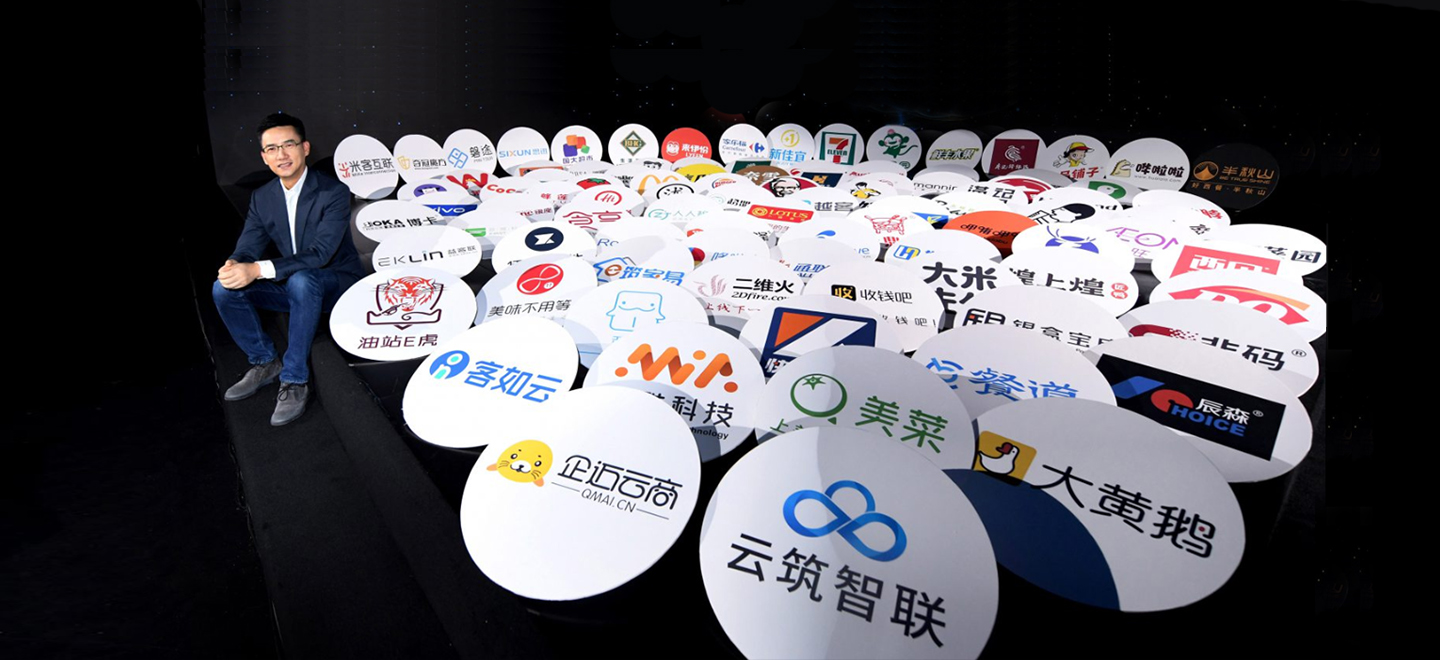
Mobike founder Hu Weiwei: A crazy idea that touched millions of lives
In just three years, Hu Weiwei has changed the way over 150 million people travel in the city with her company’s dockless bikes

China’s online mutual aid market: A new battleground for tech giants and startups
Startups spotted the opportunity and tech giants too have entered a market seen tripling by 2025. But profitability is still in doubt amid regulatory uncertainty

Xampla: Making strong, low-cost biodegradable plastic from peas
Inspired by the strength of spider silk, the Cambridge University spinoff has produced a plant-based, completely compostable alternative to microplastics

Chinapex: Maximizing the marketing value of customer data
The startup’s also creating a transparent and efficient industry environment for digital marketing in China

Sequoia China Seed Fund: Growing an era of deep-tech startups
Managing Partner Neil Shen wants to help deep-tech and enterprise tech startups get investments more easily, across quantum computing, semiconductors, synthetic biology and more

SWITCH Singapore: Xpeng expects strong China EV growth after 3Q rebound, launches overseas expansion
Welcoming foreign player entry as potential boost to EV adoption, Xpeng President Brian Gu also notes attractiveness of overseas markets, especially Europe
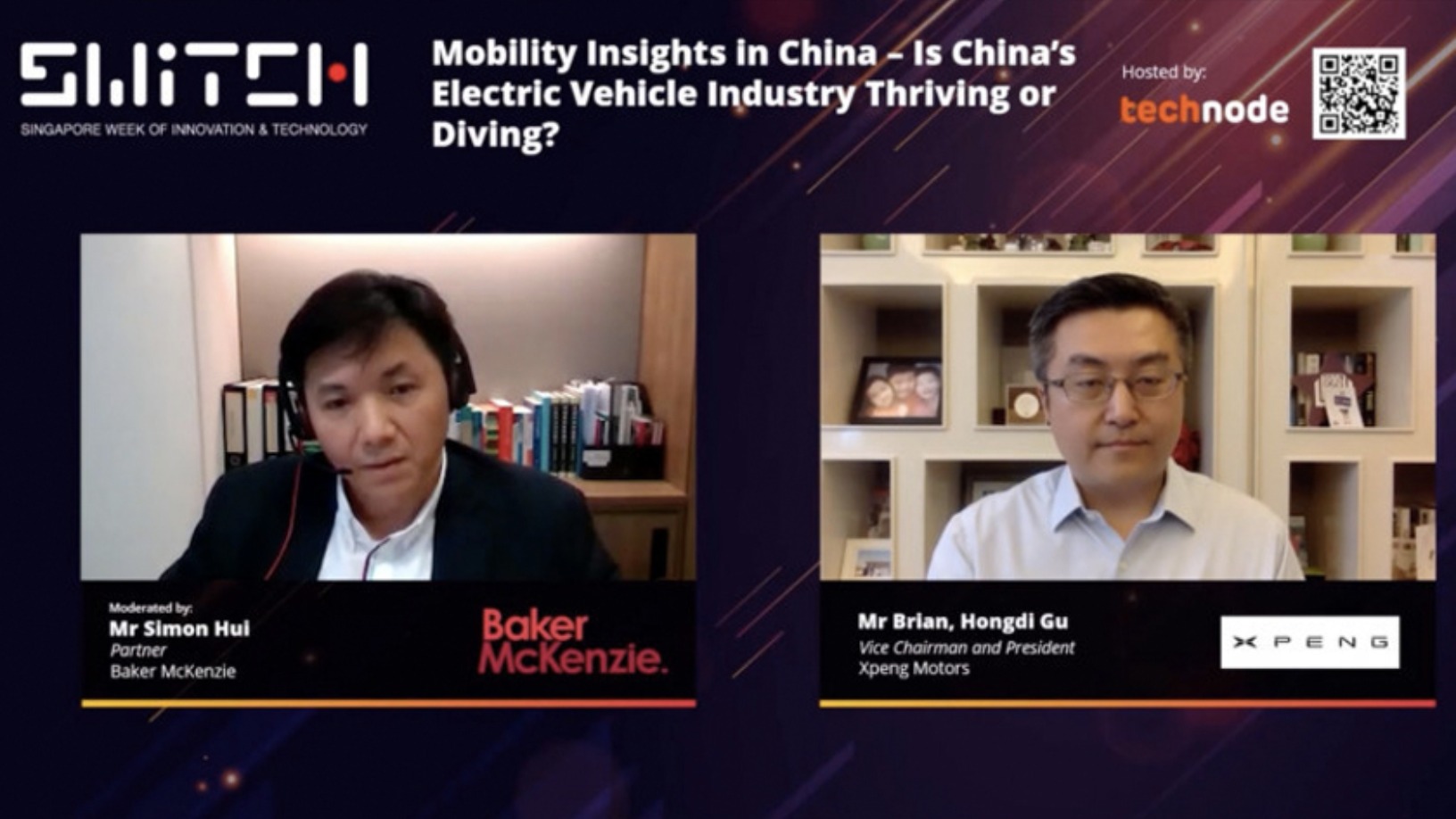
In depth: The business ecosystems China’s tech giants and unicorns build
Startups could accept to join Alibaba, Tencent or other tech giants in their ecosystems and scale quickly. Or they could say no and keep their independence. But do they really have a choice?

Despite early promise, China's on-demand bus services hit potholes on the road to profit
High costs – not a lack of customers – have forced promising on-demand bus service startups like DuduBus to shift their focus to corporate shuttle services

Haoqipei: Connecting China's vast B2B auto parts market
Haoqipei not only connects buyers and sellers with a B2B trading platform, it also uses big data to build trust and relationships in a highly fragmented market

In China's Covid-19-hit economy, cities dish out dining and shopping coupons to revive spending
Local governments are offering incentives to spend, but as millions have lost their jobs and income, more is needed to boost consumer confidence

Now called Wanwu Xinsheng, the startup recycles over 70,000 used electronic goods in China daily, clocking over RMB 2bn of transactions every month

With recent funding of $182m, drone maker XAG is set to make its mark as agritech leader
XAG has been reaping the benefits of its 2012 pivot to agriculture as demand for high-tech automation in China’s farms continues to grow strongly amid government push

Dai Wei and his Ofo: Fighting till the last act?
How the college student who founded a global bike-sharing sensation also led it to the verge of bankruptcy through a string of mistakes

Bob Xu, one of China's first and most successful angel investors
Known for his whimsical investment style, Xu has caught a number of unicorns

Sorry, we couldn’t find any matches for “Simon Hu”.
POPULAR DATABASE