The Fit Company
-
DATABASE (2970)
-
ARTICLES (812)
Fidelity China Special Situations PLC
Founded in 2010, Fidelity China Special Situations PLC (FCSS) is managed by Dale Nicholls who has worked at Fidelity International since 1996. Listed on the FTSE 250 Index, FCSS is said to be the UK’s largest China-focused investment trust with access to Fidelity's investment research resources and investment licenses in China.Focusing on companies that are most likely to benefit from China’s growth and changing economy, FCSS has invested in over 100 businesses in the country. Besides technology, it is also seeking opportunities in the consumer space and healthcare.


Founded in 2010, Fidelity China Special Situations PLC (FCSS) is managed by Dale Nicholls who has worked at Fidelity International since 1996. Listed on the FTSE 250 Index, FCSS is said to be the UK’s largest China-focused investment trust with access to Fidelity's investment research resources and investment licenses in China.Focusing on companies that are most likely to benefit from China’s growth and changing economy, FCSS has invested in over 100 businesses in the country. Besides technology, it is also seeking opportunities in the consumer space and healthcare.
Nigerian investment bank and investor CardinalStone Partners was founded in 2008. It invests in enterprises with the potential to transform diverse sectors deemed to be strategic to the development of the economies in Nigeria, Ghana and other West African countries.The VC also reviews potential investments in relation to their ESG impact. CardinalStone currently has six companies in its portfolio including Nigerian gym chain i-Fitness and Nigerian fintech Appzone. In 2020, it raised $50m for a new private equity fund, CardinalStone Capital Advisers Growth Fund.

Nigerian investment bank and investor CardinalStone Partners was founded in 2008. It invests in enterprises with the potential to transform diverse sectors deemed to be strategic to the development of the economies in Nigeria, Ghana and other West African countries.The VC also reviews potential investments in relation to their ESG impact. CardinalStone currently has six companies in its portfolio including Nigerian gym chain i-Fitness and Nigerian fintech Appzone. In 2020, it raised $50m for a new private equity fund, CardinalStone Capital Advisers Growth Fund.
Pegasus Tech Ventures (Fenox Venture Capital)
Established in 2011, Fenox Venture Capital (now Pegasus Tech Ventures) is a Silicon Valley-based venture capital firm. It has offices across seven countries, including Japan, Indonesia, and South Korea. Its investment portfolio includes Memebox, Tech in Asia and 99.co. In Indonesia, the firm has invested in HijUp, BrideStory, Jurnal and Alodokter. Other notable investments include Airbnb, 23andMe, and Robinhood.The VC firm is the organizer of the Startup World Cup, a global pitching competition for tech startups that offers a grand prize of $1m in cash investment.
Established in 2011, Fenox Venture Capital (now Pegasus Tech Ventures) is a Silicon Valley-based venture capital firm. It has offices across seven countries, including Japan, Indonesia, and South Korea. Its investment portfolio includes Memebox, Tech in Asia and 99.co. In Indonesia, the firm has invested in HijUp, BrideStory, Jurnal and Alodokter. Other notable investments include Airbnb, 23andMe, and Robinhood.The VC firm is the organizer of the Startup World Cup, a global pitching competition for tech startups that offers a grand prize of $1m in cash investment.
Royal Golden Eagle (RGE) is an industrial group owned by Indonesian tycoon Sukanto Tanoto. It employs 60,000 people worldwide with assets worth over $20bn. Tanoto started his business empire in 1967 as a supplier of spare parts to oil and construction companies in Indonesia. He went on to invest in oil palm plantations in 1979. Since 1985, his group companies have been managing 30,000 acres of oil palm trees each year across a total land area of 160,000 hectares.Headquartered in Singapore, RGE has interests in diverse sectors like paper palm oil, viscose, asset management, real estate, construction and energy. RGE owns the world’s largest viscose producer Sateri, Asia Pacific Rayon and energy firm Pacific Oil & Gas. It is also the owner of the Asia Pacific Resources International Holdings Limited (APRIL), one of the world’s largest pulp and paper mills. The Rainforest Action Network and other NGOs like Greenpeace and the WWF have put considerable pressure on the RGE group’s unsustainable operations such as the destruction of rainforests by APRIL. In 2019, RGE announced plans to invest $200m in cellulosic textile fiber research and development over a period of 10 years. Projects will include the scaling up of proven clean technology in fiber manufacturing, bringing pilot-scale production to commercial scale and R&D in emerging frontier solutions.
Royal Golden Eagle (RGE) is an industrial group owned by Indonesian tycoon Sukanto Tanoto. It employs 60,000 people worldwide with assets worth over $20bn. Tanoto started his business empire in 1967 as a supplier of spare parts to oil and construction companies in Indonesia. He went on to invest in oil palm plantations in 1979. Since 1985, his group companies have been managing 30,000 acres of oil palm trees each year across a total land area of 160,000 hectares.Headquartered in Singapore, RGE has interests in diverse sectors like paper palm oil, viscose, asset management, real estate, construction and energy. RGE owns the world’s largest viscose producer Sateri, Asia Pacific Rayon and energy firm Pacific Oil & Gas. It is also the owner of the Asia Pacific Resources International Holdings Limited (APRIL), one of the world’s largest pulp and paper mills. The Rainforest Action Network and other NGOs like Greenpeace and the WWF have put considerable pressure on the RGE group’s unsustainable operations such as the destruction of rainforests by APRIL. In 2019, RGE announced plans to invest $200m in cellulosic textile fiber research and development over a period of 10 years. Projects will include the scaling up of proven clean technology in fiber manufacturing, bringing pilot-scale production to commercial scale and R&D in emerging frontier solutions.
Chief Product Developer of AEInnova
Roger Malet Munté is the Chief Product Developer and co-founder at AEInnova who developed AEInnova’s first patent. He is an industrial electronics engineer who graduated from the Autonomous University of Barcelona, where he has been a professor since 2004. From 2010 to 2012, Malet worked as an investigator at the Professional Center for New Technologies. He also developed a Braille keyboard for his final year university project for ONCE, the National Organization for the Blind in Spain.

Roger Malet Munté is the Chief Product Developer and co-founder at AEInnova who developed AEInnova’s first patent. He is an industrial electronics engineer who graduated from the Autonomous University of Barcelona, where he has been a professor since 2004. From 2010 to 2012, Malet worked as an investigator at the Professional Center for New Technologies. He also developed a Braille keyboard for his final year university project for ONCE, the National Organization for the Blind in Spain.
CEO and Co-founder of Solatom
Miguel Frasquet Herraiz is passionate about the energy sector, having worked for six years on projects in China, the UAE and several European countries, as well as four years at the CTAER (Advanced Technology Centre for Renewable Energy) as an engineer and solar R&D coordinator. In 2016, Frasquet co-founded Solatom based on his PhD thesis and is currently the CEO of the startup that develops solar concentrators for industrial applications.

Miguel Frasquet Herraiz is passionate about the energy sector, having worked for six years on projects in China, the UAE and several European countries, as well as four years at the CTAER (Advanced Technology Centre for Renewable Energy) as an engineer and solar R&D coordinator. In 2016, Frasquet co-founded Solatom based on his PhD thesis and is currently the CEO of the startup that develops solar concentrators for industrial applications.
Led by Ben Einstein, the Boston-based venture capital firm focuses on startups involved in hardware and software development. The VC invests up to US$500,000 in pre-seed, pre-product startups to Series A funding rounds. The firm has investment and engineering departments that provide engineering and product design support services. It has worked with Google, Ferrari and Disney.

Led by Ben Einstein, the Boston-based venture capital firm focuses on startups involved in hardware and software development. The VC invests up to US$500,000 in pre-seed, pre-product startups to Series A funding rounds. The firm has investment and engineering departments that provide engineering and product design support services. It has worked with Google, Ferrari and Disney.
Founded in 2012, ClearVue Partners focuses on the consumer sector, e.g., new retail, lifestyle, health and wellness and digital consumption. ClearVue Partners typically invests US$10–50 million in growth-stage startups. Investment deals are spearheaded by a team with experience in the US and Greater China and an advisory group of recognized businessmen from the consumer industry. Its headquarters is in Shanghai.

Founded in 2012, ClearVue Partners focuses on the consumer sector, e.g., new retail, lifestyle, health and wellness and digital consumption. ClearVue Partners typically invests US$10–50 million in growth-stage startups. Investment deals are spearheaded by a team with experience in the US and Greater China and an advisory group of recognized businessmen from the consumer industry. Its headquarters is in Shanghai.
Founded in 1983, the Brunei Investment Agency (BIA) is a government-owned investment organization that reports to the Ministry of Finance, Government of Brunei. BIA manages the country’s general reserve fund and its external assets, worth an estimated amount of $170bn. Its activities are rarely publicly disclosed.

Founded in 1983, the Brunei Investment Agency (BIA) is a government-owned investment organization that reports to the Ministry of Finance, Government of Brunei. BIA manages the country’s general reserve fund and its external assets, worth an estimated amount of $170bn. Its activities are rarely publicly disclosed.
Zurich-based Übermorgen Ventures was founded in 2019 to invest in climate-change startups that focus on reducing greenhouse gas emissions. The VC has invested in five startups including recent participation in the €500,000 seed investment of German low-cost solar provider Sunvigo in January 2021 and the $6.2m seed round of Finnish biocarbon startup Carbo Culture in April.

Zurich-based Übermorgen Ventures was founded in 2019 to invest in climate-change startups that focus on reducing greenhouse gas emissions. The VC has invested in five startups including recent participation in the €500,000 seed investment of German low-cost solar provider Sunvigo in January 2021 and the $6.2m seed round of Finnish biocarbon startup Carbo Culture in April.
Bruno Bianchi of Spotahome
Bruno Bianchi always wanted to be his own boss. He started a Costa del Sol Spanish jewelry import business in 2004, sourcing from Thailand and India. Then he became the sales director of Miguel Ángel Palomo SA to expand the Spanish olive business internationally. He had also worked as a cook in Ireland and Denmark.The Argentinian speaks English, Spanish, French, Italian and Danish. The COO of Spotahome joined the startup as a co-founder at a later stage when the proptech idea was revived by CEO Artacho.

Bruno Bianchi always wanted to be his own boss. He started a Costa del Sol Spanish jewelry import business in 2004, sourcing from Thailand and India. Then he became the sales director of Miguel Ángel Palomo SA to expand the Spanish olive business internationally. He had also worked as a cook in Ireland and Denmark.The Argentinian speaks English, Spanish, French, Italian and Danish. The COO of Spotahome joined the startup as a co-founder at a later stage when the proptech idea was revived by CEO Artacho.
Co-founder and CEO of Halofina
Adjie Wicaksana graduated from the Bandung Institute of Technology (ITB) with a degree in Industrial Engineering. He also holds a master's in Social Entrepreneurship from the University of Southern California. Wicaksana is active in the Social Organization Center for Innovation and Community Development, the Indonesian Youth Student Association in the United States (Permias) Los Angeles and the Global Shapers Community - World Economic Forum. He is also a facilitator, specializing in business financial management, for BEKRAF's (Indonesia's Creative Economy Agency) Creative SME Finance Class Training Series. Wicaksana started Halofina with Eko Pratomo in 2017.

Adjie Wicaksana graduated from the Bandung Institute of Technology (ITB) with a degree in Industrial Engineering. He also holds a master's in Social Entrepreneurship from the University of Southern California. Wicaksana is active in the Social Organization Center for Innovation and Community Development, the Indonesian Youth Student Association in the United States (Permias) Los Angeles and the Global Shapers Community - World Economic Forum. He is also a facilitator, specializing in business financial management, for BEKRAF's (Indonesia's Creative Economy Agency) Creative SME Finance Class Training Series. Wicaksana started Halofina with Eko Pratomo in 2017.
Founder and CEO of Wallbox
Enric Asunción (b.1985) is an industrial engineer who has devoted all of his career to the electric vehicle charging market. Asunción worked at Tesla Motors Netherlands for one year as a program manager of Charging Installations in 2014. Before joining the Institute of Robotics and Informatics in Catalonia, he worked with electric and hybrid vehicles as an engineer within the Electric Vehicle Charger testing team at Applus IDIADA in 2009. By working for top-notch firms and institutions within the electric automotive industry, he has experience in testing and developing the best technologies for charging solutions in the market.

Enric Asunción (b.1985) is an industrial engineer who has devoted all of his career to the electric vehicle charging market. Asunción worked at Tesla Motors Netherlands for one year as a program manager of Charging Installations in 2014. Before joining the Institute of Robotics and Informatics in Catalonia, he worked with electric and hybrid vehicles as an engineer within the Electric Vehicle Charger testing team at Applus IDIADA in 2009. By working for top-notch firms and institutions within the electric automotive industry, he has experience in testing and developing the best technologies for charging solutions in the market.
Co-founder of Meatable
Mark Kotter is the Austrian co-founder at Dutch cell-based meat startup Meatable, the first to use pluripotent stem cells and claim a highly scalable culture technology, which was developed by Kotter prior to founding the startup in 2018. He is also founder at his biotech startup, bit.bio, which is based in Cambridge, UK, since 2016, where he applies his cellular technological innovation to human stem cell research and has raised investments totaling $42m. His main full-time position is at the University of Cambridge, where he has worked since 2009. He has spent more than five years as a clinician-scientist in stem cell research and was previously a lecturer in neurosurgery. Kotter also lectures at Paris Descartes University and is a team leader at the UK’s National Institute for Health Research’s Brain Injury MedTech Co-operative. He also founded Myelopathy.org to raise awareness of cervical myelopathy. His past positions were as a research group leader at the Max Planck Institute for Experimental Medicine for one year, and for two years spent at the Medical University of Vienna. Kotter holds two doctorates; one in philosophy from the University of Cambridge and the other in medicine from the University of Graz in Austria. Kotter also holds a master’s in philosophy from the University of Cambridge.

Mark Kotter is the Austrian co-founder at Dutch cell-based meat startup Meatable, the first to use pluripotent stem cells and claim a highly scalable culture technology, which was developed by Kotter prior to founding the startup in 2018. He is also founder at his biotech startup, bit.bio, which is based in Cambridge, UK, since 2016, where he applies his cellular technological innovation to human stem cell research and has raised investments totaling $42m. His main full-time position is at the University of Cambridge, where he has worked since 2009. He has spent more than five years as a clinician-scientist in stem cell research and was previously a lecturer in neurosurgery. Kotter also lectures at Paris Descartes University and is a team leader at the UK’s National Institute for Health Research’s Brain Injury MedTech Co-operative. He also founded Myelopathy.org to raise awareness of cervical myelopathy. His past positions were as a research group leader at the Max Planck Institute for Experimental Medicine for one year, and for two years spent at the Medical University of Vienna. Kotter holds two doctorates; one in philosophy from the University of Cambridge and the other in medicine from the University of Graz in Austria. Kotter also holds a master’s in philosophy from the University of Cambridge.
Co-founder and CEO of Jurnal
A CEO with a technical background, Daniel Witono is an ex-Microsoft software engineer with more than five years of experience in the development field.A computer engineering graduate from the University of New South Wales in Australia, Daniel founded the Jurnal startup with Anthony Kosasih, a friend also from the University of New South Wales.

A CEO with a technical background, Daniel Witono is an ex-Microsoft software engineer with more than five years of experience in the development field.A computer engineering graduate from the University of New South Wales in Australia, Daniel founded the Jurnal startup with Anthony Kosasih, a friend also from the University of New South Wales.
Consumers Trust: The company that gives consumers a voice
Consumers Trust has become Portugal's go-to company for customer complaint resolution; it is seeking funding to enable it to replicate its success in new markets
Petit Pli: Origami-inspired clothes that still fit, even after the body has grown
Founded by a young aeronautical engineer, Petit Pli produces stylish, sustainable pleated garments made from recycled plastic that expand up to seven sizes

Get fit and healthy with these Indonesian wellness startups
The wellness lifestyle trend continues to grow in popularity in Indonesia, and startups want a piece of the action

HEMAV: World’s leading drone services company for agriculture
Now a global leader known for its industry-targeted software, HEMAV has expanded to 15 countries, working with utilities, farms and public bodies

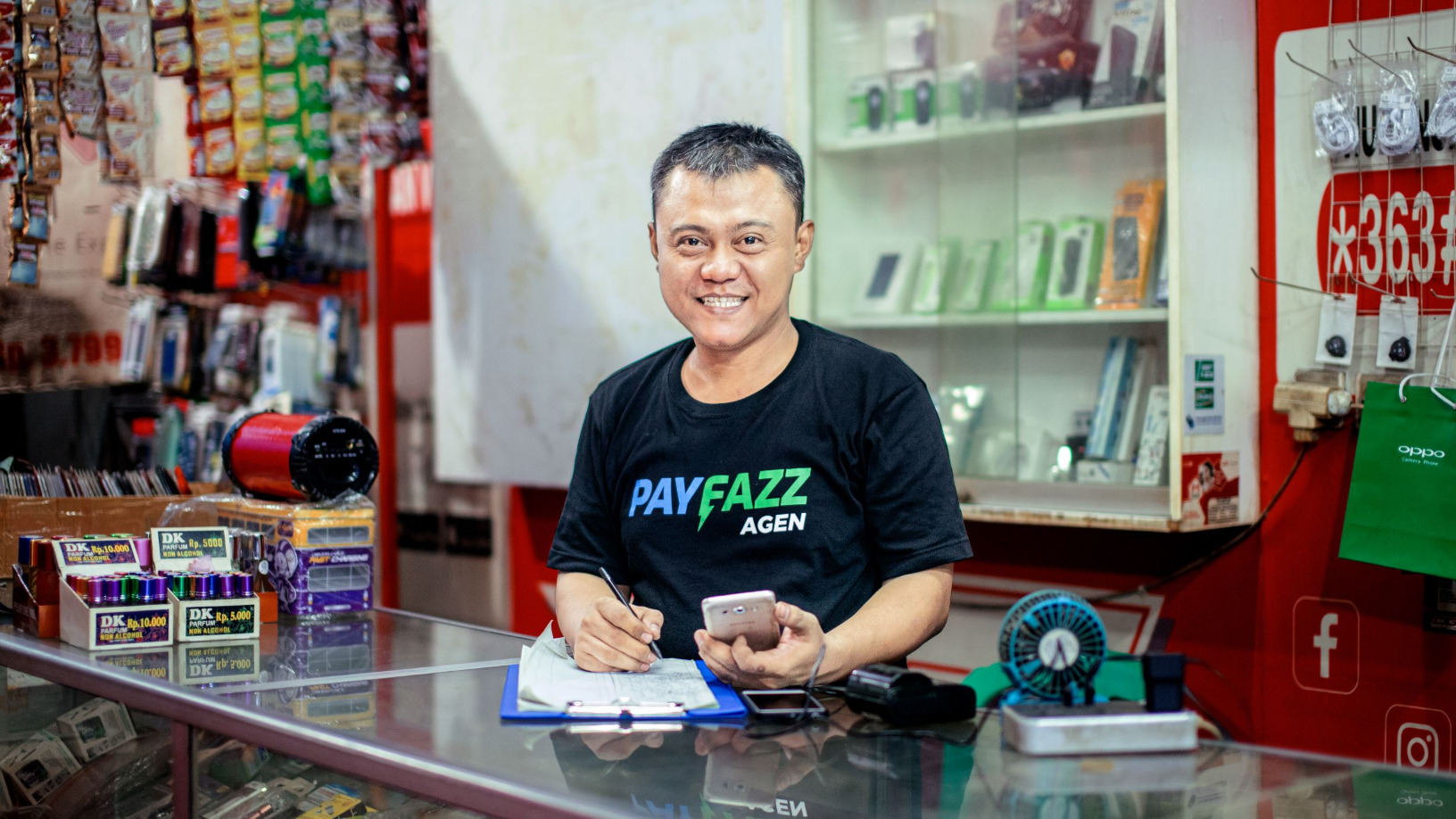
Payfazz aims to be Indonesia's first on-demand financial services company
Handling transactions averaging over IDR 1tn monthly, Payfazz hopes to bring the benefits of banking to all Indonesians
Alén Space: Nanosatellite company targets contracts of over €2 million by 2020
Alén Space seeks funding of €1.5 million to accelerate plans to win a share of the global market of 2,600 small satellites to be launched by 2023

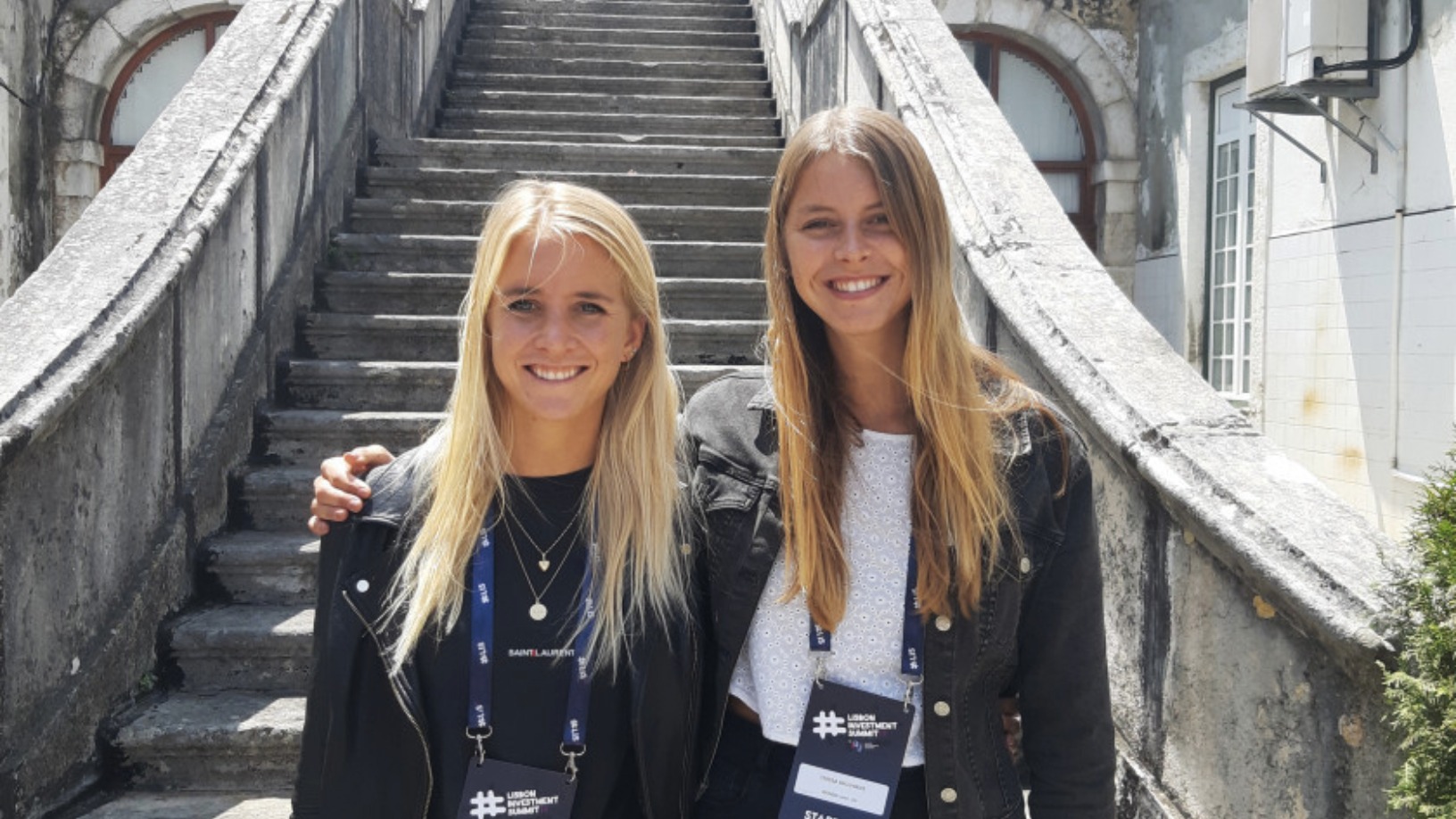
Wondaswim recycles dumped fishing nets to make sustainable swimwear, reduce ocean pollution
Lisbon-based startup by German co-founders creates sustainable swimwear for all body sizes, targeted at millennials
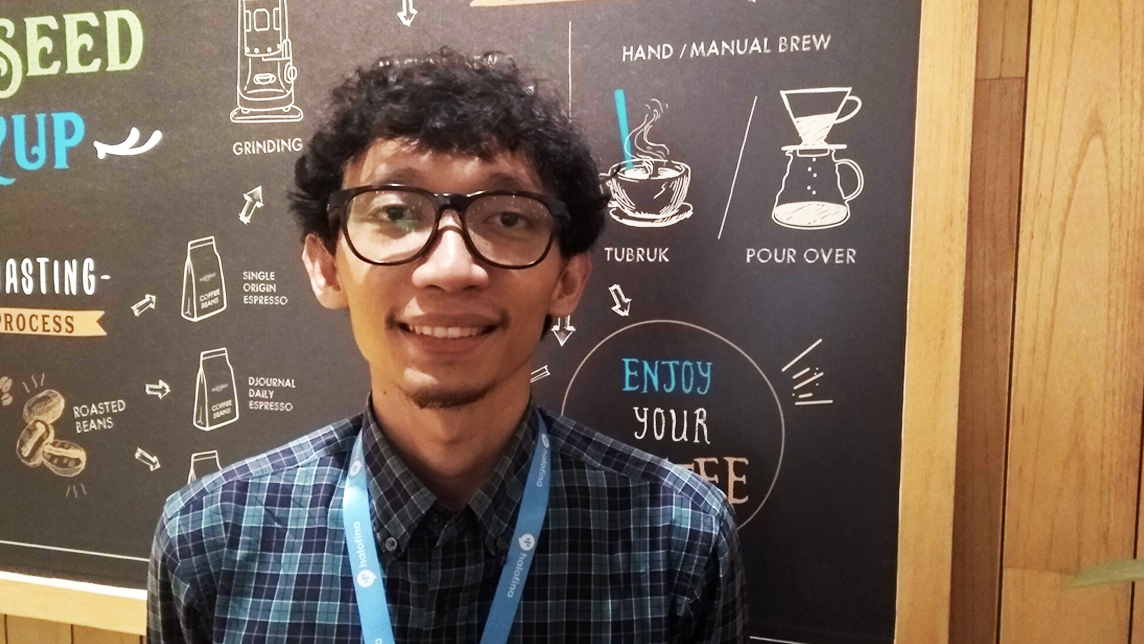
Halofina brings wealth management to millennials
Indonesian startup extends service once reserved for the rich to a wider market so the young can invest toward their life goals
In Portugal tourism tech gets disrupted, in time for post-Covid-19 era
As Portugal reopens to tourists early next month, the sector is banking on a new generation of tourism tech startups to enable safety and reassure visitors

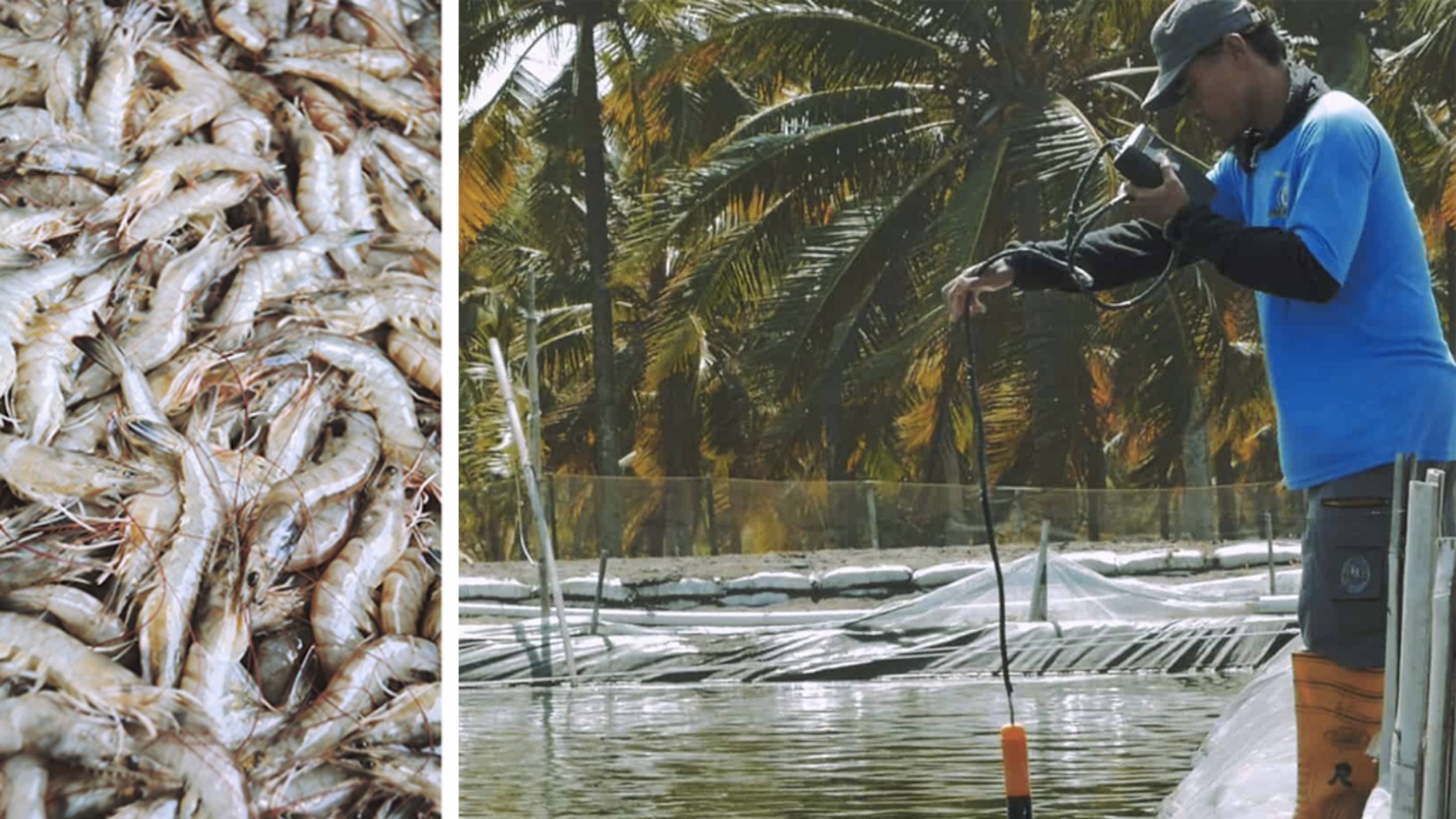
Shrimp-farming data made easy: Interview with JALA’s CEO Liris Maduningtyas
Indonesian agritech startup JALA managed to overcome the hurdles caused by lack of experience after participating in accelerator programs. It is now taking the next steps to better products
Portugal pumps up to €60m into new initiatives to avert backslide in startup ecosystem
Government funding to ensure the strategically important and social impact startups don't fail, post-Covid

In this shipping container, you can work out and save money
By eliminating the need to pay for an expensive gym membership, ParkBox is good news for gym buffs

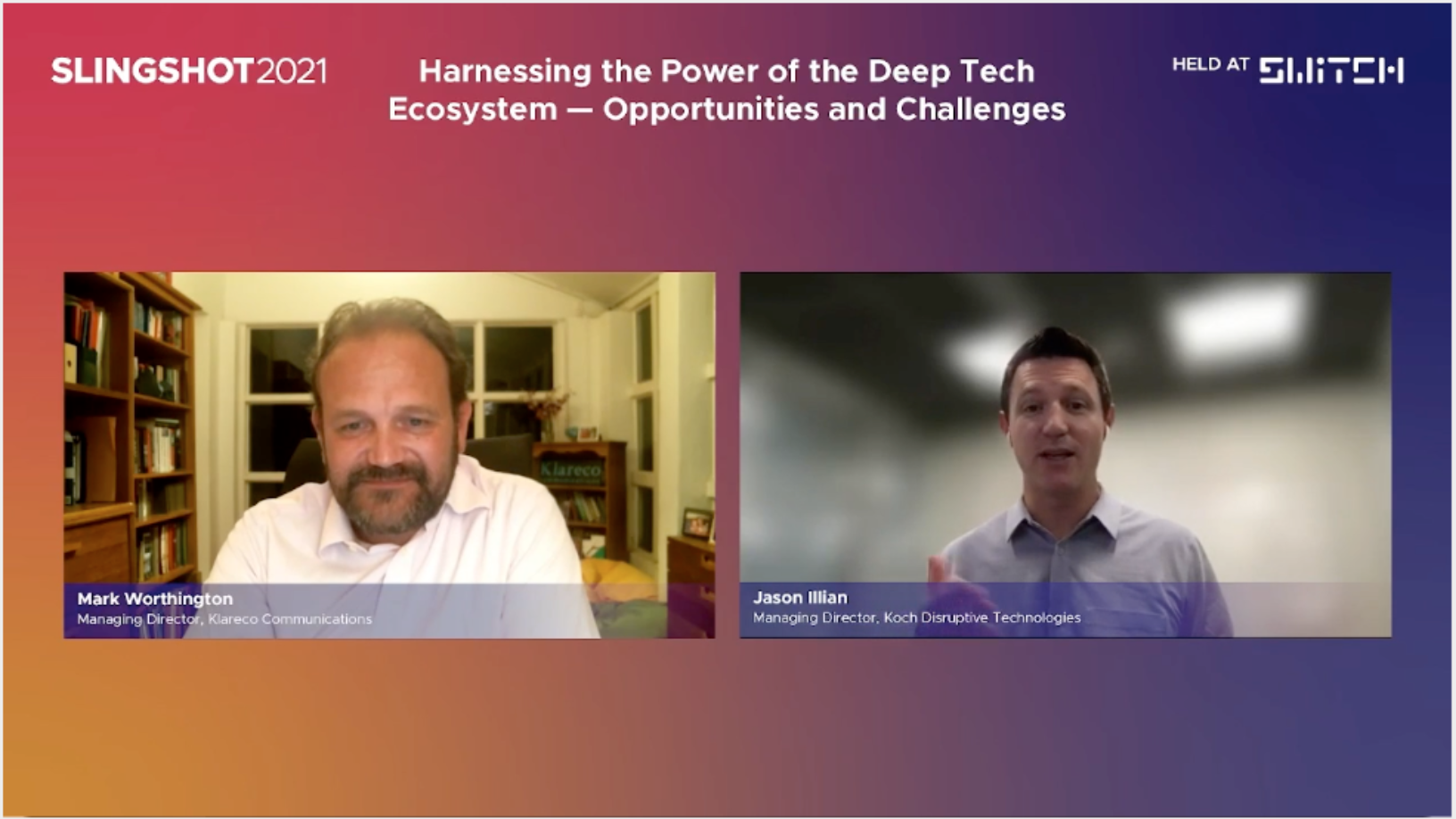
SWITCH Singapore 2021: How to harness the power of the deep tech ecosystem
Investor Jason Illian of Koch Disruptive Technologies talks talent, scaling for deep tech startups, and why longer gestation periods and mid-course pivots don’t have to be deal breakers
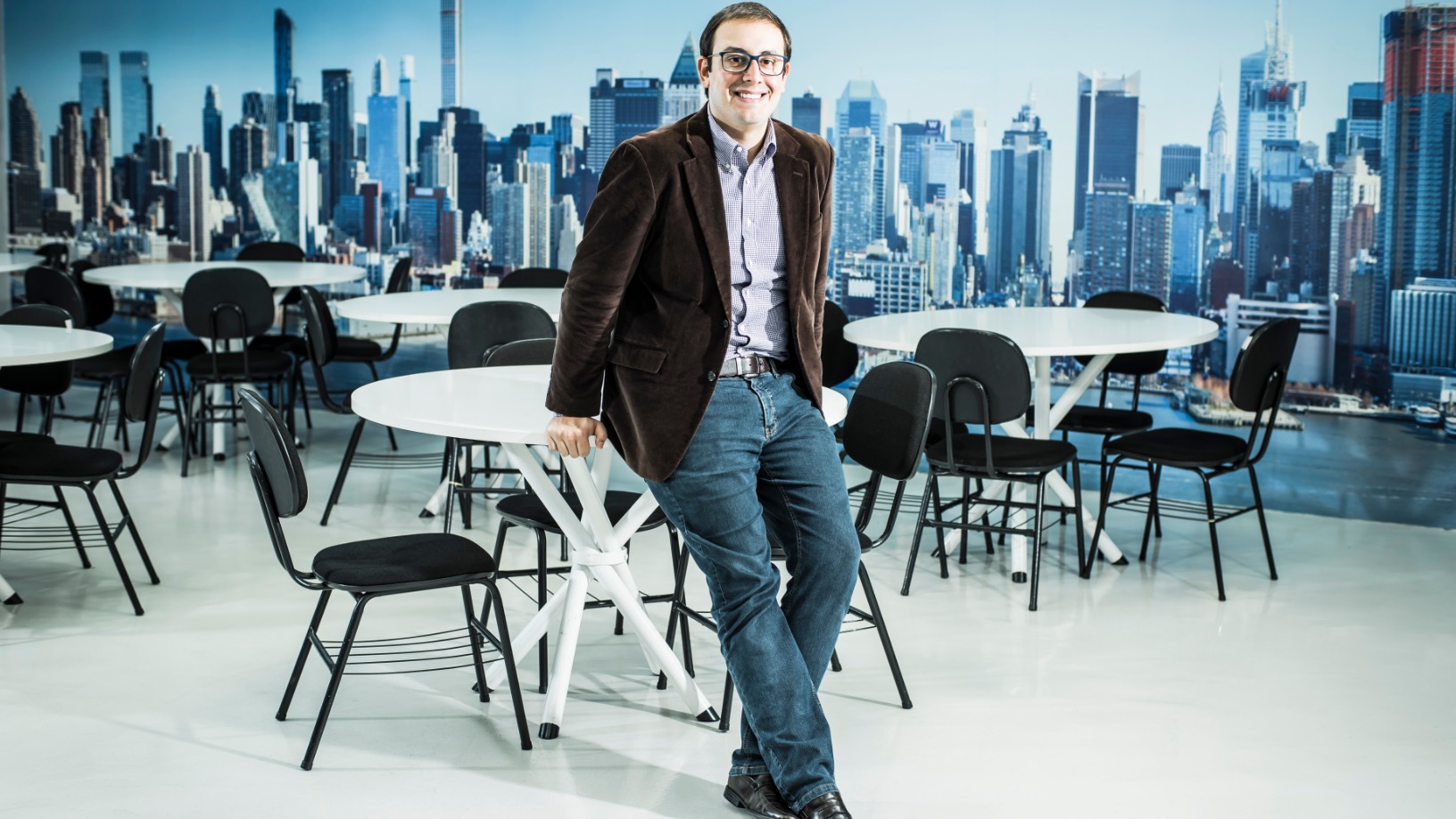
Brazilian edtech Blox seeks to upgrade university education across Latin America
Blox plans to raise over $1m in 2021 to expand across Brazil and Mexico, giving more choices to students to personalize degree programs with its AI curriculum management SaaS
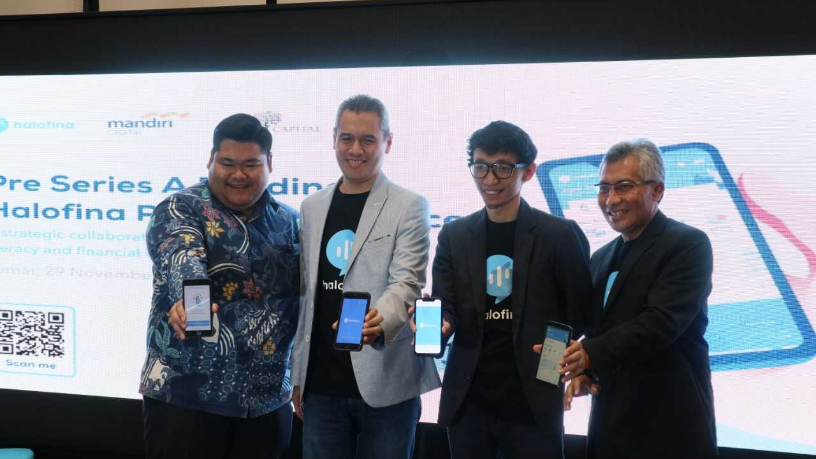
Financial planning startup Halofina raises pre-Series A from Mandiri Capital, Finch Capital
The funding is meant to “bridge” the company toward a 2020 Series A round as it launches a new subscription plan and works with financial advisors
Sorry, we couldn’t find any matches for “The Fit Company”.
POPULAR DATABASE