Yamaha Motor Company
-
DATABASE (872)
-
ARTICLES (724)
Director of Operations and co-founder of AddVolt
Sousa is the Portuguese co-founder and Director of Operations at AddVolt, the first renewable energy tech to replace diesel engines for cold chain transport, where he has worked since 2014, when the company was founded. Prior to that, he worked on its technology, when it was still a research project, in his capacity as R&D Engineer at the University of Porto's Faculty of Engineering. Sousa has a master's in electrical and electronics engineering from the University of Porto and a Master of Science in electrical and electronics engineering from Padova University in Italy.

Sousa is the Portuguese co-founder and Director of Operations at AddVolt, the first renewable energy tech to replace diesel engines for cold chain transport, where he has worked since 2014, when the company was founded. Prior to that, he worked on its technology, when it was still a research project, in his capacity as R&D Engineer at the University of Porto's Faculty of Engineering. Sousa has a master's in electrical and electronics engineering from the University of Porto and a Master of Science in electrical and electronics engineering from Padova University in Italy.
CMO and co-founder of Natural Machines / Foodini
Lynette Kucsma has an MBA and BSc Marketing. She has worked in the technology and consumer goods sectors, including a marketing and communication role in Fortune 500 companies like Microsoft.Based in Barcelona, she is passionate about healthy eating and technology. In 2012, Kucsma co-founded Natural Machines to design food-grade home appliances for both B2B and B2C customers. The company recently launched a 3D food printer equipped with laser-cooking technology.Kucsma was named by CNN as one of “7 tech superheroes” to watch. She also mentors startups in the hardware and IoT space.

Lynette Kucsma has an MBA and BSc Marketing. She has worked in the technology and consumer goods sectors, including a marketing and communication role in Fortune 500 companies like Microsoft.Based in Barcelona, she is passionate about healthy eating and technology. In 2012, Kucsma co-founded Natural Machines to design food-grade home appliances for both B2B and B2C customers. The company recently launched a 3D food printer equipped with laser-cooking technology.Kucsma was named by CNN as one of “7 tech superheroes” to watch. She also mentors startups in the hardware and IoT space.
CEO and co-founder of Natural Machines / Foodini
Emilio Sepulveda is a Spanish engineer and MBA graduate with over 20 years of experience in the technology space at a global level. He worked as Strategy and Innovation Manager at Telefónica, leading multiple startups and projects. He was also involved in team structuring, seed funding round support, business model and strategy development.Passionate about IoT and robotics, Sepulveda co-founded Natural Machines in 2012 to develop 3D food-grade home appliances for both B2B and B2C customers. The company has just launched the world’s first 3D food printer equipped with laser-cooking technology.

Emilio Sepulveda is a Spanish engineer and MBA graduate with over 20 years of experience in the technology space at a global level. He worked as Strategy and Innovation Manager at Telefónica, leading multiple startups and projects. He was also involved in team structuring, seed funding round support, business model and strategy development.Passionate about IoT and robotics, Sepulveda co-founded Natural Machines in 2012 to develop 3D food-grade home appliances for both B2B and B2C customers. The company has just launched the world’s first 3D food printer equipped with laser-cooking technology.
Co-founder, CEO of VEnvirotech
Noelia Márquez Alfaya is the Spanish CEO and co-founder of 100% biodegradable plastic tech VEnvirotech, where she has worked since 2017. Prior to this, she was CEO and founder at Kubic Sabadell, an extra-curricular studies center, from 2012 to 2017. During this time, she also co-founded Mimmo Solutions, a textile creation company. All of her companies were based in the Barcelona area. In 2017, she gained entry to the youth entrepreneurship acceleration program Yuzz Santander, a Santander Bank initiative. Márquez holds a degree in industrial engineering and organization from the Polytechnic University of Catalonia.

Noelia Márquez Alfaya is the Spanish CEO and co-founder of 100% biodegradable plastic tech VEnvirotech, where she has worked since 2017. Prior to this, she was CEO and founder at Kubic Sabadell, an extra-curricular studies center, from 2012 to 2017. During this time, she also co-founded Mimmo Solutions, a textile creation company. All of her companies were based in the Barcelona area. In 2017, she gained entry to the youth entrepreneurship acceleration program Yuzz Santander, a Santander Bank initiative. Márquez holds a degree in industrial engineering and organization from the Polytechnic University of Catalonia.
Co-founder and Director of Technology of Xurya
Edwin Widjonarko spent almost 6 years working as a research assistant at the USA’s National Renewable Energy Laboratory and at University of Colorado Boulder. In some of the projects he worked on, Widjonarko contributed to the development of new generation solar panels. In 2015, he left the research sphere to join Intel Corporation as a technology development process engineer. He stayed on until 2018, when he left Intel and returned to Indonesia to establish Xurya, a solar power company. Working with longtime friend Gusmantara Himawan and former East Ventures associate Philip Effendy, Widjonarko now works as Xurya’s director of technology.

Edwin Widjonarko spent almost 6 years working as a research assistant at the USA’s National Renewable Energy Laboratory and at University of Colorado Boulder. In some of the projects he worked on, Widjonarko contributed to the development of new generation solar panels. In 2015, he left the research sphere to join Intel Corporation as a technology development process engineer. He stayed on until 2018, when he left Intel and returned to Indonesia to establish Xurya, a solar power company. Working with longtime friend Gusmantara Himawan and former East Ventures associate Philip Effendy, Widjonarko now works as Xurya’s director of technology.
Co-founder, CEO of Meatable
Krijn De Nood is the Dutch co-founder and CEO at cell-based meat startup Meatable, the first to claim a highly scalable culture technology with the use of pluripotent stem cells, where he has worked since 2018. He previously worked at McKinsey for six-and-a-half years in Amsterdam, New York and in Kenya. Prior to that, he worked as an equity derivatives trader at derivative trading company All Options after a short stint at Barclays Capital.De Nood holds two first degrees from the University of Amsterdam, in philosophy and in economics and finance.

Krijn De Nood is the Dutch co-founder and CEO at cell-based meat startup Meatable, the first to claim a highly scalable culture technology with the use of pluripotent stem cells, where he has worked since 2018. He previously worked at McKinsey for six-and-a-half years in Amsterdam, New York and in Kenya. Prior to that, he worked as an equity derivatives trader at derivative trading company All Options after a short stint at Barclays Capital.De Nood holds two first degrees from the University of Amsterdam, in philosophy and in economics and finance.
Famous techpreneur Li Yinan (b. 1970) is the former CTO of Baidu and former CEO of Wuxian Xunqi, a China Mobile subsidiary. After Li graduated from Huazhong University of Science & Technology with a master’s degree in Optics Engineering, he joined Huawei and was promoted to vice-president of its Central Research Department in just six months; in 1997 Li because the youngest vice-president at Huawei. In 2001, Li quit Huawei and started his own data communication company, Harbour Networks, which followed the same structure of Huawei and soon became its main competitor. In 2005, Harbour Networks lost in its intense battle with Huawei and was acquired by the larger player. Even though Li rejoined Huawei after the acquisition, he was never able to re-enter the core management team because of his damaged relationship with Ren Zhengfei, the founder and president of Huawei. In April 2015, Li founded his smart e-scooter company, NIU Smart Scooters. Li began investing in 2010 and joined GSR Ventures in 2011. Up to June 2015, Li had invested in more than 10 companies from the TMT sector. Li stood trial for insider trading in March 2016, according to news reports.


Famous techpreneur Li Yinan (b. 1970) is the former CTO of Baidu and former CEO of Wuxian Xunqi, a China Mobile subsidiary. After Li graduated from Huazhong University of Science & Technology with a master’s degree in Optics Engineering, he joined Huawei and was promoted to vice-president of its Central Research Department in just six months; in 1997 Li because the youngest vice-president at Huawei. In 2001, Li quit Huawei and started his own data communication company, Harbour Networks, which followed the same structure of Huawei and soon became its main competitor. In 2005, Harbour Networks lost in its intense battle with Huawei and was acquired by the larger player. Even though Li rejoined Huawei after the acquisition, he was never able to re-enter the core management team because of his damaged relationship with Ren Zhengfei, the founder and president of Huawei. In April 2015, Li founded his smart e-scooter company, NIU Smart Scooters. Li began investing in 2010 and joined GSR Ventures in 2011. Up to June 2015, Li had invested in more than 10 companies from the TMT sector. Li stood trial for insider trading in March 2016, according to news reports.
LeapFrog Investments is an impact-focused investor, managing over $1.6bn in assets mainly investing in Africa and Asia. Its “profit with purpose” has led to investments in startups that provide healthcare, financial services and insurance for low-income consumers. Since it was founded in 2007, LeapFrog has attracted funds from Prudential, AXA, Swiss Re and Omidyar Network, becoming the first impact investor in the world to reach the $1bn milestone. It’s headquartered in South Africa and Singapore.LeapFrog is best known for its investments in the insurance sector. One of the most prominent companies in its portfolio is BIMA, the mobile-based insurance provider that has provided coverage in Ghana, Bangladesh, Cambodia and many other countries. In 2020, LeapFrog invested in Indonesian startup PasarPolis, which is a broker for a wide range of microinsurance products. In the healthcare and biotechnology sectors, LeapFrog has funded Indian genetic diagnostics company MedGenome, as well as Goodlife Pharmacy, a Kenyan company providing access to affordable medicine in the East African country.
LeapFrog Investments is an impact-focused investor, managing over $1.6bn in assets mainly investing in Africa and Asia. Its “profit with purpose” has led to investments in startups that provide healthcare, financial services and insurance for low-income consumers. Since it was founded in 2007, LeapFrog has attracted funds from Prudential, AXA, Swiss Re and Omidyar Network, becoming the first impact investor in the world to reach the $1bn milestone. It’s headquartered in South Africa and Singapore.LeapFrog is best known for its investments in the insurance sector. One of the most prominent companies in its portfolio is BIMA, the mobile-based insurance provider that has provided coverage in Ghana, Bangladesh, Cambodia and many other countries. In 2020, LeapFrog invested in Indonesian startup PasarPolis, which is a broker for a wide range of microinsurance products. In the healthcare and biotechnology sectors, LeapFrog has funded Indian genetic diagnostics company MedGenome, as well as Goodlife Pharmacy, a Kenyan company providing access to affordable medicine in the East African country.
Launched in 2007, Seedcamp is Europe’s first seed fund and accelerator. Founded by 30 European investors, it focuses on pre-seed and seed stage startups. It has backed nearly 200 companies, producing one unicorn. About 90% of its portfolio have raised further funding of about US$350 million.The company typically invests in one of three ways:€75,000 for 7% of equityFull access to the Seedcamp Platform for 3% warrantsUp to €200,000 in seed funding

Launched in 2007, Seedcamp is Europe’s first seed fund and accelerator. Founded by 30 European investors, it focuses on pre-seed and seed stage startups. It has backed nearly 200 companies, producing one unicorn. About 90% of its portfolio have raised further funding of about US$350 million.The company typically invests in one of three ways:€75,000 for 7% of equityFull access to the Seedcamp Platform for 3% warrantsUp to €200,000 in seed funding
Founded in 1993, New Oriental is the largest provider of private educational services in China. Foreign language training and basic education currently make up its core business. New Oriental offers services in pre-school education, online education, vocational education, overseas study consulting, textbook publishing and education software R&D. New Oriental schools operate in 70 cities nationwide and in Toronto. As an institutional investor, the company has invested in over 40 startups, the vast majority of which are edtechs.
Founded in 1993, New Oriental is the largest provider of private educational services in China. Foreign language training and basic education currently make up its core business. New Oriental offers services in pre-school education, online education, vocational education, overseas study consulting, textbook publishing and education software R&D. New Oriental schools operate in 70 cities nationwide and in Toronto. As an institutional investor, the company has invested in over 40 startups, the vast majority of which are edtechs.
The Oslo-born venture capital company, Northzone VC, has offices in Norway, Sweden, London and New York, and was founded in 1996. It has invested in more than 130 companies globally, across a spectrum of sectors, and at different stages, and has around €1 billion under investment currently. It has seen nine IPOs from its portfolio and manages nine funds. It has been lead investor in almost 70 rounds and has seen 30 exits to date.

The Oslo-born venture capital company, Northzone VC, has offices in Norway, Sweden, London and New York, and was founded in 1996. It has invested in more than 130 companies globally, across a spectrum of sectors, and at different stages, and has around €1 billion under investment currently. It has seen nine IPOs from its portfolio and manages nine funds. It has been lead investor in almost 70 rounds and has seen 30 exits to date.
Partech Ventures is a global venture capital firm established in San Francisco in 1982 as Paribas Technologies, a subsidiary of French bank Paribas that currently holds €1.3 billion in assets under its management. In addition to San Francisco, Partech also has offices in Paris, Berlin and Dakar, Senegal, with the latter focused exclusively on African startups. The company is now based in Paris and has invested in over 300 companies across different funding stages with 48 exits to date.
Partech Ventures is a global venture capital firm established in San Francisco in 1982 as Paribas Technologies, a subsidiary of French bank Paribas that currently holds €1.3 billion in assets under its management. In addition to San Francisco, Partech also has offices in Paris, Berlin and Dakar, Senegal, with the latter focused exclusively on African startups. The company is now based in Paris and has invested in over 300 companies across different funding stages with 48 exits to date.
DFS Lab is a fintech-centric incubator/accelerator company with a focus on emerging markets. Supported by a US$4.8 million grant from the Gates Foundation, many of the portfolio companies provide fintech products and also help to improve the financial literacy education for people in developing countries. About 50% of the startups are run by female co-founders and 73% originate from the emerging markets.
DFS Lab is a fintech-centric incubator/accelerator company with a focus on emerging markets. Supported by a US$4.8 million grant from the Gates Foundation, many of the portfolio companies provide fintech products and also help to improve the financial literacy education for people in developing countries. About 50% of the startups are run by female co-founders and 73% originate from the emerging markets.
Junrun Capital was founded in 2009 in Ningbo, Zhejiang province. It's the largest private equity fund in Ningbo and specializes in M&A, equity and venture capital investments. So far, it has successfully exited seven deals out of a total of 21. Junrun has investment managers and researchers with backgrounds in science and technology. It has offices in Hangzhou, Shanghai, Shenzhen and the US. The company mainly seeks investment opportunities in sustainable materials, cleantech, agriculture, manufacture, biotechnology and the dotcom economy.

Junrun Capital was founded in 2009 in Ningbo, Zhejiang province. It's the largest private equity fund in Ningbo and specializes in M&A, equity and venture capital investments. So far, it has successfully exited seven deals out of a total of 21. Junrun has investment managers and researchers with backgrounds in science and technology. It has offices in Hangzhou, Shanghai, Shenzhen and the US. The company mainly seeks investment opportunities in sustainable materials, cleantech, agriculture, manufacture, biotechnology and the dotcom economy.
Established in 2017 in the UK, Firstminute Capital's investments are founders-driven, rather than by investment sectors. The early-stage venture capital firm has already invested in 32 companies in the US, UK, mainland Europe and Israel. In mid-2018, it raised its first fund of US$100m from 30 unicorns. Recent investments include in the Series A round of tax reclaim company Wevat, in peer-to-peer (P2P) fiat to crypto exchange platform Ramp's pre-seed round and in the seed round of cannabis e-commerce site Miss Grass.

Established in 2017 in the UK, Firstminute Capital's investments are founders-driven, rather than by investment sectors. The early-stage venture capital firm has already invested in 32 companies in the US, UK, mainland Europe and Israel. In mid-2018, it raised its first fund of US$100m from 30 unicorns. Recent investments include in the Series A round of tax reclaim company Wevat, in peer-to-peer (P2P) fiat to crypto exchange platform Ramp's pre-seed round and in the seed round of cannabis e-commerce site Miss Grass.
Indogen Capital eyes new growth fund of $100m as foreign tech investors stay keen on Indonesia
With its Japanese investment partner Striders, Indogen plans to boost growth-stage funding in Indonesia and open doors for portfolio companies to new markets in East Asia

Mass production and delivery delays – common challenges facing China EV startups
As Tesla postponed delivery yet again, its Chinese rivals are scrambling too
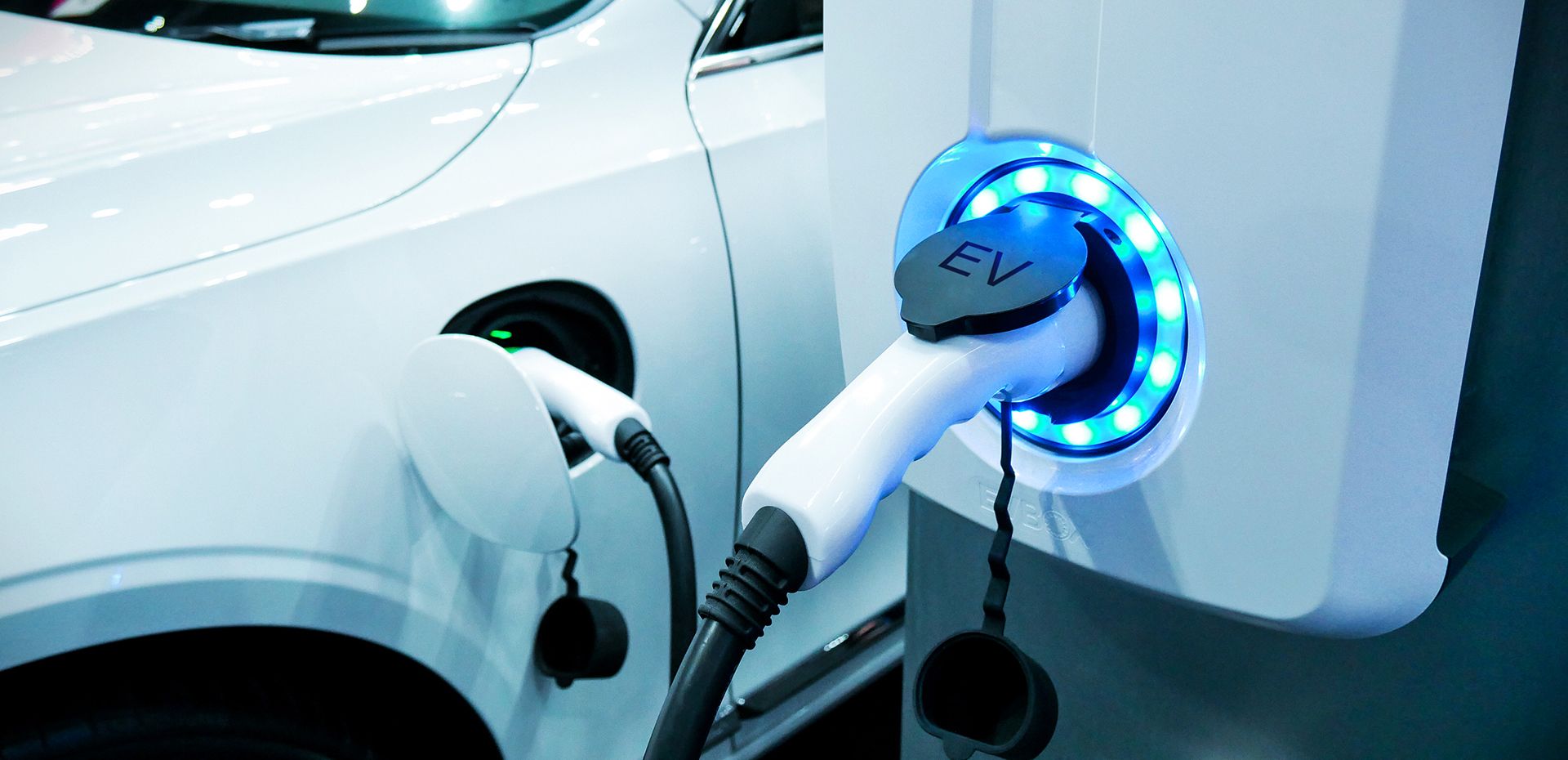
Behind Indonesia's recent EV push
EV prices in Indonesia are still high and there are concerns about infrastructure, but serious policymaking and private sector support can boost consumer adoption
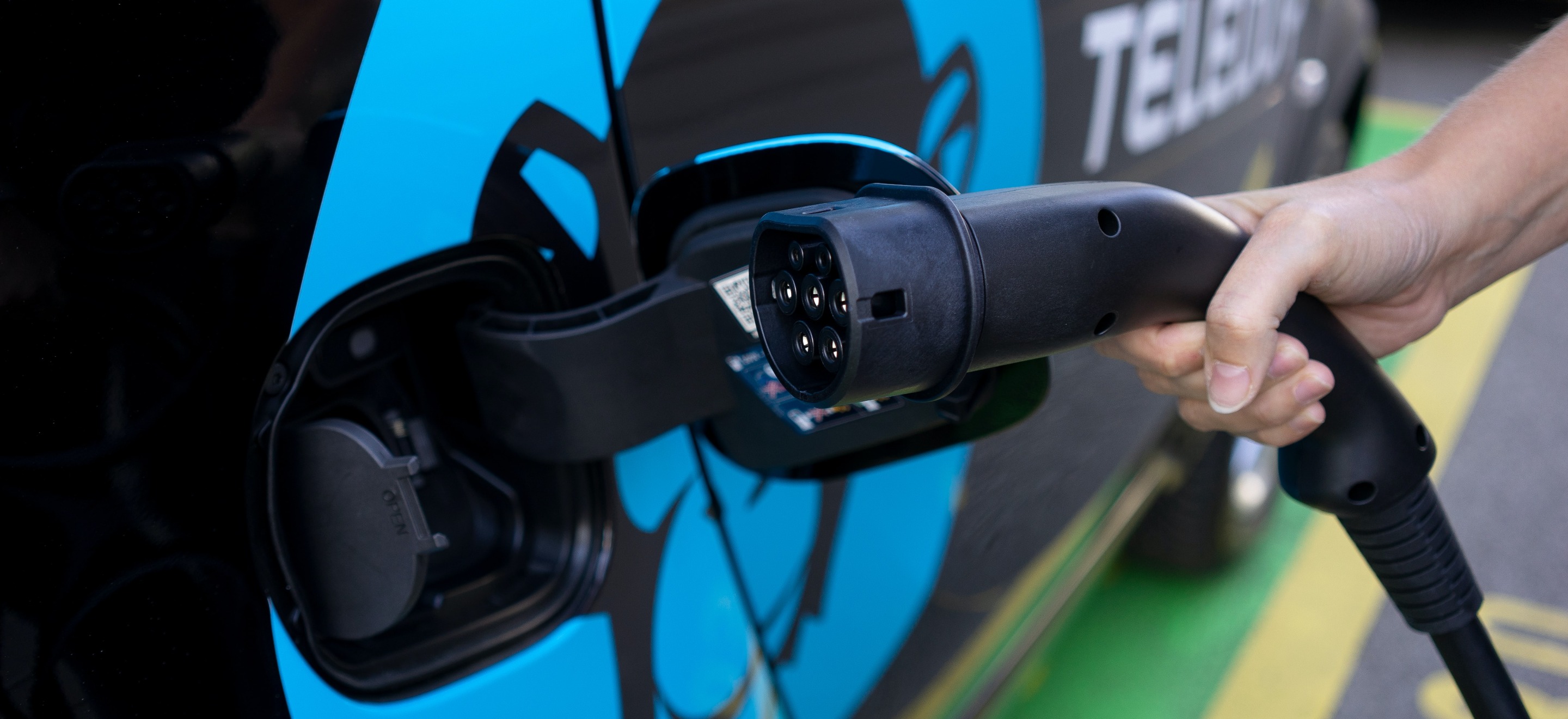
This EV maker caters to young consumers by making driving easier and more fun
Amongst all the players in China’s EV market, Xpeng Motors still stands out

HEMAV: World’s leading drone services company for agriculture
Now a global leader known for its industry-targeted software, HEMAV has expanded to 15 countries, working with utilities, farms and public bodies

Pony.ai repurposes its robotaxi fleet for last-mile delivery amid the Covid-19 pandemic
Pony.ai is seeking more ways to commercialize its versatile autonomous driving technology, transforming mobility and logistics
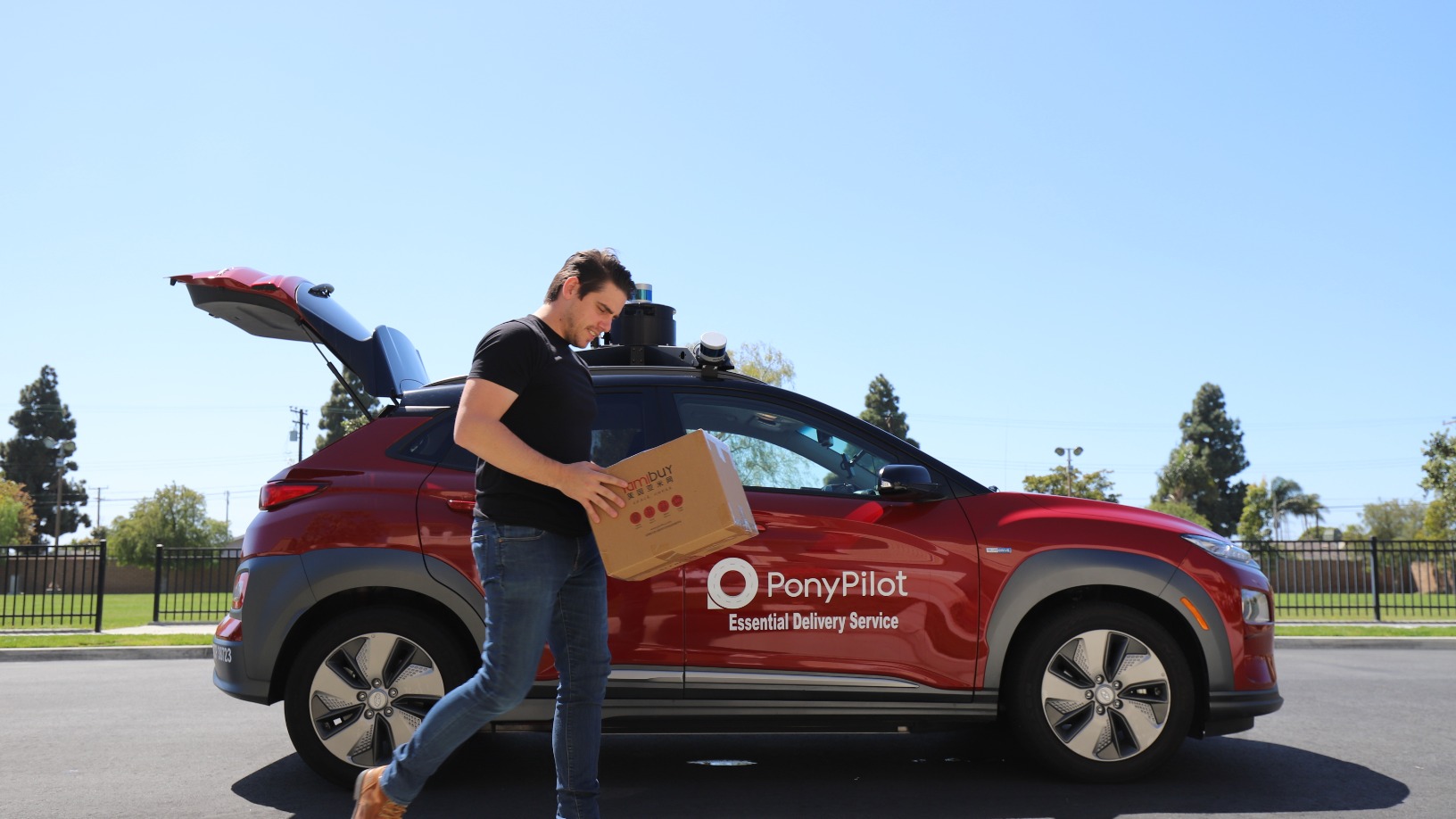
China bets on road-vehicle coordination for the mass adoption of autonomous driving cars by 2025
Money pours in as China pushes sector to be the next growth engine, and both self-driving startups and their investors are optimistic about their commercialization attempts

Consumers Trust: The company that gives consumers a voice
Consumers Trust has become Portugal's go-to company for customer complaint resolution; it is seeking funding to enable it to replicate its success in new markets
Bdeo: Using video intelligence to automate, speed up insurance claims handling and payouts
Insurtech SaaS Bdeo lets insurers process 70% of motor and property claims without human staff; targets Series A close by year-end

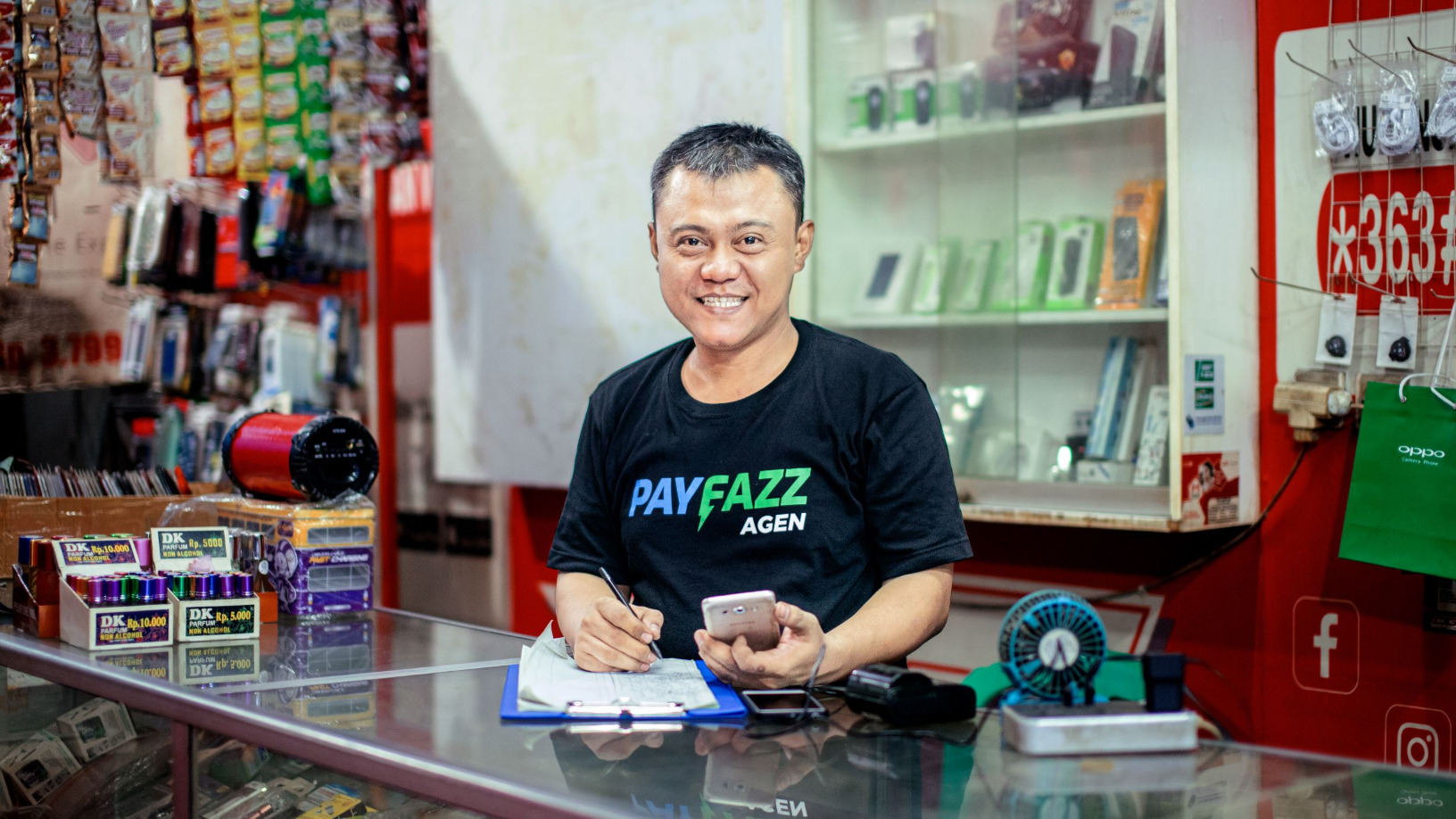
Payfazz aims to be Indonesia's first on-demand financial services company
Handling transactions averaging over IDR 1tn monthly, Payfazz hopes to bring the benefits of banking to all Indonesians
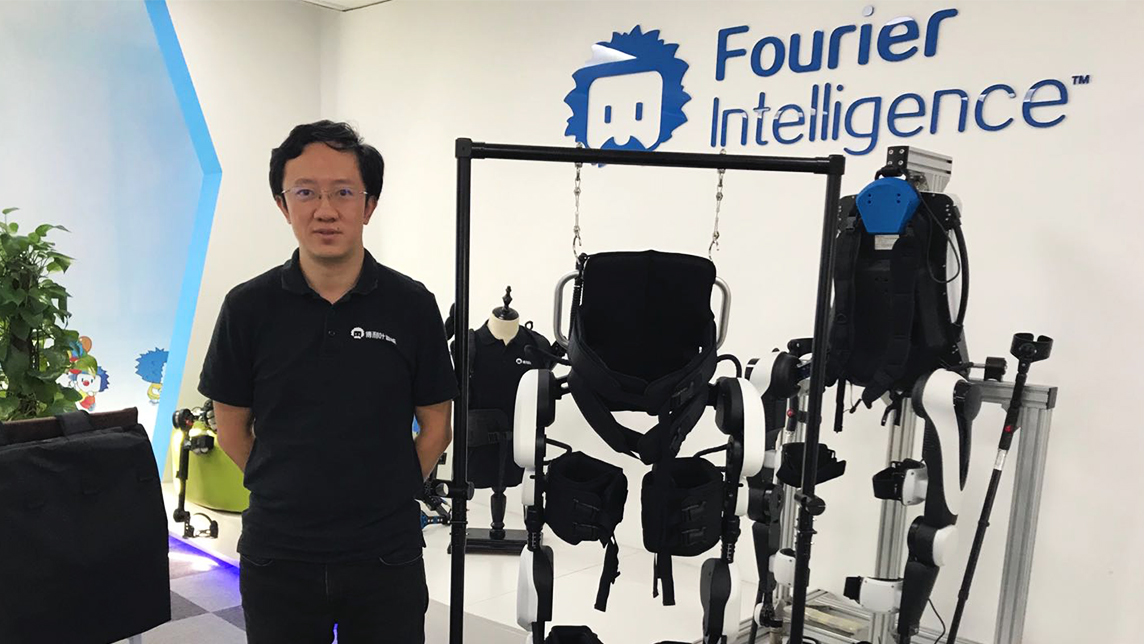
Fourier Intelligence: Quality rehabilitation robots at affordable prices
The startup has also launched an open-source platform to boost rehabilitation robotics and exoskeleton R&D and collaboration
Alén Space: Nanosatellite company targets contracts of over €2 million by 2020
Alén Space seeks funding of €1.5 million to accelerate plans to win a share of the global market of 2,600 small satellites to be launched by 2023

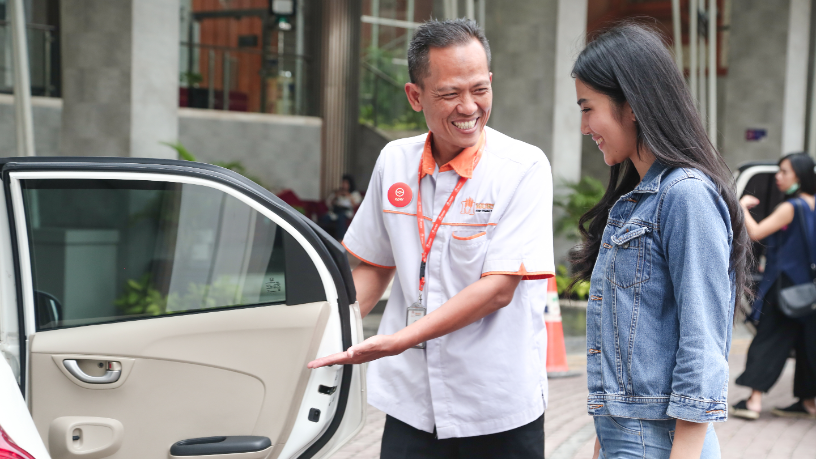
Oper Indonesia: On-demand drivers give car owners a break from endless traffic jams
Oper offers on-demand chauffeurs and car valets for stressed-out drivers and busy vehicle-owners
Wallbox’s bumper funding boosts Spain’s EV charging sector
Wallbox’s generic EV charging systems are sold in 40 countries, including the US and China; attracting major backers like Seaya Ventures, Spanish utility Iberdrola and US VC Endeavor

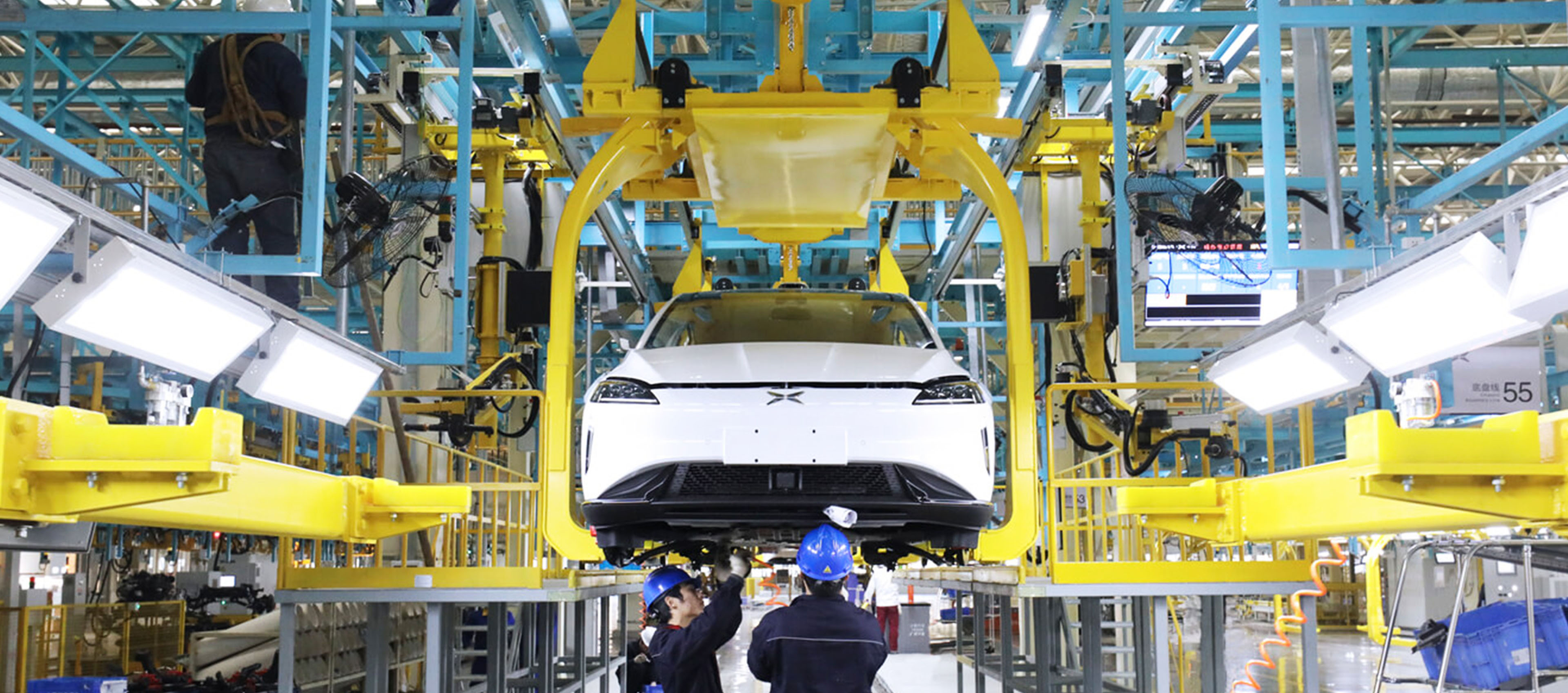
Chinese EV startups feel the heat as Tesla slashes prices, market subsidies ending
Tesla's recent price cuts and upcoming Shanghai plant for producing cheaper cars are increasing pressure on its Chinese rivals
Sorry, we couldn’t find any matches for “Yamaha Motor Company”.