Blue Bio Value
-
DATABASE (108)
-
ARTICLES (287)
Aavishkaar (‘invention’ in Hindi) was founded in 2001 as an early stage investor to help build sustainable enterprises in India’s underserved regions. Its VC portfolio, valued at over US$ 155 million, covers key industry sectors including sanitation, healthcare, agriculture and technology. Its Aavishkaar Frontier Fund was created in 2015 to invest in South and Southeast Asian countries like Indonesia, Pakistan and Bangladesh.


Aavishkaar (‘invention’ in Hindi) was founded in 2001 as an early stage investor to help build sustainable enterprises in India’s underserved regions. Its VC portfolio, valued at over US$ 155 million, covers key industry sectors including sanitation, healthcare, agriculture and technology. Its Aavishkaar Frontier Fund was created in 2015 to invest in South and Southeast Asian countries like Indonesia, Pakistan and Bangladesh.
Founded in 2001 with registered capital of RMB 50 million. Tangrong Capital manages more than RMB 3 billion in valued assets and focuses on the security market, private equity, real estate funds and accumulated resources from China and the overseas market.

Founded in 2001 with registered capital of RMB 50 million. Tangrong Capital manages more than RMB 3 billion in valued assets and focuses on the security market, private equity, real estate funds and accumulated resources from China and the overseas market.
Established in 2009, TCL Capital is the investment arm of TCL Corporation, which makes home appliances. TCL Capital has founded 12 venture capital funds in partnership with other stakeholders in China. Its assets under management are valued at billions of RMB. As of April 2017, it had invested in 76 startups, with an emphasis on display technology, high-end manufacturing, integrated circuits and high-end software services.
Established in 2009, TCL Capital is the investment arm of TCL Corporation, which makes home appliances. TCL Capital has founded 12 venture capital funds in partnership with other stakeholders in China. Its assets under management are valued at billions of RMB. As of April 2017, it had invested in 76 startups, with an emphasis on display technology, high-end manufacturing, integrated circuits and high-end software services.
Daniel Romy is the CEO of Investments at Media Digital Ventures, the first media fund dedicated to Media for Equity in Spain. With assets valued at €35 million, MDV supports startups through powerful marketing campaigns in return for equity. Romy is experienced in venture capital and crowdfunding, having worked as COO for three years at The Crowd Angel, a leading equity crowdfunding platform. He is also a member of the investment committee of Inveready First II SCR that manages assets worth €20 million.

Daniel Romy is the CEO of Investments at Media Digital Ventures, the first media fund dedicated to Media for Equity in Spain. With assets valued at €35 million, MDV supports startups through powerful marketing campaigns in return for equity. Romy is experienced in venture capital and crowdfunding, having worked as COO for three years at The Crowd Angel, a leading equity crowdfunding platform. He is also a member of the investment committee of Inveready First II SCR that manages assets worth €20 million.
Los Riscos de Pedrique is family-owned investment fund and business consultancy based in Madrid, Spain. Established in 2014, the company has assets valued at €35 million and is run by Maria del Valle de la Riva.

Los Riscos de Pedrique is family-owned investment fund and business consultancy based in Madrid, Spain. Established in 2014, the company has assets valued at €35 million and is run by Maria del Valle de la Riva.
China Renaissance offers private placement advisory, M&A advisory, securities underwriting, research, sales and trading, investment management and other financial services. It has clients in mainland China, Hong Kong and the United States as well as offices in Shanghai, Beijing, Hong Kong and New York. China Renaissance has facilitated more than 300 private financial transactions collectively valued at over US$20 billion.

China Renaissance offers private placement advisory, M&A advisory, securities underwriting, research, sales and trading, investment management and other financial services. It has clients in mainland China, Hong Kong and the United States as well as offices in Shanghai, Beijing, Hong Kong and New York. China Renaissance has facilitated more than 300 private financial transactions collectively valued at over US$20 billion.
Incorporated as Composite Capital Management (HK) Limited, the VC was founded in Hong Kong in January 2016 by David Ma who was a former partner at Hillhouse Capital Group that specializes in China-tech investments. Ma was at Hillhouse for seven years before founding Composite Capital that now manages total assets valued at RMB 3bn.

Incorporated as Composite Capital Management (HK) Limited, the VC was founded in Hong Kong in January 2016 by David Ma who was a former partner at Hillhouse Capital Group that specializes in China-tech investments. Ma was at Hillhouse for seven years before founding Composite Capital that now manages total assets valued at RMB 3bn.
Founded in Beijing in 2015, Frees Fund is an asset management company with a portfolio valued at RMB 3.6bn. Frees primarily invests in early-stage startups in diverse sectors including fintech, education, healthcare, entertainment, hardware, intelligent manufacturing and SaaS. The VC is incorporated as Shanghai Ziyou Investment Management Co Ltd.
Founded in Beijing in 2015, Frees Fund is an asset management company with a portfolio valued at RMB 3.6bn. Frees primarily invests in early-stage startups in diverse sectors including fintech, education, healthcare, entertainment, hardware, intelligent manufacturing and SaaS. The VC is incorporated as Shanghai Ziyou Investment Management Co Ltd.
Lighthouse Capital is a boutique investment bank established in 2014. The firm has helped to raise finance for over 75 companies, completing more than 120 private funding deals worth over $11bn in total. Its portfolio of companies is valued at over $100bn, including 19 with unicorn status.Lighthouse Capital also manages four PE funds, worth $250bn, targeted at companies in the growth and later stages in emerging sectors.
Lighthouse Capital is a boutique investment bank established in 2014. The firm has helped to raise finance for over 75 companies, completing more than 120 private funding deals worth over $11bn in total. Its portfolio of companies is valued at over $100bn, including 19 with unicorn status.Lighthouse Capital also manages four PE funds, worth $250bn, targeted at companies in the growth and later stages in emerging sectors.
Clime Capital is a clean energy-focused investment firm based in Singapore with a focus on early-stage companies. In June 2020, the VC launched the Southeast Asia Clean Energy Facility (SEACEF), a fund backed by philanthropic donors to support early-stage companies in commercializing clean energy solutions. The initial fund is valued at $10m. SEACEF’s first investment is in Xurya, an Indonesian startup providing solar power system leasing to commercial customers.
Clime Capital is a clean energy-focused investment firm based in Singapore with a focus on early-stage companies. In June 2020, the VC launched the Southeast Asia Clean Energy Facility (SEACEF), a fund backed by philanthropic donors to support early-stage companies in commercializing clean energy solutions. The initial fund is valued at $10m. SEACEF’s first investment is in Xurya, an Indonesian startup providing solar power system leasing to commercial customers.
Born in 1968, Jerry Yang is a Taiwanese-American billionaire computer programmer. After co-creating the Yahoo internet navigational guide in 1994, he co-founded the company Yahoo! Inc in 1995 with David Filo while both were studying at Stanford University. Yang did not complete his PhD in electrical engineering to become an entrepreneur “selling internet advertising”.Yang was Yahoo! CEO for almost two years until 2009, rejecting Microsoft’s takeover offer of $47.5bn in 2008. He eventually left the board in 2012 when he resigned due to strategic disagreements such as whether to sell all or part of the company. In 2016, Yahoo! completed the sale of its core operating business to Verizon for $5bn. Yang was also a board member of the Alibaba Group from 2006 to 2012. Yang met Jack Ma in 1997 when Ma was working as a government-employed tour guide. The former English teacher gave him a tour of the Great Wall of China. Ma went on to found Alibaba a few months after meeting Yang.After leaving Yahoo!, Yang founded AME Cloud Ventures to invest in multiple tech startups. As of November 2020, Yang’s net worth was valued at $2.3bn. In 2017, he and his wife pledged $25m to the Asian Art Museum in San Francisco, the largest gift in the museum's history.
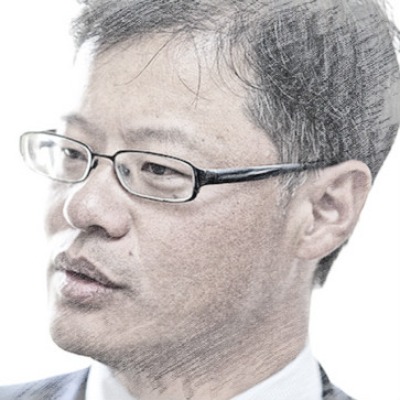
Born in 1968, Jerry Yang is a Taiwanese-American billionaire computer programmer. After co-creating the Yahoo internet navigational guide in 1994, he co-founded the company Yahoo! Inc in 1995 with David Filo while both were studying at Stanford University. Yang did not complete his PhD in electrical engineering to become an entrepreneur “selling internet advertising”.Yang was Yahoo! CEO for almost two years until 2009, rejecting Microsoft’s takeover offer of $47.5bn in 2008. He eventually left the board in 2012 when he resigned due to strategic disagreements such as whether to sell all or part of the company. In 2016, Yahoo! completed the sale of its core operating business to Verizon for $5bn. Yang was also a board member of the Alibaba Group from 2006 to 2012. Yang met Jack Ma in 1997 when Ma was working as a government-employed tour guide. The former English teacher gave him a tour of the Great Wall of China. Ma went on to found Alibaba a few months after meeting Yang.After leaving Yahoo!, Yang founded AME Cloud Ventures to invest in multiple tech startups. As of November 2020, Yang’s net worth was valued at $2.3bn. In 2017, he and his wife pledged $25m to the Asian Art Museum in San Francisco, the largest gift in the museum's history.
Based in New York City, Lerer Hippeau mainly invests in seed and early-stage startups based in the US. Founded in 2010 by managing partners Kenneth Lerer, Ben Lerer and Eric Hippeau, the VC operates several funds offering initial investments of $1m per startup. Kenneth Lerer is the co-founder of Huffington Post and longtime chairman of BuzzFeed. Hippeau was the CEO of Huffington Post and ex-managing partner of Softbank Capital that invested in Huffington Post.Its 400+ startups also get support for business growth by tapping into tech ecosystems like New York, San Francisco and Los Angeles. Its 80+ exits include Giphy (GIF) that was acquired by Facebook and home-fitness studio Mirror acquired by Lululemon. However, the IPO by portfolio company Bed-in-a-box online retailer Casper was below market expectations. The loss-making e-commerce unicorn went public at $12 a share in February 2020, closing at $13.50 on its first day out, for a market capitalization of less than half the $1.1 billion Casper was valued at in a private funding round in 2019.

Based in New York City, Lerer Hippeau mainly invests in seed and early-stage startups based in the US. Founded in 2010 by managing partners Kenneth Lerer, Ben Lerer and Eric Hippeau, the VC operates several funds offering initial investments of $1m per startup. Kenneth Lerer is the co-founder of Huffington Post and longtime chairman of BuzzFeed. Hippeau was the CEO of Huffington Post and ex-managing partner of Softbank Capital that invested in Huffington Post.Its 400+ startups also get support for business growth by tapping into tech ecosystems like New York, San Francisco and Los Angeles. Its 80+ exits include Giphy (GIF) that was acquired by Facebook and home-fitness studio Mirror acquired by Lululemon. However, the IPO by portfolio company Bed-in-a-box online retailer Casper was below market expectations. The loss-making e-commerce unicorn went public at $12 a share in February 2020, closing at $13.50 on its first day out, for a market capitalization of less than half the $1.1 billion Casper was valued at in a private funding round in 2019.
Baillee Gifford is a leading UK investment firm founded in Edinburgh in 1908. The firm is wholly owned by the partners, with its HQ in Edinburgh and offices in New York and London. A fourth office was opened in Hong Kong in 2015.Baillie Gifford was originally a law firm that switched to investments in 1909. Its first fund was The Straits Mortgage and Trust Company Limited that was set up to lend money to rubber planters in Asia. Clients include large US pension funds and international corporations in Japan and Australia. As of June 2020, assets under management were valued at £262bn.
Baillee Gifford is a leading UK investment firm founded in Edinburgh in 1908. The firm is wholly owned by the partners, with its HQ in Edinburgh and offices in New York and London. A fourth office was opened in Hong Kong in 2015.Baillie Gifford was originally a law firm that switched to investments in 1909. Its first fund was The Straits Mortgage and Trust Company Limited that was set up to lend money to rubber planters in Asia. Clients include large US pension funds and international corporations in Japan and Australia. As of June 2020, assets under management were valued at £262bn.
The Stanford Management Company (SMC) invests through the Merged Pool that oversees the majority of its investable assets. Its portfolio includes diverse equity-oriented strategies: domestic and foreign public equities (27%), real estate (8%), natural resources (7%) and private equity (30%). Private equity is maintained at 30% of the Merged Pool based on its risk-return criteria. The Merged Pool was valued at $29.6 bn as of June 30, 2019.The private equity division operates through selected external partners for early and later-stage investments. According to the university’s latest investment report, the SMC is working to improve its investment portfolio that has become over diversified during the last four years, making it difficult to maintain quality and drive superior returns. The number of active partners has been reduced to 75 including 37 new ones added in the last four years. The new partners have generated a net internal rate of return of 29.3% over the last four years.

The Stanford Management Company (SMC) invests through the Merged Pool that oversees the majority of its investable assets. Its portfolio includes diverse equity-oriented strategies: domestic and foreign public equities (27%), real estate (8%), natural resources (7%) and private equity (30%). Private equity is maintained at 30% of the Merged Pool based on its risk-return criteria. The Merged Pool was valued at $29.6 bn as of June 30, 2019.The private equity division operates through selected external partners for early and later-stage investments. According to the university’s latest investment report, the SMC is working to improve its investment portfolio that has become over diversified during the last four years, making it difficult to maintain quality and drive superior returns. The number of active partners has been reduced to 75 including 37 new ones added in the last four years. The new partners have generated a net internal rate of return of 29.3% over the last four years.
A UK-based investor founded in 2018, Haatch currently has 14 mainly UK and Ireland-based companies in its portfolio, valued in excess of $160m. It has launched two funds to date and typically makes investments from £100,000 to £300,000 and up to £2m for Series A or B rounds. Its most recent investments include a £470,000 seed round in VR training soft-skills provider Bodyswaps, an undisclosed seed round in virtual office workspace Re-Flow, and a £155,000 post-seed round in tech development team provider Deazy. In many cases, Haatch is the sole investor.

A UK-based investor founded in 2018, Haatch currently has 14 mainly UK and Ireland-based companies in its portfolio, valued in excess of $160m. It has launched two funds to date and typically makes investments from £100,000 to £300,000 and up to £2m for Series A or B rounds. Its most recent investments include a £470,000 seed round in VR training soft-skills provider Bodyswaps, an undisclosed seed round in virtual office workspace Re-Flow, and a £155,000 post-seed round in tech development team provider Deazy. In many cases, Haatch is the sole investor.
Portugal oceantech II: Single-minded efforts to build an ecosystem of international reference
With dedicated accelerators and investment programs, supported by the EU’s vote of confidence, Portugal appears on track to lead in oceantech

Futuralga: Circular economy model to turn seaweed into biodegradable plastic alternative
A Cádiz-based young startup is winning accolades for its eco-friendly bioplastic made from seaweed washed ashore
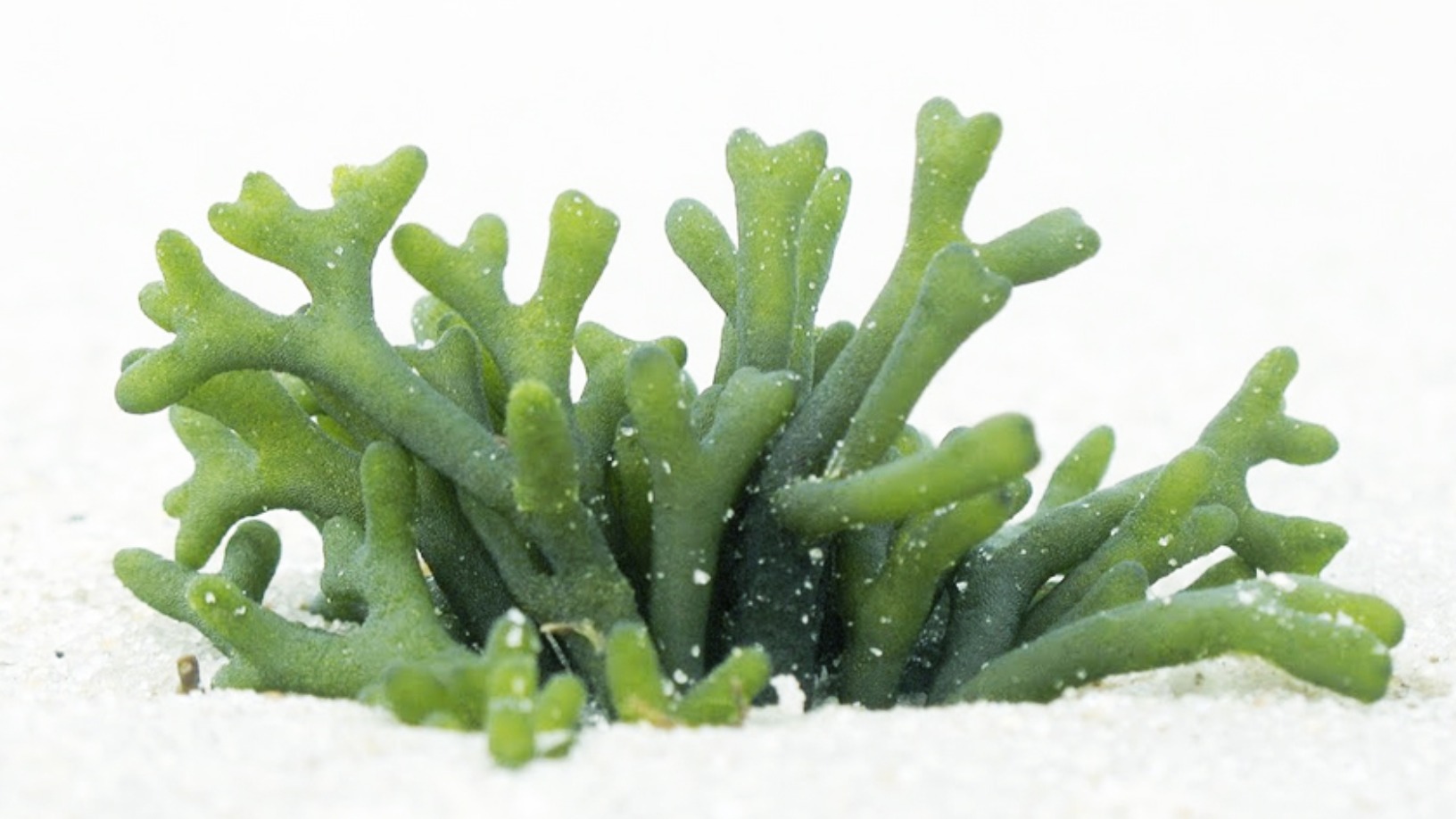
Yali Bio: Recreating a juicy steak in plant-based alternatives
Founded by the former head of Impossible Foods’ pilot plant, this Bay Area genomics and foodtech startup is one of the first to engineer a better fat for plant-based meat

Startup shutdown: Some takeaways from BlackGarlic’s demise
Meal subscription service BlackGarlic shut down in July, blaming the high costs of customer acquisition and retention. Here’s a look at why the Blue Apron copy couldn't satisfy the Indonesian market’s palate

Portugal looks to its marine heritage to create an oceantech leader
Portugal is tapping oceantech disruption to create new value out of its blue economy, with strong government push
Node: Fighting deforestation with fashionable footwear from agricultural waste
Using patented technology developed with Indonesia’s Ministry of Agriculture, Node turns farm waste and plant materials into biodegradable vegan footwear and shoe components to help fight deforestation.

Animal AgTech Innovation Summit 2021: Future of aquaculture in the US
With the US Importing over 85% of its seafood, industry experts examine how and why the country should develop a sustainable aquaculture industry
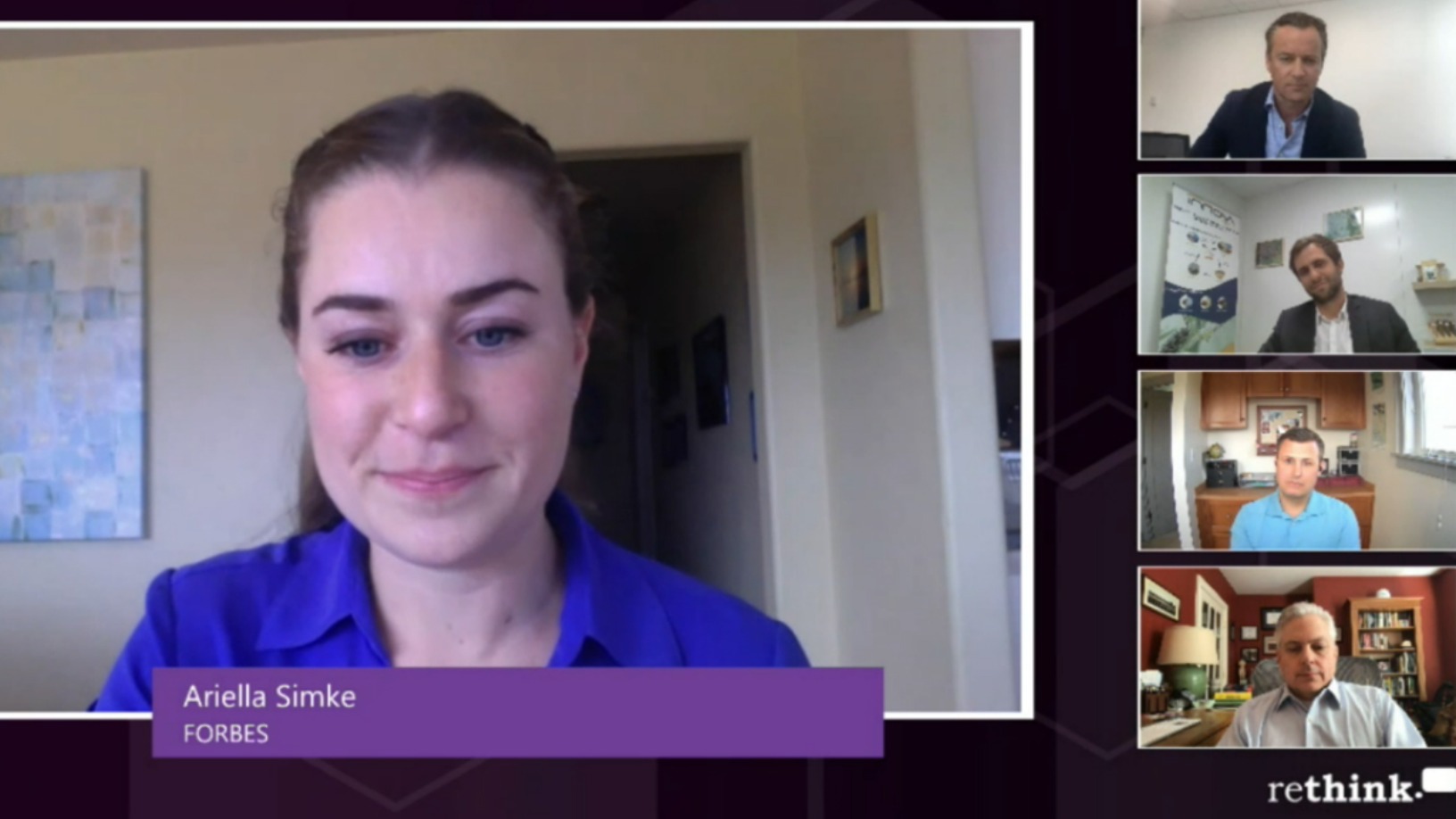
Future Food Asia 2021 announces finalists for $100,000 prize
Ten startups from agrifood tech and cleantech sectors will pitch during the five-day conference, are also eligible for two more prizes from sponsors Cargill and Thai Wah

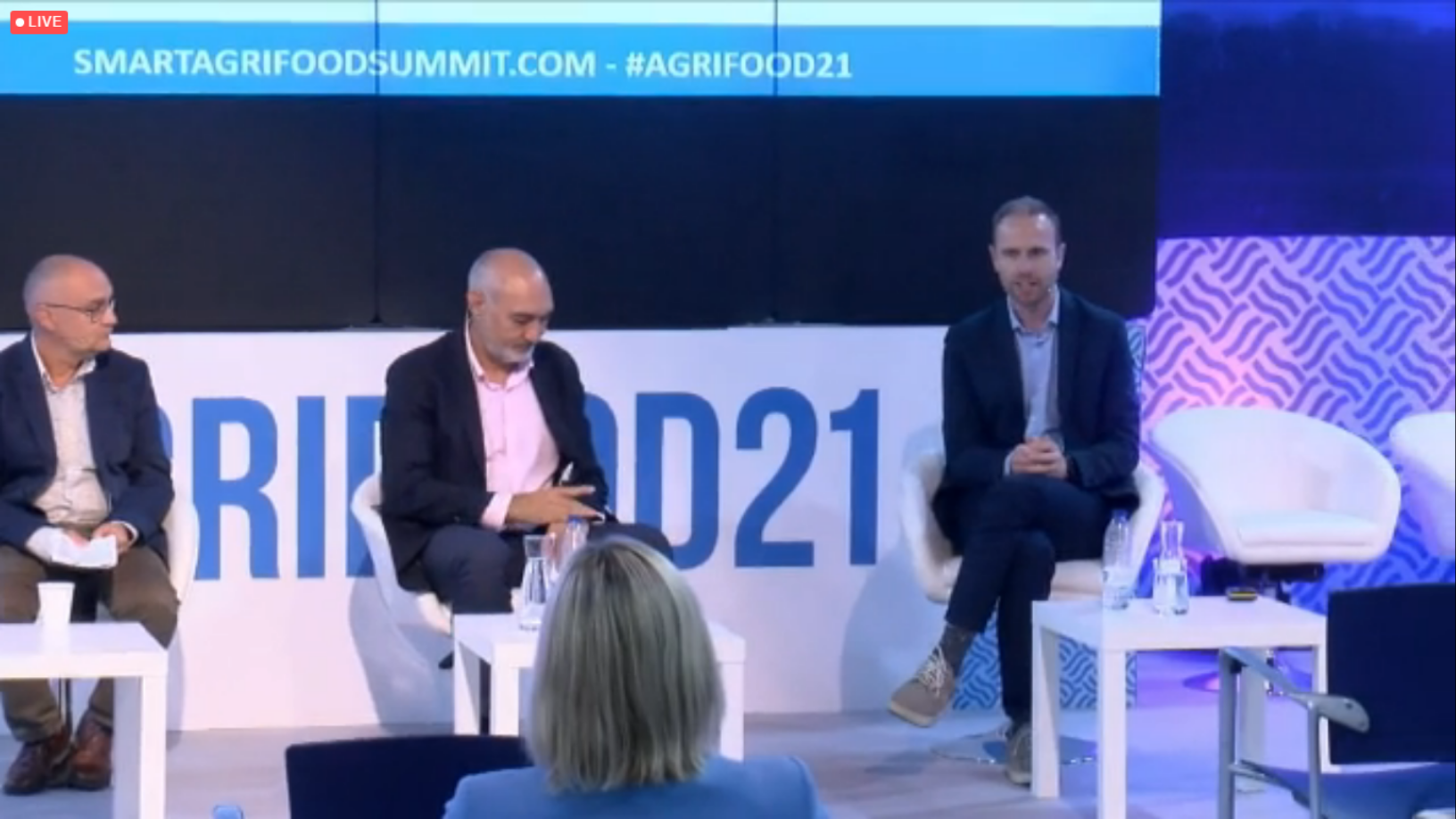
Smart Agrifood Summit 2021: A global innovation ecosystem is needed to catch up with other sectors
Investors from SVG Ventures/THRIVE, Pinduoduo and others agree that players must join forces to boost agrifood tech investment, internationally and across the value chain
String Bio: Asia's first startup to harness methane gas for protein production
Using bacteria to turn the harmful greenhouse gas into a purer form of protein, String Bio is raising Series B funding to scale production

Kantox: Value for corporates, headache for banks
Moving beyond its initial remit of currency exchange, Europe's fourth-fastest growing fintech Kantox has garnered awards and financial sector hostility as it differentiates itself in a crowded marketplace
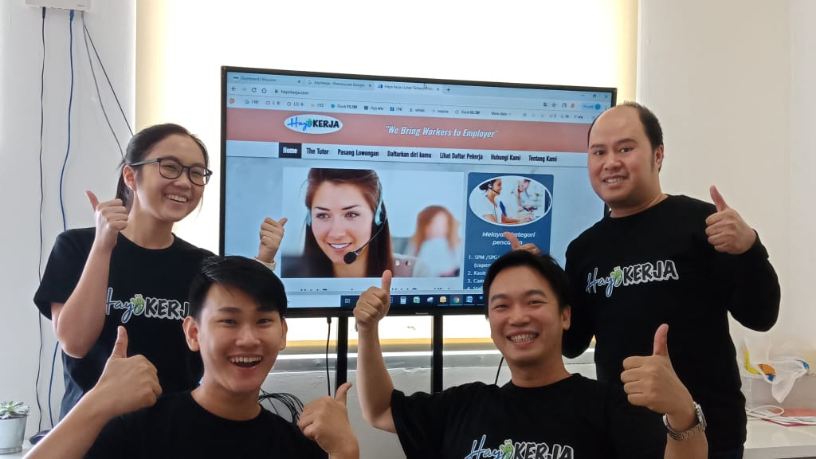
From Tekapedia to HayoKerja: How failure led to a less exciting business model – and success
Borrowing the e-commerce marketplace model, Tekapedia tried to match businesses with blue-collar hires, but it soon realized the sector had simpler needs
Xtrem Biotech, an agritech startup from Granada, seeks global expansion
With its research roots in the University of Granada, Xtrem Biotech was named one of the world's most innovative agtech spin-offs by accelerator TERRA Food & AgTech

Oceanium: Supporting sustainable seaweed farming
Scottish startup Oceanium has developed a proprietary biorefinery and processing model to create seaweed-based compostable materials, alt-protein ingredients and nutraceuticals for use across industry verticals

Chinapex: Maximizing the marketing value of customer data
The startup’s also creating a transparent and efficient industry environment for digital marketing in China
Sorry, we couldn’t find any matches for “Blue Bio Value”.
POPULAR DATABASE