Circular Design Challenge
-
DATABASE (187)
-
ARTICLES (321)
Co-founder, CTO of Bodyswaps
Tom Szirtes is co-founder and CTO at UK-based VR edtech for soft-skills training Bodyswaps, where he has worked since the start of 2020. Prior to that, he was managing director at London-based AR and VR design startup Mbryonic, where he worked for almost seven years. Before Mbryonic, he was project manager at Orange for almost three years, where he worked in gamification at the giant’s R&D lab in London.Szirtes also worked for six years at SEGA Europe in game development and as a developer and a contractor in other organizations. He holds a bachelor’s degree in Computer Science from the University of Bristol in the UK.

Tom Szirtes is co-founder and CTO at UK-based VR edtech for soft-skills training Bodyswaps, where he has worked since the start of 2020. Prior to that, he was managing director at London-based AR and VR design startup Mbryonic, where he worked for almost seven years. Before Mbryonic, he was project manager at Orange for almost three years, where he worked in gamification at the giant’s R&D lab in London.Szirtes also worked for six years at SEGA Europe in game development and as a developer and a contractor in other organizations. He holds a bachelor’s degree in Computer Science from the University of Bristol in the UK.
Co-founder, CEO of RatedPower
Andrea Barber is the Spanish co-founder and CEO of RatedPower, which produces software to automate the design of solar power plants. She has worked there since 2017. She is simultaneously co-founder and podcaster at Vostok 6, a Spanish podcast about women in business. Prior to RatedPower, Andrea spent six years working in business development at renewable energy company Solida, based largely in Brazil and Chile, where she had the idea for her later startup. She also spent time in Brazil at the Spanish Chamber of Business and Industry, and at Henkel in San Francisco, working in business intelligence and marketing. She holds a degree in Business Management from Carlos III University of Madrid.

Andrea Barber is the Spanish co-founder and CEO of RatedPower, which produces software to automate the design of solar power plants. She has worked there since 2017. She is simultaneously co-founder and podcaster at Vostok 6, a Spanish podcast about women in business. Prior to RatedPower, Andrea spent six years working in business development at renewable energy company Solida, based largely in Brazil and Chile, where she had the idea for her later startup. She also spent time in Brazil at the Spanish Chamber of Business and Industry, and at Henkel in San Francisco, working in business intelligence and marketing. She holds a degree in Business Management from Carlos III University of Madrid.
Myanmar’s first circular economy waste management and recycling marketplace is banking on blockchain and analytics to become a key player in Southeast Asia.

Myanmar’s first circular economy waste management and recycling marketplace is banking on blockchain and analytics to become a key player in Southeast Asia.
President and co-founder of Bluepha
Li Teng graduated in bioscience at Tsinghua University in 2011 and stayed on to complete a PhD in synthetic biology in 2016. He joined a SynBio project team to create PHA bioplastics during his postgrad research at university.Li was also the leader of Tsinghua University’s team that won a gold medal at the International Genetically Engineered Machine (iGEM) Design Competition. He met Zhang Haoqian at the iGEM giant jamboree in 2010 and they have remained friends ever since.Li and Zhang co-founded Bluepha in 2016, a spin-off from Tsinghua University’s SynBio research project. In 2018, Li was selected for MIT Technology Review’s list of Innovators under 35. In 2019, he was named one of the 40 Chinese business elites under 40.

Li Teng graduated in bioscience at Tsinghua University in 2011 and stayed on to complete a PhD in synthetic biology in 2016. He joined a SynBio project team to create PHA bioplastics during his postgrad research at university.Li was also the leader of Tsinghua University’s team that won a gold medal at the International Genetically Engineered Machine (iGEM) Design Competition. He met Zhang Haoqian at the iGEM giant jamboree in 2010 and they have remained friends ever since.Li and Zhang co-founded Bluepha in 2016, a spin-off from Tsinghua University’s SynBio research project. In 2018, Li was selected for MIT Technology Review’s list of Innovators under 35. In 2019, he was named one of the 40 Chinese business elites under 40.
Beta-i was established in 2010 as a Portuguese accelerator, incubator and event organizer to boost the Portuguese tech ecosystem. Beta-i is well-known for organizing some of Portugal's most successful accelerators and the annual tech startup event Lisbon Investment Summit. In 2019, it made its first investment in a startup Didimo by joining the seed round for the 3D digital twin designer platform.The company's best known acceleration program Lisbon Challenge is a twice yearly event open to all tech sectors, attracting around 10 participants based in Portugal and overseas. Its two-month programs have accelerated more than 200 startups, with about 75% coming from abroad. Beta-i also organizes the international energy accelerator Free Electrons, with EDP as one of its sponsors. Free Electrons has already accelerated 27 startups and is now running its third edition with 15 startups, five of which are Portugal-based. All the selected participants will have the chance to work for one year with at least one of the 10 global energy utilities that form the Free Electrons consortium. Another Beta-i event is The Journey, the first accelerator in Portugal dedicated to tourism tech startups from all over the world. Launched in partnership with the government's Portugal Tourism in 2017, the Lisbon-based program is part of the national Tourism 4.0 plan. The five-month program is now in its third edition and gives successful applicants the opportunity to develop pilot projects with Portuguese companies like the Vila Galé hotel chain, Barraqueiro transport company and Parques de Sintra, a UNESCO World Heritage site.
Beta-i was established in 2010 as a Portuguese accelerator, incubator and event organizer to boost the Portuguese tech ecosystem. Beta-i is well-known for organizing some of Portugal's most successful accelerators and the annual tech startup event Lisbon Investment Summit. In 2019, it made its first investment in a startup Didimo by joining the seed round for the 3D digital twin designer platform.The company's best known acceleration program Lisbon Challenge is a twice yearly event open to all tech sectors, attracting around 10 participants based in Portugal and overseas. Its two-month programs have accelerated more than 200 startups, with about 75% coming from abroad. Beta-i also organizes the international energy accelerator Free Electrons, with EDP as one of its sponsors. Free Electrons has already accelerated 27 startups and is now running its third edition with 15 startups, five of which are Portugal-based. All the selected participants will have the chance to work for one year with at least one of the 10 global energy utilities that form the Free Electrons consortium. Another Beta-i event is The Journey, the first accelerator in Portugal dedicated to tourism tech startups from all over the world. Launched in partnership with the government's Portugal Tourism in 2017, the Lisbon-based program is part of the national Tourism 4.0 plan. The five-month program is now in its third edition and gives successful applicants the opportunity to develop pilot projects with Portuguese companies like the Vila Galé hotel chain, Barraqueiro transport company and Parques de Sintra, a UNESCO World Heritage site.
Business Developer and Founder of The Beemine Lab
Telmo Güell is a young entrepreneur responsible for the business development of The Beemine Lab, the first biotechnology company in Spain to produce cannabidiol-based cosmetics. He founded the company in 2018. Güell started his studies in Philosophy but he soon realized he was more fascinated by design and computer programming and so chose to specialize in JavaScript Fullstack and UX. Passionate about bees, he decided to start a project that would support beekeeping and address the risk of bee extinction. By combining bees with the cannabis plant, he founded The Beemine Lab, using bees to pollinate cannabis plants and cannabis pollen to sustain populated beehives.The Beemine Lab products are today sold in pharmacies, para-pharmacies and via Amazon Spain, as well as on the company’s e-commerce page.
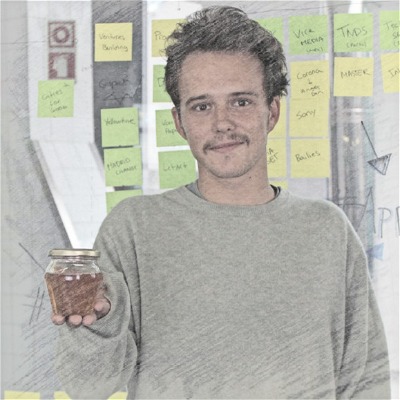
Telmo Güell is a young entrepreneur responsible for the business development of The Beemine Lab, the first biotechnology company in Spain to produce cannabidiol-based cosmetics. He founded the company in 2018. Güell started his studies in Philosophy but he soon realized he was more fascinated by design and computer programming and so chose to specialize in JavaScript Fullstack and UX. Passionate about bees, he decided to start a project that would support beekeeping and address the risk of bee extinction. By combining bees with the cannabis plant, he founded The Beemine Lab, using bees to pollinate cannabis plants and cannabis pollen to sustain populated beehives.The Beemine Lab products are today sold in pharmacies, para-pharmacies and via Amazon Spain, as well as on the company’s e-commerce page.
Co-founder, CTO of Visualfy
Angel Albiach Ruiz is the Spanish co-founder and CTO of Visualfy, the first hardware and app employing AI-enhanced sound recognition for the autonomy of the deaf, where he has worked since 2017. Prior to this, he was co-founder and co-manager at the startup’s forerunner, Valencia-based Fusió d'Arts Technology, a communications agency for the disabled from 2011 until its pivot into Visualfy. Before that, Albiach was founder and manager of his IT and company administration agency GX Informatica from 2007–2011. He previously worked as a technician in different firms in the Valencia region. Albiach has studied software development, webpage design, and hardware repair and maintenance at different Valencian colleges. He is a certified Scrum Master and is fluent in Spanish sign language.

Angel Albiach Ruiz is the Spanish co-founder and CTO of Visualfy, the first hardware and app employing AI-enhanced sound recognition for the autonomy of the deaf, where he has worked since 2017. Prior to this, he was co-founder and co-manager at the startup’s forerunner, Valencia-based Fusió d'Arts Technology, a communications agency for the disabled from 2011 until its pivot into Visualfy. Before that, Albiach was founder and manager of his IT and company administration agency GX Informatica from 2007–2011. He previously worked as a technician in different firms in the Valencia region. Albiach has studied software development, webpage design, and hardware repair and maintenance at different Valencian colleges. He is a certified Scrum Master and is fluent in Spanish sign language.
An affordable Software as a Service (SaaS) application that helps small and medium-sized enterprises manage their most valuable asset: their workforce.

An affordable Software as a Service (SaaS) application that helps small and medium-sized enterprises manage their most valuable asset: their workforce.
CEO and co-founder of Modulous Tech
Chris Bone is co-founder and CEO at UK-based Modulous, the first end-to-end generative design and delivery solution for affordable, sustainable and modulized housing, where he has worked since 2018. He is simultaneously director and co-founder at engineering consultancy Optimise, based in London and Dubai, where he has worked since 2012 and where the concept for Modulous was conceived. Prior to these, Bone was CEO at engineering company Bone Steel from 2008-10, founder and director at Globalsport from 2005-8, and founder and managing director at Safe Consulting, part of engineering consultancy WhitbyBird from 1999-2004. His experience has included working on major projects, including Wembley Stadium, BBC Broadcasting House and the Royal Ballet School, as well as designing a process for automating fire protection for steel buildings.

Chris Bone is co-founder and CEO at UK-based Modulous, the first end-to-end generative design and delivery solution for affordable, sustainable and modulized housing, where he has worked since 2018. He is simultaneously director and co-founder at engineering consultancy Optimise, based in London and Dubai, where he has worked since 2012 and where the concept for Modulous was conceived. Prior to these, Bone was CEO at engineering company Bone Steel from 2008-10, founder and director at Globalsport from 2005-8, and founder and managing director at Safe Consulting, part of engineering consultancy WhitbyBird from 1999-2004. His experience has included working on major projects, including Wembley Stadium, BBC Broadcasting House and the Royal Ballet School, as well as designing a process for automating fire protection for steel buildings.
Chief Revenue Officer and co-founder of Modulous Tech
Markus Cosmann is co-founder and Chief Revenue Officer at UK-based Modulous, the first end-to-end generative design and delivery solution for affordable, sustainable and modulized housing, where he has worked since 2018. He was simultaneously a director at engineering consultancy Optimise, based in London and Dubai, until 2020, where he had worked since 2012, and where the concept for Modulous was conceived. His construction project credits include the Oslo National Museum and the German and Swiss Pavilions at Dubai Expo 2020. He previously worked in management for six and a half years in Copenhagen at Danish civil engineering company Ramboll, and has an extensive background in fire engineering in his native Germany and the UK, both in research and commercial projects. Cosmann is a certified civil engineer, graduating from the Ruhr University Bochum in Germany.

Markus Cosmann is co-founder and Chief Revenue Officer at UK-based Modulous, the first end-to-end generative design and delivery solution for affordable, sustainable and modulized housing, where he has worked since 2018. He was simultaneously a director at engineering consultancy Optimise, based in London and Dubai, until 2020, where he had worked since 2012, and where the concept for Modulous was conceived. His construction project credits include the Oslo National Museum and the German and Swiss Pavilions at Dubai Expo 2020. He previously worked in management for six and a half years in Copenhagen at Danish civil engineering company Ramboll, and has an extensive background in fire engineering in his native Germany and the UK, both in research and commercial projects. Cosmann is a certified civil engineer, graduating from the Ruhr University Bochum in Germany.
Product Manager and co-founder of SigmaRail
Mario Fernández Marín is Co-founder of railway consultancy firm SigmaRail and is also its product manager. From 2004 to 2008, Fernández undertook internships at several Spanish and French enterprises including Unión Fenosa, Dusco-SesameTV, Groupe Assonance and IRCICA. He was a research engineer at the Polytechnic University of Madrid before joining Airbus in 2009, where he working at both its Paris and Madrid operations. He later became Lead Design Engineer at both Siemens and Thales for three years. Fernández is a telecommunications engineering graduate of the Polytechnic University of Madrid.

Mario Fernández Marín is Co-founder of railway consultancy firm SigmaRail and is also its product manager. From 2004 to 2008, Fernández undertook internships at several Spanish and French enterprises including Unión Fenosa, Dusco-SesameTV, Groupe Assonance and IRCICA. He was a research engineer at the Polytechnic University of Madrid before joining Airbus in 2009, where he working at both its Paris and Madrid operations. He later became Lead Design Engineer at both Siemens and Thales for three years. Fernández is a telecommunications engineering graduate of the Polytechnic University of Madrid.
Co-founder of SigmaRail
Jorge López Sánchez is a co-founder of railway consultancy firm SigmaRail. Focused on the railway sector since the beginning his career, he started as an intern at railway technology R&D center CITEF. He was later Alstom's automatic train control leader until 2011 and NSW's technical manager until 2016. López holds a first degree in Industrial and Mechanical Engineering and a PhD in Electromagnetic Compatibility, both from the Polytechnic University of Madrid. He also holds a degree in the design and set up of solar-powered facilities from the Censolar professional training center in Seville.

Jorge López Sánchez is a co-founder of railway consultancy firm SigmaRail. Focused on the railway sector since the beginning his career, he started as an intern at railway technology R&D center CITEF. He was later Alstom's automatic train control leader until 2011 and NSW's technical manager until 2016. López holds a first degree in Industrial and Mechanical Engineering and a PhD in Electromagnetic Compatibility, both from the Polytechnic University of Madrid. He also holds a degree in the design and set up of solar-powered facilities from the Censolar professional training center in Seville.
CEO and Founder of Onesight
Luo Feng earned his bachelor's degree in Architecture from Zhejiang University from 2007 to 2012. After graduation, he worked as an architect for five years at architectural design firms HYP and UC. In 2016, he and two others co-founded Bumie Tech to bring digitization to the construction industry; the startup was subsequently acquired. He started his MBA study in 2017 at Fudan University. In 2018, he set up Onesight with the same two co-founders that he started Bumie Tech with, further developing the concepts and ideas of Bumie Tech. He has served as Onesight's CEO since then.

Luo Feng earned his bachelor's degree in Architecture from Zhejiang University from 2007 to 2012. After graduation, he worked as an architect for five years at architectural design firms HYP and UC. In 2016, he and two others co-founded Bumie Tech to bring digitization to the construction industry; the startup was subsequently acquired. He started his MBA study in 2017 at Fudan University. In 2018, he set up Onesight with the same two co-founders that he started Bumie Tech with, further developing the concepts and ideas of Bumie Tech. He has served as Onesight's CEO since then.
Founder, CEO of Satelligence
Niels Wielaard is the Dutch CEO, founder and co-owner of Satelligence, a SaaS platform using satellite data and AI to help corporates improve their supply chain sustainability and track environmental risks. Before founding Satelligence in 2016, he spent 14 years at earth-monitoring company SarVision, which is a spin-off of Wageningen University in Utrecht, where he was a senior project manager and, previously, a remote sensing and geo-information specialist. Wielaard holds a master’s in Forestry from Wageningen University and has always been passionate about forest sustainability. His other work experience includes one year as a GIS research analyst at another Utrecht-based initiative, the Copernicus Institute of Sustainable Development, as part of a post-master’s research project developing a new mapping methodology for the design of biological corridors. He also completed stints during his studies working on pilot forestry-based carbon offset projects at an NGO and in forest certification research for the Dutch space agency, Space Netherlands.

Niels Wielaard is the Dutch CEO, founder and co-owner of Satelligence, a SaaS platform using satellite data and AI to help corporates improve their supply chain sustainability and track environmental risks. Before founding Satelligence in 2016, he spent 14 years at earth-monitoring company SarVision, which is a spin-off of Wageningen University in Utrecht, where he was a senior project manager and, previously, a remote sensing and geo-information specialist. Wielaard holds a master’s in Forestry from Wageningen University and has always been passionate about forest sustainability. His other work experience includes one year as a GIS research analyst at another Utrecht-based initiative, the Copernicus Institute of Sustainable Development, as part of a post-master’s research project developing a new mapping methodology for the design of biological corridors. He also completed stints during his studies working on pilot forestry-based carbon offset projects at an NGO and in forest certification research for the Dutch space agency, Space Netherlands.
A mobile application where it’s free and fun to express yourself through selfies, as well as meet and chat with likeminded friends before dating.

A mobile application where it’s free and fun to express yourself through selfies, as well as meet and chat with likeminded friends before dating.
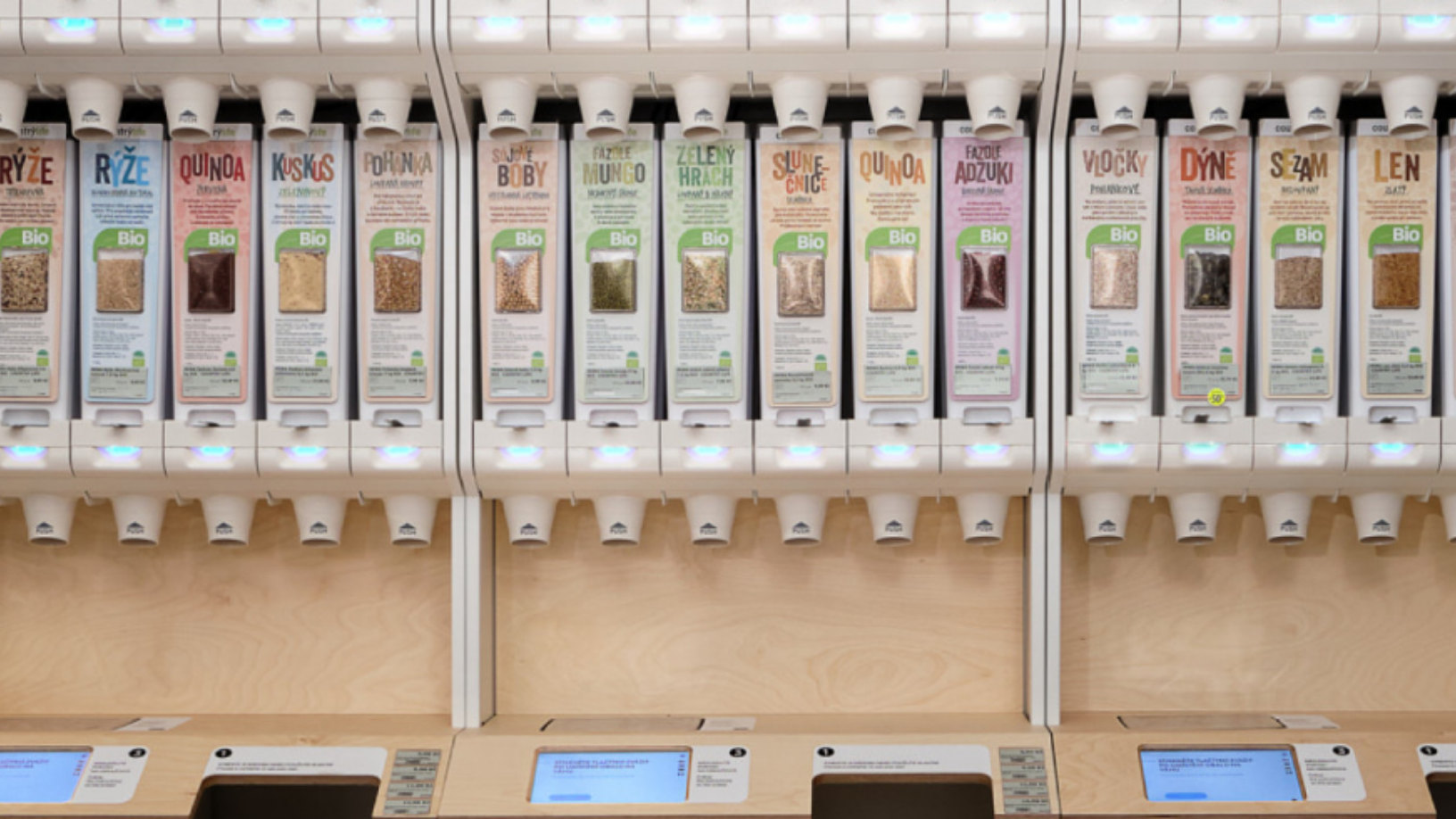
MIWA Technologies: Reducing food waste and packaging with smart refill vending system
MIWA’s solution lets consumers buy exact refill quantities in personalized containers, eradicating need for single-use plastics throughout the supply chain
SWITCH Singapore: Embracing a circular economy, the whys and the hows
Its benefits for the environment aside, going circular could also lead to new economic growth, better public health and higher value-add employment, experts say
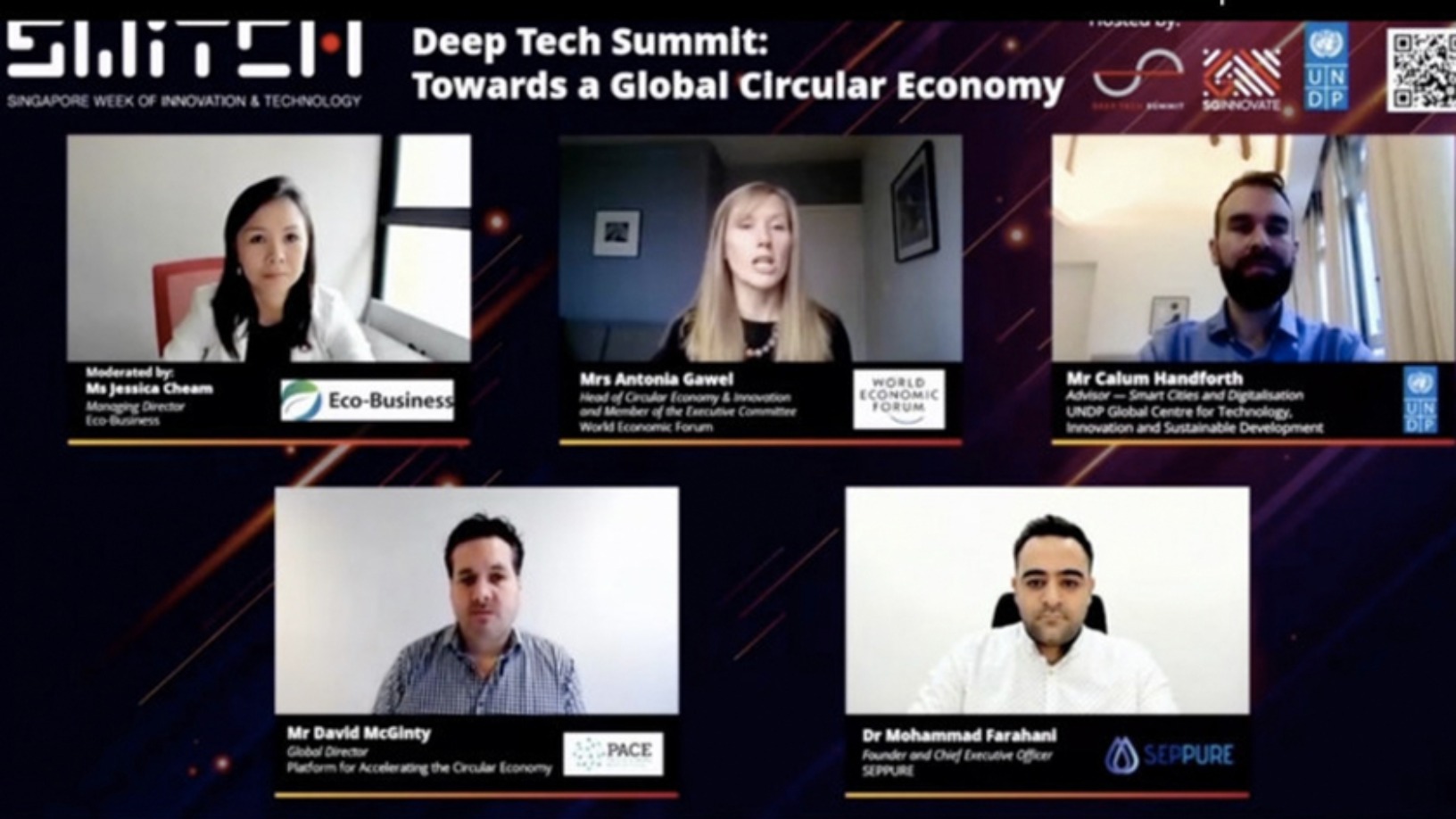
Circular economy: Discarded goods get a new lease of life in Spain
From e-chargers inside phone booths, recycling chatbots to refurbished stadium seats from Atlético Madrid, the offbeat magic of the circular economy is fast becoming a lucrative business in Spain

MatMap: Making the construction sector more sustainable
Alicante-based startup MatMap gives a second lease of life to used construction materials that account for almost a third of EU waste

Huidu Environmental: Creating a circular economy to ease online retail's parcel waste woes
China's billion-dollar courier industry finds much-needed solution in Huidu's eco-friendly, low-cost boxes and smart recycling system

Biomede: Harnessing plants’ natural attributes to decontaminate soil
The Lyon-based startup says using plants to remove harmful metals from the earth is a sustainable, cost-effective green alternative to decontaminate soil in agricultural or urban environments

Tezign, where design meets technology
By building a bridge between creative talents and enterprises, this Chinese startup is providing designers with more work opportunities
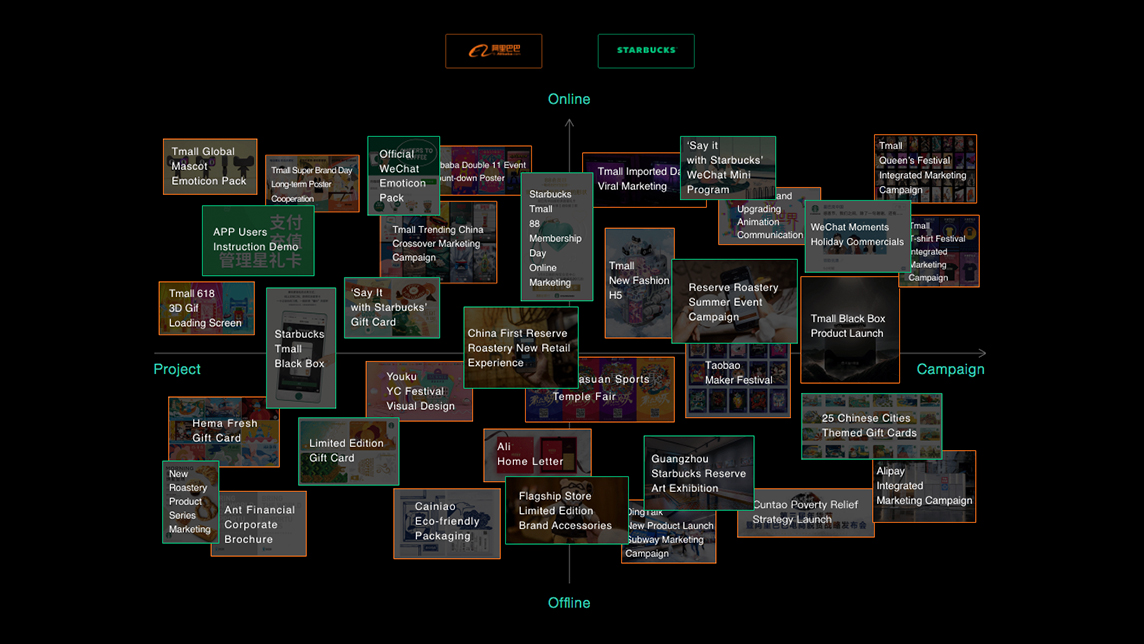
Beyond Leather Materials: Turning apples into alt-leather for sustainable fashion
Through its Leap brand, the Danish startup cuts food waste by turning apples junked in cider factories into affordable vegan leather for the $100bn leather market

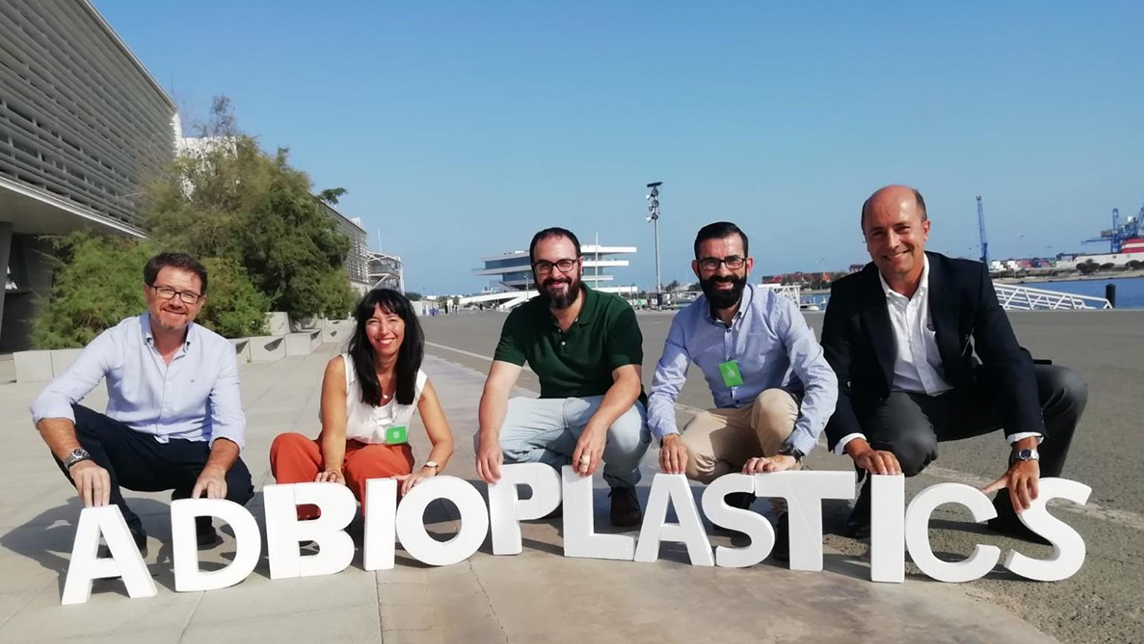
ADBioplastics primed to help EU manufacturers transition to circular economy
ADBioplastics has developed a biodegradable and compostable bioplastic additive for use in food packaging and is seeking up to €5m in funding
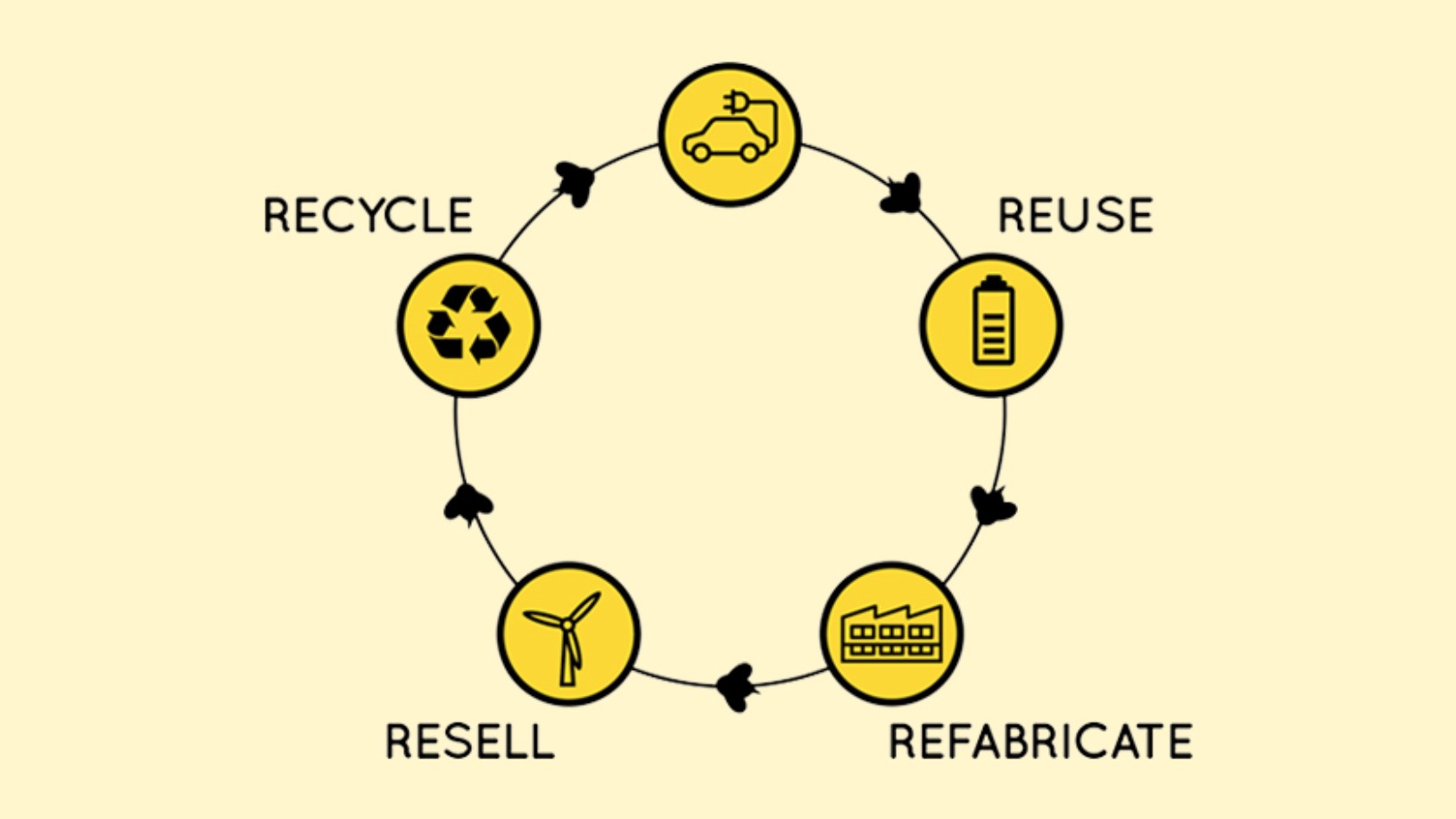
BeePlanet Factory: Recycling EV batteries as a sustainable, profitable business
With 4kWh–200kWh residential and industrial battery packs, the Pamplona-based startup wants to scale its energy storage solutions in the agri-food sector, camping sites and mountain huts
Wondaswim recycles dumped fishing nets to make sustainable swimwear, reduce ocean pollution
Lisbon-based startup by German co-founders creates sustainable swimwear for all body sizes, targeted at millennials
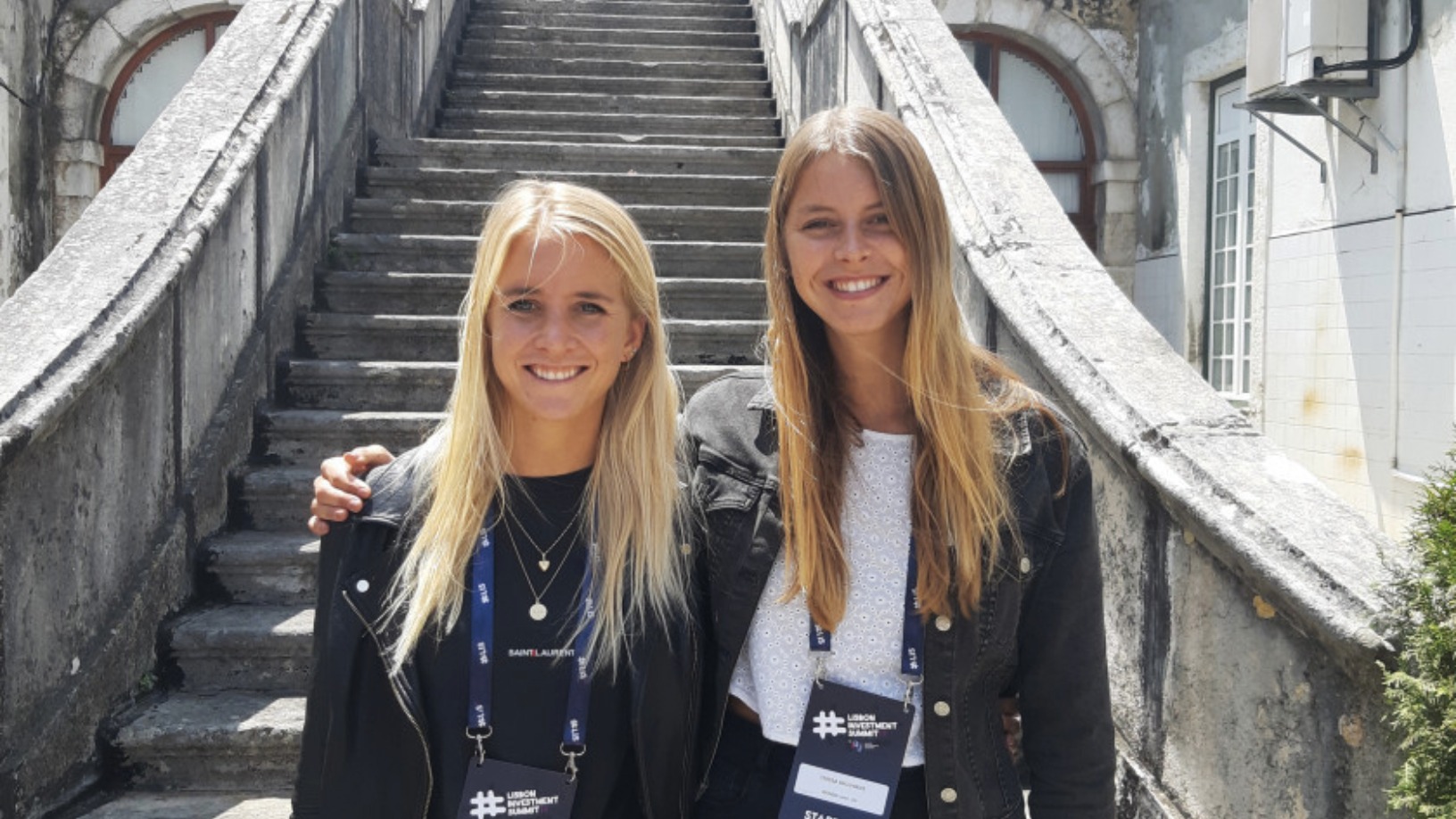
RecyGlo, Myanmar's first circular economy waste management system, targets regional growth
Turning trash into cash, Yangon-based recycling pioneer RecyGlo wants to extend its zero-waste circular economy model to the rest of Southeast Asia

String Bio: Asia's first startup to harness methane gas for protein production
Using bacteria to turn the harmful greenhouse gas into a purer form of protein, String Bio is raising Series B funding to scale production

Spain’s 100% renewable energy goal: How its startup ecosystem is rising to the challenge
Energy majors and public entities are backing renewable energy startups in the country's bet on the Green Economy

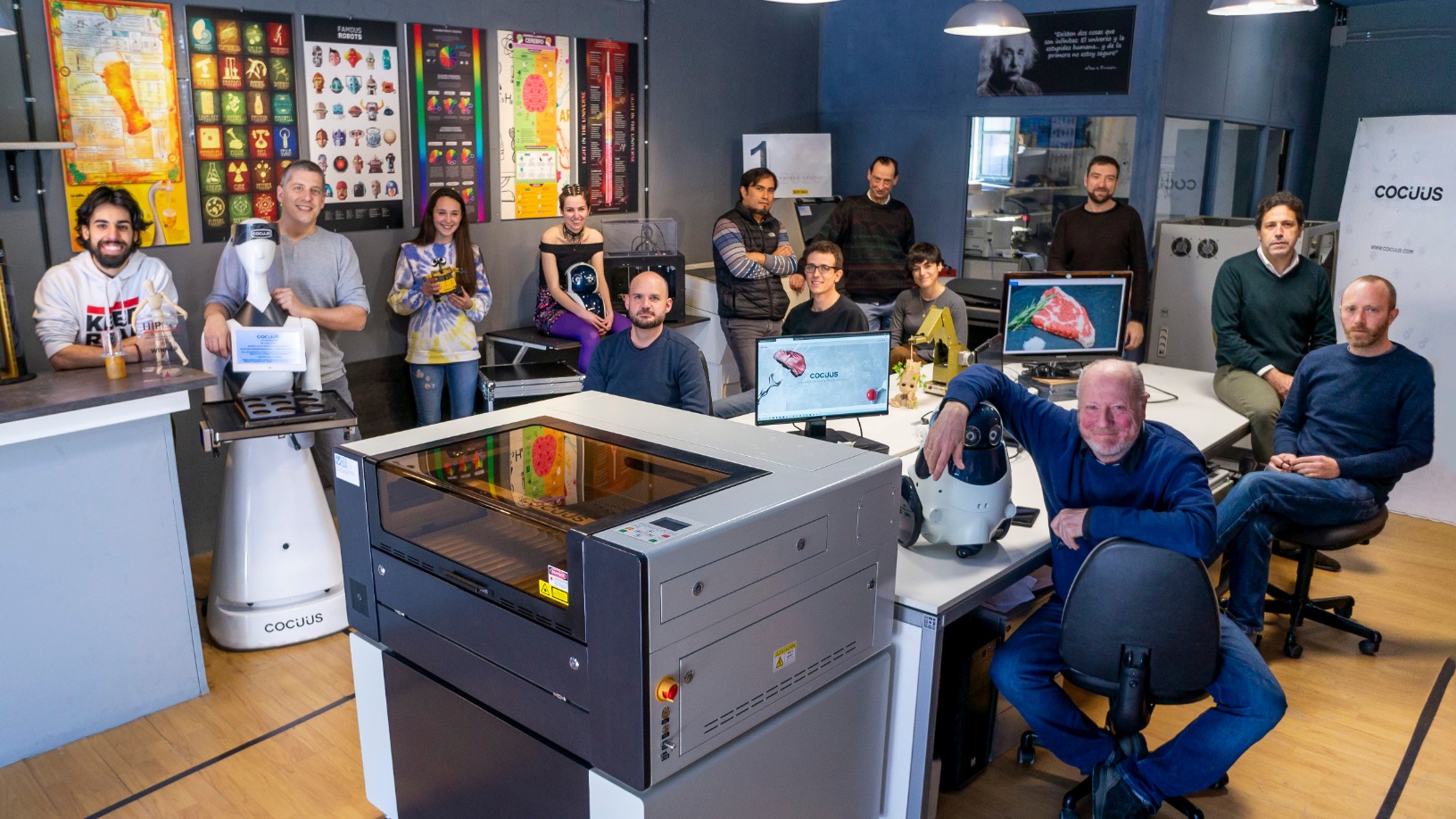
Cocuus: Industrial-scale solutions to design and print food
This Spanish startup is pioneering industrial-scale 3D food printing using inkjet and laser technology that prints up to 30 times faster with eye-catching food designs
Sorry, we couldn’t find any matches for “Circular Design Challenge”.