Palex Medical
-
DATABASE (104)
-
ARTICLES (95)
Co-founder of Meatable
Mark Kotter is the Austrian co-founder at Dutch cell-based meat startup Meatable, the first to use pluripotent stem cells and claim a highly scalable culture technology, which was developed by Kotter prior to founding the startup in 2018. He is also founder at his biotech startup, bit.bio, which is based in Cambridge, UK, since 2016, where he applies his cellular technological innovation to human stem cell research and has raised investments totaling $42m. His main full-time position is at the University of Cambridge, where he has worked since 2009. He has spent more than five years as a clinician-scientist in stem cell research and was previously a lecturer in neurosurgery. Kotter also lectures at Paris Descartes University and is a team leader at the UK’s National Institute for Health Research’s Brain Injury MedTech Co-operative. He also founded Myelopathy.org to raise awareness of cervical myelopathy. His past positions were as a research group leader at the Max Planck Institute for Experimental Medicine for one year, and for two years spent at the Medical University of Vienna. Kotter holds two doctorates; one in philosophy from the University of Cambridge and the other in medicine from the University of Graz in Austria. Kotter also holds a master’s in philosophy from the University of Cambridge.

Mark Kotter is the Austrian co-founder at Dutch cell-based meat startup Meatable, the first to use pluripotent stem cells and claim a highly scalable culture technology, which was developed by Kotter prior to founding the startup in 2018. He is also founder at his biotech startup, bit.bio, which is based in Cambridge, UK, since 2016, where he applies his cellular technological innovation to human stem cell research and has raised investments totaling $42m. His main full-time position is at the University of Cambridge, where he has worked since 2009. He has spent more than five years as a clinician-scientist in stem cell research and was previously a lecturer in neurosurgery. Kotter also lectures at Paris Descartes University and is a team leader at the UK’s National Institute for Health Research’s Brain Injury MedTech Co-operative. He also founded Myelopathy.org to raise awareness of cervical myelopathy. His past positions were as a research group leader at the Max Planck Institute for Experimental Medicine for one year, and for two years spent at the Medical University of Vienna. Kotter holds two doctorates; one in philosophy from the University of Cambridge and the other in medicine from the University of Graz in Austria. Kotter also holds a master’s in philosophy from the University of Cambridge.
Jiankang 160 (formerly Jiuyi 160)
China’s first publicly listed internet healthcare-pharmacy business improves healthcare efficiency and services for patients, while boosting doctors’ individual competitiveness, branding and mobility.


China’s first publicly listed internet healthcare-pharmacy business improves healthcare efficiency and services for patients, while boosting doctors’ individual competitiveness, branding and mobility.
Digital health startup offering genotyping tests and analysis using AI for personal cardiovascular, pharmaco and wellness (diet and fitness) genetics-based predictions and health guidelines.

Digital health startup offering genotyping tests and analysis using AI for personal cardiovascular, pharmaco and wellness (diet and fitness) genetics-based predictions and health guidelines.
Besides helping medics around the world to diagnose Covid-19 infections, WeDoctor has launched China's first Internet hospitals to provide quality healthcare on-demand.

Besides helping medics around the world to diagnose Covid-19 infections, WeDoctor has launched China's first Internet hospitals to provide quality healthcare on-demand.
COO and co-founder of iLoF
Mehak Mumtaz grew up in Pakistan and decided to study biochemistry when she saw her brother suffering from an unknown learning disability. Her parents, both medical doctors, could not get an accurate diagnosis for their son. In her search to understand the molecular mechanisms behind diseases, she applied to study at the University of Oxford. In 2008, she was granted the Reach Oxford Scholarship and graduated with a master’s in biochemistry in 2012. In 2015, the St Hilda’s alumna worked as an undergraduate tutor at Oxford while completing a PhD in pathology, specializing in oncology and cancer biology.In 2018, she worked on a rare cancer project as EIT Health Business Innovation fellow for a year. She left academia and joined a three-month bioentrepreneur bootcamp in Munich and a one-month Lev8 Woman Program at her alma mater’s Oxford Foundry. She joined EY-Parthenon in London as a strategy consultant in April 2019.In 2019, Mumtaz also met the iLoF co-founding team at the EIT Health Wild Card venture-building program. iLoF is a medtech startup that focuses on personalized medicine through the use of AI and photonics to create optical fingerprints in a cloud-based library to gather and manages disease biomarkers and biological profiles.She joined iLoF as COO and co-founder in December 2019 and left her full-time consultancy role at EY in March 2020.
Mehak Mumtaz grew up in Pakistan and decided to study biochemistry when she saw her brother suffering from an unknown learning disability. Her parents, both medical doctors, could not get an accurate diagnosis for their son. In her search to understand the molecular mechanisms behind diseases, she applied to study at the University of Oxford. In 2008, she was granted the Reach Oxford Scholarship and graduated with a master’s in biochemistry in 2012. In 2015, the St Hilda’s alumna worked as an undergraduate tutor at Oxford while completing a PhD in pathology, specializing in oncology and cancer biology.In 2018, she worked on a rare cancer project as EIT Health Business Innovation fellow for a year. She left academia and joined a three-month bioentrepreneur bootcamp in Munich and a one-month Lev8 Woman Program at her alma mater’s Oxford Foundry. She joined EY-Parthenon in London as a strategy consultant in April 2019.In 2019, Mumtaz also met the iLoF co-founding team at the EIT Health Wild Card venture-building program. iLoF is a medtech startup that focuses on personalized medicine through the use of AI and photonics to create optical fingerprints in a cloud-based library to gather and manages disease biomarkers and biological profiles.She joined iLoF as COO and co-founder in December 2019 and left her full-time consultancy role at EY in March 2020.
Chairman of the Board, co-founder, co-inventor of NovoNutrients
Russell J. Howard has been co-founder and chairman of the board at NovoNutrients, a San Francisco biotech manufacturer of alt-protein produced using fermentation and CO2, and the research company Oakbio, since the latter’s foundation in 2009. During this period, for a year, Howard also worked as head of commercial strategy at Genome.One, a genetics startup. Howard is also on the board of executives of two Australian pharma companies, Immutep and NeuClone. Previously, between 1997 and 2009, he was CEO at California-based Maxygen, dedicated to the commercialization of molecular breeding and gene shuffling in protein. The year before that, Howard was president and scientific director at global pharma giant GSK in Santa Clara, and between 1994 and 1996, he held the same position at AFFYMAX Research Institute, working on new drugs research. Howard also held long-term research positions, heading up the laboratory at Palo Alto’s DNAX Research Institute of Molecular & Cellular Biology for six years, and earlier spent nine years at Bethesda’s National Institute of Allergy and Infectious Diseases (NIAID) working on identifying new malarial pathogens. The doctor of biochemistry from the University of Melbourne has over 140 peer-reviewed publications. Following his studies, Howard spent three years undertaking postdoctoral research at Australia’s WEHI (formerly the Walter and Eliza Hall Institute of Medical Research).

Russell J. Howard has been co-founder and chairman of the board at NovoNutrients, a San Francisco biotech manufacturer of alt-protein produced using fermentation and CO2, and the research company Oakbio, since the latter’s foundation in 2009. During this period, for a year, Howard also worked as head of commercial strategy at Genome.One, a genetics startup. Howard is also on the board of executives of two Australian pharma companies, Immutep and NeuClone. Previously, between 1997 and 2009, he was CEO at California-based Maxygen, dedicated to the commercialization of molecular breeding and gene shuffling in protein. The year before that, Howard was president and scientific director at global pharma giant GSK in Santa Clara, and between 1994 and 1996, he held the same position at AFFYMAX Research Institute, working on new drugs research. Howard also held long-term research positions, heading up the laboratory at Palo Alto’s DNAX Research Institute of Molecular & Cellular Biology for six years, and earlier spent nine years at Bethesda’s National Institute of Allergy and Infectious Diseases (NIAID) working on identifying new malarial pathogens. The doctor of biochemistry from the University of Melbourne has over 140 peer-reviewed publications. Following his studies, Howard spent three years undertaking postdoctoral research at Australia’s WEHI (formerly the Walter and Eliza Hall Institute of Medical Research).
In an aging society, ePeizhen connects elder patients requiring basic care/chaperone services with nurses with spare time, seeking to boost their income.

In an aging society, ePeizhen connects elder patients requiring basic care/chaperone services with nurses with spare time, seeking to boost their income.
AI-powered WOOM fertility app has +1m users, helped 60,000+ women conceive while providing medical advice and a vast social network; set for rapid expansion.

AI-powered WOOM fertility app has +1m users, helped 60,000+ women conceive while providing medical advice and a vast social network; set for rapid expansion.
Pioneering SaaS with AI-refined content keeps healthcare workers up-to-date on the latest treatments, including clinical simulations with tests and research personalized to users.

Pioneering SaaS with AI-refined content keeps healthcare workers up-to-date on the latest treatments, including clinical simulations with tests and research personalized to users.
The medtech startup has extended the application of AI beyond cloud medical images to the full spectrum of medical records for more accurate diagnosis.

The medtech startup has extended the application of AI beyond cloud medical images to the full spectrum of medical records for more accurate diagnosis.
CEO and Founder of Didimo
Argentinian-born Verónica Costa Orvalho is a veteran in animation technology. In 2016, she became the CEO and founder of Didimo that was inspired by an earlier venture Face In Motion, established in 2007 to focus on cinematic quality and animation production of faces. Orvalho won the award for the AI and virtual reality category at a Women Startup Challenge event held in New York in 2017. Orvalho has a long academic track record in related fields, beginning with a first degree in Software Engineering from the University of Belgrano in Buenos Aires. She moved to Barcelona and obtained a master's degree in Videogame Design and Development at University Pompeu Fabra where she continued to work on creating a facial animation system “For CG Films”. She later completed her PhD at the Polytechnic University of Catalonia with her thesis: Fast and Reusable Facial Rigging and Animation to develop an application that could speed up the traditional “slowing rigging” process. She has worked at Ericsson as a systems analyst and was a producer at the Argentinian film company Patagonik Film Group that helped to produce the Oscar-winning movie El hijo de la novia. She worked for four years as the founder of Panorama Consulting, a consultancy focusing on developing systems for the medical, logistics and entertainment industries. Since 2003, she has lectured in different institutions, including Porto University's Porto Interactive Center as its specialist in facial animation since 2008.
Argentinian-born Verónica Costa Orvalho is a veteran in animation technology. In 2016, she became the CEO and founder of Didimo that was inspired by an earlier venture Face In Motion, established in 2007 to focus on cinematic quality and animation production of faces. Orvalho won the award for the AI and virtual reality category at a Women Startup Challenge event held in New York in 2017. Orvalho has a long academic track record in related fields, beginning with a first degree in Software Engineering from the University of Belgrano in Buenos Aires. She moved to Barcelona and obtained a master's degree in Videogame Design and Development at University Pompeu Fabra where she continued to work on creating a facial animation system “For CG Films”. She later completed her PhD at the Polytechnic University of Catalonia with her thesis: Fast and Reusable Facial Rigging and Animation to develop an application that could speed up the traditional “slowing rigging” process. She has worked at Ericsson as a systems analyst and was a producer at the Argentinian film company Patagonik Film Group that helped to produce the Oscar-winning movie El hijo de la novia. She worked for four years as the founder of Panorama Consulting, a consultancy focusing on developing systems for the medical, logistics and entertainment industries. Since 2003, she has lectured in different institutions, including Porto University's Porto Interactive Center as its specialist in facial animation since 2008.
Medigo simplifies digitization for hospitals, meeting their operational and business needs; brings patients closer to their healthcare providers, with easy access to medical, insurance records.

Medigo simplifies digitization for hospitals, meeting their operational and business needs; brings patients closer to their healthcare providers, with easy access to medical, insurance records.
A plug&play digital health SaaS that connects remotely to medical devices, patients’ smartphones and sensors, which grew HumanITcare’s client base sixfold during Covid-19.

A plug&play digital health SaaS that connects remotely to medical devices, patients’ smartphones and sensors, which grew HumanITcare’s client base sixfold during Covid-19.
Pioneering AI SaaS combining virtual clinic and database for mental health professionals enables quicker diagnoses, with up to 90% accuracy.

Pioneering AI SaaS combining virtual clinic and database for mental health professionals enables quicker diagnoses, with up to 90% accuracy.
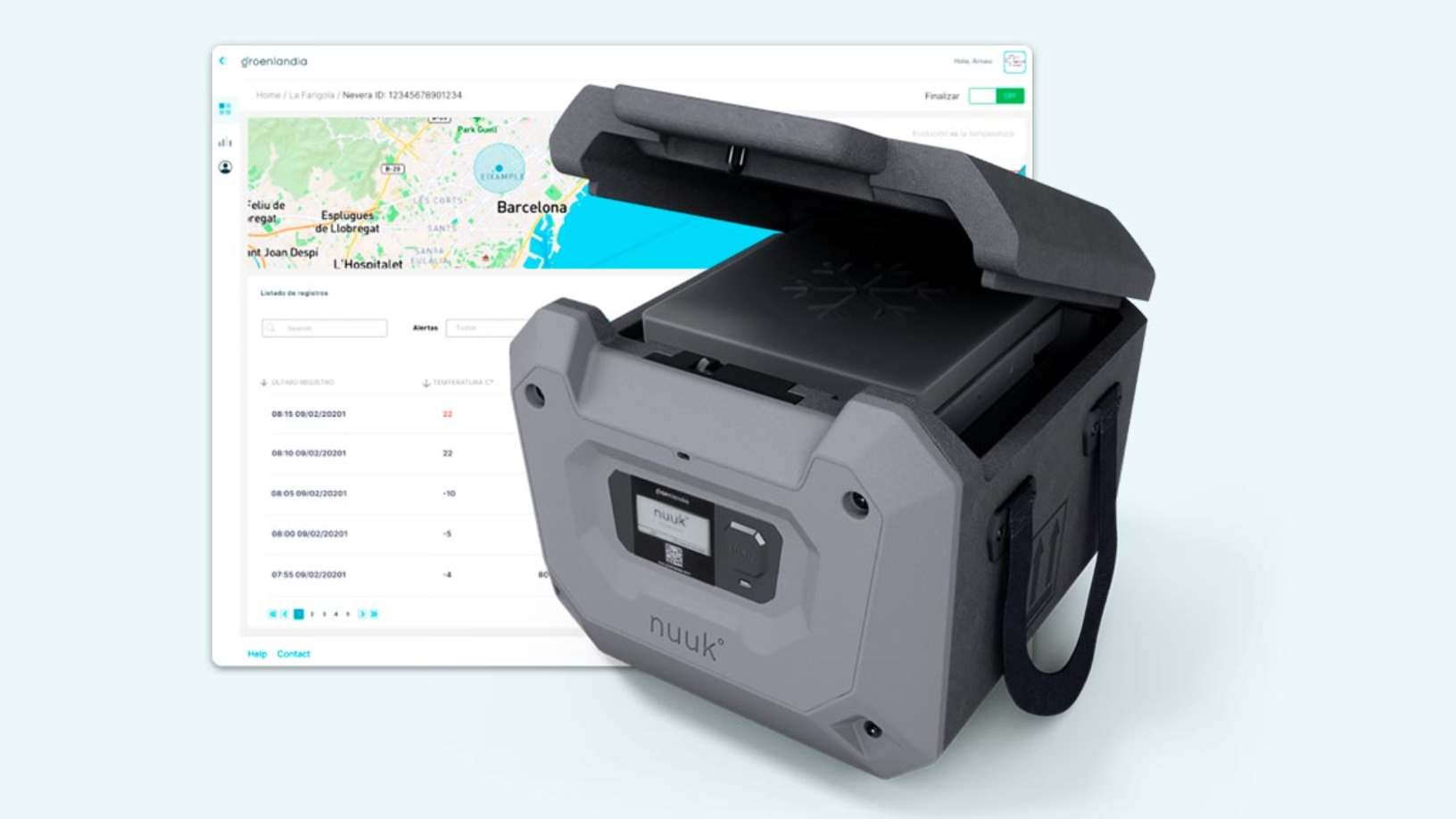
Nuuk, the cooler box poised to disrupt cold chain logistics
Barcelona-based startup Groenlandia Tech has developed a smart cooler box to track and monitor biological samples, providing an extra layer of security and control during transport
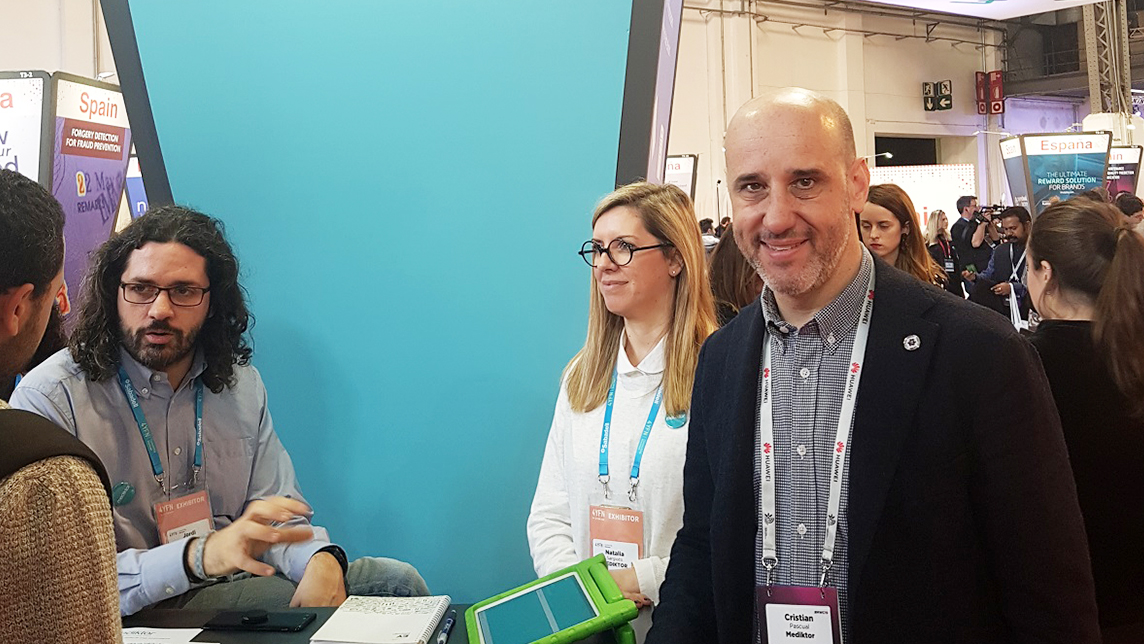
Mediktor: AI medical diagnosis app wants to improve global health outcomes
NLP-based triage and diagnosis tool has achieved a 91% accuracy rate in clinical trials and raised €3 million funding
China’s medical exoskeleton startups take on a promising but challenging market
It was not until 2018 that the first China-made lower limb exoskeleton got regulatory clearance at home, around the same time the first Chinese rehabilitation robot got US FDA approval

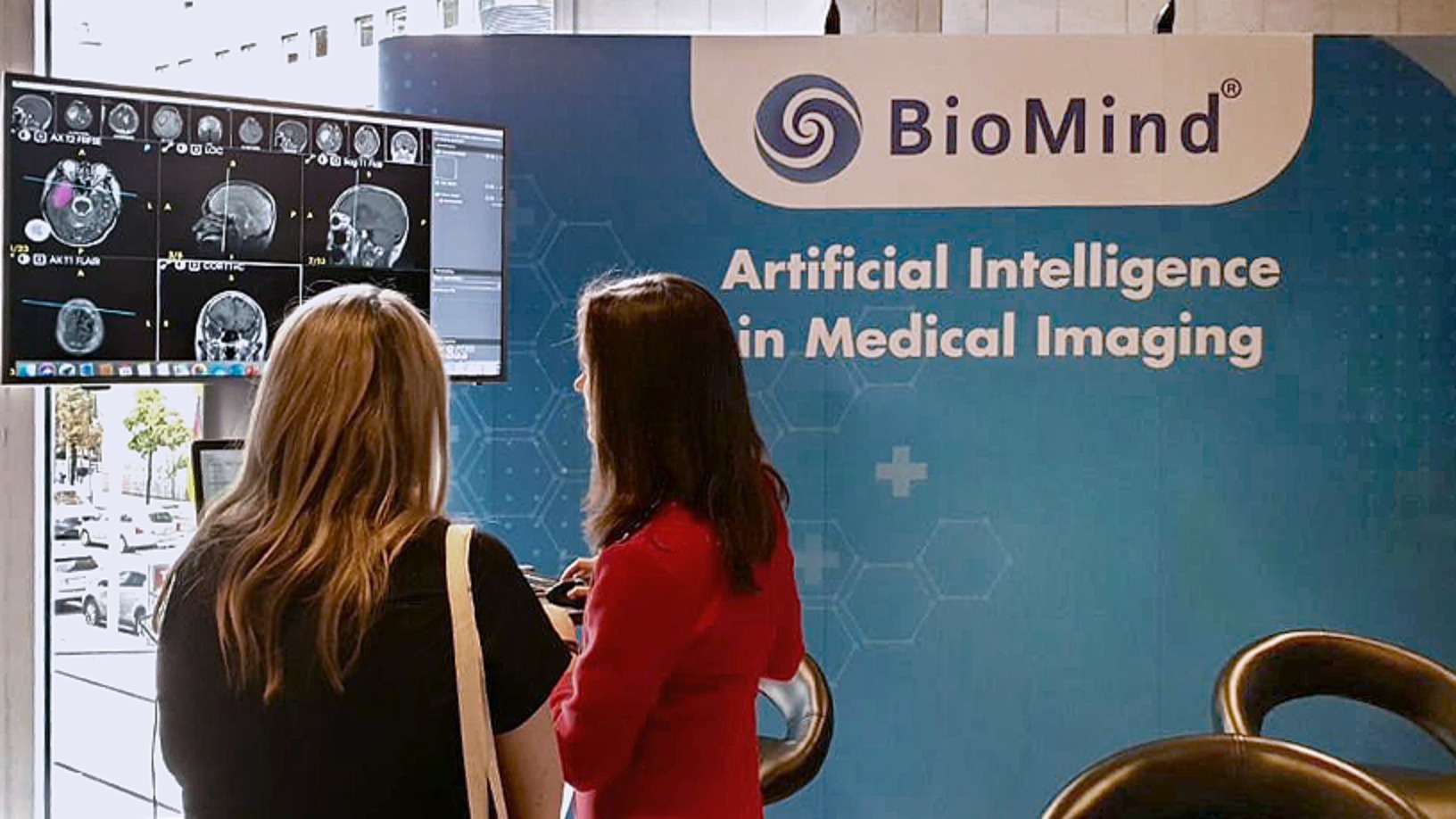
BioMind: AI medical diagnostics with over 90% accuracy for 100 diseases
BioMind helps doctors save lives by providing more accurate diagnosis of life-threatening diseases like Covid-19 and brain tumors
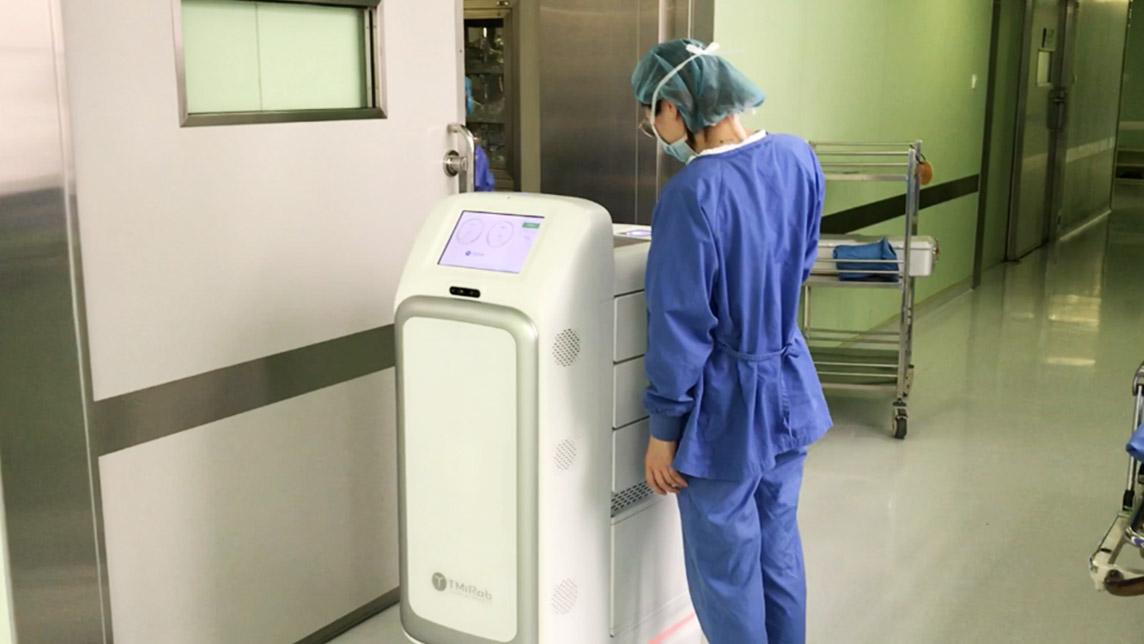
TMiRob's medical robots lighten the load of doctors and nurses in hospitals
The robots also reach an operating room three minutes faster than human nurses – that's more time for saving lives
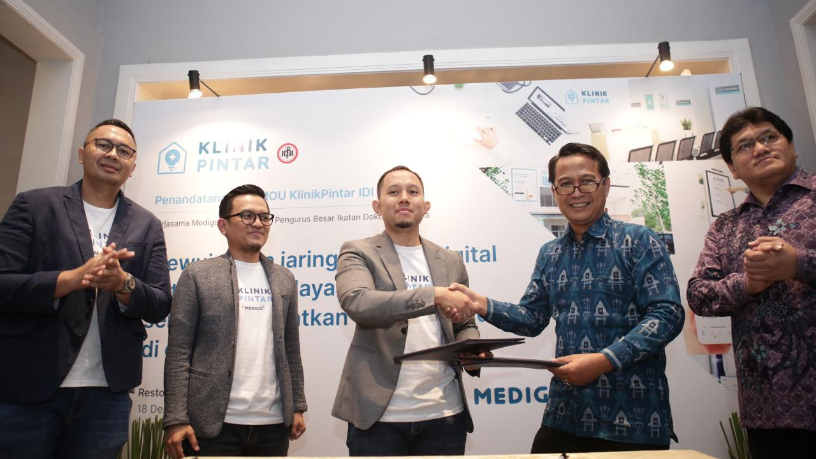
Medigo teams up with Indonesian Medical Association to launch primary care clinic network
Medigo aims to support healthcare operators with its clinic management SaaS, booking and medical records app for patients and more
For your X-ray records, just check the cloud
A Chinese startup has built a digital medical image library on the cloud, bringing ease and cost savings to patients, doctors and hospitals countrywide

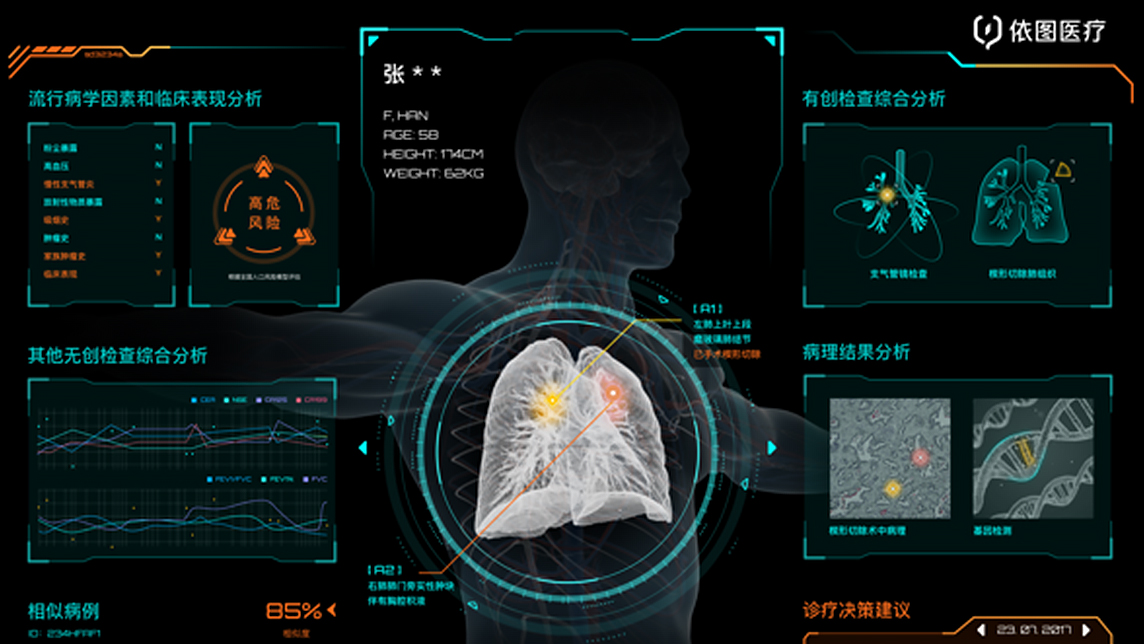
YITU takes smart healthcare to the next level
AI programs developed by this Chinese medtech startup provide more accurate diagnoses by reading medical images in conjunction with patients’ medical records
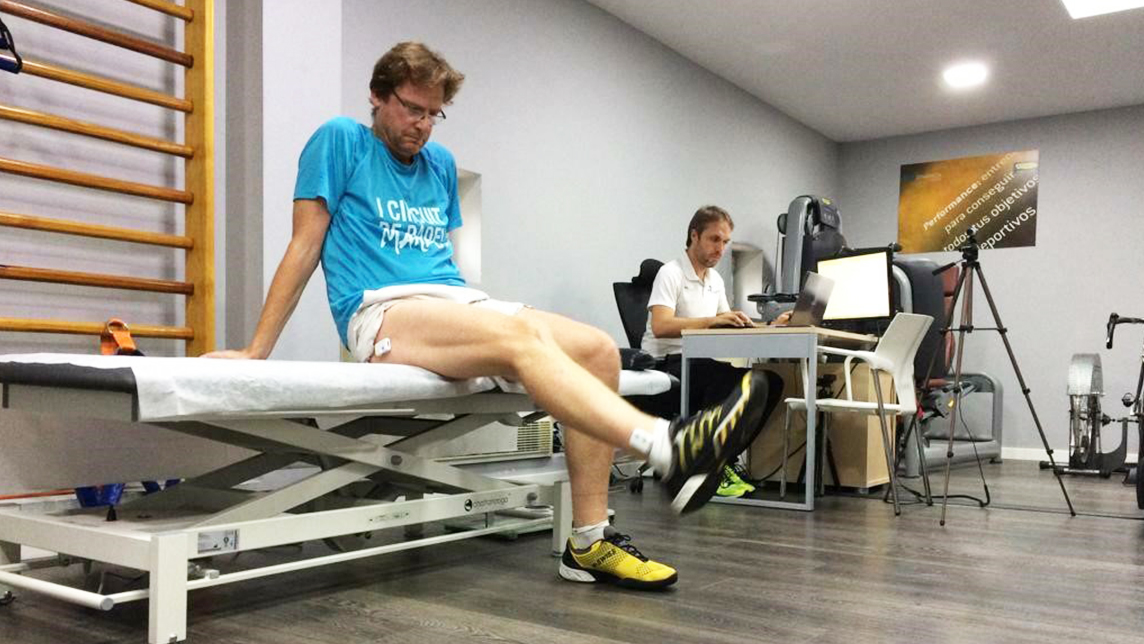
Backed by pharmas, doctors, medtech startup DyCare is expanding fast across Europe
Its remote musculoskeletal rehabilitation and monitoring system sets to improve rehabilitation outcomes in an overtaxed sector
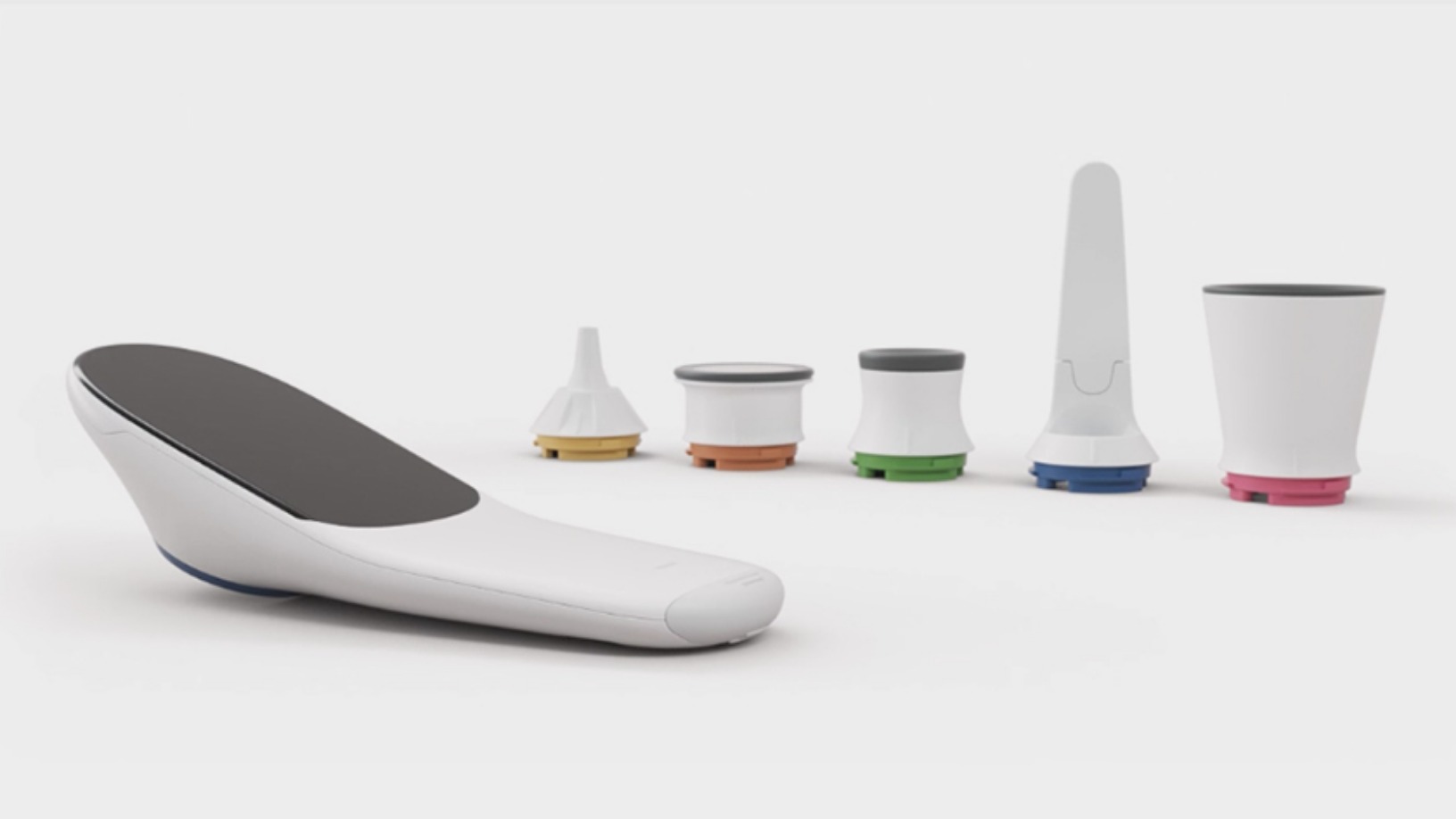
HigoSense launching advanced mobile device for self-triage and diagnosis, boosting telemedicine
The Polish medtech has developed a five-in-one diagnostic device for throat, ear, heart checks and more, with diagnosis in four minutes and compatible with diagnostic equipment
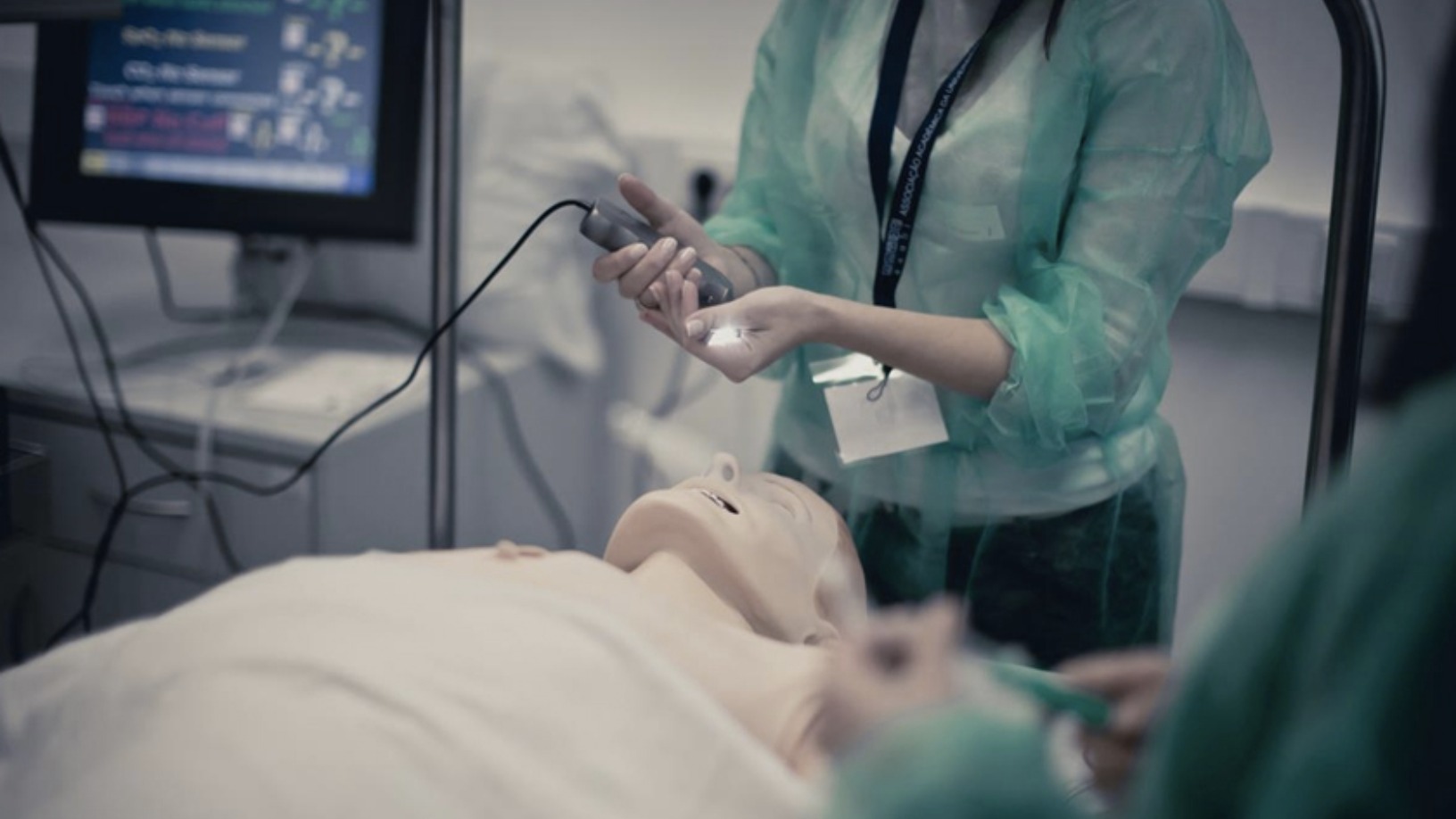
UpHill: Helping doctors put the latest research into practice
Born out of practitioners’ difficulty in keeping up with latest treatments and protocols, UpHill now includes guidance on Covid-19
China's WeDoctor offers free coronavirus consultations globally in English and Chinese
WeDoctor lets anyone in the world send queries to doctors who fought to save lives in China's most affected Covid-19 districts, and now helping people overseas to stay safe during the pandemic

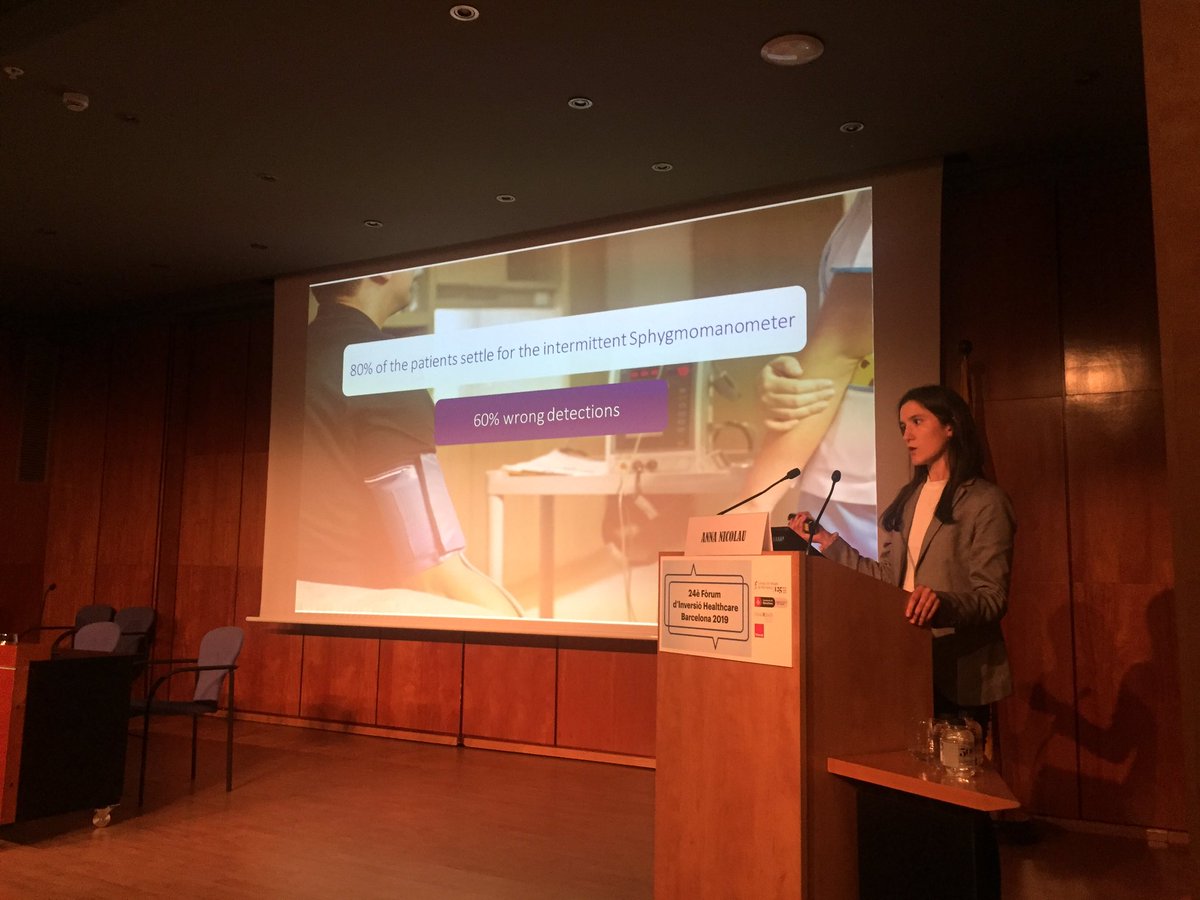
Icaria Medical's CardioSense: Cardiovascular pre-diagnosis in less than 60 seconds
Icaria Medical is seeking clinical validation and funding for its AI-based monitor, which measures blood pressure continuously and non-invasively
As more Chinese opt for cosmetic surgery, startups have emerged to help them make informed decisions
China’s medical aesthetic services platforms face both opportunities and challenges with the rise of Generation Z

Tonic App: Just the tonic for overburdened doctors
CEO Daniela Seixas and COO Gonçalo Vilaça discussed Tonic App, their free solution for streamlining administrative tasks in the medical sector
Sorry, we couldn’t find any matches for “Palex Medical”.
POPULAR DATABASE