Social Innovation Fund
-
DATABASE (951)
-
ARTICLES (524)
CEO and co-founder of Carbo Culture
Finnish native Pia Henrietta Moon, has been a scout leader since 2003. Her first job was in event management and tourism operations in India for Sunset Getaways & Insta tourism in 2007. While studying at the University of Economics and Business in Vienna, she met American engineer Christopher Carstens in 2013 at a global solutions innovation program organized by Singularity University in California. She left university in 2014 and co-founded Carbo Culture as CEO in 2016 with Carstens as CTO.In 2016, Moon also joined the electronics company Yleiselektroniikka as a board member, the youngest person in Finland to hold such a position in a listed company. Moon also founded edtech startup Mehackit in 2013 and became its chairwoman for four years. She exited both companies in 2018 to focus on running Carbo Culture.While at university, Moon also worked for over two years at Rails Girls, a not-for-profit for women in tech. In Finland, she joined the student entrepreneurship society in 2011 and completed an internship in 2010 at the Ministry for Foreign Affairs of Finland. In 2015, she joined the World Economic Forum’s Global Shapers youth community initiative in Helsinki.

Finnish native Pia Henrietta Moon, has been a scout leader since 2003. Her first job was in event management and tourism operations in India for Sunset Getaways & Insta tourism in 2007. While studying at the University of Economics and Business in Vienna, she met American engineer Christopher Carstens in 2013 at a global solutions innovation program organized by Singularity University in California. She left university in 2014 and co-founded Carbo Culture as CEO in 2016 with Carstens as CTO.In 2016, Moon also joined the electronics company Yleiselektroniikka as a board member, the youngest person in Finland to hold such a position in a listed company. Moon also founded edtech startup Mehackit in 2013 and became its chairwoman for four years. She exited both companies in 2018 to focus on running Carbo Culture.While at university, Moon also worked for over two years at Rails Girls, a not-for-profit for women in tech. In Finland, she joined the student entrepreneurship society in 2011 and completed an internship in 2010 at the Ministry for Foreign Affairs of Finland. In 2015, she joined the World Economic Forum’s Global Shapers youth community initiative in Helsinki.
CEO and co-founder of Scoobic Urban Mobility
Jose María Gómez Marquez started his business career as CEO at Roder Spain from 1986–1994, manufacturing materials used in Expo 1992 in Seville. From 1998–2005, Gómez worked in business development for Climocubierta indoor swimming pool materials company in Seville. Since 1998, Gómez has also been running F1/MotoGP equipment supply company AMG Services as CEO and founder.He completed a master’s in business management in 2006 at San Telmo International Institute in Seville and became the managing partner of Seville-based engineering design company Arquingenia.In 2015, he co-founded Spanish mobility startup Scoobic Urban Mobility and became the CEO of the country’s first three-wheeled EV last-mile delivery logistics provider. He is also CEO of Passion Motorbike Factory.Between 2011 and 2015, Gómez was a director at Morocco-based EURoma Network, a transnational EU organization contributing to the promotion of social inclusion, equal opportunities and the fight against discrimination of the Roma community.

Jose María Gómez Marquez started his business career as CEO at Roder Spain from 1986–1994, manufacturing materials used in Expo 1992 in Seville. From 1998–2005, Gómez worked in business development for Climocubierta indoor swimming pool materials company in Seville. Since 1998, Gómez has also been running F1/MotoGP equipment supply company AMG Services as CEO and founder.He completed a master’s in business management in 2006 at San Telmo International Institute in Seville and became the managing partner of Seville-based engineering design company Arquingenia.In 2015, he co-founded Spanish mobility startup Scoobic Urban Mobility and became the CEO of the country’s first three-wheeled EV last-mile delivery logistics provider. He is also CEO of Passion Motorbike Factory.Between 2011 and 2015, Gómez was a director at Morocco-based EURoma Network, a transnational EU organization contributing to the promotion of social inclusion, equal opportunities and the fight against discrimination of the Roma community.
CCO and co-founder of Modulous Tech
Reimell Ragnauth is co-founder and Chief Commercial Officer at UK-based Modulous, the first end-to-end generative design and delivery solution for affordable, sustainable and modulized housing, where he has worked since 2019. He also works part-time as a strategic investor to data analysis company iaidō and is a non-executive chairman at construction insulation company PMP Manufacturing.Before Modulous, he was chief business development officer at gold fintech startup Glint for a year and established its US office. He previously worked as the managing director of Spiralite Ductwork in the area of building energy efficiency from 2010-17. Prior to this, all of his positions were in the finance and investment area: at 3i Group as Associated Director of Quoted Private Equity 2007-9; at the Electra Group as a senior associate of the EQMC Fund 2006-7; at consultancy Deloitte as an associate director of private equity transaction services 2004-6; at Orbis Investments 2001-4 working in investment analysis; and as Manager of Business Recovery Services at PwC in London 1996-2000. Ragnauth holds a Master’s in Law from Cambridge University.

Reimell Ragnauth is co-founder and Chief Commercial Officer at UK-based Modulous, the first end-to-end generative design and delivery solution for affordable, sustainable and modulized housing, where he has worked since 2019. He also works part-time as a strategic investor to data analysis company iaidō and is a non-executive chairman at construction insulation company PMP Manufacturing.Before Modulous, he was chief business development officer at gold fintech startup Glint for a year and established its US office. He previously worked as the managing director of Spiralite Ductwork in the area of building energy efficiency from 2010-17. Prior to this, all of his positions were in the finance and investment area: at 3i Group as Associated Director of Quoted Private Equity 2007-9; at the Electra Group as a senior associate of the EQMC Fund 2006-7; at consultancy Deloitte as an associate director of private equity transaction services 2004-6; at Orbis Investments 2001-4 working in investment analysis; and as Manager of Business Recovery Services at PwC in London 1996-2000. Ragnauth holds a Master’s in Law from Cambridge University.
Co-founder of Meatable
Mark Kotter is the Austrian co-founder at Dutch cell-based meat startup Meatable, the first to use pluripotent stem cells and claim a highly scalable culture technology, which was developed by Kotter prior to founding the startup in 2018. He is also founder at his biotech startup, bit.bio, which is based in Cambridge, UK, since 2016, where he applies his cellular technological innovation to human stem cell research and has raised investments totaling $42m. His main full-time position is at the University of Cambridge, where he has worked since 2009. He has spent more than five years as a clinician-scientist in stem cell research and was previously a lecturer in neurosurgery. Kotter also lectures at Paris Descartes University and is a team leader at the UK’s National Institute for Health Research’s Brain Injury MedTech Co-operative. He also founded Myelopathy.org to raise awareness of cervical myelopathy. His past positions were as a research group leader at the Max Planck Institute for Experimental Medicine for one year, and for two years spent at the Medical University of Vienna. Kotter holds two doctorates; one in philosophy from the University of Cambridge and the other in medicine from the University of Graz in Austria. Kotter also holds a master’s in philosophy from the University of Cambridge.

Mark Kotter is the Austrian co-founder at Dutch cell-based meat startup Meatable, the first to use pluripotent stem cells and claim a highly scalable culture technology, which was developed by Kotter prior to founding the startup in 2018. He is also founder at his biotech startup, bit.bio, which is based in Cambridge, UK, since 2016, where he applies his cellular technological innovation to human stem cell research and has raised investments totaling $42m. His main full-time position is at the University of Cambridge, where he has worked since 2009. He has spent more than five years as a clinician-scientist in stem cell research and was previously a lecturer in neurosurgery. Kotter also lectures at Paris Descartes University and is a team leader at the UK’s National Institute for Health Research’s Brain Injury MedTech Co-operative. He also founded Myelopathy.org to raise awareness of cervical myelopathy. His past positions were as a research group leader at the Max Planck Institute for Experimental Medicine for one year, and for two years spent at the Medical University of Vienna. Kotter holds two doctorates; one in philosophy from the University of Cambridge and the other in medicine from the University of Graz in Austria. Kotter also holds a master’s in philosophy from the University of Cambridge.


N.A.
COO and co-founder of iLoF
Mehak Mumtaz grew up in Pakistan and decided to study biochemistry when she saw her brother suffering from an unknown learning disability. Her parents, both medical doctors, could not get an accurate diagnosis for their son. In her search to understand the molecular mechanisms behind diseases, she applied to study at the University of Oxford. In 2008, she was granted the Reach Oxford Scholarship and graduated with a master’s in biochemistry in 2012. In 2015, the St Hilda’s alumna worked as an undergraduate tutor at Oxford while completing a PhD in pathology, specializing in oncology and cancer biology.In 2018, she worked on a rare cancer project as EIT Health Business Innovation fellow for a year. She left academia and joined a three-month bioentrepreneur bootcamp in Munich and a one-month Lev8 Woman Program at her alma mater’s Oxford Foundry. She joined EY-Parthenon in London as a strategy consultant in April 2019.In 2019, Mumtaz also met the iLoF co-founding team at the EIT Health Wild Card venture-building program. iLoF is a medtech startup that focuses on personalized medicine through the use of AI and photonics to create optical fingerprints in a cloud-based library to gather and manages disease biomarkers and biological profiles.She joined iLoF as COO and co-founder in December 2019 and left her full-time consultancy role at EY in March 2020.

Mehak Mumtaz grew up in Pakistan and decided to study biochemistry when she saw her brother suffering from an unknown learning disability. Her parents, both medical doctors, could not get an accurate diagnosis for their son. In her search to understand the molecular mechanisms behind diseases, she applied to study at the University of Oxford. In 2008, she was granted the Reach Oxford Scholarship and graduated with a master’s in biochemistry in 2012. In 2015, the St Hilda’s alumna worked as an undergraduate tutor at Oxford while completing a PhD in pathology, specializing in oncology and cancer biology.In 2018, she worked on a rare cancer project as EIT Health Business Innovation fellow for a year. She left academia and joined a three-month bioentrepreneur bootcamp in Munich and a one-month Lev8 Woman Program at her alma mater’s Oxford Foundry. She joined EY-Parthenon in London as a strategy consultant in April 2019.In 2019, Mumtaz also met the iLoF co-founding team at the EIT Health Wild Card venture-building program. iLoF is a medtech startup that focuses on personalized medicine through the use of AI and photonics to create optical fingerprints in a cloud-based library to gather and manages disease biomarkers and biological profiles.She joined iLoF as COO and co-founder in December 2019 and left her full-time consultancy role at EY in March 2020.
Getting facts right and letting people have a voice in news generation, Kumparan will constantly evolve as a hybrid of editorial and social media platforms.

Getting facts right and letting people have a voice in news generation, Kumparan will constantly evolve as a hybrid of editorial and social media platforms.
Pioneer in Chinese movie-marketing through apps and social media, Shuimu helps film studios harness the Internet, as well as runs moviegoing social/dating app Peinikan.

Pioneer in Chinese movie-marketing through apps and social media, Shuimu helps film studios harness the Internet, as well as runs moviegoing social/dating app Peinikan.
The first online HR services platform to help China SMEs meet their complex social security processing needs –so they save time and money, minimize errors.

The first online HR services platform to help China SMEs meet their complex social security processing needs –so they save time and money, minimize errors.
Delivery service Koiki is a social enterprise that offers employment opportunities for vulnerable people while reducing the carbon impact of last-mile deliveries.

Delivery service Koiki is a social enterprise that offers employment opportunities for vulnerable people while reducing the carbon impact of last-mile deliveries.
Chairman and Founder of Squirrel AI
Born in 1977, Li Haoyang completed senior high school-level classes while he was of junior high school age, and was admitted into the program for gifted children at Shanghai Jiao Tong University. Li is a serial entrepreneur with more than 20 years of experience in K12 education. He co-founded Dashan Foreign Language School, a regional, K12 educational institution chain that operated from 1999–2003, and was also the school’s CEO and principal. He then co-founded after-school tutoring center Only Education International in 2004 and was CEO and Vice-Chairman of the school board. In 2015, Only Education went public, issuing A-stocks. Li then co-founded the social app Friends Impression (a literal translation of the app’s original Mandarin name) in 2014. Li founded Squirrel AI in 2015 and currently serves as Chairman of the board.

Born in 1977, Li Haoyang completed senior high school-level classes while he was of junior high school age, and was admitted into the program for gifted children at Shanghai Jiao Tong University. Li is a serial entrepreneur with more than 20 years of experience in K12 education. He co-founded Dashan Foreign Language School, a regional, K12 educational institution chain that operated from 1999–2003, and was also the school’s CEO and principal. He then co-founded after-school tutoring center Only Education International in 2004 and was CEO and Vice-Chairman of the school board. In 2015, Only Education went public, issuing A-stocks. Li then co-founded the social app Friends Impression (a literal translation of the app’s original Mandarin name) in 2014. Li founded Squirrel AI in 2015 and currently serves as Chairman of the board.
Former technical development lead and co-founder of Graviky Labs
Nitesh Kadyan (also known as Nitesh Kumar) is a computer scientist, robotics engineer, inventor, maker and hacker. He was one of the three co-founders of Graviky Labs, a startup producing ink from captured carbon emissions. He worked at Graviky Labs from 2016–2018, during which he led its hardware development and prototyping. Currently, he works as a senior creative technologist at Lowe's Innovation Labs India.Kadyan holds a degree in computer science from the International Institute of Information Technology, Bangalore and did a research stint on AI and robotics at Freie University, Berlin. His background includes expertise in machine learning and embedded systems. Kadyan’s past projects include self-driving model cars, autonomous smart wheelchairs, an augmented reality interface for laser cutting, as well as machines that sketch and draw. He also founded a startup that does 3D printing in nearly any material, from plastic and metallic clay to chocolate, playdoh and fabric, and which was incubated at MIT Global Startup Labs 2014.Kadyan was named one of Foreign Policy magazine’s Top 100 Global Thinkers in 2016. He is a recipient of the Campus Diaries 25 Under 25 award, and is a two-time speaker at TEDx.

Nitesh Kadyan (also known as Nitesh Kumar) is a computer scientist, robotics engineer, inventor, maker and hacker. He was one of the three co-founders of Graviky Labs, a startup producing ink from captured carbon emissions. He worked at Graviky Labs from 2016–2018, during which he led its hardware development and prototyping. Currently, he works as a senior creative technologist at Lowe's Innovation Labs India.Kadyan holds a degree in computer science from the International Institute of Information Technology, Bangalore and did a research stint on AI and robotics at Freie University, Berlin. His background includes expertise in machine learning and embedded systems. Kadyan’s past projects include self-driving model cars, autonomous smart wheelchairs, an augmented reality interface for laser cutting, as well as machines that sketch and draw. He also founded a startup that does 3D printing in nearly any material, from plastic and metallic clay to chocolate, playdoh and fabric, and which was incubated at MIT Global Startup Labs 2014.Kadyan was named one of Foreign Policy magazine’s Top 100 Global Thinkers in 2016. He is a recipient of the Campus Diaries 25 Under 25 award, and is a two-time speaker at TEDx.
Advisor, board member, co-founder of NovoNutrients
Brian Sefton has been co-founder, a board member and a part-time advisor at NovoNutrients, a San Francisco-based biotech manufacturer of alt-protein produced from fermentation and CO2 since it was founded in 2017. In 2009, he co-founded research entity Oakbio, from which NovoNutrients evolved, and was its President and CTO. Sefton was CTO and President at NovoNutrients and also co-CEO and Chief Scientist at Oakbio until 2021 when he became the CEO at San Francisco-based fermentation commercialization startup Sincarne. Between 2005 and 2011, Sefton was also CEO at pharma research company Pharmadyn, working on drugs development for Alzheimer's Disease, and, for three of those years, was also Managing Partner of Stratsyn, a consultancy specializing in creation, development, management and fund raising for not-for-profit organizations. Sefton’s earlier posts include: directing nanotechnology commercialization and investment company Nanosig for three years, CEO of Silicon Valley’s Fastlane, a high-profile pioneer in real-time network traffic and security analysis for six years; and, simultaneously, being CEO at Bluebox Communications, developing high-end network security applications and appliances for Fortune 500 companies and the US government.Sefton holds an MBA from Santa Clara University in California and a bachelor’s degree in biochemistry from the University of California, Berkeley

Brian Sefton has been co-founder, a board member and a part-time advisor at NovoNutrients, a San Francisco-based biotech manufacturer of alt-protein produced from fermentation and CO2 since it was founded in 2017. In 2009, he co-founded research entity Oakbio, from which NovoNutrients evolved, and was its President and CTO. Sefton was CTO and President at NovoNutrients and also co-CEO and Chief Scientist at Oakbio until 2021 when he became the CEO at San Francisco-based fermentation commercialization startup Sincarne. Between 2005 and 2011, Sefton was also CEO at pharma research company Pharmadyn, working on drugs development for Alzheimer's Disease, and, for three of those years, was also Managing Partner of Stratsyn, a consultancy specializing in creation, development, management and fund raising for not-for-profit organizations. Sefton’s earlier posts include: directing nanotechnology commercialization and investment company Nanosig for three years, CEO of Silicon Valley’s Fastlane, a high-profile pioneer in real-time network traffic and security analysis for six years; and, simultaneously, being CEO at Bluebox Communications, developing high-end network security applications and appliances for Fortune 500 companies and the US government.Sefton holds an MBA from Santa Clara University in California and a bachelor’s degree in biochemistry from the University of California, Berkeley
Anonymous P2P financing app for friends to lend/borrow money within their circles without embarrassment, at better rates; also, a way to sieve out untrustworthy friends.

Anonymous P2P financing app for friends to lend/borrow money within their circles without embarrassment, at better rates; also, a way to sieve out untrustworthy friends.
RRQ builds its eSports brand by expanding its ecosystem with regional pro-players from Asia, through cross-platform promotions and through partnerships with companies from diverse industries.

RRQ builds its eSports brand by expanding its ecosystem with regional pro-players from Asia, through cross-platform promotions and through partnerships with companies from diverse industries.
Portugal pumps up to €60m into new initiatives to avert backslide in startup ecosystem
Government funding to ensure the strategically important and social impact startups don't fail, post-Covid

Amid Covid-19, Indonesian P2P lender KoinWorks raises $20m in convertible note funding
Backed by Quona Capital, EV Growth and other investors, KoinWorks plans to disburse more loans amid greater uncertainty and default risk

Good Startup: Alt-protein products can be better than real meat
The investor of Eat Just, Ripple Foods and more expects its portfolio companies will exit in the next four to six years, mostly through acquisition
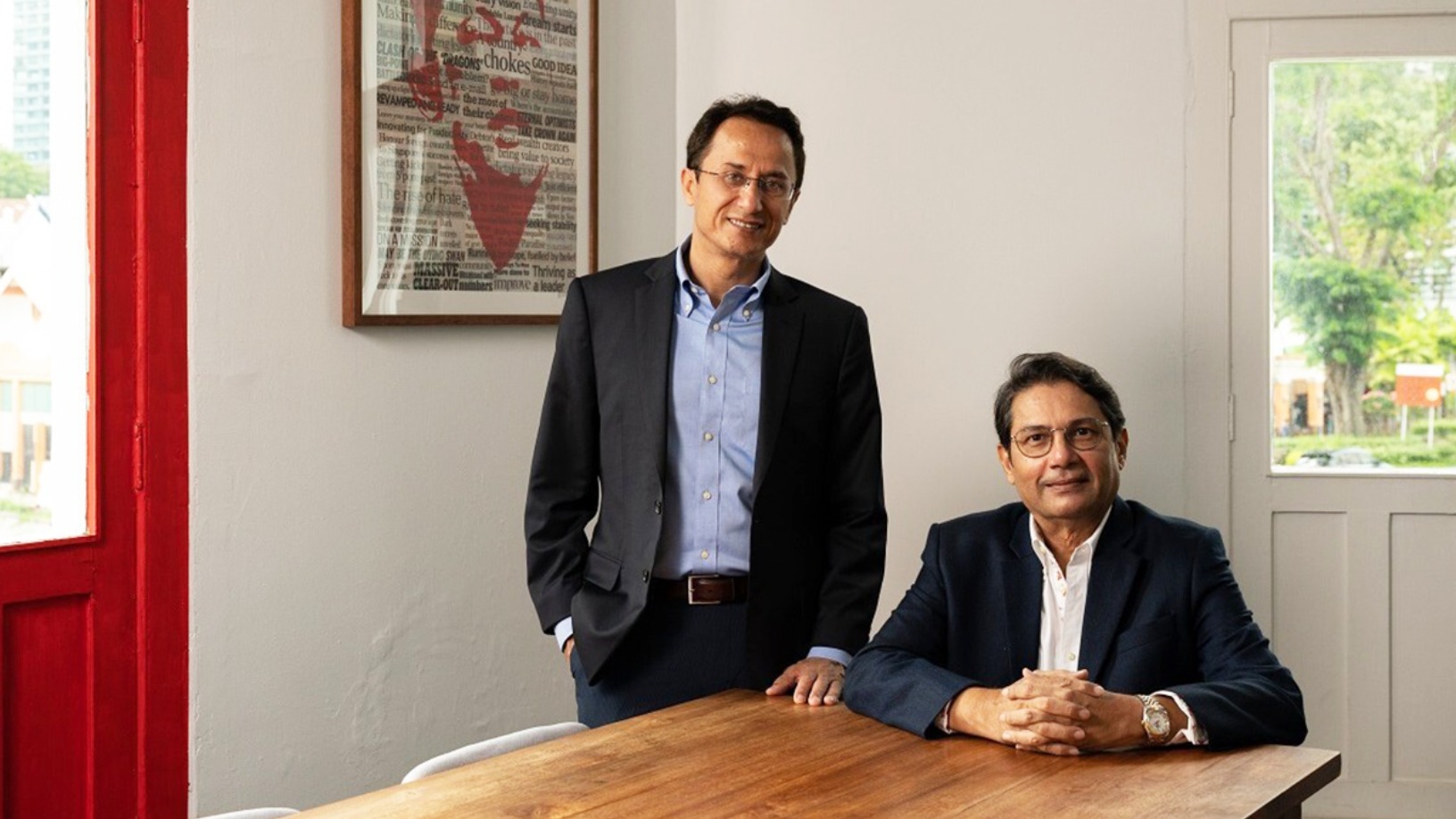
Bluepha to boost PHA bioplastics production with $30m fresh funding
The Beijing-based startup aims to produce 10,000 tons of PHA bioplastic a year and build a SynBio community through its STEM education spinoff, Bluepha Lab

Sequoia China Seed Fund: Growing an era of deep-tech startups
Managing Partner Neil Shen wants to help deep-tech and enterprise tech startups get investments more easily, across quantum computing, semiconductors, synthetic biology and more

New sectors, strategies come into play as investors respond to China's Big Tech curbs
Amid the crackdown on China’s tech giants, some investors are sussing out less risky sectors, while heavyweights like BlackRock and Fidelity stay in for the long haul

Raising $50m second fund, Indogen Capital seeks more international partners and exits
Cooperation is key to Indogen's investment thesis, as it looks to help more foreign VCs and their portfolio startups find success in Southeast Asia's biggest market
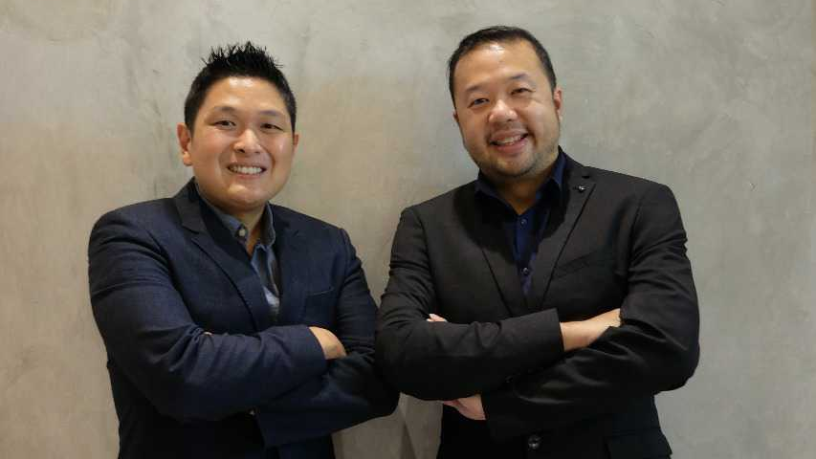
Carlos Melo Brito: Driving force behind Porto's innovation boom
The professor has overseen the creation and growth of the University of Porto-based UPTEC incubator, birthplace of many of Portugal's most successful startups

Taronga Ventures takes RealTechX to Singapore; plans Japan, US growth
The Australian proptech investor to focus on ESG in its acceleration program, including women under-representation and site safety

Women entrepreneurs get ahead faster in Portugal
Still a long way to go for equality, but female founders in Portugal have made significant headstarts as tech innovators

Portugal's health & medtech startups: Taking innovation and disruption to heart
Backed by local and foreign money, Portugal’s healthcare and medical technology startups are hungry to go global

New Ventures Innovation: Prasetiya Mulya University takes on student entrepreneurship
To prepare a new generation of startup founders, Prasetiya Mulya University combines theoretical education with real-life exposure to the startup world
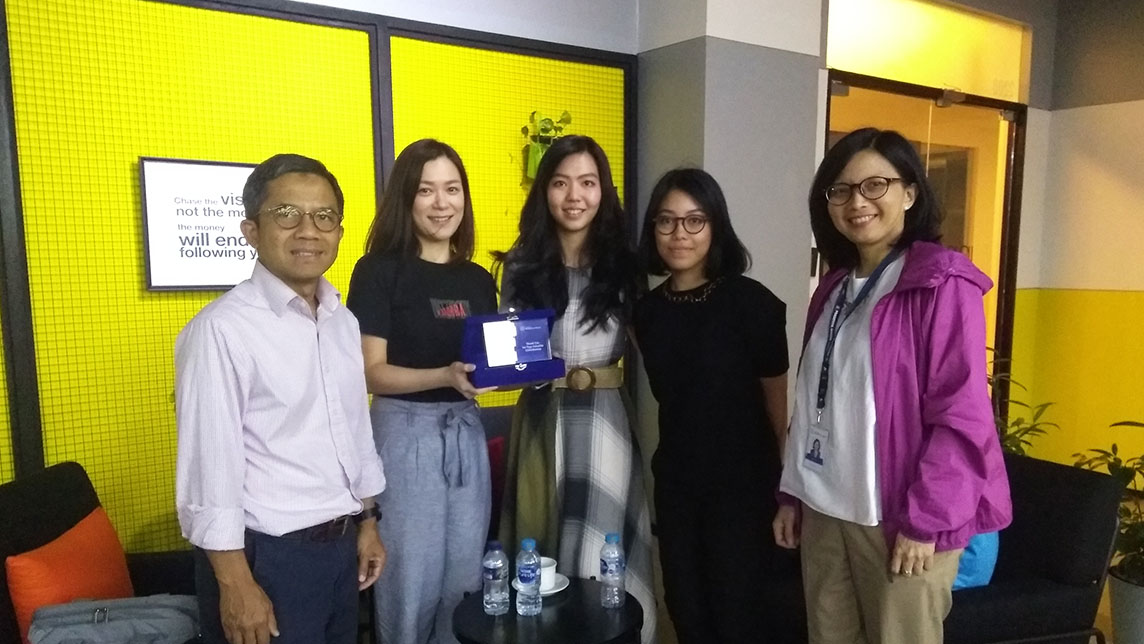
Animal AgTech Innovation Summit 2021: Experts discuss post-pandemic priorities
The pandemic not only put digital tech in everyone’s hands, it also forced thinking about collecting meaningful data and moving it on-demand to both producers and decision makers
Spain’s 100% renewable energy goal: How its startup ecosystem is rising to the challenge
Energy majors and public entities are backing renewable energy startups in the country's bet on the Green Economy

Animal AgTech Innovation Summit 2021: Future of aquaculture in the US
With the US Importing over 85% of its seafood, industry experts examine how and why the country should develop a sustainable aquaculture industry
Sorry, we couldn’t find any matches for “Social Innovation Fund”.
POPULAR DATABASE