Asistencia COVID-19
-
DATABASE (419)
-
ARTICLES (272)
Founded in October 1962, Mando Corporation is a South Korean automotive parts manufacturer. It supplies many automobile manufacturers worldwide, including General Motors, Volkswagen, Chrysler, Ford, Nissan, Hyundai, Kia, Suzuki and Chevrolet. With more than 11,000 staff, Mando Corporation produces 4m automotive parts per year, generating annual sales of US$4.74bn in 2018. The company was listed on the Korea Stock Exchange in May 2010; its controlling shareholder is Halla Holdings Corp.

Founded in October 1962, Mando Corporation is a South Korean automotive parts manufacturer. It supplies many automobile manufacturers worldwide, including General Motors, Volkswagen, Chrysler, Ford, Nissan, Hyundai, Kia, Suzuki and Chevrolet. With more than 11,000 staff, Mando Corporation produces 4m automotive parts per year, generating annual sales of US$4.74bn in 2018. The company was listed on the Korea Stock Exchange in May 2010; its controlling shareholder is Halla Holdings Corp.
Farben Consulting is a Portuguese real estate investor and consultancy based in Torres Novas and established in 1996. It has no website and has not disclosed any information about its business. In 2014 and 2015, Farben invested €1.5m for an equity stake of 98% in CoolFarm. The agtech became insolvent in October 2018 when Farben decided to stop supporting the startup due to lack of sales and market potential for B2B indoor farming solutions.

Farben Consulting is a Portuguese real estate investor and consultancy based in Torres Novas and established in 1996. It has no website and has not disclosed any information about its business. In 2014 and 2015, Farben invested €1.5m for an equity stake of 98% in CoolFarm. The agtech became insolvent in October 2018 when Farben decided to stop supporting the startup due to lack of sales and market potential for B2B indoor farming solutions.
A co-founder and angel investor of HomeRun, Cheng Xiaohua graduated with a major in Automation at Changsha Railway University in 1983. The university is now known as Railway Campus, Central South University. From 1984 to 1988, he spent his postgraduate years at Graduate School, University of Chinese Academy of Sciences and earned a master’s degree in Automation. He co-founded Netac with Deng Guoshun in 1999 and became the chairman in September 2010.

A co-founder and angel investor of HomeRun, Cheng Xiaohua graduated with a major in Automation at Changsha Railway University in 1983. The university is now known as Railway Campus, Central South University. From 1984 to 1988, he spent his postgraduate years at Graduate School, University of Chinese Academy of Sciences and earned a master’s degree in Automation. He co-founded Netac with Deng Guoshun in 1999 and became the chairman in September 2010.
Born in 1961, Li Zexiang was an undergraduate at Central South Institute of Mining Metallurgy in 1978. From 1979 to 1992, he studied and worked in the US, earning a doctoral degree at the University of California, Berkeley in 1989. He worked as an AILab researcher at MIT in 1989. In 1990, he joined NYU's Courant Institute of Mathematical Sciences as an associate professor.In 1992, he returned to China and worked as a professor at The Hong Kong University of Science and Technology ever since. In 1999, he founded motor control company Googol Tech. He is well-known for incubating DJI and became the chairman of Shenzhen-based drone and aerial photography systems company.

Born in 1961, Li Zexiang was an undergraduate at Central South Institute of Mining Metallurgy in 1978. From 1979 to 1992, he studied and worked in the US, earning a doctoral degree at the University of California, Berkeley in 1989. He worked as an AILab researcher at MIT in 1989. In 1990, he joined NYU's Courant Institute of Mathematical Sciences as an associate professor.In 1992, he returned to China and worked as a professor at The Hong Kong University of Science and Technology ever since. In 1999, he founded motor control company Googol Tech. He is well-known for incubating DJI and became the chairman of Shenzhen-based drone and aerial photography systems company.
The Mirae Asset Financial Group started in 1997 with Mirae Asset Global Investment and Mirae Asset Capital. The group's business interests focus on asset and wealth management, investments, and insurance. It has also invested in a range of companies, from logistics firm Shadowfax to AmazeVR. In 2018, it established a joint venture with Naver Corporation, one of South Korea's leading tech companies, and set up the Asia Growth Fund with $940m committed to VC investing in the region. The joint venture has backed Southeast Asian ride-hailing giant Grab, Indonesian e-commerce platform Bukalapak, and Singapore-based credit scoring firm FinAccel.

The Mirae Asset Financial Group started in 1997 with Mirae Asset Global Investment and Mirae Asset Capital. The group's business interests focus on asset and wealth management, investments, and insurance. It has also invested in a range of companies, from logistics firm Shadowfax to AmazeVR. In 2018, it established a joint venture with Naver Corporation, one of South Korea's leading tech companies, and set up the Asia Growth Fund with $940m committed to VC investing in the region. The joint venture has backed Southeast Asian ride-hailing giant Grab, Indonesian e-commerce platform Bukalapak, and Singapore-based credit scoring firm FinAccel.
Established in 1995 by Sean O'Sullivan, SOSV is a venture capital firm with six attached accelerator programs. Upon receiving investment from SOSV, portfolio companies join one of the accelerator programs that best suits their products. The accelerators are: Chinaccelerator, focused on the Chinese market; Indie Bio, supporting biotechnology and life sciences companies; Food-X, for food-tech and agriculture-focused companies; dlab, which supports startups exploring blockchain and decentralized tech; HAX, for IoT, robotics and other hardware-focused startups; and MOX, an accelerator specializing in mobile platforms and technologies. SOSV, along with the O'Sullivan Foundation, has also provided support for education initiatives such as Khan Academy and CoderDojo (which teaches coding skills to youth).
Established in 1995 by Sean O'Sullivan, SOSV is a venture capital firm with six attached accelerator programs. Upon receiving investment from SOSV, portfolio companies join one of the accelerator programs that best suits their products. The accelerators are: Chinaccelerator, focused on the Chinese market; Indie Bio, supporting biotechnology and life sciences companies; Food-X, for food-tech and agriculture-focused companies; dlab, which supports startups exploring blockchain and decentralized tech; HAX, for IoT, robotics and other hardware-focused startups; and MOX, an accelerator specializing in mobile platforms and technologies. SOSV, along with the O'Sullivan Foundation, has also provided support for education initiatives such as Khan Academy and CoderDojo (which teaches coding skills to youth).
Toyota Motor Corporation (Toyota) started as a division of the Toyoda Automatic Loom Works in 1933, and established as an independent in 1937. As of December 2019, it ranked tenth largest company in the world by revenue. An established multinational automotive manufacturer, Toyota has invested in startups working on everything from online marketing to cybersecurity, placing an focus on new-generation mobility services. In 2019, it invested $600m in Chinese ride-hailing giant Didi Chuxing, and founded a joint venture to offer car maintenance, insurance and finance services to ride-hailing drivers. Also that year, Toyota invested $500m in Uber for self-driving cars. In early 2020, the auto giant invested $400 in the self-driving startup Pony.ai. Before the investment, the two had already partnered to test self-driving cars on public roads in China.

Toyota Motor Corporation (Toyota) started as a division of the Toyoda Automatic Loom Works in 1933, and established as an independent in 1937. As of December 2019, it ranked tenth largest company in the world by revenue. An established multinational automotive manufacturer, Toyota has invested in startups working on everything from online marketing to cybersecurity, placing an focus on new-generation mobility services. In 2019, it invested $600m in Chinese ride-hailing giant Didi Chuxing, and founded a joint venture to offer car maintenance, insurance and finance services to ride-hailing drivers. Also that year, Toyota invested $500m in Uber for self-driving cars. In early 2020, the auto giant invested $400 in the self-driving startup Pony.ai. Before the investment, the two had already partnered to test self-driving cars on public roads in China.
Ibersol is a Portuguese restaurant sector investor established in 1994. It holds the franchises of several of Spain and Portugal's top-selling fast-food chains including Burger King in both nations, Pans & Company in Spain and KFC in Portugal and Angola.To date, it has invested in one startup, the Portuguese healthy food service EatTasty, with undisclosed investment in the company's seed stage, phase one, that raised €1.1m. It also acquired one food sector entity, the Spanish restaurant group, Eat Out Group, for an undisclosed sum in 2016.

Ibersol is a Portuguese restaurant sector investor established in 1994. It holds the franchises of several of Spain and Portugal's top-selling fast-food chains including Burger King in both nations, Pans & Company in Spain and KFC in Portugal and Angola.To date, it has invested in one startup, the Portuguese healthy food service EatTasty, with undisclosed investment in the company's seed stage, phase one, that raised €1.1m. It also acquired one food sector entity, the Spanish restaurant group, Eat Out Group, for an undisclosed sum in 2016.
General Atlantic was founded in 1980 as the investment arm of Atlantic Philanthropies, and claims to be the pioneer in growth equity. The US-based company has presence all over the world, including in Indonesia, UK, China, Mexico, and Singapore. As of August 2019, it manages US$35b in assets from global investors. Some major companies that were part of GA's portfolio includes Facebook, Alibaba, Meituan, Saxo Bank, and SEA. Edtech startup Ruangguru is GA's second investment in Indonesia; the first is MAP Boga Adiperkasa, a major F&B and lifestyle conglomerate.

General Atlantic was founded in 1980 as the investment arm of Atlantic Philanthropies, and claims to be the pioneer in growth equity. The US-based company has presence all over the world, including in Indonesia, UK, China, Mexico, and Singapore. As of August 2019, it manages US$35b in assets from global investors. Some major companies that were part of GA's portfolio includes Facebook, Alibaba, Meituan, Saxo Bank, and SEA. Edtech startup Ruangguru is GA's second investment in Indonesia; the first is MAP Boga Adiperkasa, a major F&B and lifestyle conglomerate.
Tenaya Capital was originally founded in 1995 as Lehman Brothers Venture Partners. In 2009, following Lehman's bankruptcy, Tenaya was spun off into an independent company, with HarbourVest Partners acquired their existing investments. Since then, Tenaya has invested in some major tech companies, including event ticketing company Eventbrite, early fashion e-commerce firm Zappos, and Uber competitor Lyft. They have so far made two investments into Indonesian companies: agritech e-commerce platform TaniHub, and “Uber-for-logistics” company Kargo Technologies. Tenaya typically invests in Series B and Series C rounds, although they have gone into Series A and later rounds as well.

Tenaya Capital was originally founded in 1995 as Lehman Brothers Venture Partners. In 2009, following Lehman's bankruptcy, Tenaya was spun off into an independent company, with HarbourVest Partners acquired their existing investments. Since then, Tenaya has invested in some major tech companies, including event ticketing company Eventbrite, early fashion e-commerce firm Zappos, and Uber competitor Lyft. They have so far made two investments into Indonesian companies: agritech e-commerce platform TaniHub, and “Uber-for-logistics” company Kargo Technologies. Tenaya typically invests in Series B and Series C rounds, although they have gone into Series A and later rounds as well.
Formerly known as Guangdong Technology Venture Capital Group, Technology Financial Group is a state-owned firm based in Guangzhou. It has a subsidiary in Guangdong province and has set up nine offices in other provinces across China. Technology Financial Group began investing in companies when it was founded in 1992, and it has assets under management of RMB 50bn. With a focus on VC investment, it also provides financial services such as asset management.The firm invests mainly in the high-end equipment manufacturing; new-generation information technology; new material; art, entertainment and media; consumption; biotech and pharmacy; energy and environmental protection; and automotive sectors.
Formerly known as Guangdong Technology Venture Capital Group, Technology Financial Group is a state-owned firm based in Guangzhou. It has a subsidiary in Guangdong province and has set up nine offices in other provinces across China. Technology Financial Group began investing in companies when it was founded in 1992, and it has assets under management of RMB 50bn. With a focus on VC investment, it also provides financial services such as asset management.The firm invests mainly in the high-end equipment manufacturing; new-generation information technology; new material; art, entertainment and media; consumption; biotech and pharmacy; energy and environmental protection; and automotive sectors.
AIA Group is the largest independent publicly listed pan-Asian life insurance group. Headquartered in Hong Kong, the group operates in 18 markets across Asia-Pacific. In 2014, AIA began to partner with venture capital firms to launch AIA Accelerator to support innovative and disruptive startups.AIA Group was originally founded in Shanghai, under the name of American Asiatic Underwriters. In 1939, the founder Cornelius Vander Starr relocated the head office to New York. AIA became a subsidiary of American International Group (AIG). AIA was listed in Hong Kong in 2010 and AIG sold all its shares of AIA Group in 2012.

AIA Group is the largest independent publicly listed pan-Asian life insurance group. Headquartered in Hong Kong, the group operates in 18 markets across Asia-Pacific. In 2014, AIA began to partner with venture capital firms to launch AIA Accelerator to support innovative and disruptive startups.AIA Group was originally founded in Shanghai, under the name of American Asiatic Underwriters. In 1939, the founder Cornelius Vander Starr relocated the head office to New York. AIA became a subsidiary of American International Group (AIG). AIA was listed in Hong Kong in 2010 and AIG sold all its shares of AIA Group in 2012.
Born in 1969, Pan Yingjiu had worked at Zhuhai Nanping Enterprise Corporation from September 1990 to July 1991. He also worked as an engineer at Canon Zhuhai until August 1994 when he left to start a new career as an investment manager at Zhuhai Pingsha Jinyan Tourism Corporation.In December 1999, he became a financial investment manager at China Materials Development Investment Corporation and rose to become a board director in May 2005 at a Hong Kong-based luminescent material manufacturer. In March 2007, he became the GM of Lanshi VC until March 2011. Since September 2010, he has also been working as a board director at Weibang Investment in Shenzhen and Beijing IN-Power Electric Co Ltd.

Born in 1969, Pan Yingjiu had worked at Zhuhai Nanping Enterprise Corporation from September 1990 to July 1991. He also worked as an engineer at Canon Zhuhai until August 1994 when he left to start a new career as an investment manager at Zhuhai Pingsha Jinyan Tourism Corporation.In December 1999, he became a financial investment manager at China Materials Development Investment Corporation and rose to become a board director in May 2005 at a Hong Kong-based luminescent material manufacturer. In March 2007, he became the GM of Lanshi VC until March 2011. Since September 2010, he has also been working as a board director at Weibang Investment in Shenzhen and Beijing IN-Power Electric Co Ltd.
Joe Zhou graduated from Beijing University of Technology in 1982 and worked five years as a lecturer at his alma mater. In 1987, he went to study in the US and obtained a master’s at the New Jersey Institute of Technology in 1989. He stayed in New Jersey and worked for five years at AT&T Bell Labs and its spin-off Lepton Inc.In 1995, Zhou returned to work in China as the VP of UTStarcom China until 1999 when he joined Softbank China Venture Capital as the head of its Beijing office. In October 2001, he became a partner at Softbank’s SAIF for five years. In 2007, he became a founding managing partner at Kleiner Perkins Caufield & Byers China. In April 2008, he co-founded Keytone Ventures as managing partner.

Joe Zhou graduated from Beijing University of Technology in 1982 and worked five years as a lecturer at his alma mater. In 1987, he went to study in the US and obtained a master’s at the New Jersey Institute of Technology in 1989. He stayed in New Jersey and worked for five years at AT&T Bell Labs and its spin-off Lepton Inc.In 1995, Zhou returned to work in China as the VP of UTStarcom China until 1999 when he joined Softbank China Venture Capital as the head of its Beijing office. In October 2001, he became a partner at Softbank’s SAIF for five years. In 2007, he became a founding managing partner at Kleiner Perkins Caufield & Byers China. In April 2008, he co-founded Keytone Ventures as managing partner.
Covid-19 symptoms checker and contact-tracing apps, virtual classrooms and 3D video-conferencing platforms are among the array of solutions for homebound adults and kids

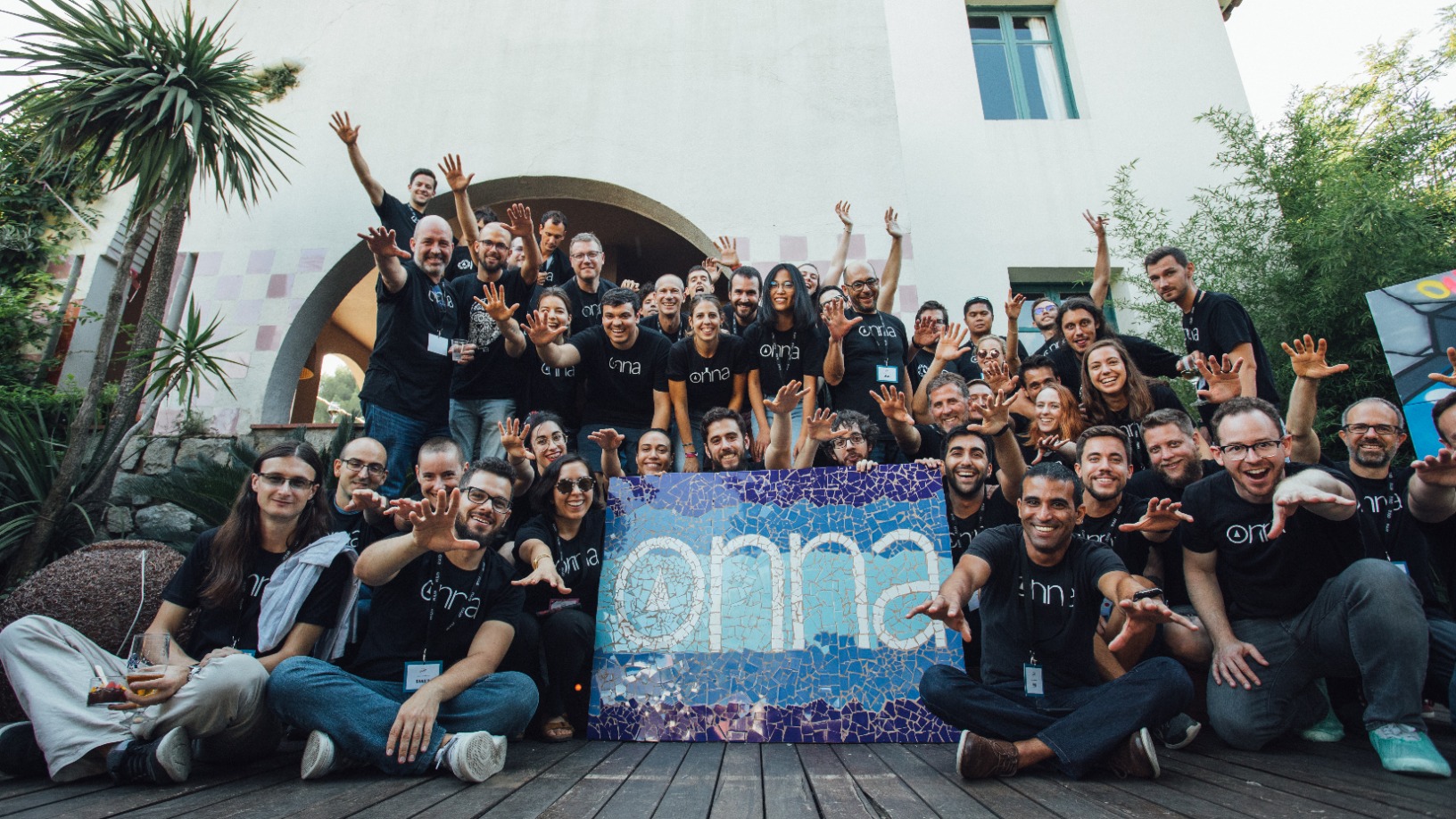
Data integration platform Onna accelerates growth with Covid-19 boost
Corporates use up to 80 different apps in their workflows. Slack- and Dropbox-backed Onna is a central platform integrating all that fragmented data, giving companies greater control
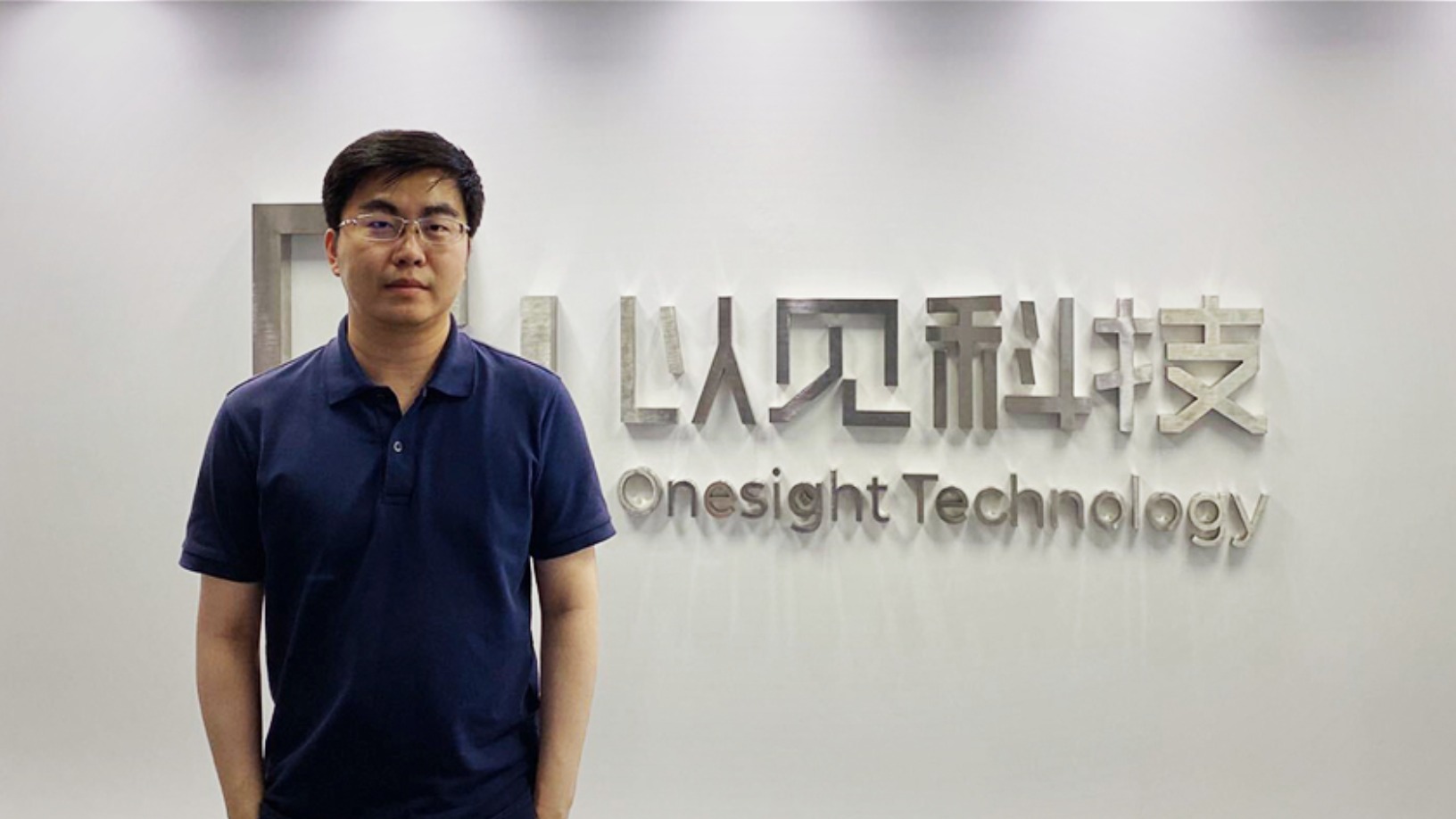
Onesight: Construction remote management tech amid Covid-19 and beyond
Architects, site managers and engineers avoid costly fixes and delays using Onesight’s building information modeling (BIM) apps to create full-scale 3D building models, spot errors
SWITCH Singapore: VCs urge startups to think beyond Covid-19
VCs also discuss prospects of a current tech bubble, and whether new working and hiring practices sparked by the pandemic could end Silicon Valley dominance

Covid-19: Indonesia's P2P lenders ready for slower business, default risk
P2P lending startups set up stricter scrutiny, budget reserves; playing key role in helping Indonesian businesses survive the Covid-19 crisis

Covid-19 has renewed investors' interest in China's online education sector
Will skyrocketing demand for online education during Covid-19 give China's edtechs that long-awaited push to profitability?

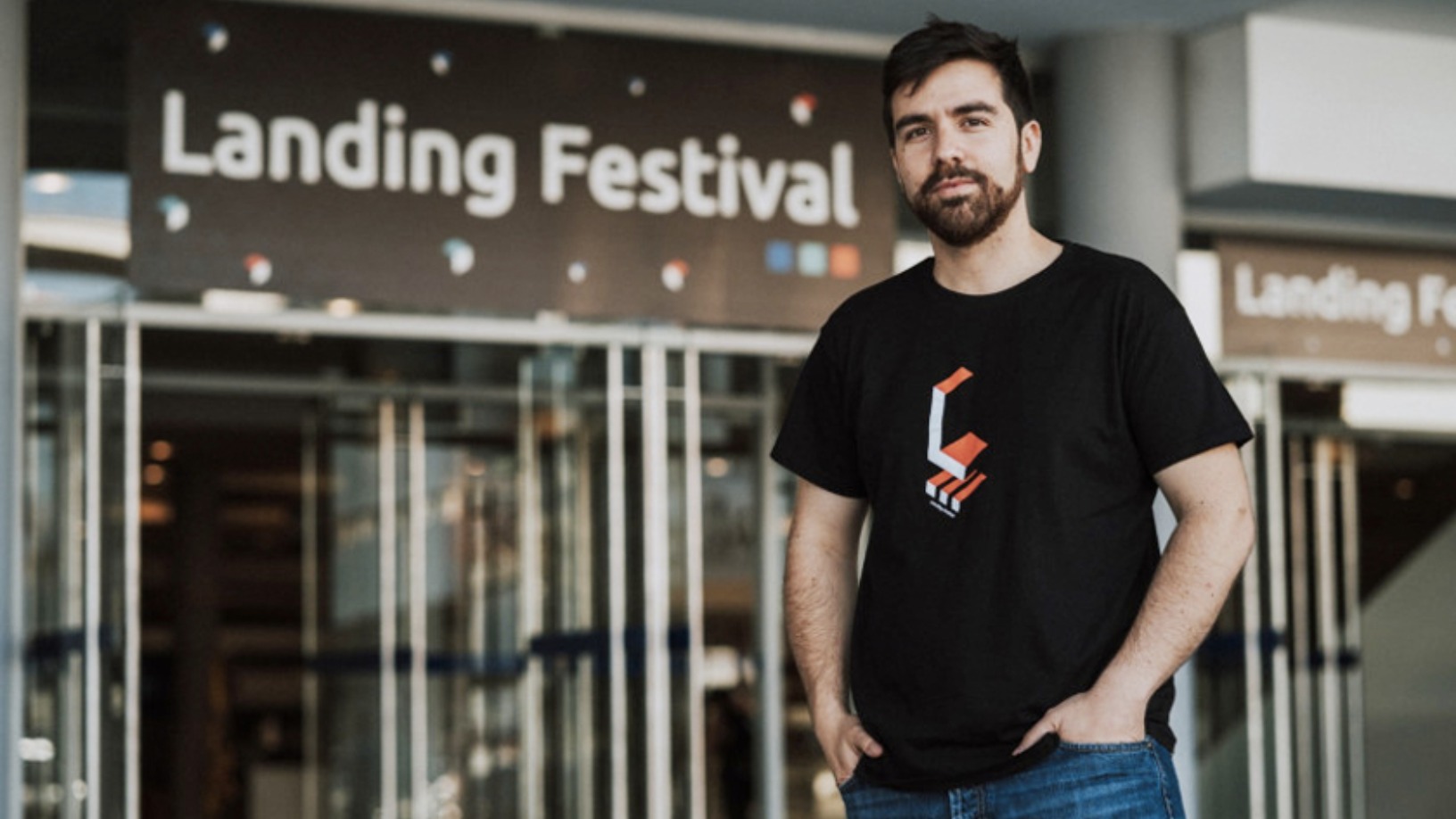
Pushed by Covid-19, Landing.Jobs repositions itself as IT talent ecosystem
The Portuguese tech jobs portal is pivoting into global talent hub with Future.Works, providing AI-driven recruitment services, training and career management for IT professionals
Some Chinese startups spot new market opportunities amid Covid-19 gloom
Crises create opportunities for startups to pivot and innovate, as Covid-19 is showing

HumanITcare: Covid-19 spurs demand for telemedicine across Spain and beyond
The startup’s revenue is expected to exceed €10m by 2024 due to rapid digital transformation of healthcare services and a growing market for AI-powered medtechs

China's WeDoctor offers free coronavirus consultations globally in English and Chinese
WeDoctor lets anyone in the world send queries to doctors who fought to save lives in China's most affected Covid-19 districts, and now helping people overseas to stay safe during the pandemic

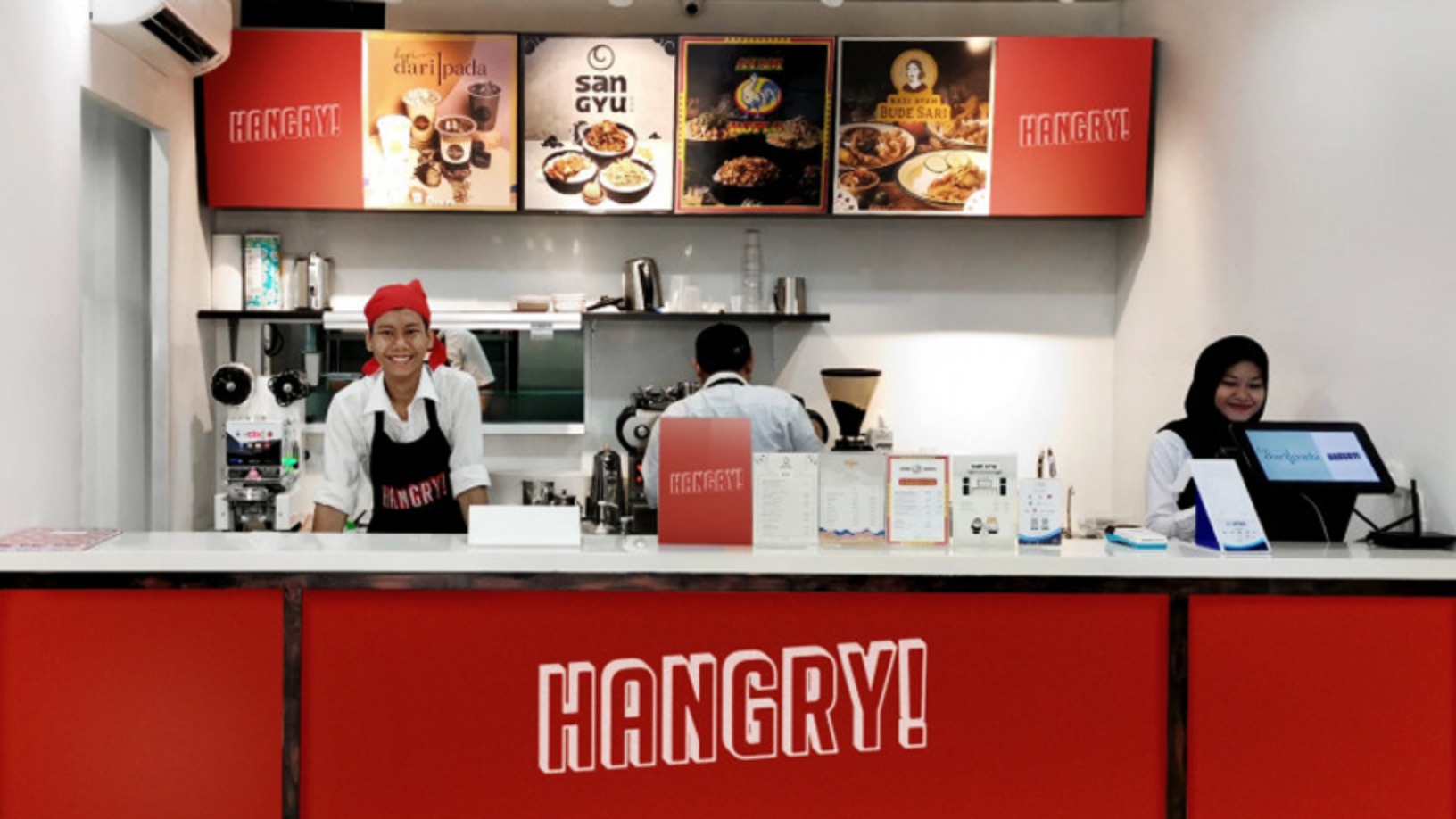
No dine-in, no problem: Hangry’s cloud kitchens thrive amid Covid-19
Learning from global F&B franchises has helped Hangry expand rapidly, maintain quality and set expansion goals despite the pandemic
Revoolt: “Covid-19 accelerated our expansion plans and made us more ambitious”
Revoolt’s emission-free last-mile delivery model proved viable during the lockdown in Spain – growth that’s now its launchpad for international expansion and new funding

WeKiddo: Enabling study from home and online national exams during Covid-19
By using mobile phone apps to connect parents, students and schools in real time, WeKiddo aims to support the masses who cannot afford computers and laptops

Indonesia gaming and esports – Covid-19 brings increased interest but also challenges
Canceled industry events may have curtailed promotion and investment opportunities, but interest in gaming and esports has increased

Amid Covid-19 gloom, some bright spots in Portugal's tech startup scene
Despite a recession and doubling of the unemployment rate forecast this year, it's not all bad news for the Portuguese tech ecosystem

Sorry, we couldn’t find any matches for “Asistencia COVID-19”.
POPULAR DATABASE