Chemical recycling
-
DATABASE (39)
-
ARTICLES (77)
Established in 1863, Bayer is a global chemical and pharmaceutical company with its head office in Leverkusen, Germany. In 2015, the company launched its digital healthcare accelerator program Grants4Apps in Berlin. Bayer has worldwide operations in cities like San Francisco, Tokyo, Shanghai, Singapore and Moscow.

Established in 1863, Bayer is a global chemical and pharmaceutical company with its head office in Leverkusen, Germany. In 2015, the company launched its digital healthcare accelerator program Grants4Apps in Berlin. Bayer has worldwide operations in cities like San Francisco, Tokyo, Shanghai, Singapore and Moscow.
Founded in 1990, Macrolink Group is now a large-scale modernized group with businesses in real estate, mining, petroleum, chemical, investment, finance and other industries. It has 90+ wholly owned subsidiaries, holding subsidiaries and sharing subsidiaries, operating in 20+ provinces in China and 40+ countries overseas.
Founded in 1990, Macrolink Group is now a large-scale modernized group with businesses in real estate, mining, petroleum, chemical, investment, finance and other industries. It has 90+ wholly owned subsidiaries, holding subsidiaries and sharing subsidiaries, operating in 20+ provinces in China and 40+ countries overseas.
Founded in 1996, HMC Venture is a subsidiary of the Harmony Group, a conglomerate that specializes in startup investment and chemical trade. HMC Venture’s investments focus on Internet-based FinTech and the enterprise service business, the medical and biological business and private equity.
Founded in 1996, HMC Venture is a subsidiary of the Harmony Group, a conglomerate that specializes in startup investment and chemical trade. HMC Venture’s investments focus on Internet-based FinTech and the enterprise service business, the medical and biological business and private equity.
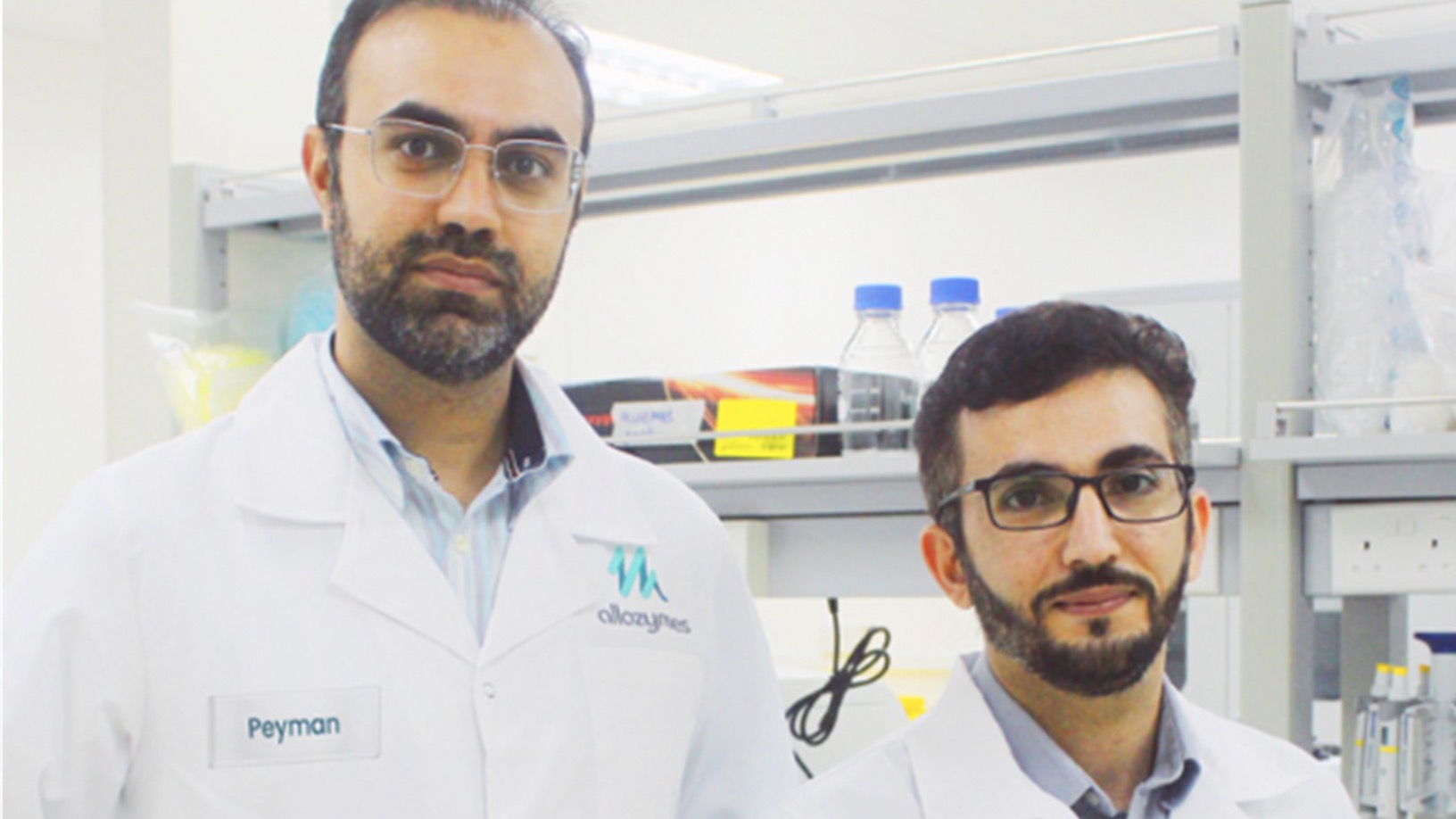
Co-founder and CEO of Allozymes
Peyman Salehian is an Iranian-born entrepreneur trained in chemical and biomolecular engineering. He founded his first company in 2010 after developing a custom material, and sold his stake in the company in 2013 before pursuing a PhD in Chemical and Biomolecular engineering at the National University of Singapore (NUS).Salehian graduated from the PhD program in 2017 and worked as a research fellow before embarking on one-year stints at two Singapore companies. In late 2019, he and fellow NUS researcher Akbar Vahidi established Allozymes, a startup offering enzyme engineering services using NUS-developed technology under license, with Salehian as CEO and Vahidi as CTO.
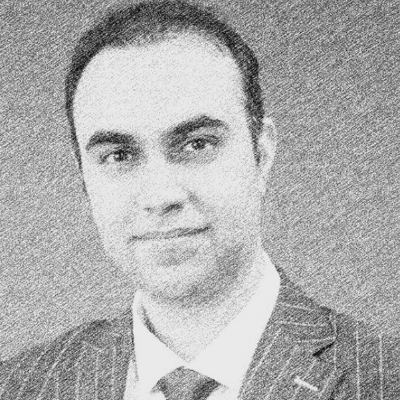
Peyman Salehian is an Iranian-born entrepreneur trained in chemical and biomolecular engineering. He founded his first company in 2010 after developing a custom material, and sold his stake in the company in 2013 before pursuing a PhD in Chemical and Biomolecular engineering at the National University of Singapore (NUS).Salehian graduated from the PhD program in 2017 and worked as a research fellow before embarking on one-year stints at two Singapore companies. In late 2019, he and fellow NUS researcher Akbar Vahidi established Allozymes, a startup offering enzyme engineering services using NUS-developed technology under license, with Salehian as CEO and Vahidi as CTO.
Shenzhen Sunrise New Energy Co. Ltd.
Founded in 1995, Shenzhen Sunrise New Energy Co. Ltd., formerly known as Shenzhen Rainbow Fine Chemical Industry Co. Ltd., was listed on the Shenzhen Stock Exchange in 2008. Its main lines of business include Lithium-ion battery, photovoltaic power generation and New Energy bus operation. In 2016, it set up a fund to invest in autonomous driving, wireless charging, advanced parking management, artificial intelligence and robotics sectors.

Founded in 1995, Shenzhen Sunrise New Energy Co. Ltd., formerly known as Shenzhen Rainbow Fine Chemical Industry Co. Ltd., was listed on the Shenzhen Stock Exchange in 2008. Its main lines of business include Lithium-ion battery, photovoltaic power generation and New Energy bus operation. In 2016, it set up a fund to invest in autonomous driving, wireless charging, advanced parking management, artificial intelligence and robotics sectors.
Co-founder and CTO of Allozymes
Akbar Vahidi is an Iranian researcher turned entrepreneur based in Singapore. After graduating in 2010 with a bachelor’s in chemical engineering from Sharif University of Technology, he pursued a PhD in chemical and biomolecular engineering at the National University of Singapore (NUS). Vahidi earned his PhD in 2015 and briefly worked as a research fellow at Nanyang Technological University before returning to NUS to pursue research.At NUS, he was a part of a research group that developed a new enzyme screening method based on microfluidics technology. With fellow NUS PhD graduate Peyman Salehian, Vahidi secured an exclusive license to use the technology and established Allozymes, a startup that offers enzyme engineering services. Vahidi became the CTO of Allozymes.
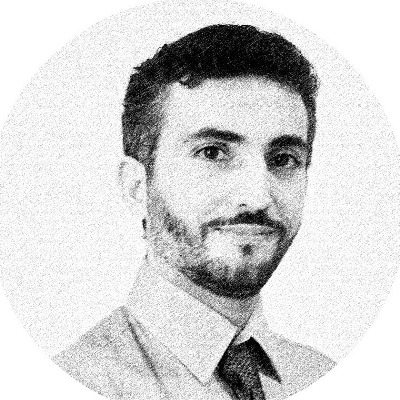
Akbar Vahidi is an Iranian researcher turned entrepreneur based in Singapore. After graduating in 2010 with a bachelor’s in chemical engineering from Sharif University of Technology, he pursued a PhD in chemical and biomolecular engineering at the National University of Singapore (NUS). Vahidi earned his PhD in 2015 and briefly worked as a research fellow at Nanyang Technological University before returning to NUS to pursue research.At NUS, he was a part of a research group that developed a new enzyme screening method based on microfluidics technology. With fellow NUS PhD graduate Peyman Salehian, Vahidi secured an exclusive license to use the technology and established Allozymes, a startup that offers enzyme engineering services. Vahidi became the CTO of Allozymes.
Founded in 2011, the knowledge capital fund is an initiative from the InKemia IUCT Group to focus on innovation and the licensing of patents in the biotech sectors. InKemia supports the life science industry through R&D grant programs, technical consultancy and training. It specializes in areas such as chemical synthesis, biotech, bio-catalysis, quality control and EU releases of new products. InKemia also supports local entrepreneurs through the Manuel Arroyo Award for Young Entrepreneurs with the aim to promote local cooperative economic development.
Founded in 2011, the knowledge capital fund is an initiative from the InKemia IUCT Group to focus on innovation and the licensing of patents in the biotech sectors. InKemia supports the life science industry through R&D grant programs, technical consultancy and training. It specializes in areas such as chemical synthesis, biotech, bio-catalysis, quality control and EU releases of new products. InKemia also supports local entrepreneurs through the Manuel Arroyo Award for Young Entrepreneurs with the aim to promote local cooperative economic development.
CTO and co-founder of Bygen
Ben Morton is an Australian entrepreneur and a chemical engineer by training. While serving in the Royal Australian Infantry, he attended Flinders University, pursuing a double honours degree in physics and organic chemistry. After graduating in 2013, Morton briefly worked as a chemist at fertilizer company SprayGro. In 2016, he enrolled at the University of Adelaide to pursue a PhD in Chemical Engineering. There, he joined Philip Kwong’s research group and met fellow PhD student Lewis Dunnigan. Using technology they developed at the research group, in 2017 Morton, and Dunnigan established Bygen, a startup offering a low-cost, novel way process of making activated carbon using various forms of agricultural waste, with Kwong as a technical adviser and fellow co-founder. Morton is now CTO of Bygen.
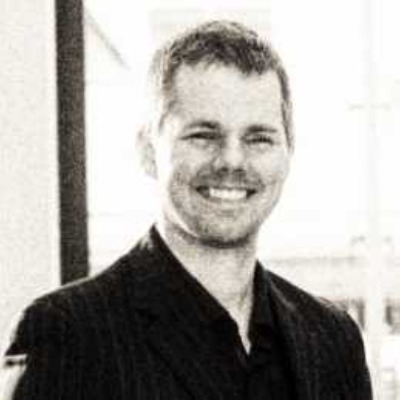
Ben Morton is an Australian entrepreneur and a chemical engineer by training. While serving in the Royal Australian Infantry, he attended Flinders University, pursuing a double honours degree in physics and organic chemistry. After graduating in 2013, Morton briefly worked as a chemist at fertilizer company SprayGro. In 2016, he enrolled at the University of Adelaide to pursue a PhD in Chemical Engineering. There, he joined Philip Kwong’s research group and met fellow PhD student Lewis Dunnigan. Using technology they developed at the research group, in 2017 Morton, and Dunnigan established Bygen, a startup offering a low-cost, novel way process of making activated carbon using various forms of agricultural waste, with Kwong as a technical adviser and fellow co-founder. Morton is now CTO of Bygen.
Marin Holding Limited is a Cyprus-based holding company, headquartered in Limassol. Its subsidiary Marin Ship Management focuses on the maritime logistic sector. Founded in February 2007 as a member of Germany's NSC Group in Hamburg, Marin's core activity is to provide crew management services to NSC and other clients. Marin Ship Management has worked with over 50 vessels including Containers, MPC, Con-Bulkers, Bulk carriers, Car carriers, Oil and Chemical tankers worldwide. Managing Director Martina Meinders-Michael has 20 years of experience in the shipping sector.
Marin Holding Limited is a Cyprus-based holding company, headquartered in Limassol. Its subsidiary Marin Ship Management focuses on the maritime logistic sector. Founded in February 2007 as a member of Germany's NSC Group in Hamburg, Marin's core activity is to provide crew management services to NSC and other clients. Marin Ship Management has worked with over 50 vessels including Containers, MPC, Con-Bulkers, Bulk carriers, Car carriers, Oil and Chemical tankers worldwide. Managing Director Martina Meinders-Michael has 20 years of experience in the shipping sector.
CEO and co-founder of Bygen
Lewis Dunnigan is a researcher turned entrepreneur based in Australia. After earning a master’s degree in Chemical Engineering and working as a researcher at the University of Edinburgh in the UK, Dunnigan returned to Australia. He had a brief stint as a visiting researcher and earned his PhD in Chemical Engineering at the University of Adelaide.During his PhD, Dunnigan was a part of Philip Kwong’s research laboratory. His PhD project involved developing a system to generate activated charcoal and renewable energy from biomass. In 2017, Dunnigan, Kwong, and fellow PhD student Ben Morton decided to commercialize this technology and established a spin-off company called Bygen, which developed a low-cost, novel way to make activated carbon more sustainably using various forms of agricultural waste. Dunnigan is now the CEO of Bygen.
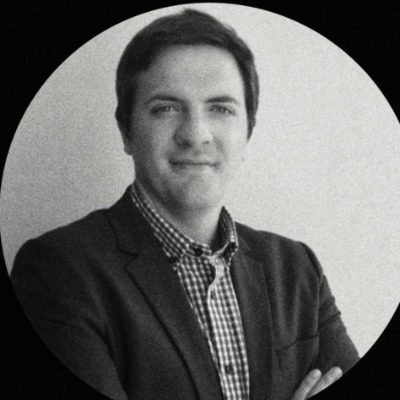
Lewis Dunnigan is a researcher turned entrepreneur based in Australia. After earning a master’s degree in Chemical Engineering and working as a researcher at the University of Edinburgh in the UK, Dunnigan returned to Australia. He had a brief stint as a visiting researcher and earned his PhD in Chemical Engineering at the University of Adelaide.During his PhD, Dunnigan was a part of Philip Kwong’s research laboratory. His PhD project involved developing a system to generate activated charcoal and renewable energy from biomass. In 2017, Dunnigan, Kwong, and fellow PhD student Ben Morton decided to commercialize this technology and established a spin-off company called Bygen, which developed a low-cost, novel way to make activated carbon more sustainably using various forms of agricultural waste. Dunnigan is now the CEO of Bygen.
Co-founder and CEO of KODI
Inra Sumahamijaya was initially trained in chemical engineering, having graduated from Institut Teknologi Sepuluh Nopember with a bachelor's in the field. He has worked for state-owned minerals company Antam and other companies in the oil and gas industry, including Total. He began exploring entrepreneurship in 2017, when he founded two small companies and joined various startup-related support programs. In 2018, he established KODI, a digital platform for cooperative enterprises.
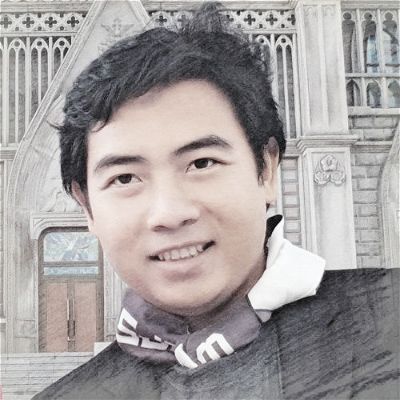
Inra Sumahamijaya was initially trained in chemical engineering, having graduated from Institut Teknologi Sepuluh Nopember with a bachelor's in the field. He has worked for state-owned minerals company Antam and other companies in the oil and gas industry, including Total. He began exploring entrepreneurship in 2017, when he founded two small companies and joined various startup-related support programs. In 2018, he established KODI, a digital platform for cooperative enterprises.
Co-founder and COO of BlackGarlic
Ardo Adiwidjaja followed his passion for the culinary arts by becoming a co-founder of BlackGarlic in 2015. Armed with over six years of project management and business development work experience, he is also the COO of BlackGarlic. Ardo has a degree in Chemical and Process Engineering from the University of Karlsruhe, Germany. He started his career as a trainee in 2009 at Voith Paper GmbH & Co and rose to become a manager before returning to Indonesia.
Ardo Adiwidjaja followed his passion for the culinary arts by becoming a co-founder of BlackGarlic in 2015. Armed with over six years of project management and business development work experience, he is also the COO of BlackGarlic. Ardo has a degree in Chemical and Process Engineering from the University of Karlsruhe, Germany. He started his career as a trainee in 2009 at Voith Paper GmbH & Co and rose to become a manager before returning to Indonesia.
Co-founder and CEO of GoWork
Vanessa Hendriadi Li is the founder of Rework, a coworking space operator in Jakarta. Following its merger with GoWork, she became the CEO of the company. Prior to Rework, she held managerial roles in her family's business the Mikatasa Group and its mineral water subsidiary PT Atlantic Biruraya. Vanessa holds a bachelor's degree in Chemical Engineering from the University of Wisconsin-Madison, USA, as well as an MBA from the University of Southern California.
Vanessa Hendriadi Li is the founder of Rework, a coworking space operator in Jakarta. Following its merger with GoWork, she became the CEO of the company. Prior to Rework, she held managerial roles in her family's business the Mikatasa Group and its mineral water subsidiary PT Atlantic Biruraya. Vanessa holds a bachelor's degree in Chemical Engineering from the University of Wisconsin-Madison, USA, as well as an MBA from the University of Southern California.
Co-founder and CEO of Payfazz
Hendra Kwik is a co-founder of mobile financial services firm Payfazz. Trained as a chemical engineer at Institut Teknologi Bandung where he earned his bachelor's in 2012, Hendra worked for oilfield services company Schlumberger from 2013 to mid-2015. Following a three-month sabbatical, he briefly joined O2O services company Kudo before establishing Payfazz in 2016. Hendra represented Payfazz at Y Combinator in 2017, making Payfazz the first Indonesian company to graduate from the renowned incubator program.
Hendra Kwik is a co-founder of mobile financial services firm Payfazz. Trained as a chemical engineer at Institut Teknologi Bandung where he earned his bachelor's in 2012, Hendra worked for oilfield services company Schlumberger from 2013 to mid-2015. Following a three-month sabbatical, he briefly joined O2O services company Kudo before establishing Payfazz in 2016. Hendra represented Payfazz at Y Combinator in 2017, making Payfazz the first Indonesian company to graduate from the renowned incubator program.
Co-founder and COO of Kudo
Agung Nugroho, a graduate in Chemical Engineering at the Institut Teknologi Bandung in Indonesia, began his career at Jakarta’s Boston Consulting Group in 2008. He was promoted to a consultant role in 2012 but left later that year to embark on an MBA program at the Haas School of Business, UC Berkeley. In 2014, he co-founded PT Kudo Teknologi Indonesia, an online-to-offline startup. Agung is also a curator at the Global Shapers Community, a youth-centric initiative by the World Economic Forum.

Agung Nugroho, a graduate in Chemical Engineering at the Institut Teknologi Bandung in Indonesia, began his career at Jakarta’s Boston Consulting Group in 2008. He was promoted to a consultant role in 2012 but left later that year to embark on an MBA program at the Haas School of Business, UC Berkeley. In 2014, he co-founded PT Kudo Teknologi Indonesia, an online-to-offline startup. Agung is also a curator at the Global Shapers Community, a youth-centric initiative by the World Economic Forum.
COMY Energy: Closing the plastic waste loop with chemical recycling
The Chinese startup transforms plastic wastes to virgin-quality recycled products without releasing toxic gas or pollution and is attracting interest from petrochemical giants and waste management companies

Poliloop: Tackling pollution crisis with plastic-eating bacteria for industrial use
Hungarian biotech Poliloop is closing $2m seed funding for “bacteria cocktail” that breaks down plastic into organic waste quickly, enabling more affordable and eco-friendly waste management
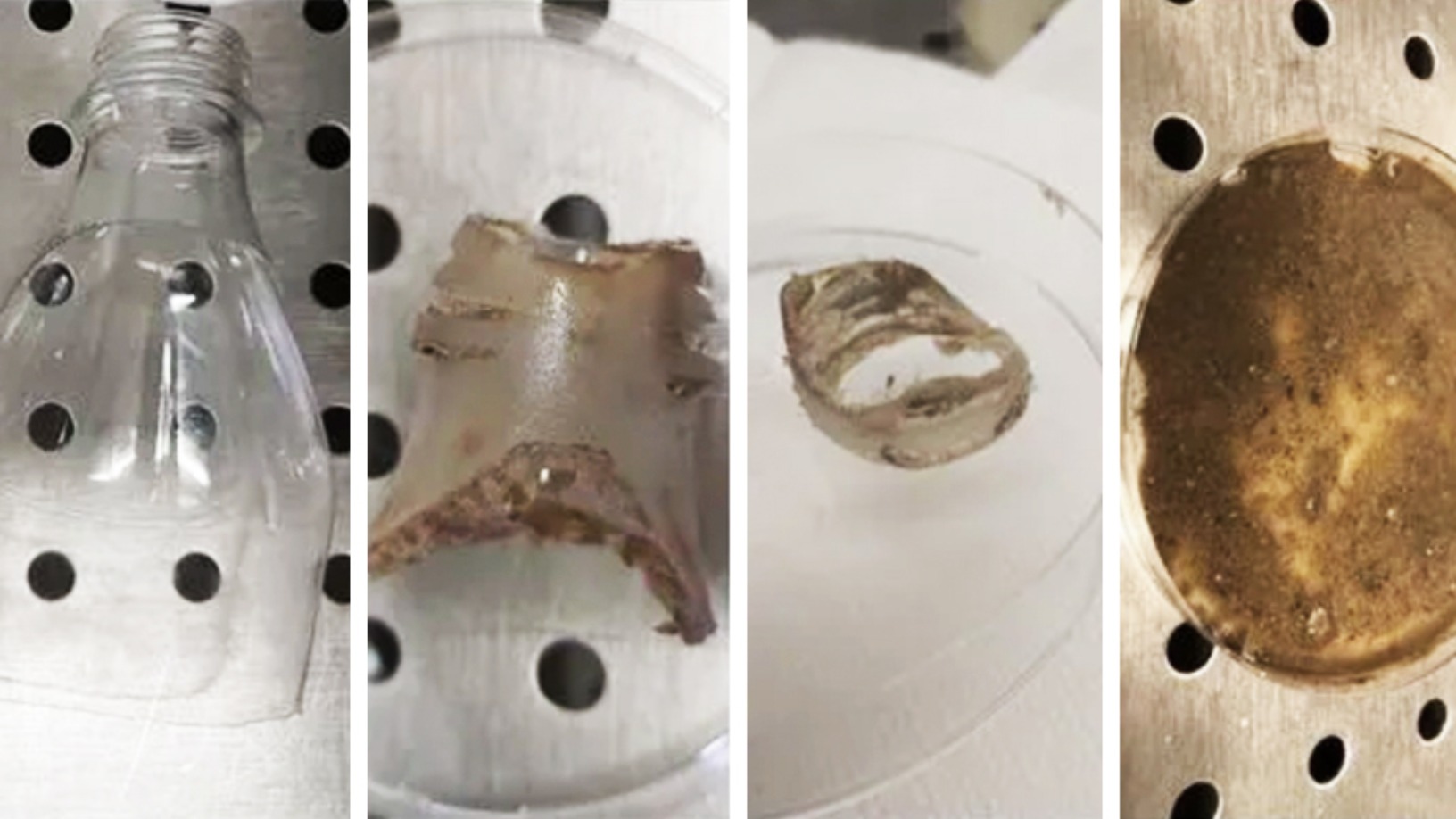
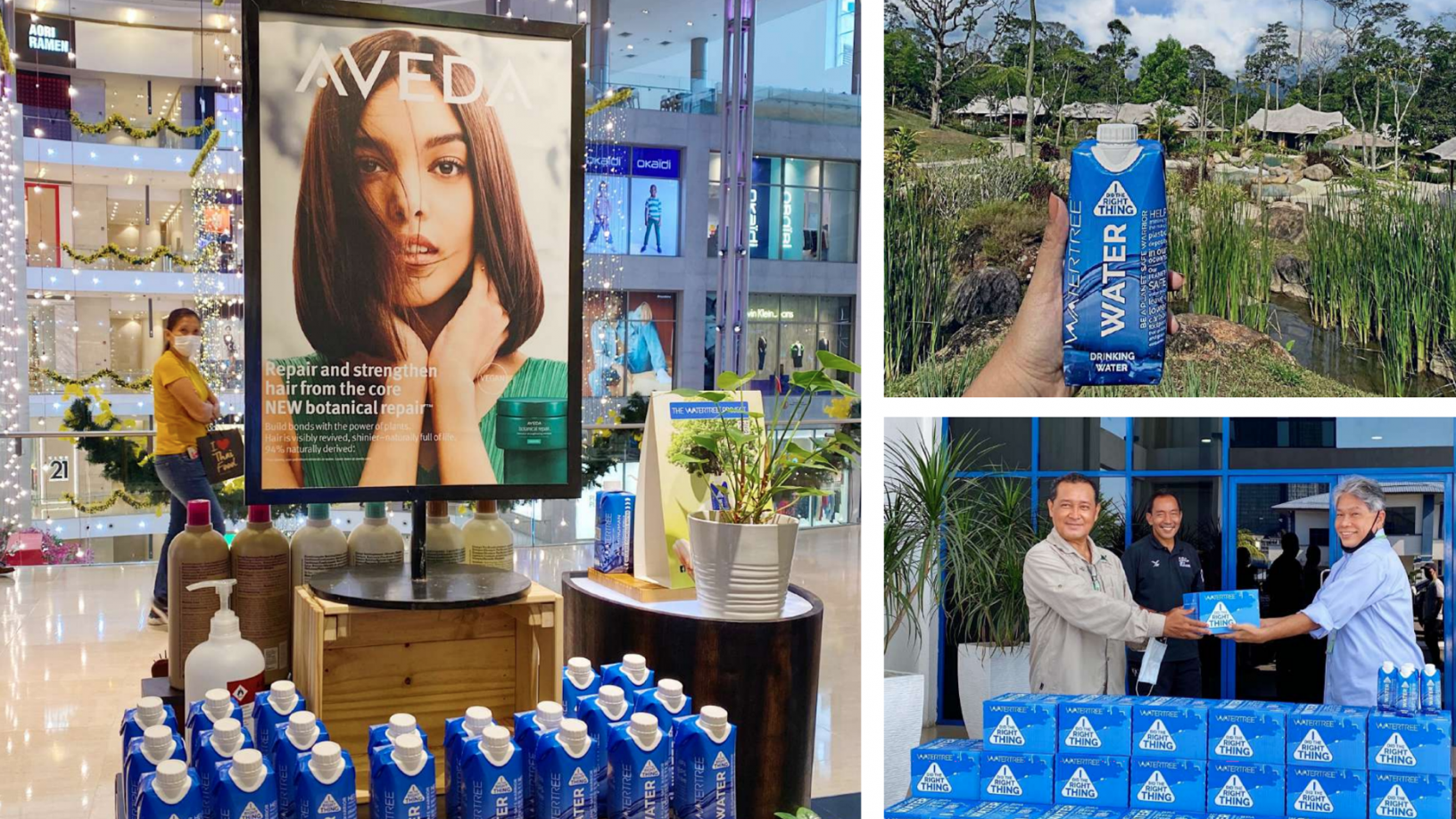
The Watertree Project: Eliminating single-use plastic water bottles in Malaysia
With high-profile Malaysian corporate clients under its belt, the startup is in no hurry to raise funds, preferring to focus on raising public awareness and winning mindshare
Europe ramps up development of local EV battery sector in race to zero emissions
Startups, automakers jostle or unite to ride the fast-growing EV battery market, as the EU pumps billions into developing its own value chain, to cut reliance on imports

Huidu Environmental: Creating a circular economy to ease online retail's parcel waste woes
China's billion-dollar courier industry finds much-needed solution in Huidu's eco-friendly, low-cost boxes and smart recycling system

Kryha: Enabling big businesses' green practices with blockchain
Kryha’s blockchain systems help companies trace the movement and transformation of resources among multiple stakeholders without exposing sensitive information
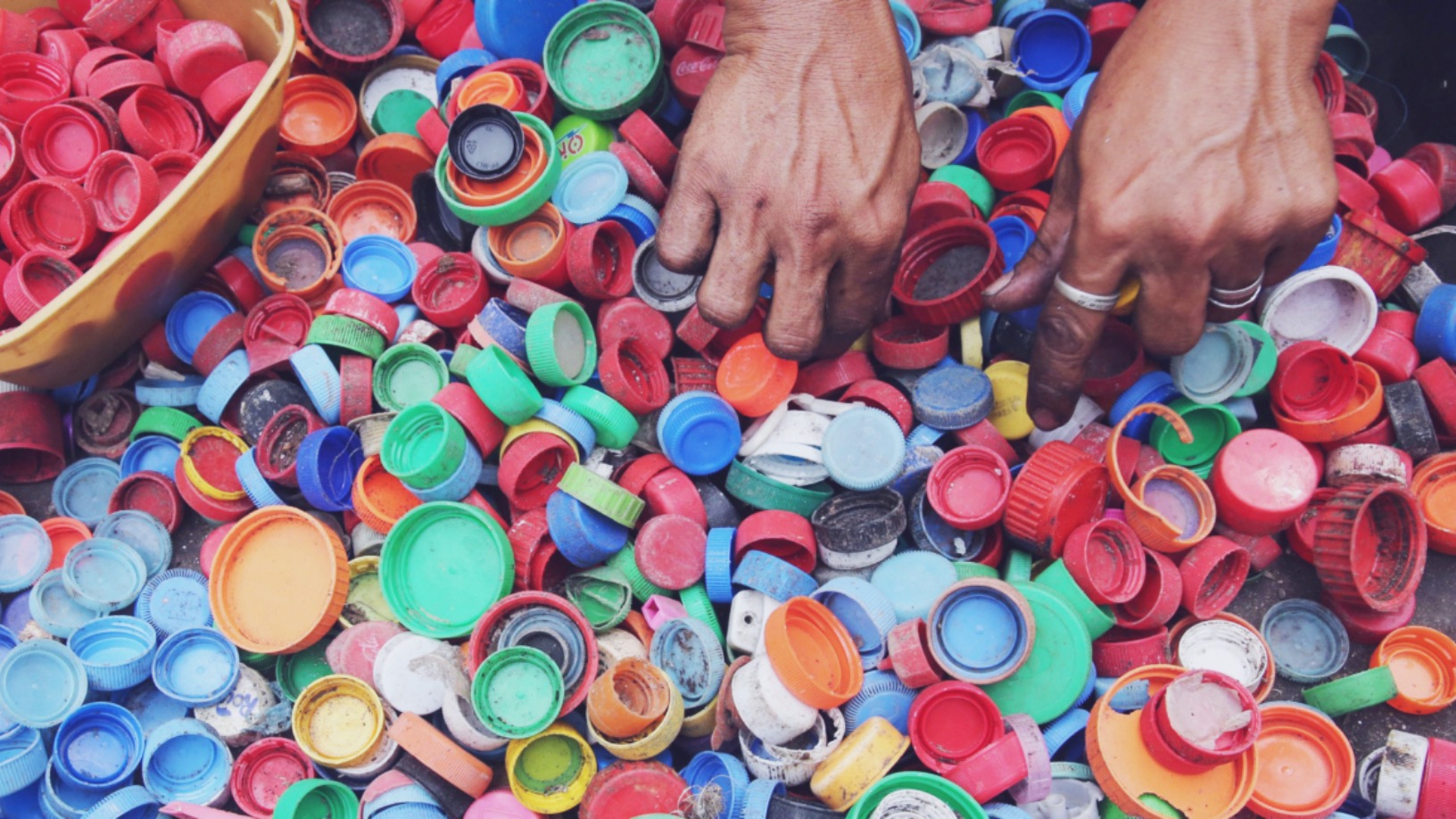
China's recycling startups seek cost-effective ways to make waste management profitable
The high costs of smart garbage bins and automation to sort out recycling have created new headaches for homes and offices

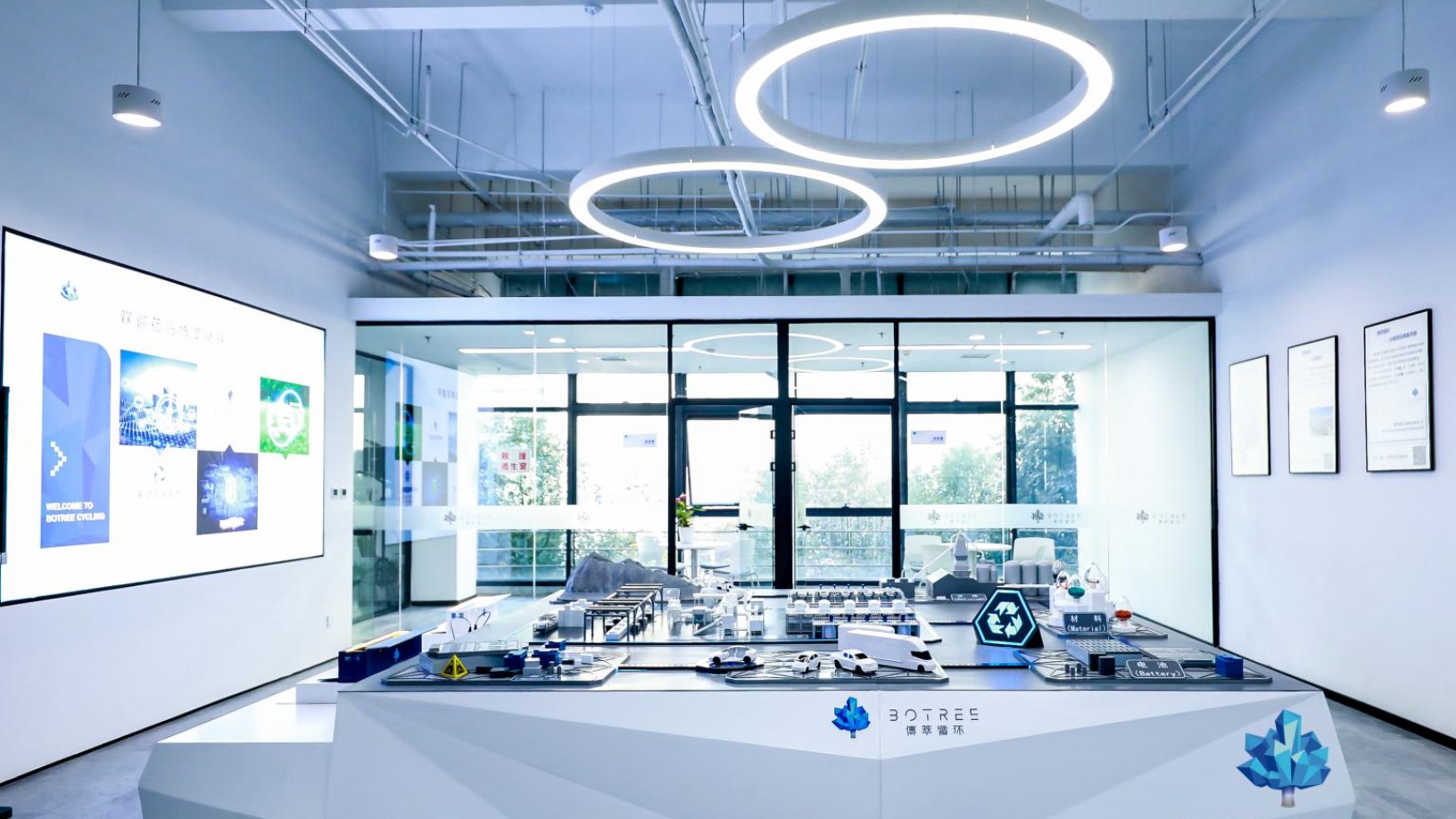
Botree Cycling: Recovering critical metals from end-of-life batteries
The Beijing-based startup helps clients dismantle and recycle spent lithium batteries on-site, recovering over 90% of rare metals and reducing demand for mineral resources
Circular economy: Discarded goods get a new lease of life in Spain
From e-chargers inside phone booths, recycling chatbots to refurbished stadium seats from Atlético Madrid, the offbeat magic of the circular economy is fast becoming a lucrative business in Spain

RecyGlo, Myanmar's first circular economy waste management system, targets regional growth
Turning trash into cash, Yangon-based recycling pioneer RecyGlo wants to extend its zero-waste circular economy model to the rest of Southeast Asia

MatMap: Making the construction sector more sustainable
Alicante-based startup MatMap gives a second lease of life to used construction materials that account for almost a third of EU waste

Now called Wanwu Xinsheng, the startup recycles over 70,000 used electronic goods in China daily, clocking over RMB 2bn of transactions every month

BeePlanet Factory: Recycling EV batteries as a sustainable, profitable business
With 4kWh–200kWh residential and industrial battery packs, the Pamplona-based startup wants to scale its energy storage solutions in the agri-food sector, camping sites and mountain huts
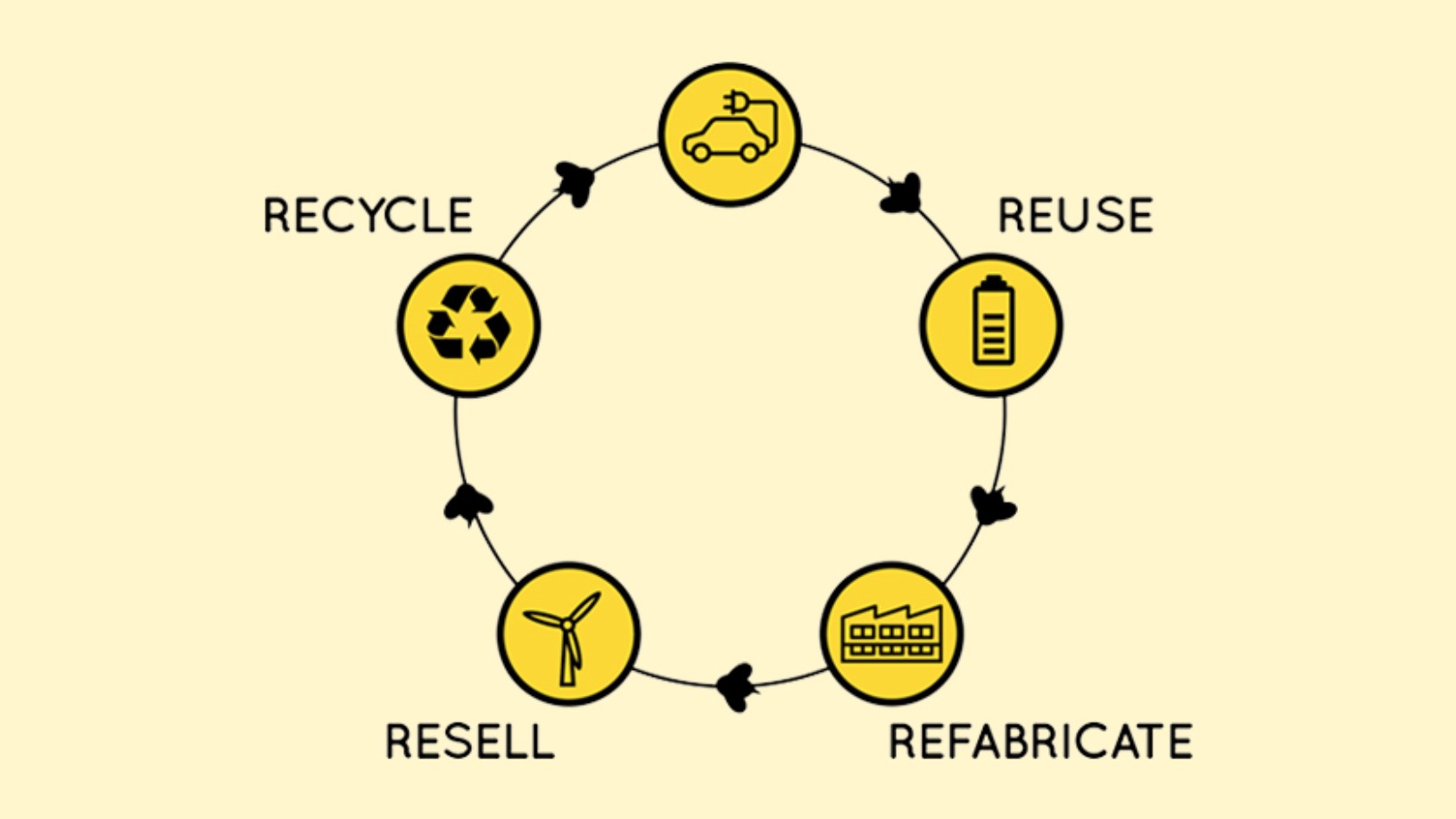
Refurbed: Electronics recycling marketplace gets $54m for EU consolidation, overseas expansion
Consumers can reduce their carbon footprints by shifting toward a circular economy, become carbon-neutral by planting one tree with every purchase from Refurbed
Allozymes wants to supercharge manufacturing with engineered enzymes
The Future Food Asia 2021 award winner speeds up enzyme engineering from years to months, is already attracting clients and has just raised $5m seed funding
Sorry, we couldn’t find any matches for “Chemical recycling”.
POPULAR DATABASE