KapanLagi Network
-
DATABASE (214)
-
ARTICLES (194)
Startmate is an accelerator program for tech-enabled Australian and New Zealand start-ups. It also operates a seed fund backed by venture capitalists and established entrepreneurs. The organisation was established in 2011 by Niki Scevak, founder of Blackbird Ventures, and a team that included the founders of Australian enterprise software company Atlassian. Since its inception in 2011, Startmate has invested in more than 150 startups with a combined valuation of more than A$1 billion. Startmate runs two accelerator cohorts a year, usually from January–April and July–October. This accelerator program is open to a wide range of entrepreneurs, from idea-stage groups and pre-Series A startups, to solo founders and complete teams. Companies participating in Startmate’s accelerator program each receive A$75,000 from Startmate’s community of mentors, in exchange for 7.5% equity. In 2019 Startmate launched a dedicated Climate Cohort, which runs parallel with the standard program and focuses on startups in cleantech and climate-tech. Startmate also runs a First Believers program twice a year, which trains future or aspiring angel investors from Australia and New Zealand by building their confidence and networks and refining their investment strategies. In addition, the organization runs a coaching and mentorship program and holds other networking programs, like a Founders’ Fellowship, Women Fellowship, and Student Fellowship, at various dates throughout the year.

Startmate is an accelerator program for tech-enabled Australian and New Zealand start-ups. It also operates a seed fund backed by venture capitalists and established entrepreneurs. The organisation was established in 2011 by Niki Scevak, founder of Blackbird Ventures, and a team that included the founders of Australian enterprise software company Atlassian. Since its inception in 2011, Startmate has invested in more than 150 startups with a combined valuation of more than A$1 billion. Startmate runs two accelerator cohorts a year, usually from January–April and July–October. This accelerator program is open to a wide range of entrepreneurs, from idea-stage groups and pre-Series A startups, to solo founders and complete teams. Companies participating in Startmate’s accelerator program each receive A$75,000 from Startmate’s community of mentors, in exchange for 7.5% equity. In 2019 Startmate launched a dedicated Climate Cohort, which runs parallel with the standard program and focuses on startups in cleantech and climate-tech. Startmate also runs a First Believers program twice a year, which trains future or aspiring angel investors from Australia and New Zealand by building their confidence and networks and refining their investment strategies. In addition, the organization runs a coaching and mentorship program and holds other networking programs, like a Founders’ Fellowship, Women Fellowship, and Student Fellowship, at various dates throughout the year.
Silicon Valley-based Tyche Partners was founded in 2015 to invest in hardtech sectors such as SpaceTech, IoT devices, cloud and enterprise infrastructure. Managing partner Weijie Yun is a computer science engineer and veteran entrepreneur as founder and CEO of Telegent Systems, AIP Networks and SiTek.The VC firm currently has 18 startups in its portfolio, including being lead investor for the $12m Series A round of Vence in May 2021. Vence is a California-based producer of virtual fencing wearables for livestock management.

Silicon Valley-based Tyche Partners was founded in 2015 to invest in hardtech sectors such as SpaceTech, IoT devices, cloud and enterprise infrastructure. Managing partner Weijie Yun is a computer science engineer and veteran entrepreneur as founder and CEO of Telegent Systems, AIP Networks and SiTek.The VC firm currently has 18 startups in its portfolio, including being lead investor for the $12m Series A round of Vence in May 2021. Vence is a California-based producer of virtual fencing wearables for livestock management.
Founded in 2012 in San Francisco, Joyance invests in the “vectors of happiness” that it classifies as areas of science, including genetics and bioscience, the microbiome, neuroscience, virtual and augmented reality, and foodtech. It also invests in the area of social networking. Its investments are made through its management company, Ataraxia, and many have a European focus. It currently has 115 companies in its portfolio, with recent investments including in the August 2021 $3.6m seed round of Polish bionic limb manufacturer and in the July 2021 $8m Series A round of Israeli sports injury AI platform Zone7.

Founded in 2012 in San Francisco, Joyance invests in the “vectors of happiness” that it classifies as areas of science, including genetics and bioscience, the microbiome, neuroscience, virtual and augmented reality, and foodtech. It also invests in the area of social networking. Its investments are made through its management company, Ataraxia, and many have a European focus. It currently has 115 companies in its portfolio, with recent investments including in the August 2021 $3.6m seed round of Polish bionic limb manufacturer and in the July 2021 $8m Series A round of Israeli sports injury AI platform Zone7.
SkyDeck Berkeley is the startup accelerator initiated by the University of California, Berkeley. It was established to commercialize the university’s research arm and startup ventures of its alumni. It provides non-equity funding assistance, mentorship and networking opportunities, as well as specialist resources for not-for-profit ventures.Since 2012, SkyDeck-backed startups have raised total funding of over $1.47bn, with 17 achieving exits through acquisitions. The accelerator’s investment-arm is Berkeley SkyDeck Fund also invests about $100,000 per startup during the program. Half of the SkyDeck fund’s profits goes to UC Berkeley to support public education projects. The fund is run by Chon Tang as managing partner and Brian Bordley as principal. Contributors to the fund include private individuals, corporations and VCs like Sequoia Capital, Sierra Ventures and Canvas Ventures.
SkyDeck Berkeley is the startup accelerator initiated by the University of California, Berkeley. It was established to commercialize the university’s research arm and startup ventures of its alumni. It provides non-equity funding assistance, mentorship and networking opportunities, as well as specialist resources for not-for-profit ventures.Since 2012, SkyDeck-backed startups have raised total funding of over $1.47bn, with 17 achieving exits through acquisitions. The accelerator’s investment-arm is Berkeley SkyDeck Fund also invests about $100,000 per startup during the program. Half of the SkyDeck fund’s profits goes to UC Berkeley to support public education projects. The fund is run by Chon Tang as managing partner and Brian Bordley as principal. Contributors to the fund include private individuals, corporations and VCs like Sequoia Capital, Sierra Ventures and Canvas Ventures.
Indonesian local crafts marketplace Qlapa shuts down
Series A funding failed to keep startup afloat as business remains unprofitable, regional heavyweights close in

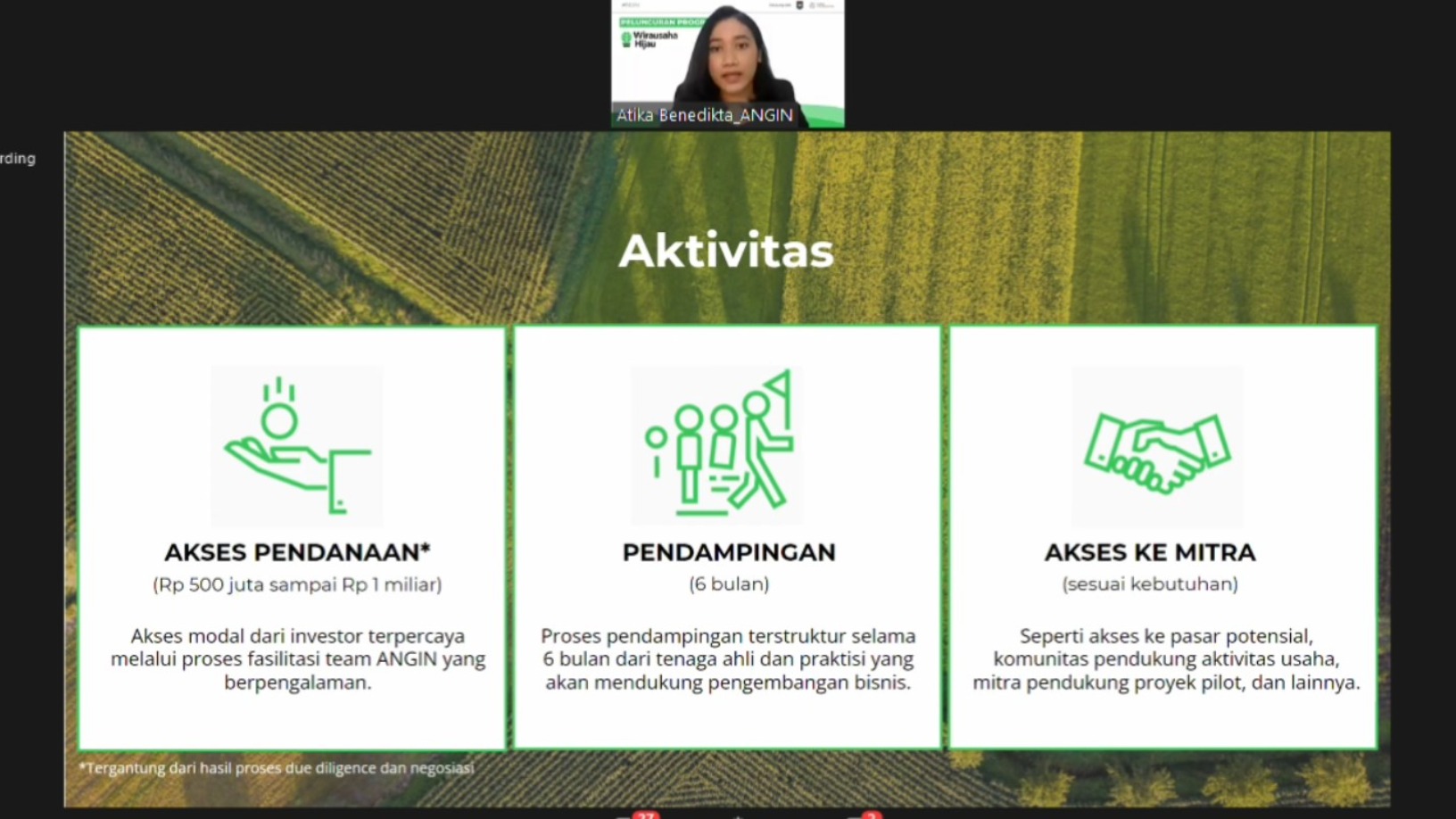
Indonesian angel investor network ANGIN launches agrifood incubator
Program targets ESG investment and builds on the strong potential of Indonesia’s agriculture sector, which kept growing despite the Covid-19 pandemic
The charm of Jike: From search engine to popular social network
App's success shows enthusiasm for a personalized, community-based content and search platform, emulated even by Tencent

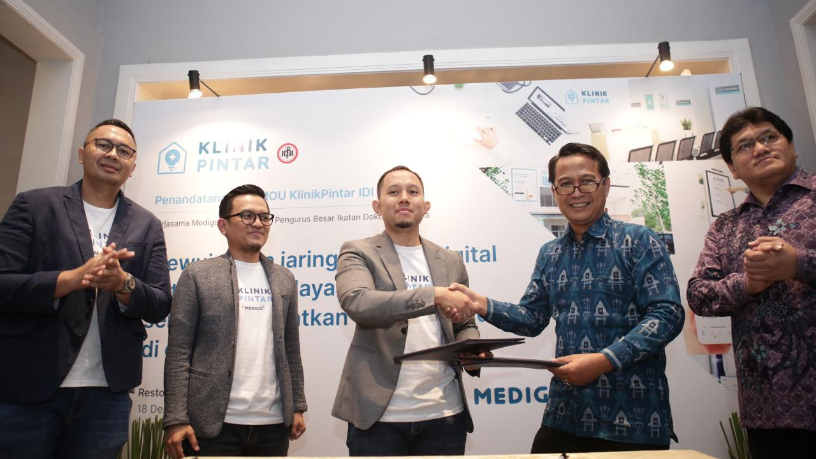
Medigo teams up with Indonesian Medical Association to launch primary care clinic network
Medigo aims to support healthcare operators with its clinic management SaaS, booking and medical records app for patients and more
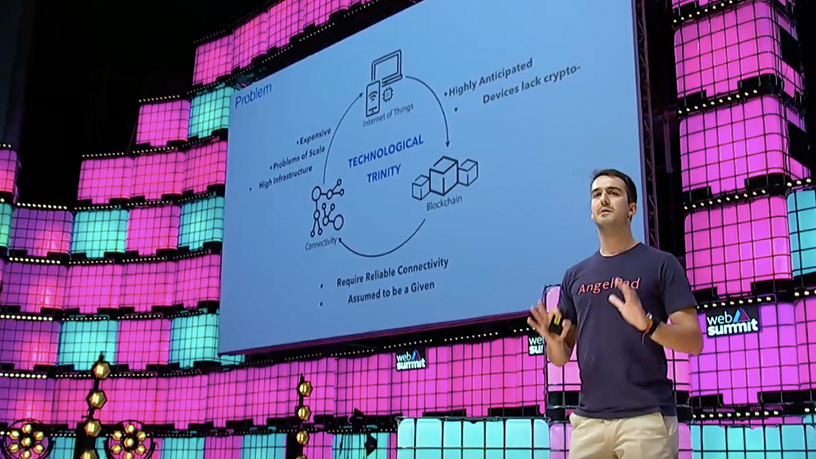
HypeLabs wins bumper US$3m seed funding to democratize connectivity
HypeLab's P2P mesh networking technology enables everyone to communicate within their own networks without needing internet, in cities, remote villages and even in disaster zones
EV maker Xpeng Motors partners Didi to offer car rentals and better charging services
Besides working with China's largest ride-hailing platform, Xpeng Motors has also connected to the charging networks of EV maker NIO and TELD, China's biggest EV charging network

Alias Robotics: Award-winning cyber security pioneer reduces “clear and present danger” of robots
As machines become integral parts of daily life, Alias Robotics offers humans a way to solve the ever-increasing potential risks of robots

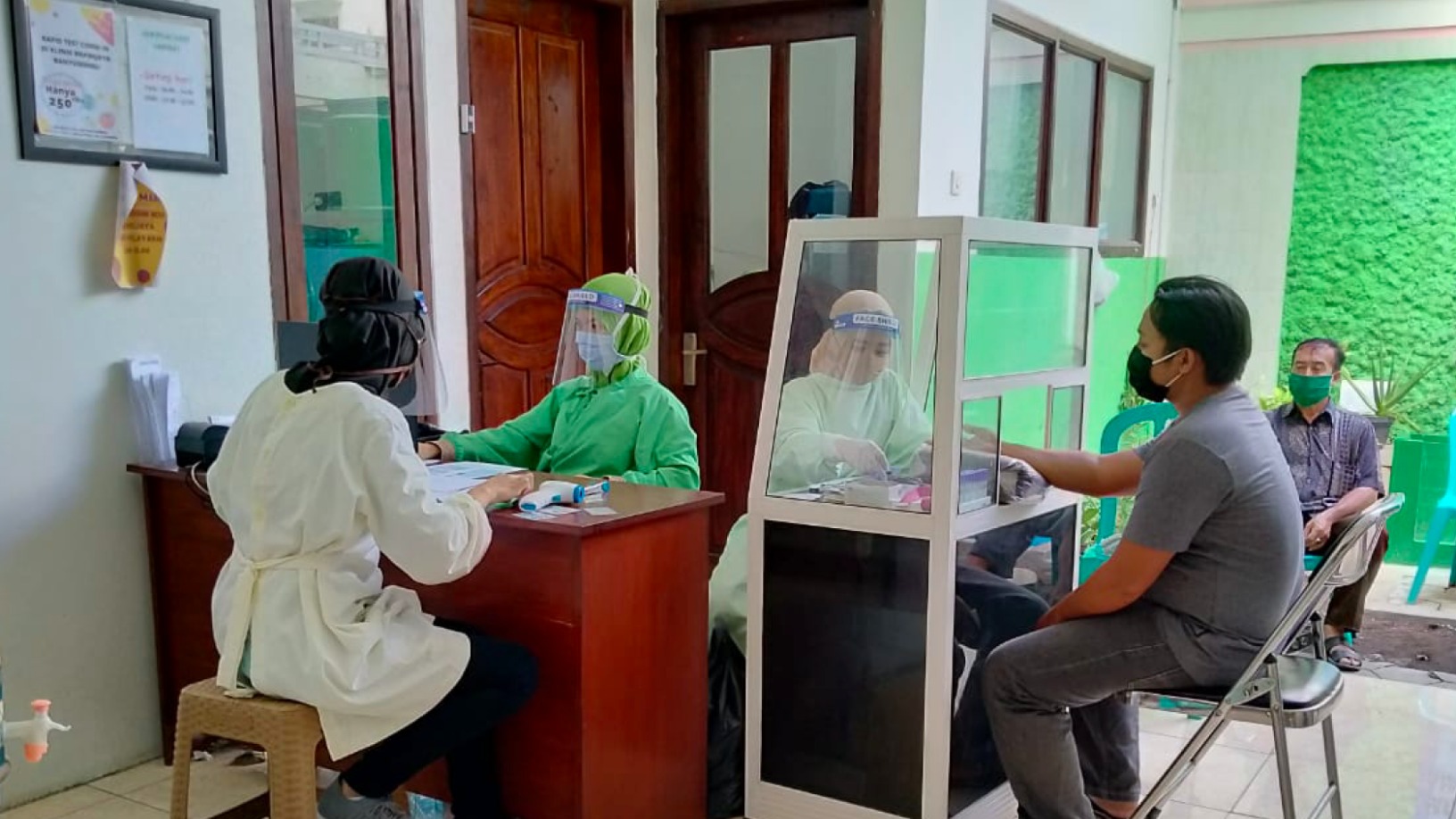
With a new focus on smart clinics, healthcare SaaS startup Medigo offers Covid-19 testing
A pivot to revenue-sharing and partnerships to provide Covid-19 testing has given Medigo a fighting chance, with a new funding round on the cards
One year on, Logisly gears up for expansion and a busy holiday period
Amid tough competition, Logisly is confident in its unit economics, extensive network and customer satisfaction

From laundry to beauty salons: Mr Jeff’s exponential franchising growth
Mr Jeff, the startup opening 100 new laundries a month, has entered the beauty market with price-competitive on-demand services

Supercharging and battery swap in race to cut EV charging times in China
Supercharging can slash EV charging times but has technological challenges. Hence battery swapping is on the rise in China, with state support

Makaron, an AI-powered "Photoshop for smartphones," has over 20m users
Want to make your photo look like it was taken anywhere in the world – even if you were not physically there? Photo-editing app Makaron allows you to do this within a few seconds using your mobile phone

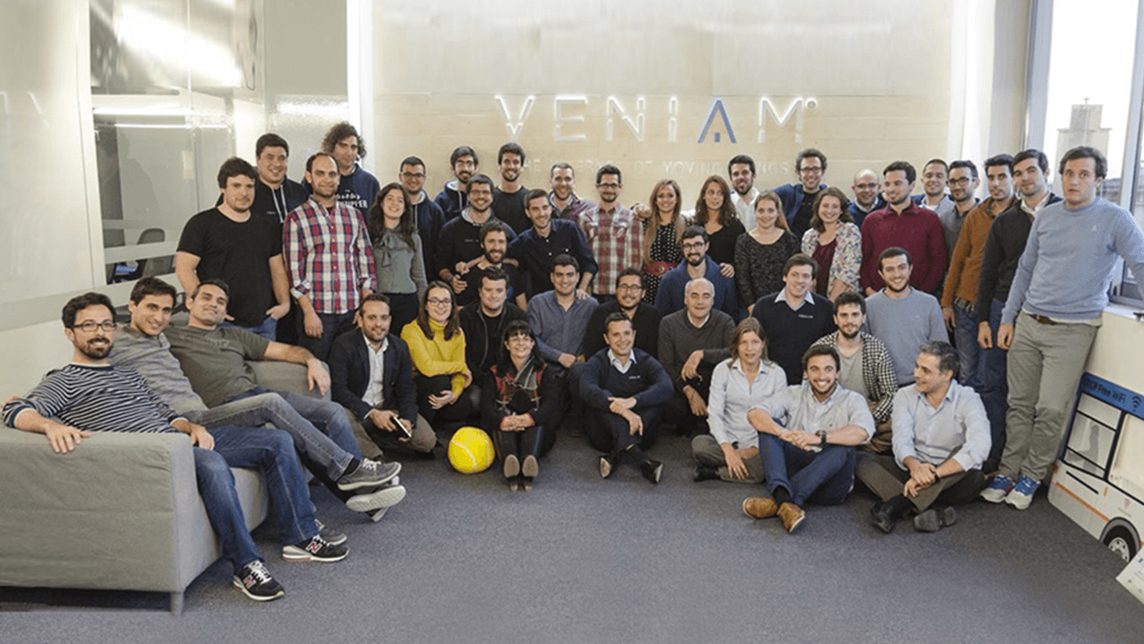
As Veniam’s “Internet of Moving Things” keeps growing, autonomous vehicles are next
The Portuguese startup is going places with its mesh networking technology, but that’s “just the beginning”, says Veniam founder and CEO João Barros. He talks to CompassList about partnering automakers to design self-driving cars, raising a new round of funding in 2018, and more
Beyond ride-hailing: Gojek, Grab and all their friends
Now that Grab and Go-Jek are in a faceoff on a regional scale, here's a look at how Southeast Asia's two biggest unicorns – and their investors – could be shaping the local digital economies and startup ecosystems

For your X-ray records, just check the cloud
A Chinese startup has built a digital medical image library on the cloud, bringing ease and cost savings to patients, doctors and hospitals countrywide

Sorry, we couldn’t find any matches for “KapanLagi Network”.
POPULAR DATABASE