Land O
-
DATABASE (2781)
-
ARTICLES (112)
Co-founder, CCO of Cocuus
Patxi Larumbe is the Spanish CCO and co-founder at 3D printing food tech and cell-based meat startup Cocuus, where he has worked since he co-founded it in 2017. Before Cocuus, Larumbe founded and directed eight other companies, the majority, like Cocuus, also based in Pamplona, Navarre. During his extensive entrepreneurial career, Larumbe had experience with design and manufacturing in 3D processes, which he used to innovate in Cocuus. Before Cocuus, he was a director at his building materials distribution company, On Clima, for two years, which was preceded by a two-year stint heading up Tohama, an IoT tech developer for Somfy products. Prior to that, he was commercial director for 20 years at building services company Terradisa and also founded its Catalonia offices.From 2000–2013, Larumbe was the founder and board member at Acustica Arquitectonica, an acoustic architectural design company and from 1995–2005, he had the same responsibilities at his hospitality company, Ostatu Zaharra. Other companies he founded were were Render (1990–96), Netcorp Factory (1996–2000) and No Solo Futbol ("Not Just Soccer") (2000–2004). Larumbe studied electronics at first degree level in Pamplona.

Patxi Larumbe is the Spanish CCO and co-founder at 3D printing food tech and cell-based meat startup Cocuus, where he has worked since he co-founded it in 2017. Before Cocuus, Larumbe founded and directed eight other companies, the majority, like Cocuus, also based in Pamplona, Navarre. During his extensive entrepreneurial career, Larumbe had experience with design and manufacturing in 3D processes, which he used to innovate in Cocuus. Before Cocuus, he was a director at his building materials distribution company, On Clima, for two years, which was preceded by a two-year stint heading up Tohama, an IoT tech developer for Somfy products. Prior to that, he was commercial director for 20 years at building services company Terradisa and also founded its Catalonia offices.From 2000–2013, Larumbe was the founder and board member at Acustica Arquitectonica, an acoustic architectural design company and from 1995–2005, he had the same responsibilities at his hospitality company, Ostatu Zaharra. Other companies he founded were were Render (1990–96), Netcorp Factory (1996–2000) and No Solo Futbol ("Not Just Soccer") (2000–2004). Larumbe studied electronics at first degree level in Pamplona.
Co-founder, COO of Cocuus
Daniel Rico Aldaz is the Spanish COO and co-founder at 3D printing food tech and cell-based meat startup Cocuus, where he has worked since he co-founded it in 2017. Before Cocuus, Rico founded an industrial design company, Rico Ingenio, which was established in 2009, where he continues to be a founding partner.His last full-time position before Cocuus was at systems automation company Kaizen for less than a year, where he headed up the technical office. Prior to that, Rico briefly led the computer-to-plate (CTP) and quality control departments at printers Estellaprint. For 15 years, until 2016, Rico was founder at his own industrial design company El Seis Y El Cuatro.Rico’s varied career has also seen him as head designer of children's parks and gyms at Mader Play, as an IT teacher at a worker’s foundation and as both a graphic and an artistic designer in two communication agencies and a lighting company. During his career, Rico has had experience with design and manufacturing in 3D processes, which he used to innovate in Cocuus. Rico did not attend university. He studied music and design at high school.

Daniel Rico Aldaz is the Spanish COO and co-founder at 3D printing food tech and cell-based meat startup Cocuus, where he has worked since he co-founded it in 2017. Before Cocuus, Rico founded an industrial design company, Rico Ingenio, which was established in 2009, where he continues to be a founding partner.His last full-time position before Cocuus was at systems automation company Kaizen for less than a year, where he headed up the technical office. Prior to that, Rico briefly led the computer-to-plate (CTP) and quality control departments at printers Estellaprint. For 15 years, until 2016, Rico was founder at his own industrial design company El Seis Y El Cuatro.Rico’s varied career has also seen him as head designer of children's parks and gyms at Mader Play, as an IT teacher at a worker’s foundation and as both a graphic and an artistic designer in two communication agencies and a lighting company. During his career, Rico has had experience with design and manufacturing in 3D processes, which he used to innovate in Cocuus. Rico did not attend university. He studied music and design at high school.
CEO and founder of Les Noveaux Affineurs
Nour Akbaraly completed a master’s in engineering at Centrale Lille and also a master’s in applied mathematics at Lille University in 2010. In 2011, Akbaraly joined industrial manufacturing consultancy firm Avencore as a consultant in Paris.The avid photographer and F&B enthusiast also went to various tea-tasting classes at a tea specialist college until 2015. Passionate about gastronomy, he began exploring alt-protein alternatives to address the environmental and ethical challenges of food supply chains.In 2016, he went on an engineering training course for agronomy and agri-food at AgroSup Dijon, the National Institute of Agronomic, Food and Environmental Sciences.A year later, he founded Les Noveaux Affineurs, a startup specializing in plant-based alternatives to cheese. His ambition is to create a new range of French gastronomic vegan cheese products for consumers in France and overseas.Since 2010, Akbaraly is also a volunteer at the Action Contre la Faim, a Paris-based international NGO founded in 1979. The “Action Against Hunger” projects include running awareness campaigns on food security issues in colleges and schools in France and other countries like India and Sudan.
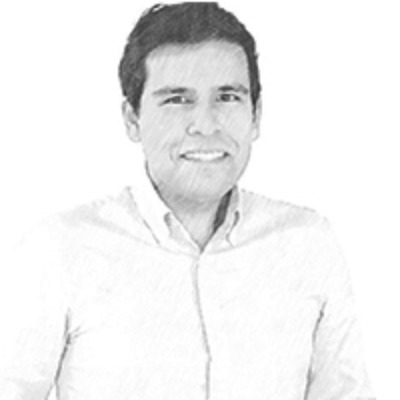
Nour Akbaraly completed a master’s in engineering at Centrale Lille and also a master’s in applied mathematics at Lille University in 2010. In 2011, Akbaraly joined industrial manufacturing consultancy firm Avencore as a consultant in Paris.The avid photographer and F&B enthusiast also went to various tea-tasting classes at a tea specialist college until 2015. Passionate about gastronomy, he began exploring alt-protein alternatives to address the environmental and ethical challenges of food supply chains.In 2016, he went on an engineering training course for agronomy and agri-food at AgroSup Dijon, the National Institute of Agronomic, Food and Environmental Sciences.A year later, he founded Les Noveaux Affineurs, a startup specializing in plant-based alternatives to cheese. His ambition is to create a new range of French gastronomic vegan cheese products for consumers in France and overseas.Since 2010, Akbaraly is also a volunteer at the Action Contre la Faim, a Paris-based international NGO founded in 1979. The “Action Against Hunger” projects include running awareness campaigns on food security issues in colleges and schools in France and other countries like India and Sudan.
CEO and founder of Mycorena
Ramkumar Nair graduated in biotechnology at the Cochin University of Science and Technology in Kerala before going to Sweden for postgrad studies in 2013.During his PhD in industrial biotechnology at the University of Borås, he embarked on a research project to create fungi-based proteins from discarded sidestreams generated by food producers. After extensive research in 2017, he founded Mycorena in Gothenburg to produce mycoproteins using fermentation technology.The startup’s first commercial product, Promyc, is now being sold to global food companies as a more sustainable and nutritional alt-protein compared to traditional plant-based proteins.

Ramkumar Nair graduated in biotechnology at the Cochin University of Science and Technology in Kerala before going to Sweden for postgrad studies in 2013.During his PhD in industrial biotechnology at the University of Borås, he embarked on a research project to create fungi-based proteins from discarded sidestreams generated by food producers. After extensive research in 2017, he founded Mycorena in Gothenburg to produce mycoproteins using fermentation technology.The startup’s first commercial product, Promyc, is now being sold to global food companies as a more sustainable and nutritional alt-protein compared to traditional plant-based proteins.
CEO and Founder of Carbonstop
Yan graduated from Oxford University in 2009 with an MSc in Computer Science. Before that, he had worked at the IT company YTEC as a software engineer and project manager from 2006–2008. After graduation, he joined Best Foot Forward, one of the earliest global carbon footprint consulting companies as a senior software engineer, and worked there until March 2011 when he left to found Carbonstop.He is an expert reviewer of the UN IPCC Fifth Assessment Report (AR5) and a member of the Carbon Disclosure Project Technical Experts. He used to be a member of the China Youth Delegate for UNFCCC 2012 Doha Climate Change Conference.
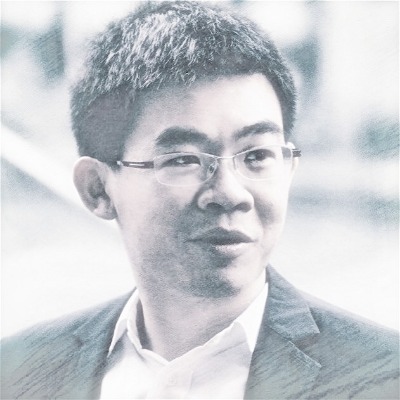
Yan graduated from Oxford University in 2009 with an MSc in Computer Science. Before that, he had worked at the IT company YTEC as a software engineer and project manager from 2006–2008. After graduation, he joined Best Foot Forward, one of the earliest global carbon footprint consulting companies as a senior software engineer, and worked there until March 2011 when he left to found Carbonstop.He is an expert reviewer of the UN IPCC Fifth Assessment Report (AR5) and a member of the Carbon Disclosure Project Technical Experts. He used to be a member of the China Youth Delegate for UNFCCC 2012 Doha Climate Change Conference.
Founder and CEO of Yidianling
Xu Yingqi has over a decade of work experience in the gaming, pharmaceutical and finance sectors. He joined an online gaming company named 5173 in 2003 and expanded the team from 20 to 3,000 employees, increasing the yearly GMV from US$3m to more than US$1.5bn. Xu then joined a pharmaceutical company named 818 in 2009, helping over 300 pharmacies go online. The company's business grew 248% annually under his leadership. In 2003, Xu started financial services platform 658 that generated RMB1.3bn worth of transactions. In 2015, he went on to establish Yidianling, an online mental health consultancy.

Xu Yingqi has over a decade of work experience in the gaming, pharmaceutical and finance sectors. He joined an online gaming company named 5173 in 2003 and expanded the team from 20 to 3,000 employees, increasing the yearly GMV from US$3m to more than US$1.5bn. Xu then joined a pharmaceutical company named 818 in 2009, helping over 300 pharmacies go online. The company's business grew 248% annually under his leadership. In 2003, Xu started financial services platform 658 that generated RMB1.3bn worth of transactions. In 2015, he went on to establish Yidianling, an online mental health consultancy.
CEO and co-founder of Carbo Culture
Finnish native Pia Henrietta Moon, has been a scout leader since 2003. Her first job was in event management and tourism operations in India for Sunset Getaways & Insta tourism in 2007. While studying at the University of Economics and Business in Vienna, she met American engineer Christopher Carstens in 2013 at a global solutions innovation program organized by Singularity University in California. She left university in 2014 and co-founded Carbo Culture as CEO in 2016 with Carstens as CTO.In 2016, Moon also joined the electronics company Yleiselektroniikka as a board member, the youngest person in Finland to hold such a position in a listed company. Moon also founded edtech startup Mehackit in 2013 and became its chairwoman for four years. She exited both companies in 2018 to focus on running Carbo Culture.While at university, Moon also worked for over two years at Rails Girls, a not-for-profit for women in tech. In Finland, she joined the student entrepreneurship society in 2011 and completed an internship in 2010 at the Ministry for Foreign Affairs of Finland. In 2015, she joined the World Economic Forum’s Global Shapers youth community initiative in Helsinki.
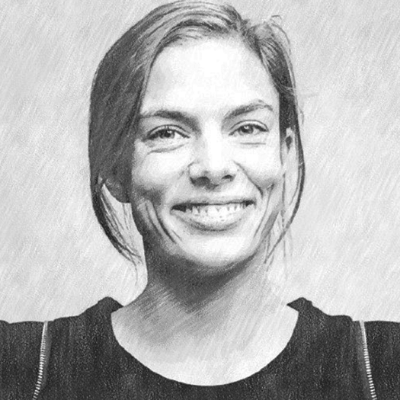
Finnish native Pia Henrietta Moon, has been a scout leader since 2003. Her first job was in event management and tourism operations in India for Sunset Getaways & Insta tourism in 2007. While studying at the University of Economics and Business in Vienna, she met American engineer Christopher Carstens in 2013 at a global solutions innovation program organized by Singularity University in California. She left university in 2014 and co-founded Carbo Culture as CEO in 2016 with Carstens as CTO.In 2016, Moon also joined the electronics company Yleiselektroniikka as a board member, the youngest person in Finland to hold such a position in a listed company. Moon also founded edtech startup Mehackit in 2013 and became its chairwoman for four years. She exited both companies in 2018 to focus on running Carbo Culture.While at university, Moon also worked for over two years at Rails Girls, a not-for-profit for women in tech. In Finland, she joined the student entrepreneurship society in 2011 and completed an internship in 2010 at the Ministry for Foreign Affairs of Finland. In 2015, she joined the World Economic Forum’s Global Shapers youth community initiative in Helsinki.
Co-founder, CEO of SwissDeCode
Brij Sahi is CEO and co-founder at Swiss biotech SwissDeCode, which applies DNA testing to food traceability, He has worked there full-time since April 2016. Since 2011, Sahi has also been an adjunct professor at Webster University in Geneva, teaching Business Policy, Strategic Management and Leadership. He is also a Swiss-based private investor in unnamed companies.From 2000–2008, Sahi worked at airline IT and telecommunications company SITA in both Singapore and Switzerland, where he reached the role of VP working in sales and marketing. He previously worked for two-and-a-half years in the area of sales and marketing at GAMECO, an aircraft maintenance and services company in China. Sahi started his corporate career at British Airways, where he spent over 11 years in marketing and business development. Sahi holds an MBA from Cass Business School in London and a first degree in air transport engineering from City University, London.
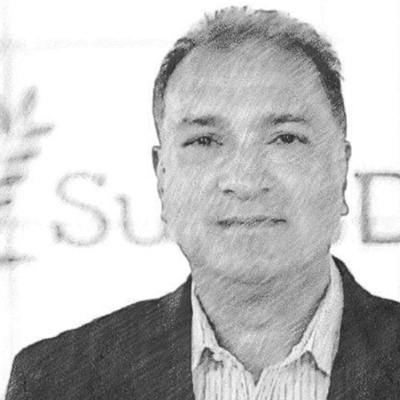
Brij Sahi is CEO and co-founder at Swiss biotech SwissDeCode, which applies DNA testing to food traceability, He has worked there full-time since April 2016. Since 2011, Sahi has also been an adjunct professor at Webster University in Geneva, teaching Business Policy, Strategic Management and Leadership. He is also a Swiss-based private investor in unnamed companies.From 2000–2008, Sahi worked at airline IT and telecommunications company SITA in both Singapore and Switzerland, where he reached the role of VP working in sales and marketing. He previously worked for two-and-a-half years in the area of sales and marketing at GAMECO, an aircraft maintenance and services company in China. Sahi started his corporate career at British Airways, where he spent over 11 years in marketing and business development. Sahi holds an MBA from Cass Business School in London and a first degree in air transport engineering from City University, London.
Co-founder, CTO of SwissDeCode
Gianpaolo Rando is CTO and co-founder at Swiss biotech SwissDeCode, which applies DNA testing to food traceability. He has worked there full-time since April 2016. Prior to this, Rando gained significant experience working in the field of genomics. He spent three years prior to SwissDeCode’s foundation trialing his DNA food testing technology in his startup BeerDeCoded and assisted in the launch of a compact DNA laboratory at Bento Bio in London. He previously spent almost three years at the University of Geneva in research, co-inventing a technology for ink to change color in response to a specific DNA sequence. His earlier position at the University of Lausanne as a post-doctoral fellow in genomics saw him lead a nine-man team for three and a half years, discovering the hormone that prepares newborns to lactate. Rando’s first post was at Trangenic Operative Products, leading animal research there. Italian-born Rando holds a PhD in biotechnology and pharmacology from the University of Milan as well as a qualification in data science.
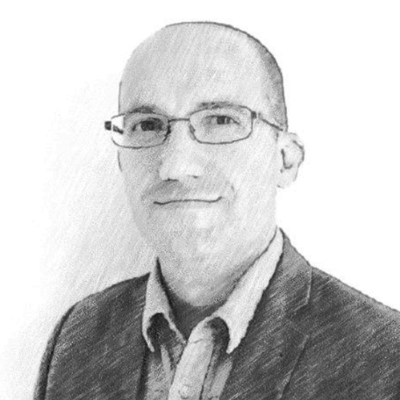
Gianpaolo Rando is CTO and co-founder at Swiss biotech SwissDeCode, which applies DNA testing to food traceability. He has worked there full-time since April 2016. Prior to this, Rando gained significant experience working in the field of genomics. He spent three years prior to SwissDeCode’s foundation trialing his DNA food testing technology in his startup BeerDeCoded and assisted in the launch of a compact DNA laboratory at Bento Bio in London. He previously spent almost three years at the University of Geneva in research, co-inventing a technology for ink to change color in response to a specific DNA sequence. His earlier position at the University of Lausanne as a post-doctoral fellow in genomics saw him lead a nine-man team for three and a half years, discovering the hormone that prepares newborns to lactate. Rando’s first post was at Trangenic Operative Products, leading animal research there. Italian-born Rando holds a PhD in biotechnology and pharmacology from the University of Milan as well as a qualification in data science.
CTO and co-founder of Carbo Culture
US native Christopher Carstens graduated in mechanical engineering in 2002 at the University of California, Berkeley. He started his career as a technology analyst at The Spark Group in San Francisco.In 2004, the engineer co-founded Solid Gas Technologies to build a methane hydrate production system. Carstens also founded Homeland Fuels to construct a bioreactor using ethanol. He exited both companies in 2006 and went to work at World Waste Technologies in California as project manager and engineer. In 2012, he started working at Graphene Technologies as R&D engineer.In 2013, he joined an innovation accelerator program at Singularity University where he met Finnish participant Henrietta Moon. They co-founded Finnish startup Carbo Culture in 2016 with Carstens as CTO based at the California plant.The serial entrepreneur and inventor also founded Hydrate Dynamics as CTO in 2015 to develop gas storage and transportation facilities using clathrate hydrates technology. In 2018, he was appointed by the US Department of Energy to be a member of the Methane Hydrate Advisory Committee until January 2020.
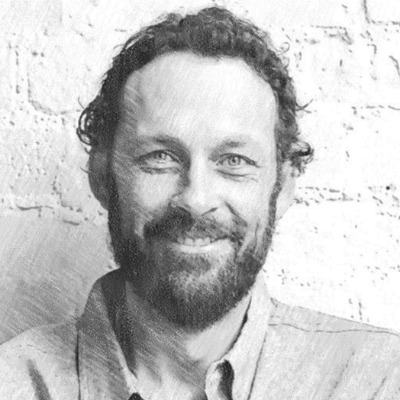
US native Christopher Carstens graduated in mechanical engineering in 2002 at the University of California, Berkeley. He started his career as a technology analyst at The Spark Group in San Francisco.In 2004, the engineer co-founded Solid Gas Technologies to build a methane hydrate production system. Carstens also founded Homeland Fuels to construct a bioreactor using ethanol. He exited both companies in 2006 and went to work at World Waste Technologies in California as project manager and engineer. In 2012, he started working at Graphene Technologies as R&D engineer.In 2013, he joined an innovation accelerator program at Singularity University where he met Finnish participant Henrietta Moon. They co-founded Finnish startup Carbo Culture in 2016 with Carstens as CTO based at the California plant.The serial entrepreneur and inventor also founded Hydrate Dynamics as CTO in 2015 to develop gas storage and transportation facilities using clathrate hydrates technology. In 2018, he was appointed by the US Department of Energy to be a member of the Methane Hydrate Advisory Committee until January 2020.
Co-founder of SmartAHC
Chen Haokai has a bachelor’s degree and a PhD in integrated circuit design from Nanyang Technological University in Singapore. Before co-founding SmartAHC in 2014, he worked as an executive at Marvell Asia, a global supplier of semiconductor solutions.
Chen Haokai has a bachelor’s degree and a PhD in integrated circuit design from Nanyang Technological University in Singapore. Before co-founding SmartAHC in 2014, he worked as an executive at Marvell Asia, a global supplier of semiconductor solutions.
Co-founder of Ximalaya
Before co-founding Ximalaya with Yu Jianjun, Chen Xiaoyu worked as an investment director at one of Thailand's largest conglomerates, Charoen Pokphand Group, in its China office. There, she supervised the Group’s investments in internet startups. With seed funding from the Group in 2009, Chen and Yu Jianjun founded their first startup, Na Li Shi Jie, building online virtual city maps. Though the business failed after two years, they utilised the rich experience they gained and founded the much more successful Ximalaya in 2012.

Before co-founding Ximalaya with Yu Jianjun, Chen Xiaoyu worked as an investment director at one of Thailand's largest conglomerates, Charoen Pokphand Group, in its China office. There, she supervised the Group’s investments in internet startups. With seed funding from the Group in 2009, Chen and Yu Jianjun founded their first startup, Na Li Shi Jie, building online virtual city maps. Though the business failed after two years, they utilised the rich experience they gained and founded the much more successful Ximalaya in 2012.
CEO and Co-founder of Ximalaya
Serial entrepreneur Yu Jianjun founded three businesses before co-founding his most successful startup Ximalaya, China’s largest online audio sharing and service platform. After graduating with a masters in mechanical engineering from Xi’an Jiaotong University, Yu began his entrepreneurial journey by building virtual city maps using 3D modeling technology. His second business, City Bar, was sold to Baidu.

Serial entrepreneur Yu Jianjun founded three businesses before co-founding his most successful startup Ximalaya, China’s largest online audio sharing and service platform. After graduating with a masters in mechanical engineering from Xi’an Jiaotong University, Yu began his entrepreneurial journey by building virtual city maps using 3D modeling technology. His second business, City Bar, was sold to Baidu.
R&D and business lead and co-founder of Graviky Labs
Anirudh Sharma is one of three co-founders of Graviky Labs, which makes ink out of carbon that is captured from pollution and purified using proprietary technology. This concept was born from Sharma’s experiments making ink from candle soot while doing his master’s at MIT Materials Lab. He currently leads R&D and business at the firm. Sharma’s interests include augmented reality, wearable computing and environmental projects. Over the years, he has developed and patented various technology products with social and environmental impact. He was formerly CTO and co-founder of India’s first wearable technology company, Ducere Technologies, which was later sold. This company makes Lechal, the world’s first smart haptic device for shoes, initially designed by Sharma as a navigation aid for the visually impaired. Sharma also previously worked for Imagin Group at Hewlett Packard Labs, on a multimodal speech and touch-based computer-aided design interface for large displays.Sharma holds a master's from Massachusetts Institute of Technology and co-led the activities of MIT Media Lab India from 2013–2015. He is a TED and TEDx speaker and has been included in Forbes’ 30 Under 30 for Asia, MIT Technology Review’s 35 Innovators Under 35, and Foreign Policy magazine’s 100 Global Thinkers of 2016.
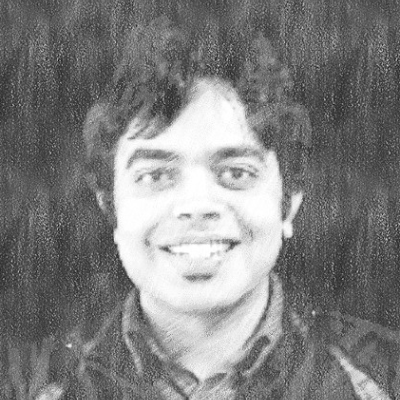
Anirudh Sharma is one of three co-founders of Graviky Labs, which makes ink out of carbon that is captured from pollution and purified using proprietary technology. This concept was born from Sharma’s experiments making ink from candle soot while doing his master’s at MIT Materials Lab. He currently leads R&D and business at the firm. Sharma’s interests include augmented reality, wearable computing and environmental projects. Over the years, he has developed and patented various technology products with social and environmental impact. He was formerly CTO and co-founder of India’s first wearable technology company, Ducere Technologies, which was later sold. This company makes Lechal, the world’s first smart haptic device for shoes, initially designed by Sharma as a navigation aid for the visually impaired. Sharma also previously worked for Imagin Group at Hewlett Packard Labs, on a multimodal speech and touch-based computer-aided design interface for large displays.Sharma holds a master's from Massachusetts Institute of Technology and co-led the activities of MIT Media Lab India from 2013–2015. He is a TED and TEDx speaker and has been included in Forbes’ 30 Under 30 for Asia, MIT Technology Review’s 35 Innovators Under 35, and Foreign Policy magazine’s 100 Global Thinkers of 2016.
Operation & finance lead and co-founder of Graviky Labs
Nikhil Kaushik is one of the three co-founders of a startup company and MIT spin-off, Graviky Labs, which he began together with Anirudh Sharma and Nitesh Kadyan. The company developed AIR-INK, an industrial and customer-grade ink made of upcycled carbon emissions that are captured and purified through patented proprietary technology. At Graviky Labs, Kaushik heads its operations and finance, and formerly oversaw its supply chain and business relations.Kaushik is a qualified chartered accountant. Prior to Graviky Labs, he worked in Ernst & Young managing tax advisory and compliance work for large Indian and international corporates. Kaushik was named one of Foreign Policy magazine's 100 Global Thinkers in 2016 along with the other Graviky Labs co-founders.

Nikhil Kaushik is one of the three co-founders of a startup company and MIT spin-off, Graviky Labs, which he began together with Anirudh Sharma and Nitesh Kadyan. The company developed AIR-INK, an industrial and customer-grade ink made of upcycled carbon emissions that are captured and purified through patented proprietary technology. At Graviky Labs, Kaushik heads its operations and finance, and formerly oversaw its supply chain and business relations.Kaushik is a qualified chartered accountant. Prior to Graviky Labs, he worked in Ernst & Young managing tax advisory and compliance work for large Indian and international corporates. Kaushik was named one of Foreign Policy magazine's 100 Global Thinkers in 2016 along with the other Graviky Labs co-founders.
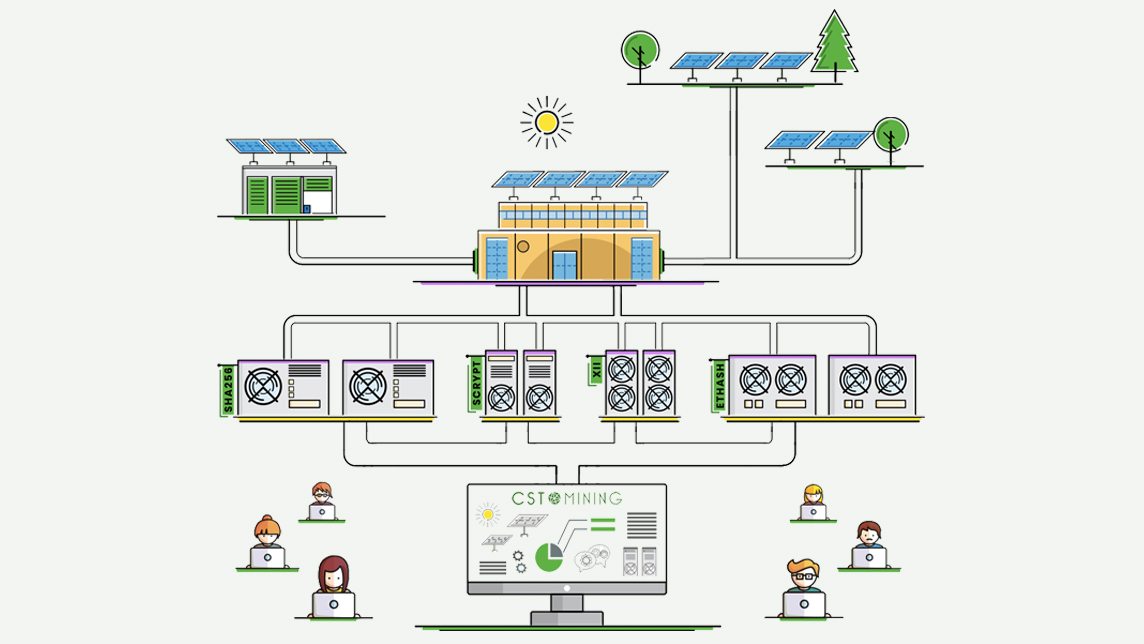
Cryptosolartech: Harnessing solar power to make cryptomining less environmentally harmful
The Spanish startup also sources cheaper electricity for cryptomining. It recently raised €8.85m in a pre-ICO, enabling it to build the world's first solar-powered cryptomining farm
CoolFarm: Why did Microsoft Portugal's Startup of the Year go bust?
The indoor-gardening tech startup went from winning awards to closing down with debts of close to €1m four years after its founding
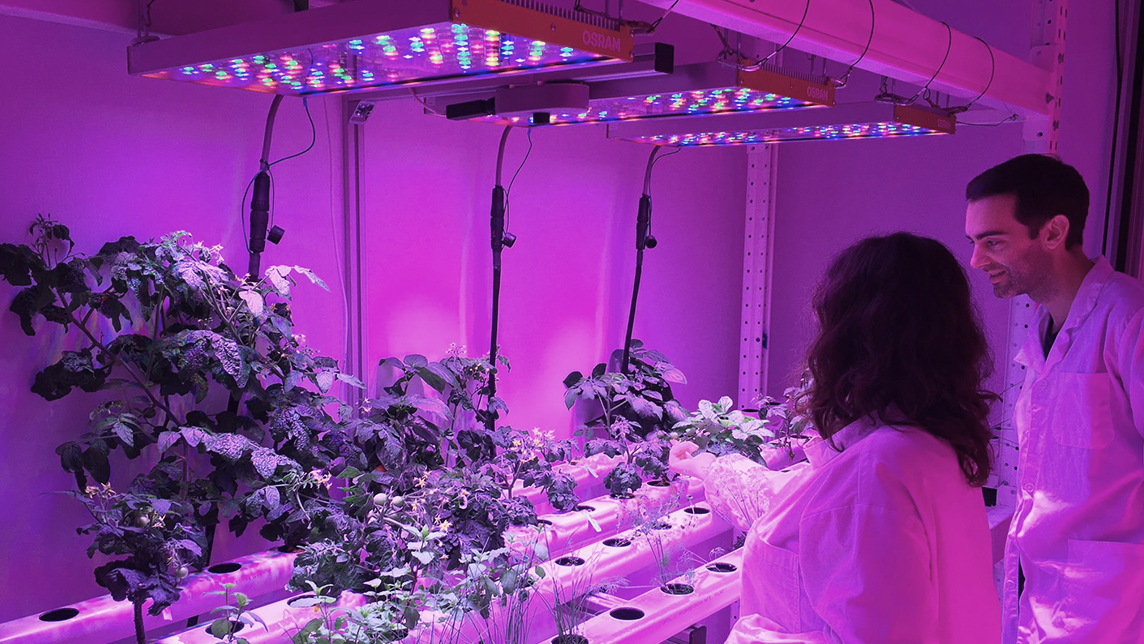
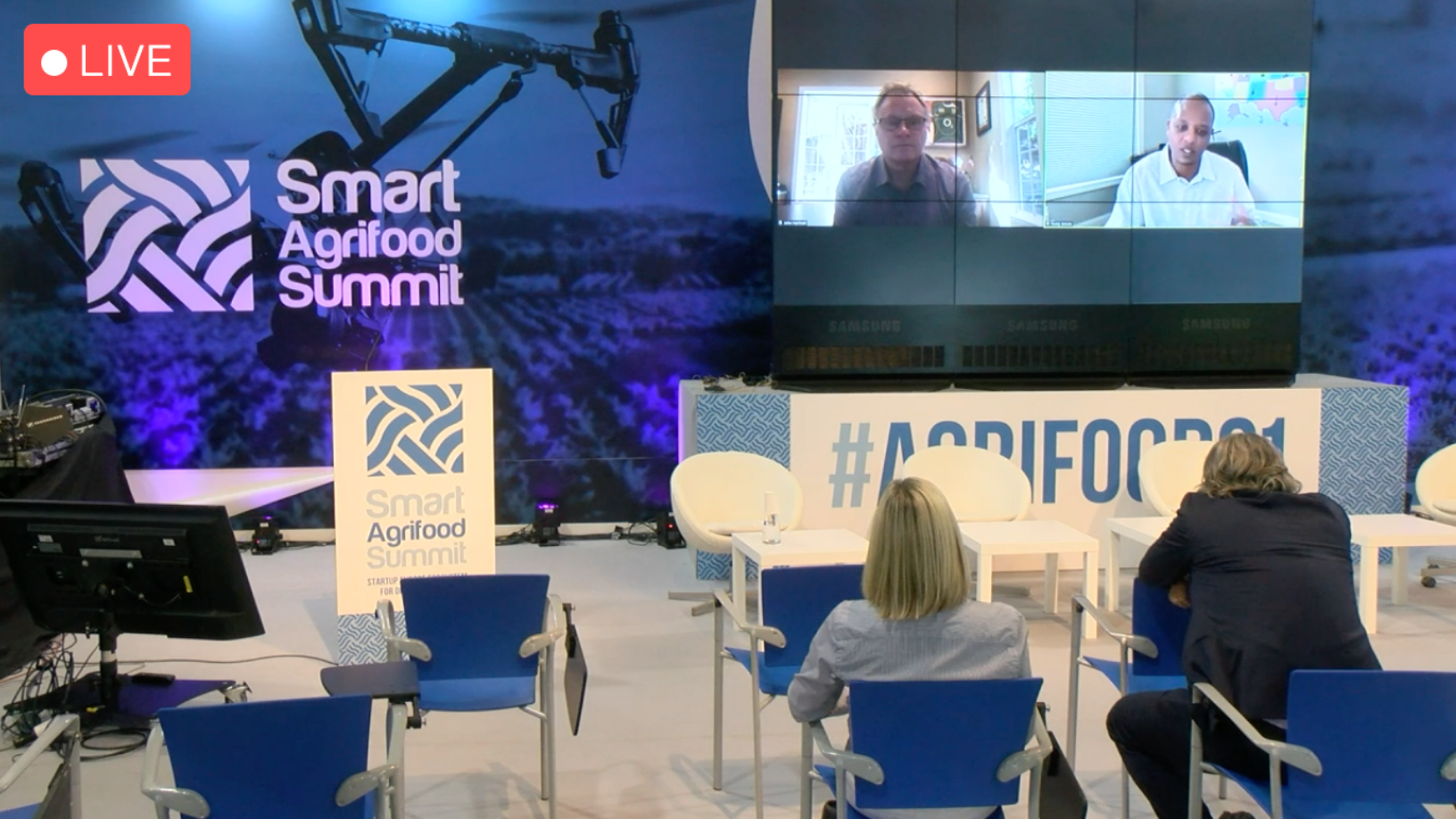
Smart Agrifood 2021: SVG Ventures's Hartnett, Land O'Lakes's Bekele on disruption in agrifood chain
How US farming cooperative Land O'Lakes and leading CPG brands are working with famers and tech firms to overcome agritech challenges, transform the whole value chain
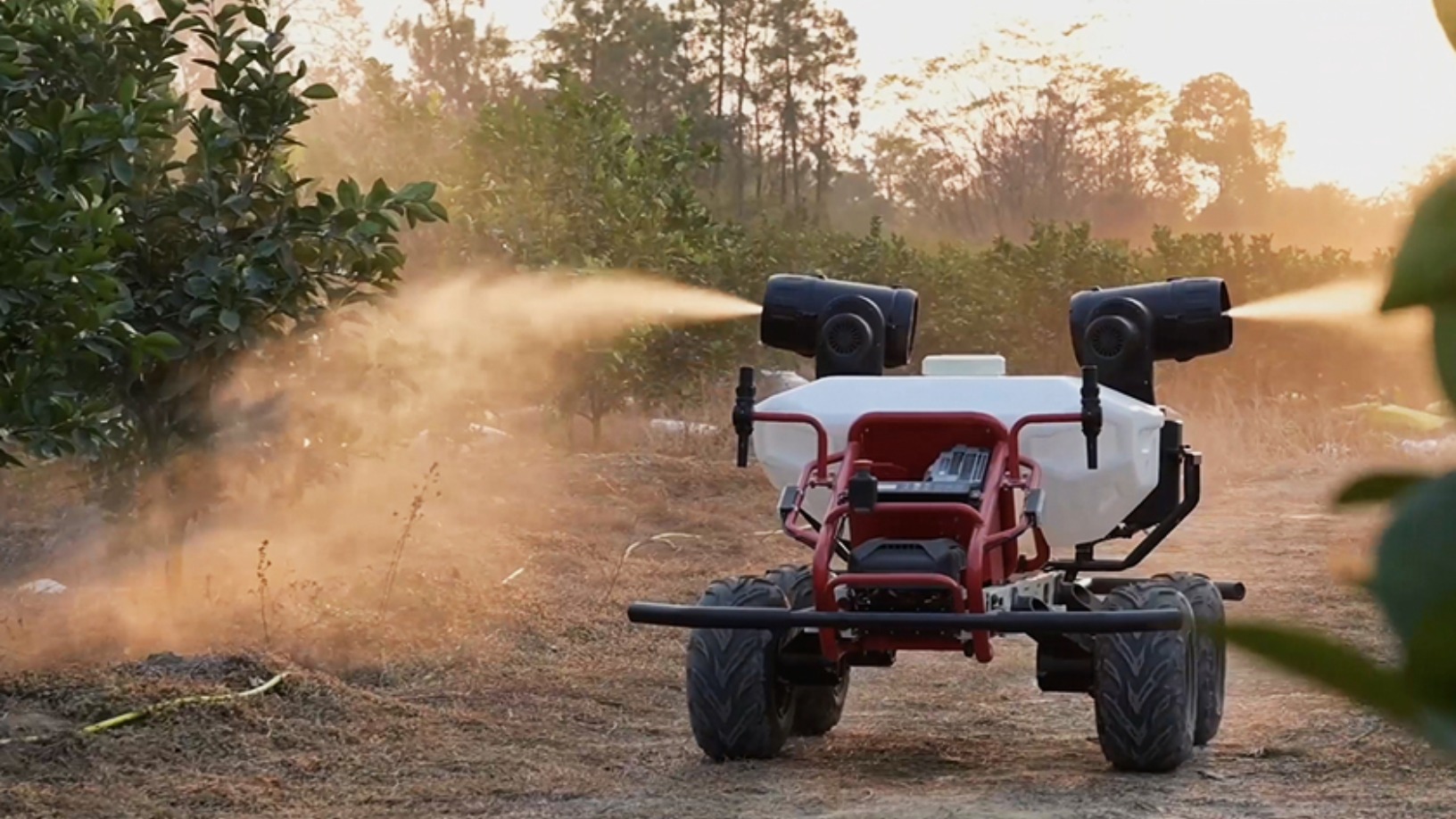
With recent funding of $182m, drone maker XAG is set to make its mark as agritech leader
XAG has been reaping the benefits of its 2012 pivot to agriculture as demand for high-tech automation in China’s farms continues to grow strongly amid government push
In a united move, Portuguese startups fight to mitigate Covid-19 impact in unprecedented crisis
As strong growth of previous years falters, Portugal's startups were quick to mobilize themselves to detail the help they would need from the state to deal with their biggest challenge yet

Chic by Choice: From Forbes' 30 Under 30 to insolvency
Lack of cashflow was the main reason for the demise of Chic by Choice, Europe's leading luxury dress rental e-store

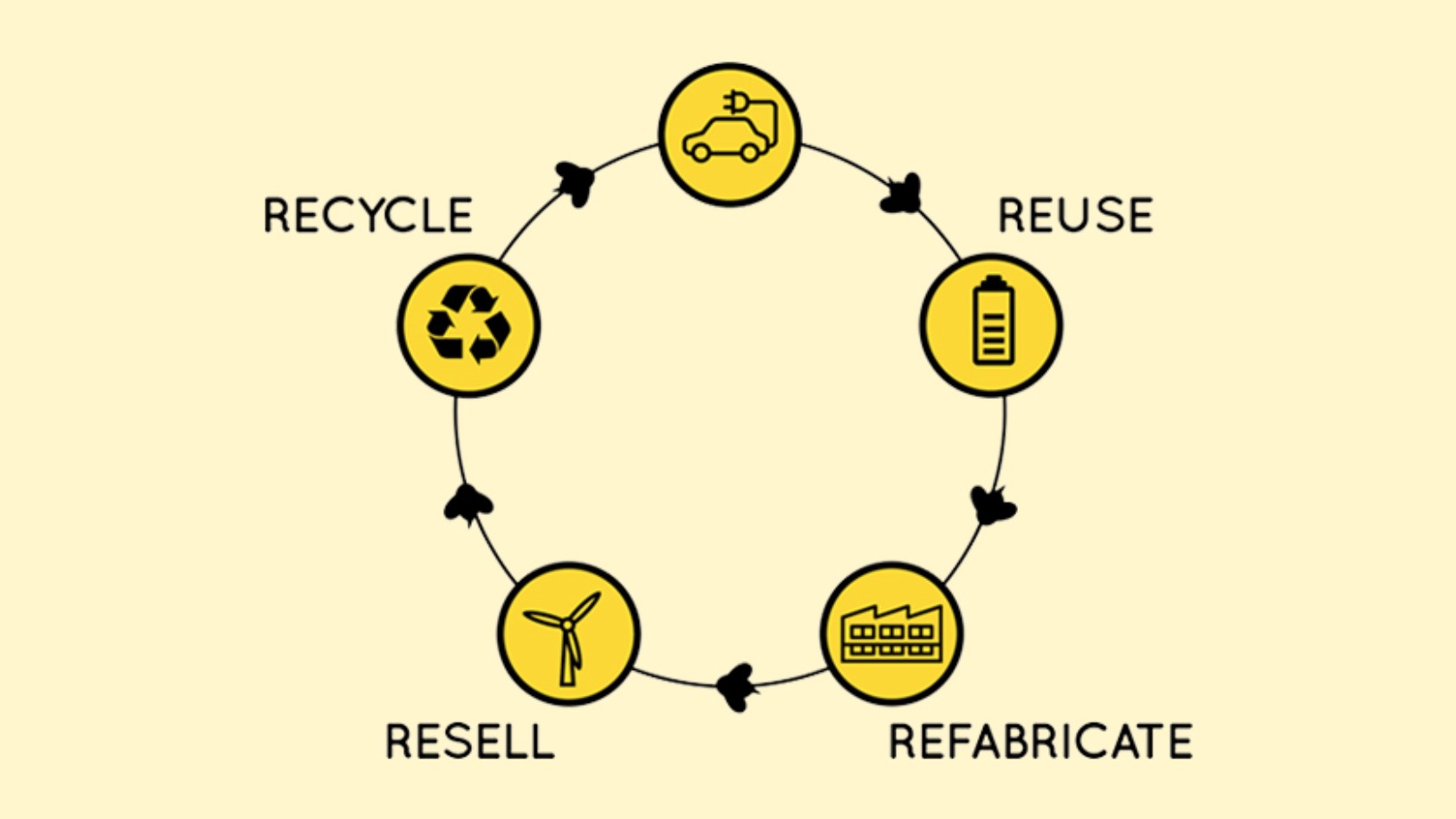
BeePlanet Factory: Recycling EV batteries as a sustainable, profitable business
With 4kWh–200kWh residential and industrial battery packs, the Pamplona-based startup wants to scale its energy storage solutions in the agri-food sector, camping sites and mountain huts
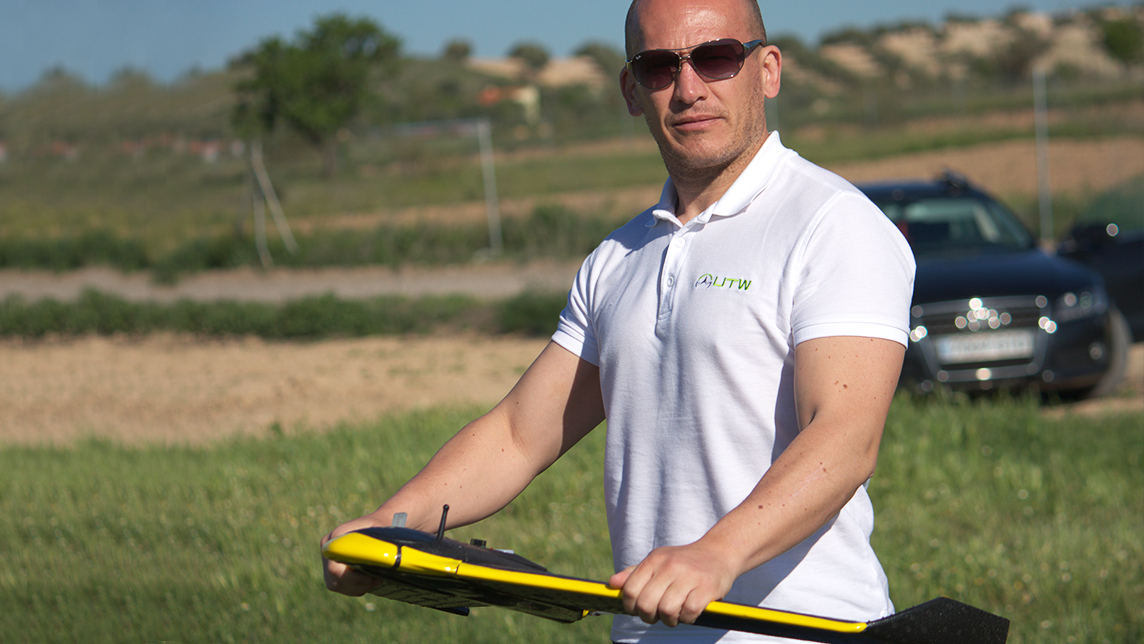
UTW: Drones and big data to help farmers get the most out of their land
Analytics startup UTW also harvests real-time farming information using satellites and sensors, to offer crop yield predictions

Portugal pumps up to €60m into new initiatives to avert backslide in startup ecosystem
Government funding to ensure the strategically important and social impact startups don't fail, post-Covid

James, an AI-powered tool for faster, more accurate credit risk assessment
Capable of analyzing over 7,000 types of data, the award-winning credit risk tool for financial institutions is also quick to install and roll out

Omniflow gets €2 million boost for its solar-, wind-powered IoT street lights
Thanks to Portugal's Omniflow, renewable energy street lamps doubling up as Wi-Fi hotspots, e-chargers and traffic monitors may soon be ubiquitous street furniture in tomorrow's smart cities

Xing Nong Fu: Using earthworms to create sustainable local farming and livelihoods
Worm castings can rehabilitate infertile land due to excessive soil salinity in just seven days, compared with three to five years using traditional methods, and 90% more cheaply

Amid Covid-19 gloom, some bright spots in Portugal's tech startup scene
Despite a recession and doubling of the unemployment rate forecast this year, it's not all bad news for the Portuguese tech ecosystem

Sound Particles: the CGI for sound effects taking Hollywood by storm
This revolutionary 3D audio software has propelled Portuguese founder Nuno Fonseca from teaching music to credits in Star Wars, Game of Thrones and Frozen II.

Future Food Asia 2021: Regenerative agriculture in Asia
The unique challenges facing regenerative agriculture in Asia require solutions different from those in the West, presenting opportunities for microfinancing and impact investment

Sorry, we couldn’t find any matches for “Land O”.
POPULAR DATABASE