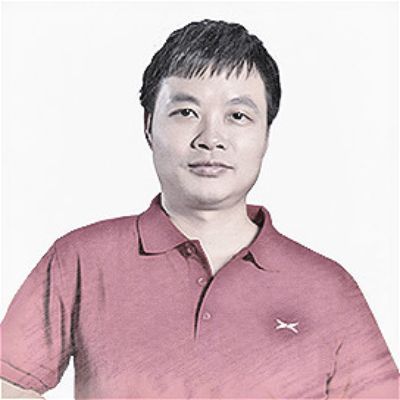
Li Bin
-
DATABASE (127)
-
ARTICLES (59)
Li Bin is the founder and CEO of BitAuto.com, China’s first NYSE-listed auto content and marketing online operator, and the founder and CEO of NextEV, an electric automobile development company that launched the world’s fastest electric car.


Li Bin is the founder and CEO of BitAuto.com, China’s first NYSE-listed auto content and marketing online operator, and the founder and CEO of NextEV, an electric automobile development company that launched the world’s fastest electric car.
Famous techpreneur Li Yinan (b. 1970) is the former CTO of Baidu and former CEO of Wuxian Xunqi, a China Mobile subsidiary. After Li graduated from Huazhong University of Science & Technology with a master’s degree in Optics Engineering, he joined Huawei and was promoted to vice-president of its Central Research Department in just six months; in 1997 Li because the youngest vice-president at Huawei. In 2001, Li quit Huawei and started his own data communication company, Harbour Networks, which followed the same structure of Huawei and soon became its main competitor. In 2005, Harbour Networks lost in its intense battle with Huawei and was acquired by the larger player. Even though Li rejoined Huawei after the acquisition, he was never able to re-enter the core management team because of his damaged relationship with Ren Zhengfei, the founder and president of Huawei. In April 2015, Li founded his smart e-scooter company, NIU Smart Scooters. Li began investing in 2010 and joined GSR Ventures in 2011. Up to June 2015, Li had invested in more than 10 companies from the TMT sector. Li stood trial for insider trading in March 2016, according to news reports.

Famous techpreneur Li Yinan (b. 1970) is the former CTO of Baidu and former CEO of Wuxian Xunqi, a China Mobile subsidiary. After Li graduated from Huazhong University of Science & Technology with a master’s degree in Optics Engineering, he joined Huawei and was promoted to vice-president of its Central Research Department in just six months; in 1997 Li because the youngest vice-president at Huawei. In 2001, Li quit Huawei and started his own data communication company, Harbour Networks, which followed the same structure of Huawei and soon became its main competitor. In 2005, Harbour Networks lost in its intense battle with Huawei and was acquired by the larger player. Even though Li rejoined Huawei after the acquisition, he was never able to re-enter the core management team because of his damaged relationship with Ren Zhengfei, the founder and president of Huawei. In April 2015, Li founded his smart e-scooter company, NIU Smart Scooters. Li began investing in 2010 and joined GSR Ventures in 2011. Up to June 2015, Li had invested in more than 10 companies from the TMT sector. Li stood trial for insider trading in March 2016, according to news reports.
Li is a TV presenter, entrepreneur and investor. Born in June 1970, she joined Beijing TV in 1993 as a news anchor. From 1995 to 1999, Li worked at CCTV as a TV show host. In 1999, she left CCTV and co-founded Fleet Entertainment with fellow TV host Dai Jun. The two co-hosted Super Talk Show from 2000 to 2016, one of the most highly viewed shows in China. Li founded cosmetics e-retailer Lefeng.com in 2008, skincare brand JPlus in 2009 and Star Venture Fund in 2015.

Li is a TV presenter, entrepreneur and investor. Born in June 1970, she joined Beijing TV in 1993 as a news anchor. From 1995 to 1999, Li worked at CCTV as a TV show host. In 1999, she left CCTV and co-founded Fleet Entertainment with fellow TV host Dai Jun. The two co-hosted Super Talk Show from 2000 to 2016, one of the most highly viewed shows in China. Li founded cosmetics e-retailer Lefeng.com in 2008, skincare brand JPlus in 2009 and Star Venture Fund in 2015.
Ex-Alibaba executive who is now a key figure in the Zhejiang province internet technology startup scene. In 1999, Li Zhiguo (Frank Li) moved alone to Hangzhou and became the 46th employee of Alibaba. In 2004, he left Alibaba and founded the highly popular life services platform Koubei (later acquired by Alibaba). He is also an active investor, having co-founded early-stage VC fund Ameba Capital in 2011. Li’s investments in Chinese startups include Mogujie, Kuaidadi and Zhaocai.

Ex-Alibaba executive who is now a key figure in the Zhejiang province internet technology startup scene. In 1999, Li Zhiguo (Frank Li) moved alone to Hangzhou and became the 46th employee of Alibaba. In 2004, he left Alibaba and founded the highly popular life services platform Koubei (later acquired by Alibaba). He is also an active investor, having co-founded early-stage VC fund Ameba Capital in 2011. Li’s investments in Chinese startups include Mogujie, Kuaidadi and Zhaocai.
Born in 1973, Li graduated from the School of Philosophy at Renmin University of China in 1997. After graduating, he worked as an IT journalist for China Youth Daily, where he interviewed tech giants such as Jack Ma. In early 2003, Li became chief editor of the IT section of web portal Sohu and then joined web portal NetEase as chief editor of its IT section later that year. In 2005, he resigned from NetEase and founded gaming portal Duowan. In 2008, Li founded YY Inc., a live streaming social media platform that went public on Nasdaq in 2012.
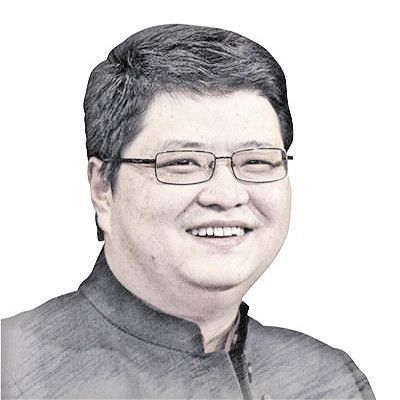
Born in 1973, Li graduated from the School of Philosophy at Renmin University of China in 1997. After graduating, he worked as an IT journalist for China Youth Daily, where he interviewed tech giants such as Jack Ma. In early 2003, Li became chief editor of the IT section of web portal Sohu and then joined web portal NetEase as chief editor of its IT section later that year. In 2005, he resigned from NetEase and founded gaming portal Duowan. In 2008, Li founded YY Inc., a live streaming social media platform that went public on Nasdaq in 2012.
Co-founder and CTO of Sennotech
Li Zhinan holds a joint master’s degree in Mobile Health from Peking University and the University of California, Los Angeles. He previously worked on R&D on the Bing search engine for Microsoft Research Asia. Li is currently a Mobile Health Committee member at the Chinese Research Hospital Association. In February 2015, he co-founded Sennotech in Shenzhen and has served as CTO ever since.

Li Zhinan holds a joint master’s degree in Mobile Health from Peking University and the University of California, Los Angeles. He previously worked on R&D on the Bing search engine for Microsoft Research Asia. Li is currently a Mobile Health Committee member at the Chinese Research Hospital Association. In February 2015, he co-founded Sennotech in Shenzhen and has served as CTO ever since.
Co-founder and CTO of Worktile
Li earned his master’s degree in Software Engineering from Nankai University. He won the Microsoft Most Valuable Professional award four years in a row starting in 2007. From 2009 to 2011, Li was in charge of system architecture design at Fetion, an instant messaging tool developer. In 2011, he co-founded a startup that provided personalized reading recommendations, but it failed after eight months. Li co-founded Worktile with Wang Tao in late 2012.
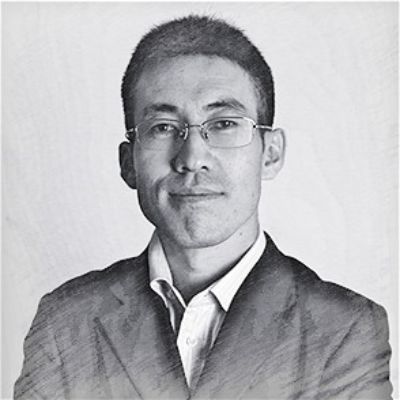
Li earned his master’s degree in Software Engineering from Nankai University. He won the Microsoft Most Valuable Professional award four years in a row starting in 2007. From 2009 to 2011, Li was in charge of system architecture design at Fetion, an instant messaging tool developer. In 2011, he co-founded a startup that provided personalized reading recommendations, but it failed after eight months. Li co-founded Worktile with Wang Tao in late 2012.
Founder and Board Chairman of Leepet (formerly Weibaquan)
Li Yuan started his own internet community and chatroom business as early as 1997, after graduating from high school. The animal lover went on to help his uncle manage his playground business for pets. Hence Li began his career in the pet business.

Li Yuan started his own internet community and chatroom business as early as 1997, after graduating from high school. The animal lover went on to help his uncle manage his playground business for pets. Hence Li began his career in the pet business.

President and co-founder of Bluepha
Li Teng graduated in bioscience at Tsinghua University in 2011 and stayed on to complete a PhD in synthetic biology in 2016. He joined a SynBio project team to create PHA bioplastics during his postgrad research at university.Li was also the leader of Tsinghua University’s team that won a gold medal at the International Genetically Engineered Machine (iGEM) Design Competition. He met Zhang Haoqian at the iGEM giant jamboree in 2010 and they have remained friends ever since.Li and Zhang co-founded Bluepha in 2016, a spin-off from Tsinghua University’s SynBio research project. In 2018, Li was selected for MIT Technology Review’s list of Innovators under 35. In 2019, he was named one of the 40 Chinese business elites under 40.

Li Teng graduated in bioscience at Tsinghua University in 2011 and stayed on to complete a PhD in synthetic biology in 2016. He joined a SynBio project team to create PHA bioplastics during his postgrad research at university.Li was also the leader of Tsinghua University’s team that won a gold medal at the International Genetically Engineered Machine (iGEM) Design Competition. He met Zhang Haoqian at the iGEM giant jamboree in 2010 and they have remained friends ever since.Li and Zhang co-founded Bluepha in 2016, a spin-off from Tsinghua University’s SynBio research project. In 2018, Li was selected for MIT Technology Review’s list of Innovators under 35. In 2019, he was named one of the 40 Chinese business elites under 40.
Founder and CEO of Sennotech
Li Qin earned a bachelor’s degree in Economics from Zhejiang University in 2006 and an M.Sc. from Utrecht University in 2007. Upon graduation, he worked briefly on B2B market analysis at the Vilnius office of Euromonitor International, an independent strategic market research provider. After returning to China in 2007, Li became head of R&D on cryogenics at Shanxi Energy Industries Group Co., Ltd. From November 2009 until early 2015, he served as a lecturer at Shanxi University of Finance and Economics. In February 2015, Li founded Sennotech in Shenzhen.
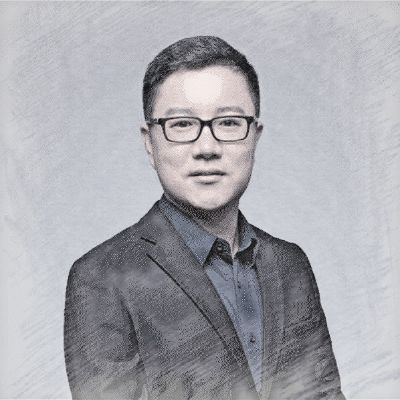
Li Qin earned a bachelor’s degree in Economics from Zhejiang University in 2006 and an M.Sc. from Utrecht University in 2007. Upon graduation, he worked briefly on B2B market analysis at the Vilnius office of Euromonitor International, an independent strategic market research provider. After returning to China in 2007, Li became head of R&D on cryogenics at Shanxi Energy Industries Group Co., Ltd. From November 2009 until early 2015, he served as a lecturer at Shanxi University of Finance and Economics. In February 2015, Li founded Sennotech in Shenzhen.
Co-founder and CEO of Luoji Siwei
Before co-founding Luoji Siwei with Luo Zhenyu, Li was a regular contributor to several established Chinese business magazines and news outlets, including CEO & CIO, Global Business and Huxiu.com. She has served as a guest lecturer for Tsinghua University’s CEO class and for the New Entrepreneur Development Program, an executive continuing education program run by the State Council Development Research Center and Stanford University. Li is the founding partner of the China Soft Power Research Center, a Chinese corporate services and management consulting firm. She hosts a radio show called Li Tiantian Morning Observations on China National Radio.

Before co-founding Luoji Siwei with Luo Zhenyu, Li was a regular contributor to several established Chinese business magazines and news outlets, including CEO & CIO, Global Business and Huxiu.com. She has served as a guest lecturer for Tsinghua University’s CEO class and for the New Entrepreneur Development Program, an executive continuing education program run by the State Council Development Research Center and Stanford University. Li is the founding partner of the China Soft Power Research Center, a Chinese corporate services and management consulting firm. She hosts a radio show called Li Tiantian Morning Observations on China National Radio.
Born in 1961, Li Zexiang was an undergraduate at Central South Institute of Mining Metallurgy in 1978. From 1979 to 1992, he studied and worked in the US, earning a doctoral degree at the University of California, Berkeley in 1989. He worked as an AILab researcher at MIT in 1989. In 1990, he joined NYU's Courant Institute of Mathematical Sciences as an associate professor.In 1992, he returned to China and worked as a professor at The Hong Kong University of Science and Technology ever since. In 1999, he founded motor control company Googol Tech. He is well-known for incubating DJI and became the chairman of Shenzhen-based drone and aerial photography systems company.

Born in 1961, Li Zexiang was an undergraduate at Central South Institute of Mining Metallurgy in 1978. From 1979 to 1992, he studied and worked in the US, earning a doctoral degree at the University of California, Berkeley in 1989. He worked as an AILab researcher at MIT in 1989. In 1990, he joined NYU's Courant Institute of Mathematical Sciences as an associate professor.In 1992, he returned to China and worked as a professor at The Hong Kong University of Science and Technology ever since. In 1999, he founded motor control company Googol Tech. He is well-known for incubating DJI and became the chairman of Shenzhen-based drone and aerial photography systems company.
Founder and Chairman of Secoo
Aka the “luxury maniac”, Richard Li Rixue was named to the “Top Ten Venture Pioneers in China in 2014” list by Fortune.With his beginnings in selling domestic appliances as early as 1998, Li started a domestic appliance website in 2007. This first startup failed, but he found an opportunity in secondhand goods as friends complained of unwanted gifts and unused things being a waste of space and money. In 2008, he established Secoo, a secondhand goods business that soon grew into a luxury consignment, then pure luxury, online-to-offline empire, fueled by the dizzying growth of high-end consumption in China. Today, Li is Chairman of Secoo.

Aka the “luxury maniac”, Richard Li Rixue was named to the “Top Ten Venture Pioneers in China in 2014” list by Fortune.With his beginnings in selling domestic appliances as early as 1998, Li started a domestic appliance website in 2007. This first startup failed, but he found an opportunity in secondhand goods as friends complained of unwanted gifts and unused things being a waste of space and money. In 2008, he established Secoo, a secondhand goods business that soon grew into a luxury consignment, then pure luxury, online-to-offline empire, fueled by the dizzying growth of high-end consumption in China. Today, Li is Chairman of Secoo.
Founder and CEO of inPlug (inplug.cn)
Aka “China’s first female hardware creator”. One of Huawei’s earliest staff in Eastern Europe/the Balkans (2003-7), opening offices in Hungary and Croatia, Li Qin’s experience of Huawei’s rise in Europe provided fodder for her semi-autobiographical novel, A Thousand Li of Barren Land. A sailing enthusiast. Holds a master’s in Economic Management from Stockholm University (where she studied on a scholarship).

Aka “China’s first female hardware creator”. One of Huawei’s earliest staff in Eastern Europe/the Balkans (2003-7), opening offices in Hungary and Croatia, Li Qin’s experience of Huawei’s rise in Europe provided fodder for her semi-autobiographical novel, A Thousand Li of Barren Land. A sailing enthusiast. Holds a master’s in Economic Management from Stockholm University (where she studied on a scholarship).
China reverses ban on street vendors to boost economy, sparking new demand for digital solutions
Alibaba, Tencent, Meituan and other tech giants give roadside vendors digital makeover, so they can compete with fast-food chains like McDonald’s, KFC and Pizza Hut

Using Reworld’s very own interactive physics engine, even rookie developers can turn their creative ideas into 3D games within two days

Sophie's Bionutrients: Alternative protein from microalgae
Inspired by fish in the ocean, the startup developed microalgae-based flour that can take on unlimited forms, textures or colors to make almost any alt protein product

Startups join the fight in China's coronavirus crisis
Chinese startups have discovered their technologies can play a major role in the nationwide efforts to battle the coronavirus epidemic

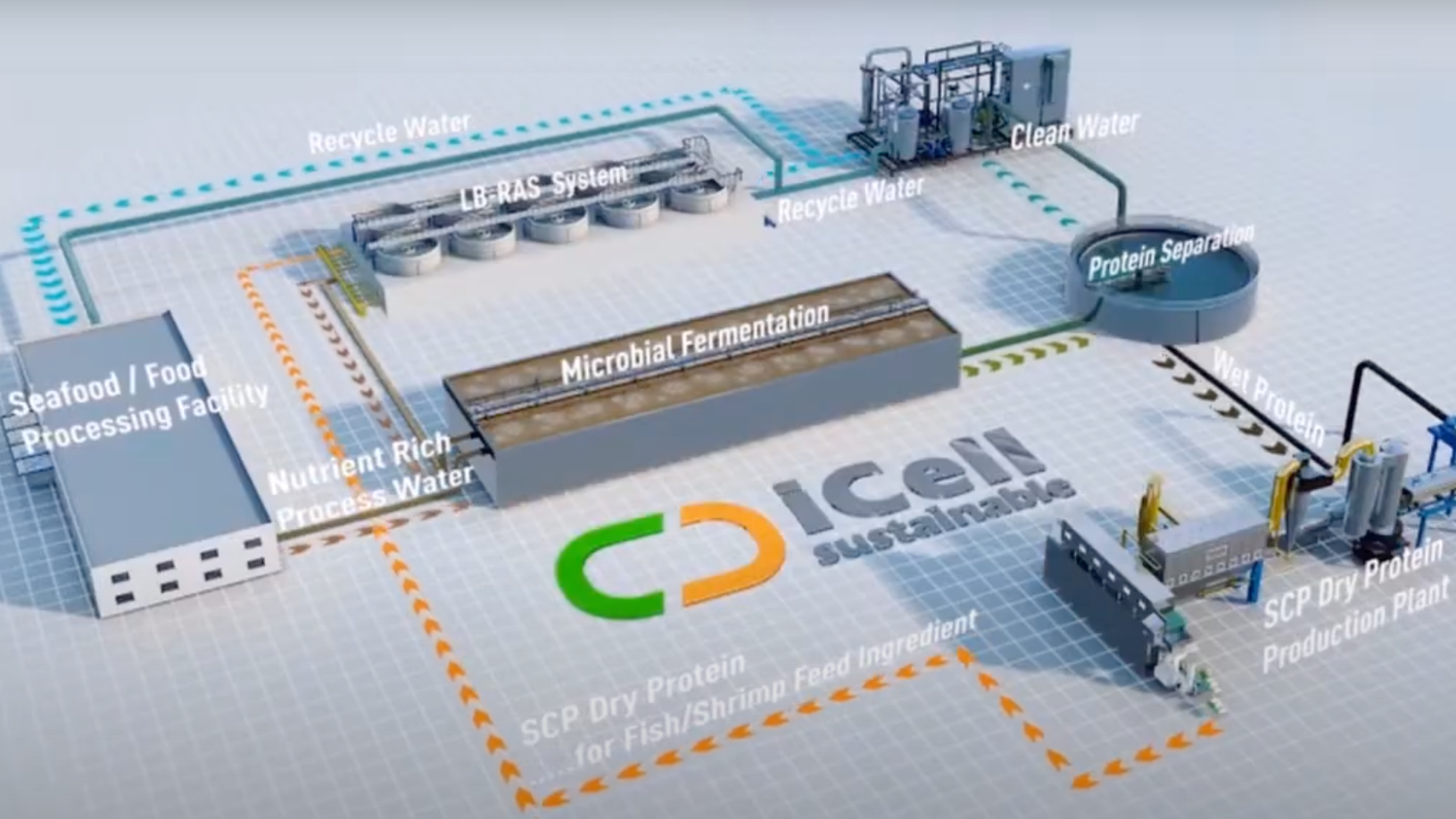
iCell: Upcycling nutrients from wastewater
Hong Kong-based iCell Sustainable Nutrition makes single-cell proteins with wastewater from food and beverage factories, generating revenue and purifying the water for safe discharge or reuse
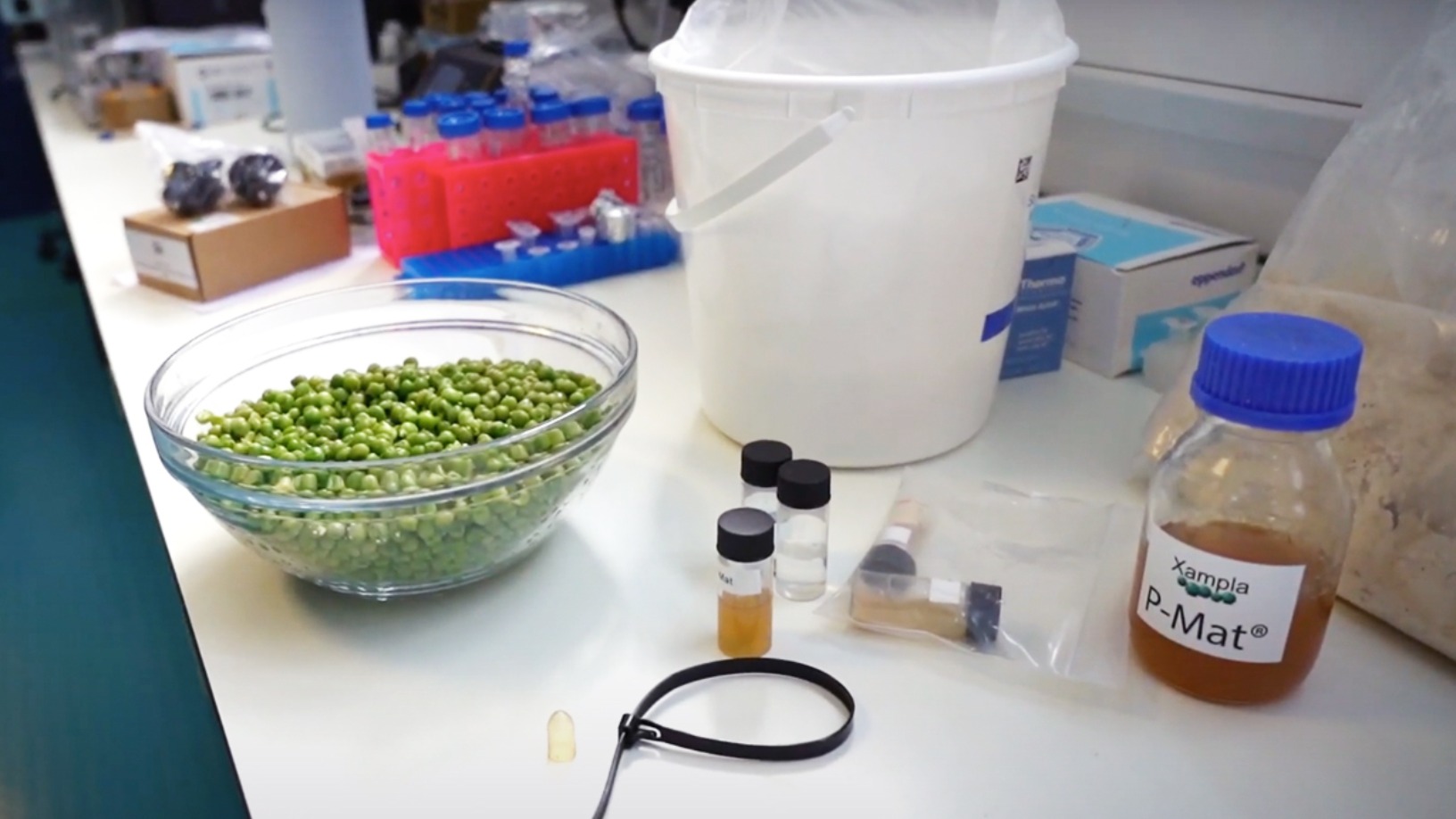
Xampla: Making strong, low-cost biodegradable plastic from peas
Inspired by the strength of spider silk, the Cambridge University spinoff has produced a plant-based, completely compostable alternative to microplastics
MioTech: Early mover in China ESG data and analytics for investing, corporate reporting
Hong Kong-based fintech uses AI technologies to monitor ESG data and risks in real time, turn unstructured data into reliable insights
Sequoia China Seed Fund: Growing an era of deep-tech startups
Managing Partner Neil Shen wants to help deep-tech and enterprise tech startups get investments more easily, across quantum computing, semiconductors, synthetic biology and more

Amid IPO talk, Meicai continues to push for growth in bid to become China's Sysco
Covid-19 helped speed up expansion to the B2C market for Meicai, China’s most valuable agrifood tech unicorn founded by a farmer’s son

How Xiaomi founder Lei Jun became a billionaire by pursuing passion, not fortune
From young man deconstructing and rebuilding smartphones at Kingsoft to top of the smartphone world as founder and chair of Xiaomi, Lei has always let his interests lead the way

Plant-based meat faces backlash in China despite gaining traction
An innocuous video clip sparked debate on social media over plant-based meat, with suspicion about its nutritional value, cost-effectiveness and even the motives of foreign companies

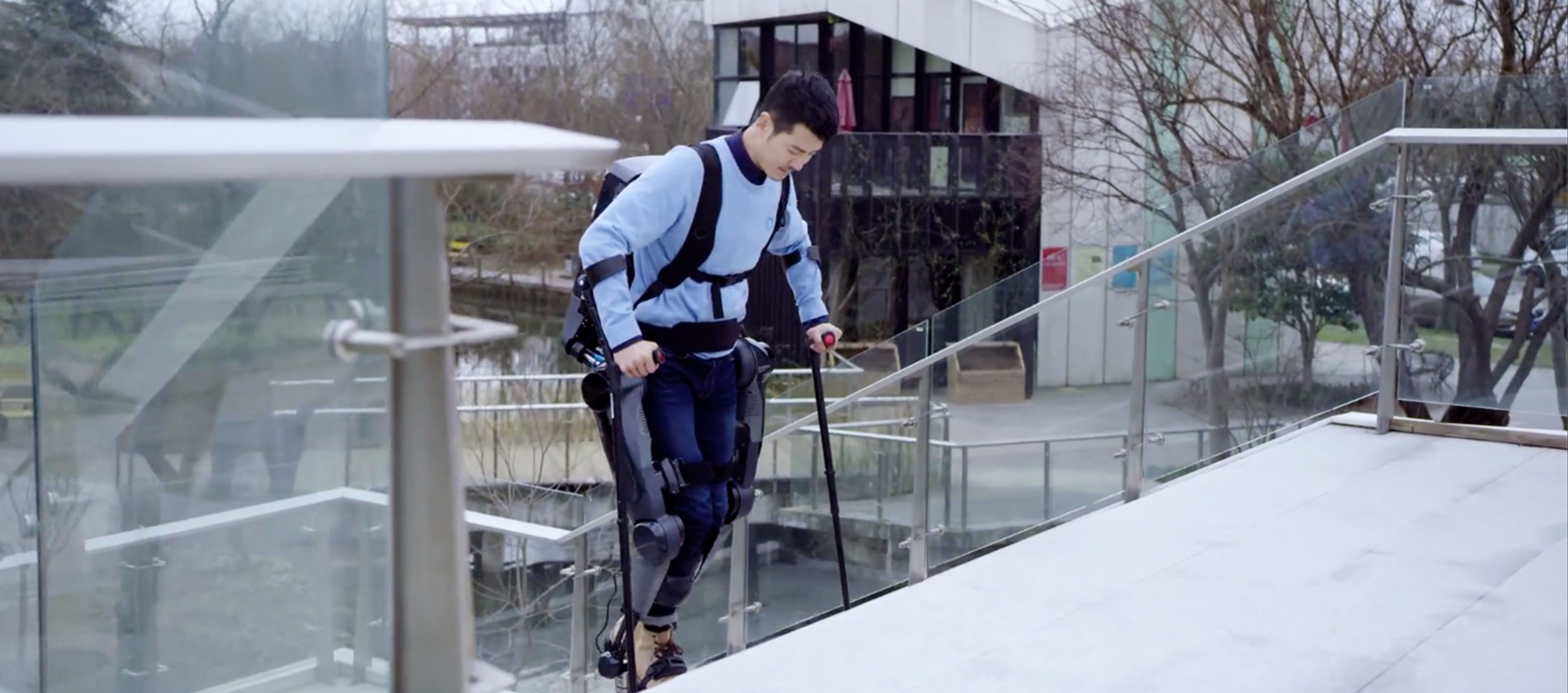
China’s medical exoskeleton startups take on a promising but challenging market
It was not until 2018 that the first China-made lower limb exoskeleton got regulatory clearance at home, around the same time the first Chinese rehabilitation robot got US FDA approval
Do plant-based meat alternatives stand a chance in China, the world's largest meat consumer?
Major food brands and foodtech startups are trying to build their following in a nascent market forecast to grow to nearly $12bn worth by 2023

Will Shanghai's new tech board be home to China’s next BAT?
As China’s new Nasdaq-style board speeds to welcome its first IPOs, here’s a look at what’s changed for Chinese tech firms listing in the mainland, and if it could be pivotal in the emerging tech cold war

Sorry, we couldn’t find any matches for “Li Bin”.