US-China trade war
-
DATABASE (1049)
-
ARTICLES (688)
Founded in 2018, Linden Asset Group currently has offices in Nanjing, Shenzhen and Singapore. With both US dollar- and RMB-denominated funds under management, it is focused on the fields of biotechnology, medtech and smart technology in the Asia Pacific region. Linden Asset prefers growth-stage startups that are cutting-edge in their respective areas and plans for overseas expansion.


Founded in 2018, Linden Asset Group currently has offices in Nanjing, Shenzhen and Singapore. With both US dollar- and RMB-denominated funds under management, it is focused on the fields of biotechnology, medtech and smart technology in the Asia Pacific region. Linden Asset prefers growth-stage startups that are cutting-edge in their respective areas and plans for overseas expansion.
With currently over $21bn of AUM, Baring Private Equity Asia (BPEA) was started in Hong Kong in 1997 by Jean Eric Salata, as the regional Asian PE investment arm of UK-based Baring Private Equity Partners. With $300m in its first fund, it focused on riding China’s economic rise spurred by the country’s market liberalization. In 2000, Salata led a management buyout of BPEA and continues to head the firm today as CEO and Founding Partner. BPEA has invested in more than 100 companies, across healthcare, logistics, IT services, media, education, financial services and retail. It is one of the largest independent PE firms in Asia and has eight offices across the continent.With offices in China, India, Japan, Australia, and Singapore, it currently has around 43 portfolio companies, almost all Asia-based, across multiple business segments in tech and non-tech startups, especially in bricks-and-mortar education establishments. It also makes acquisitions, including most recently of US outsourcing services company Virtusa in February 2021.Other recent investments include in the June 2021 $85m Series C round of Portuguese home physiotherapy tech solution SWORD Health, the world’s fastest-growing musculoskeletal solution, and in the November 2020 $198m Series D round of Chinese computer coding for kids edtech Codemao.

With currently over $21bn of AUM, Baring Private Equity Asia (BPEA) was started in Hong Kong in 1997 by Jean Eric Salata, as the regional Asian PE investment arm of UK-based Baring Private Equity Partners. With $300m in its first fund, it focused on riding China’s economic rise spurred by the country’s market liberalization. In 2000, Salata led a management buyout of BPEA and continues to head the firm today as CEO and Founding Partner. BPEA has invested in more than 100 companies, across healthcare, logistics, IT services, media, education, financial services and retail. It is one of the largest independent PE firms in Asia and has eight offices across the continent.With offices in China, India, Japan, Australia, and Singapore, it currently has around 43 portfolio companies, almost all Asia-based, across multiple business segments in tech and non-tech startups, especially in bricks-and-mortar education establishments. It also makes acquisitions, including most recently of US outsourcing services company Virtusa in February 2021.Other recent investments include in the June 2021 $85m Series C round of Portuguese home physiotherapy tech solution SWORD Health, the world’s fastest-growing musculoskeletal solution, and in the November 2020 $198m Series D round of Chinese computer coding for kids edtech Codemao.
SVB Financial Group has been involved in Asian markets since the early 1990s and in the Chinese market since 1999. For more than a decade, SVB has been building relationships with technology companies, entrepreneurs and venture capitalists to help clients work with businesses in Asia and sell to a variety of foreign markets. SVB established its first China subsidiary, SVB Business Partners Shanghai, in 2005 and its second, SVB Business Partners Beijing, in 2010. They provide local technology companies and venture capital investors with in-market client service support and advisory services.
SVB Financial Group has been involved in Asian markets since the early 1990s and in the Chinese market since 1999. For more than a decade, SVB has been building relationships with technology companies, entrepreneurs and venture capitalists to help clients work with businesses in Asia and sell to a variety of foreign markets. SVB established its first China subsidiary, SVB Business Partners Shanghai, in 2005 and its second, SVB Business Partners Beijing, in 2010. They provide local technology companies and venture capital investors with in-market client service support and advisory services.
Founded in 1993, New Oriental is the largest provider of private educational services in China. Foreign language training and basic education currently make up its core business. New Oriental offers services in pre-school education, online education, vocational education, overseas study consulting, textbook publishing and education software R&D. New Oriental schools operate in 70 cities nationwide and in Toronto. As an institutional investor, the company has invested in over 40 startups, the vast majority of which are edtechs.
Founded in 1993, New Oriental is the largest provider of private educational services in China. Foreign language training and basic education currently make up its core business. New Oriental offers services in pre-school education, online education, vocational education, overseas study consulting, textbook publishing and education software R&D. New Oriental schools operate in 70 cities nationwide and in Toronto. As an institutional investor, the company has invested in over 40 startups, the vast majority of which are edtechs.
Qingdao Haier Venture Capital is the investment arm of China-based electronics manufacturer Haier Group. The Haier SAIF fund was established in September 2014, in partnership with private equity firm SAIF Partners and other investors. The RMB 320m investment fund is managed by SAIF Partners. The fund mainly invests smart home product developers and related sectors like AI, IoT and big data. As of December 2017, it has invested in 16 startups.

Qingdao Haier Venture Capital is the investment arm of China-based electronics manufacturer Haier Group. The Haier SAIF fund was established in September 2014, in partnership with private equity firm SAIF Partners and other investors. The RMB 320m investment fund is managed by SAIF Partners. The fund mainly invests smart home product developers and related sectors like AI, IoT and big data. As of December 2017, it has invested in 16 startups.
Founded in 1992 in Shanghai, Red Star Macalline is China's largest furniture retailer. By the end of 2017, it had built up a network of 256 shopping malls, offering home furnishings of about 20,000 brands across 177 cities in China. The company also engages in interior design and renovation. The company has been listed on the Hong Kong Stock Exchange in June 2015 and the Shanghai Stock Exchange in January 2018, making it the first Chinese home furnishing company listed on both exchanges.

Founded in 1992 in Shanghai, Red Star Macalline is China's largest furniture retailer. By the end of 2017, it had built up a network of 256 shopping malls, offering home furnishings of about 20,000 brands across 177 cities in China. The company also engages in interior design and renovation. The company has been listed on the Hong Kong Stock Exchange in June 2015 and the Shanghai Stock Exchange in January 2018, making it the first Chinese home furnishing company listed on both exchanges.
Li is a TV presenter, entrepreneur and investor. Born in June 1970, she joined Beijing TV in 1993 as a news anchor. From 1995 to 1999, Li worked at CCTV as a TV show host. In 1999, she left CCTV and co-founded Fleet Entertainment with fellow TV host Dai Jun. The two co-hosted Super Talk Show from 2000 to 2016, one of the most highly viewed shows in China. Li founded cosmetics e-retailer Lefeng.com in 2008, skincare brand JPlus in 2009 and Star Venture Fund in 2015.

Li is a TV presenter, entrepreneur and investor. Born in June 1970, she joined Beijing TV in 1993 as a news anchor. From 1995 to 1999, Li worked at CCTV as a TV show host. In 1999, she left CCTV and co-founded Fleet Entertainment with fellow TV host Dai Jun. The two co-hosted Super Talk Show from 2000 to 2016, one of the most highly viewed shows in China. Li founded cosmetics e-retailer Lefeng.com in 2008, skincare brand JPlus in 2009 and Star Venture Fund in 2015.
Founded in 1999 by Jack Ma, Alibaba was initially an online B2B platform for small businesses in China. Today it is one of the world’s largest internet companies. Alibaba provides internet infrastructure and marketing platforms for businesses and brands globally to connect with their consumers. Its core businesses include e-commerce, cloud computing, and digital media and entertainment, as it increasingly identifies itself as a data company, rather than as an e-retailer. It is also engaged in building ecosystems of logistics and local services through its invested companies.
Founded in 1999 by Jack Ma, Alibaba was initially an online B2B platform for small businesses in China. Today it is one of the world’s largest internet companies. Alibaba provides internet infrastructure and marketing platforms for businesses and brands globally to connect with their consumers. Its core businesses include e-commerce, cloud computing, and digital media and entertainment, as it increasingly identifies itself as a data company, rather than as an e-retailer. It is also engaged in building ecosystems of logistics and local services through its invested companies.
One of Silicon Valley's most prestigious venture capital firms, Sequoia Capital, was established in 1972. Sequoia’s investment thesis leads them to invest primarily in early-stage companies, but they have also invested in Series F rounds and beyond. As a former venture capital firm, it has also made exits from major internet companies, such as Google, Apple, Nvidia, and GitHub. Sequoia Capital operates divisions in Israel, Hong Kong and Mainland China. It also acquired India-based VC Westbridge to form Sequoia Capital India.

One of Silicon Valley's most prestigious venture capital firms, Sequoia Capital, was established in 1972. Sequoia’s investment thesis leads them to invest primarily in early-stage companies, but they have also invested in Series F rounds and beyond. As a former venture capital firm, it has also made exits from major internet companies, such as Google, Apple, Nvidia, and GitHub. Sequoia Capital operates divisions in Israel, Hong Kong and Mainland China. It also acquired India-based VC Westbridge to form Sequoia Capital India.
NGP Capital was founded in 2005 with Nokia and Bell Labs as its limited partners. It has investment teams in Asia (India and China), North America and Europe. It invests mainly in growth-stage companies with typical investments ranging from $8m–$12m.With more than $1.2bn under management, NGP Capital's portfolio includes Xiaomi, Deliveroo and UCweb. As of July 2019, NGP Capital had invested in more than 90 companies, including eight IPOs and 33 M&As. It focuses also on mobility and digital health sectors.
NGP Capital was founded in 2005 with Nokia and Bell Labs as its limited partners. It has investment teams in Asia (India and China), North America and Europe. It invests mainly in growth-stage companies with typical investments ranging from $8m–$12m.With more than $1.2bn under management, NGP Capital's portfolio includes Xiaomi, Deliveroo and UCweb. As of July 2019, NGP Capital had invested in more than 90 companies, including eight IPOs and 33 M&As. It focuses also on mobility and digital health sectors.
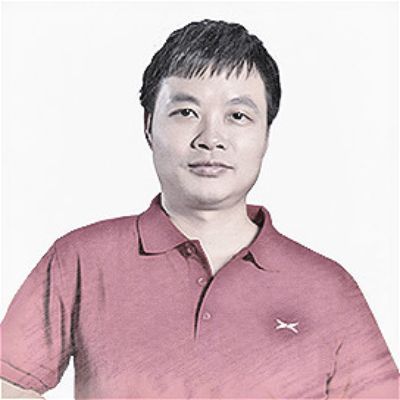
Chairman and Founder of Xpeng Motors
He received his bachelor’s from the South China University of Technology in 1999. In 2004, he co-founded Chinese mobile internet software and services provider UCWeb. In 2014, He both founded and invested in Xpeng Motors (short for Xiaopeng Motors). After UCWeb was acquired by Alibaba in 2014, he served as president of UCWeb and of the Alibaba Mobile Business Group, chairman of Ali Games and president of Tudou successively. In August 2017, he left Alibaba to join Xpeng Motors full-time as chairman.
He received his bachelor’s from the South China University of Technology in 1999. In 2004, he co-founded Chinese mobile internet software and services provider UCWeb. In 2014, He both founded and invested in Xpeng Motors (short for Xiaopeng Motors). After UCWeb was acquired by Alibaba in 2014, he served as president of UCWeb and of the Alibaba Mobile Business Group, chairman of Ali Games and president of Tudou successively. In August 2017, he left Alibaba to join Xpeng Motors full-time as chairman.
CEO and Founder of Waterdrop (Shuidi)
Shen Peng had first tried founding a startup while studying finance at Beijing's Central University of Finance and Economics from 2006 to 2010. In 2009, he joined Meituan – now known as Meituan Dianping – as its tenth employee. At the age of 23, he was in charge of Meituan's group buying business in north China. Shen was also a key player when Meituan expanded into the food delivery business. He received his master's degree in retail management from the Neoma Business School through a partnership with the University of International Business and Economics in Beijing. He founded Waterdrop in 2016 and has served as its CEO since.
Shen Peng had first tried founding a startup while studying finance at Beijing's Central University of Finance and Economics from 2006 to 2010. In 2009, he joined Meituan – now known as Meituan Dianping – as its tenth employee. At the age of 23, he was in charge of Meituan's group buying business in north China. Shen was also a key player when Meituan expanded into the food delivery business. He received his master's degree in retail management from the Neoma Business School through a partnership with the University of International Business and Economics in Beijing. He founded Waterdrop in 2016 and has served as its CEO since.
Co-founder of Reworld
Yao Guangshi is a well-known game distributor and angel investor in the gaming industry. Born in 1972, he graduated from the University of Shanghai for Science and Technology in 1992. He studied for an EMBA in Renmin University of China from 2011 to 2013. In 1995, he joined the edible oil manufacturer Luhua Group, where he was in charge of import and export management. He founded Jinshi Software in 1997. In 2003, he became the exclusive distributor of many prominent gaming companies like Tencent and Shengqu Games in Shandong province. In 2008, he founded Xinhe Technology as an exclusive distributor for top games including Genghis Khan and Shumen. He invested in the online game developer Locojoy in 2011 and joined the company in 2013. In 2018, he co-founded Beijing Code View Technology, which launched Reworld in 2019.

Yao Guangshi is a well-known game distributor and angel investor in the gaming industry. Born in 1972, he graduated from the University of Shanghai for Science and Technology in 1992. He studied for an EMBA in Renmin University of China from 2011 to 2013. In 1995, he joined the edible oil manufacturer Luhua Group, where he was in charge of import and export management. He founded Jinshi Software in 1997. In 2003, he became the exclusive distributor of many prominent gaming companies like Tencent and Shengqu Games in Shandong province. In 2008, he founded Xinhe Technology as an exclusive distributor for top games including Genghis Khan and Shumen. He invested in the online game developer Locojoy in 2011 and joined the company in 2013. In 2018, he co-founded Beijing Code View Technology, which launched Reworld in 2019.
Co-founder, CEO of SwissDeCode
Brij Sahi is CEO and co-founder at Swiss biotech SwissDeCode, which applies DNA testing to food traceability, He has worked there full-time since April 2016. Since 2011, Sahi has also been an adjunct professor at Webster University in Geneva, teaching Business Policy, Strategic Management and Leadership. He is also a Swiss-based private investor in unnamed companies.From 2000–2008, Sahi worked at airline IT and telecommunications company SITA in both Singapore and Switzerland, where he reached the role of VP working in sales and marketing. He previously worked for two-and-a-half years in the area of sales and marketing at GAMECO, an aircraft maintenance and services company in China. Sahi started his corporate career at British Airways, where he spent over 11 years in marketing and business development. Sahi holds an MBA from Cass Business School in London and a first degree in air transport engineering from City University, London.

Brij Sahi is CEO and co-founder at Swiss biotech SwissDeCode, which applies DNA testing to food traceability, He has worked there full-time since April 2016. Since 2011, Sahi has also been an adjunct professor at Webster University in Geneva, teaching Business Policy, Strategic Management and Leadership. He is also a Swiss-based private investor in unnamed companies.From 2000–2008, Sahi worked at airline IT and telecommunications company SITA in both Singapore and Switzerland, where he reached the role of VP working in sales and marketing. He previously worked for two-and-a-half years in the area of sales and marketing at GAMECO, an aircraft maintenance and services company in China. Sahi started his corporate career at British Airways, where he spent over 11 years in marketing and business development. Sahi holds an MBA from Cass Business School in London and a first degree in air transport engineering from City University, London.
CEO and co-founder of IXON Food Technology
Felix Cheung graduated in physics from Adelaide’s Flinders University in 1999 and obtained a PhD in physics from the University of Sydney in 2005. He obtained a master’s in food analysis and food safety management from Hong Kong Baptist University in 2015. Cheung met Elton Ho during the master’s program at university and they teamed up to co-develop the advanced sous-vide aseptic packaging (ASAP) technology. In January 2017, they established IXON Food Technology to further develop and commercialize ASAP for the food industry.Cheung previously worked as a website designer and administrator at the Complex Plasma Laboratory, University of Sydney, from 2002–2006. He was also an editor at Macmillan Science Communication for one year before joining the Springer Nature publishing group to work as editor at Nature China from 2007–2014.

Felix Cheung graduated in physics from Adelaide’s Flinders University in 1999 and obtained a PhD in physics from the University of Sydney in 2005. He obtained a master’s in food analysis and food safety management from Hong Kong Baptist University in 2015. Cheung met Elton Ho during the master’s program at university and they teamed up to co-develop the advanced sous-vide aseptic packaging (ASAP) technology. In January 2017, they established IXON Food Technology to further develop and commercialize ASAP for the food industry.Cheung previously worked as a website designer and administrator at the Complex Plasma Laboratory, University of Sydney, from 2002–2006. He was also an editor at Macmillan Science Communication for one year before joining the Springer Nature publishing group to work as editor at Nature China from 2007–2014.
China’s startups have much to gain from the US-China trade war
The prolonged trade conflict may be exactly what Chinese startups need to strengthen their technological capabilities

Will Shanghai's new tech board be home to China’s next BAT?
As China’s new Nasdaq-style board speeds to welcome its first IPOs, here’s a look at what’s changed for Chinese tech firms listing in the mainland, and if it could be pivotal in the emerging tech cold war

Lu Qi: Before Baidu and Y Combinator, there was Bing
The AI legend was also an impoverished child, whose ambition was to become a shipyard worker

Chinese startups feel the chill of capital winter as VC activities slow
The goods news is investors still have plenty of money. They just become more cautious when making investment decisions

New sectors, strategies come into play as investors respond to China's Big Tech curbs
Amid the crackdown on China’s tech giants, some investors are sussing out less risky sectors, while heavyweights like BlackRock and Fidelity stay in for the long haul

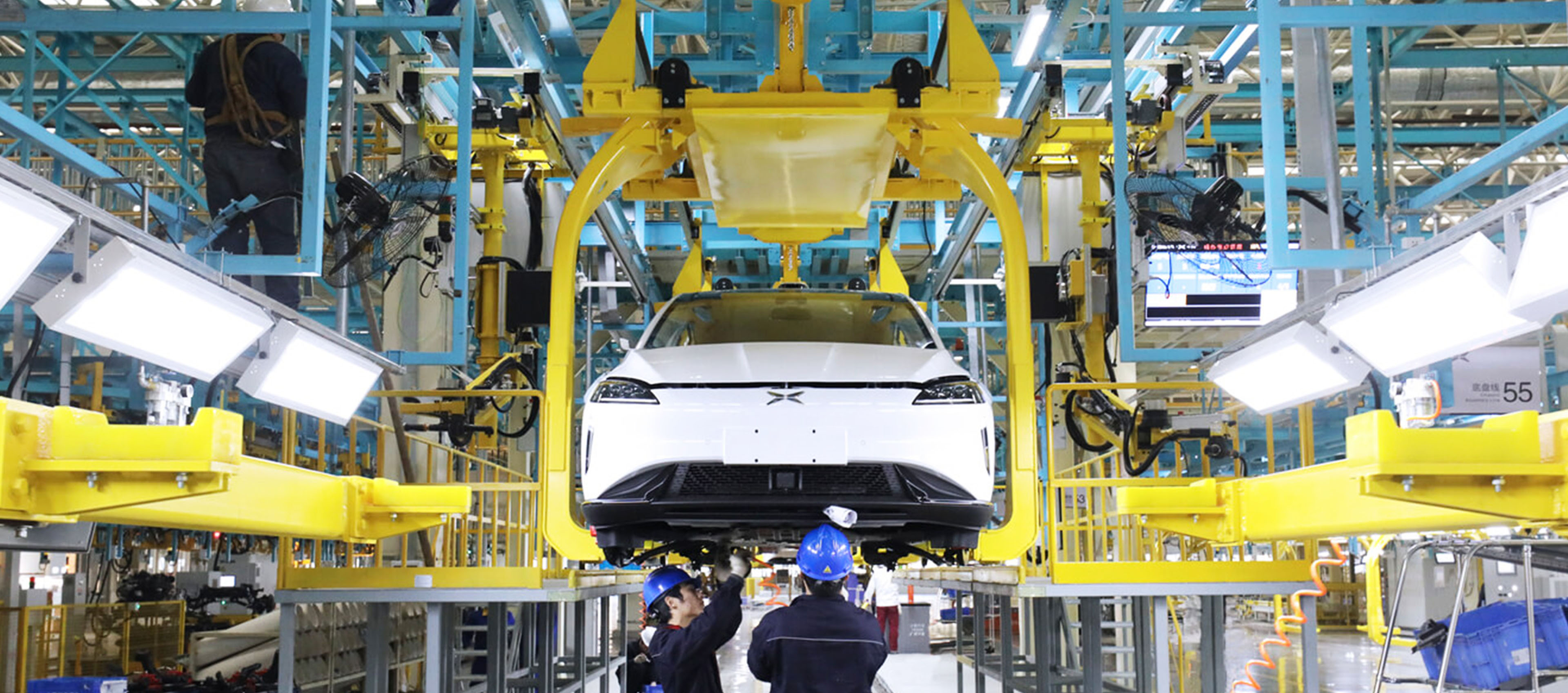
Chinese EV startups feel the heat as Tesla slashes prices, market subsidies ending
Tesla's recent price cuts and upcoming Shanghai plant for producing cheaper cars are increasing pressure on its Chinese rivals
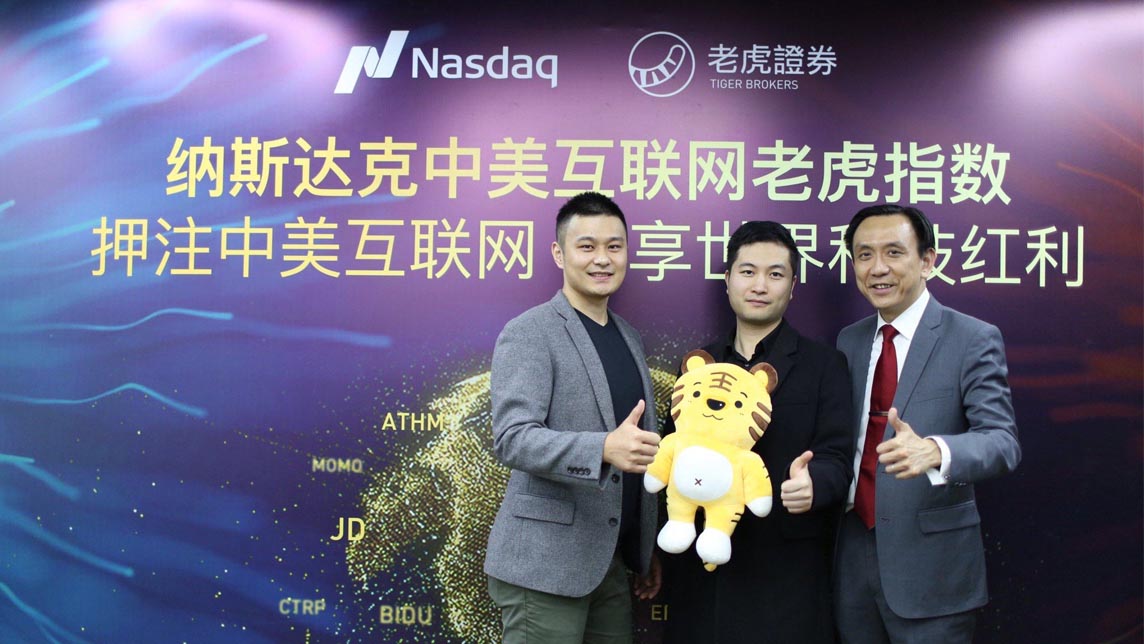
Tiger Brokers, a Chinese online brokerage for trading foreign stocks, announces US IPO
The Jim Rogers-backed fintech startup wants to raise US$150 million as it sees growing demand from younger Chinese investors
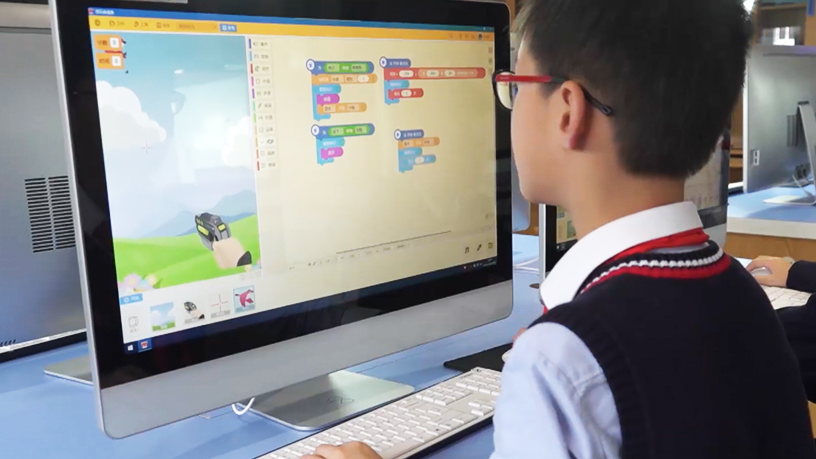
After a Covid-led boom in 2020, what next for China's K-12 edtech?
Unicorns Yuanfudao and Zuoyebang raised more than $6bn combined last year as demand for online learning continues to grow, but some smaller players are running out of cash

More than desire: When resale sneakers become objects of speculation
Sneaker resale platforms like Poizon and Nice feel the heat as China regulators panned such trading for getting out of control

Now called Wanwu Xinsheng, the startup recycles over 70,000 used electronic goods in China daily, clocking over RMB 2bn of transactions every month

SoccerDream: World's first VR soccer training platform to launch in China, US
SoccerDream uses virtual reality to boost trainee players' performance on the field by 36% compared to their peers

From China, Clever Home to build “Home Depot” marts in Africa
Combining B2B2C and O2O models, Clever Home is turning its 40,000sqm trade center in Nigeria into the "Yiwu marketplace" for Chinese companies looking to set up shop in Africa

Tiger Brokers: At the right place, at the right time
China’s new middle-class elite is educated and tech-savvy – and they want to put their money in US stocks. A fintech app is cashing in on this

Mobike founder Hu Weiwei: A crazy idea that touched millions of lives
In just three years, Hu Weiwei has changed the way over 150 million people travel in the city with her company’s dockless bikes

Codemao, China's pioneer in online coding lessons for kids, targets IPO
Codemao has taught over 30m children in China how to code with its proprietary online tools, including cartoons, mobile apps and curriculum, even its own coding language
Sorry, we couldn’t find any matches for “US-China trade war”.