cellular agriculture
-
DATABASE (63)
-
ARTICLES (116)
Co-founder, CTO of Meatable
Daan Luining is the Dutch co-founder and CTO at cell-based meat startup Meatable, the first to claim a highly scalable culture technology, where he has worked since 2018. He is also a research director at the Cellular Agriculture Society in Leiden, a joint initiative for cell-based startups to share knowledge and to collaborate on projects to further scale the sector. Luining is also on the board of directors at the not-for-profit Cultured Meat Foundation that promotes sector innovation. His past posts have all been in the area of research, either as a researcher or a technician, and at the same time as completing studies. His last job was as a research strategist at New York-based New Harvest, a callular food rsearch funding body, where he worked for a year and met Dr. Kotter, the inventor of Meatable’s cellular technology. His research positions from 2009–15 were in the area of cell culture, mass spectrometry and DNA sequencing at the Maastricht University, University Medical Center Amsterdam, Utrecht University and Leiden University. Luining holds a master’s in biological sciences from Leiden University in the Netherlands.

Daan Luining is the Dutch co-founder and CTO at cell-based meat startup Meatable, the first to claim a highly scalable culture technology, where he has worked since 2018. He is also a research director at the Cellular Agriculture Society in Leiden, a joint initiative for cell-based startups to share knowledge and to collaborate on projects to further scale the sector. Luining is also on the board of directors at the not-for-profit Cultured Meat Foundation that promotes sector innovation. His past posts have all been in the area of research, either as a researcher or a technician, and at the same time as completing studies. His last job was as a research strategist at New York-based New Harvest, a callular food rsearch funding body, where he worked for a year and met Dr. Kotter, the inventor of Meatable’s cellular technology. His research positions from 2009–15 were in the area of cell culture, mass spectrometry and DNA sequencing at the Maastricht University, University Medical Center Amsterdam, Utrecht University and Leiden University. Luining holds a master’s in biological sciences from Leiden University in the Netherlands.
E²JDJ was founded in New Orleans in 2020 with an agtech and foodtech focus, including in the areas of cellular agriculture and synthetic biology. It has six startups in its portfolio and makes diverse investments. Its most recent disclosed investment was in the $4.7m July 2021 seed funding round of NovoNutrients, the US-based biotech producer of alt-protein from fermentation using CO2 and other emissions.


E²JDJ was founded in New Orleans in 2020 with an agtech and foodtech focus, including in the areas of cellular agriculture and synthetic biology. It has six startups in its portfolio and makes diverse investments. Its most recent disclosed investment was in the $4.7m July 2021 seed funding round of NovoNutrients, the US-based biotech producer of alt-protein from fermentation using CO2 and other emissions.
Founded in 2011, London-based Agronomics Limited’s principal investing interest is in environmentally-friendly alternatives to the traditional production of meat, wherever they may be located. There are currently 17 companies in its portfolio, all of them in the cellular-based or plant-based protein category and sustainable food production.Its most recent declared investments have been in the March 2021 $48m Series A round of Dutch cell-based meat startup Meatable which leverages pluripotent stem cells for the first time in foodtech, and in the December 2020 undisclosed pre-seed round of Chinese cellular foodtech CellX.

Founded in 2011, London-based Agronomics Limited’s principal investing interest is in environmentally-friendly alternatives to the traditional production of meat, wherever they may be located. There are currently 17 companies in its portfolio, all of them in the cellular-based or plant-based protein category and sustainable food production.Its most recent declared investments have been in the March 2021 $48m Series A round of Dutch cell-based meat startup Meatable which leverages pluripotent stem cells for the first time in foodtech, and in the December 2020 undisclosed pre-seed round of Chinese cellular foodtech CellX.
Founded in 2012, Purple Orange’s objective is to support the transition away from animals in the food chain, supporting early-stage food and biotech companies across the globe with a focus on alternative proteins and cellular agriculture. It currently has 12 startups from different nations in its portfolio. Its most recently disclosed investments have been in the December 2020 pre-seed round of Chinese cultured meat startup CellX and in the November 2020 $500,000 pre-seed round of Swedish plant-based food vending startup VEAT.

Founded in 2012, Purple Orange’s objective is to support the transition away from animals in the food chain, supporting early-stage food and biotech companies across the globe with a focus on alternative proteins and cellular agriculture. It currently has 12 startups from different nations in its portfolio. Its most recently disclosed investments have been in the December 2020 pre-seed round of Chinese cultured meat startup CellX and in the November 2020 $500,000 pre-seed round of Swedish plant-based food vending startup VEAT.
PT Juvisk Tri Swarna (JTS) was established in 2013 to provide technical project management, financial consultancy, site audits and other support services in diverse business sectors; ranging from infrastructure, civil engineering, construction and mineral mining. Juvisk is currently involved in the construction of radio and cellular towers and other related services. In 2016, Juvisk became an investor and business partner of Qlue.

PT Juvisk Tri Swarna (JTS) was established in 2013 to provide technical project management, financial consultancy, site audits and other support services in diverse business sectors; ranging from infrastructure, civil engineering, construction and mineral mining. Juvisk is currently involved in the construction of radio and cellular towers and other related services. In 2016, Juvisk became an investor and business partner of Qlue.
Founder of TreeFrog Therapeutics
Kévin Alessandri is CEO, CTO and co-founder of TreeFrog Therapeutics, whose proprietory C-Stem technology mass-produces high-quality pluripotent stem cells in a 3D environment. Prior to founding TreeFrog in 2018, Alessandri spent two years as a post-doctoral fellow at Bordeaux’s Institut d’Optique. During 2014 and 2015, he completed a post-doctorate at the University of Geneva, focused on developing 3D printed microfluidics systems to build 3D cell culture vessels for stem cell applications. From 2008 to 2013 he completed a PhD on cellular capsules technology and applications at the Institut Curie in Paris.

Kévin Alessandri is CEO, CTO and co-founder of TreeFrog Therapeutics, whose proprietory C-Stem technology mass-produces high-quality pluripotent stem cells in a 3D environment. Prior to founding TreeFrog in 2018, Alessandri spent two years as a post-doctoral fellow at Bordeaux’s Institut d’Optique. During 2014 and 2015, he completed a post-doctorate at the University of Geneva, focused on developing 3D printed microfluidics systems to build 3D cell culture vessels for stem cell applications. From 2008 to 2013 he completed a PhD on cellular capsules technology and applications at the Institut Curie in Paris.
BACKED VC is primarily a seed-stage funder based in London and founded in 2015 that selects its investments based on the founding team rather than on market-based decisions. It typically invests from €0.5m to €2.5m per round and, to date, has invested in 45 startups with two exits so far. Its most recent investments include in the March 2021 £5m Series A round of British legal digitization platform Legl and in the February 2021 £2.7m seed round of UK-based cellular fat producer Hoxton Farms.

BACKED VC is primarily a seed-stage funder based in London and founded in 2015 that selects its investments based on the founding team rather than on market-based decisions. It typically invests from €0.5m to €2.5m per round and, to date, has invested in 45 startups with two exits so far. Its most recent investments include in the March 2021 £5m Series A round of British legal digitization platform Legl and in the February 2021 £2.7m seed round of UK-based cellular fat producer Hoxton Farms.
TurtleTree Labs will license its technology for creating natural ingredients found in human milk to dairy and infant formula companies to produce full-composition liquid milk.
TurtleTree Labs will license its technology for creating natural ingredients found in human milk to dairy and infant formula companies to produce full-composition liquid milk.
Co-founder and COO of Tanijoy
Kukuh Budi Santoso graduated from Indonesia’s Universitas Brawijaya with a degree in Agriculture. While at university, he was an active in student organizations such as the IAAS (an international organization of agriculture students) and founded social enterprises. Prior to co-founding agri-investment platform Tanijoy, Kukuh ran Escape.id, a community-based tourism business.

Kukuh Budi Santoso graduated from Indonesia’s Universitas Brawijaya with a degree in Agriculture. While at university, he was an active in student organizations such as the IAAS (an international organization of agriculture students) and founded social enterprises. Prior to co-founding agri-investment platform Tanijoy, Kukuh ran Escape.id, a community-based tourism business.
Co-founder and CEO of Tanijoy
Nanda Putra had been involved in the agriculture and F&B industries even as a student at Universitas Brawijaya, Indonesia. Between 2009 and 2016, he ran his own arabica coffee plantation, opened two small restaurants and was CMO of a mushroom farm. In 2017, a year after graduating with a degree in Agroecology and Sustainable Agriculture, he started Tanijoy. Originally conceived as an online marketplace for fresh produce, Tanijoy has since pivoted into an agri-investment platform.

Nanda Putra had been involved in the agriculture and F&B industries even as a student at Universitas Brawijaya, Indonesia. Between 2009 and 2016, he ran his own arabica coffee plantation, opened two small restaurants and was CMO of a mushroom farm. In 2017, a year after graduating with a degree in Agroecology and Sustainable Agriculture, he started Tanijoy. Originally conceived as an online marketplace for fresh produce, Tanijoy has since pivoted into an agri-investment platform.
Co-founder of Meatable
Mark Kotter is the Austrian co-founder at Dutch cell-based meat startup Meatable, the first to use pluripotent stem cells and claim a highly scalable culture technology, which was developed by Kotter prior to founding the startup in 2018. He is also founder at his biotech startup, bit.bio, which is based in Cambridge, UK, since 2016, where he applies his cellular technological innovation to human stem cell research and has raised investments totaling $42m. His main full-time position is at the University of Cambridge, where he has worked since 2009. He has spent more than five years as a clinician-scientist in stem cell research and was previously a lecturer in neurosurgery. Kotter also lectures at Paris Descartes University and is a team leader at the UK’s National Institute for Health Research’s Brain Injury MedTech Co-operative. He also founded Myelopathy.org to raise awareness of cervical myelopathy. His past positions were as a research group leader at the Max Planck Institute for Experimental Medicine for one year, and for two years spent at the Medical University of Vienna. Kotter holds two doctorates; one in philosophy from the University of Cambridge and the other in medicine from the University of Graz in Austria. Kotter also holds a master’s in philosophy from the University of Cambridge.

Mark Kotter is the Austrian co-founder at Dutch cell-based meat startup Meatable, the first to use pluripotent stem cells and claim a highly scalable culture technology, which was developed by Kotter prior to founding the startup in 2018. He is also founder at his biotech startup, bit.bio, which is based in Cambridge, UK, since 2016, where he applies his cellular technological innovation to human stem cell research and has raised investments totaling $42m. His main full-time position is at the University of Cambridge, where he has worked since 2009. He has spent more than five years as a clinician-scientist in stem cell research and was previously a lecturer in neurosurgery. Kotter also lectures at Paris Descartes University and is a team leader at the UK’s National Institute for Health Research’s Brain Injury MedTech Co-operative. He also founded Myelopathy.org to raise awareness of cervical myelopathy. His past positions were as a research group leader at the Max Planck Institute for Experimental Medicine for one year, and for two years spent at the Medical University of Vienna. Kotter holds two doctorates; one in philosophy from the University of Cambridge and the other in medicine from the University of Graz in Austria. Kotter also holds a master’s in philosophy from the University of Cambridge.
Chairman of the Board, co-founder, co-inventor of NovoNutrients
Russell J. Howard has been co-founder and chairman of the board at NovoNutrients, a San Francisco biotech manufacturer of alt-protein produced using fermentation and CO2, and the research company Oakbio, since the latter’s foundation in 2009. During this period, for a year, Howard also worked as head of commercial strategy at Genome.One, a genetics startup. Howard is also on the board of executives of two Australian pharma companies, Immutep and NeuClone. Previously, between 1997 and 2009, he was CEO at California-based Maxygen, dedicated to the commercialization of molecular breeding and gene shuffling in protein. The year before that, Howard was president and scientific director at global pharma giant GSK in Santa Clara, and between 1994 and 1996, he held the same position at AFFYMAX Research Institute, working on new drugs research. Howard also held long-term research positions, heading up the laboratory at Palo Alto’s DNAX Research Institute of Molecular & Cellular Biology for six years, and earlier spent nine years at Bethesda’s National Institute of Allergy and Infectious Diseases (NIAID) working on identifying new malarial pathogens. The doctor of biochemistry from the University of Melbourne has over 140 peer-reviewed publications. Following his studies, Howard spent three years undertaking postdoctoral research at Australia’s WEHI (formerly the Walter and Eliza Hall Institute of Medical Research).

Russell J. Howard has been co-founder and chairman of the board at NovoNutrients, a San Francisco biotech manufacturer of alt-protein produced using fermentation and CO2, and the research company Oakbio, since the latter’s foundation in 2009. During this period, for a year, Howard also worked as head of commercial strategy at Genome.One, a genetics startup. Howard is also on the board of executives of two Australian pharma companies, Immutep and NeuClone. Previously, between 1997 and 2009, he was CEO at California-based Maxygen, dedicated to the commercialization of molecular breeding and gene shuffling in protein. The year before that, Howard was president and scientific director at global pharma giant GSK in Santa Clara, and between 1994 and 1996, he held the same position at AFFYMAX Research Institute, working on new drugs research. Howard also held long-term research positions, heading up the laboratory at Palo Alto’s DNAX Research Institute of Molecular & Cellular Biology for six years, and earlier spent nine years at Bethesda’s National Institute of Allergy and Infectious Diseases (NIAID) working on identifying new malarial pathogens. The doctor of biochemistry from the University of Melbourne has over 140 peer-reviewed publications. Following his studies, Howard spent three years undertaking postdoctoral research at Australia’s WEHI (formerly the Walter and Eliza Hall Institute of Medical Research).
Co-Founder and Chairman of iGrow
Agricultural and food engineer Muhaimin Iqbal graduated from Bogor Institute of Agriculture in 1985. He has over 10 years of experience in the plantation sector and has founded several companies including 101 Salad and Natural Resources Indonesia. He is currently the chairman for Gerai Dinar Group, Indonesia Waqf Fund Foundation, Biomass Energy Indonesia and Badr Interactive.
Agricultural and food engineer Muhaimin Iqbal graduated from Bogor Institute of Agriculture in 1985. He has over 10 years of experience in the plantation sector and has founded several companies including 101 Salad and Natural Resources Indonesia. He is currently the chairman for Gerai Dinar Group, Indonesia Waqf Fund Foundation, Biomass Energy Indonesia and Badr Interactive.
CEO of Krakakoa
Sabrina Mustopo is the founder and CEO of Krakakoa Chocolate, a "farmer-to-bar" social enterprise that works directly with smallholder cocoa farmers to produce chocolate. She is also an independent consultant with experience in strategy, project management, agriculture and sustainable development. Mustopo previously worked in Singapore as an associate and research analyst for international consultancy McKinsey & Co., where she focused on climate change and agricultural topics and served public sector clients in the Asia-Pacific region and East Africa. She graduated magna cum laude from Cornell University in Ithaca, New York, with a Bachelor of Science degree in International Agriculture and Rural Development.

Sabrina Mustopo is the founder and CEO of Krakakoa Chocolate, a "farmer-to-bar" social enterprise that works directly with smallholder cocoa farmers to produce chocolate. She is also an independent consultant with experience in strategy, project management, agriculture and sustainable development. Mustopo previously worked in Singapore as an associate and research analyst for international consultancy McKinsey & Co., where she focused on climate change and agricultural topics and served public sector clients in the Asia-Pacific region and East Africa. She graduated magna cum laude from Cornell University in Ithaca, New York, with a Bachelor of Science degree in International Agriculture and Rural Development.
Co-founder and ex-CEO of 8villages
Mathieu Le Bras is an agronomist by training, with a master’s in Agriculture from ISA Lille, France. He has worked for major organizations such as the WTO, GE and Syngenta. In 2012, he established 8villages with Indonesian social media entrepreneur Sanny Gaddafi. Mathieu later left the startup and moved to the United Kingdom to pursue other ventures. He is currently the managing director of Maison du Pain, a London bakery with buyers from all over Europe.

Mathieu Le Bras is an agronomist by training, with a master’s in Agriculture from ISA Lille, France. He has worked for major organizations such as the WTO, GE and Syngenta. In 2012, he established 8villages with Indonesian social media entrepreneur Sanny Gaddafi. Mathieu later left the startup and moved to the United Kingdom to pursue other ventures. He is currently the managing director of Maison du Pain, a London bakery with buyers from all over Europe.
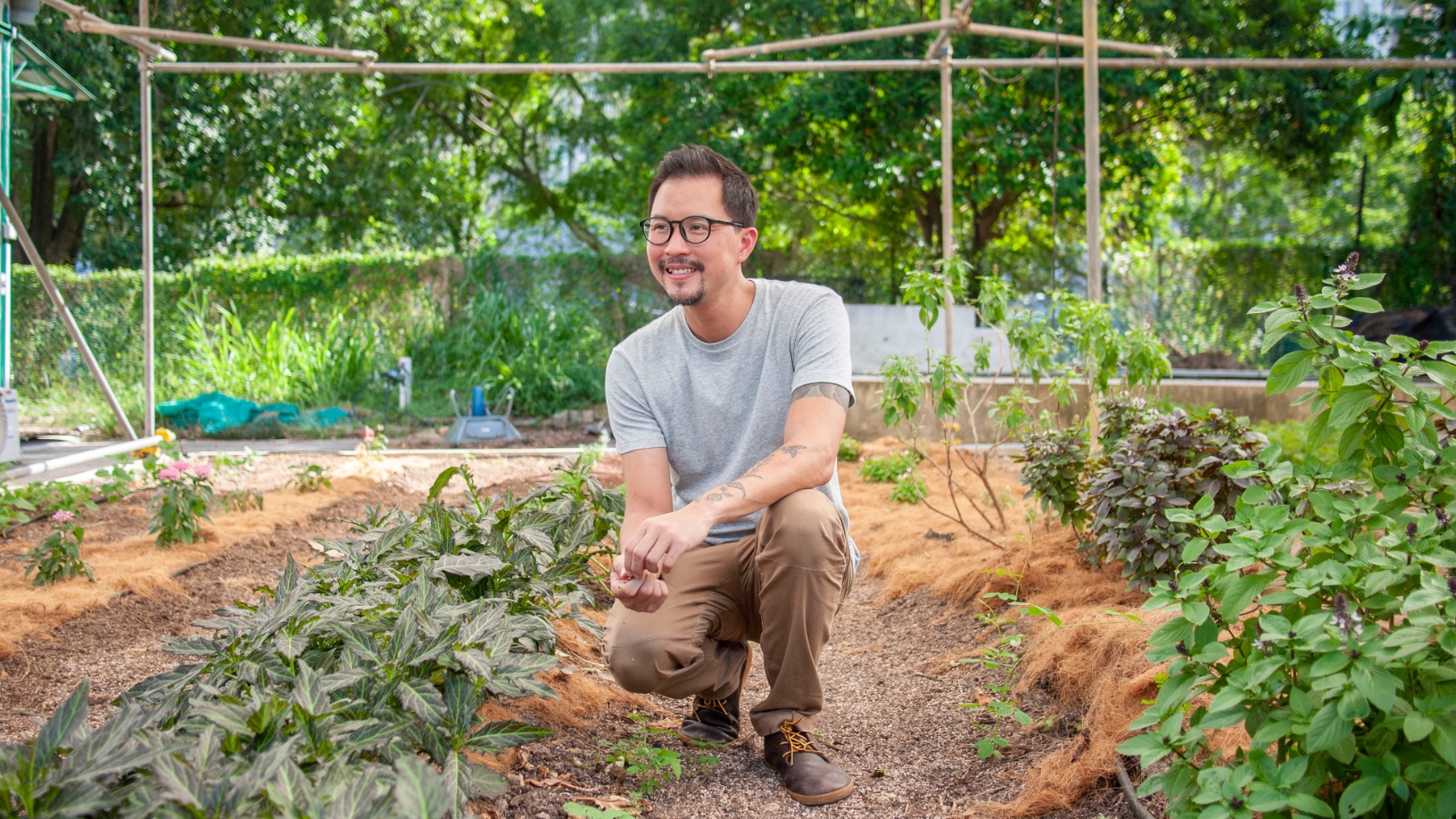
Turning Singapore into an Edible Garden City
Urban agriculture startup Edible Garden City embraces new tech for intensive, space-saving farming while staying true to its community-driven values
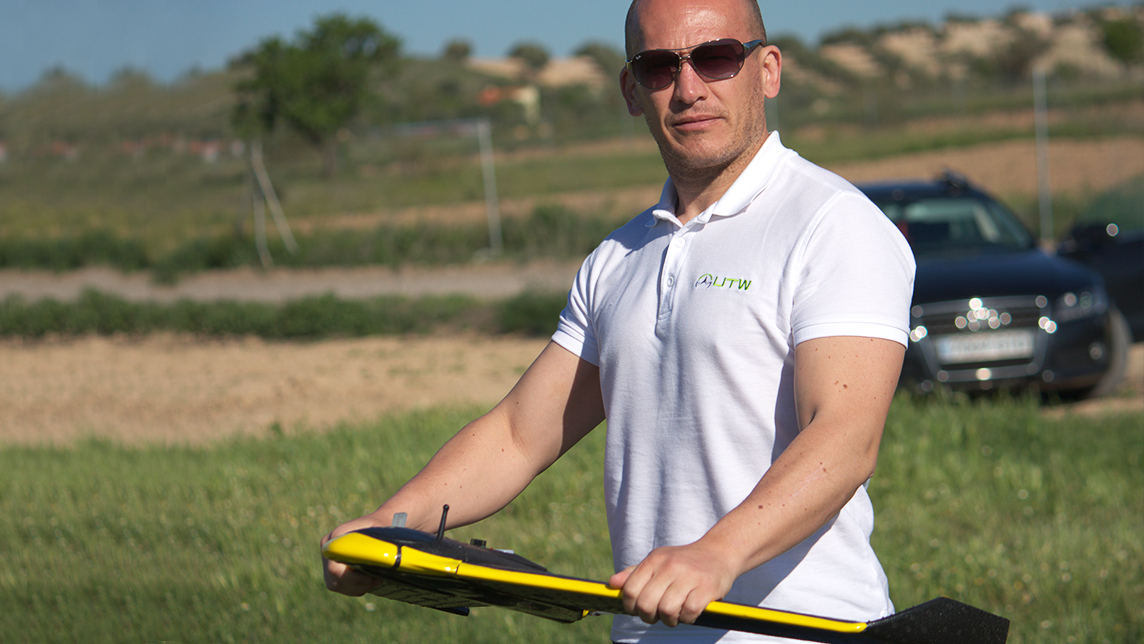
UTW: Drones and big data to help farmers get the most out of their land
Analytics startup UTW also harvests real-time farming information using satellites and sensors, to offer crop yield predictions
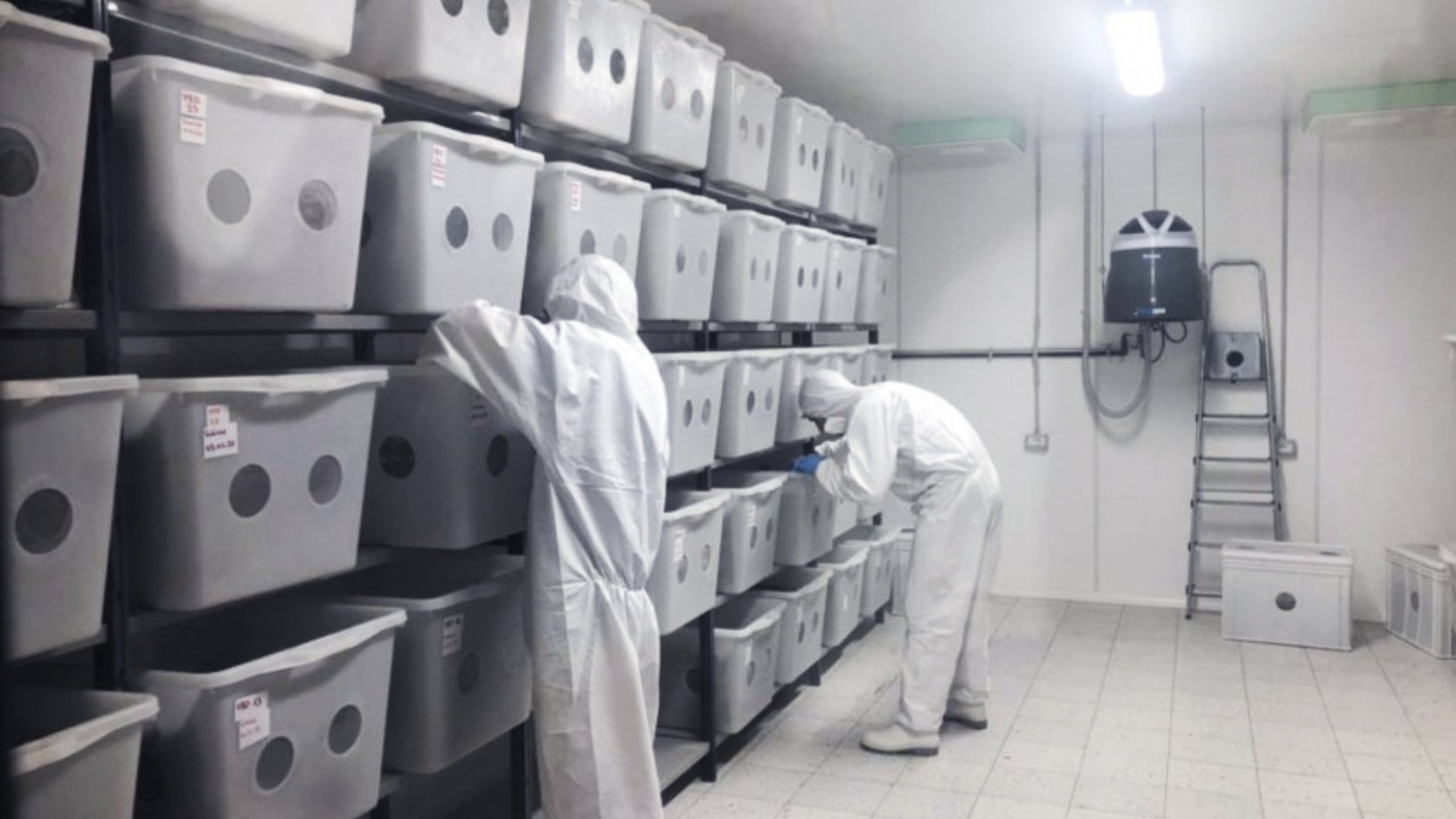
Nutrinsect: Aiming at insects for human consumption for the planet's sake
Nutrinsect expects insect-based foodstuffs to supplement meat to satisfy the ever-growing hunger for protein
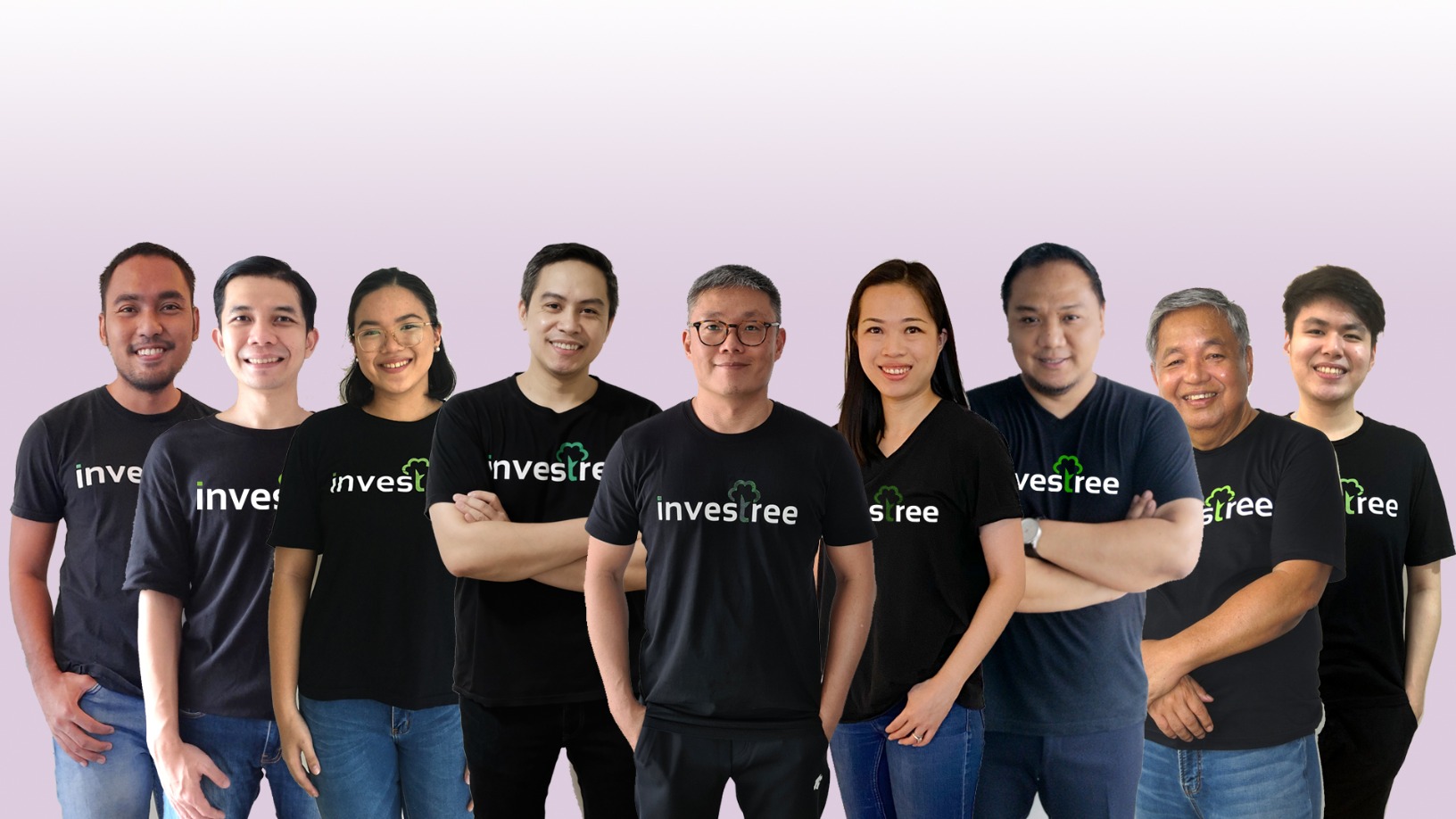
Indonesian P2P lending platform Investree expands to the Philippines
With local partner Filinvest Development Corporation, Investree Philippines will support the country’s SMEs with its lending-based crowdfunding platform
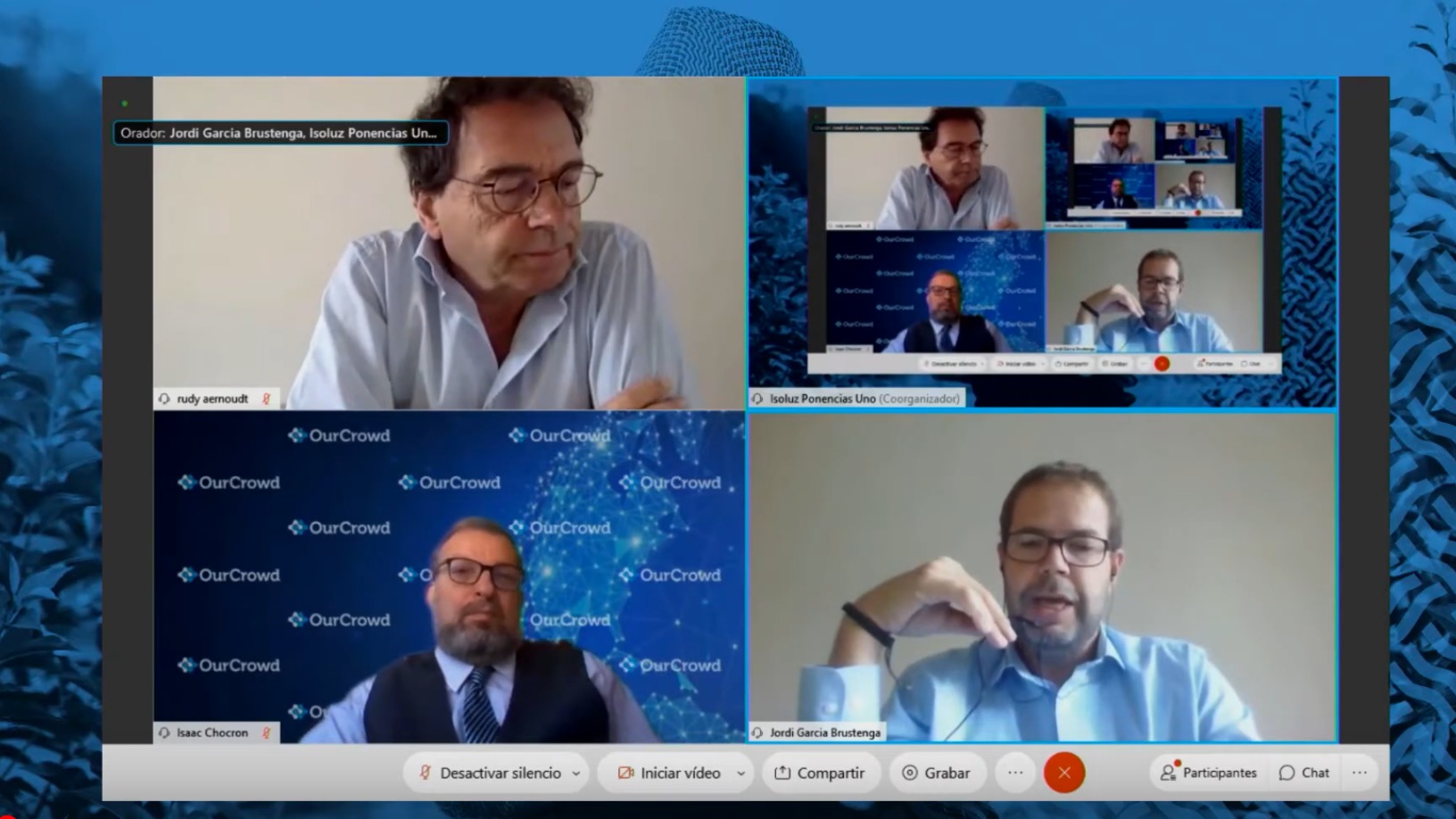
Smart Agrifood Summit: Investors on key focuses and outlook in European agrifood
From boosting public-private funds to grow more European scale-ups, to improving the investment ecosystem, key investors at the Smart Agrifood Summit offer their take on how the EU agrifood sector could go a longer way
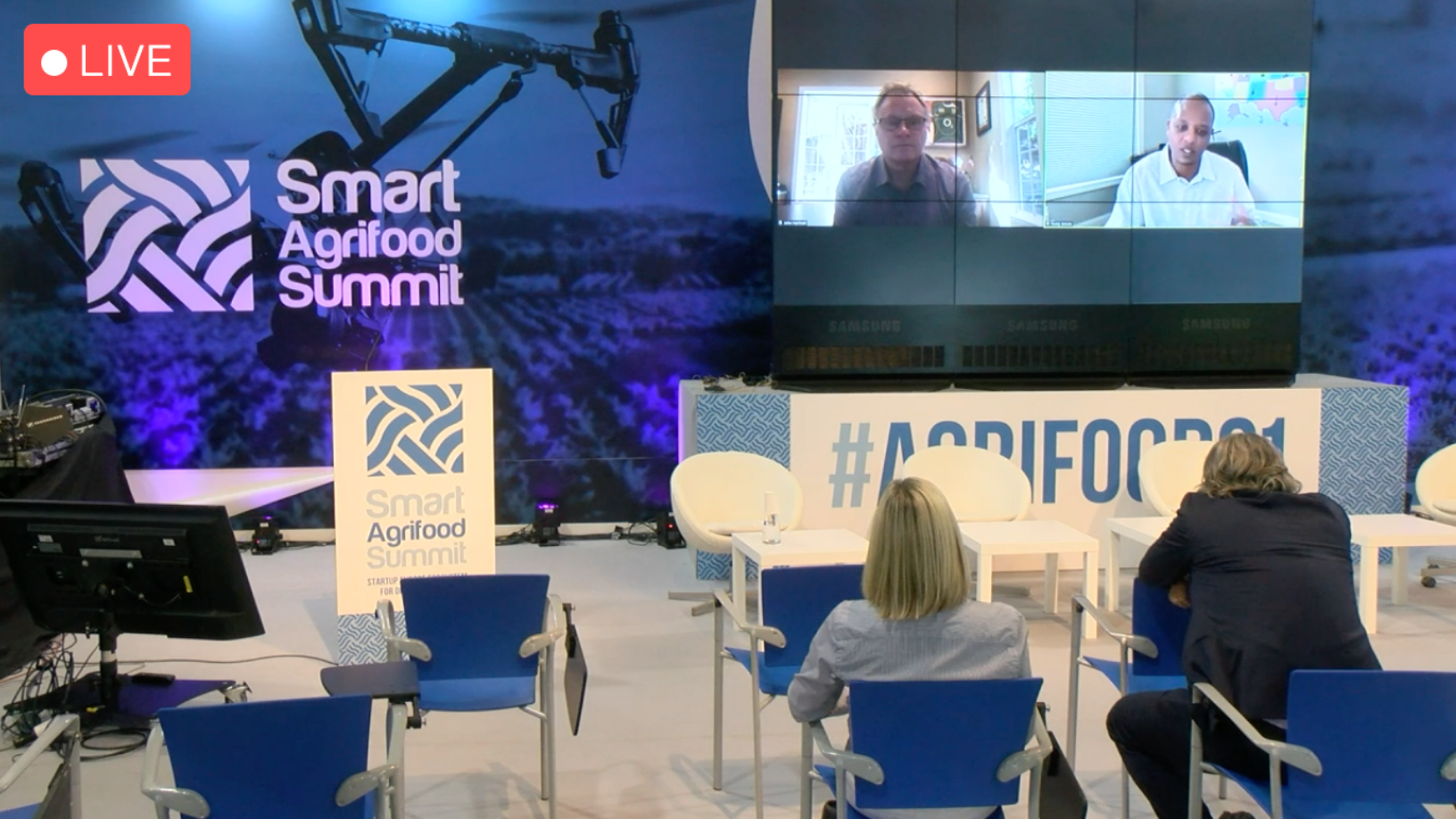
Smart Agrifood 2021: SVG Ventures's Hartnett, Land O'Lakes's Bekele on disruption in agrifood chain
How US farming cooperative Land O'Lakes and leading CPG brands are working with famers and tech firms to overcome agritech challenges, transform the whole value chain
Drone Hopper: Firefighters of the future
A senior Airbus engineer from Spain has developed heavy-duty autonomous drones to quell wildfires safely

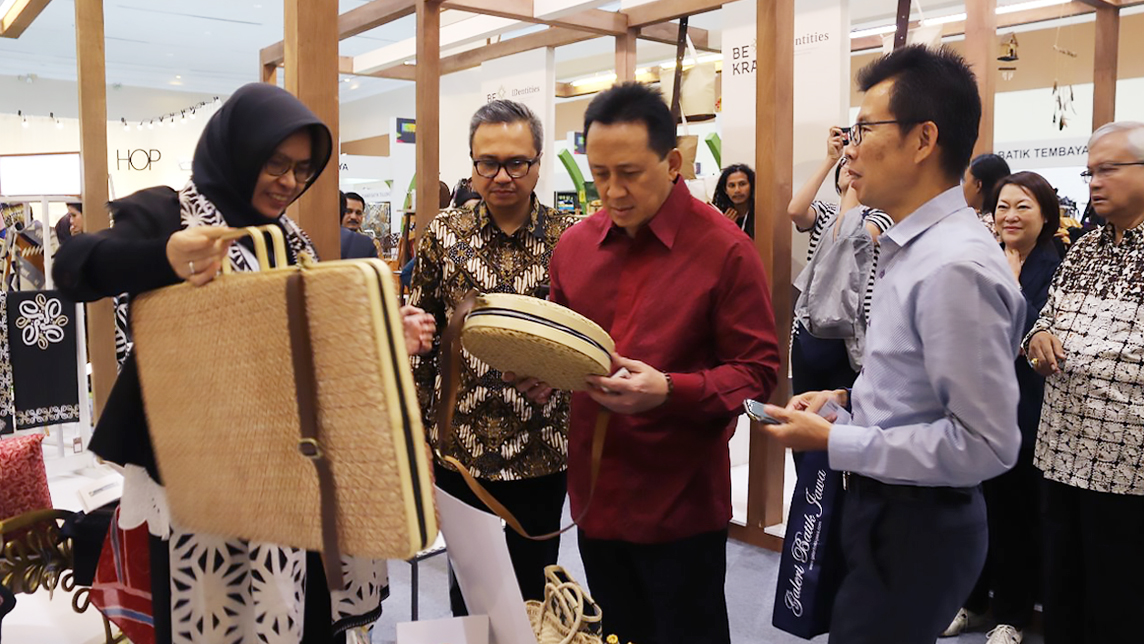
Bekraf: Growing a creative, productive Indonesia
Established to support Indonesia's creative industries as a whole, Bekraf is also an important link between government and the burgeoning startup landscape
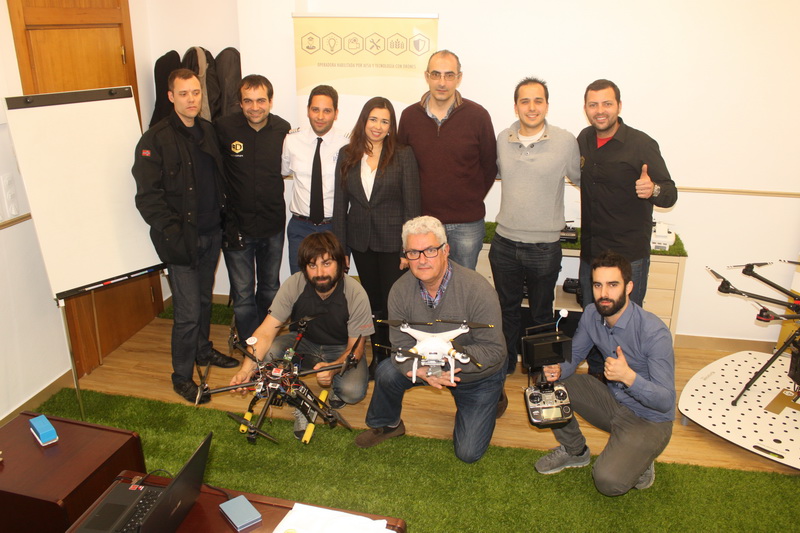
Dronak looks beyond the skies to a future of robotics
Dronak CEO Fabia Silva wants to make the world a better place through robotics innovation, but needs funding so the company can spread its tech wings past drones
Ento: Making cookies and burger patties from crickets
From whole-roasted crickets and granola bars to sausages and meatballs, Ento aims to tap the growing market for insect-based alternative proteins, targeting enthusiasts and early adopters

Neurafarm: Putting an AI plant doctor in farmers' hands
This startup is riding on Indonesia’s urban farming trend with its planting kit and an AI-powered app that identifies plant diseases from photos of unhealthy leaves

Crowde-funding Indonesia's fields
Agritech startup Crowde offers retail investors direct access to Indonesia’s US$25 billion agricultural sector, transforming the way traditional farmers fund, run and grow their businesses

8villages to refocus business, shelve B2C agri-ecommerce ops as Covid boost proves short-lived
Despite a spike in B2C demand during Indonesia’s initial lockdowns, 8villages customers returned to shopping offline once restrictions eased
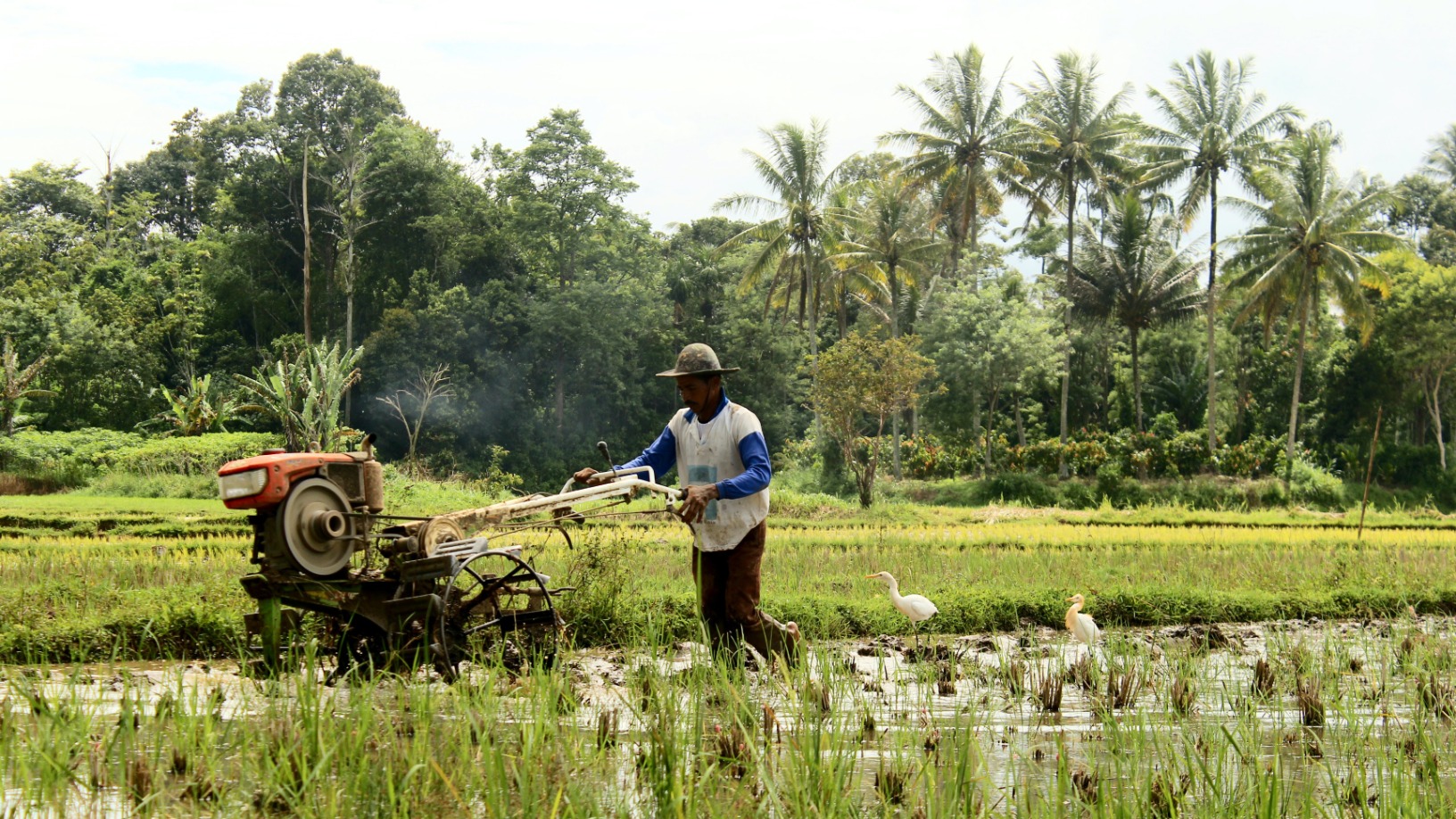
Thousands of Farmers: Creative subscription model to help farms sell seasonal produce
Just a few months old, Thousands of Farmers plans to add more entertaining features to its farm-to-table social commerce, attracting young consumers
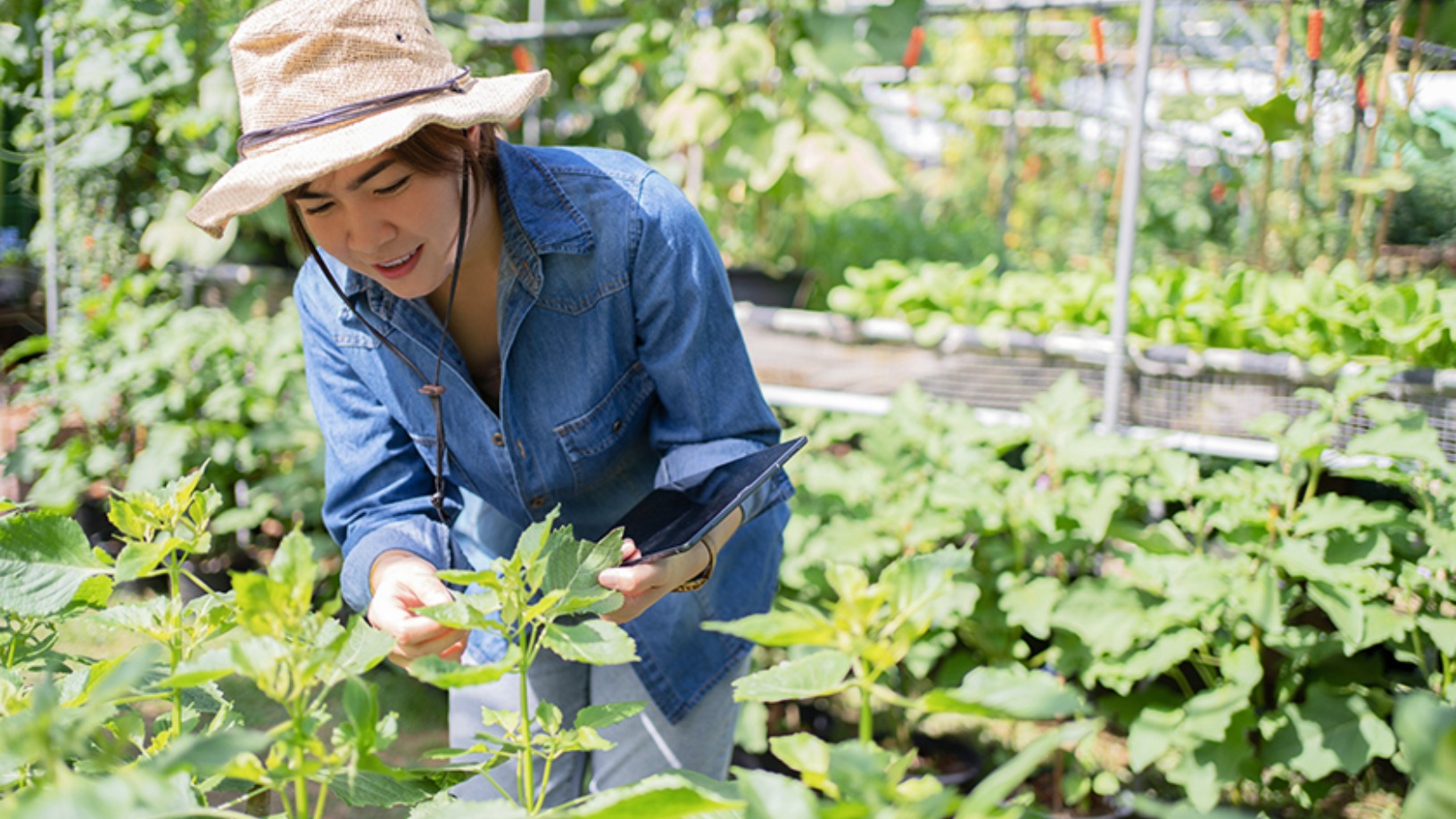
Farmer Connect: Blockchain powered platform tracing coffee beans from field to cup
Farmer Connect’s platform enables consumers to trace the origin, quality and ethical footprint of a product by just scanning a QR code
Sorry, we couldn’t find any matches for “cellular agriculture”.
POPULAR DATABASE