La French Tech
-
DATABASE (1078)
-
ARTICLES (471)
CEO and co-founder of Bygen
Lewis Dunnigan is a researcher turned entrepreneur based in Australia. After earning a master’s degree in Chemical Engineering and working as a researcher at the University of Edinburgh in the UK, Dunnigan returned to Australia. He had a brief stint as a visiting researcher and earned his PhD in Chemical Engineering at the University of Adelaide.During his PhD, Dunnigan was a part of Philip Kwong’s research laboratory. His PhD project involved developing a system to generate activated charcoal and renewable energy from biomass. In 2017, Dunnigan, Kwong, and fellow PhD student Ben Morton decided to commercialize this technology and established a spin-off company called Bygen, which developed a low-cost, novel way to make activated carbon more sustainably using various forms of agricultural waste. Dunnigan is now the CEO of Bygen.

Lewis Dunnigan is a researcher turned entrepreneur based in Australia. After earning a master’s degree in Chemical Engineering and working as a researcher at the University of Edinburgh in the UK, Dunnigan returned to Australia. He had a brief stint as a visiting researcher and earned his PhD in Chemical Engineering at the University of Adelaide.During his PhD, Dunnigan was a part of Philip Kwong’s research laboratory. His PhD project involved developing a system to generate activated charcoal and renewable energy from biomass. In 2017, Dunnigan, Kwong, and fellow PhD student Ben Morton decided to commercialize this technology and established a spin-off company called Bygen, which developed a low-cost, novel way to make activated carbon more sustainably using various forms of agricultural waste. Dunnigan is now the CEO of Bygen.
Technical advisor and co-founder of Bygen
Philip Kwong is a lecturer and researcher at the University of Adelaide’s School of Chemical Engineering and Advanced Materials. He joined the university in 2009 and focuses on developing low-cost technologies that can facilitate a transition from fossil fuels to renewable energy. One of his ongoing research projects primarily deals with the conversion of agricultural waste into biochar, a form of charcoal that can act as a feedstock for making activated carbon and for sequestering carbon.In 2017, Kwong and two PhD students in his research group, Ben Morton and Lewis Dunnigan, began commercialization of the waste-to-activated carbon technology they had developed. A spin-off company called Bygen was established, with Dunnigan and Morton leading the startup. Kwong is a co-founder and technical advisor of the company.

Philip Kwong is a lecturer and researcher at the University of Adelaide’s School of Chemical Engineering and Advanced Materials. He joined the university in 2009 and focuses on developing low-cost technologies that can facilitate a transition from fossil fuels to renewable energy. One of his ongoing research projects primarily deals with the conversion of agricultural waste into biochar, a form of charcoal that can act as a feedstock for making activated carbon and for sequestering carbon.In 2017, Kwong and two PhD students in his research group, Ben Morton and Lewis Dunnigan, began commercialization of the waste-to-activated carbon technology they had developed. A spin-off company called Bygen was established, with Dunnigan and Morton leading the startup. Kwong is a co-founder and technical advisor of the company.
Senior Scientific Advisor and co-founder of The Not Company (NotCo)
Pablo Zamora is a biotechnologist from the University of Santiago, where he worked as a professor and research scientist until 2008. In 2009, he started his postdoctoral research on Mexico’s maize genetics at UC Davis Life Science Innovation Center. He worked there as a senior scientist and associate until 2014. In 2015, he was appointed the center’s Chief Science Officer based in Chile, a position he was in till January 2018.From 2013–2015, he also worked on various plant and microbe genomics projects as a senior scientist in Mars Advanced Research Institute. He was also an editor from 2012–2017 at the Journal of Technology Management & Innovation and worked at the non-profit PIPRA from 2010–2018 as international alliance manager in Sacramento, University of California.In 2015, he co-founded The Not Company (NotCo) based in Santiago. He was appointed CSO in February 2018, a role he led until March 2020, when he left the company to focus on a new project, AptaBuilder, a $60m program that promotes R&D for Chilean technology-based ventures. Zamora still consults as NotCo’s senior scientific advisor.
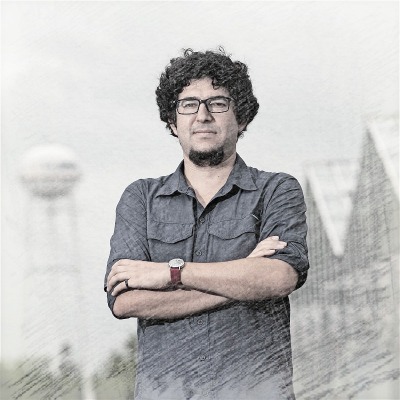
Pablo Zamora is a biotechnologist from the University of Santiago, where he worked as a professor and research scientist until 2008. In 2009, he started his postdoctoral research on Mexico’s maize genetics at UC Davis Life Science Innovation Center. He worked there as a senior scientist and associate until 2014. In 2015, he was appointed the center’s Chief Science Officer based in Chile, a position he was in till January 2018.From 2013–2015, he also worked on various plant and microbe genomics projects as a senior scientist in Mars Advanced Research Institute. He was also an editor from 2012–2017 at the Journal of Technology Management & Innovation and worked at the non-profit PIPRA from 2010–2018 as international alliance manager in Sacramento, University of California.In 2015, he co-founded The Not Company (NotCo) based in Santiago. He was appointed CSO in February 2018, a role he led until March 2020, when he left the company to focus on a new project, AptaBuilder, a $60m program that promotes R&D for Chilean technology-based ventures. Zamora still consults as NotCo’s senior scientific advisor.
Co-Founder & CEO of Bipi
Hans Christ has worked internationally across Latin America, Europe and the USA. He is the co-founder of transport technology startup Bipi, a Spanish on-demand car rental app and Lollo Mobility, Bipi’s parent company and transport app company. He co-founded Colombia Cave Box Crossfit in 2013 and was previously Groupon Iberia’s Head of Goods, where he helped established its product department. Christ started his career as a Credit Manager in Walls Cargo Bank. Christ holds a Business Administration degree from Southern Methodist University (SMU) and an MBA in Marketing from the University of Dallas.

Hans Christ has worked internationally across Latin America, Europe and the USA. He is the co-founder of transport technology startup Bipi, a Spanish on-demand car rental app and Lollo Mobility, Bipi’s parent company and transport app company. He co-founded Colombia Cave Box Crossfit in 2013 and was previously Groupon Iberia’s Head of Goods, where he helped established its product department. Christ started his career as a Credit Manager in Walls Cargo Bank. Christ holds a Business Administration degree from Southern Methodist University (SMU) and an MBA in Marketing from the University of Dallas.
CEO and founder of Petit Pli
Ryan Mario Yasin is an engineer, designer and sustainable fashion entrepreneur based in London. Originally from Reykjavik, Iceland, Yasin graduated in aeronautical engineering at Imperial College London and has a master’s in global innovation design from the Royal College of Art. As a 23-year-old design student, Yasin founded materials technology startup Petit Pli, and developed the design for the company’s first product, a pleated garment that could expand up to seven sizes to last children through their first few years of life. Petit Pli now makes expandable pleated clothes for children and adults, using a fabric derived from recycled plastic and a structure inspired by origami, architecture and space satellites. Petit Pli products have won a number of prestigious awards, such as the UK James Dyson Award, Time Magazine’s best invention of 2020 and the Red Dot Product Design Award.Yasin has a strong interest in photography and in the interplay between art and engineering. In 2020, Yasin was included by Forbes in its 30 Under 30 list for Europe.

Ryan Mario Yasin is an engineer, designer and sustainable fashion entrepreneur based in London. Originally from Reykjavik, Iceland, Yasin graduated in aeronautical engineering at Imperial College London and has a master’s in global innovation design from the Royal College of Art. As a 23-year-old design student, Yasin founded materials technology startup Petit Pli, and developed the design for the company’s first product, a pleated garment that could expand up to seven sizes to last children through their first few years of life. Petit Pli now makes expandable pleated clothes for children and adults, using a fabric derived from recycled plastic and a structure inspired by origami, architecture and space satellites. Petit Pli products have won a number of prestigious awards, such as the UK James Dyson Award, Time Magazine’s best invention of 2020 and the Red Dot Product Design Award.Yasin has a strong interest in photography and in the interplay between art and engineering. In 2020, Yasin was included by Forbes in its 30 Under 30 list for Europe.
Co-CEO and Co-founder of Notpla (formerly Skipping Rocks Lab)
Rodrigo García González graduated in Architecture at the Technical University of Madrid (ETSAM) in 2009 and also completed various PhD courses in advanced architecture at his alma mater.In 2006, the architect student joined an EU Asia-Link sustainable humane habitat program that included stints at the Centre for Environmental Planning and Technology (CEPT) University in India. He also won a SMILE scholarship to study industrial design at Pontificia Universidad Católica in Chile for one year. In 2011, he obtained a scholarship to study industrial design and business at Umeå Institute of Design in Sweden. In 2014, he completed two master’s programs in innovation design engineering run by London’s Imperial College and Royal College of Art.In July 2014, he co-founded Skipping Rocks Lab, that was later pivoted into Notpla, a UK-based startup that develops compostable and edible packaging materials made of seaweed and other plants.Since 2007, he has worked with various institutions in Europe, Latin America and the US including Cornell University, CEPT, Imperial College and Royal College of Art. In 2016, he became a senior lecturer for a degree program in product and furniture design at Kingston University.He has two patents for his work on structural and deployable systems. His designs have also been featured in prestigious art centers like the Cite de l'Architecture of Paris and the Venice Biennale of Architecture.Other projects include the Hop! suitcase that can follow the user by tracking the signal of the user’s mobile phone and Aer, an artificial cloud that can evaporate “drinkable” water from the sea. He also developed Zipizip, an architectural system that enables the construction of several floors of a building in a few hours.
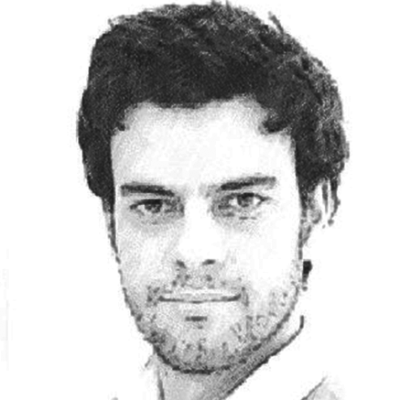
Rodrigo García González graduated in Architecture at the Technical University of Madrid (ETSAM) in 2009 and also completed various PhD courses in advanced architecture at his alma mater.In 2006, the architect student joined an EU Asia-Link sustainable humane habitat program that included stints at the Centre for Environmental Planning and Technology (CEPT) University in India. He also won a SMILE scholarship to study industrial design at Pontificia Universidad Católica in Chile for one year. In 2011, he obtained a scholarship to study industrial design and business at Umeå Institute of Design in Sweden. In 2014, he completed two master’s programs in innovation design engineering run by London’s Imperial College and Royal College of Art.In July 2014, he co-founded Skipping Rocks Lab, that was later pivoted into Notpla, a UK-based startup that develops compostable and edible packaging materials made of seaweed and other plants.Since 2007, he has worked with various institutions in Europe, Latin America and the US including Cornell University, CEPT, Imperial College and Royal College of Art. In 2016, he became a senior lecturer for a degree program in product and furniture design at Kingston University.He has two patents for his work on structural and deployable systems. His designs have also been featured in prestigious art centers like the Cite de l'Architecture of Paris and the Venice Biennale of Architecture.Other projects include the Hop! suitcase that can follow the user by tracking the signal of the user’s mobile phone and Aer, an artificial cloud that can evaporate “drinkable” water from the sea. He also developed Zipizip, an architectural system that enables the construction of several floors of a building in a few hours.
Co-founder of Vence
Industrial business entrepreneur Jasper Holdsworth comes from a multi-generational family of cattle ranchers. In 2013, he became a director of his family’s 100-year-old Paringahau Farm Company in New Zealand. He also co-founded a virtual fencing startup for livestock management, Vence Corp, with US-based investment banker Frank Wooten in 2016.After graduating in forestry engineering in 1995, Holdsworth obtained a master’s in engineering management at his alma mater University of Canterbury. In 1998, he completed a master’s in applied finance at Macquarie University and started his banking career at WestLB and Deutsche Bank in Sydney.He completed an entrepreneurship development program run by MIT’s Sloan School of Management in 2010. He has also undertaken an advanced management program run by Harvard Business School in 2012.Since 2004, he has been working as the CEO of New Zealand-based Pultron Composites Ltd, an industrial technology company focused on the development and manufacture of glass fiber-reinforced polymers.In 2019, he became the chairman and co-founder of Mateenbar Ltd to produce composite reinforcement for infrastructure building materials in New Zealand, North Carolina and Saudi Arabia.

Industrial business entrepreneur Jasper Holdsworth comes from a multi-generational family of cattle ranchers. In 2013, he became a director of his family’s 100-year-old Paringahau Farm Company in New Zealand. He also co-founded a virtual fencing startup for livestock management, Vence Corp, with US-based investment banker Frank Wooten in 2016.After graduating in forestry engineering in 1995, Holdsworth obtained a master’s in engineering management at his alma mater University of Canterbury. In 1998, he completed a master’s in applied finance at Macquarie University and started his banking career at WestLB and Deutsche Bank in Sydney.He completed an entrepreneurship development program run by MIT’s Sloan School of Management in 2010. He has also undertaken an advanced management program run by Harvard Business School in 2012.Since 2004, he has been working as the CEO of New Zealand-based Pultron Composites Ltd, an industrial technology company focused on the development and manufacture of glass fiber-reinforced polymers.In 2019, he became the chairman and co-founder of Mateenbar Ltd to produce composite reinforcement for infrastructure building materials in New Zealand, North Carolina and Saudi Arabia.
CEO and co-founder of Aimentia
Edgar Jorba is CEO and co-founder at Aimentia, which runs the first AI-powered cloud-based virtual clinic for mental health patients. He has been based in Spain since 2018. Jorba previously worked in mental health research for more than two years in Spain and in France. Seeing the need for digitalization and improvement in mental health assessments and long wait times experienced by patients gave him the inspiration to start Aimentia.Jorba is currently studying for a bachelor’s degree in telecommunications technologies and services engineering at the Open University of Catalonia. He also holds a degree in industrial engineering from IQS in Barcelona.

Edgar Jorba is CEO and co-founder at Aimentia, which runs the first AI-powered cloud-based virtual clinic for mental health patients. He has been based in Spain since 2018. Jorba previously worked in mental health research for more than two years in Spain and in France. Seeing the need for digitalization and improvement in mental health assessments and long wait times experienced by patients gave him the inspiration to start Aimentia.Jorba is currently studying for a bachelor’s degree in telecommunications technologies and services engineering at the Open University of Catalonia. He also holds a degree in industrial engineering from IQS in Barcelona.
President and co-founder of Bluepha
Li Teng graduated in bioscience at Tsinghua University in 2011 and stayed on to complete a PhD in synthetic biology in 2016. He joined a SynBio project team to create PHA bioplastics during his postgrad research at university.Li was also the leader of Tsinghua University’s team that won a gold medal at the International Genetically Engineered Machine (iGEM) Design Competition. He met Zhang Haoqian at the iGEM giant jamboree in 2010 and they have remained friends ever since.Li and Zhang co-founded Bluepha in 2016, a spin-off from Tsinghua University’s SynBio research project. In 2018, Li was selected for MIT Technology Review’s list of Innovators under 35. In 2019, he was named one of the 40 Chinese business elites under 40.

Li Teng graduated in bioscience at Tsinghua University in 2011 and stayed on to complete a PhD in synthetic biology in 2016. He joined a SynBio project team to create PHA bioplastics during his postgrad research at university.Li was also the leader of Tsinghua University’s team that won a gold medal at the International Genetically Engineered Machine (iGEM) Design Competition. He met Zhang Haoqian at the iGEM giant jamboree in 2010 and they have remained friends ever since.Li and Zhang co-founded Bluepha in 2016, a spin-off from Tsinghua University’s SynBio research project. In 2018, Li was selected for MIT Technology Review’s list of Innovators under 35. In 2019, he was named one of the 40 Chinese business elites under 40.
CEO and Founder of CH Biomedical
Chen Chen is an expert in artificial heart development. After graduating from Tsinghua University with a major in Thermal Engineering in 1984, he switched to study Biomechanics in Sichuan University and received a doctorate in 1991.He lectured at Nanjing University from 1991 to 1996 before going to Japan to continue his research on artificial heart technology and development. He was a visiting scholar at the University of Tokyo for one year until 1997.In 1999, Chen was headhunted and joined a US startup to work on developing an artificial heart (LVAD) product Levacor. The startup was later acquired by World Heart Corporation and Chen became its chief engineer. World Heart decided to shut down the program in 2006 because the product was too big to be placed inside a human chest.Chen went back to China in 2007 to found CH Biomedical to build a smaller LVAD device.
Chen Chen is an expert in artificial heart development. After graduating from Tsinghua University with a major in Thermal Engineering in 1984, he switched to study Biomechanics in Sichuan University and received a doctorate in 1991.He lectured at Nanjing University from 1991 to 1996 before going to Japan to continue his research on artificial heart technology and development. He was a visiting scholar at the University of Tokyo for one year until 1997.In 1999, Chen was headhunted and joined a US startup to work on developing an artificial heart (LVAD) product Levacor. The startup was later acquired by World Heart Corporation and Chen became its chief engineer. World Heart decided to shut down the program in 2006 because the product was too big to be placed inside a human chest.Chen went back to China in 2007 to found CH Biomedical to build a smaller LVAD device.
CTO and Founder of CH Biomedical
With a doctorate in mechanical engineering from the University of Maryland, Frank Lin has over 25 years of technical and managerial experience in medtech and aerospace. Before founding CH Biomedical in 2008, he was the principal staff engineer at Kriton Medical, the predecessor of HeartWare International (now Medtronic), leading the computational fluid dynamic design of its Heartware Ventricular Assist Device (HVAD) system. Lin holds 15 US and international patents in left ventricular assist device and turbomachinery. He is also an adjunct professor at the Academy of Engineering and Technology, Fudan University.

With a doctorate in mechanical engineering from the University of Maryland, Frank Lin has over 25 years of technical and managerial experience in medtech and aerospace. Before founding CH Biomedical in 2008, he was the principal staff engineer at Kriton Medical, the predecessor of HeartWare International (now Medtronic), leading the computational fluid dynamic design of its Heartware Ventricular Assist Device (HVAD) system. Lin holds 15 US and international patents in left ventricular assist device and turbomachinery. He is also an adjunct professor at the Academy of Engineering and Technology, Fudan University.
Co-founder of Xampla
Tuomas Knowles is co-founder of Britain’s Xampla, producer of plant-based biodegradable plastics made from protein, which was founded in 2018 based on his team’s pioneering research. Knowles is a professor of physical chemistry and biophysics at Cambridge University, where he has worked since 2010 and manages the Knowles Lab which focuses on researching protein self-assembly underlying neurodegenerative disorders like Alzheimer's and Parkinson's disease. Knowles holds a PhD in Biophysics from the University of Cambridge and a degree in physics from ETH Zurich, a science and technology university.
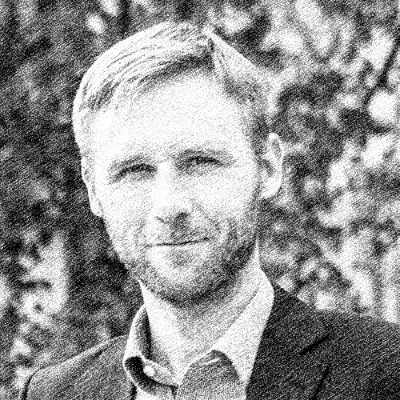
Tuomas Knowles is co-founder of Britain’s Xampla, producer of plant-based biodegradable plastics made from protein, which was founded in 2018 based on his team’s pioneering research. Knowles is a professor of physical chemistry and biophysics at Cambridge University, where he has worked since 2010 and manages the Knowles Lab which focuses on researching protein self-assembly underlying neurodegenerative disorders like Alzheimer's and Parkinson's disease. Knowles holds a PhD in Biophysics from the University of Cambridge and a degree in physics from ETH Zurich, a science and technology university.
CTO and co-founder of Everimpact
Alain Retière is CTO and co-founder of Everimpact, a GHG monitoring company that uses satellites, ground sensors, AI and machine learning to deliver more accurate carbon emissions data to public bodies, municipalities, and businesses.Retière has rich experience in sustainable development, climate change, as well as satellite technology. He was previously an agro-economist and senior scientific advisor at sustainable development organizations, public bodies, and international organisations, with three decades of field experience across 120 countries. In the course of his career, Retière spent a total of 13 years as director of two satellite-related agencies under the UN. This included three years managing CLIMSAT, a specialized center under the UNDP helping local government bodies assess the impact of climate change by using satellite and geo-spatial data, as well as 10 years at the helm of UNOSAT, the UN emergency satellite service. For his service at UNOSAT, he received the UN21 Award from UN Secretary-General Kofi Annan in 2005.Retière graduated from Groupe Ecole supérieure d'Agriculture d'Angers and holds a postgraduate degree from Université Pierre et Marie Curie, which is now part of Sorbonne University.

Alain Retière is CTO and co-founder of Everimpact, a GHG monitoring company that uses satellites, ground sensors, AI and machine learning to deliver more accurate carbon emissions data to public bodies, municipalities, and businesses.Retière has rich experience in sustainable development, climate change, as well as satellite technology. He was previously an agro-economist and senior scientific advisor at sustainable development organizations, public bodies, and international organisations, with three decades of field experience across 120 countries. In the course of his career, Retière spent a total of 13 years as director of two satellite-related agencies under the UN. This included three years managing CLIMSAT, a specialized center under the UNDP helping local government bodies assess the impact of climate change by using satellite and geo-spatial data, as well as 10 years at the helm of UNOSAT, the UN emergency satellite service. For his service at UNOSAT, he received the UN21 Award from UN Secretary-General Kofi Annan in 2005.Retière graduated from Groupe Ecole supérieure d'Agriculture d'Angers and holds a postgraduate degree from Université Pierre et Marie Curie, which is now part of Sorbonne University.
CTO and co-founder of Refurbed
Jürgen Riedl studied software engineering at Vienna Technical University. The entrepreneur and investor became the CTO and co-founder of Refurbed in 2017. He was recruited by co-founders Peter Windischhofer and Amazon’s Renewed manager Kilian Kaminski to develop an Amazon-style e-commerce marketplace for refurbished electronic goods.
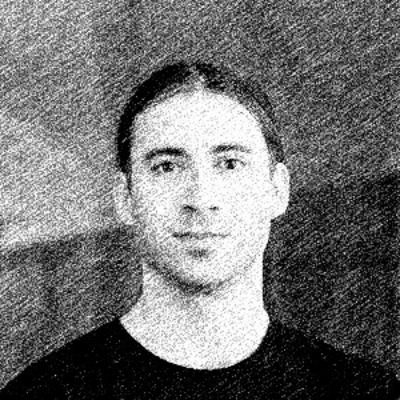
Jürgen Riedl studied software engineering at Vienna Technical University. The entrepreneur and investor became the CTO and co-founder of Refurbed in 2017. He was recruited by co-founders Peter Windischhofer and Amazon’s Renewed manager Kilian Kaminski to develop an Amazon-style e-commerce marketplace for refurbished electronic goods.
CEO and founder of MIWA Technologies
A designer and branding specialist, Petr Báča was inspired to develop a smart vending solution to eliminate plastic packaging in supply chains while working with industry clients at Cocoon Prague, a branding and advertising agency he founded in 1996. In 2015, he set up MIWA Technologies in Prague, to realize his smart vending system into a business. He is currently CEO of MIWA and continues to work in packaging design as a partner at Cocoon Prague.Báča graduated from the University of Economics in Prague in 2002. He is also a founding partner of the Intellectual Capital Investors Association that assists innovators to start their own businesses and to help new companies to scale.

A designer and branding specialist, Petr Báča was inspired to develop a smart vending solution to eliminate plastic packaging in supply chains while working with industry clients at Cocoon Prague, a branding and advertising agency he founded in 1996. In 2015, he set up MIWA Technologies in Prague, to realize his smart vending system into a business. He is currently CEO of MIWA and continues to work in packaging design as a partner at Cocoon Prague.Báča graduated from the University of Economics in Prague in 2002. He is also a founding partner of the Intellectual Capital Investors Association that assists innovators to start their own businesses and to help new companies to scale.
Ecojoko: Using AI, real-time data to save electricity
The French startup’s energy-saving assistant and mobile app show how much electricity is being used and how much can be saved for every household appliance


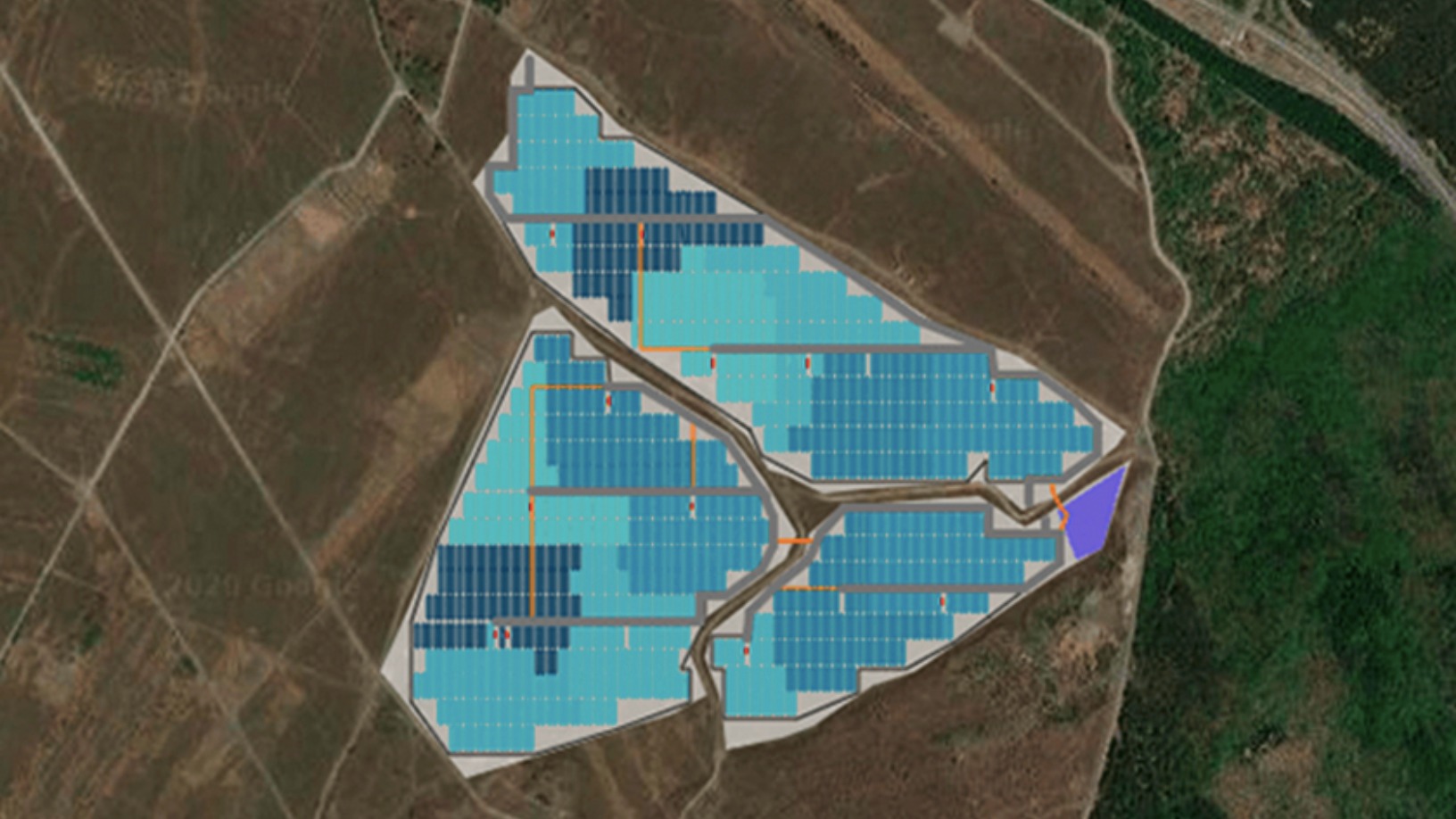
RatedPower: Creating solar power plant designs in minutes
The Spanish startup is helping solar plants expand exponentially worldwide and revolutionizing the sector with its automated software
Les Nouveaux Affineurs: Disrupting centuries-old French cheese culture
Backed by Michelin-star chefs and investors, Les Noveaux Affineurs is gearing up to be a global player in the billion-dollar vegan cheese market

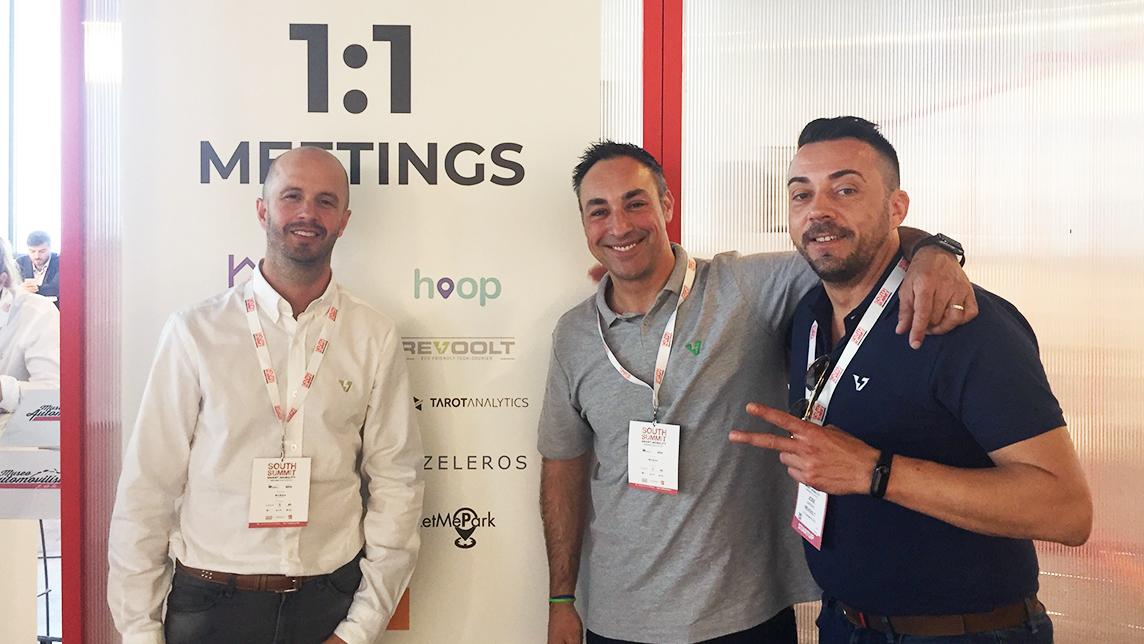
Sustainable last-mile grocery delivery startup Revoolt eyes French, LatAm expansion
Seeking up to €1m new funding for its growth, the Madrid-based startup with its EV fleet and turnkey IoT solutions has also broken even
Biomede: Harnessing plants’ natural attributes to decontaminate soil
The Lyon-based startup says using plants to remove harmful metals from the earth is a sustainable, cost-effective green alternative to decontaminate soil in agricultural or urban environments

Europe ramps up development of local EV battery sector in race to zero emissions
Startups, automakers jostle or unite to ride the fast-growing EV battery market, as the EU pumps billions into developing its own value chain, to cut reliance on imports

Clicars: Bringing certainty to buying a used car
Spanish online used car dealer aims to sell 10,000 vehicles by 2021 via its unique sales offer that has booked it €50 million in sales since 2016
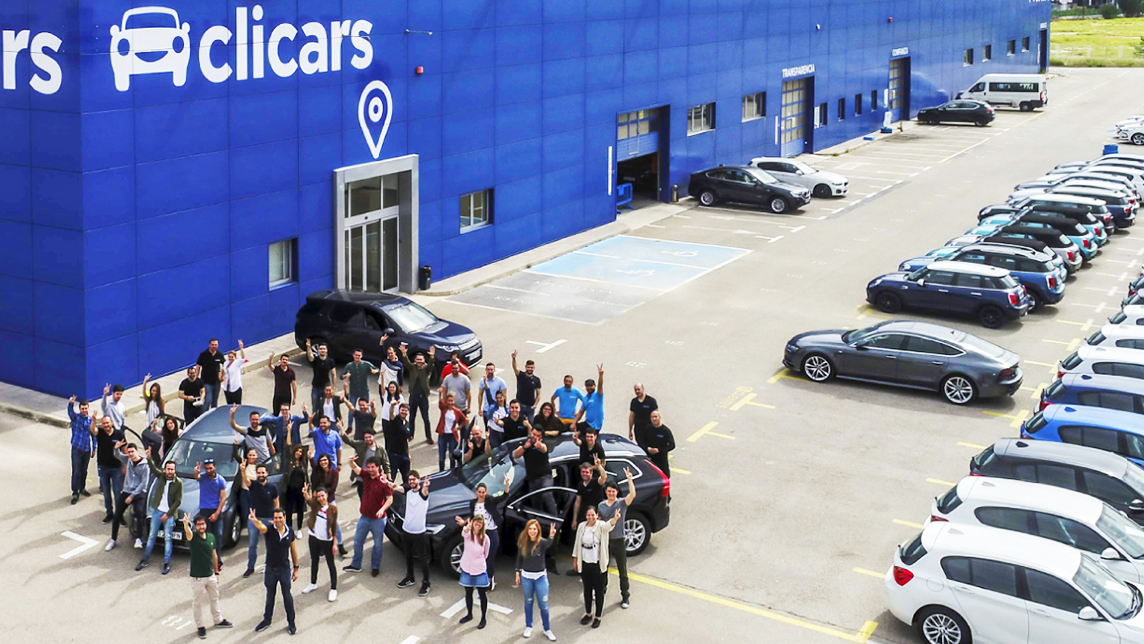
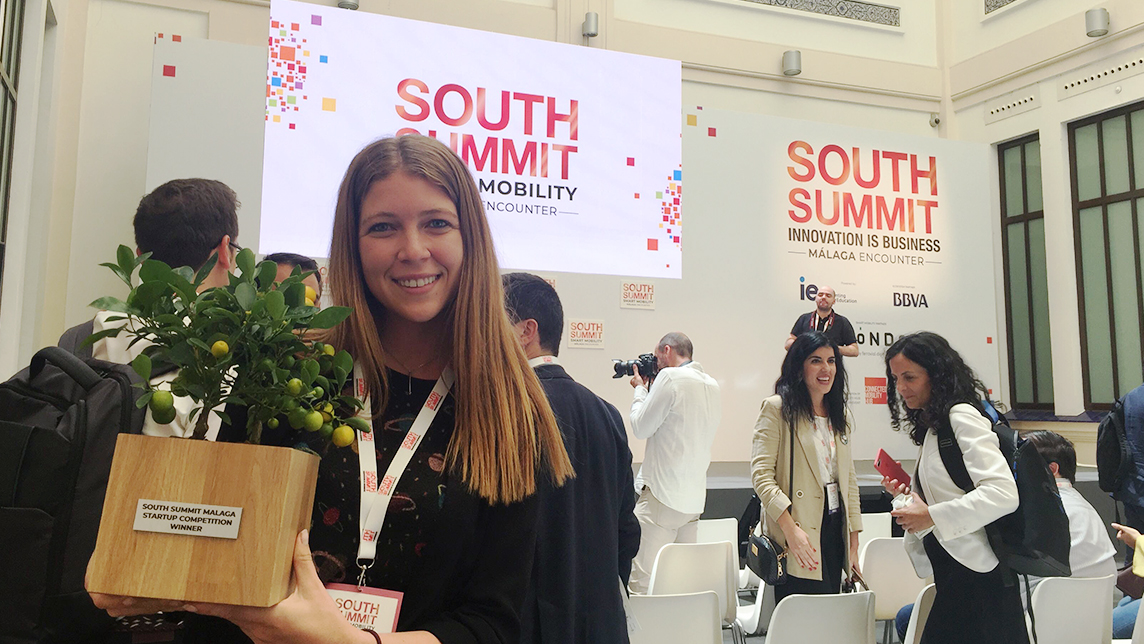
HOOP Carpool: Graduates bootstrap ride-sharing app to facilitate sustainable commuting
South Summit Malaga (Smart Mobility Encounters) winners Nathan Lehoucq and Andrea García Torrijos discuss their ride-sharing app for consumers and corporates
Scoobic: Nifty electric three-wheelers for last-mile deliveries
Traveling up to 100 km on a single battery charge, Scoobic’s EVs, with delivery capacities of vans, is a sustainable solution to traffic jams and parking restrictions

StudentFinance: AI screening software matches students to IT courses and jobs
StudentFinance also offers "Study now, pay later" model, making IT courses financially accessible while helping companies overcome skilled tech talent shortage

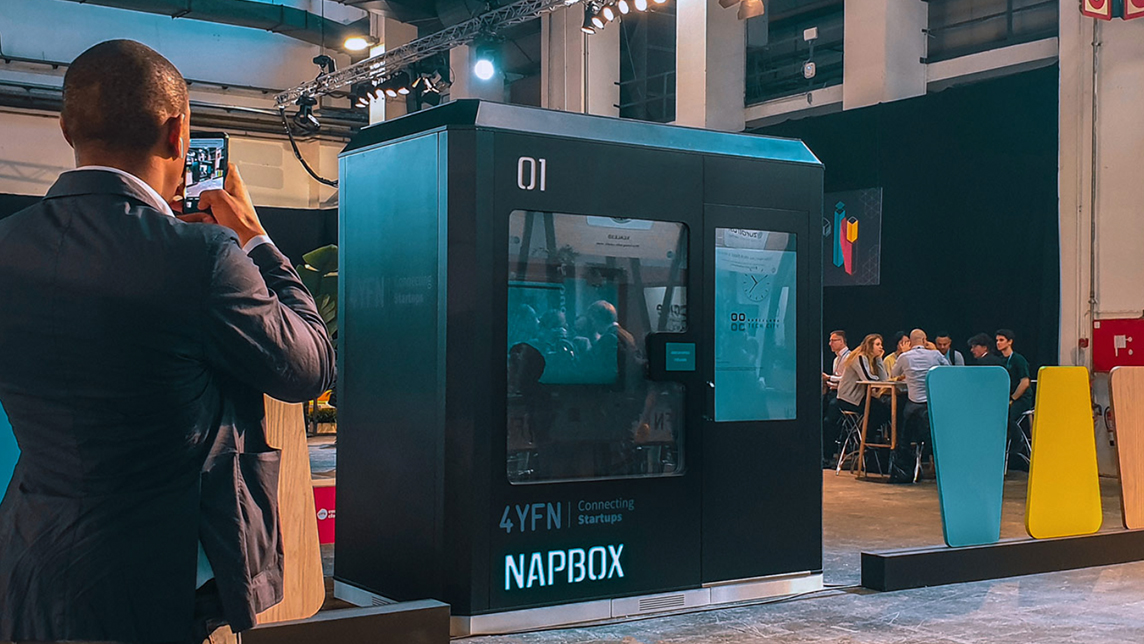
Napbox: Sleeping capsule mania takes off in Spain
Napbox's on-demand and intelligent cabins give privacy and connectivity in public spaces and offices
VitiBot: Using robotics to make winemaking more sustainable
Combining a passion for robotics with his family’s history in winemaking, VitiBot CEO and co-founder Cedric Bache saw an opportunity to help winemakers meet the dual challenges of modernization and sustainable development

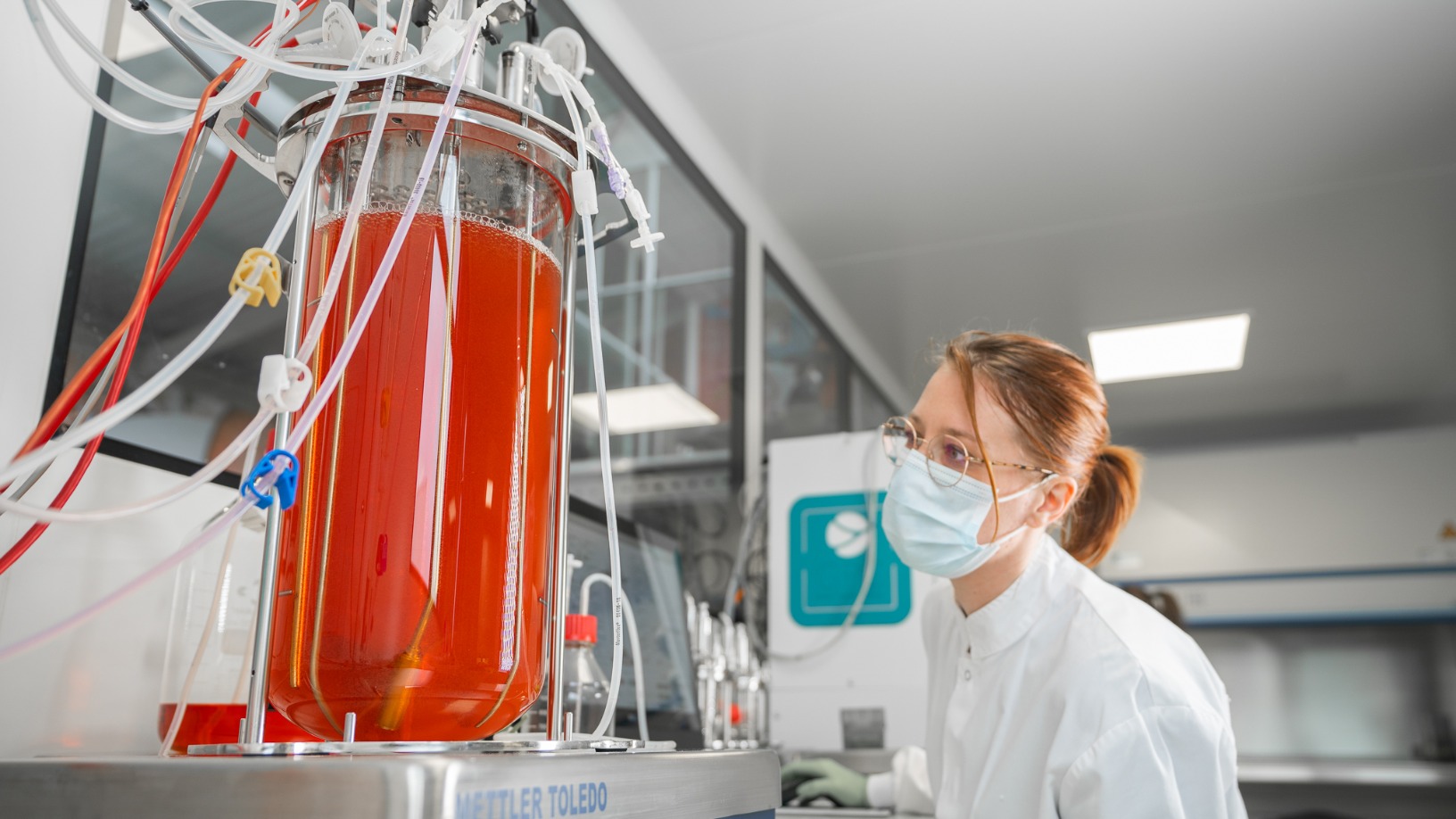
TreeFrog Therapeutics: Mimicking how stem cells grow in the human body
The French biotech’s proprietory technology to cultivate pluripotent stem cells in a 3D environment can be scaled to mass-produce high-quality cells to treat diseases such as Parkinson’s
Councilbox: Lawtech that helps cut corporate meeting costs by up to 80%
The startup behind legally validated meeting software is one of the first market movers, targeting some 3m companies in Spain

Sheetgo: Easy and secure cloud-powered spreadsheet data at your fingertips
Named Most Scalable Product at South Summit 2018, Sheetgo turns spreadsheets into data clouds for business users around the world

Sorry, we couldn’t find any matches for “La French Tech”.
POPULAR DATABASE