Li Bin
-
DATABASE (127)
-
ARTICLES (59)
Li Bin is the founder and CEO of BitAuto.com, China’s first NYSE-listed auto content and marketing online operator, and the founder and CEO of NextEV, an electric automobile development company that launched the world’s fastest electric car.


Li Bin is the founder and CEO of BitAuto.com, China’s first NYSE-listed auto content and marketing online operator, and the founder and CEO of NextEV, an electric automobile development company that launched the world’s fastest electric car.
Famous techpreneur Li Yinan (b. 1970) is the former CTO of Baidu and former CEO of Wuxian Xunqi, a China Mobile subsidiary. After Li graduated from Huazhong University of Science & Technology with a master’s degree in Optics Engineering, he joined Huawei and was promoted to vice-president of its Central Research Department in just six months; in 1997 Li because the youngest vice-president at Huawei. In 2001, Li quit Huawei and started his own data communication company, Harbour Networks, which followed the same structure of Huawei and soon became its main competitor. In 2005, Harbour Networks lost in its intense battle with Huawei and was acquired by the larger player. Even though Li rejoined Huawei after the acquisition, he was never able to re-enter the core management team because of his damaged relationship with Ren Zhengfei, the founder and president of Huawei. In April 2015, Li founded his smart e-scooter company, NIU Smart Scooters. Li began investing in 2010 and joined GSR Ventures in 2011. Up to June 2015, Li had invested in more than 10 companies from the TMT sector. Li stood trial for insider trading in March 2016, according to news reports.

Famous techpreneur Li Yinan (b. 1970) is the former CTO of Baidu and former CEO of Wuxian Xunqi, a China Mobile subsidiary. After Li graduated from Huazhong University of Science & Technology with a master’s degree in Optics Engineering, he joined Huawei and was promoted to vice-president of its Central Research Department in just six months; in 1997 Li because the youngest vice-president at Huawei. In 2001, Li quit Huawei and started his own data communication company, Harbour Networks, which followed the same structure of Huawei and soon became its main competitor. In 2005, Harbour Networks lost in its intense battle with Huawei and was acquired by the larger player. Even though Li rejoined Huawei after the acquisition, he was never able to re-enter the core management team because of his damaged relationship with Ren Zhengfei, the founder and president of Huawei. In April 2015, Li founded his smart e-scooter company, NIU Smart Scooters. Li began investing in 2010 and joined GSR Ventures in 2011. Up to June 2015, Li had invested in more than 10 companies from the TMT sector. Li stood trial for insider trading in March 2016, according to news reports.
Li is a TV presenter, entrepreneur and investor. Born in June 1970, she joined Beijing TV in 1993 as a news anchor. From 1995 to 1999, Li worked at CCTV as a TV show host. In 1999, she left CCTV and co-founded Fleet Entertainment with fellow TV host Dai Jun. The two co-hosted Super Talk Show from 2000 to 2016, one of the most highly viewed shows in China. Li founded cosmetics e-retailer Lefeng.com in 2008, skincare brand JPlus in 2009 and Star Venture Fund in 2015.

Li is a TV presenter, entrepreneur and investor. Born in June 1970, she joined Beijing TV in 1993 as a news anchor. From 1995 to 1999, Li worked at CCTV as a TV show host. In 1999, she left CCTV and co-founded Fleet Entertainment with fellow TV host Dai Jun. The two co-hosted Super Talk Show from 2000 to 2016, one of the most highly viewed shows in China. Li founded cosmetics e-retailer Lefeng.com in 2008, skincare brand JPlus in 2009 and Star Venture Fund in 2015.
Ex-Alibaba executive who is now a key figure in the Zhejiang province internet technology startup scene. In 1999, Li Zhiguo (Frank Li) moved alone to Hangzhou and became the 46th employee of Alibaba. In 2004, he left Alibaba and founded the highly popular life services platform Koubei (later acquired by Alibaba). He is also an active investor, having co-founded early-stage VC fund Ameba Capital in 2011. Li’s investments in Chinese startups include Mogujie, Kuaidadi and Zhaocai.

Ex-Alibaba executive who is now a key figure in the Zhejiang province internet technology startup scene. In 1999, Li Zhiguo (Frank Li) moved alone to Hangzhou and became the 46th employee of Alibaba. In 2004, he left Alibaba and founded the highly popular life services platform Koubei (later acquired by Alibaba). He is also an active investor, having co-founded early-stage VC fund Ameba Capital in 2011. Li’s investments in Chinese startups include Mogujie, Kuaidadi and Zhaocai.
Born in 1973, Li graduated from the School of Philosophy at Renmin University of China in 1997. After graduating, he worked as an IT journalist for China Youth Daily, where he interviewed tech giants such as Jack Ma. In early 2003, Li became chief editor of the IT section of web portal Sohu and then joined web portal NetEase as chief editor of its IT section later that year. In 2005, he resigned from NetEase and founded gaming portal Duowan. In 2008, Li founded YY Inc., a live streaming social media platform that went public on Nasdaq in 2012.
Born in 1973, Li graduated from the School of Philosophy at Renmin University of China in 1997. After graduating, he worked as an IT journalist for China Youth Daily, where he interviewed tech giants such as Jack Ma. In early 2003, Li became chief editor of the IT section of web portal Sohu and then joined web portal NetEase as chief editor of its IT section later that year. In 2005, he resigned from NetEase and founded gaming portal Duowan. In 2008, Li founded YY Inc., a live streaming social media platform that went public on Nasdaq in 2012.
Co-founder and CTO of Sennotech
Li Zhinan holds a joint master’s degree in Mobile Health from Peking University and the University of California, Los Angeles. He previously worked on R&D on the Bing search engine for Microsoft Research Asia. Li is currently a Mobile Health Committee member at the Chinese Research Hospital Association. In February 2015, he co-founded Sennotech in Shenzhen and has served as CTO ever since.

Li Zhinan holds a joint master’s degree in Mobile Health from Peking University and the University of California, Los Angeles. He previously worked on R&D on the Bing search engine for Microsoft Research Asia. Li is currently a Mobile Health Committee member at the Chinese Research Hospital Association. In February 2015, he co-founded Sennotech in Shenzhen and has served as CTO ever since.
Co-founder and CTO of Worktile
Li earned his master’s degree in Software Engineering from Nankai University. He won the Microsoft Most Valuable Professional award four years in a row starting in 2007. From 2009 to 2011, Li was in charge of system architecture design at Fetion, an instant messaging tool developer. In 2011, he co-founded a startup that provided personalized reading recommendations, but it failed after eight months. Li co-founded Worktile with Wang Tao in late 2012.
Li earned his master’s degree in Software Engineering from Nankai University. He won the Microsoft Most Valuable Professional award four years in a row starting in 2007. From 2009 to 2011, Li was in charge of system architecture design at Fetion, an instant messaging tool developer. In 2011, he co-founded a startup that provided personalized reading recommendations, but it failed after eight months. Li co-founded Worktile with Wang Tao in late 2012.
Founder and Board Chairman of Leepet (formerly Weibaquan)
Li Yuan started his own internet community and chatroom business as early as 1997, after graduating from high school. The animal lover went on to help his uncle manage his playground business for pets. Hence Li began his career in the pet business.

Li Yuan started his own internet community and chatroom business as early as 1997, after graduating from high school. The animal lover went on to help his uncle manage his playground business for pets. Hence Li began his career in the pet business.

President and co-founder of Bluepha
Li Teng graduated in bioscience at Tsinghua University in 2011 and stayed on to complete a PhD in synthetic biology in 2016. He joined a SynBio project team to create PHA bioplastics during his postgrad research at university.Li was also the leader of Tsinghua University’s team that won a gold medal at the International Genetically Engineered Machine (iGEM) Design Competition. He met Zhang Haoqian at the iGEM giant jamboree in 2010 and they have remained friends ever since.Li and Zhang co-founded Bluepha in 2016, a spin-off from Tsinghua University’s SynBio research project. In 2018, Li was selected for MIT Technology Review’s list of Innovators under 35. In 2019, he was named one of the 40 Chinese business elites under 40.

Li Teng graduated in bioscience at Tsinghua University in 2011 and stayed on to complete a PhD in synthetic biology in 2016. He joined a SynBio project team to create PHA bioplastics during his postgrad research at university.Li was also the leader of Tsinghua University’s team that won a gold medal at the International Genetically Engineered Machine (iGEM) Design Competition. He met Zhang Haoqian at the iGEM giant jamboree in 2010 and they have remained friends ever since.Li and Zhang co-founded Bluepha in 2016, a spin-off from Tsinghua University’s SynBio research project. In 2018, Li was selected for MIT Technology Review’s list of Innovators under 35. In 2019, he was named one of the 40 Chinese business elites under 40.
Founder and CEO of Sennotech
Li Qin earned a bachelor’s degree in Economics from Zhejiang University in 2006 and an M.Sc. from Utrecht University in 2007. Upon graduation, he worked briefly on B2B market analysis at the Vilnius office of Euromonitor International, an independent strategic market research provider. After returning to China in 2007, Li became head of R&D on cryogenics at Shanxi Energy Industries Group Co., Ltd. From November 2009 until early 2015, he served as a lecturer at Shanxi University of Finance and Economics. In February 2015, Li founded Sennotech in Shenzhen.

Li Qin earned a bachelor’s degree in Economics from Zhejiang University in 2006 and an M.Sc. from Utrecht University in 2007. Upon graduation, he worked briefly on B2B market analysis at the Vilnius office of Euromonitor International, an independent strategic market research provider. After returning to China in 2007, Li became head of R&D on cryogenics at Shanxi Energy Industries Group Co., Ltd. From November 2009 until early 2015, he served as a lecturer at Shanxi University of Finance and Economics. In February 2015, Li founded Sennotech in Shenzhen.
Co-founder and CEO of Luoji Siwei
Before co-founding Luoji Siwei with Luo Zhenyu, Li was a regular contributor to several established Chinese business magazines and news outlets, including CEO & CIO, Global Business and Huxiu.com. She has served as a guest lecturer for Tsinghua University’s CEO class and for the New Entrepreneur Development Program, an executive continuing education program run by the State Council Development Research Center and Stanford University. Li is the founding partner of the China Soft Power Research Center, a Chinese corporate services and management consulting firm. She hosts a radio show called Li Tiantian Morning Observations on China National Radio.

Before co-founding Luoji Siwei with Luo Zhenyu, Li was a regular contributor to several established Chinese business magazines and news outlets, including CEO & CIO, Global Business and Huxiu.com. She has served as a guest lecturer for Tsinghua University’s CEO class and for the New Entrepreneur Development Program, an executive continuing education program run by the State Council Development Research Center and Stanford University. Li is the founding partner of the China Soft Power Research Center, a Chinese corporate services and management consulting firm. She hosts a radio show called Li Tiantian Morning Observations on China National Radio.
Born in 1961, Li Zexiang was an undergraduate at Central South Institute of Mining Metallurgy in 1978. From 1979 to 1992, he studied and worked in the US, earning a doctoral degree at the University of California, Berkeley in 1989. He worked as an AILab researcher at MIT in 1989. In 1990, he joined NYU's Courant Institute of Mathematical Sciences as an associate professor.In 1992, he returned to China and worked as a professor at The Hong Kong University of Science and Technology ever since. In 1999, he founded motor control company Googol Tech. He is well-known for incubating DJI and became the chairman of Shenzhen-based drone and aerial photography systems company.

Born in 1961, Li Zexiang was an undergraduate at Central South Institute of Mining Metallurgy in 1978. From 1979 to 1992, he studied and worked in the US, earning a doctoral degree at the University of California, Berkeley in 1989. He worked as an AILab researcher at MIT in 1989. In 1990, he joined NYU's Courant Institute of Mathematical Sciences as an associate professor.In 1992, he returned to China and worked as a professor at The Hong Kong University of Science and Technology ever since. In 1999, he founded motor control company Googol Tech. He is well-known for incubating DJI and became the chairman of Shenzhen-based drone and aerial photography systems company.
Founder and Chairman of Secoo
Aka the “luxury maniac”, Richard Li Rixue was named to the “Top Ten Venture Pioneers in China in 2014” list by Fortune.With his beginnings in selling domestic appliances as early as 1998, Li started a domestic appliance website in 2007. This first startup failed, but he found an opportunity in secondhand goods as friends complained of unwanted gifts and unused things being a waste of space and money. In 2008, he established Secoo, a secondhand goods business that soon grew into a luxury consignment, then pure luxury, online-to-offline empire, fueled by the dizzying growth of high-end consumption in China. Today, Li is Chairman of Secoo.

Aka the “luxury maniac”, Richard Li Rixue was named to the “Top Ten Venture Pioneers in China in 2014” list by Fortune.With his beginnings in selling domestic appliances as early as 1998, Li started a domestic appliance website in 2007. This first startup failed, but he found an opportunity in secondhand goods as friends complained of unwanted gifts and unused things being a waste of space and money. In 2008, he established Secoo, a secondhand goods business that soon grew into a luxury consignment, then pure luxury, online-to-offline empire, fueled by the dizzying growth of high-end consumption in China. Today, Li is Chairman of Secoo.
Founder and CEO of inPlug (inplug.cn)
Aka “China’s first female hardware creator”. One of Huawei’s earliest staff in Eastern Europe/the Balkans (2003-7), opening offices in Hungary and Croatia, Li Qin’s experience of Huawei’s rise in Europe provided fodder for her semi-autobiographical novel, A Thousand Li of Barren Land. A sailing enthusiast. Holds a master’s in Economic Management from Stockholm University (where she studied on a scholarship).

Aka “China’s first female hardware creator”. One of Huawei’s earliest staff in Eastern Europe/the Balkans (2003-7), opening offices in Hungary and Croatia, Li Qin’s experience of Huawei’s rise in Europe provided fodder for her semi-autobiographical novel, A Thousand Li of Barren Land. A sailing enthusiast. Holds a master’s in Economic Management from Stockholm University (where she studied on a scholarship).
From Porto to Phnom Penh: Last2Ticket expands to Asia
Their first stop is Cambodia, where tourism-related ticketing is big business yet underserved by technology. Emilía Simões, founder and CEO of the Portuguese e-ticketing startup, tells us more
Future Food Asia 2021: Regenerative agriculture in Asia
The unique challenges facing regenerative agriculture in Asia require solutions different from those in the West, presenting opportunities for microfinancing and impact investment

Southeast Asian startups to keep riding digitalization, IPO boom, investors say
O2O business models and growing interest in ESG are also key themes, as regional startups gain $4.4bn of funding in first half of 2021

Covid-19 has renewed investors' interest in China's online education sector
Will skyrocketing demand for online education during Covid-19 give China's edtechs that long-awaited push to profitability?

Ambitious startup Kuaidiniao aims to be the Alipay of logistics
Kuaidiniao carves out a niche for itself in the logistics market by targeting small- and medium-sized businesses

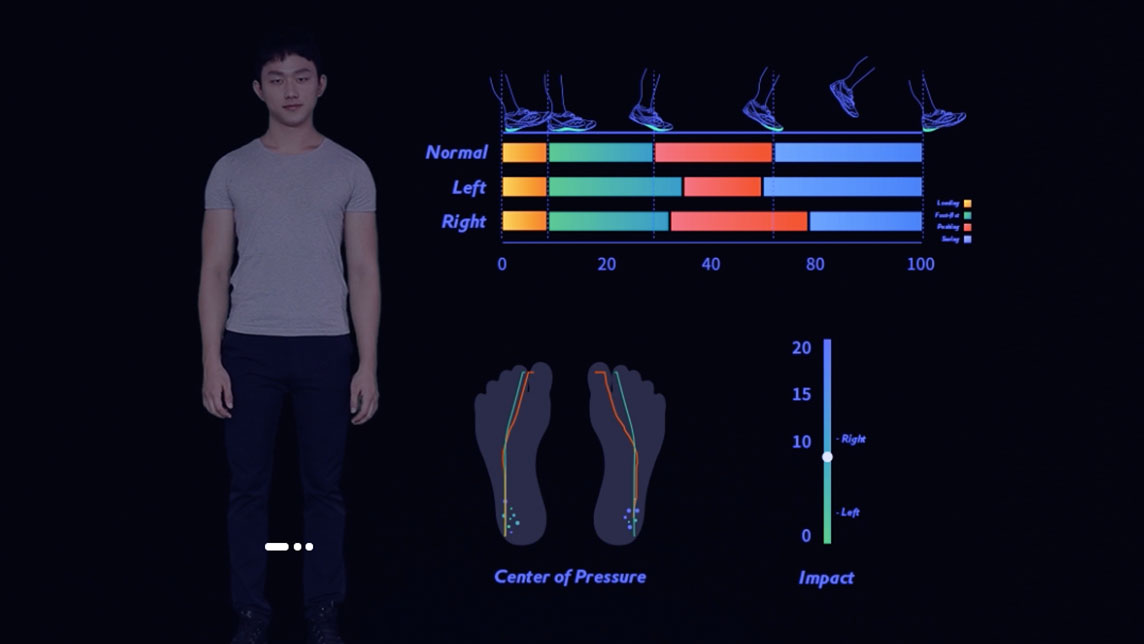
Sennotech offers affordable gait analysis on a mobile phone
Sennotech’s smart gait analysis system helps users choose comfy shoes, improve sports performance and foot health, and facilitate rehabilitation training
China's Yuanfudao now the world's most valuable edtech with $2.2bn new funding
Yuanfudao’s second tranche of its Series G funding follows the $1bn it raised in March, bringing its valuation to $15.5bn

In China, e-commerce platforms and brands bet big on live commerce
Retailers embrace shopping via livestreaming, where social media influencers hawk products and get rapid sales

With recent funding of $182m, drone maker XAG is set to make its mark as agritech leader
XAG has been reaping the benefits of its 2012 pivot to agriculture as demand for high-tech automation in China’s farms continues to grow strongly amid government push

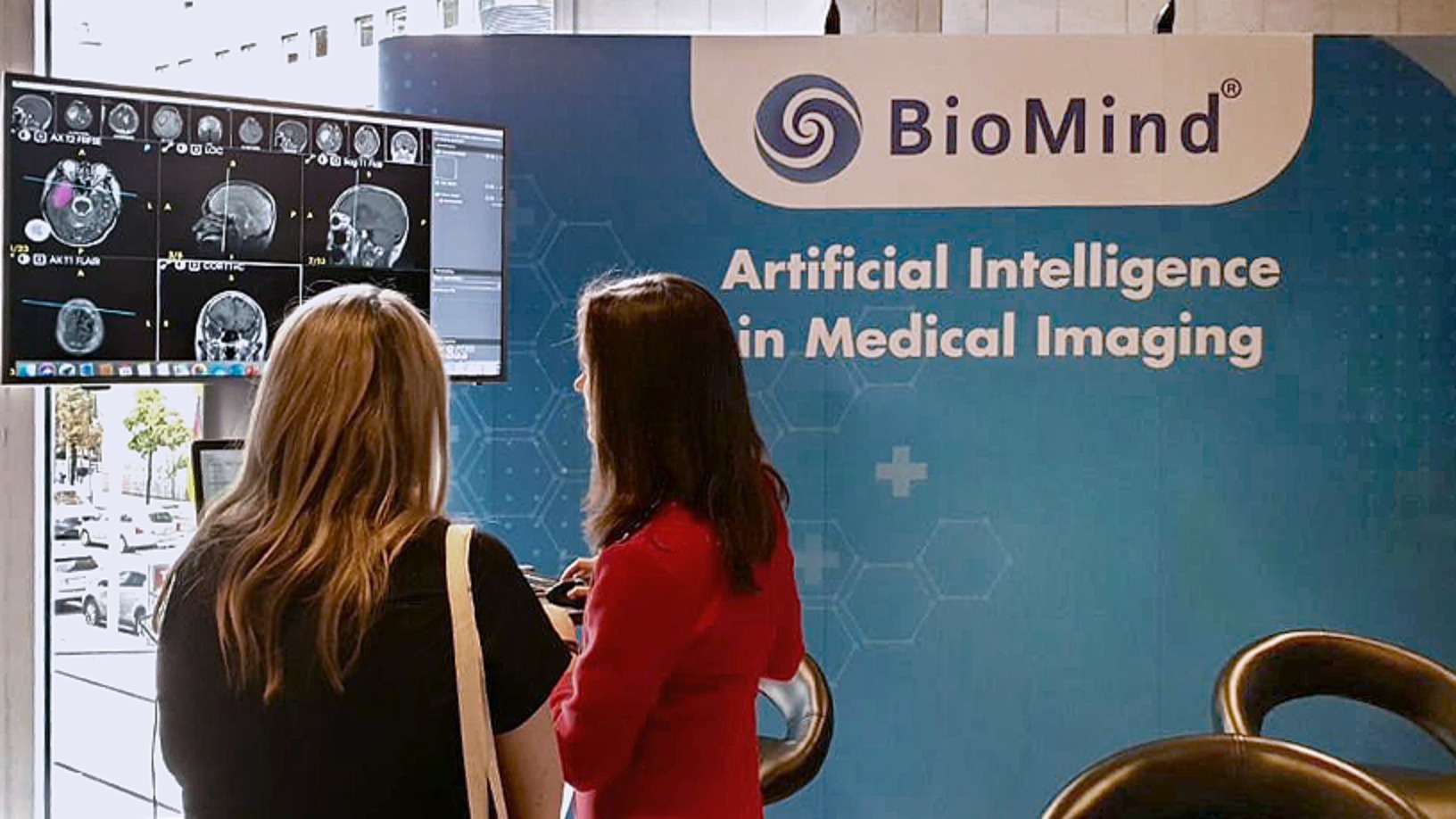
BioMind: AI medical diagnostics with over 90% accuracy for 100 diseases
BioMind helps doctors save lives by providing more accurate diagnosis of life-threatening diseases like Covid-19 and brain tumors
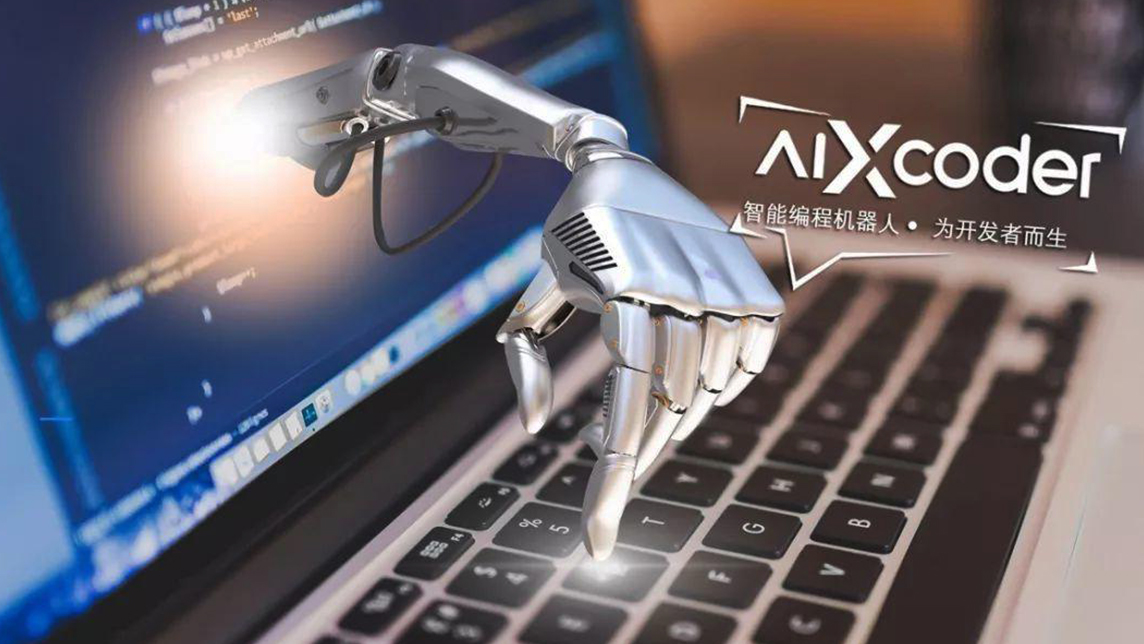
Bye to 12-hour workdays? aiXcoder’s AI-based programming tool is here to help developers
Used by Alibaba, this startup's predictive code lines let programmers spend less time searching online and more time being creative
China's recycling startups seek cost-effective ways to make waste management profitable
The high costs of smart garbage bins and automation to sort out recycling have created new headaches for homes and offices

The Watertree Project: Eliminating single-use plastic water bottles in Malaysia
With high-profile Malaysian corporate clients under its belt, the startup is in no hurry to raise funds, preferring to focus on raising public awareness and winning mindshare

China edtech companies pivot to survive private tutoring crackdown
AI adaptive personalized learning is the bright star, attracting investors and corporates
Covid-19: A closer look at how China's businesses and consumer behavior have changed
The lockdown in China has reshaped how people work and live. Some of the changes may be short-term, but others probably have become a part of life

Sorry, we couldn’t find any matches for “Li Bin”.