Orizon T
-
DATABASE (2907)
-
ARTICLES (122)
Chairman and co-founder of Everimpact
Jan Mattsson is a former senior UN official and the head of an ESG management consultancy. He is also chairman and co-founder of Everimpact, a GHG monitoring company that uses satellites, ground sensors, AI and machine learning to deliver more reliable carbon emissions data to public bodies, municipalities, and businesses. Mattsson has four decades of experience in development, humanitarian and peacekeeping operations, and has led operations and programs in Asia, Africa, Latin America and Central Asia. He spent nearly 14 years as UN Under-Secretary-General and Executive Director of the United Nations Office for Project Services (UNOPS), the operational arm of the UN. Over his professional career, Mattsson has also engaged with international organizations such as the World Bank and the Green Climate Fund. Outside of Everimpact, Mattsson is founder and CEO of M-Trust Leadership AB, an independent ESG and sustainable development management consultancy. He chairs the board of the Museum for the United Nations, and 4Life Solutions (formerly known as SolarSack), a company offering a solar-powered product that can provide safe drinking water to low-income and vulnerable communities. Mattsson also serves on the boards of The Management Lab, which aims to help investors analyze the social and environmental impact of their investments and philanthropy, as well as the World Benchmarking Alliance, an Amsterdam-based non-profit organization that aims to measure and incentivise businesses’ contributions towards the UN SDGs.

Jan Mattsson is a former senior UN official and the head of an ESG management consultancy. He is also chairman and co-founder of Everimpact, a GHG monitoring company that uses satellites, ground sensors, AI and machine learning to deliver more reliable carbon emissions data to public bodies, municipalities, and businesses. Mattsson has four decades of experience in development, humanitarian and peacekeeping operations, and has led operations and programs in Asia, Africa, Latin America and Central Asia. He spent nearly 14 years as UN Under-Secretary-General and Executive Director of the United Nations Office for Project Services (UNOPS), the operational arm of the UN. Over his professional career, Mattsson has also engaged with international organizations such as the World Bank and the Green Climate Fund. Outside of Everimpact, Mattsson is founder and CEO of M-Trust Leadership AB, an independent ESG and sustainable development management consultancy. He chairs the board of the Museum for the United Nations, and 4Life Solutions (formerly known as SolarSack), a company offering a solar-powered product that can provide safe drinking water to low-income and vulnerable communities. Mattsson also serves on the boards of The Management Lab, which aims to help investors analyze the social and environmental impact of their investments and philanthropy, as well as the World Benchmarking Alliance, an Amsterdam-based non-profit organization that aims to measure and incentivise businesses’ contributions towards the UN SDGs.
Co-founder of Refurbed
Peter Windischhofer graduated with a management degree in 2012 at Vienna University of Economics and Business, including a stint at the University of Hong Kong. Student internships included various roles at McKinsey & Company, Perella Weinberg Partners, Realtreuhand and Raiffeisen Bank.In 2012, he joined CUDOS Group and worked for over a year as a business analyst in Vienna. In 2013, he met Refurbed co-founder Kilian Kaminski during a master’s program run by Hult International Business School. Both men worked in China while studying international business. Windischhofer spent six months running an online “TripAdvisor” review platform for Chinese language schools in Shanghai.In October 2014, Windischhofer joined McKinsey & Company as a management consultant working on digital marketing and product development projects for marketplaces and e-commerce companies in Europe.In 2017, he left McKinsey to co-found Refurbed with Kaminski to build an Amazon-style marketplace for refurbished electronic goods. The idea was inspired by a personal experience when Windischhofer bought a used smartphone after seeing a classified ad. The phone stopped working after two weeks. The incident prompted him to create an e-commerce platform specializing in selling quality refurbished e-products with carbon-neutral credentials like planting a tree for every sales transaction.

Peter Windischhofer graduated with a management degree in 2012 at Vienna University of Economics and Business, including a stint at the University of Hong Kong. Student internships included various roles at McKinsey & Company, Perella Weinberg Partners, Realtreuhand and Raiffeisen Bank.In 2012, he joined CUDOS Group and worked for over a year as a business analyst in Vienna. In 2013, he met Refurbed co-founder Kilian Kaminski during a master’s program run by Hult International Business School. Both men worked in China while studying international business. Windischhofer spent six months running an online “TripAdvisor” review platform for Chinese language schools in Shanghai.In October 2014, Windischhofer joined McKinsey & Company as a management consultant working on digital marketing and product development projects for marketplaces and e-commerce companies in Europe.In 2017, he left McKinsey to co-found Refurbed with Kaminski to build an Amazon-style marketplace for refurbished electronic goods. The idea was inspired by a personal experience when Windischhofer bought a used smartphone after seeing a classified ad. The phone stopped working after two weeks. The incident prompted him to create an e-commerce platform specializing in selling quality refurbished e-products with carbon-neutral credentials like planting a tree for every sales transaction.
CEO and co-founder of Refurbed
Kilian Kaminski graduated in communication and media studies in 2013 at Fresenius University in Cologne, Germany. Kaminski and Peter Windischhofer met during a master’s program at Hult International Business School. The two post-grads also worked in Shanghai in 2014.Kaminski held various business and marketing internship roles at Fiege Far East Holding and pottery-maker ProGreen in Shanghai, Hansa shipping GmbH and Hamburg Sparkasse bank in Germany and also at a music agency in Australia.In December 2014, he joined Amazon Services as an accounts manager in Munich. He also worked as Amazon’s program lead for certified refurbished DE marketplace for over two years.He left in 2017 and co-founded Refurbed with Windischhofer in Austria. In 2019, the CEO of Vienna-based refurbished electronics marketplace became an expert member of the Consumer Insight Action Panel, an EU initiative designed to support the transition to the circular economy.

Kilian Kaminski graduated in communication and media studies in 2013 at Fresenius University in Cologne, Germany. Kaminski and Peter Windischhofer met during a master’s program at Hult International Business School. The two post-grads also worked in Shanghai in 2014.Kaminski held various business and marketing internship roles at Fiege Far East Holding and pottery-maker ProGreen in Shanghai, Hansa shipping GmbH and Hamburg Sparkasse bank in Germany and also at a music agency in Australia.In December 2014, he joined Amazon Services as an accounts manager in Munich. He also worked as Amazon’s program lead for certified refurbished DE marketplace for over two years.He left in 2017 and co-founded Refurbed with Windischhofer in Austria. In 2019, the CEO of Vienna-based refurbished electronics marketplace became an expert member of the Consumer Insight Action Panel, an EU initiative designed to support the transition to the circular economy.
CTO and co-founder of Refurbed
Jürgen Riedl studied software engineering at Vienna Technical University. The entrepreneur and investor became the CTO and co-founder of Refurbed in 2017. He was recruited by co-founders Peter Windischhofer and Amazon’s Renewed manager Kilian Kaminski to develop an Amazon-style e-commerce marketplace for refurbished electronic goods.

Jürgen Riedl studied software engineering at Vienna Technical University. The entrepreneur and investor became the CTO and co-founder of Refurbed in 2017. He was recruited by co-founders Peter Windischhofer and Amazon’s Renewed manager Kilian Kaminski to develop an Amazon-style e-commerce marketplace for refurbished electronic goods.
CEO and Founder of ScentRealm
CEO and founder of ScentRealm, Huang Jianwei worked at Alibaba from 2004 to 2011. In 2012, he founded ScentRealm and received seed funding from Wang Gang. He also tried to create a business around QR codes, then tried to build an internet finance business. The latter was a success for a while, but Huang decided to shut it down. In 2015, he pivoted the company to build ScentRealm.
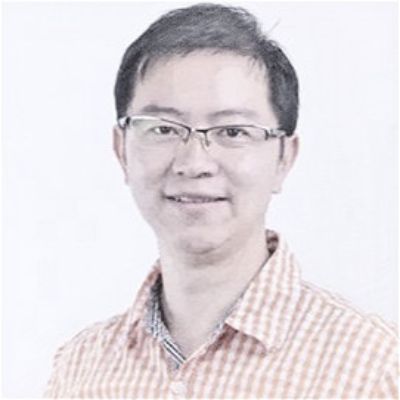
CEO and founder of ScentRealm, Huang Jianwei worked at Alibaba from 2004 to 2011. In 2012, he founded ScentRealm and received seed funding from Wang Gang. He also tried to create a business around QR codes, then tried to build an internet finance business. The latter was a success for a while, but Huang decided to shut it down. In 2015, he pivoted the company to build ScentRealm.
CEO and founder of Kuaikan (formerly Kuaikan Comic)
Chen gained several million fans on Weibo (Chinese Twitter) from the comics she wrote about her and her boyfriend. She sold hundreds of thousands of comic books while she was still in college. After graduation, Chen founded Kuaikan Comic in 2014. The artist-turned-entrepreneur turned the startup into one of the top mobile comic platforms in China within three years. The startup changed its name to Kuaikan in August 2021

Chen gained several million fans on Weibo (Chinese Twitter) from the comics she wrote about her and her boyfriend. She sold hundreds of thousands of comic books while she was still in college. After graduation, Chen founded Kuaikan Comic in 2014. The artist-turned-entrepreneur turned the startup into one of the top mobile comic platforms in China within three years. The startup changed its name to Kuaikan in August 2021
CEO and founder of MIWA Technologies
A designer and branding specialist, Petr Báča was inspired to develop a smart vending solution to eliminate plastic packaging in supply chains while working with industry clients at Cocoon Prague, a branding and advertising agency he founded in 1996. In 2015, he set up MIWA Technologies in Prague, to realize his smart vending system into a business. He is currently CEO of MIWA and continues to work in packaging design as a partner at Cocoon Prague.Báča graduated from the University of Economics in Prague in 2002. He is also a founding partner of the Intellectual Capital Investors Association that assists innovators to start their own businesses and to help new companies to scale.

A designer and branding specialist, Petr Báča was inspired to develop a smart vending solution to eliminate plastic packaging in supply chains while working with industry clients at Cocoon Prague, a branding and advertising agency he founded in 1996. In 2015, he set up MIWA Technologies in Prague, to realize his smart vending system into a business. He is currently CEO of MIWA and continues to work in packaging design as a partner at Cocoon Prague.Báča graduated from the University of Economics in Prague in 2002. He is also a founding partner of the Intellectual Capital Investors Association that assists innovators to start their own businesses and to help new companies to scale.
CEO and co-founder of X1 Wind / PivotBuoy
Trained in mechanical engineering, Alex Raventos graduated from the MIT-Portugal’s Executive Master’s program focused on sustainable energy systems. In 2017 he joined the prestigious Global Solution Program led by Singularity University at NASA Research Park in Mountain View, California, where talents meet to develop innovative technology and groundbreaking solutions that address the greatest challenges for humanity today.Raventos has gained significant experience as head of economics and project coordinator in companies in the energy sector such as WavEC Offshore Renewables and Bluewater.In 2014 he founded Inn2Grid, consulting companies in renewable energy and focused on ocean energy technologies. Since 2017 he has been CEO and co-founder of X1 Wind, a Barcelona-based startup developing a downwind turbine technology to reduce the Levelized Cost of Energy (LCOE) in offshore wind plants.
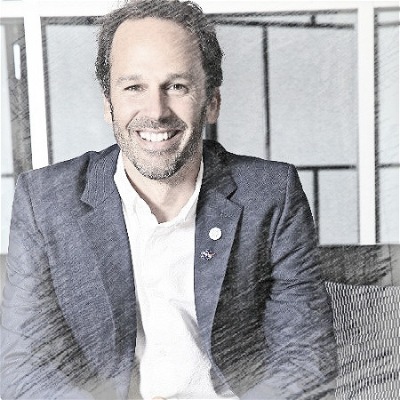
Trained in mechanical engineering, Alex Raventos graduated from the MIT-Portugal’s Executive Master’s program focused on sustainable energy systems. In 2017 he joined the prestigious Global Solution Program led by Singularity University at NASA Research Park in Mountain View, California, where talents meet to develop innovative technology and groundbreaking solutions that address the greatest challenges for humanity today.Raventos has gained significant experience as head of economics and project coordinator in companies in the energy sector such as WavEC Offshore Renewables and Bluewater.In 2014 he founded Inn2Grid, consulting companies in renewable energy and focused on ocean energy technologies. Since 2017 he has been CEO and co-founder of X1 Wind, a Barcelona-based startup developing a downwind turbine technology to reduce the Levelized Cost of Energy (LCOE) in offshore wind plants.
CTO and co-founder of X1 Wind / PivotBuoy
Carlos Casanova is the CTO and co-founder of X1 Wind, a company developing a downwind turbine technology to reduce the Levelized Cost of Energy (LCOE) in offshore wind plants, named the PivotBuoy system. He conceived the concept that paved the way for PivotBuoy in 2012 during his MSc studies in Mechanical Engineering at the Massachusetts Institute of Technology (MIT). Prior to X1 Wind, Casanova worked as an engineer in companies developing similar solutions in the field of wind turbines and floating offshore systems, including Bluewater and Adwen Offshore.From 2012 to 2014, Casanova also was Research Assistant at MIT, investigating floating wind turbine advanced controls.

Carlos Casanova is the CTO and co-founder of X1 Wind, a company developing a downwind turbine technology to reduce the Levelized Cost of Energy (LCOE) in offshore wind plants, named the PivotBuoy system. He conceived the concept that paved the way for PivotBuoy in 2012 during his MSc studies in Mechanical Engineering at the Massachusetts Institute of Technology (MIT). Prior to X1 Wind, Casanova worked as an engineer in companies developing similar solutions in the field of wind turbines and floating offshore systems, including Bluewater and Adwen Offshore.From 2012 to 2014, Casanova also was Research Assistant at MIT, investigating floating wind turbine advanced controls.
CEO and co-founder of Infinited Fiber
Petri Alava has over 15 years of industry experience in logistics, publishing and waste management. In 1989, he completed a master’s in industrial engineering and started his management career at Finncont Oy, a subsidiary of GWS Group. He went on to work at Rocla Oy in 2001 as managing director of the Rocla Robotruck Group with manufacturing units in Finland and Sweden. He also held senior management roles at Vapo Oy and Kekkilä Oy.In 2015, he became the managing partner of Profon Oy and also co-founded cleantech materials startup Infinited Fiber as CEO. Based in Helsinki, he is also currently chairman of various companies, as well as the CEO of Solid Environmental Technologies.

Petri Alava has over 15 years of industry experience in logistics, publishing and waste management. In 1989, he completed a master’s in industrial engineering and started his management career at Finncont Oy, a subsidiary of GWS Group. He went on to work at Rocla Oy in 2001 as managing director of the Rocla Robotruck Group with manufacturing units in Finland and Sweden. He also held senior management roles at Vapo Oy and Kekkilä Oy.In 2015, he became the managing partner of Profon Oy and also co-founded cleantech materials startup Infinited Fiber as CEO. Based in Helsinki, he is also currently chairman of various companies, as well as the CEO of Solid Environmental Technologies.
Co-founder of Infinited Fiber
Ali Harlin completed two doctorates in chemical engineering and in polymer science in 1995 and 1996 respectively. He spent 11 years developing the Borstar technology related to bimodal PE and PP. He has also worked as a research director for packaging materials and cable machinery. He currently works as a research professor and lecturer at two local universities in Finland. In 2003, he joined Tampere University of Technology as a professor for fiber materials and technical textiles. In 2014, he also started lecturing at LUT University as a professor specializing in packaging and polymeric materials.Since 2005, the industrial biomaterial specialist has also been working at the Technical Research Centre of Finland VTT where he became the product R&D team leader for Infinited Fiber, a startup he co-founded in 2016 with CEO Petri Alava.

Ali Harlin completed two doctorates in chemical engineering and in polymer science in 1995 and 1996 respectively. He spent 11 years developing the Borstar technology related to bimodal PE and PP. He has also worked as a research director for packaging materials and cable machinery. He currently works as a research professor and lecturer at two local universities in Finland. In 2003, he joined Tampere University of Technology as a professor for fiber materials and technical textiles. In 2014, he also started lecturing at LUT University as a professor specializing in packaging and polymeric materials.Since 2005, the industrial biomaterial specialist has also been working at the Technical Research Centre of Finland VTT where he became the product R&D team leader for Infinited Fiber, a startup he co-founded in 2016 with CEO Petri Alava.
Co-founder, CEO of Meatable
Krijn De Nood is the Dutch co-founder and CEO at cell-based meat startup Meatable, the first to claim a highly scalable culture technology with the use of pluripotent stem cells, where he has worked since 2018. He previously worked at McKinsey for six-and-a-half years in Amsterdam, New York and in Kenya. Prior to that, he worked as an equity derivatives trader at derivative trading company All Options after a short stint at Barclays Capital.De Nood holds two first degrees from the University of Amsterdam, in philosophy and in economics and finance.

Krijn De Nood is the Dutch co-founder and CEO at cell-based meat startup Meatable, the first to claim a highly scalable culture technology with the use of pluripotent stem cells, where he has worked since 2018. He previously worked at McKinsey for six-and-a-half years in Amsterdam, New York and in Kenya. Prior to that, he worked as an equity derivatives trader at derivative trading company All Options after a short stint at Barclays Capital.De Nood holds two first degrees from the University of Amsterdam, in philosophy and in economics and finance.
Co-founder, CTO of Meatable
Daan Luining is the Dutch co-founder and CTO at cell-based meat startup Meatable, the first to claim a highly scalable culture technology, where he has worked since 2018. He is also a research director at the Cellular Agriculture Society in Leiden, a joint initiative for cell-based startups to share knowledge and to collaborate on projects to further scale the sector. Luining is also on the board of directors at the not-for-profit Cultured Meat Foundation that promotes sector innovation. His past posts have all been in the area of research, either as a researcher or a technician, and at the same time as completing studies. His last job was as a research strategist at New York-based New Harvest, a callular food rsearch funding body, where he worked for a year and met Dr. Kotter, the inventor of Meatable’s cellular technology. His research positions from 2009–15 were in the area of cell culture, mass spectrometry and DNA sequencing at the Maastricht University, University Medical Center Amsterdam, Utrecht University and Leiden University. Luining holds a master’s in biological sciences from Leiden University in the Netherlands.

Daan Luining is the Dutch co-founder and CTO at cell-based meat startup Meatable, the first to claim a highly scalable culture technology, where he has worked since 2018. He is also a research director at the Cellular Agriculture Society in Leiden, a joint initiative for cell-based startups to share knowledge and to collaborate on projects to further scale the sector. Luining is also on the board of directors at the not-for-profit Cultured Meat Foundation that promotes sector innovation. His past posts have all been in the area of research, either as a researcher or a technician, and at the same time as completing studies. His last job was as a research strategist at New York-based New Harvest, a callular food rsearch funding body, where he worked for a year and met Dr. Kotter, the inventor of Meatable’s cellular technology. His research positions from 2009–15 were in the area of cell culture, mass spectrometry and DNA sequencing at the Maastricht University, University Medical Center Amsterdam, Utrecht University and Leiden University. Luining holds a master’s in biological sciences from Leiden University in the Netherlands.
CEO and co-founder of Xendit
Moses Lo comes from an entrepreneurial family, his father acquired a failing business in Australia and turned it into a successful company. The family business inspired Lo to start his own fashion business in Australia after graduating in finance and commerce at the University of New South Wales in 2010.Lo initially gained work experience as an analyst in 2008 as part of his undergraduate finance and commerce programs in Australia. In 2011, he became an associate at the Boston Consulting Group in Australia. After two years, he was promoted to senior associate but left BCG in 2013 to focus on his menswear ventures until 2014.Lo decided to get first-hand tech startup experience in the Silicon Valley, working at Amazon while completing an MBA program at the University of California, Berkeley. In 2015, he decided to established a P2P payments platform Xendit in Indonesia. The platform has since pivoted into a payment gateway service and became a unicorn in 2021, with Lo as CEO based in California and Jakarta. He was also featured in Forbes’ 30 Under 30 list for Asian figures in finance and venture capital in 2016.

Moses Lo comes from an entrepreneurial family, his father acquired a failing business in Australia and turned it into a successful company. The family business inspired Lo to start his own fashion business in Australia after graduating in finance and commerce at the University of New South Wales in 2010.Lo initially gained work experience as an analyst in 2008 as part of his undergraduate finance and commerce programs in Australia. In 2011, he became an associate at the Boston Consulting Group in Australia. After two years, he was promoted to senior associate but left BCG in 2013 to focus on his menswear ventures until 2014.Lo decided to get first-hand tech startup experience in the Silicon Valley, working at Amazon while completing an MBA program at the University of California, Berkeley. In 2015, he decided to established a P2P payments platform Xendit in Indonesia. The platform has since pivoted into a payment gateway service and became a unicorn in 2021, with Lo as CEO based in California and Jakarta. He was also featured in Forbes’ 30 Under 30 list for Asian figures in finance and venture capital in 2016.
CTO and co-founder of Xendit
Bo Chen is a talented programmer specializing in web development. He graduated from the University of California with a double degree in electrical engineering and computer science. He worked as a web development intern at various companies while studying in the US. He graduated in 2014 and worked briefly at web marketing firm Brandcast and fintech startup Ripple. In 2015, he joined fellow UC Berkeley alumnus Moses Lo to establish Xendit, a payment platform for Southeast Asia.

Bo Chen is a talented programmer specializing in web development. He graduated from the University of California with a double degree in electrical engineering and computer science. He worked as a web development intern at various companies while studying in the US. He graduated in 2014 and worked briefly at web marketing firm Brandcast and fintech startup Ripple. In 2015, he joined fellow UC Berkeley alumnus Moses Lo to establish Xendit, a payment platform for Southeast Asia.
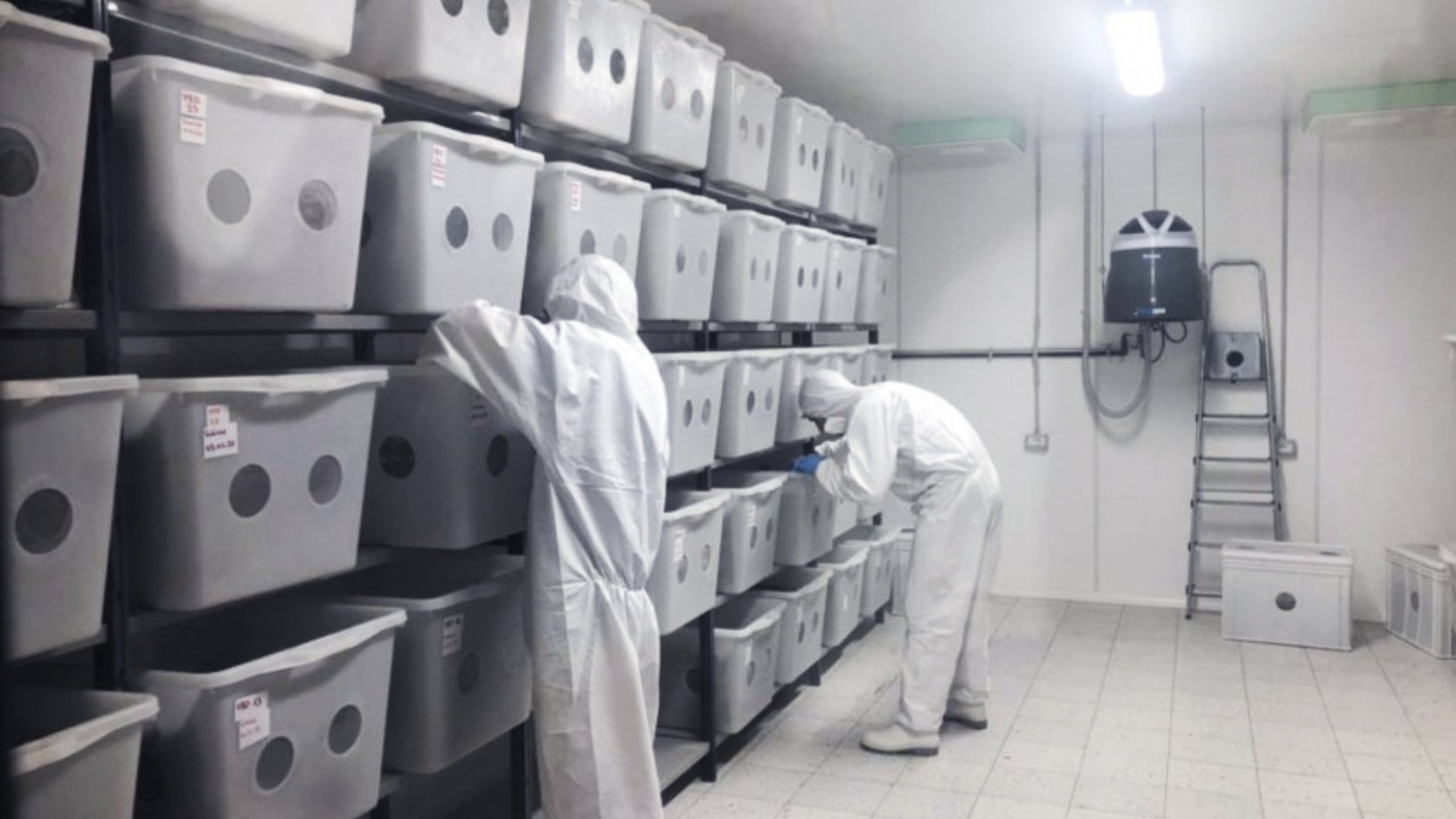
Nutrinsect: Aiming at insects for human consumption for the planet's sake
Nutrinsect expects insect-based foodstuffs to supplement meat to satisfy the ever-growing hunger for protein

Day Day Cook: Creating content that sells
She may not be a celebrity chef but Norma Chu, the analyst-turned-cook, is a familiar face in food-obsessed Hong Kong, where she has her recipe website to encourage youths to learn cooking

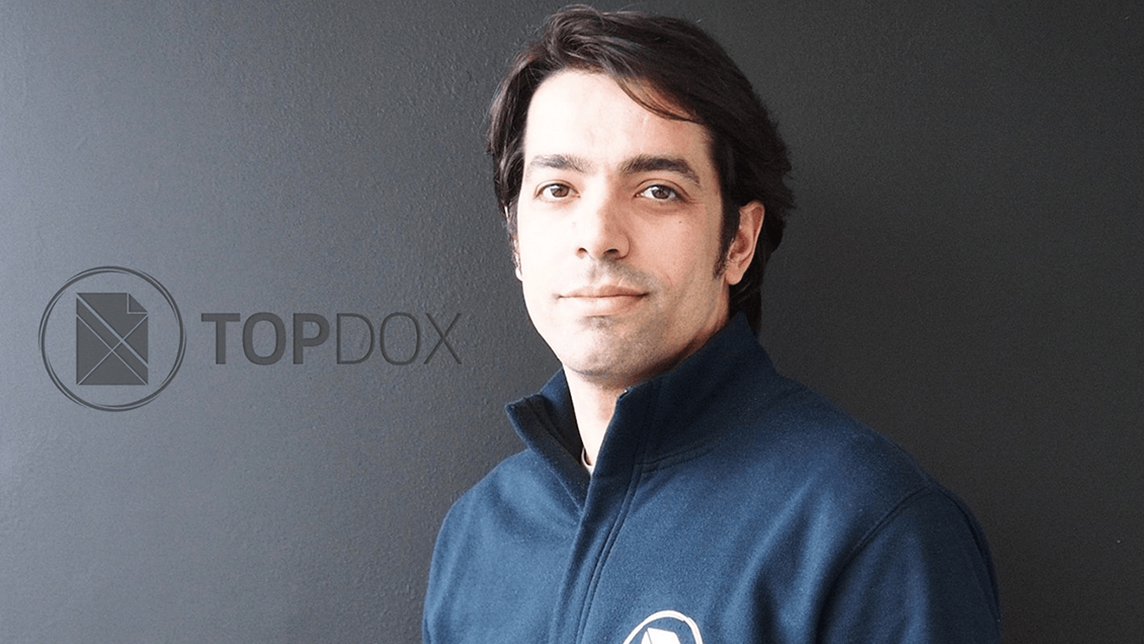
TOPDOX relaunched: from consumer to corporate
Half a million users later, productivity software startup TOPDOX made the jump to B2B. Its co-founder and CEO, Nelson Pereira, tells us why
Alpha JWC Ventures bets on Indonesian fintech, analytics startups for big impact
A commitment to mentoring and supporting its portfolio companies also lies at the core of its business

Faromatics' ChickenBoy robot brings smart analytics to poultry farming
The makers of the AI-based robot for managing large-scale poultry farming are seeking up to €4m in a second round funding as they launch their invention in Europe

The rising Indonesian edtech star wants to help high-school dropouts earn their diploma and learn the relevant skills to find a job – with an innovative solution lauded at this year’s MIT Solve Challenge

Something positive could come out of the Facebook fallout
Users and startups could learn a lot from the Facebook-Cambridge Analytica scandal. For a start, don’t succumb to apathy

Bobobobo: Indonesian luxury at a click
Amid a booming local e-commerce market, this startup carves a niche for itself in upscale trending goods and experiences influenced by Indonesia’s rich traditions

In this shipping container, you can work out and save money
By eliminating the need to pay for an expensive gym membership, ParkBox is good news for gym buffs

Indonesian state enterprises launch e-wallet LinkAja, competing with Go-Pay and OVO
Even with a wider range of services and extensive state backing, LinkAja faces a tough battle

Xiangwushuo’s platform finds a new home for secondhand goods
This WeChat mini program doesn’t yet have a monetization strategy, but has still received over US$110 million in funding in one year

Will China ride into a car-sharing future?
Chinese car-sharing startups face reckoning as more than 500 players crowd into a fast-growing, but young, market

No bank account? In Indonesia, you can still shop online
Indonesian startups are racing to serve the millions of consumers that banks haven’t reached. Here’s a look at some of the leading players, their innovations and how they have redefined the market

Will this one-year-old startup revolutionize traditional industries?
Targeting retail and tourism first, Aibee aims to help traditional businesses keep up with their online counterparts using its all-in-one AI solutions

#WahyooChallenge: From charity to publicity
Inspired by social media trends, the Wahyoo team came up with a way to give back to society, and found their idea going viral

Sorry, we couldn’t find any matches for “Orizon T”.
POPULAR DATABASE